
Imunoglobulins structure and function Production of immunoglobulins Genetic
Imunoglobulins – structure and function Production of immunoglobulins Genetic determination of immunoglobulin production Clonal selection theory
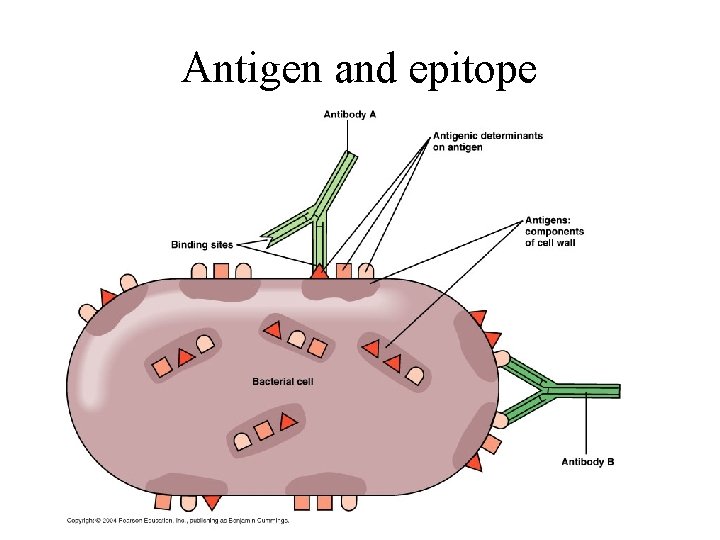
Antigen and epitope
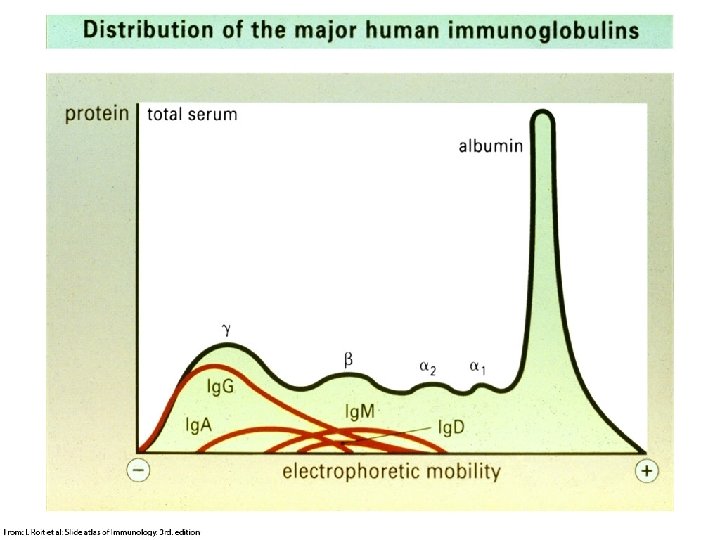
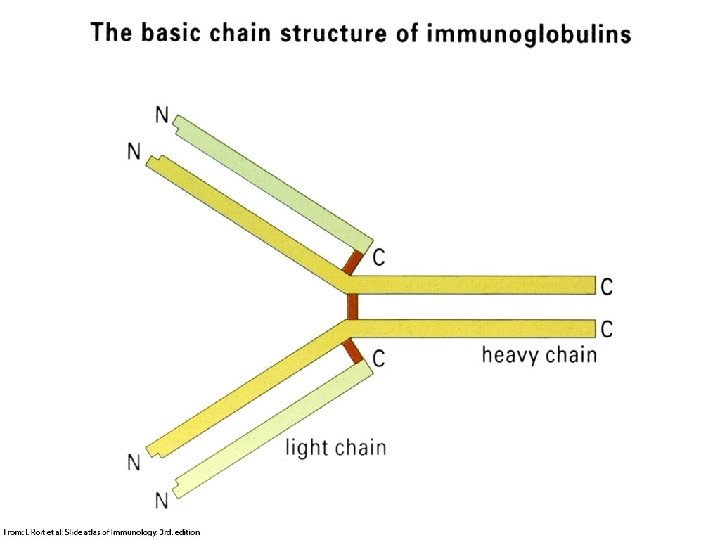
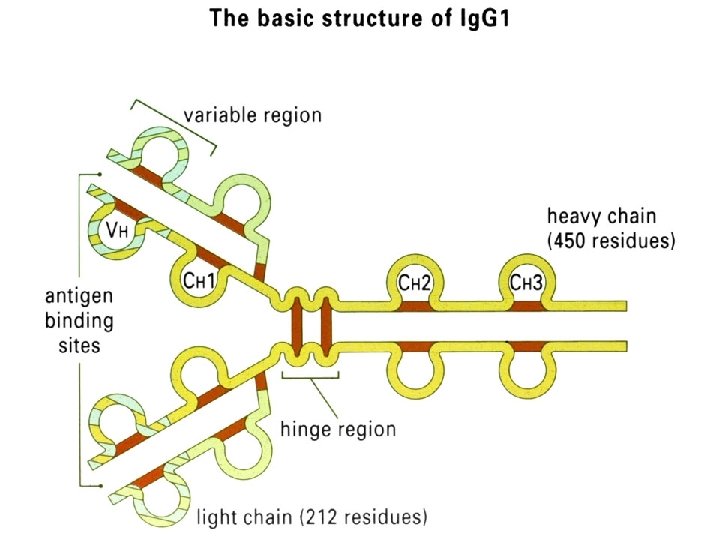
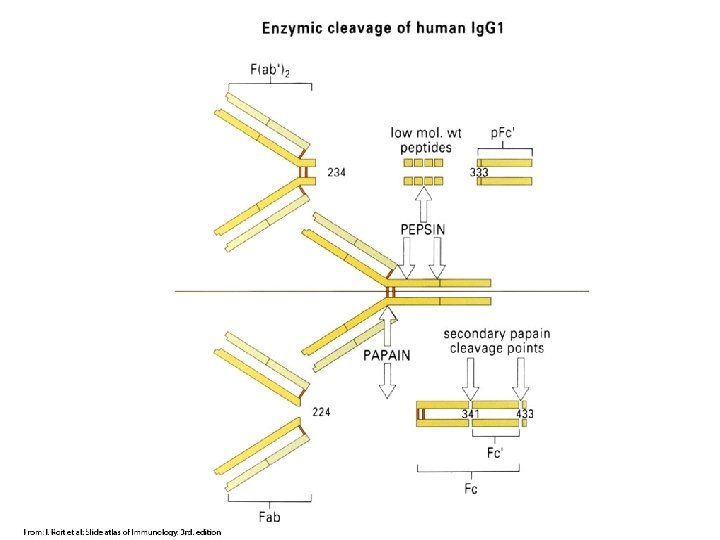
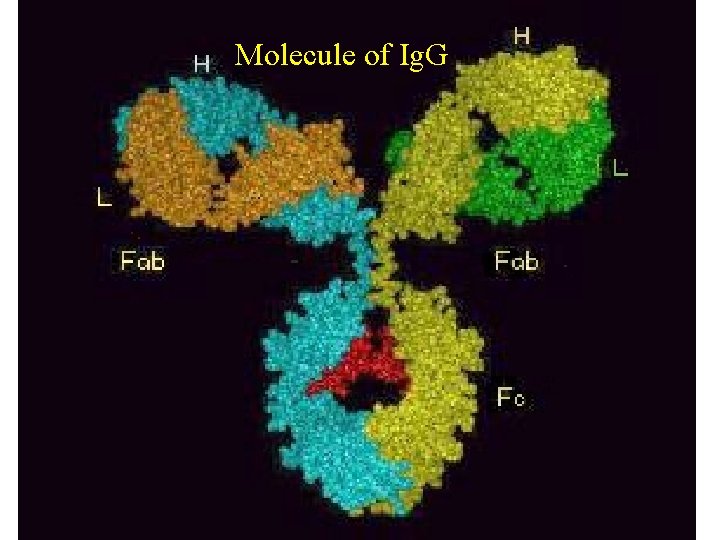
Molecule of Ig. G
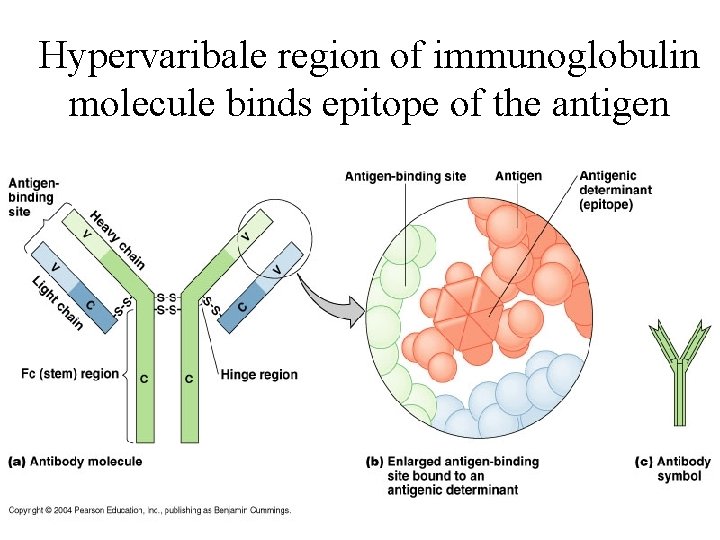
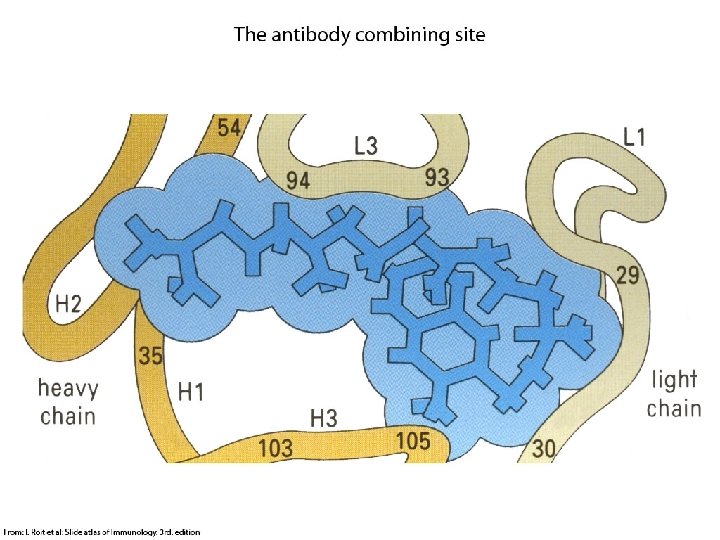
Hypervaribale region of immunoglobulin molecule binds epitope of the antigen
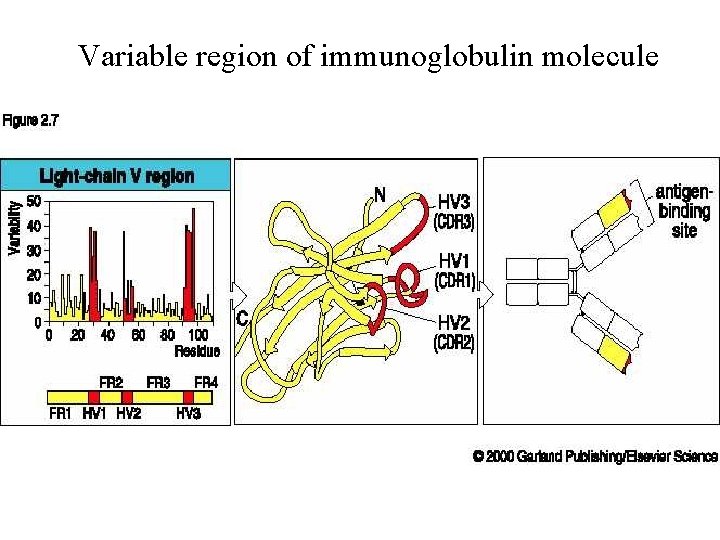
Variable region of immunoglobulin molecule
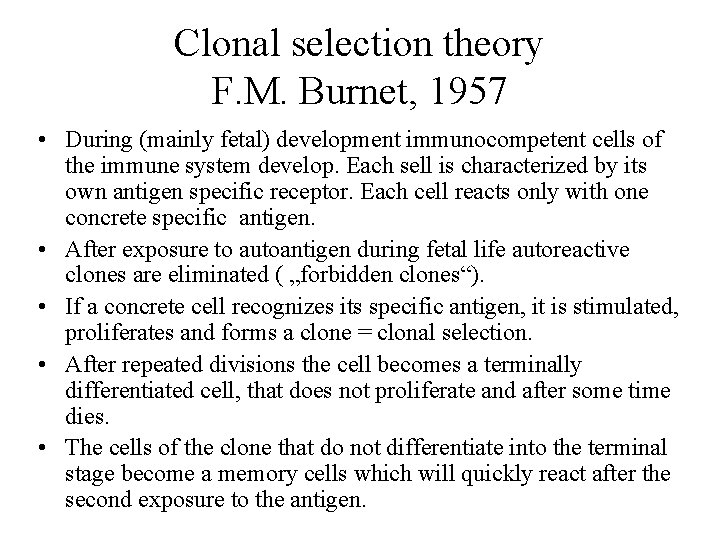
Clonal selection theory F. M. Burnet, 1957 • During (mainly fetal) development immunocompetent cells of the immune system develop. Each sell is characterized by its own antigen specific receptor. Each cell reacts only with one concrete specific antigen. • After exposure to autoantigen during fetal life autoreactive clones are eliminated ( „forbidden clones“). • If a concrete cell recognizes its specific antigen, it is stimulated, proliferates and forms a clone = clonal selection. • After repeated divisions the cell becomes a terminally differentiated cell, that does not proliferate and after some time dies. • The cells of the clone that do not differentiate into the terminal stage become a memory cells which will quickly react after the second exposure to the antigen.
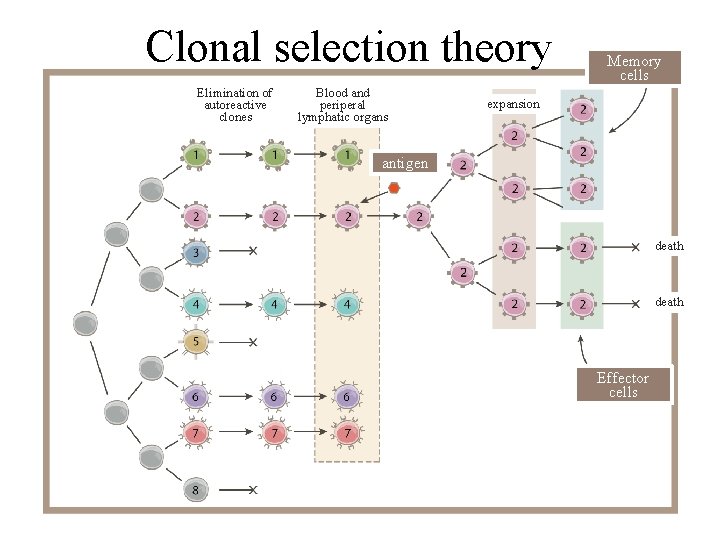
Clonal selection theory Elimination of autoreactive clones Blood and periperal lymphatic organs Memory cells expansion antigen death Effector cells
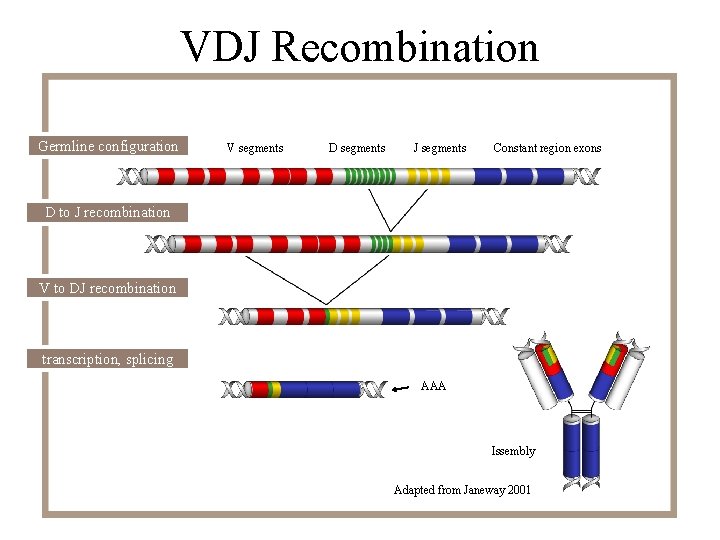
VDJ Recombination Germline configuration V segments D segments J segments Constant region exons D to J recombination V to DJ recombination transcription, splicing AAA Issembly Adapted from Janeway 2001
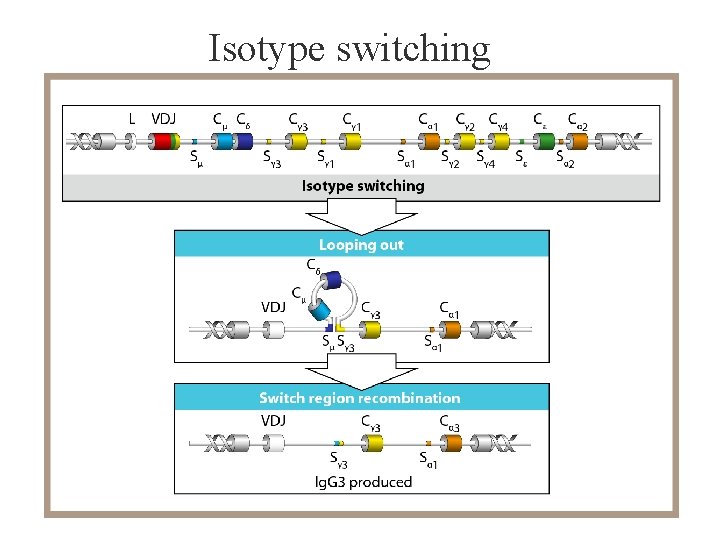
Isotype switching
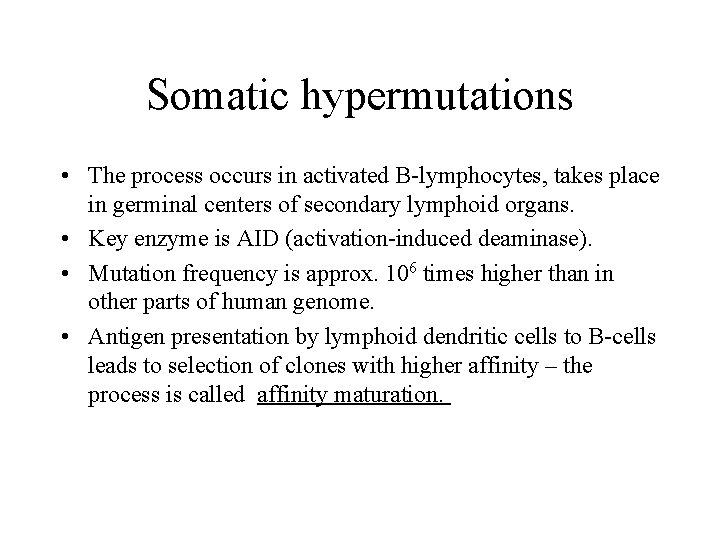
Somatic hypermutations • The process occurs in activated B-lymphocytes, takes place in germinal centers of secondary lymphoid organs. • Key enzyme is AID (activation-induced deaminase). • Mutation frequency is approx. 106 times higher than in other parts of human genome. • Antigen presentation by lymphoid dendritic cells to B-cells leads to selection of clones with higher affinity – the process is called affinity maturation.
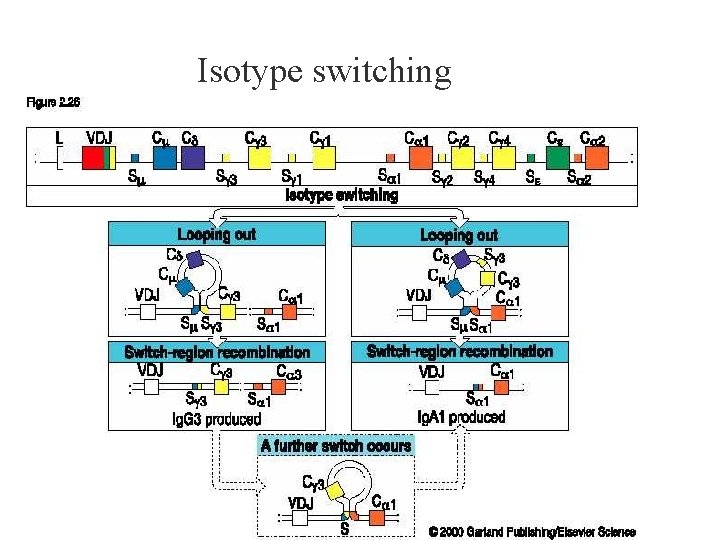
Isotype switching
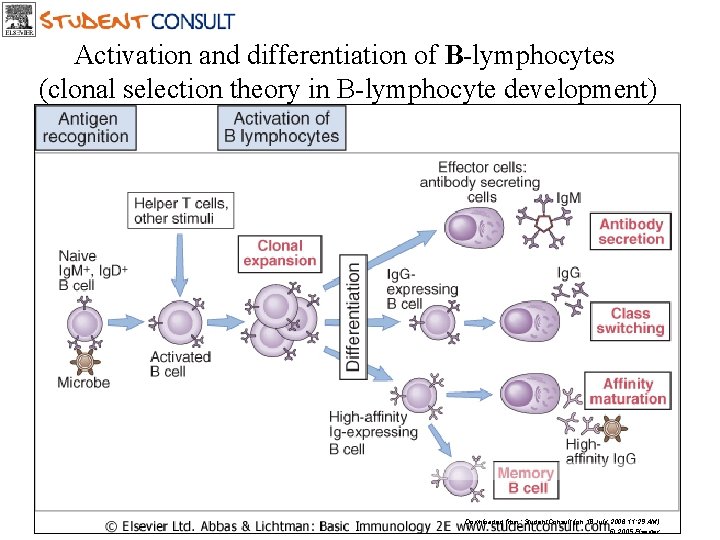
Activation and differentiation of B-lymphocytes (clonal selection theory in B-lymphocyte development) Downloaded from: Student. Consult (on 18 July 2006 11: 29 AM) © 2005 Elsevier
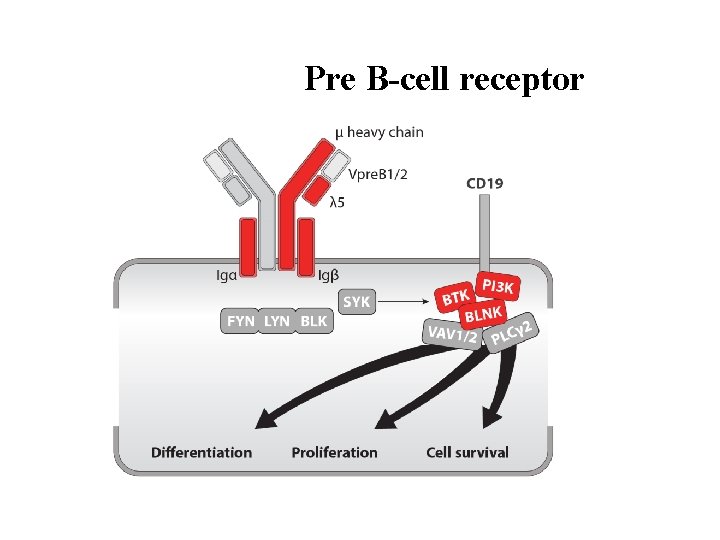
Pre B-cell receptor
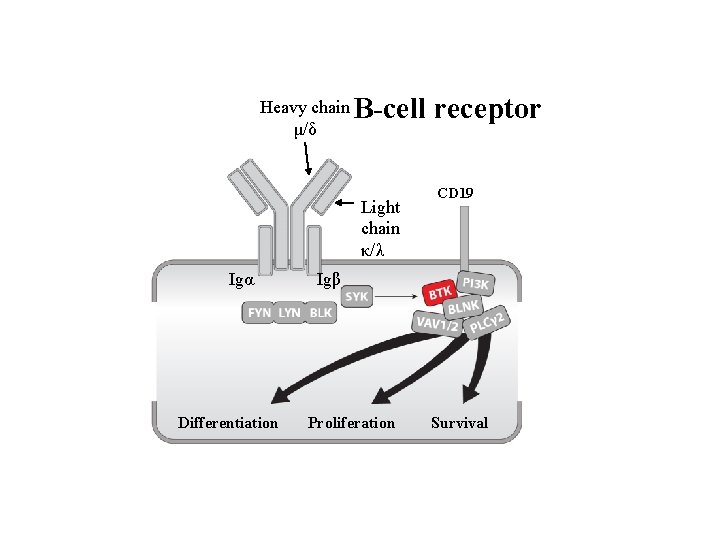
B-cell receptor Heavy chain μ/δ Light chain κ/λ Igα Differentiation CD 19 Igβ Proliferation Survival
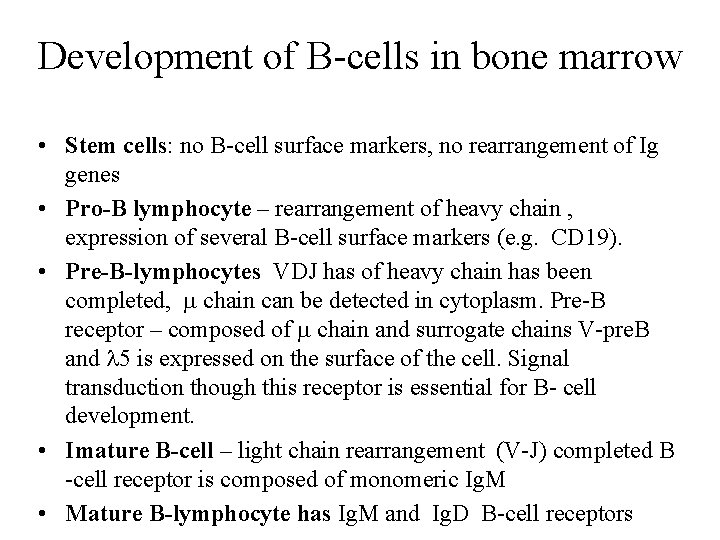
Development of B-cells in bone marrow • Stem cells: no B-cell surface markers, no rearrangement of Ig genes • Pro-B lymphocyte – rearrangement of heavy chain , expression of several B-cell surface markers (e. g. CD 19). • Pre-B-lymphocytes VDJ has of heavy chain has been completed, m chain can be detected in cytoplasm. Pre-B receptor – composed of m chain and surrogate chains V-pre. B and l 5 is expressed on the surface of the cell. Signal transduction though this receptor is essential for B- cell development. • Imature B-cell – light chain rearrangement (V-J) completed B -cell receptor is composed of monomeric Ig. M • Mature B-lymphocyte has Ig. M and Ig. D B-cell receptors
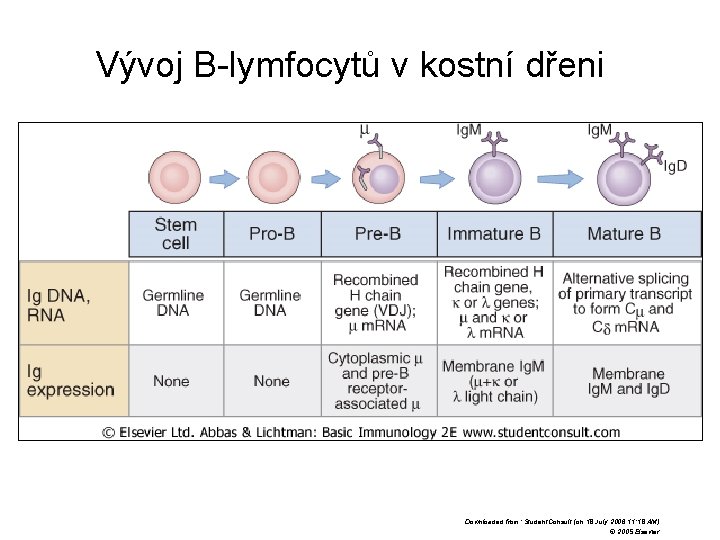
Vývoj B-lymfocytů v kostní dřeni Downloaded from: Student. Consult (on 18 July 2006 11: 18 AM) © 2005 Elsevier
Bruton´s tyrosine kinase (BTK) • BTK binds fosfatidylinoisitoltriphosphate (3, 4, 5)-(PIP 3). • Activates phospholipase C, leading to hydrolysis of phapsphatidylinositol (PIP 2) into inositoltriphophate (IP 3) and diacyglycerol(DAG). • This is key process in activation, differentian and development of B-cells. • Mutations of BTK lead to X-linked (Bruton´s) agammaglobulinemia. • BTK blockers (e. g. ibrutimib) are used for the treatment of B- cell malignancies.
Downloaded from: Student. Consult (on 18 July 2006 11: 29 AM) © 2005 Elsevier
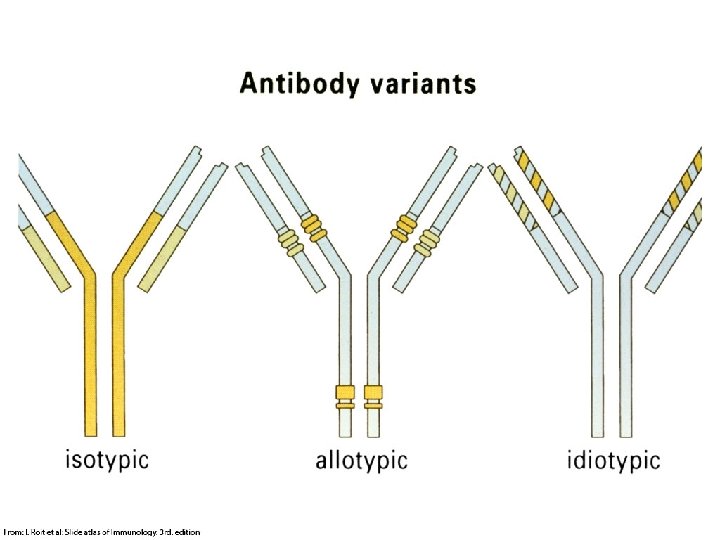
Isotype • The class or subclass of an immunoglobulin. • Antigenic determinats are on constant part of immunoglobulin molecule.
Idiotype • An antigenic determinant on the variable region of a specific antibody.
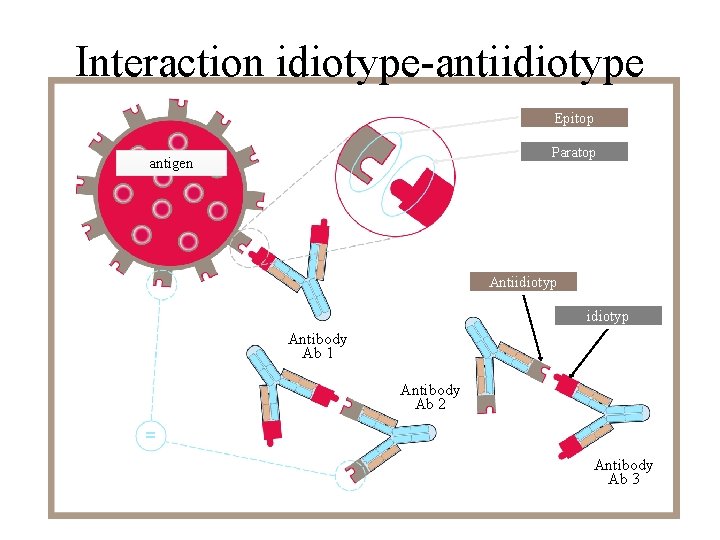
Interaction idiotype-antiidiotype Epitop Paratop antigen Antiidiotyp Antibody Ab 1 Antibody Ab 2 Antibody Ab 3
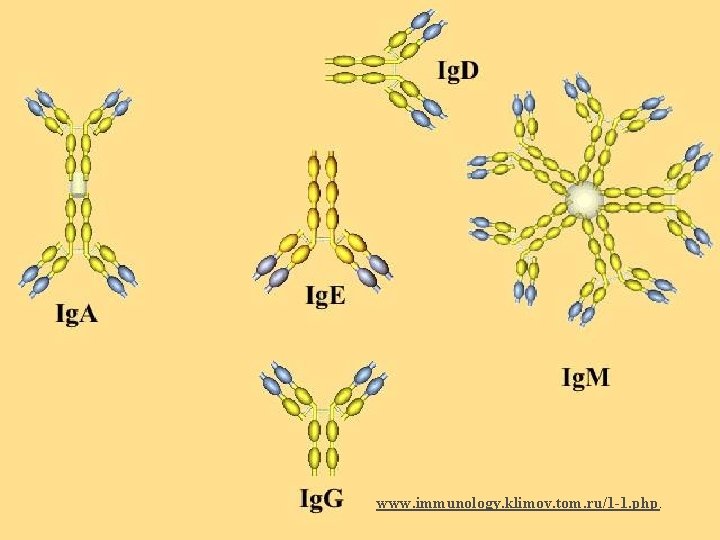
www. immunology. klimov. tom. ru/1 -1. php.
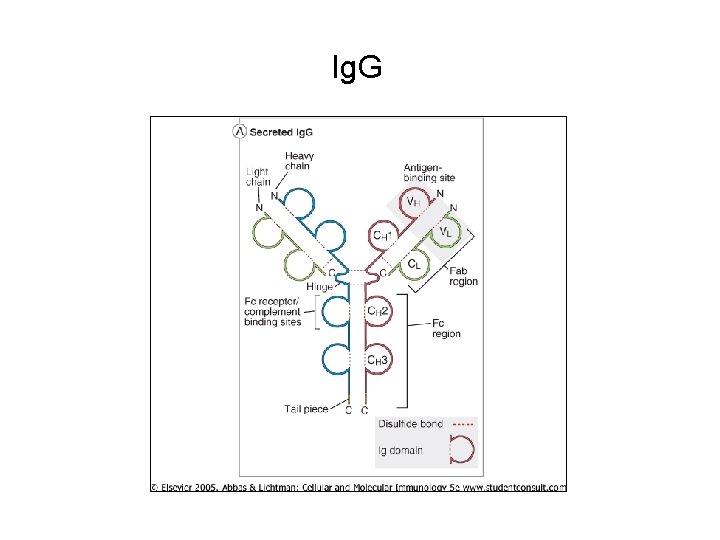
Ig. G
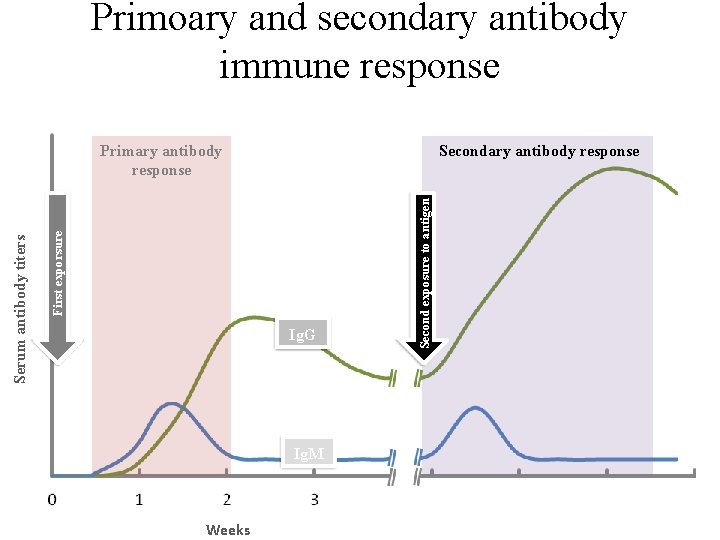
Primoary and secondary antibody immune response Ig. G Ig. M Weeks Second exposure to antigen Secondary antibody response First exporsure Serum antibody titers Primary antibody response
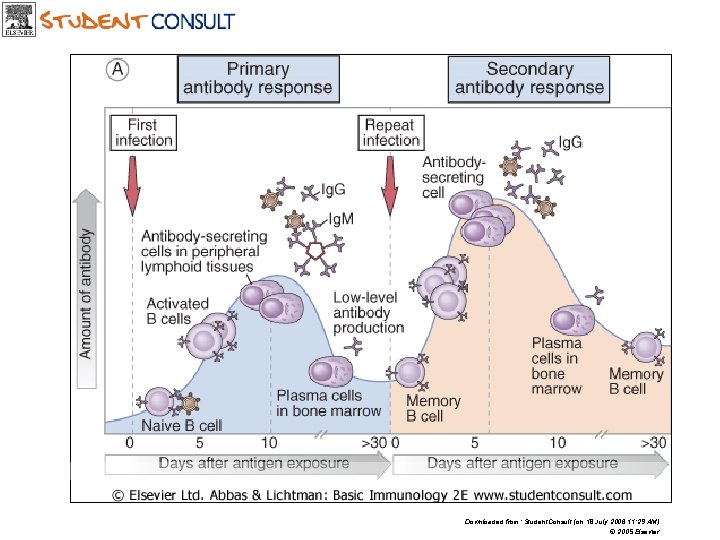
Downloaded from: Student. Consult (on 18 July 2006 11: 29 AM) © 2005 Elsevier
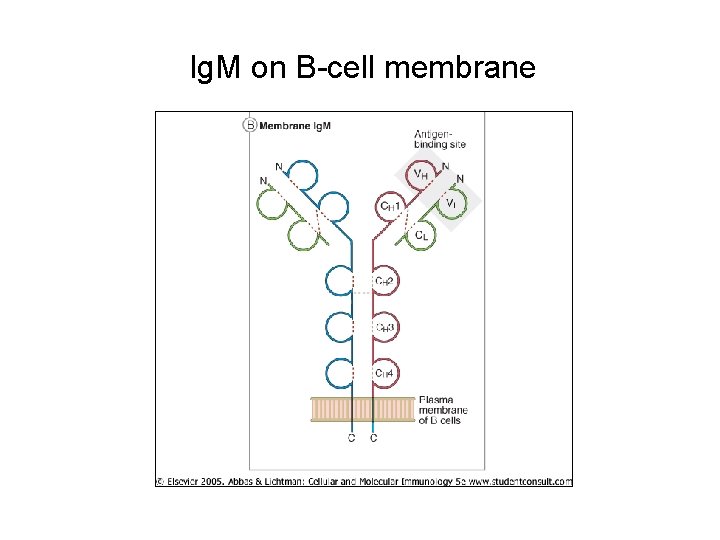
Ig. M on B-cell membrane
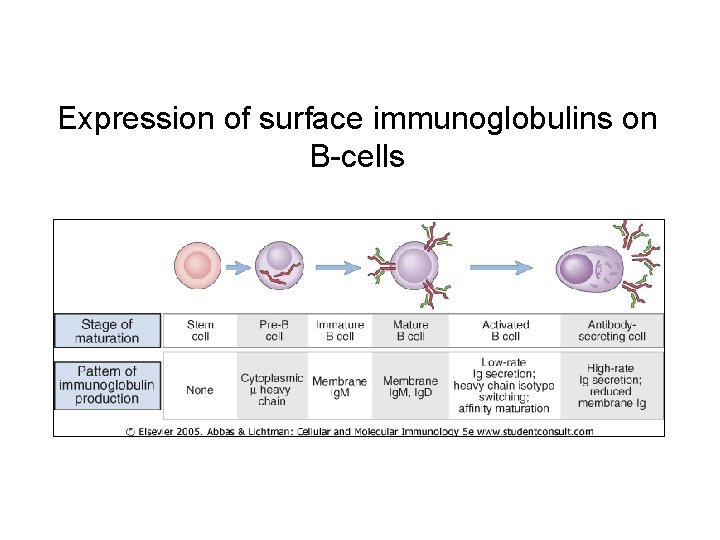
Expression of surface immunoglobulins on B-cells
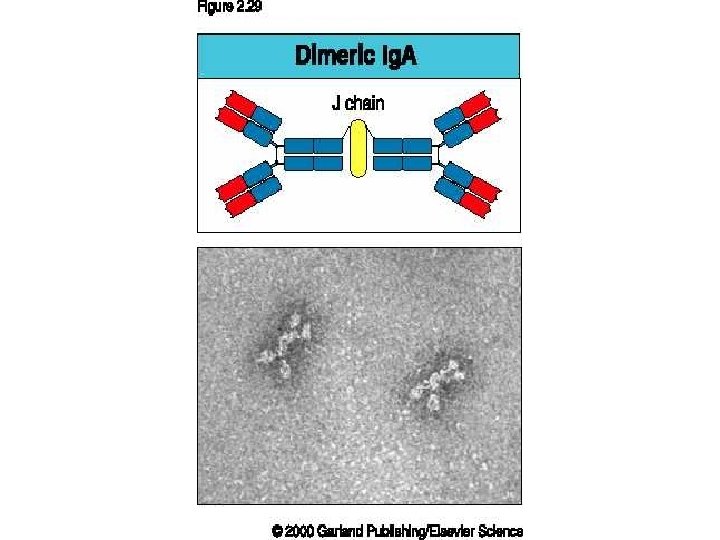
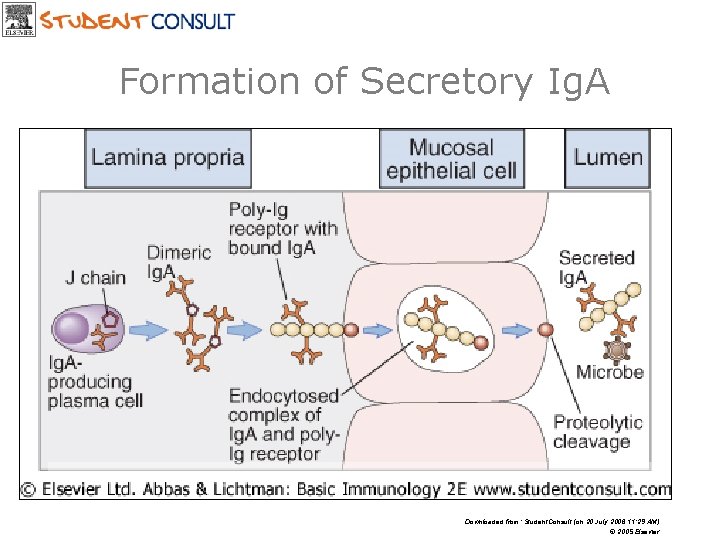
Formation of Secretory Ig. A Downloaded from: Student. Consult (on 20 July 2006 11: 29 AM) © 2005 Elsevier
• Affinity: The strength of the binding between a single site of an antibody (one variable region) and an epitope. • Avidity: The overall strength of interaction between and antibody and antigen. The avidity depends on affinity and the valency of interactions.
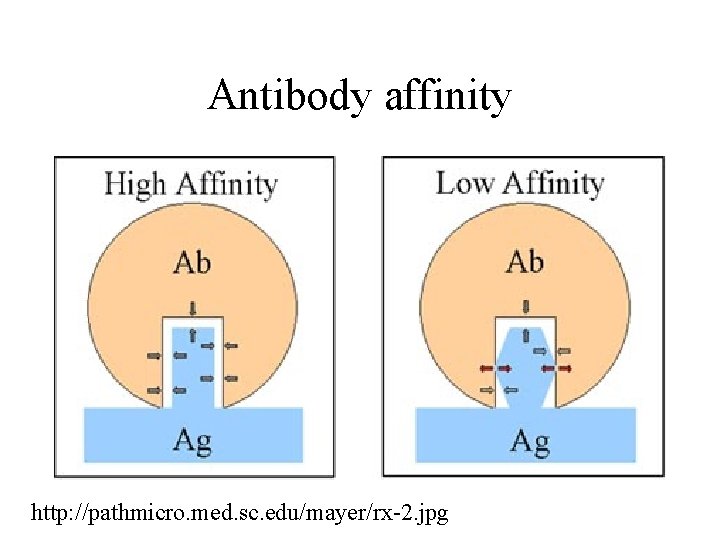
Antibody affinity http: //pathmicro. med. sc. edu/mayer/rx-2. jpg
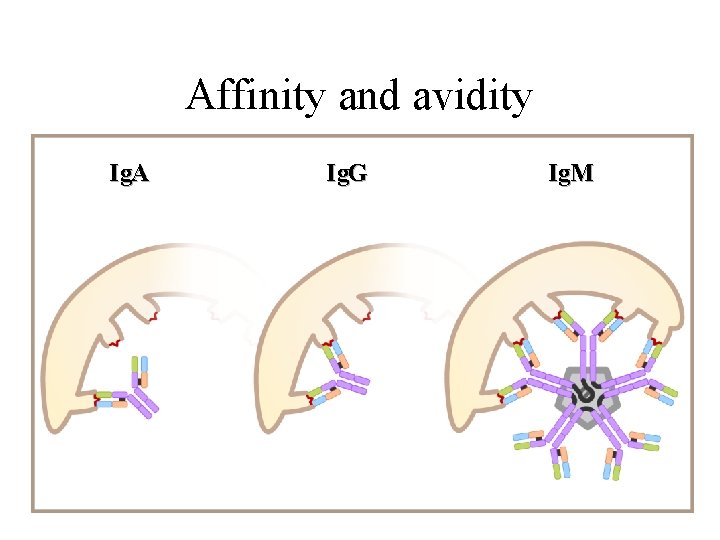
Affinity and avidity Ig. A Ig. G Ig. M
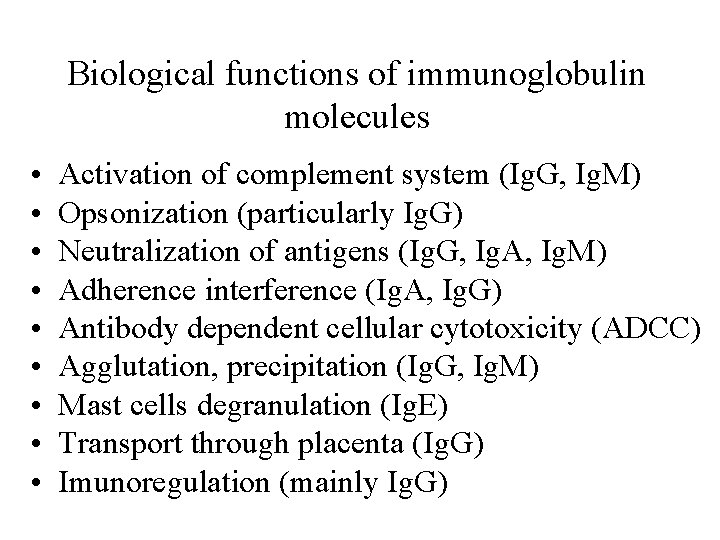
Biological functions of immunoglobulin molecules • • • Activation of complement system (Ig. G, Ig. M) Opsonization (particularly Ig. G) Neutralization of antigens (Ig. G, Ig. A, Ig. M) Adherence interference (Ig. A, Ig. G) Antibody dependent cellular cytotoxicity (ADCC) Agglutation, precipitation (Ig. G, Ig. M) Mast cells degranulation (Ig. E) Transport through placenta (Ig. G) Imunoregulation (mainly Ig. G)
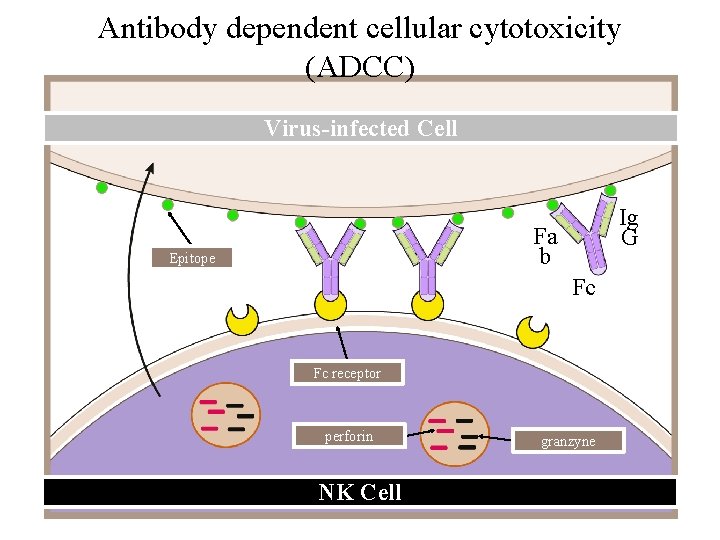
Antibody dependent cellular cytotoxicity (ADCC) Virus-infected Cell Ig G Fa b Epitope Fc Fc receptor perforin NK Cell granzyne
- Slides: 40