
IMPROVING THE REPRODUCTIVE PERFORMANCE BY OPTIMIZING OF NUTRITION
IMPROVING THE REPRODUCTIVE PERFORMANCE BY OPTIMIZING OF NUTRITION AND INTRODUCED A REPRODUCTIVE MANAGEMENT SYSTEM IN DAIRY HERDS 1 Gábor, G. , 2 Koppány G. , 1 Tóth, F. , 2 Kulik, Z. , 2 Szegszárdy I. 1 Research Institute for Animal Breeding and Nutrition, H-2053 Herceghalom, Hungary, 2 Vitafort RT, H-2370 Dabas, Hungary
Why is that actual? • a continuous elevation of the average milk production • herds estrus detection is the main limitation for the optimal reproductive performance • Optimizing reproductive performance by reproductive management is available • Pharmaceutical regulation of the estrus cycle let us synchronizing estrus and ovulation, regulating follicular waves, reducing undetected heats, improving AI. • Aims: Decreasing the parturition interval and the number of AI per pregnancy
Milk production in Hungary • • Milk Producers: 25 -26 thousands farmers and farm Milk production: ~2 billion kg Number of milking cows ~ 210000 Average milk production per cow/year: 7600 kg Calving interval /CI/ (2004) 434 days Number of AI per pregnancy/NAIP/: 3. 48 Decrease of the NAIP by 0. 1 means about 300. 000 € savings per year. • Decrease the CI by 1 day means about 600. 000 € savings per year.
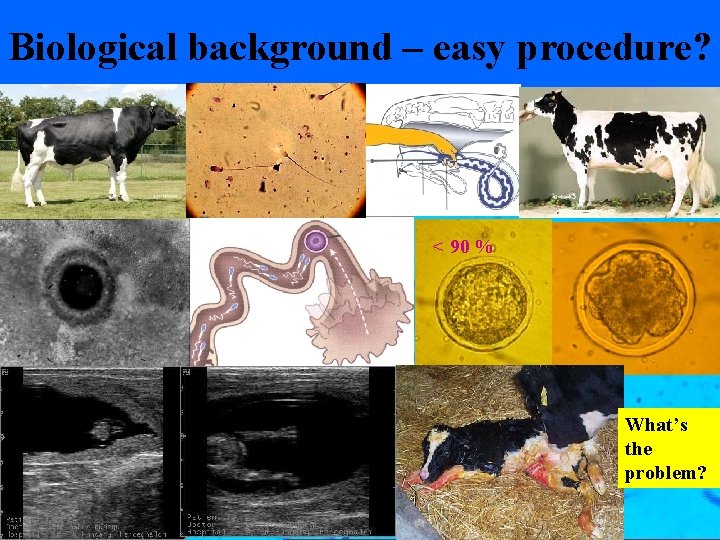
Biological background – easy procedure? < 90 % What’s the problem?
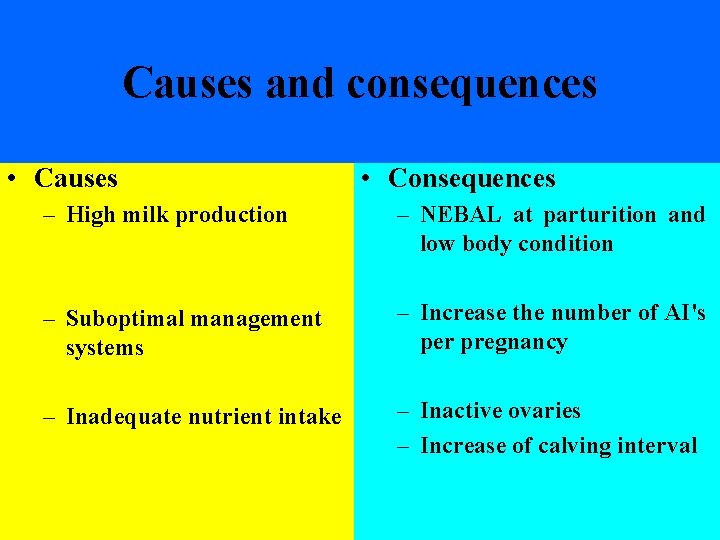
Causes and consequences • Causes • Consequences – High milk production – NEBAL at parturition and low body condition – Suboptimal management systems – Increase the number of AI's per pregnancy – Inadequate nutrient intake – Inactive ovaries – Increase of calving interval
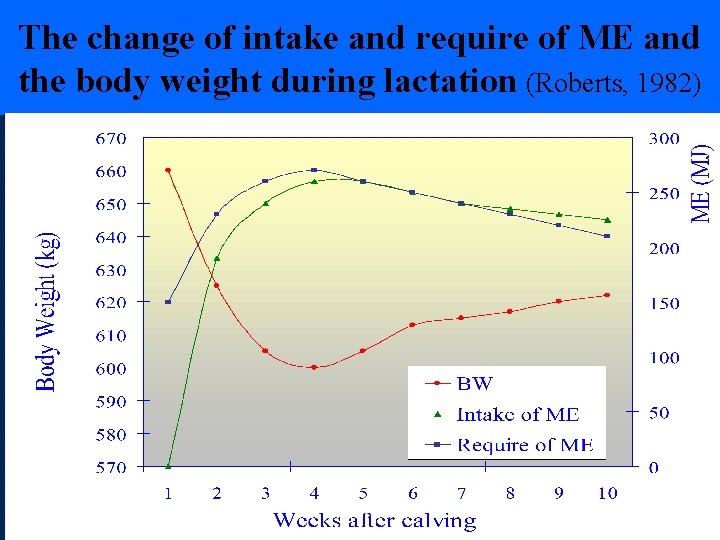
The change of intake and require of ME and the body weight during lactation (Roberts, 1982)
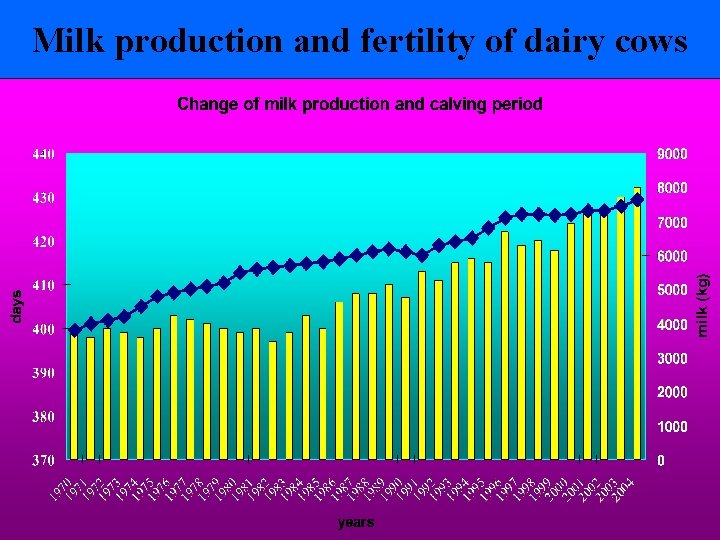
Milk production and fertility of dairy cows
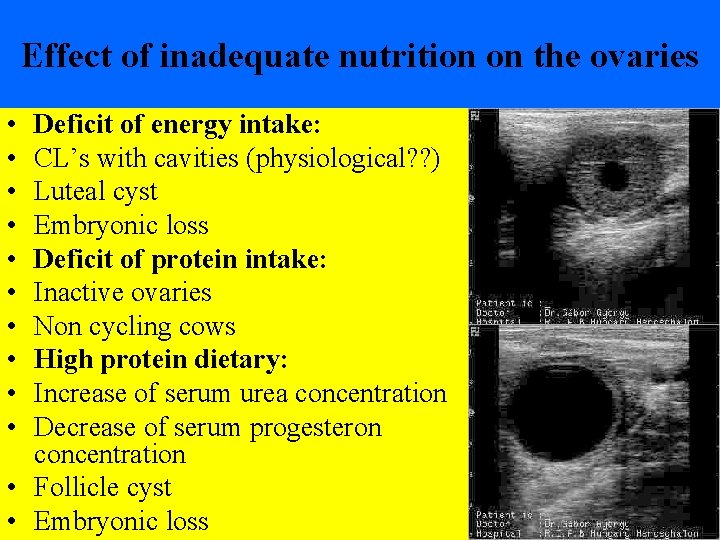
Effect of inadequate nutrition on the ovaries • • • Deficit of energy intake: CL’s with cavities (physiological? ? ) Luteal cyst Embryonic loss Deficit of protein intake: Inactive ovaries Non cycling cows High protein dietary: Increase of serum urea concentration Decrease of serum progesteron concentration • Follicle cyst • Embryonic loss
The aims of our management system • Improving reproductive performance by optimizing nutrition. – Prevention of the negative effect of the inadequate nutrition (NEBAL, protein imbalance, vitamin, microelements and mineral insufficiency) – Improve BCS and decrease negative effects of NEBAL, in order to allow a normal reaction of cows for the reproductive treatments. • Decrease the calving interval and the number of AI's per pregnancy.
The main elements of this management system • Optimizing nutrition – Examination of the basic nutrition components (detailed chemical analysis of the feeds) – On the basis of analyses the optimized diet is calculated; energy, protein, mineral and vitamin requirements, protein and energy balance) – The diets are calculated by the milk yield. – The diets are adequate to the different dairy farms. – Continuous controlling the mixed food • Optimizing the reproduction – Early pregnancy check – Controlling the reproductive cycle • Synchronization of ovulation and inducing estrus – Re-breeding the open cows as soon as it possible!!
Early pregnancy detection • The most common methods for the pregnancy detection – Uterine palpation per rectum (35 -60 days post insemination) – Ultrasound examination (since 25 days post insemination) – Milk or serum progesterone (2 -3 times 18 -25 days post insemination) – Different pregnancy-specific proteins (PSPB, PAG; since 25 days post insemination)
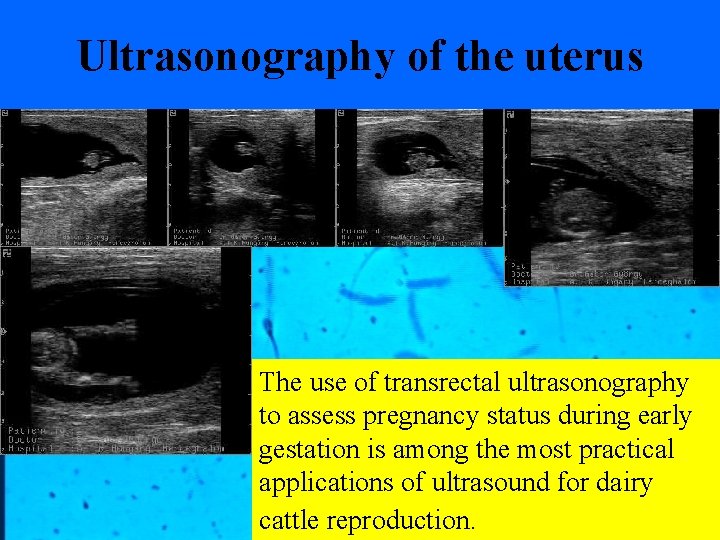
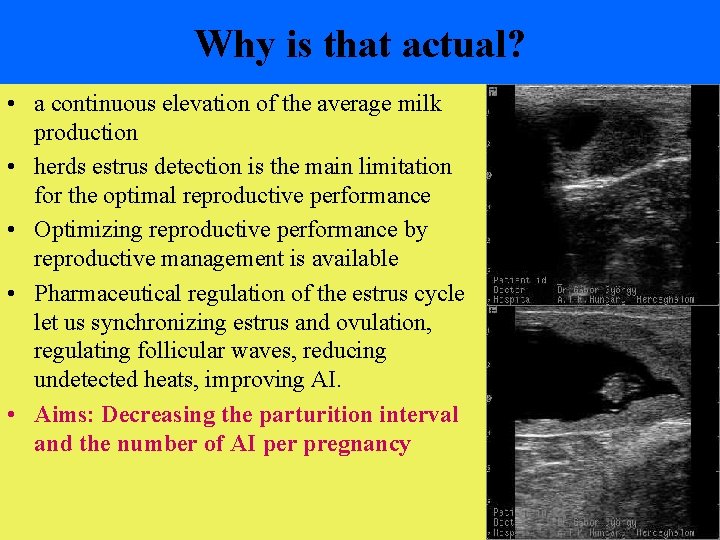
Ultrasonography of the uterus The use of transrectal ultrasonography to assess pregnancy status during early gestation is among the most practical applications of ultrasound for dairy cattle reproduction.
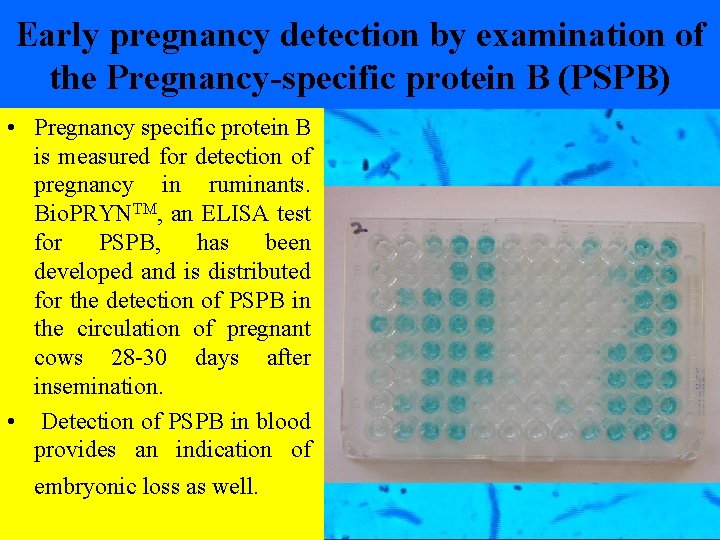
Early pregnancy detection by examination of the Pregnancy-specific protein B (PSPB) • Pregnancy specific protein B is measured for detection of pregnancy in ruminants. Bio. PRYNTM, an ELISA test for PSPB, has been developed and is distributed for the detection of PSPB in the circulation of pregnant cows 28 -30 days after insemination. • Detection of PSPB in blood provides an indication of embryonic loss as well.
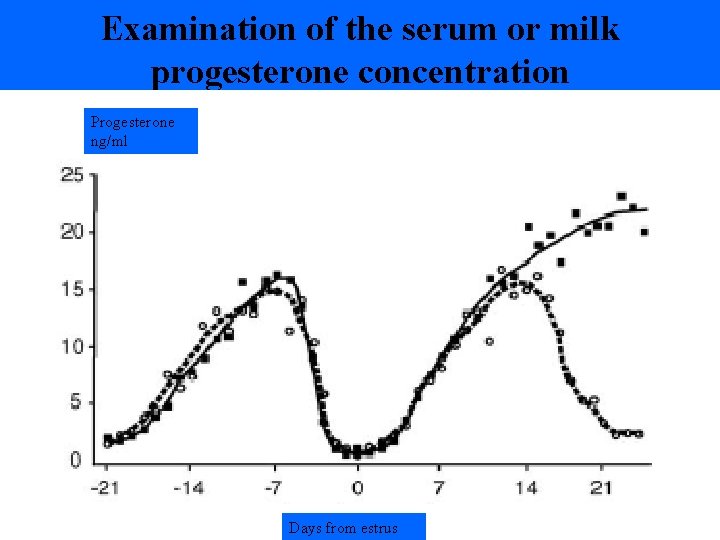
Examination of the serum or milk progesterone concentration Progesterone ng/ml Days from estrus
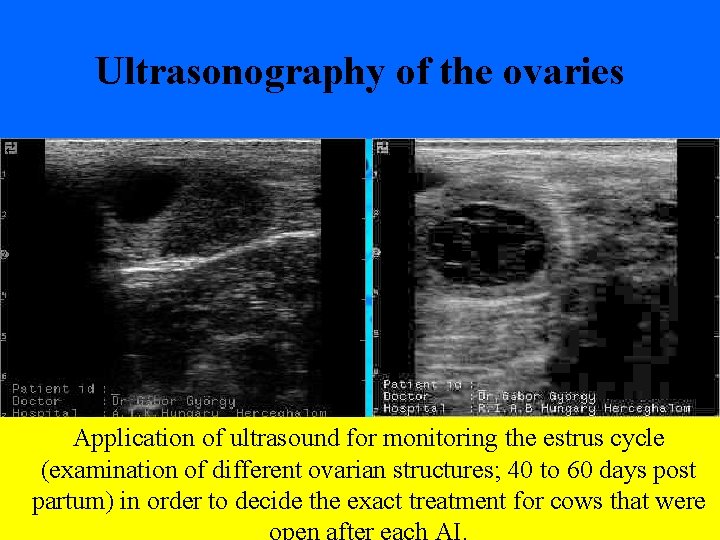
Ultrasonography of the ovaries Application of ultrasound for monitoring the estrus cycle (examination of different ovarian structures; 40 to 60 days post partum) in order to decide the exact treatment for cows that were
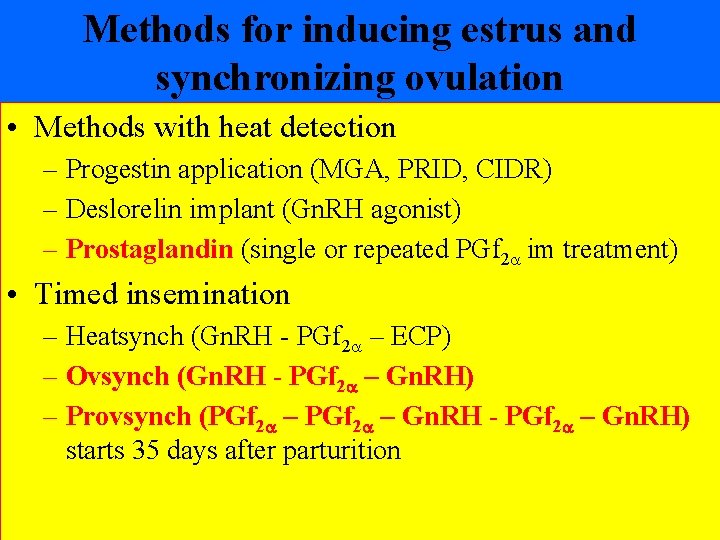
Methods for inducing estrus and synchronizing ovulation • Methods with heat detection – Progestin application (MGA, PRID, CIDR) – Deslorelin implant (Gn. RH agonist) – Prostaglandin (single or repeated PGf 2 a im treatment) • Timed insemination – Heatsynch (Gn. RH - PGf 2 a – ECP) – Ovsynch (Gn. RH - PGf 2 a – Gn. RH) – Provsynch (PGf 2 a – Gn. RH - PGf 2 a – Gn. RH) starts 35 days after parturition
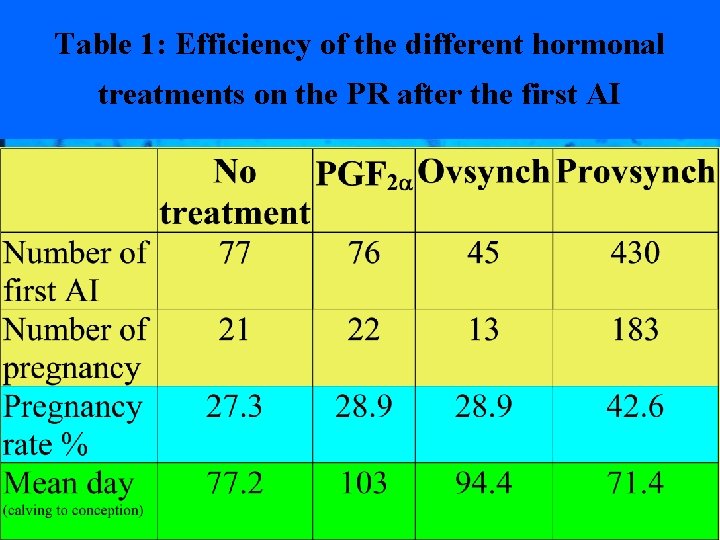
Table 1: Efficiency of the different hormonal treatments on the PR after the first AI
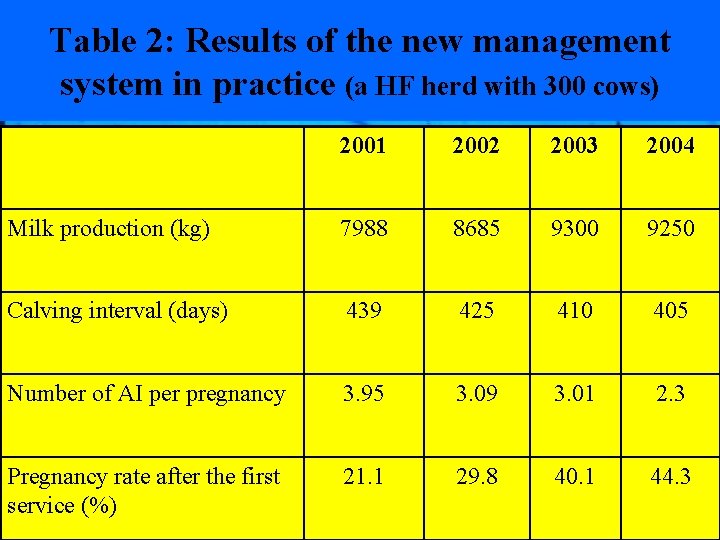
Table 2: Results of the new management system in practice (a HF herd with 300 cows) 2001 2002 2003 2004 Milk production (kg) 7988 8685 9300 9250 Calving interval (days) 439 425 410 405 Number of AI per pregnancy 3. 95 3. 09 3. 01 2. 3 Pregnancy rate after the first service (%) 21. 1 29. 8 40. 1 44. 3
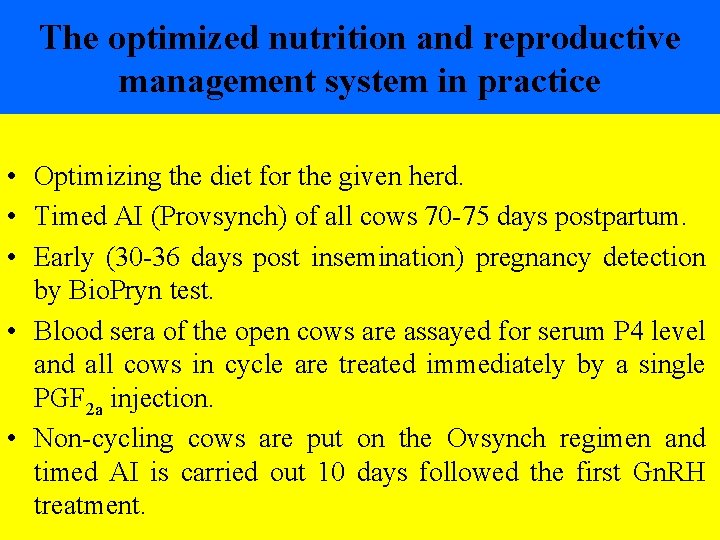
The optimized nutrition and reproductive management system in practice • Optimizing the diet for the given herd. • Timed AI (Provsynch) of all cows 70 -75 days postpartum. • Early (30 -36 days post insemination) pregnancy detection by Bio. Pryn test. • Blood sera of the open cows are assayed for serum P 4 level and all cows in cycle are treated immediately by a single PGF 2 a injection. • Non-cycling cows are put on the Ovsynch regimen and timed AI is carried out 10 days followed the first Gn. RH treatment.
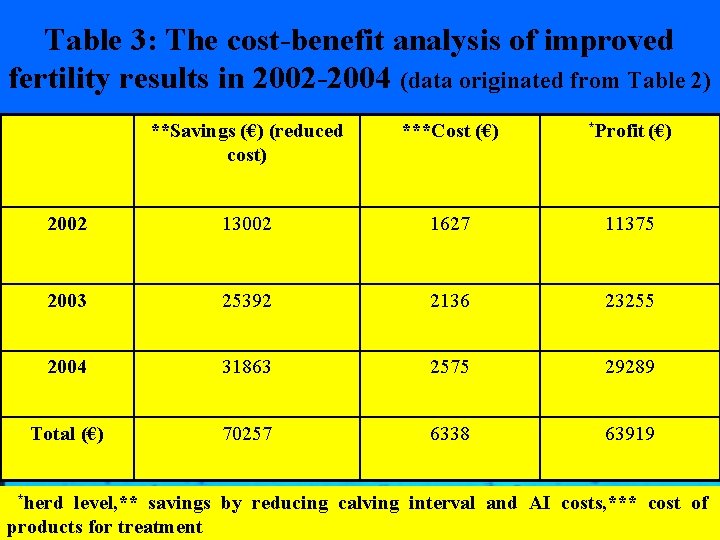
Table 3: The cost-benefit analysis of improved fertility results in 2002 -2004 (data originated from Table 2) **Savings (€) (reduced cost) ***Cost (€) *Profit (€) 2002 13002 1627 11375 2003 25392 2136 23255 2004 31863 2575 29289 Total (€) 70257 6338 63919 *herd level, ** savings by reducing calving interval and AI costs, *** cost of products for treatment
Conclusions • On the basis of our experiences and practice, these regimens would help to reduce anoestrus, parturition interval, synchronize return services and enhance embryo survival. • The improvement of the reproductive performance will result higher profitability, so the complex nutrition and reproductive management system is a rational method to the better economic efficiency and competitive superiority.

Thank you for your attention!
Regulation of reproduction Interactive procedure that coordinates and regulates all reproductive functions Main elements of the regulation are: 1. Nervous system • Fundamental responsibility is translating or transducing external stimuli into neural signals 2. Endocrine system • Pathways are: neural reflex and neuroendocrine reflex.
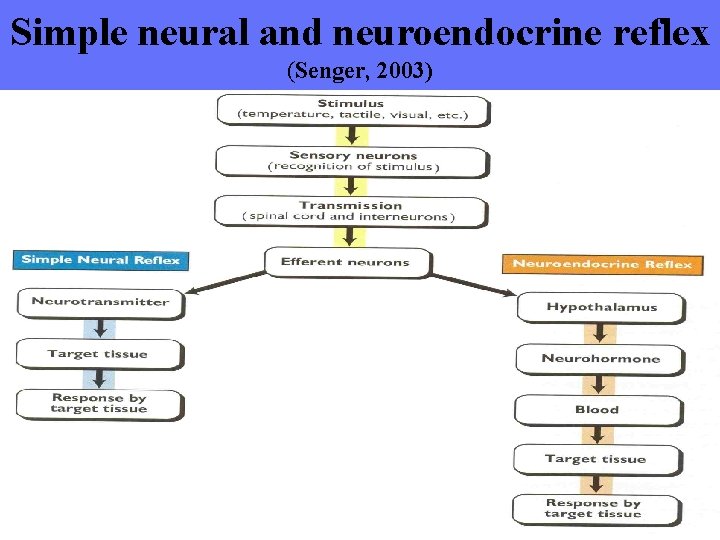
Simple neural and neuroendocrine reflex (Senger, 2003)
Reproductive hormones • Originate – – – Hypothalamus Pituitary Gonads Uterus Placenta • Cause – – – Release of other hormones (releasing hormones) Stimulate gonads (gonadotropins) Sexual promotion (steroids) Pregnancy maintenance Luteolysis • Biochemical classification – – Peptides Glycoproteins Steroids Prostaglandins
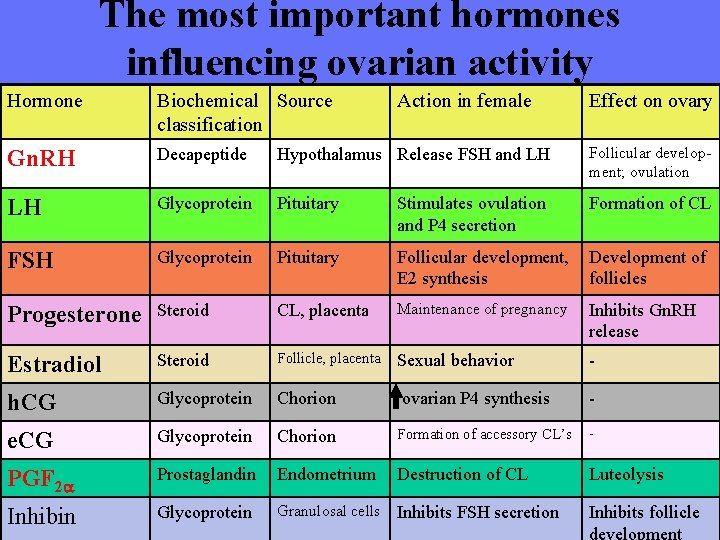
The most important hormones influencing ovarian activity Hormone Biochemical Source classification Action in female Effect on ovary Gn. RH Decapeptide Hypothalamus Release FSH and LH Follicular development; ovulation LH Glycoprotein Pituitary Stimulates ovulation and P 4 secretion Formation of CL FSH Glycoprotein Pituitary Follicular development, Development of E 2 synthesis follicles Progesterone Steroid CL, placenta Maintenance of pregnancy Inhibits Gn. RH release Estradiol Steroid Follicle, placenta Sexual behavior - h. CG Glycoprotein Chorion ovarian P 4 synthesis - e. CG Glycoprotein Chorion Formation of accessory CL’s - PGF 2 a Prostaglandin Endometrium Destruction of CL Luteolysis Inhibin Glycoprotein Granulosal cells Inhibits FSH secretion Inhibits follicle development
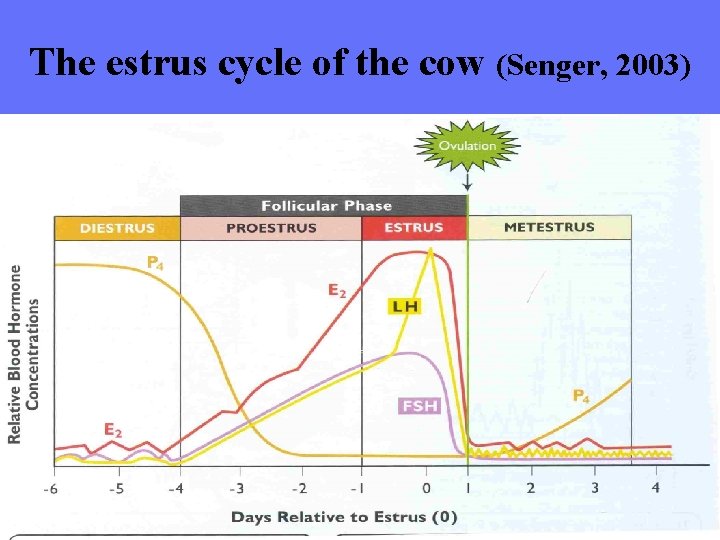
The estrus cycle of the cow (Senger, 2003)
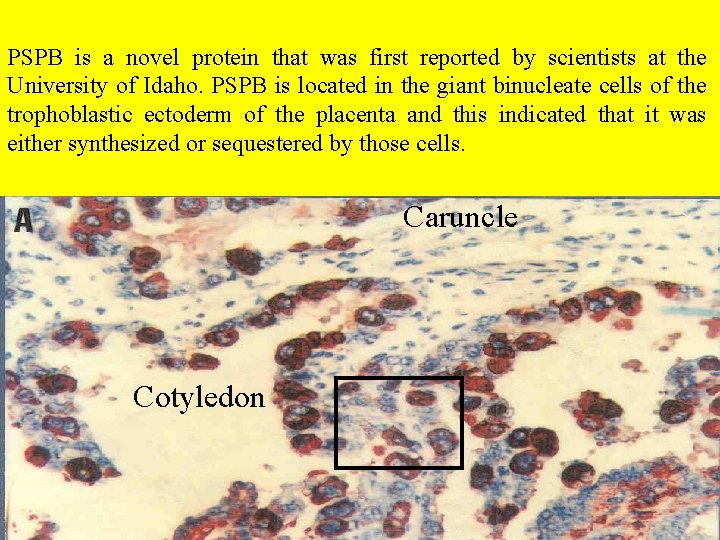
PSPB is a novel protein that was first reported by scientists at the University of Idaho. PSPB is located in the giant binucleate cells of the trophoblastic ectoderm of the placenta and this indicated that it was either synthesized or sequestered by those cells. Caruncle Cotyledon
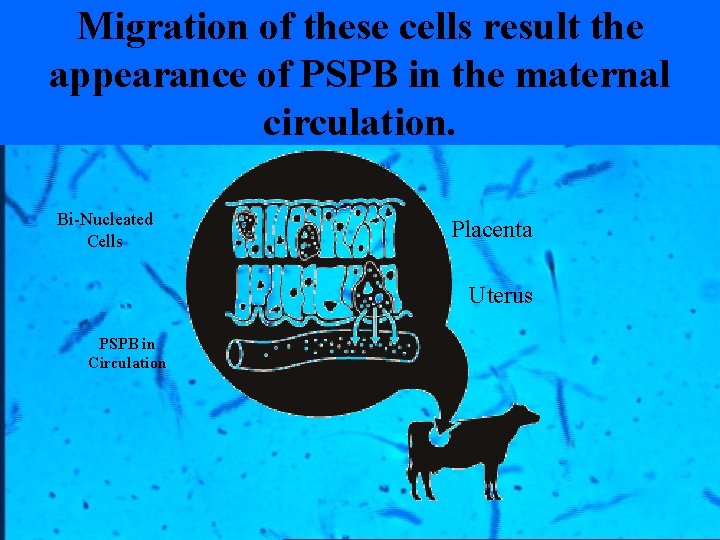
Migration of these cells result the appearance of PSPB in the maternal circulation. Bi-Nucleated Cells Placenta Uterus PSPB in Circulation
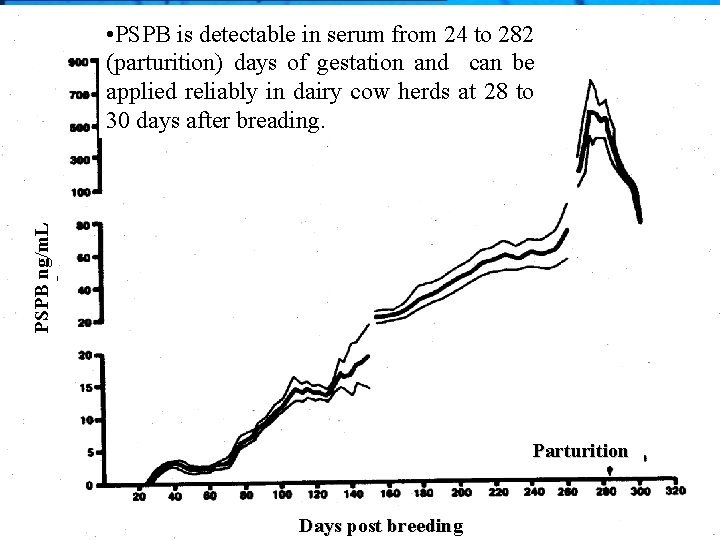
PSPB ng/m. L • PSPB is detectable in serum from 24 to 282 (parturition) days of gestation and can be applied reliably in dairy cow herds at 28 to 30 days after breading. Parturition Days post breeding
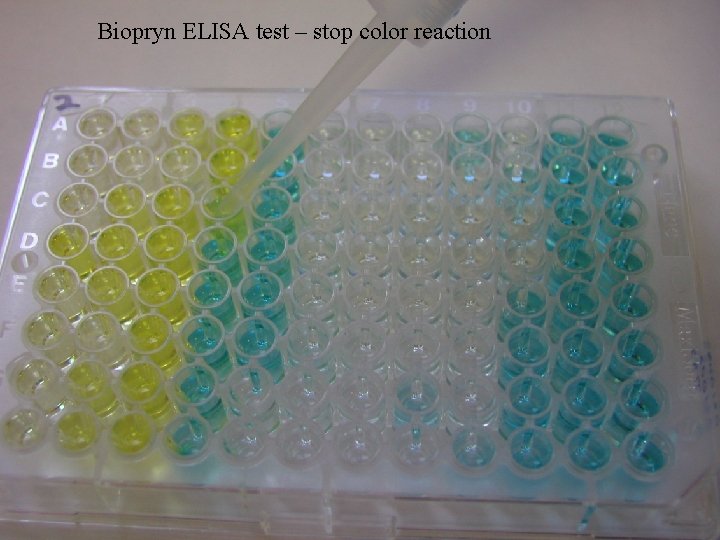
Biopryn ELISA test – stop color reaction
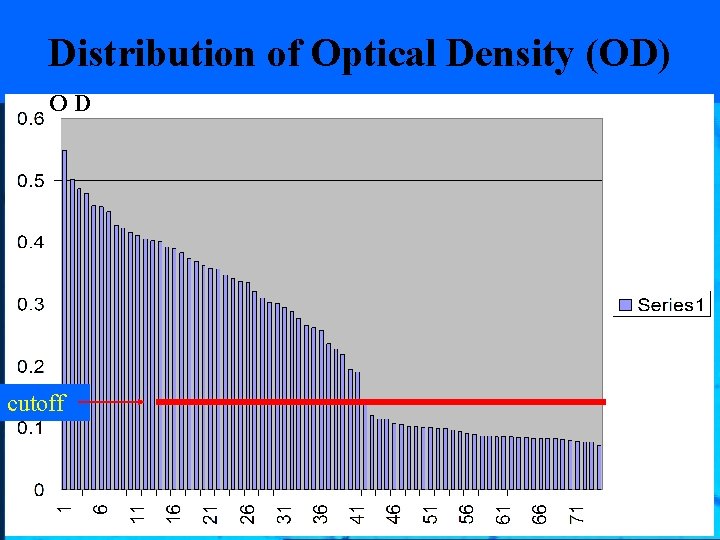
Distribution of Optical Density (OD) OD cutoff
- Slides: 32