
Improving Learning Quality Some basic principles Dr Peter
Improving Learning Quality Some basic principles Dr. Peter den Boer Lecturer VET-college W. Brabant
Improving Learning Quality • LQ concerns students – learners / Lerner • How can we see this quality: – Competencies of students: knowledge, skills, attitudes • What does this quality reflect? – The quality of the educational environment: the quality of teachers, teaching, trainers, supervisors, counsellors
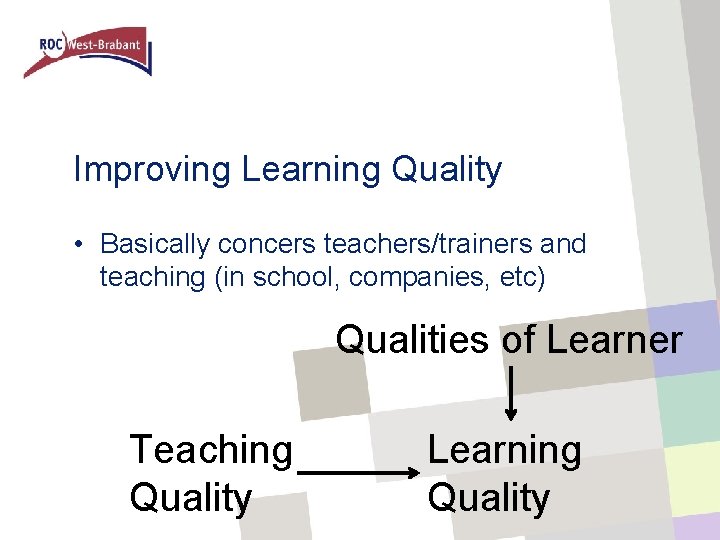
Improving Learning Quality • Basically concers teachers/trainers and teaching (in school, companies, etc) Qualities of Learner Teaching Quality Learning Quality
How can teachers improve quality • By being good professionals (didactics & Pedagogics) – NZL: John Hattie (2003) – NL: Robert Marzano (2003) Marzano & Miedema (2011) • By working in a supportive environment: – Learning environment: buildings, class rooms, possibilities for learning in companies, leraning materials, etc – Supportive / learning teams – Supportive Management
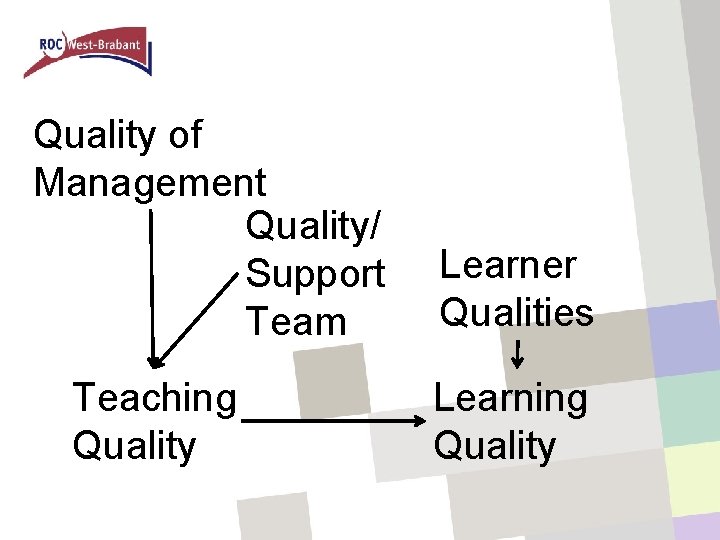
Quality of Management Quality/ Support Team Teaching Quality Learner Qualities Learning Quality
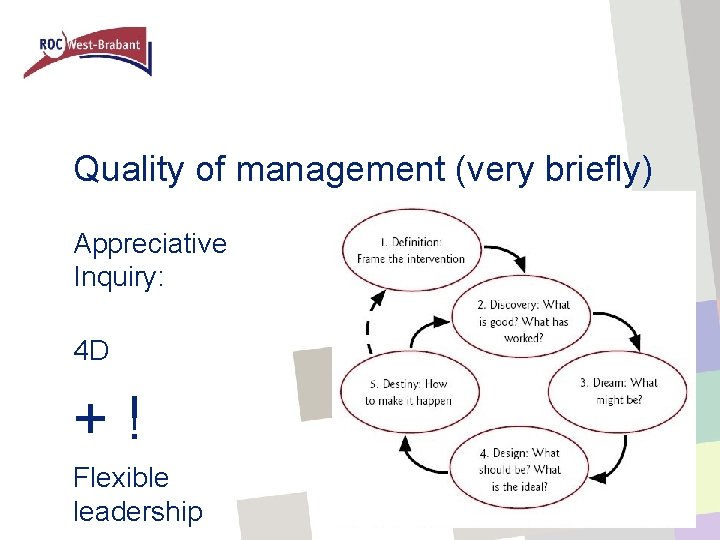
Quality of management (very briefly) Appreciative Inquiry: 4 D +! Flexible leadership
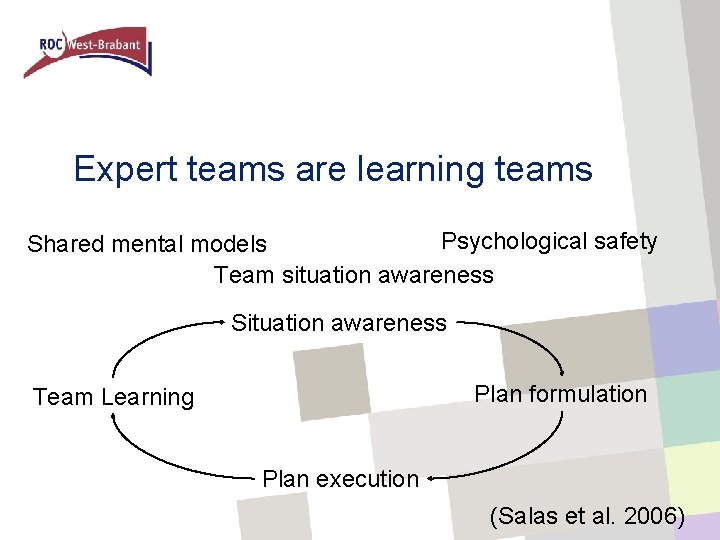
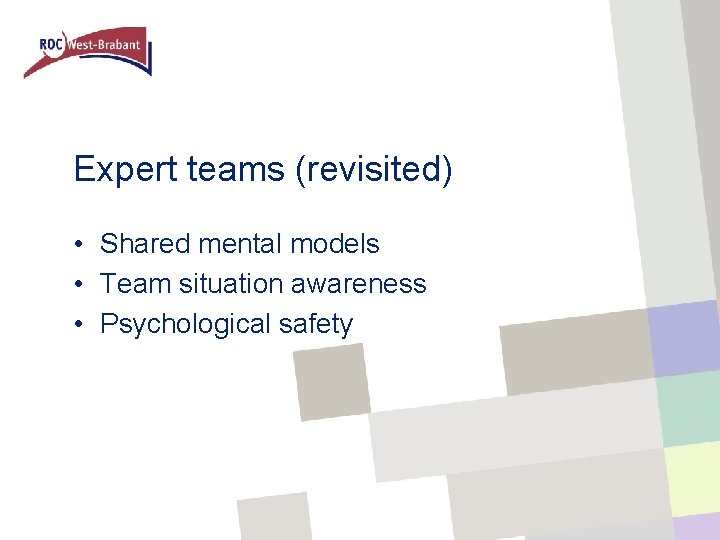
Expert teams are learning teams Psychological safety Shared mental models Team situation awareness Situation awareness Plan formulation Team Learning Plan execution (Salas et al. 2006)
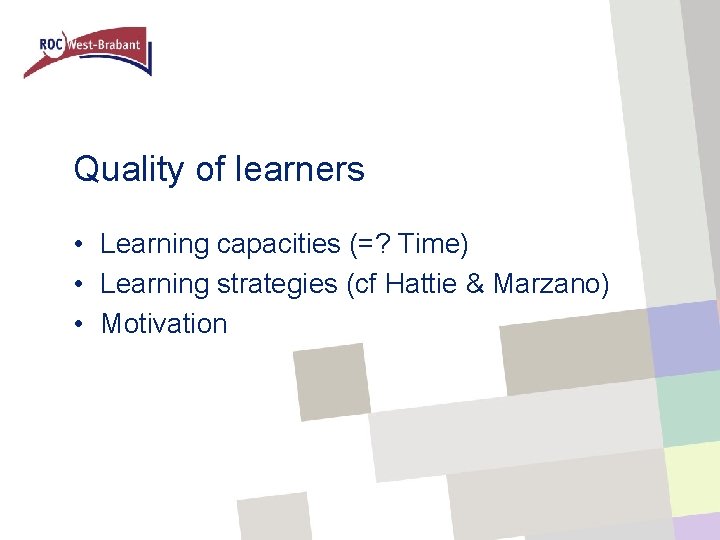
Quality of learners • Learning capacities (=? Time) • Learning strategies (cf Hattie & Marzano) • Motivation
Motivation • Content of subjects • Perspective
Chocolate
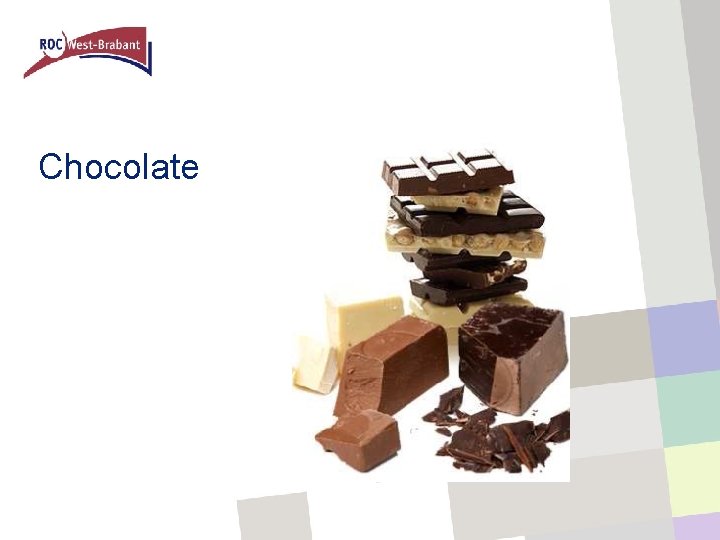
Chocolate study Chernev, 2003 • Assignment: Choose a chocolate • Preparation – What is your favourite (i. e. truffle , pure, vanilla, hazelnut) • Offer – Group 1: 4 chocolates – Group 2: 16 chocolate • Assignment: choose 1 • Question: do you want to swap?
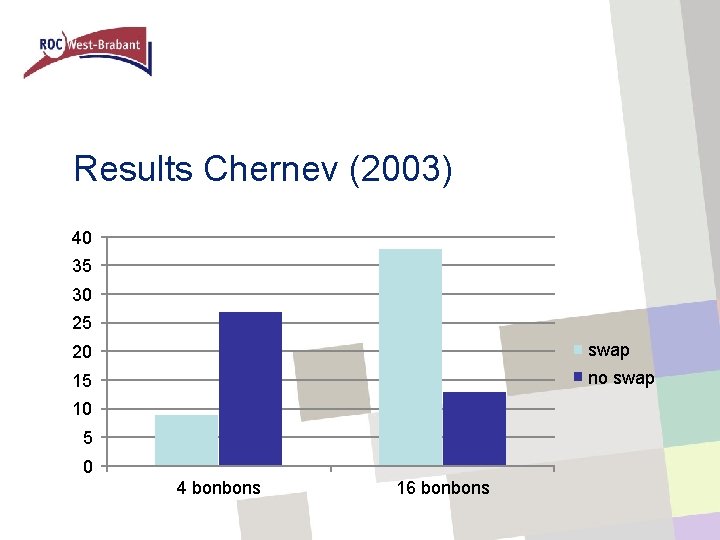
Results Chernev (2003) 40 35 30 25 20 swap 15 no swap 10 5 0 4 bonbons 16 bonbons
Norway Netherlands • 9 domains 350 training programmes • Both: problems with choice, drop out and switching behavior • WHY ?
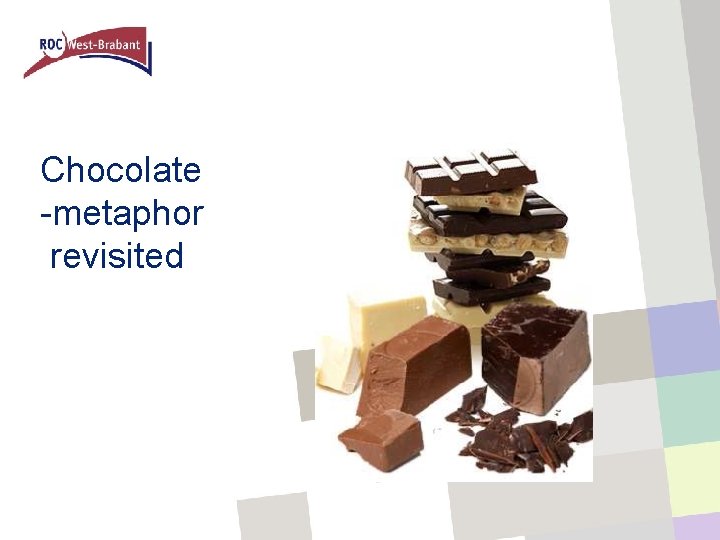
Chocolate -metaphor revisited
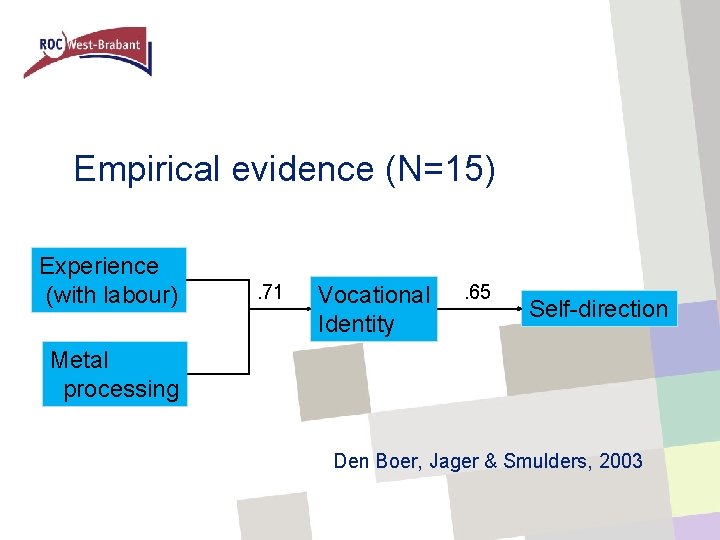
Empirical evidence (N=15) Experience (with labour) . 71 Vocational Identity . 65 Self-direction Metal processing Den Boer, Jager & Smulders, 2003
Help them gain perspective!
Two types of reflection • Task reflection: – what went well? what went wrong? what will you do differently next time? what do you want/have to learn? assessement by expert necessary! • Personal reflection: – what have you experienced? how was that for you? what was the most important thing? what made that so special? what does that tell you about your preferences in work?
Craftsmanship 60’s & 70’s Perspective / Identity Knowledge Skills Work attitude
Craftsmanship 80’s - 2000 Perspective / Identity Knowledge Skills Work attitude
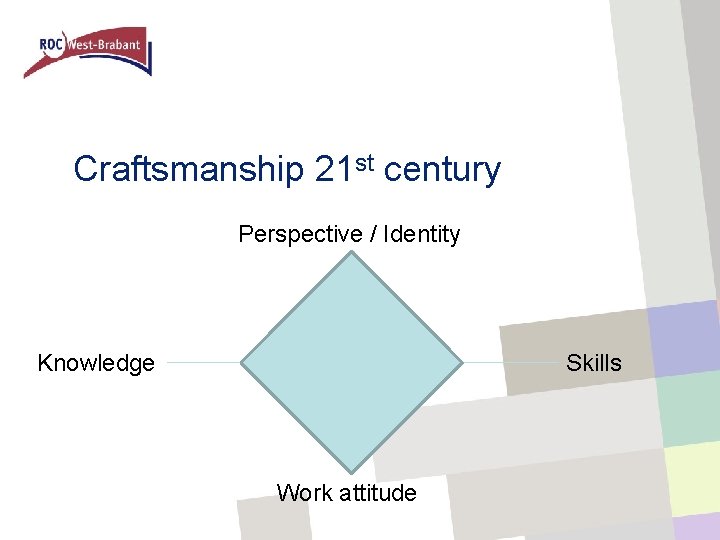
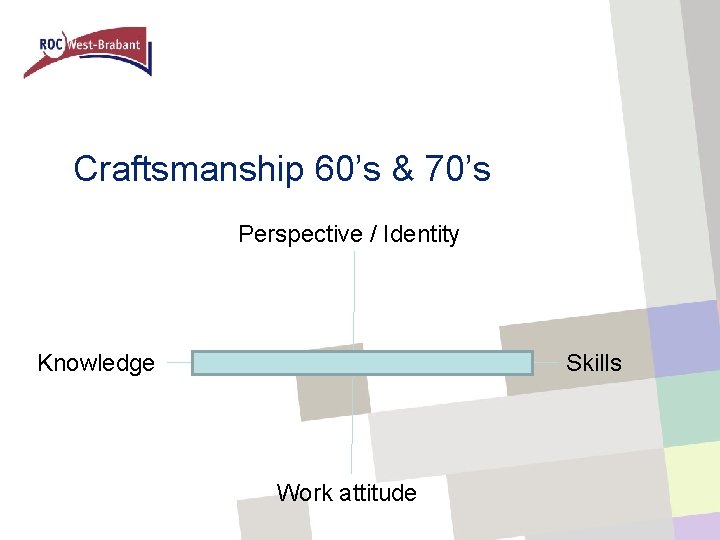
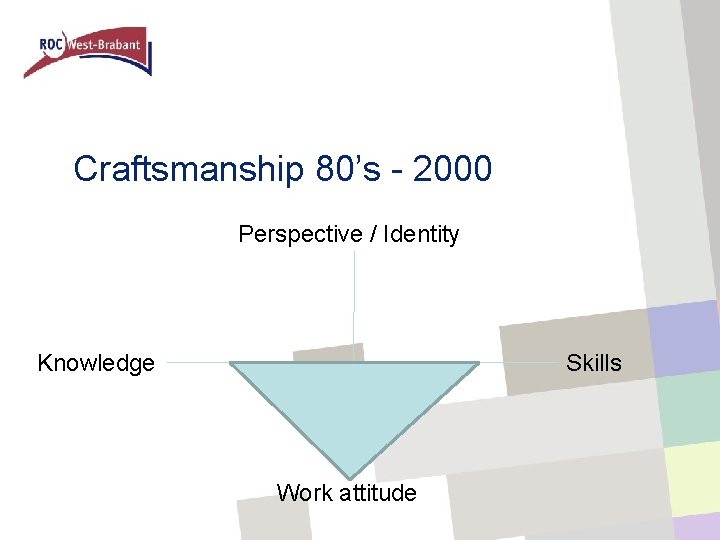
Craftsmanship 21 st century Perspective / Identity Knowledge Skills Work attitude
Talent • Galton (1865): possibilities limited by innate factors • Recent research (Ericsson & Lehman, ‘ 99): people we consider talented have spent much more time practicing than the rest • 10 year rule • 10. 000 flying hours
Deliberate Practice (Ericsson, 1996, 1998) • Deliberate, well structured practice: – – Focussed (concentration) Programmatic Extended periods of time Monitoring & guidance (trainers) • Examples: – Chess – Sports – Epke Zonderland – Typing
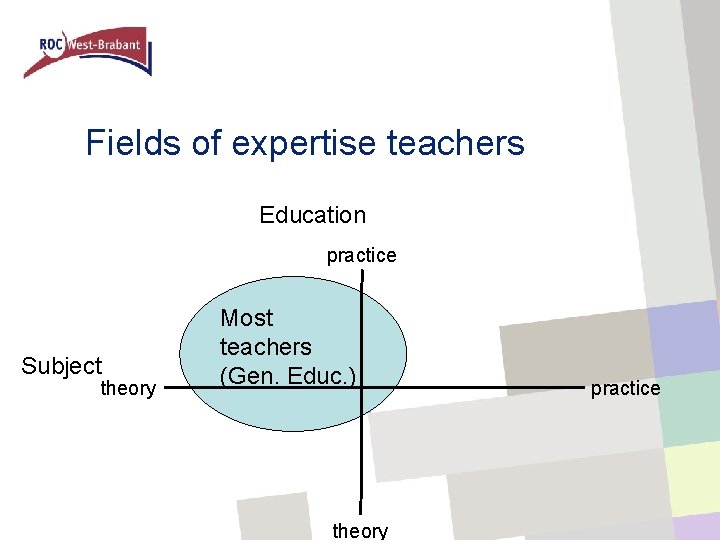
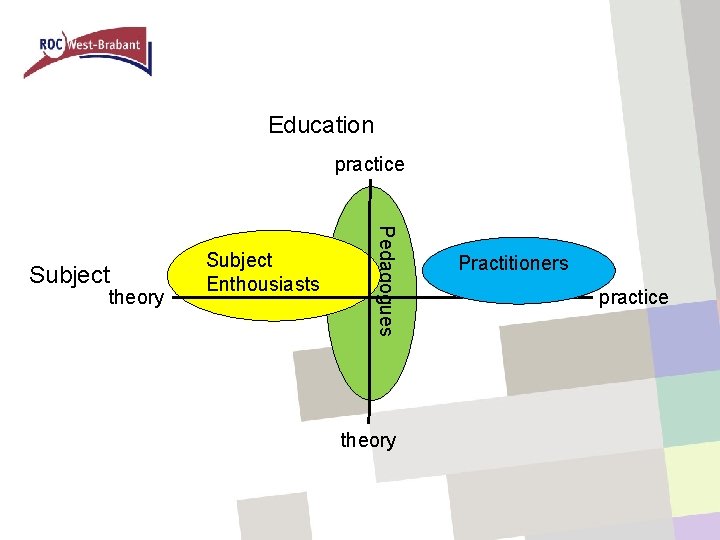
Does good typing make a good secretary? • Broader concept of talent / expertise • What about teachers, trainers, tutors supervisors, etc. ?
Fields of expertise teachers Education practice Subject theory Most teachers (Gen. Educ. ) theory practice
Education practice theory Pedagogues Subject Enthousiasts theory Practitioners practice
Expert teams (revisited) • Shared mental models • Team situation awareness • Psychological safety

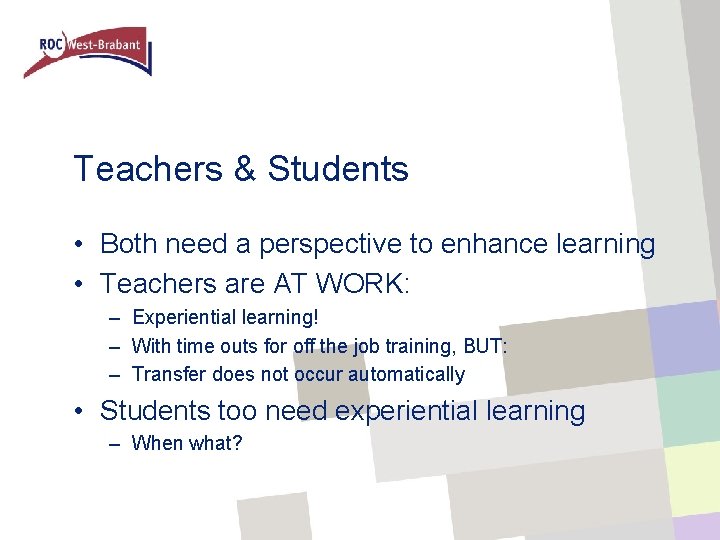
Teachers & Students • Both need a perspective to enhance learning • Teachers are AT WORK: – Experiential learning! – With time outs for off the job training, BUT: – Transfer does not occur automatically • Students too need experiential learning – When what?
Learning strategies 2 basic types of learning • Knowledge / Skill acquisition – pouring knowledge into their heads / cognitive apprenticeship • Participation – experiential learning
2 types of learning: not either or, but which when? Knowledge / Skill acquisition • Context of certainty Experiential learning • Context of UNcertainty • Learning through reflection
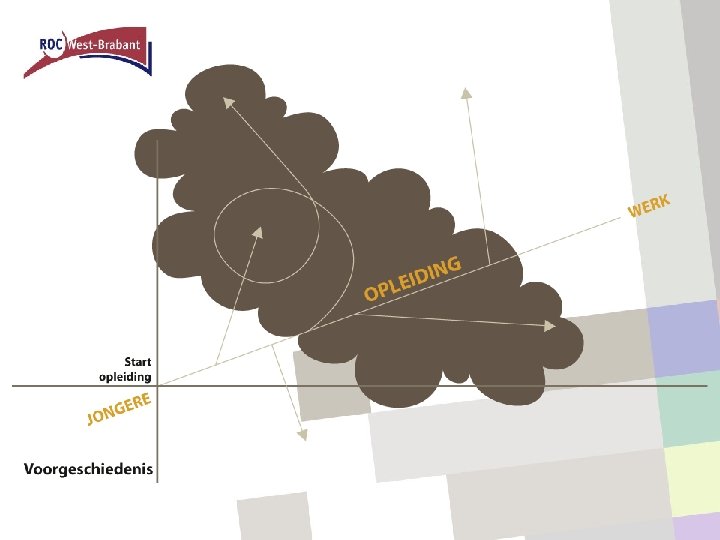
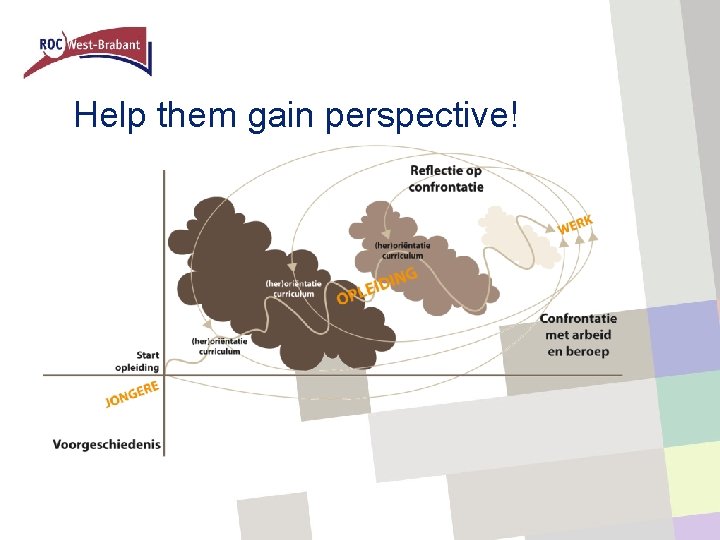
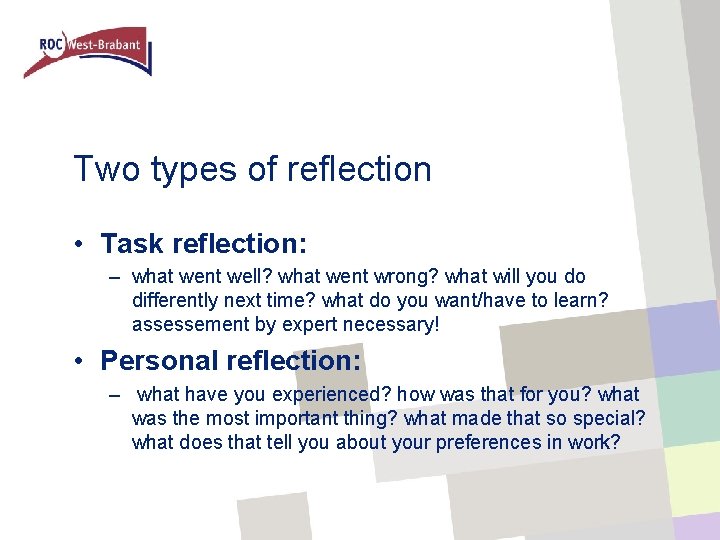
Principles 1 1. ILQ is about teachers, tutors, trainers, counsellors, supervisors, etc. 2. ILQ is about motivating students by helping them gain perspective: – Organise experience – Take time to reflect on that to make learning possible – Perspective motivation, meaning
Principles 2 3. ILQ is about which type of learning when: a. b. Knowledge acquisition when needed Experiential learning when context (including motivation) uncertain 4. ILQ is about a supportive learning environment: a. Learning teams b. Supportive management (knowing how to encourage and lead different processes appropriately)
Principles 3 5. Supportive teams use the available talents in the team: Subject knowledge, practical knowledge, pedagogical knowledge 6. Talent needs practice! a. b. 10 year rule 10. 000 flying hours
- Slides: 34