
IMPROVING ACTUARIAL RESERVE ANALYSIS THROUGH CLAIMLEVEL PREDICTIVE ANALYTICS

- Slides: 56
IMPROVING ACTUARIAL RESERVE ANALYSIS THROUGH CLAIM-LEVEL PREDICTIVE ANALYTICS Presenter: Chris Gross 1
Predictive Modeling in Reserve Analysis • It’s all predictive modeling isn’t it? • This discussion refers to the what is commonly termed ‘predictive modeling’- multivariate models, statistical rigor, etc. • Emphasis in the past on pricing • Reserving getting attention 2
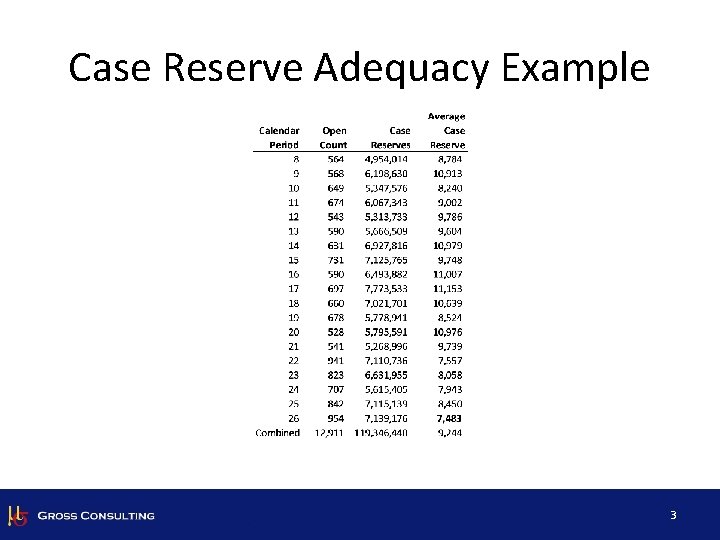
Case Reserve Adequacy Example 3
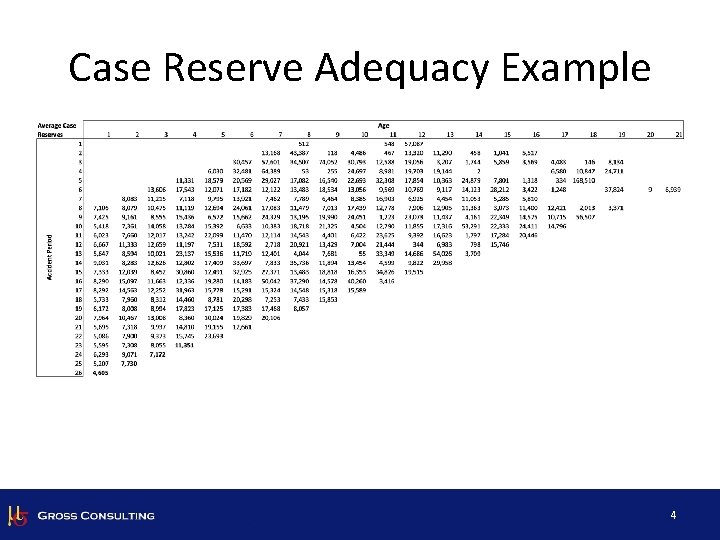
Case Reserve Adequacy Example 4
Case Reserve Adequacy Example 5
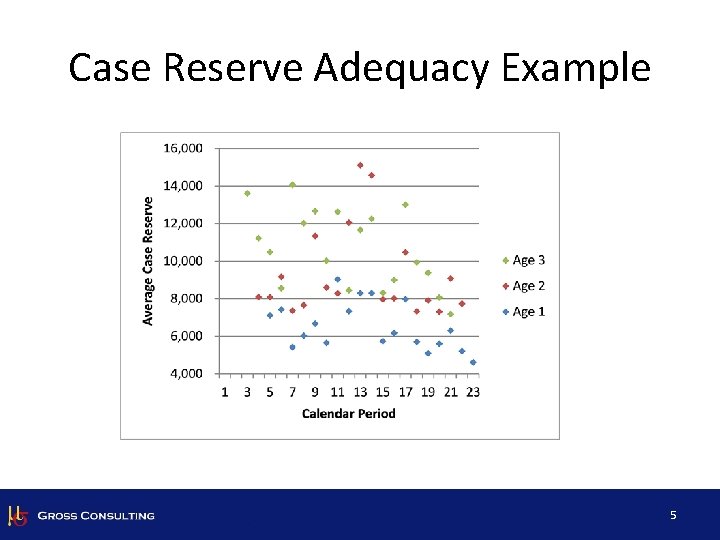
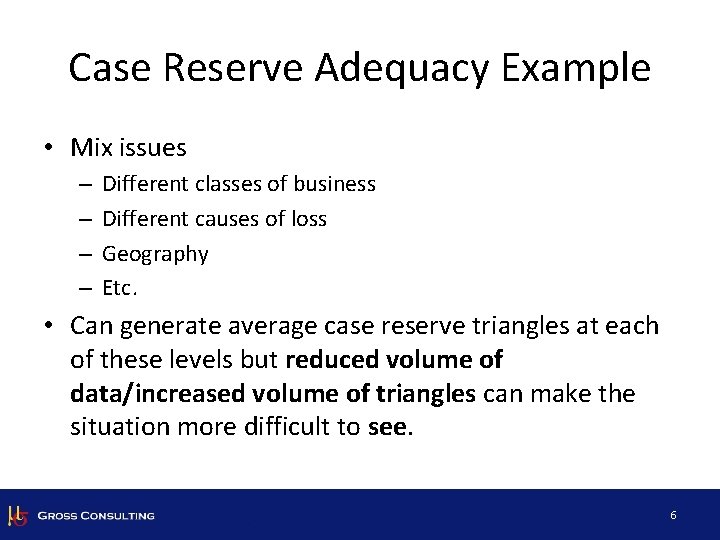
Case Reserve Adequacy Example • Mix issues – – Different classes of business Different causes of loss Geography Etc. • Can generate average case reserve triangles at each of these levels but reduced volume of data/increased volume of triangles can make the situation more difficult to see. 6
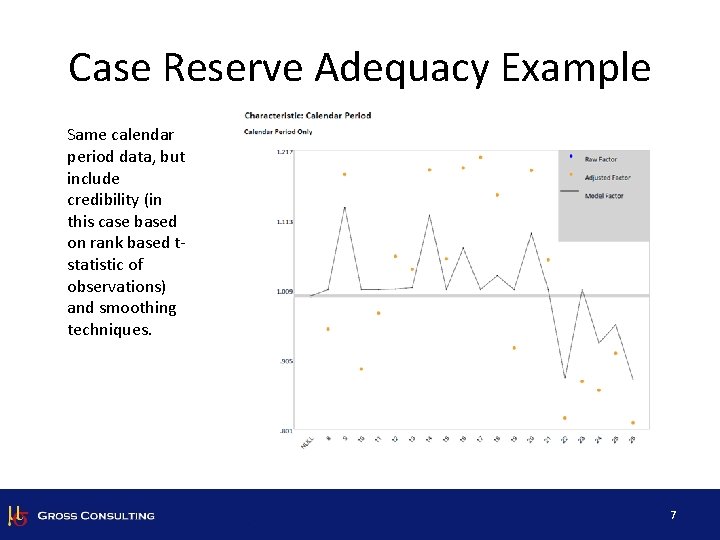
Case Reserve Adequacy Example Same calendar period data, but include credibility (in this case based on rank based tstatistic of observations) and smoothing techniques. 7
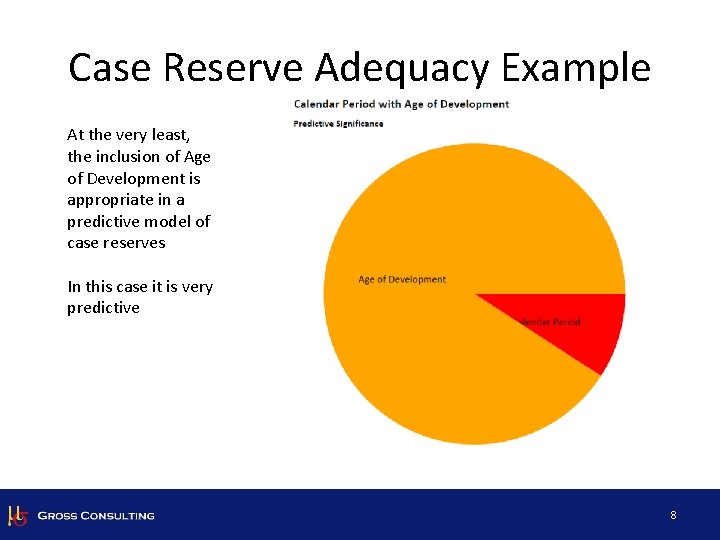
Case Reserve Adequacy Example At the very least, the inclusion of Age of Development is appropriate in a predictive model of case reserves In this case it is very predictive 8
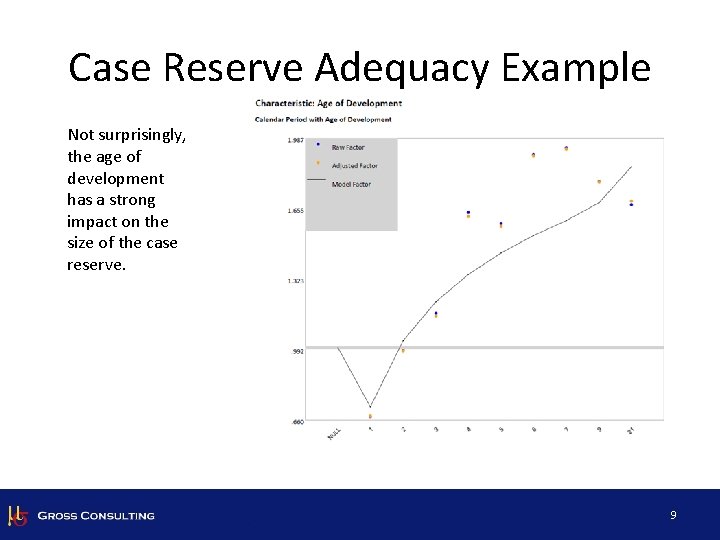
Case Reserve Adequacy Example Not surprisingly, the age of development has a strong impact on the size of the case reserve. 9
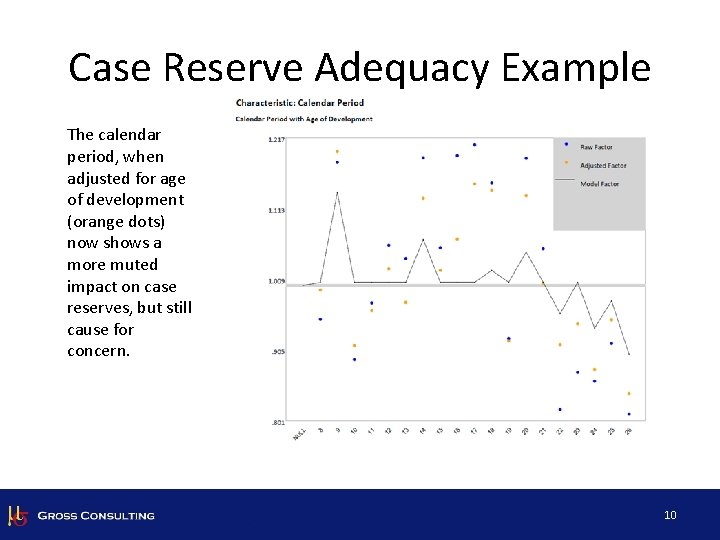
Case Reserve Adequacy Example The calendar period, when adjusted for age of development (orange dots) now shows a more muted impact on case reserves, but still cause for concern. 10
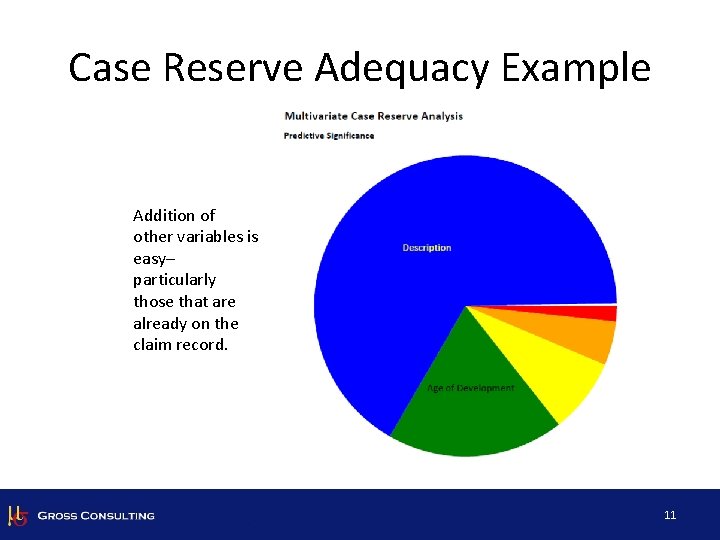
Case Reserve Adequacy Example Addition of other variables is easy– particularly those that are already on the claim record. 11
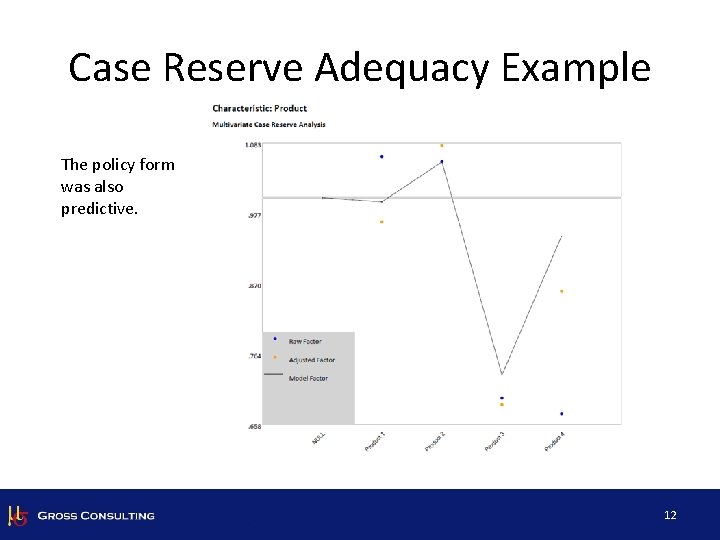
Case Reserve Adequacy Example The policy form was also predictive. 12
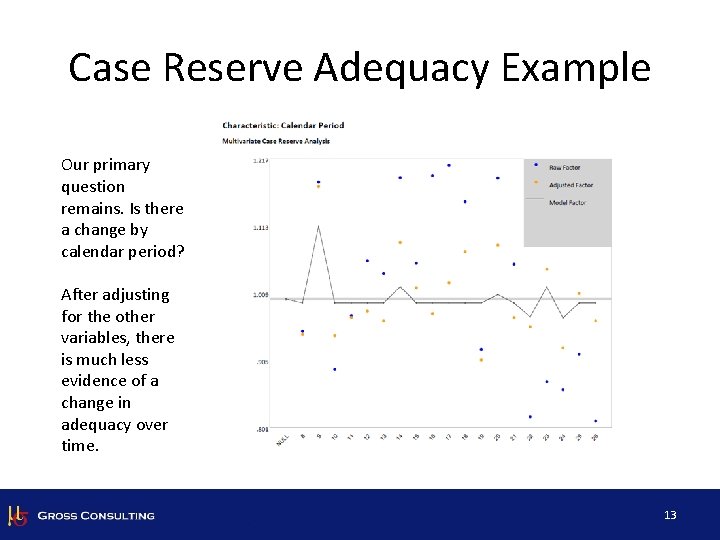
Case Reserve Adequacy Example Our primary question remains. Is there a change by calendar period? After adjusting for the other variables, there is much less evidence of a change in adequacy over time. 13
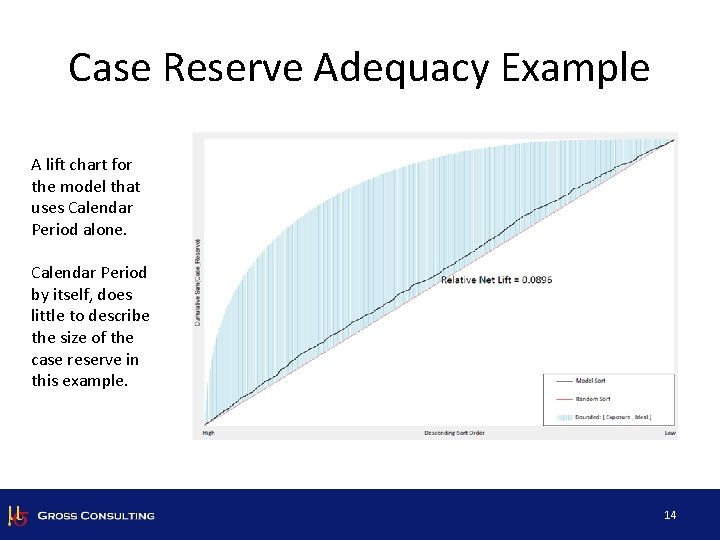
Case Reserve Adequacy Example A lift chart for the model that uses Calendar Period alone. Calendar Period by itself, does little to describe the size of the case reserve in this example. 14
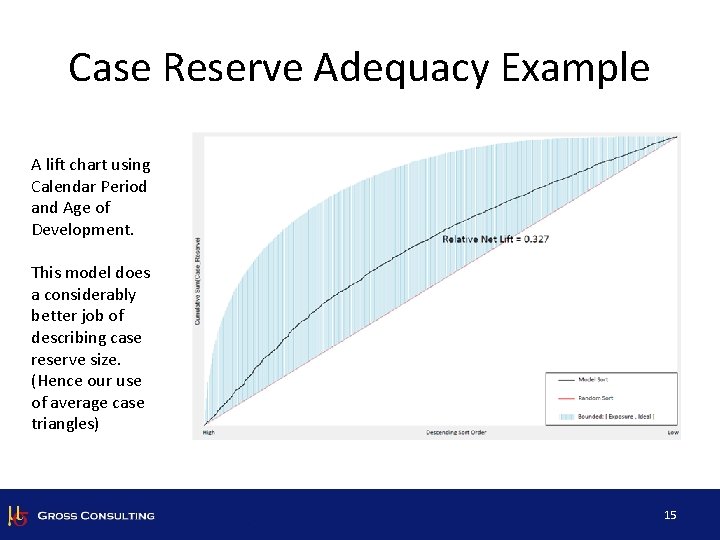
Case Reserve Adequacy Example A lift chart using Calendar Period and Age of Development. This model does a considerably better job of describing case reserve size. (Hence our use of average case triangles) 15
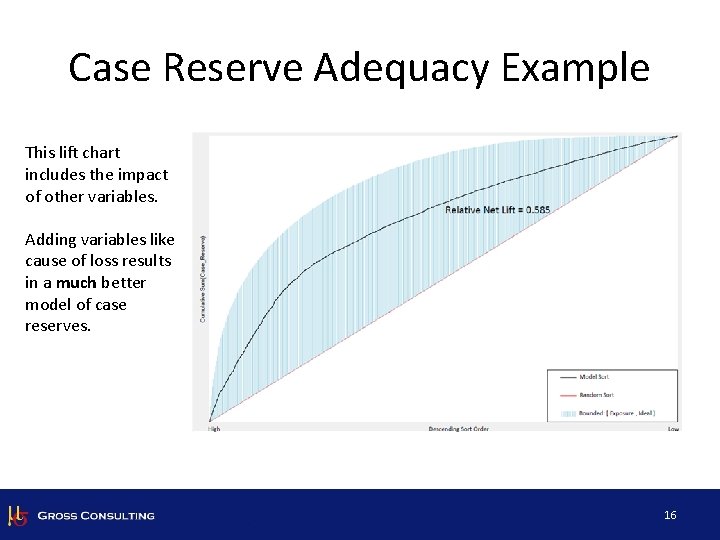
Case Reserve Adequacy Example This lift chart includes the impact of other variables. Adding variables like cause of loss results in a much better model of case reserves. 16
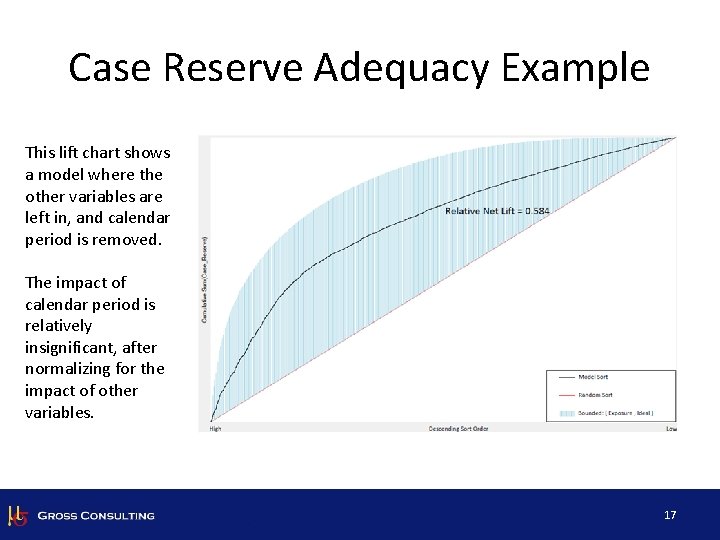
Case Reserve Adequacy Example This lift chart shows a model where the other variables are left in, and calendar period is removed. The impact of calendar period is relatively insignificant, after normalizing for the impact of other variables. 17
Case Reserve Adequacy Example • Consider the following scenario: – Pressure on underwriting to write tougher, more severe classes. – Pressure on claim department to be more aggressive on setting case reserves. – What would this combination look like in terms of average case reserve? – Could very well be flat. Normal diagnostics may miss it. – Predictive modeling could help alert the actuary to this situation. 18
Ways to Incorporate Predictive Modeling Into Reserve Analysis • Analysis of specific loss development data/processes, for example: – Case reserve adequacy – Closure rates • Modification of triangles • Reserve segmentation • Full description of the entire process, with resulting estimate of reserves 19
Why do it? • Use more of the information contained in your data • Improve predictive accuracy • Quicker recognition of changing environment • Better reserve allocations • Layering of losses • Improved operational or strategic business decisions 20
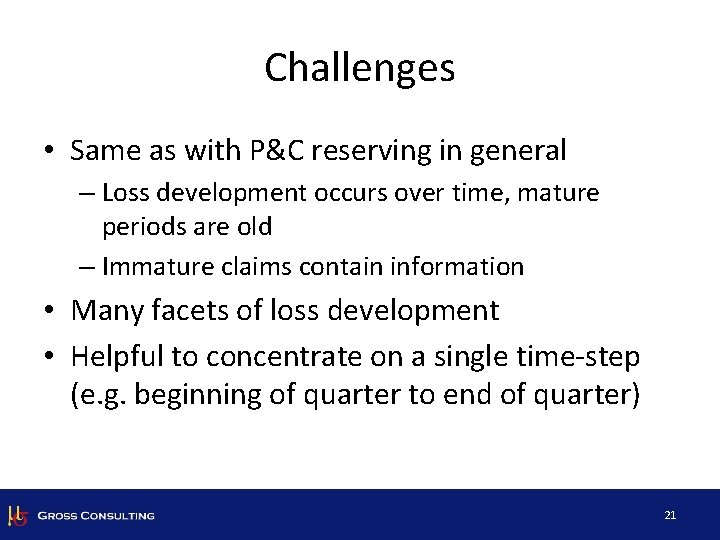
Challenges • Same as with P&C reserving in general – Loss development occurs over time, mature periods are old – Immature claims contain information • Many facets of loss development • Helpful to concentrate on a single time-step (e. g. beginning of quarter to end of quarter) 21
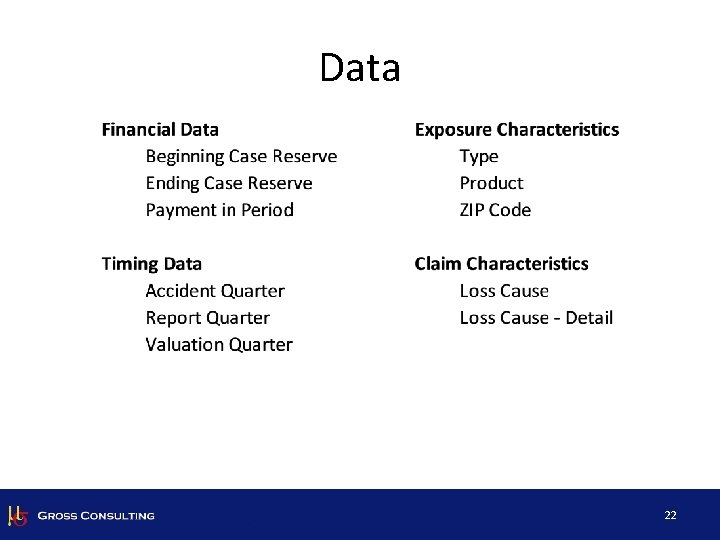
Data 22
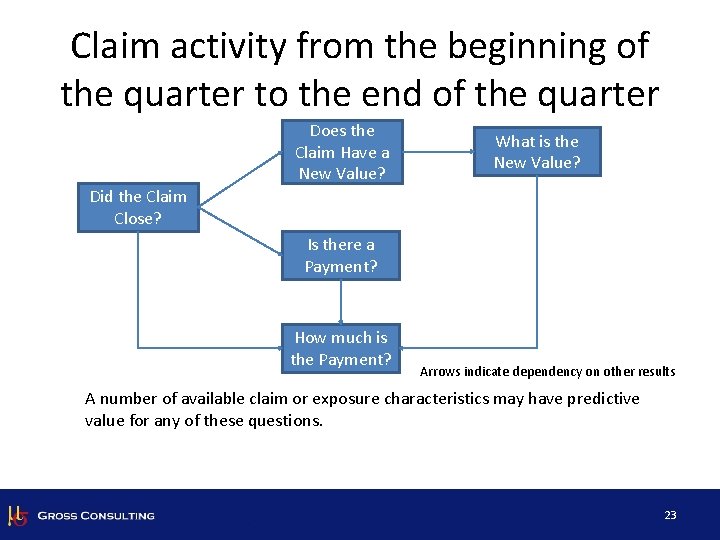
Claim activity from the beginning of the quarter to the end of the quarter Does the Claim Have a New Value? What is the New Value? Did the Claim Close? Is there a Payment? How much is the Payment? Arrows indicate dependency on other results A number of available claim or exposure characteristics may have predictive value for any of these questions. 23
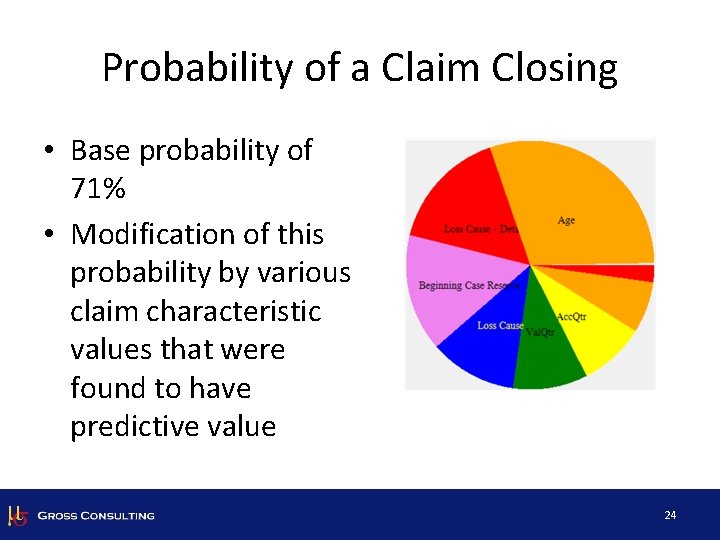
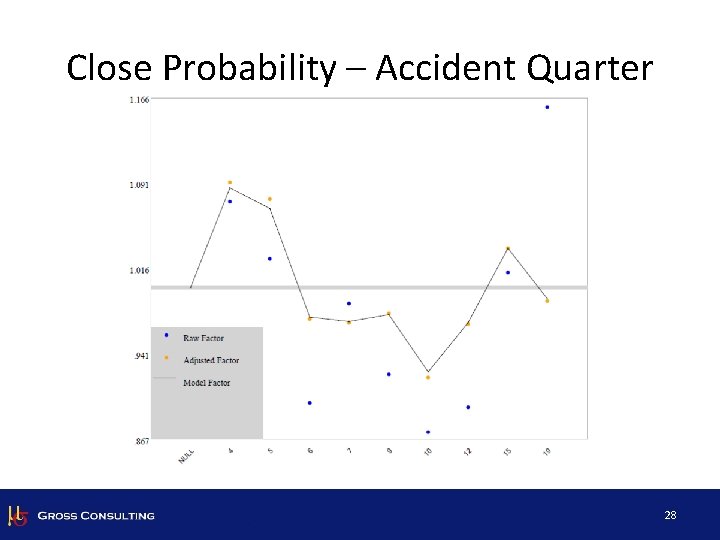
Probability of a Claim Closing • Base probability of 71% • Modification of this probability by various claim characteristic values that were found to have predictive value 24
Close Probability – Claim Age 25
Close Probability – Loss Cause (detailed) 26
Close Probability – Loss Cause 27
Close Probability – Accident Quarter 28
Close Probability - Product 29
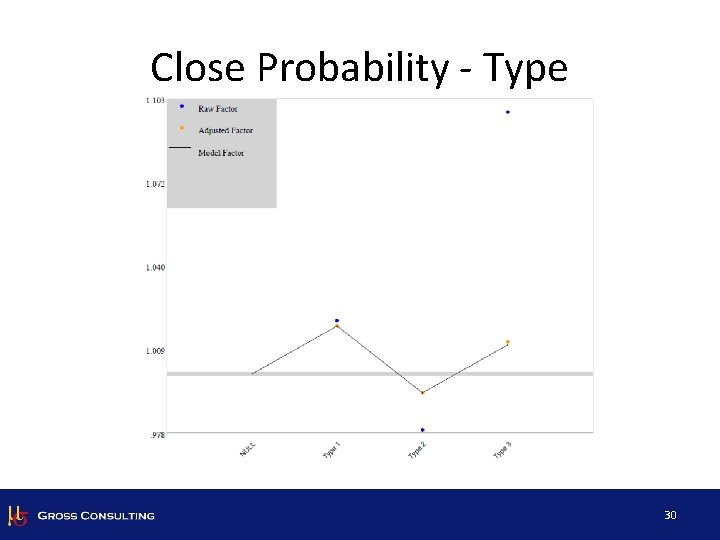
Close Probability - Type 30
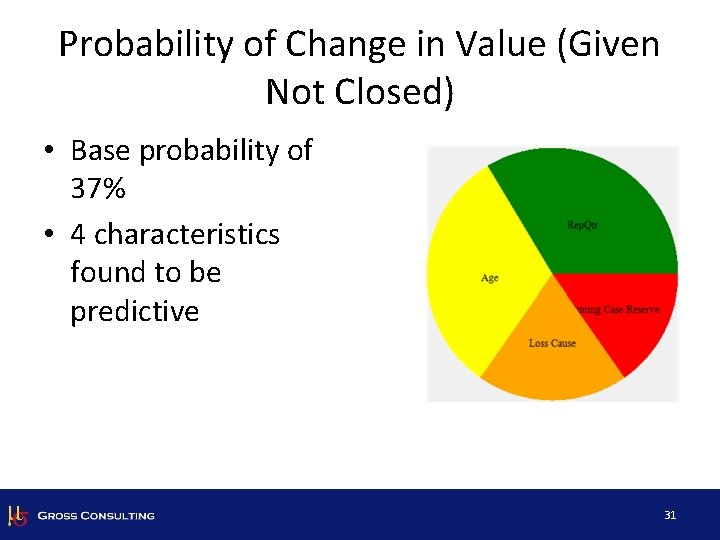
Probability of Change in Value (Given Not Closed) • Base probability of 37% • 4 characteristics found to be predictive 31
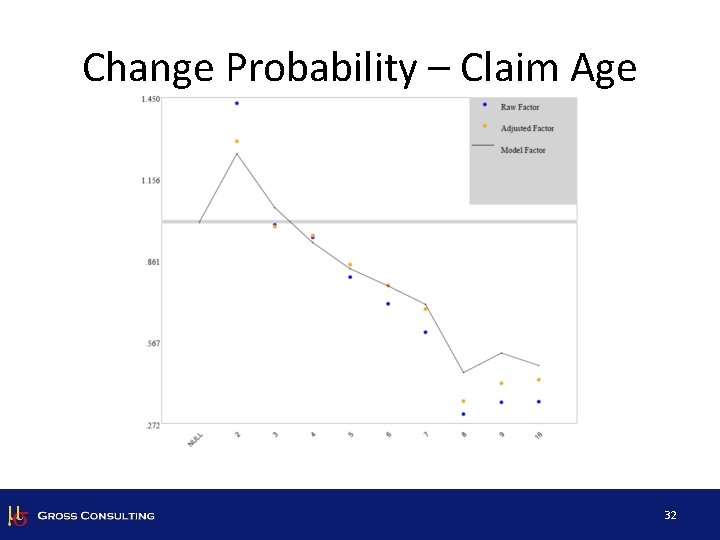
Change Probability – Claim Age 32
Change Probability – Loss Cause 33
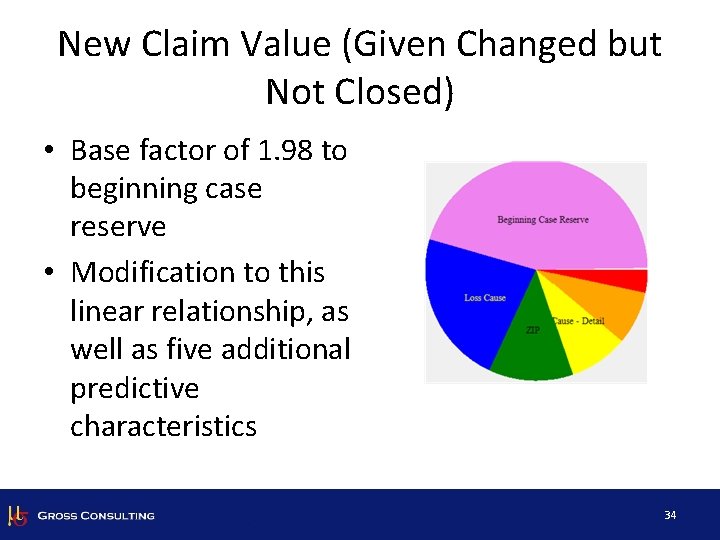
New Claim Value (Given Changed but Not Closed) • Base factor of 1. 98 to beginning case reserve • Modification to this linear relationship, as well as five additional predictive characteristics 34
New Claim Value - Case Reserve 35
New Claim Value – Loss Cause 36
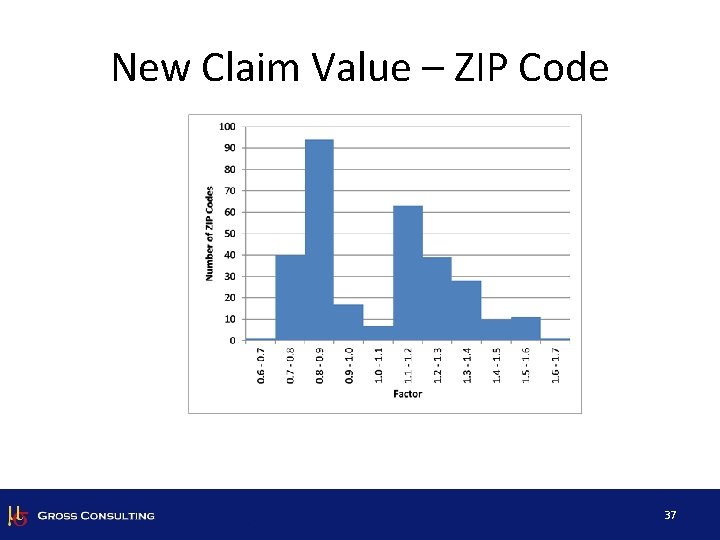
New Claim Value – ZIP Code 37
New Claim Value- Loss Cause (Detail) 38
New Claim Value - Product 39
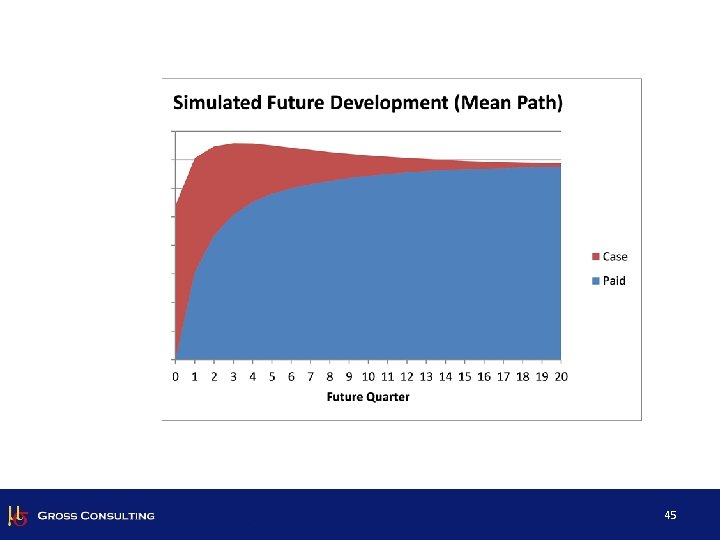
Bringing it together • Simulation can be used to project activity in the next quarter • It is necessary to project not only the predictive relationships, but also the residual error term. • Chain through quarters using information from the previous simulated quarter. • Store results, preferably at the claim level. 40
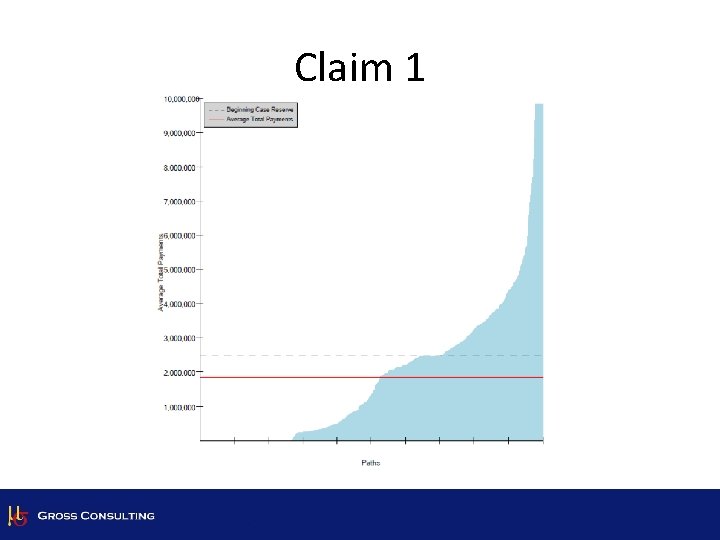
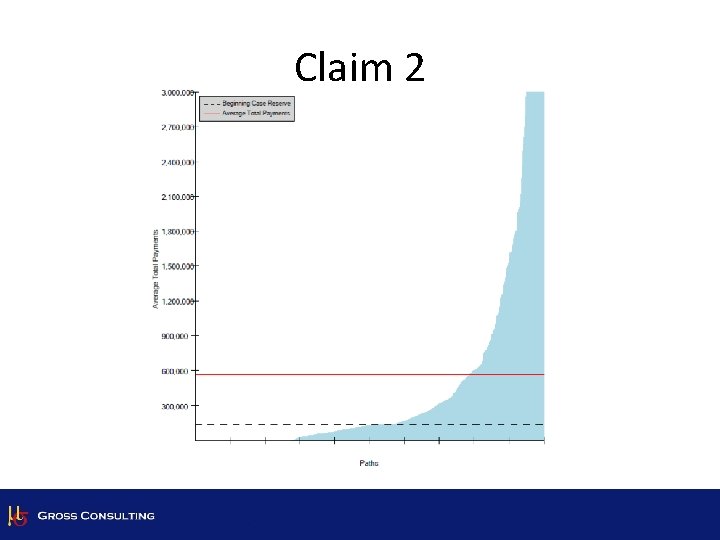
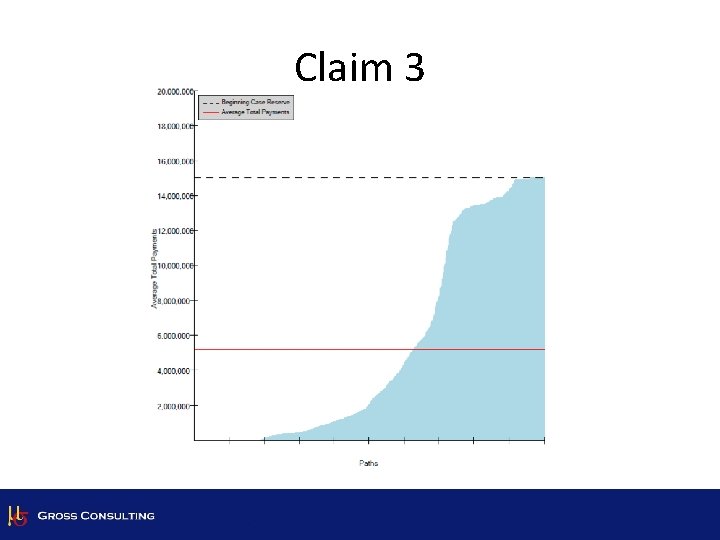
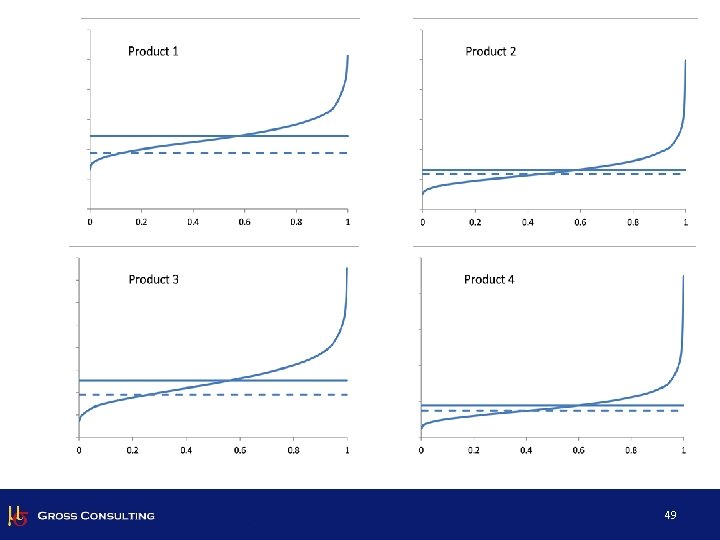
Simulate Going Forward • Claim Development – Start with current inventory of open claims – For each open claim simulate a number of potential outcomes for the next time-step (using the claims’ characteristics) – For those simulated claim-paths that are still open simulate forward another time-step. – Continue until all simulated claim-paths are closed
Claim 1
Claim 2
Claim 3
45
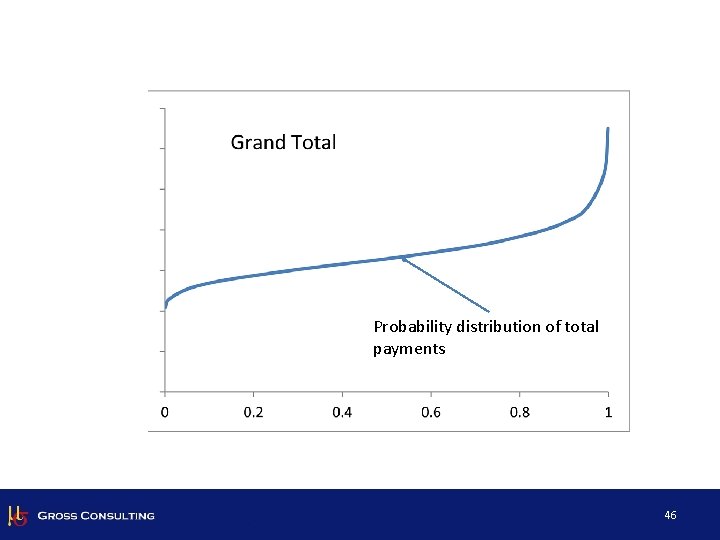
Probability distribution of total payments 46
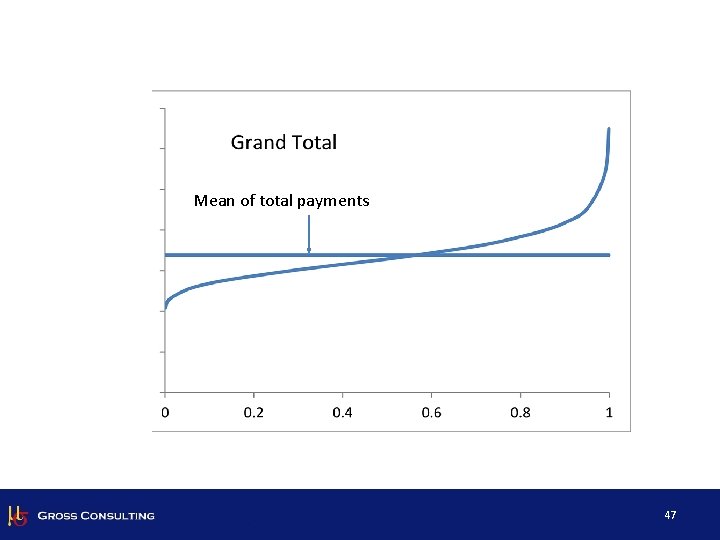
Mean of total payments 47
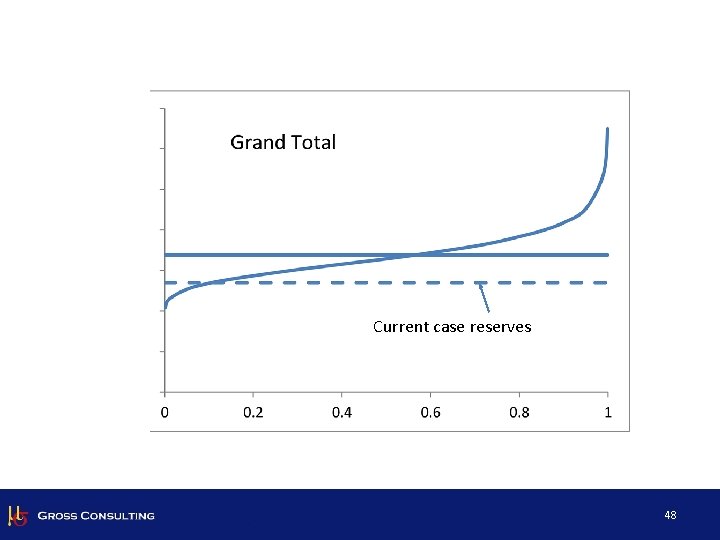
Current case reserves 48
49
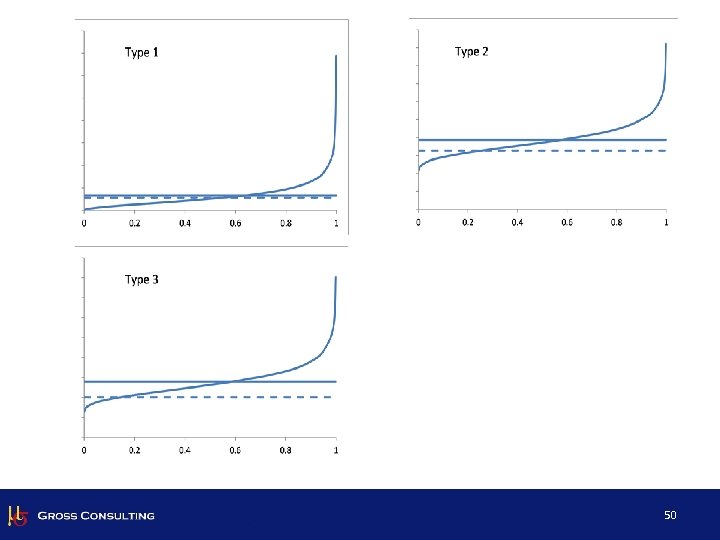
50
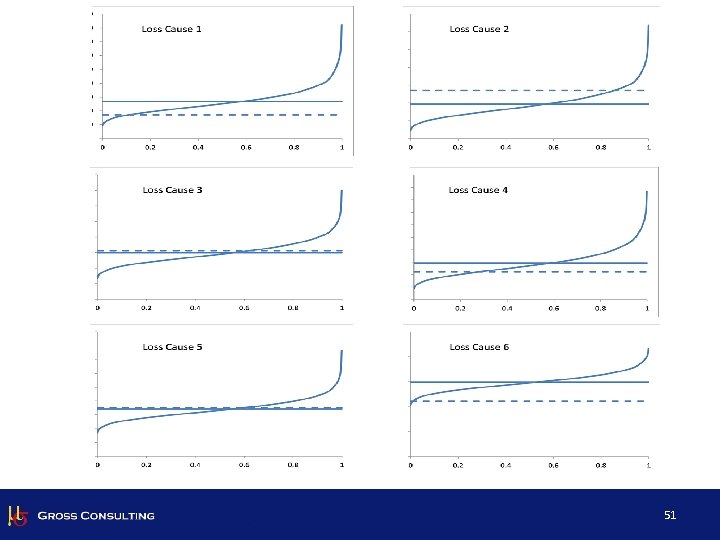
51
Emergence • After simulating claim development to ultimate, model emergence • Frequency • Severity • Report Lag 52
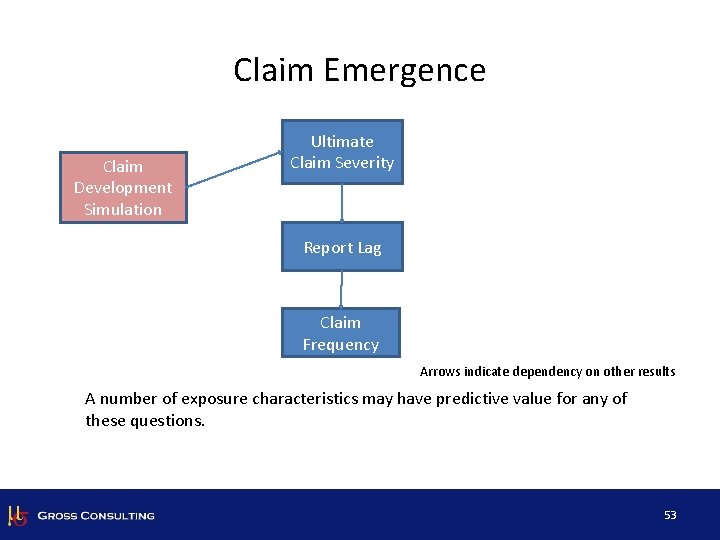
Claim Emergence Claim Development Simulation Ultimate Claim Severity Report Lag Claim Frequency Arrows indicate dependency on other results A number of exposure characteristics may have predictive value for any of these questions. 53
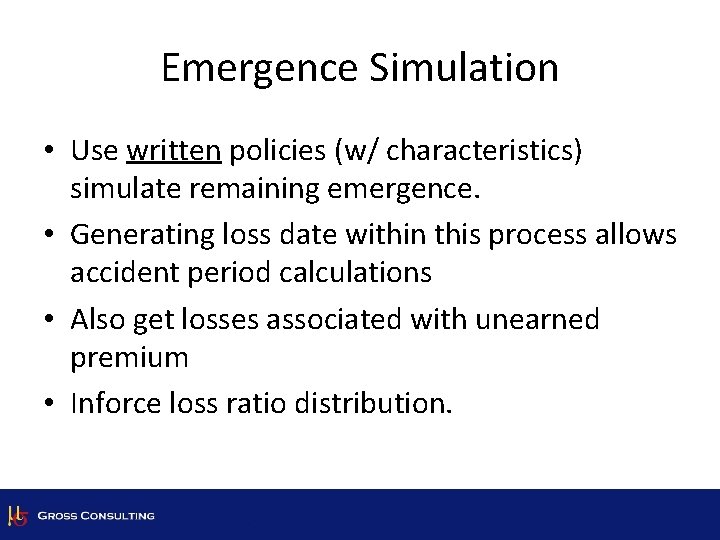
Emergence Simulation • Use written policies (w/ characteristics) simulate remaining emergence. • Generating loss date within this process allows accident period calculations • Also get losses associated with unearned premium • Inforce loss ratio distribution.
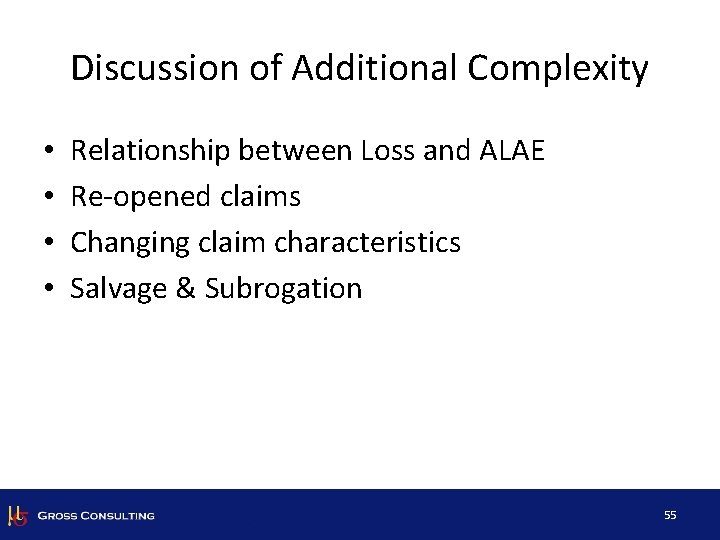
Discussion of Additional Complexity • • Relationship between Loss and ALAE Re-opened claims Changing claim characteristics Salvage & Subrogation 55
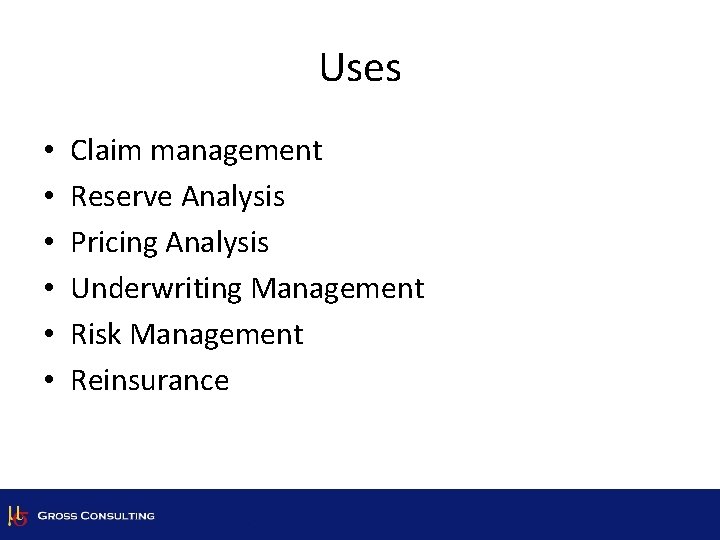
Uses • • • Claim management Reserve Analysis Pricing Analysis Underwriting Management Risk Management Reinsurance