
Important Organic Compounds Water is 11 hydrogen by
Important Organic Compounds
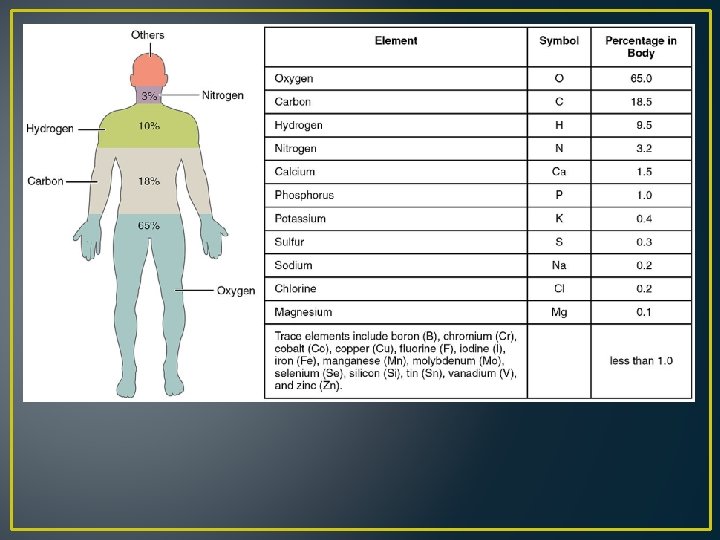
• Water is 11% hydrogen by mass (67% count of atoms) • Most of the MASS is Oxygen, but most atoms in human body are Hydrogen • THINK IN TERMS OF MASS COMPOSITION
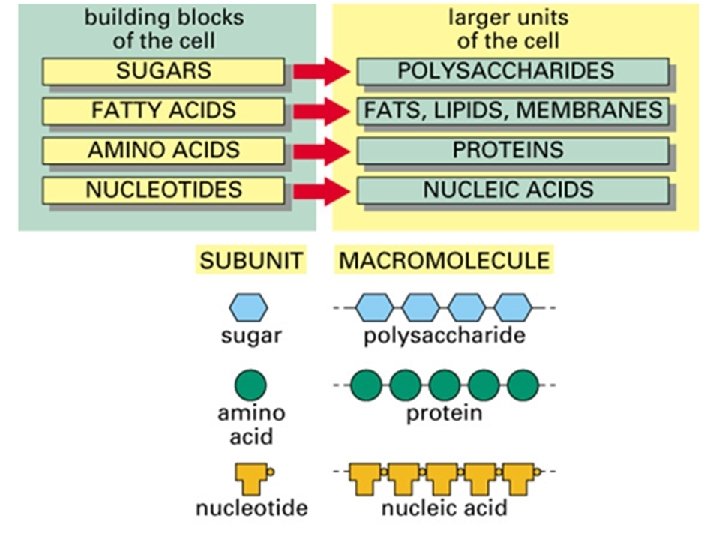
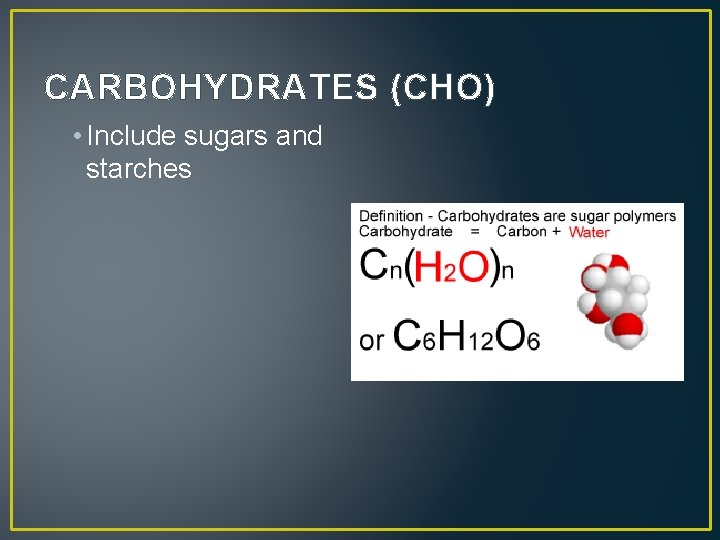
CARBOHYDRATES (CHO) • Include sugars and starches
CARBOHYDRATES (CHO) • Classified according to size: • Monosaccharides—simple sugars (contain 37 carbon atoms) • Disaccharides—two simple sugars • Polysaccharides—long-branching chains of linked simple sugars
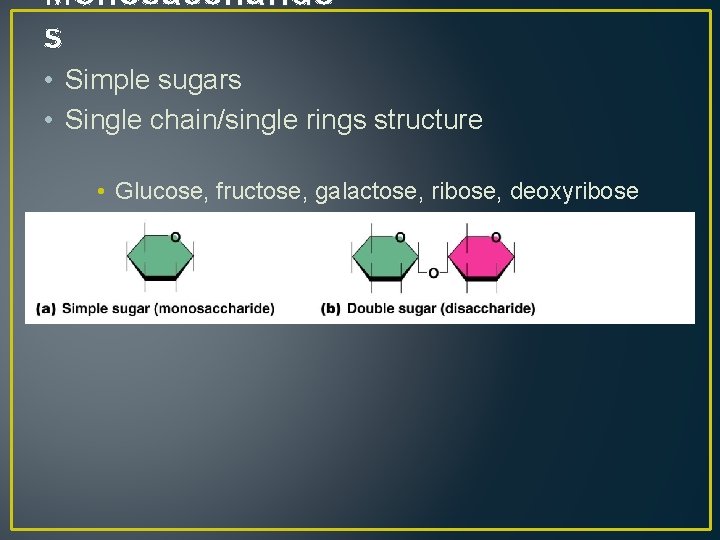
Monosaccharide s • Simple sugars • Single chain/single rings structure • Glucose, fructose, galactose, ribose, deoxyribose
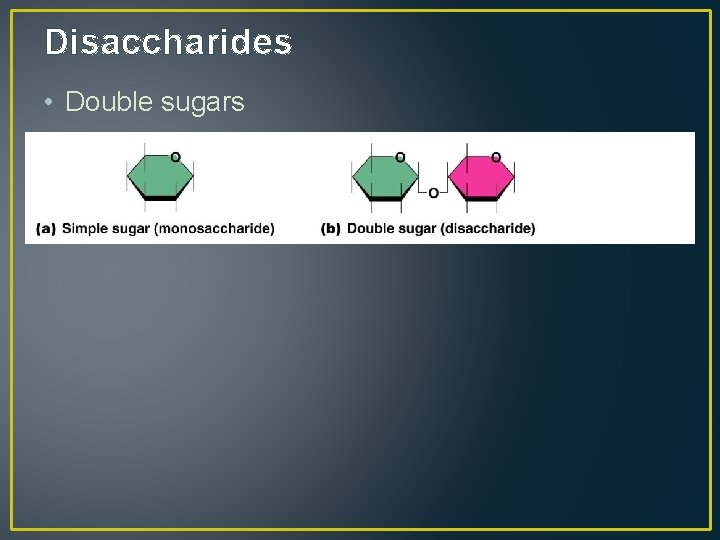
Disaccharides • Double sugars
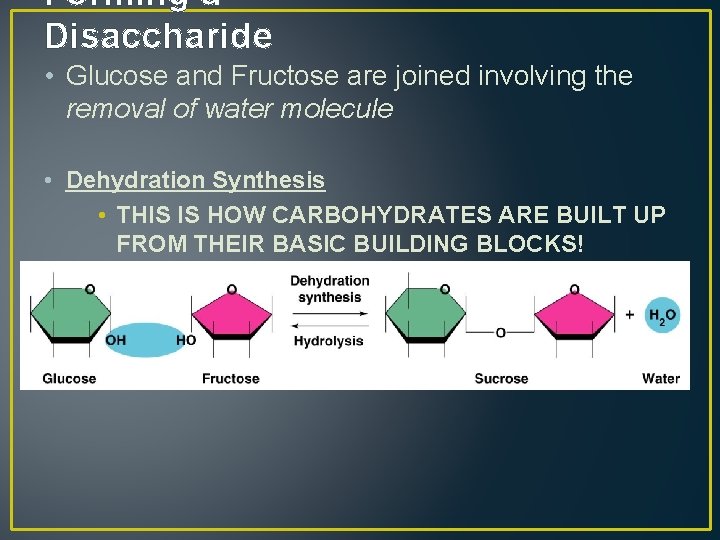
Forming a Disaccharide • Glucose and Fructose are joined involving the removal of water molecule • Dehydration Synthesis • THIS IS HOW CARBOHYDRATES ARE BUILT UP FROM THEIR BASIC BUILDING BLOCKS!
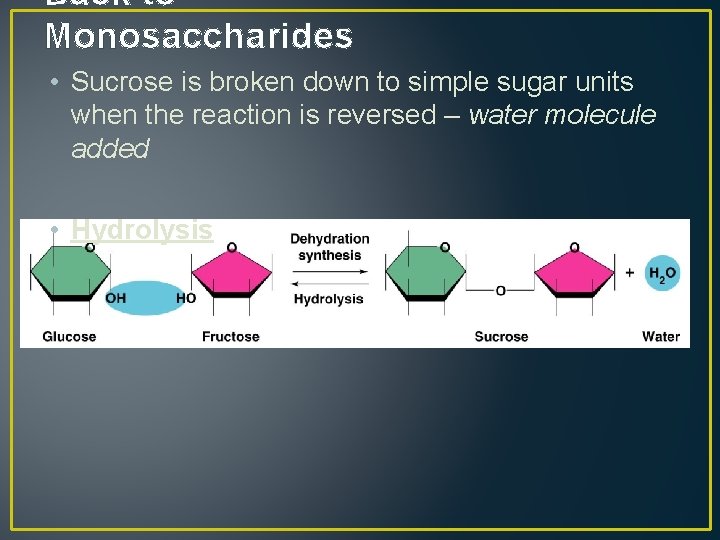
Back to Monosaccharides • Sucrose is broken down to simple sugar units when the reaction is reversed – water molecule added • Hydrolysis
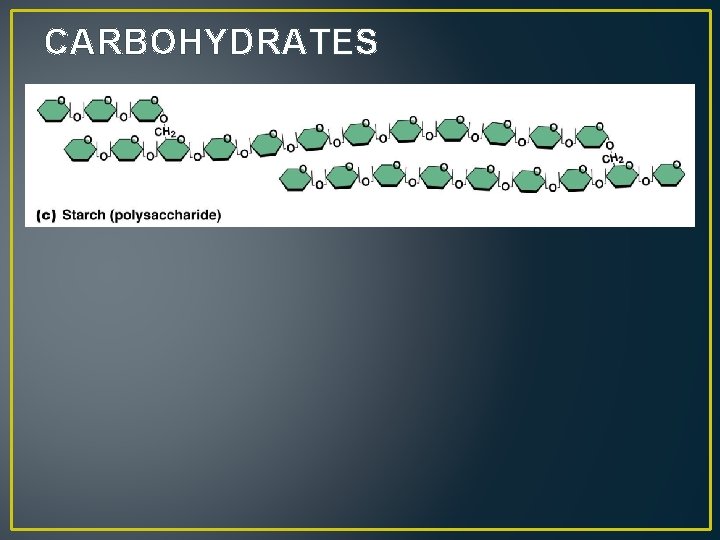
CARBOHYDRATES
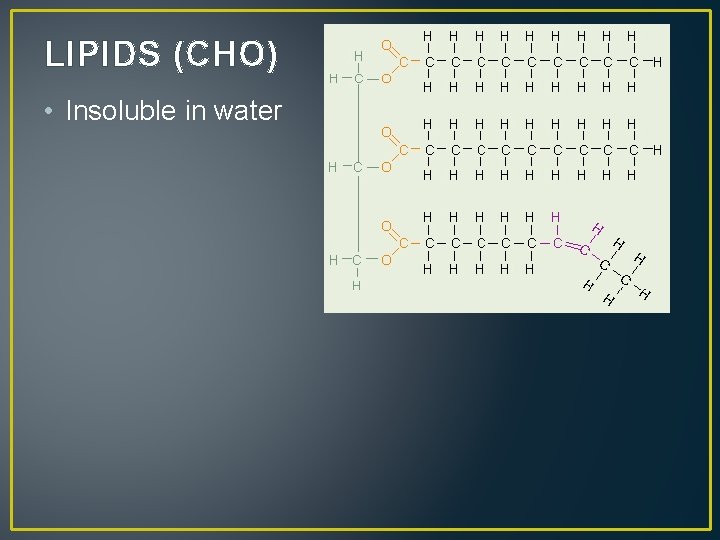
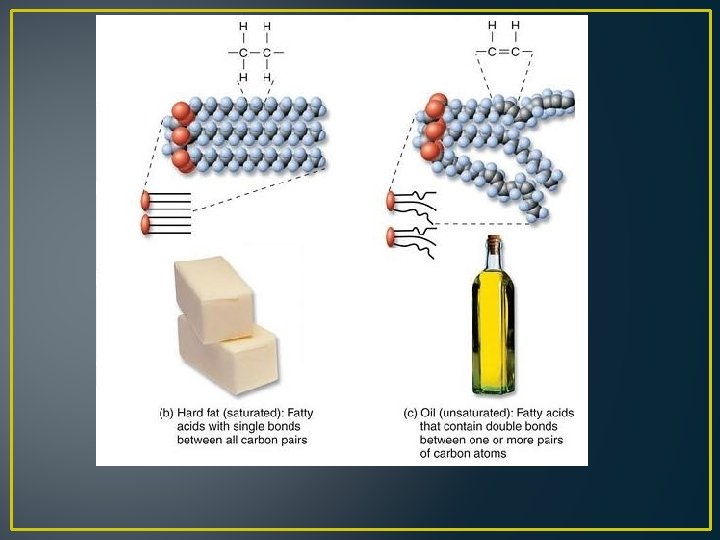
LIPIDS (CHO) • Insoluble in water
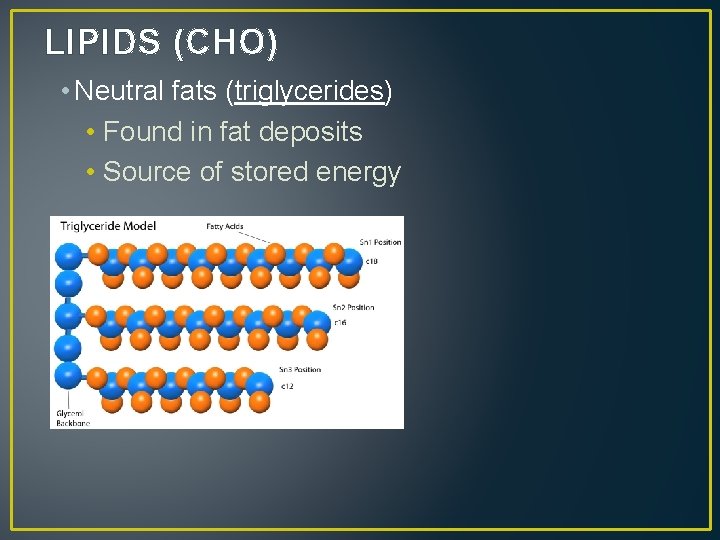
LIPIDS (CHO) • Neutral fats (triglycerides) • Found in fat deposits • Source of stored energy
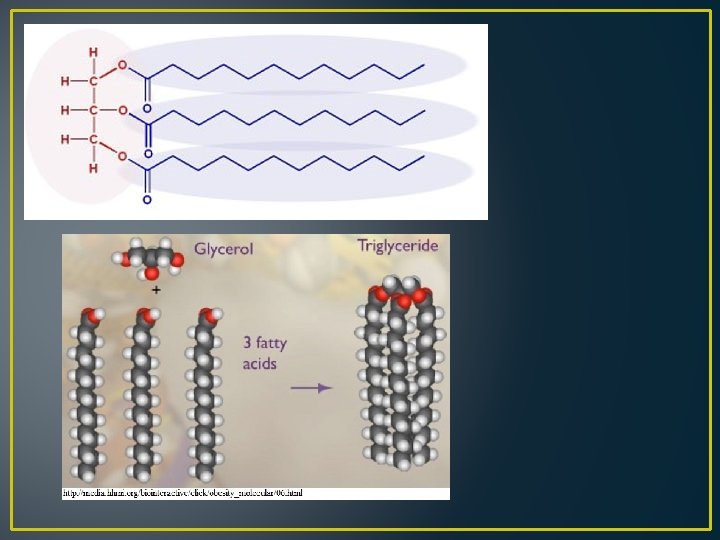
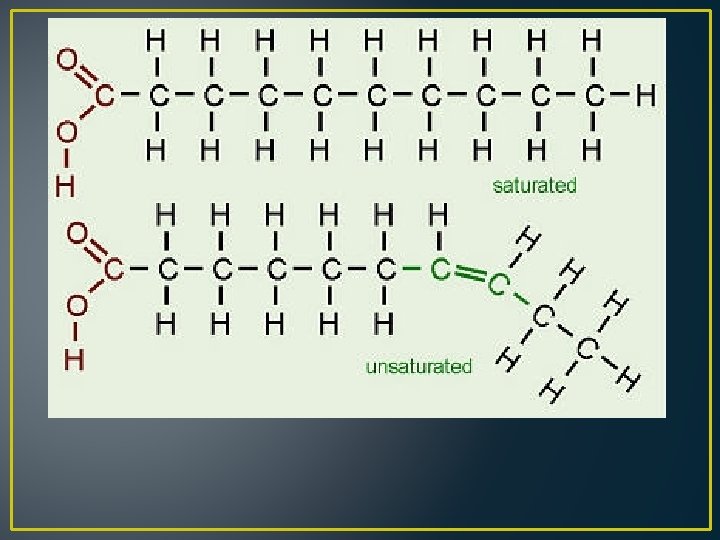
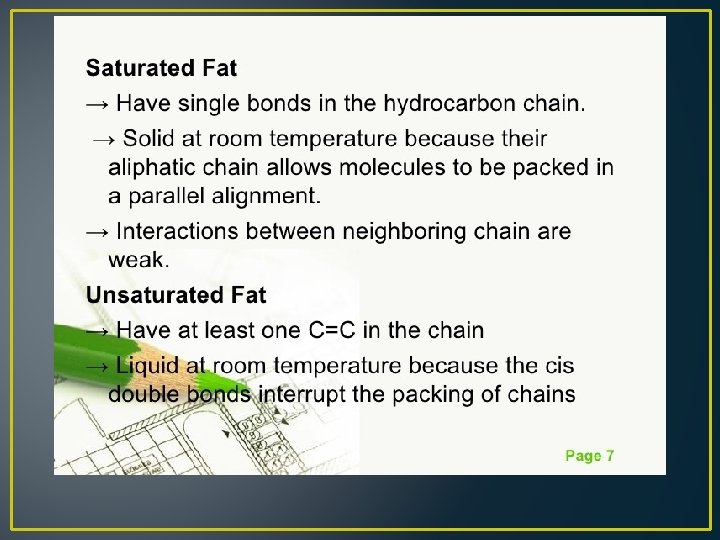
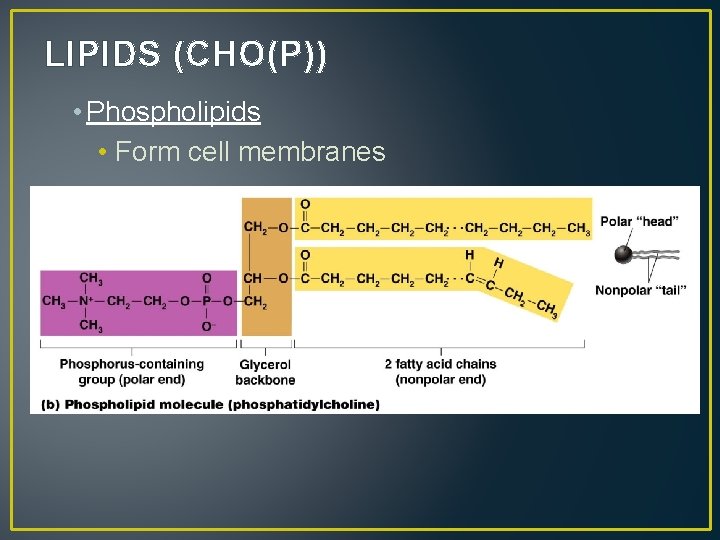
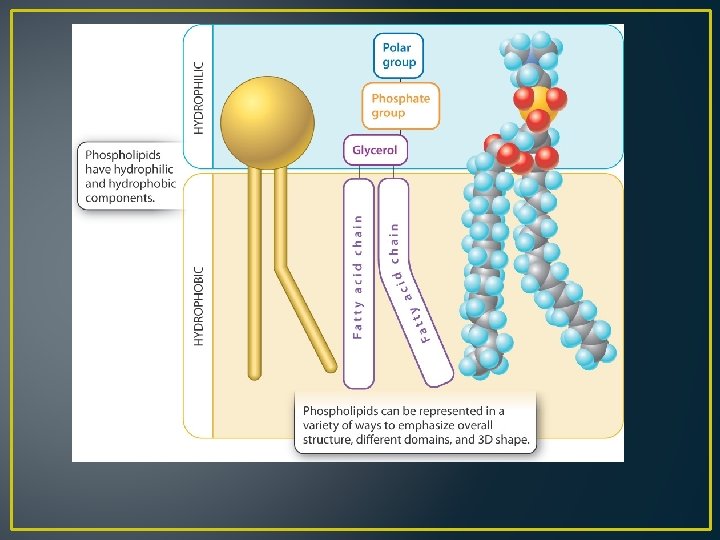
LIPIDS (CHO(P)) • Phospholipids • Form cell membranes
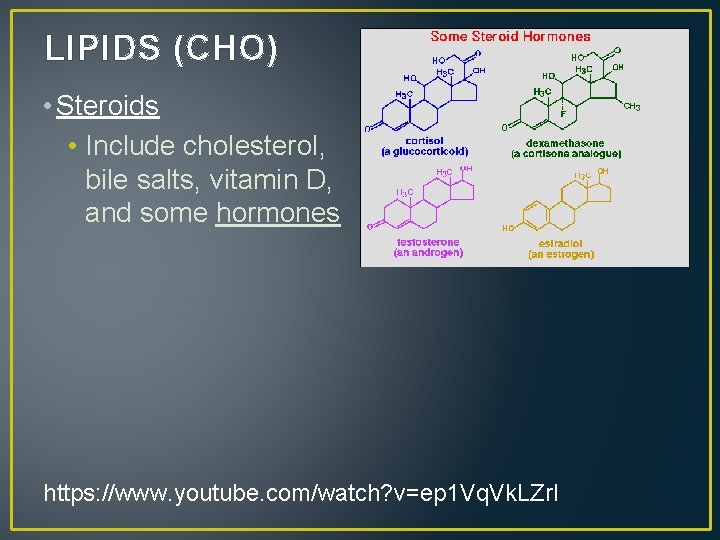
LIPIDS (CHO) • Steroids • Include cholesterol, bile salts, vitamin D, and some hormones https: //www. youtube. com/watch? v=ep 1 Vq. Vk. LZr. I
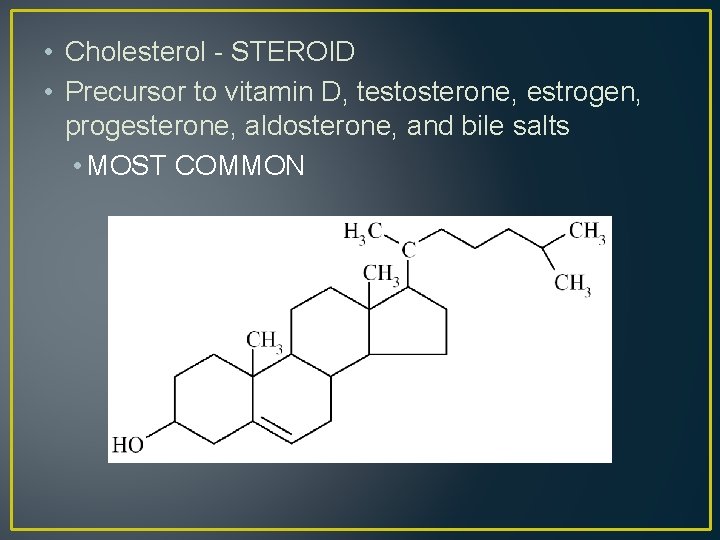
• Cholesterol - STEROID • Precursor to vitamin D, testosterone, estrogen, progesterone, aldosterone, and bile salts • MOST COMMON
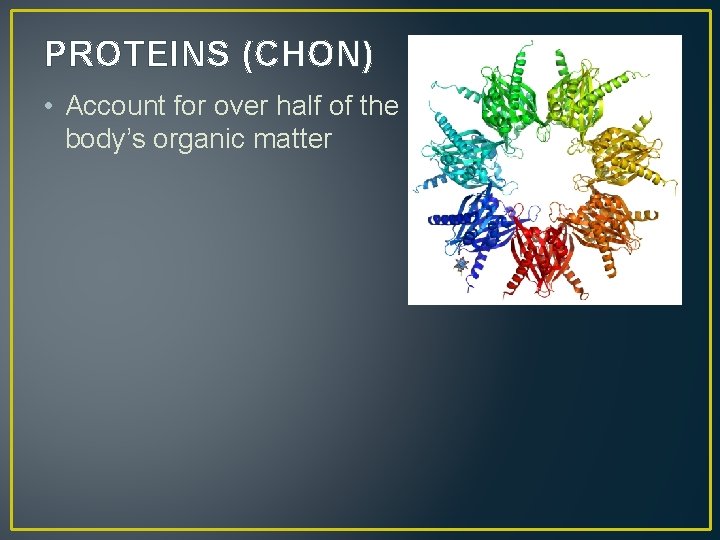
PROTEINS (CHON) • Account for over half of the body’s organic matter
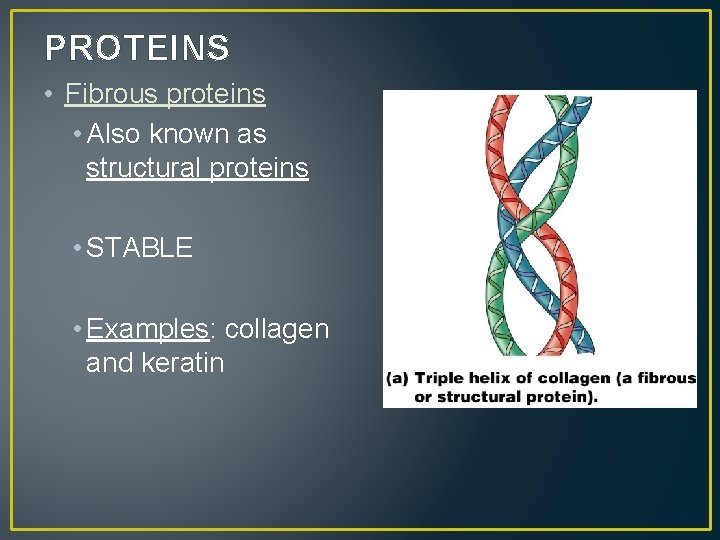
PROTEINS • Fibrous proteins • Also known as structural proteins • STABLE • Examples: collagen and keratin
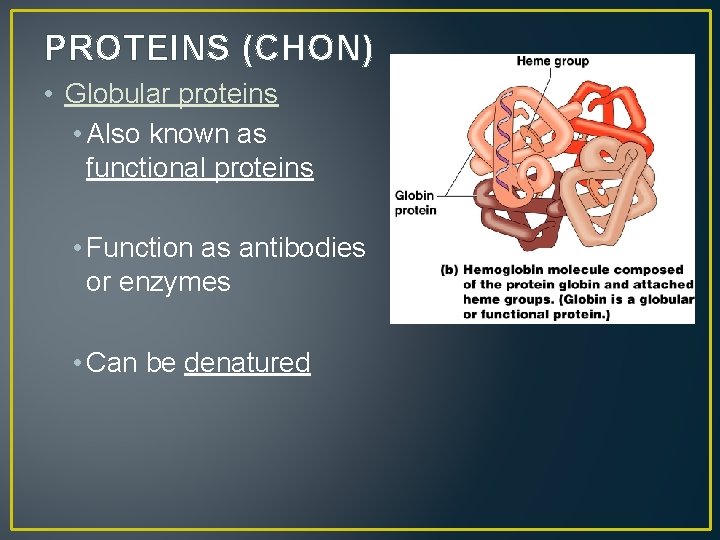
PROTEINS (CHON) • Globular proteins • Also known as functional proteins • Function as antibodies or enzymes • Can be denatured
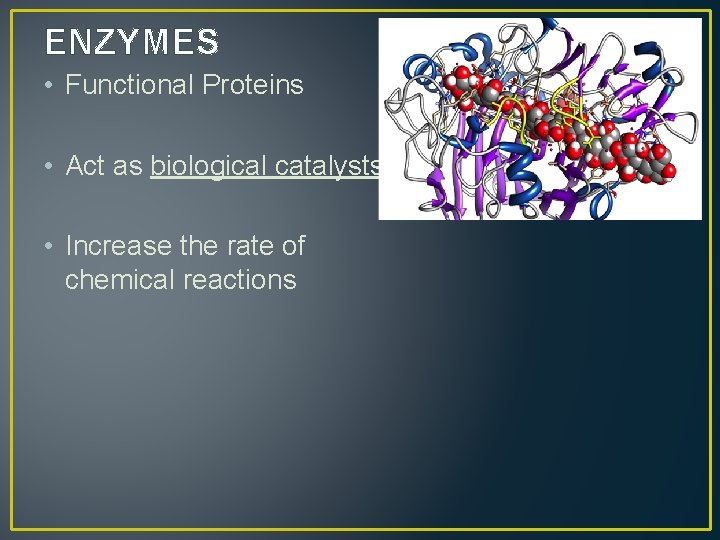
ENZYMES • Functional Proteins • Act as biological catalysts • Increase the rate of chemical reactions
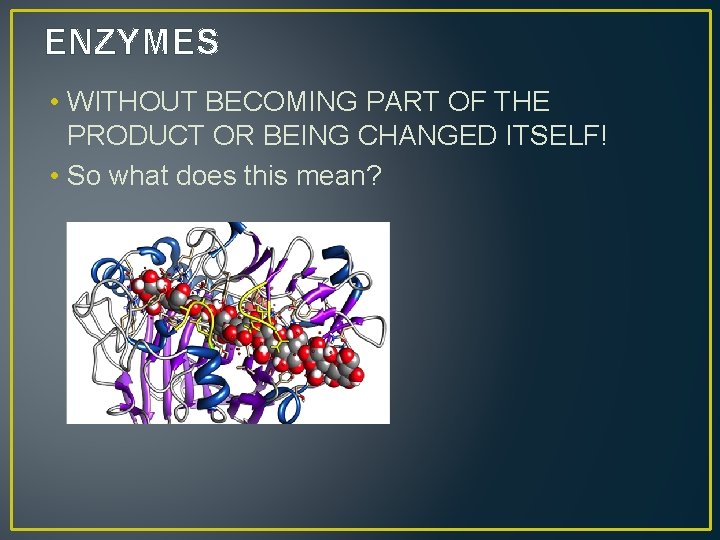
ENZYMES • WITHOUT BECOMING PART OF THE PRODUCT OR BEING CHANGED ITSELF! • So what does this mean?
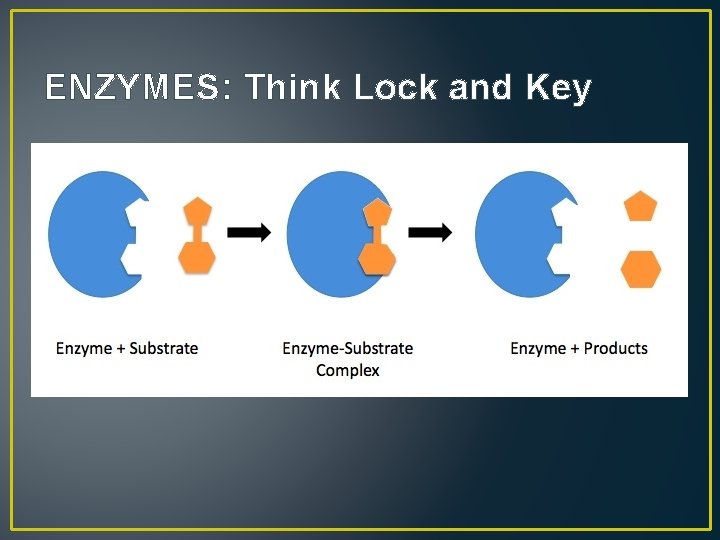
ENZYMES: Think Lock and Key
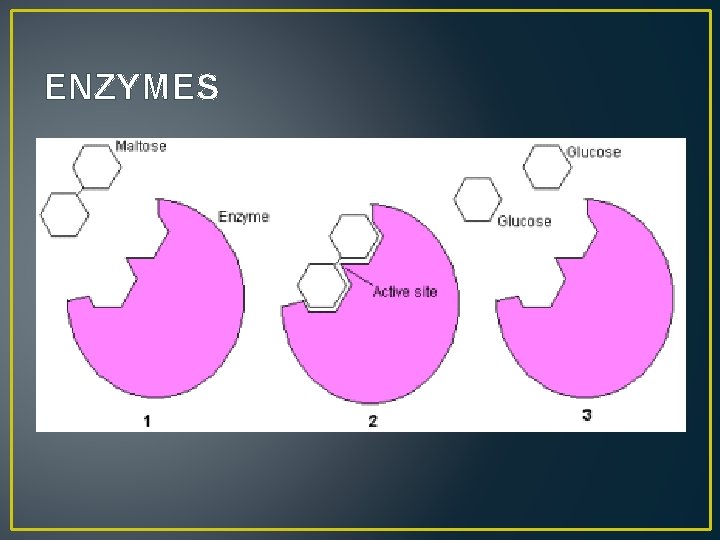
ENZYMES
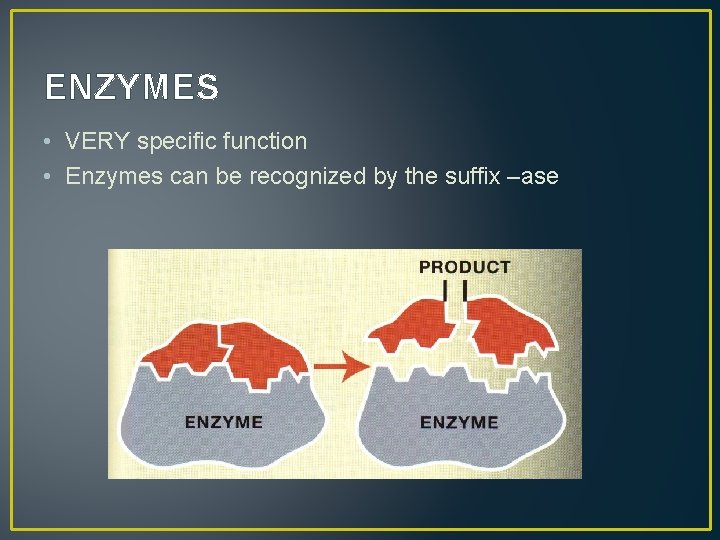
ENZYMES • VERY specific function • Enzymes can be recognized by the suffix –ase
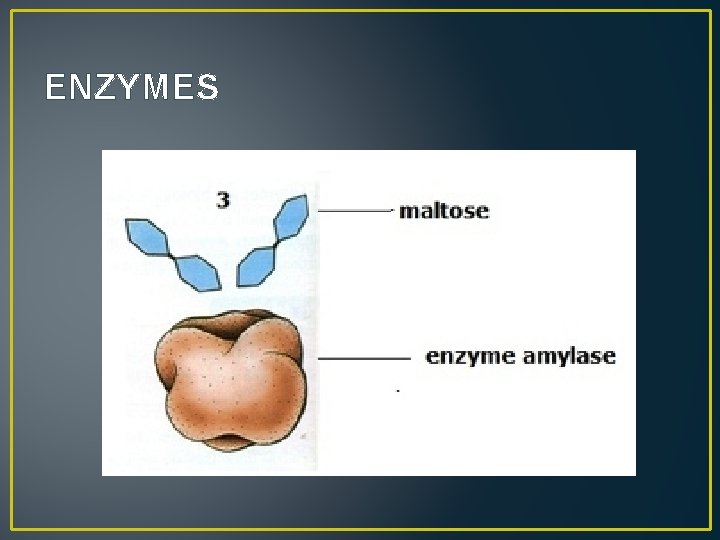
ENZYMES
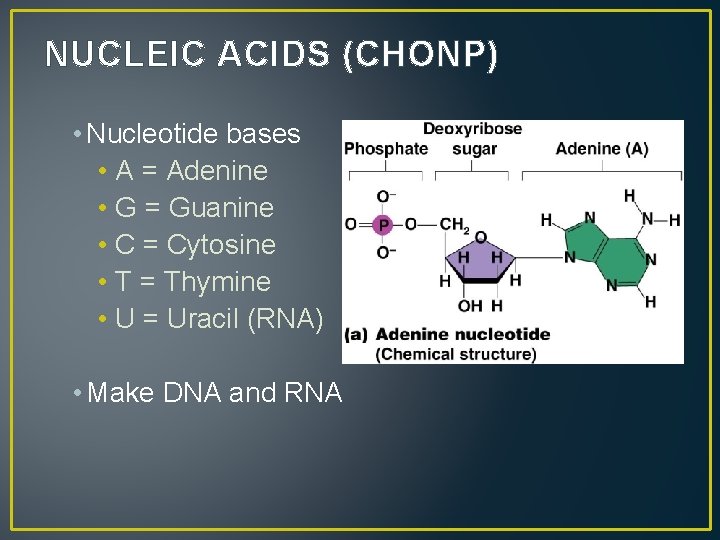
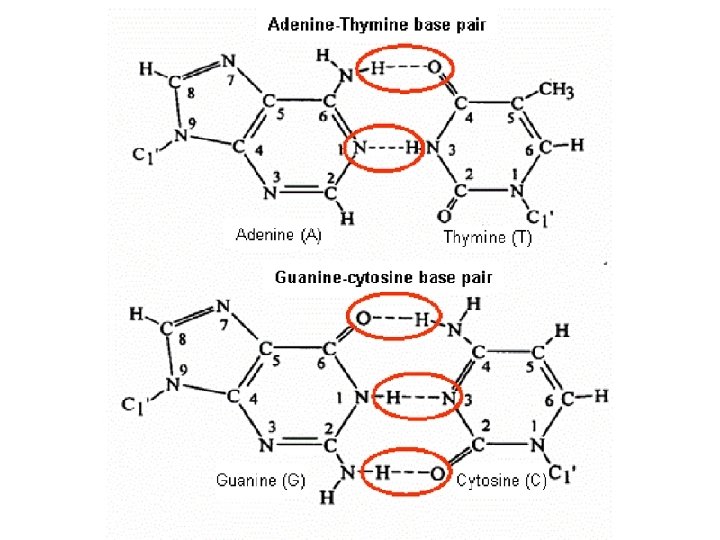
NUCLEIC ACIDS (CHONP) • Nucleotide bases • A = Adenine • G = Guanine • C = Cytosine • T = Thymine • U = Uracil (RNA) • Make DNA and RNA

NUCLEIC ACIDS (CHONP)
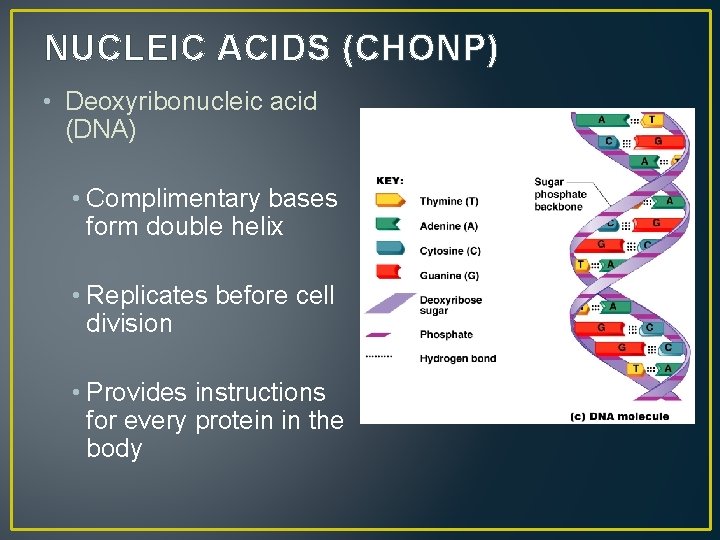
NUCLEIC ACIDS (CHONP) • Deoxyribonucleic acid (DNA) • Complimentary bases form double helix • Replicates before cell division • Provides instructions for every protein in the body
NUCLEIC ACIDS (CHONP)
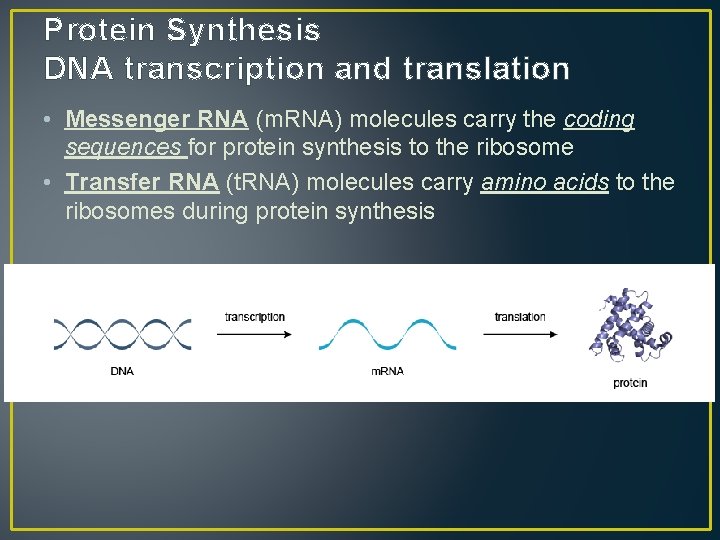
Protein Synthesis DNA transcription and translation • Messenger RNA (m. RNA) molecules carry the coding sequences for protein synthesis to the ribosome • Transfer RNA (t. RNA) molecules carry amino acids to the ribosomes during protein synthesis
- Slides: 35