
Importance of Materials Science 12 th Sept 2007

- Slides: 26
Importance of Materials Science 12 th Sept 2007 Engr. Salma Tirmizi Engr. Mehwish Khan Institution of Engineers
Contents § § § § § Objectives Materials What is Materials Science? Why Materials? Applications of Materials Science Properties of Materials Processing of Materials Sub-fields of Materials Science Materials Characterization
Objectives § Realization of the Importance of Materials Science in the present developing era § To spread awareness regarding the innovations and contributions of Materials world in revolutionizing Science and Technology § To strengthen the platform for Materials knowledge and research in Pakistan
Materials Substances of which something is composed of Engineering Materials used to produce technical products
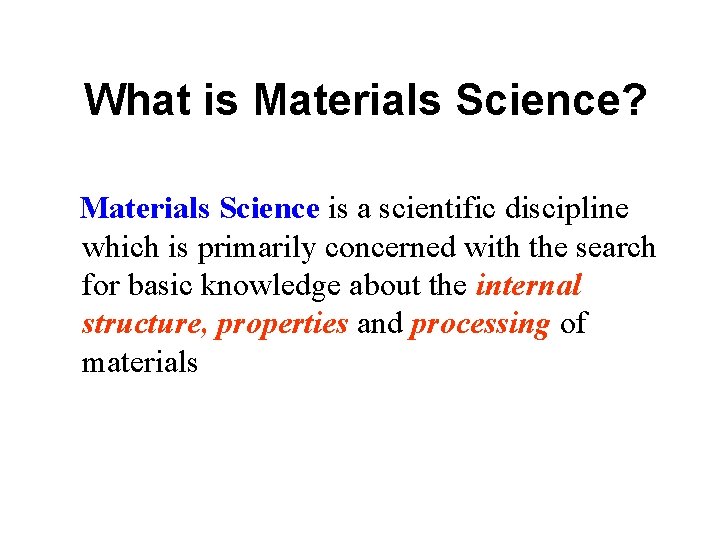
What is Materials Science? Materials Science is a scientific discipline which is primarily concerned with the search for basic knowledge about the internal structure, properties and processing of materials
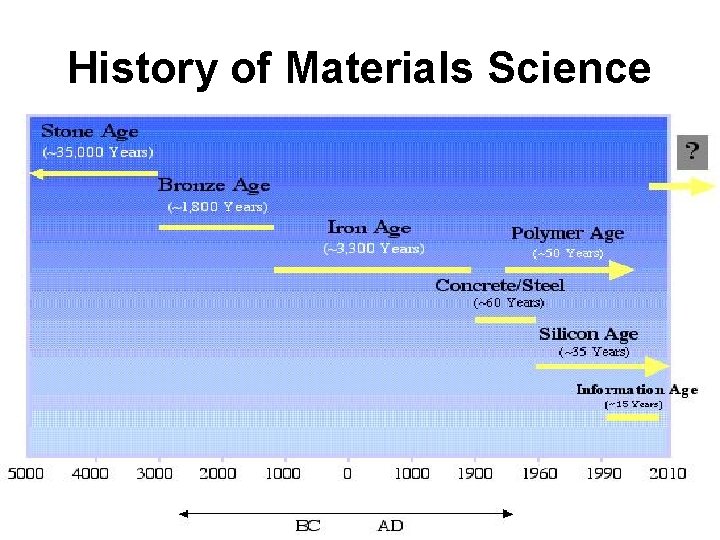
History of Materials Science
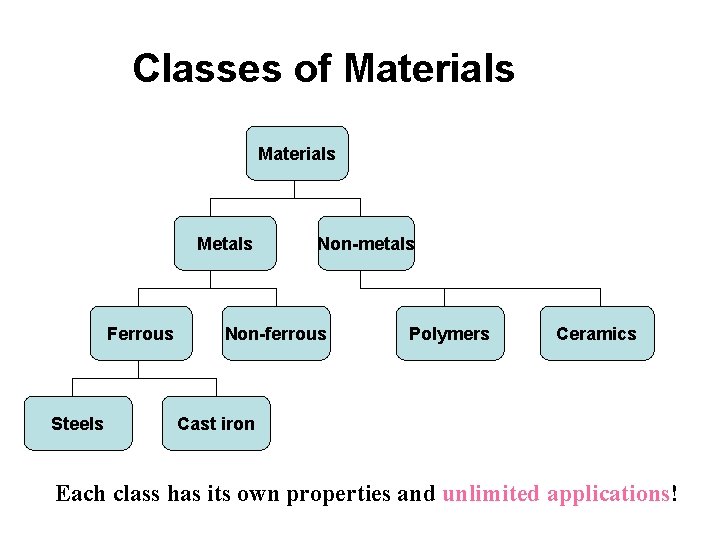
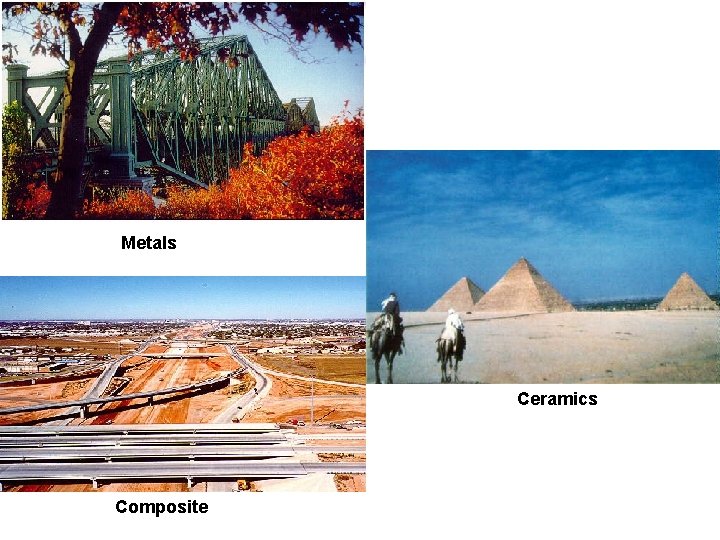
Classes of Materials Metals Ferrous Steels Non-metals Non-ferrous Polymers Ceramics Cast iron Each class has its own properties and unlimited applications!
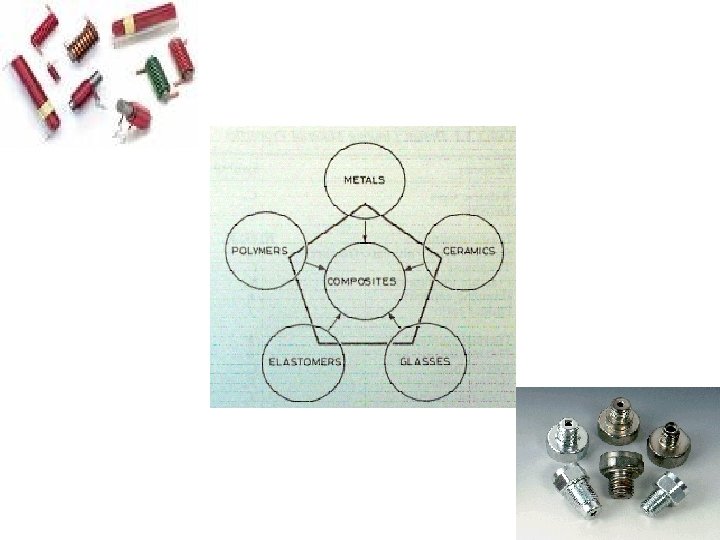
Metals Ceramics Composite
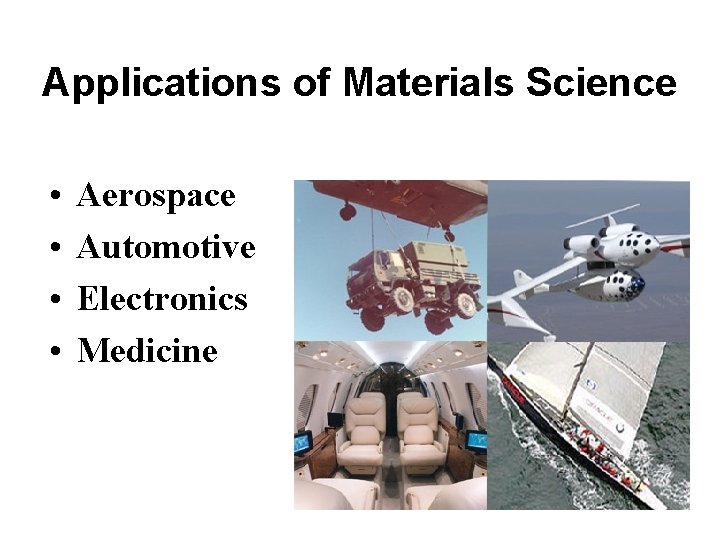
Applications of Materials Science • • Aerospace Automotive Electronics Medicine
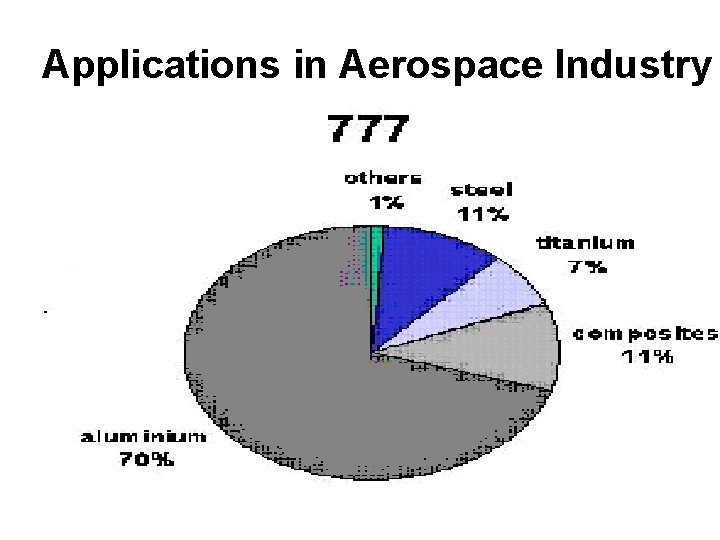
Applications in Aerospace Industry
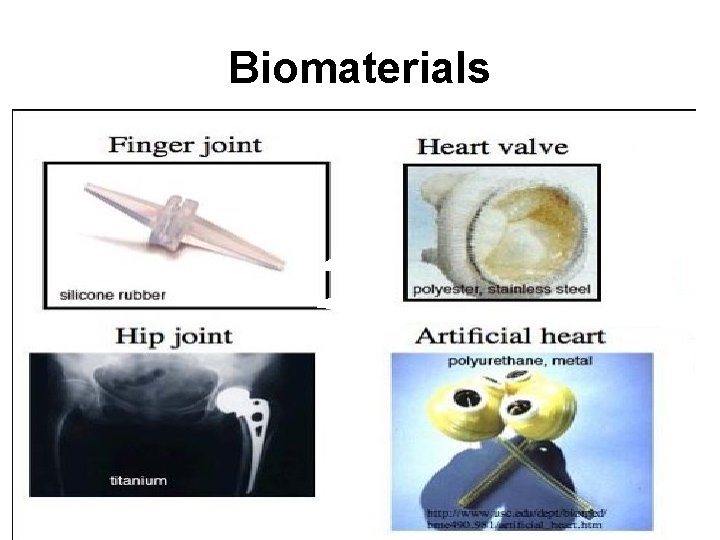
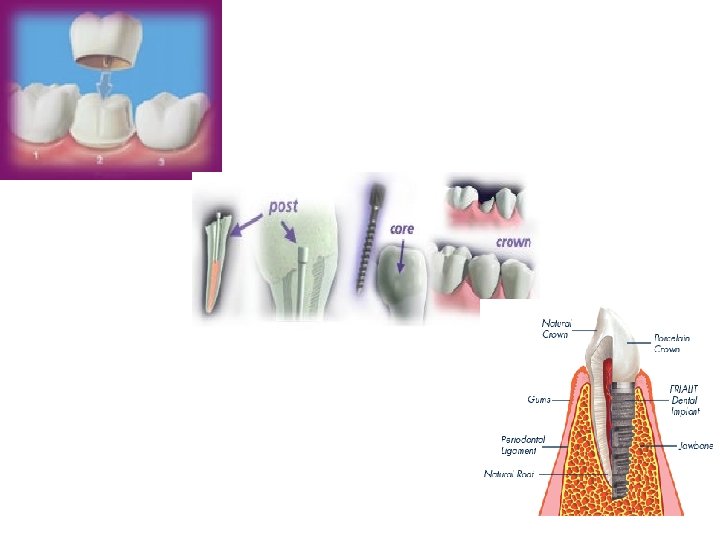
Biomaterials
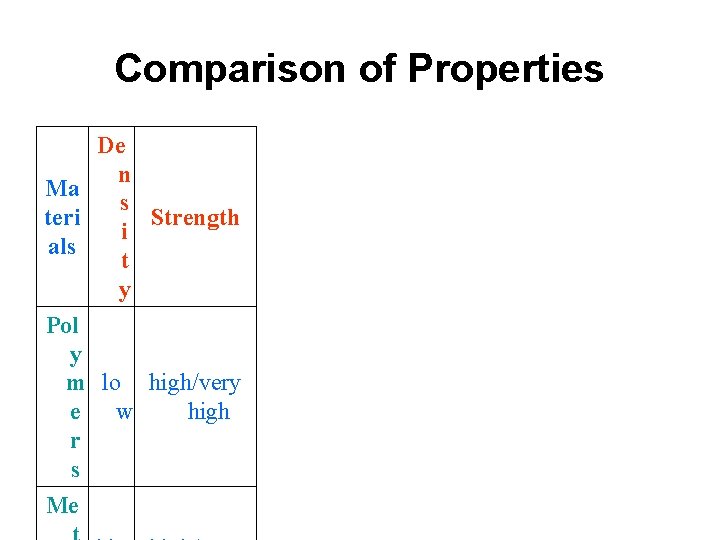
Comparison of Properties De n Ma s teri Strength i als t y Pol y m lo high/very high e w r s Me
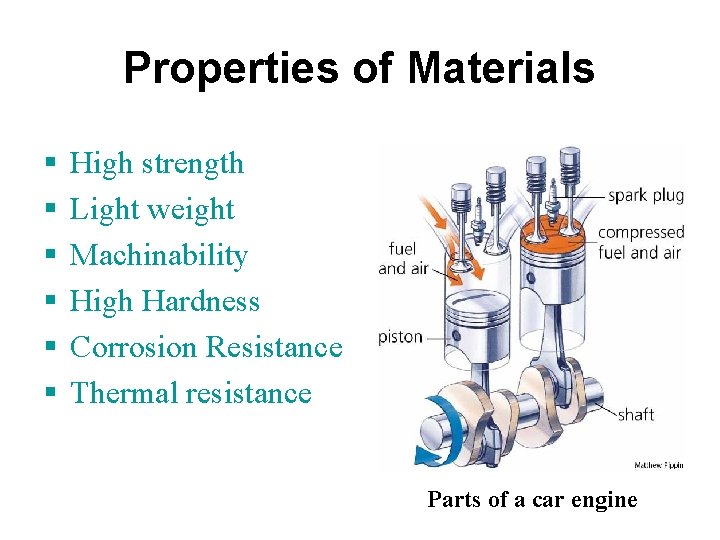
Properties of Materials § § § High strength Light weight Machinability High Hardness Corrosion Resistance Thermal resistance Parts of a car engine
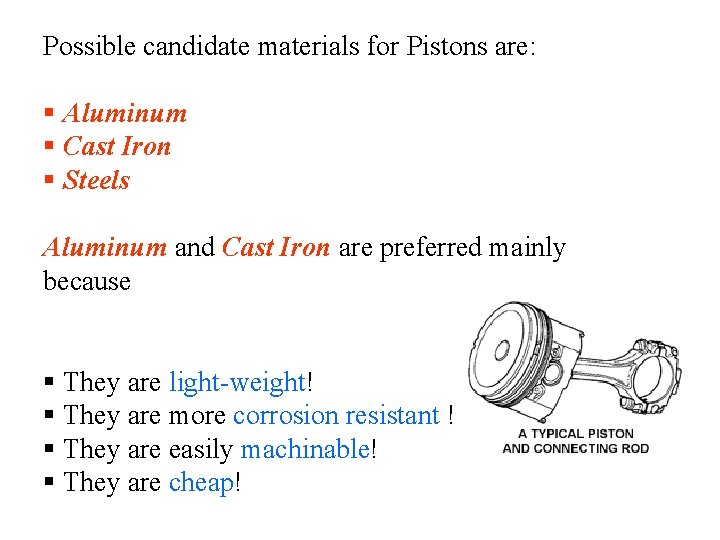
Possible candidate materials for Pistons are: § Aluminum § Cast Iron § Steels Aluminum and Cast Iron are preferred mainly because § They are light-weight! § They are more corrosion resistant ! § They are easily machinable! § They are cheap!
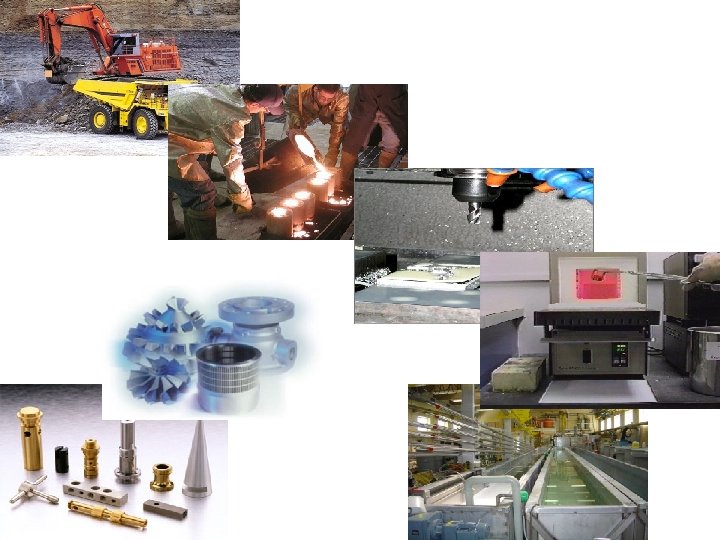
Processing of Materials § Extraction § Shaping § Machining § Heat Treatment § Surface Treatment
Sub-fields of Materials Science • • • Nanotechnology Crystallography Materials Characterization Metallurgy Biomaterials Electronic and Magnetic Materials Surface Science Tribology Ceramics and Refractories
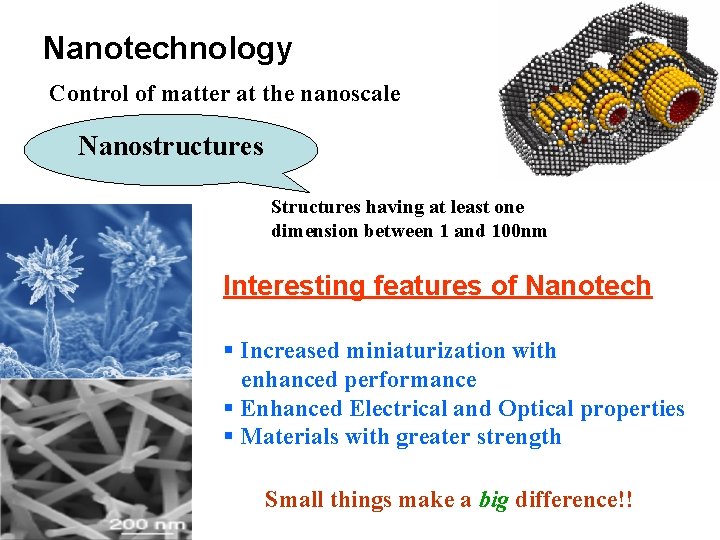
Nanotechnology Control of matter at the nanoscale Nanostructures Structures having at least one dimension between 1 and 100 nm Interesting features of Nanotech § Increased miniaturization with enhanced performance § Enhanced Electrical and Optical properties § Materials with greater strength Small things make a big difference!!
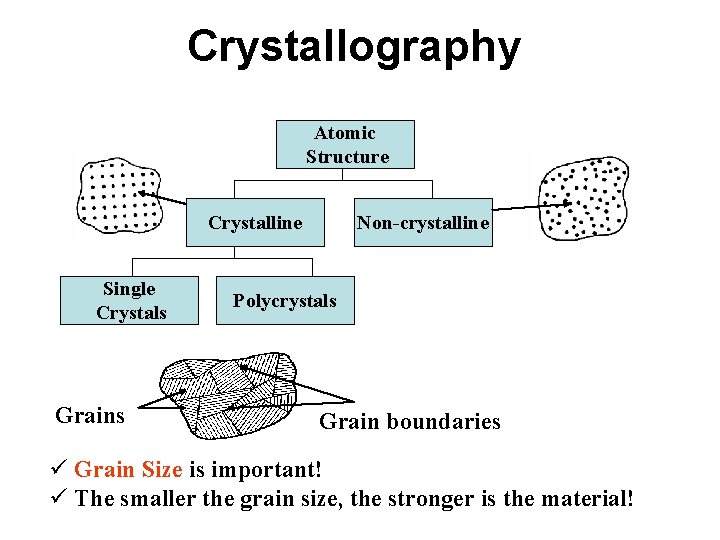
Crystallography Atomic Structure Crystalline Single Crystals Grains Non-crystalline Polycrystals Grain boundaries ü Grain Size is important! ü The smaller the grain size, the stronger is the material!
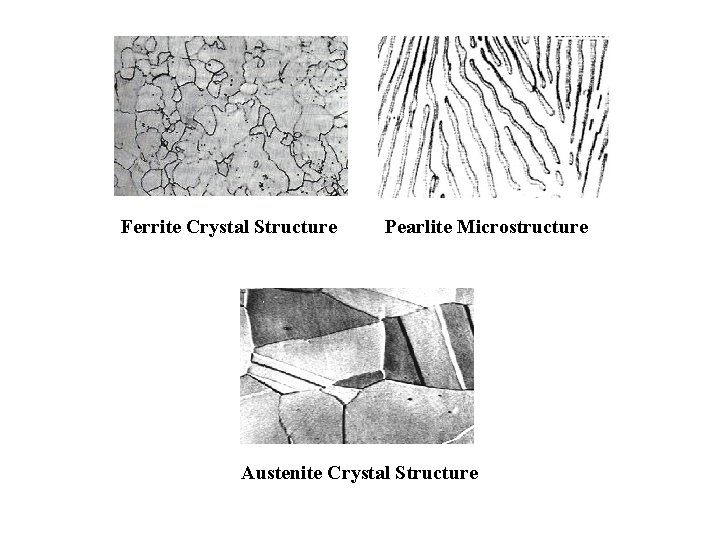
Ferrite Crystal Structure Pearlite Microstructure Austenite Crystal Structure
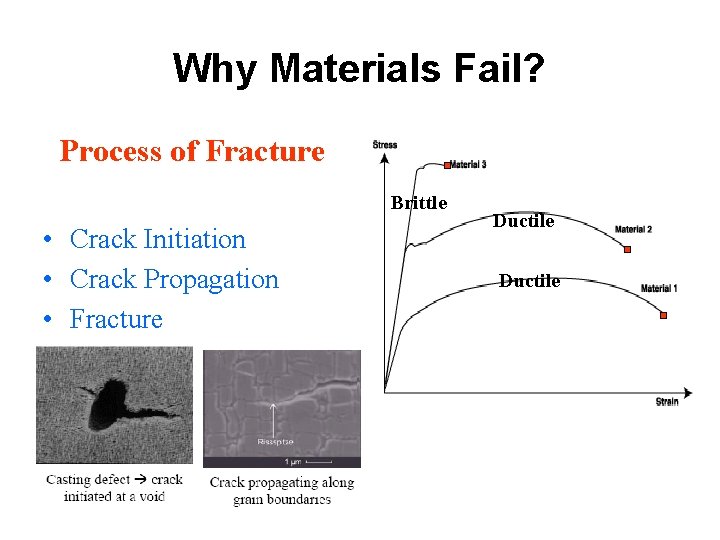
Why Materials Fail? Process of Fracture Brittle • Crack Initiation • Crack Propagation • Fracture Ductile
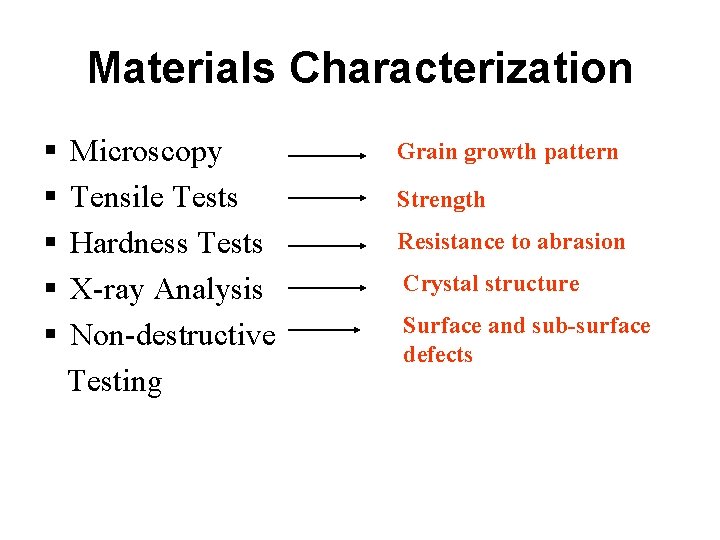
Materials Characterization § § § Microscopy Tensile Tests Hardness Tests X-ray Analysis Non-destructive Testing Grain growth pattern Strength Resistance to abrasion Crystal structure Surface and sub-surface defects
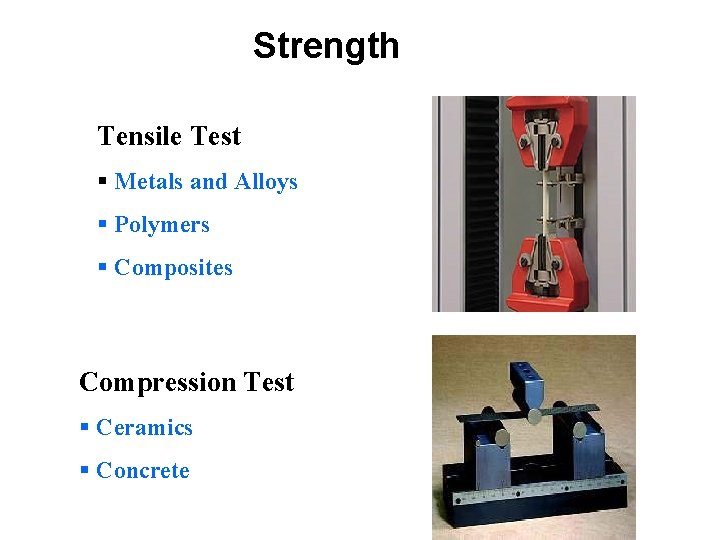
Strength Tensile Test § Metals and Alloys § Polymers § Composites Compression Test § Ceramics § Concrete
Thankyou!