
Importance of fluid cleanliness in hydraulics Looking to

- Slides: 29
Importance of fluid cleanliness in hydraulics Looking to the modern machinery requirements hydraulics play a very active & crucial role in machine drives. As the high-precision machinery uses advanced hydraulic components like axial pumps & proportional valves maintenance of such elements is the most vital necessity. In hydraulics more than 80% of problems are due to contaminated fluid & so it is important to keep system fluid very clean & free of contaminants. Looking to these points latest concepts & methods of oil cleaning should be taken in prime consideration. 1
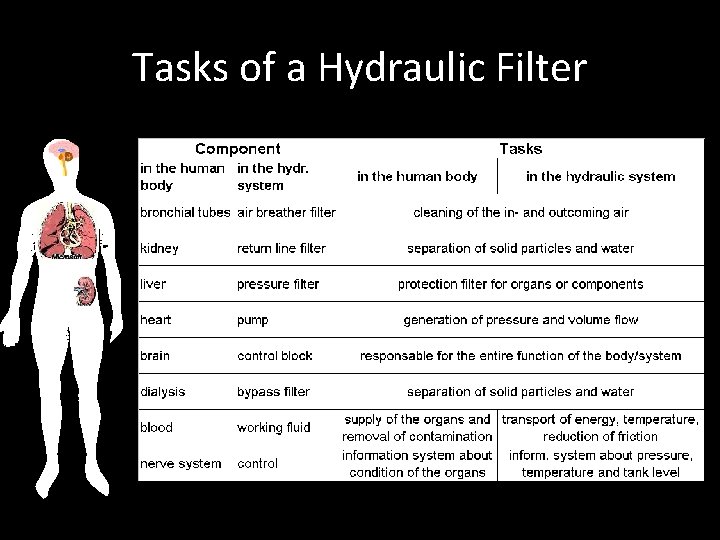
Tasks of a Hydraulic Filter
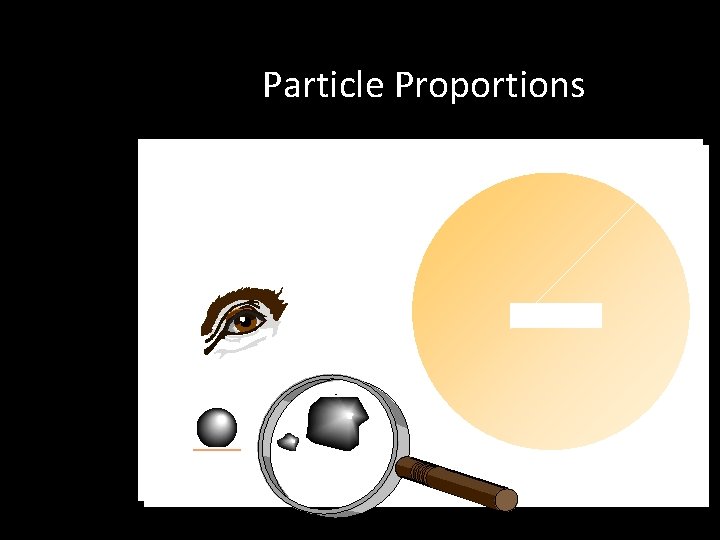
Particle Proportions Diameter in µm 75 Human hair 30 15 5 1 Bearing lubrication film Fine/coarse particle
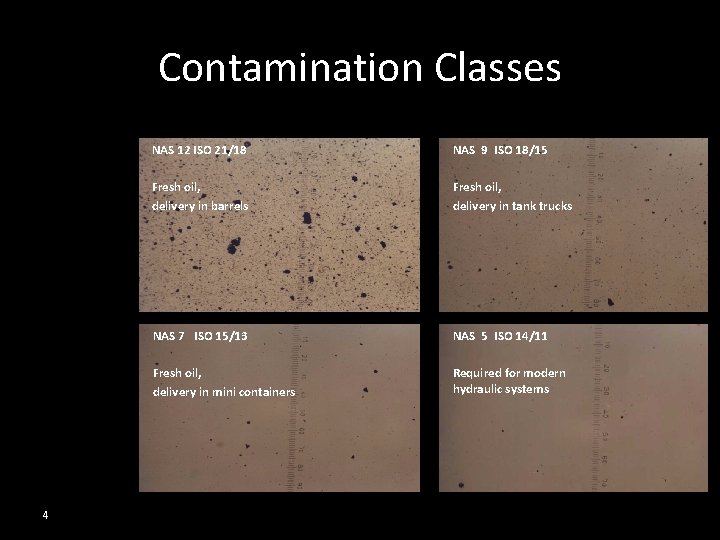
Contamination Classes 4 NAS 12 ISO 21/18 NAS 9 ISO 18/15 Fresh oil, delivery in barrels Fresh oil, delivery in tank trucks NAS 7 ISO 15/13 NAS 5 ISO 14/11 Fresh oil, delivery in mini containers Required for modern hydraulic systems
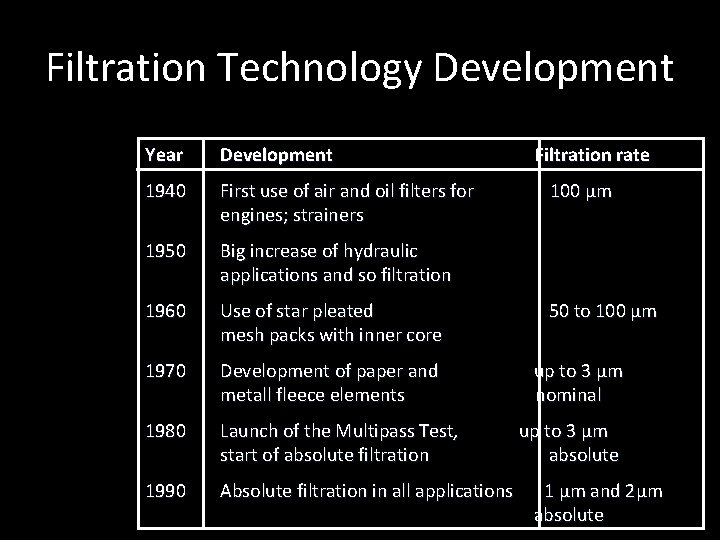
Filtration Technology Development Year Development 1940 First use of air and oil filters for engines; strainers 1950 Big increase of hydraulic applications and so filtration 1960 Use of star pleated mesh packs with inner core 1970 Development of paper and metall fleece elements 1980 Launch of the Multipass Test, start of absolute filtration 1990 Absolute filtration in all applications Filtration rate 100 µm 50 to 100 µm up to 3 µm nominal up to 3 µm absolute 1 µm and 2µm absolute
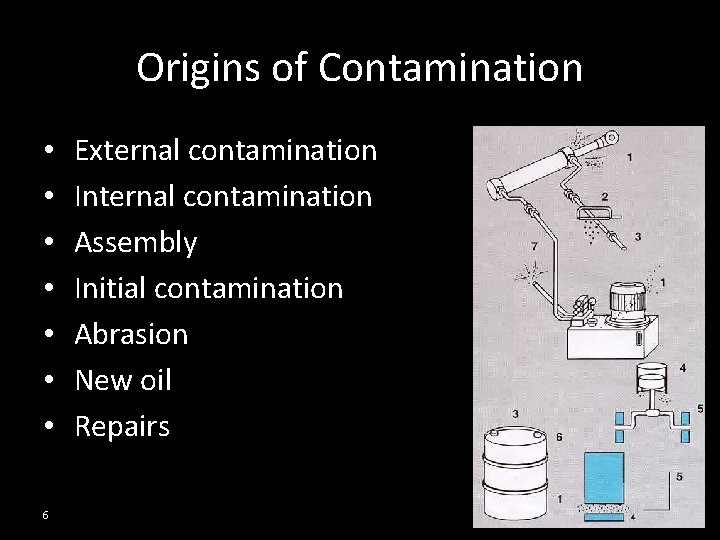
Origins of Contamination • • 6 External contamination Internal contamination Assembly Initial contamination Abrasion New oil Repairs
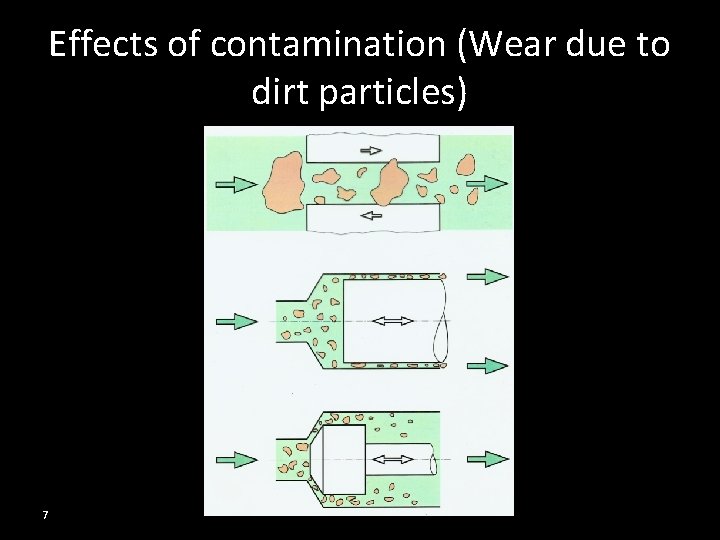
Effects of contamination (Wear due to dirt particles) 7
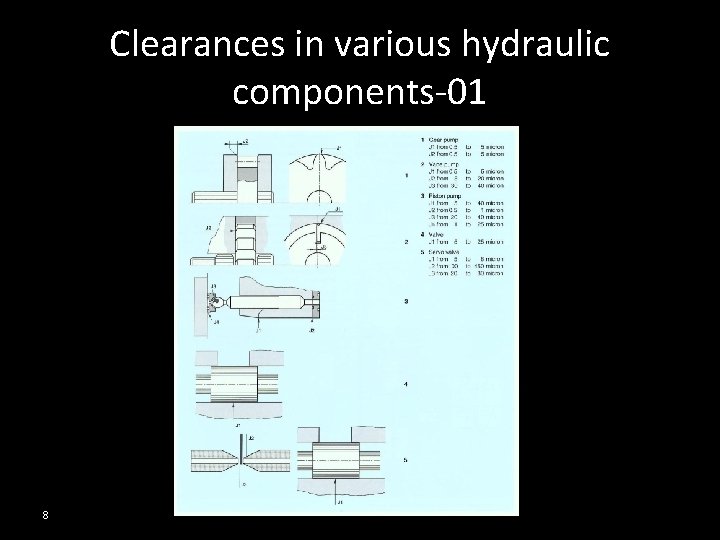
Clearances in various hydraulic components-01 8
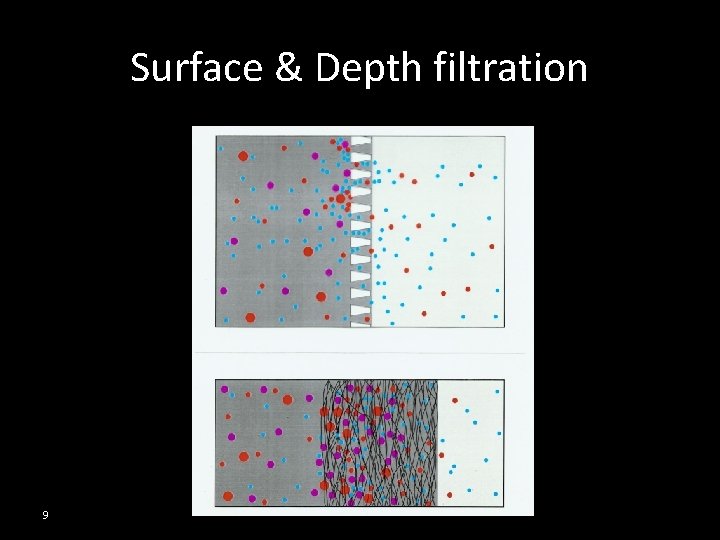
Surface & Depth filtration 9
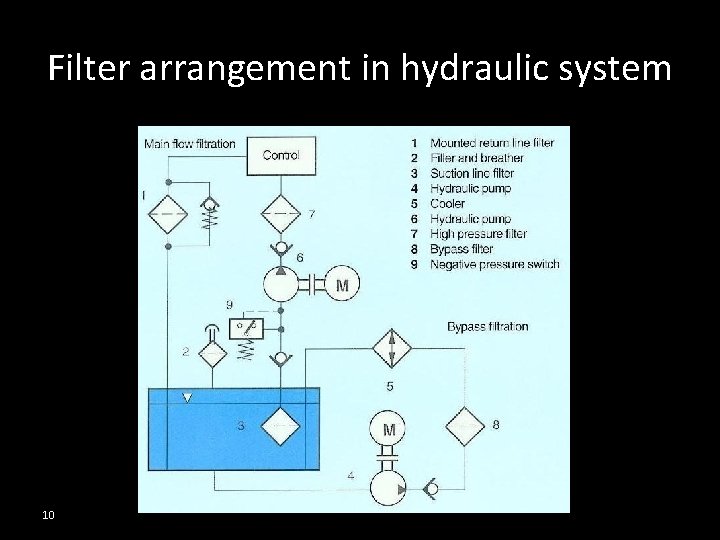
Filter arrangement in hydraulic system 10
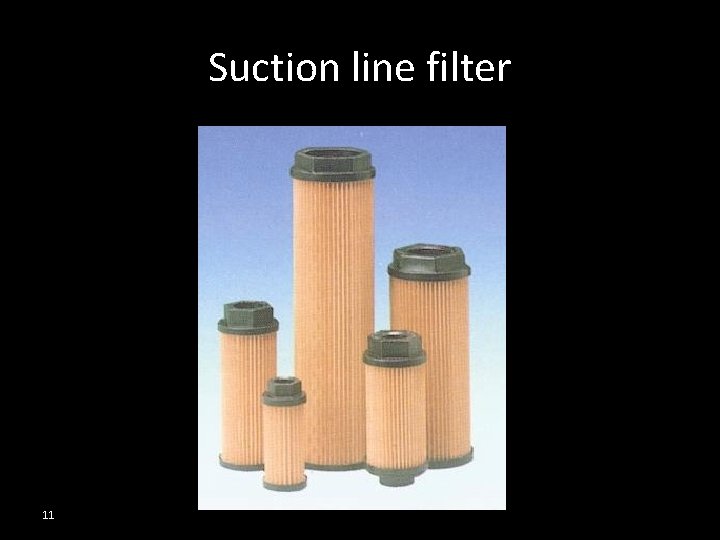
Suction line filter 11
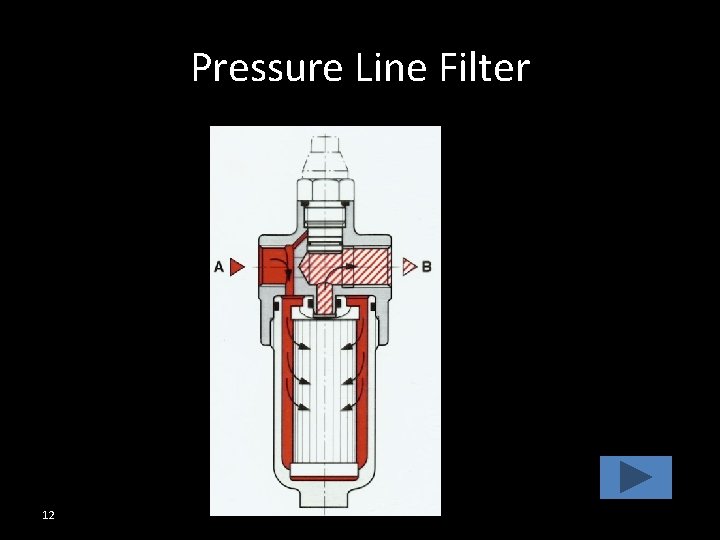
Pressure Line Filter 12
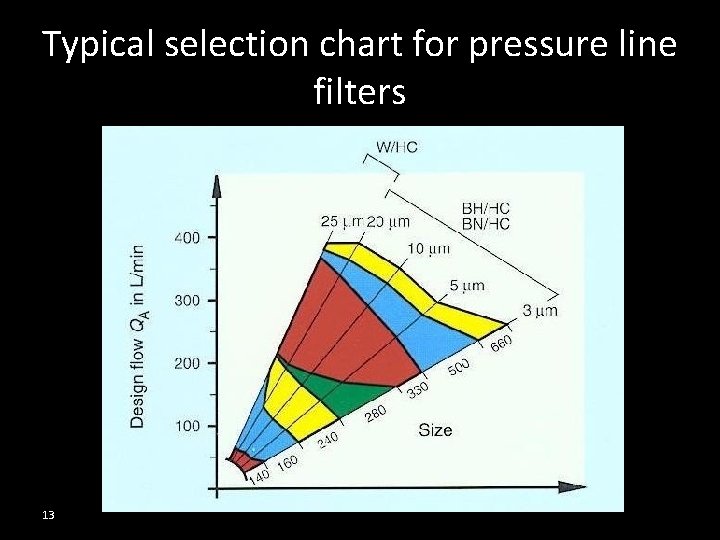
Typical selection chart for pressure line filters 13
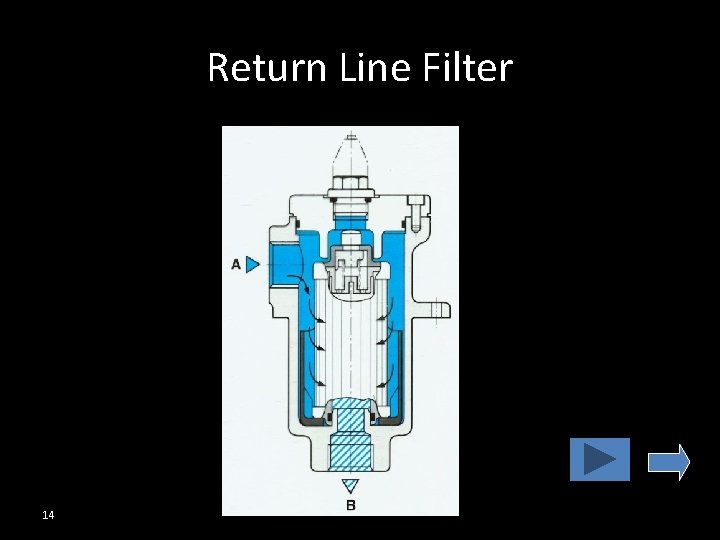
Return Line Filter 14
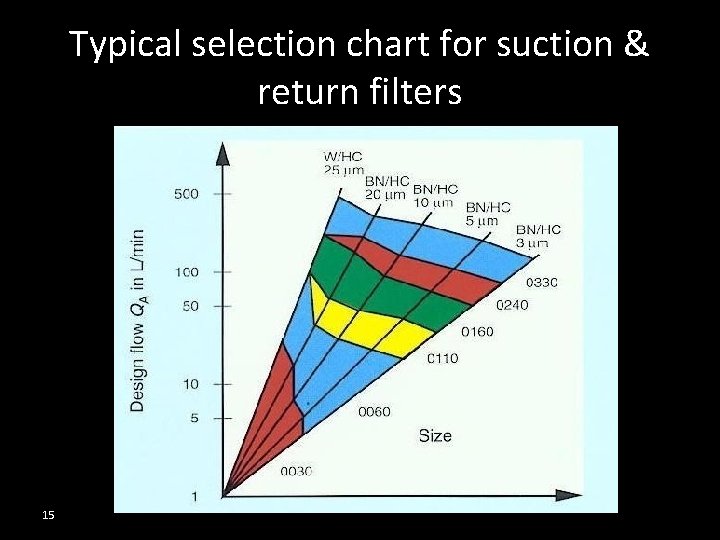
Typical selection chart for suction & return filters 15
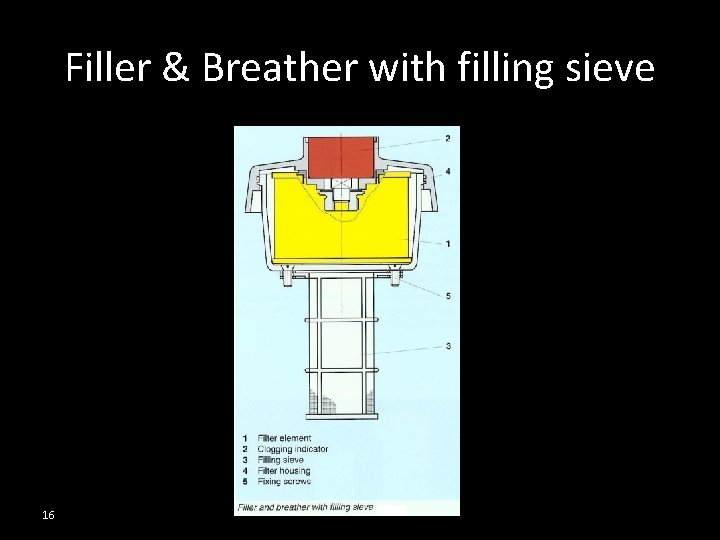
Filler & Breather with filling sieve 16
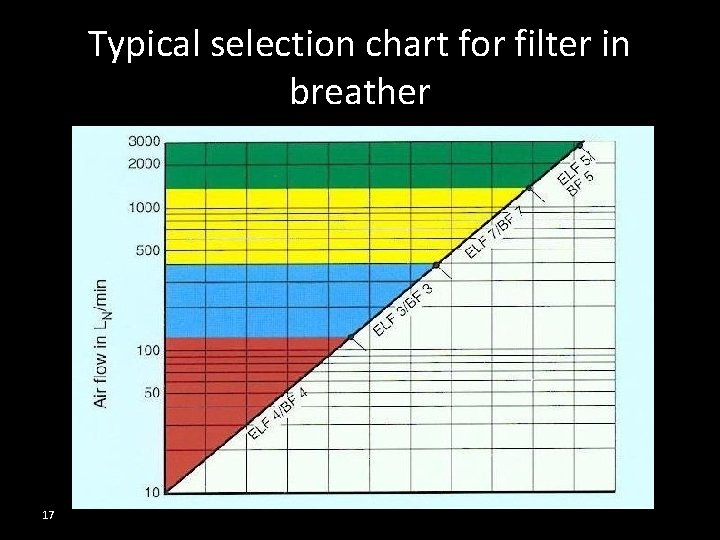
Typical selection chart for filter in breather 17
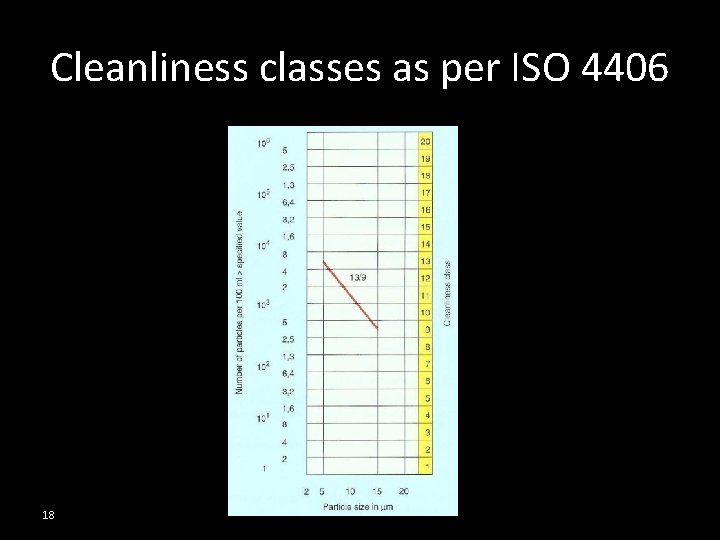
Cleanliness classes as per ISO 4406 18
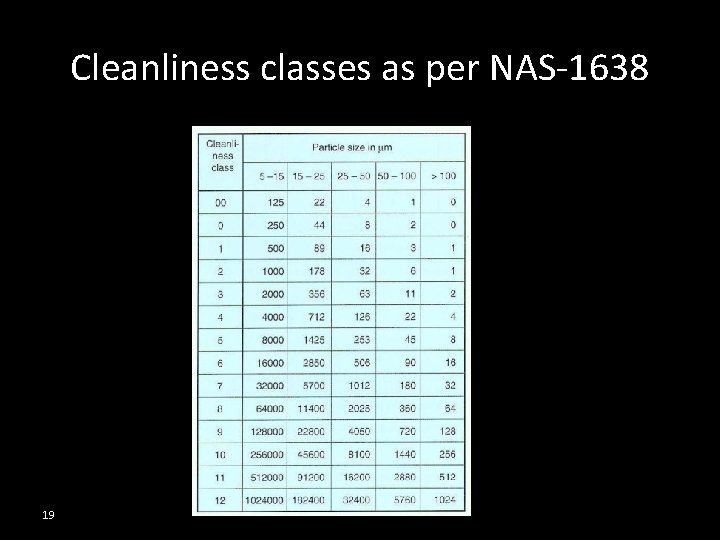
Cleanliness classes as per NAS-1638 19
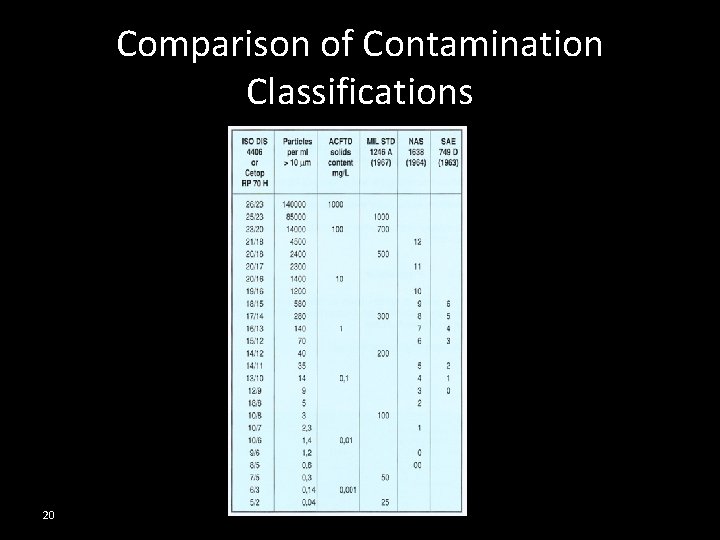
Comparison of Contamination Classifications 20
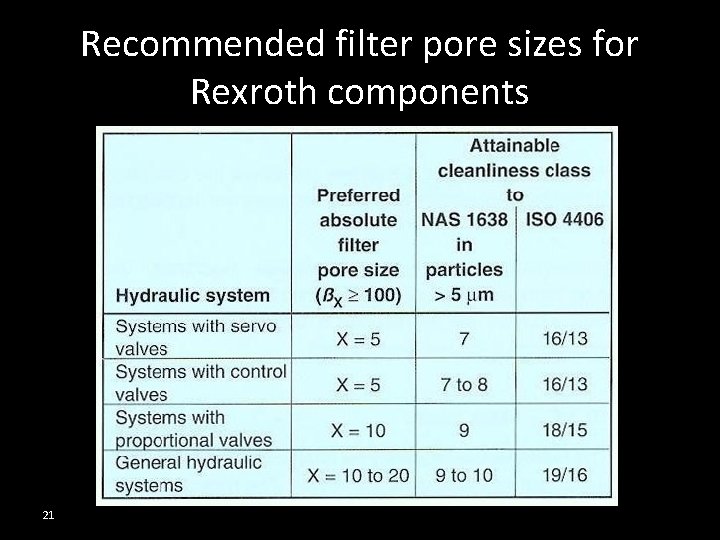
Recommended filter pore sizes for Rexroth components 21
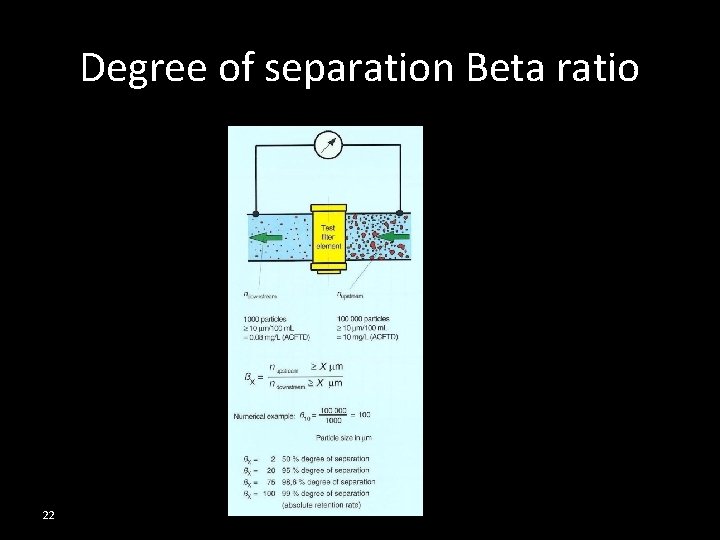
Degree of separation Beta ratio 22
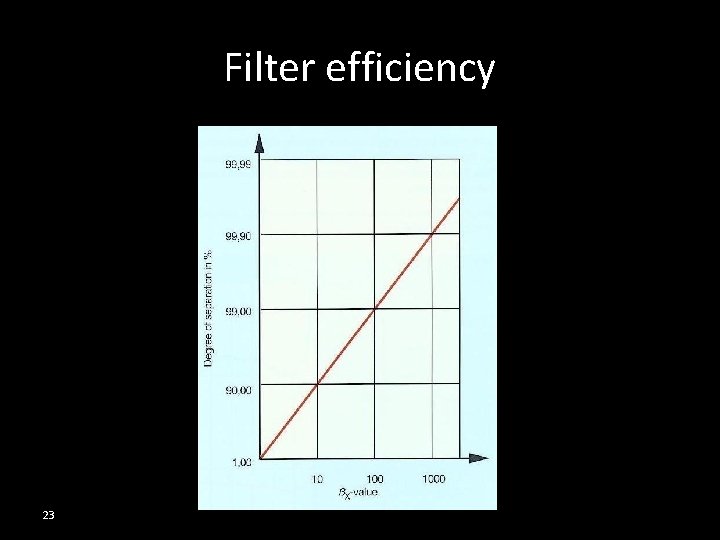
Filter efficiency 23
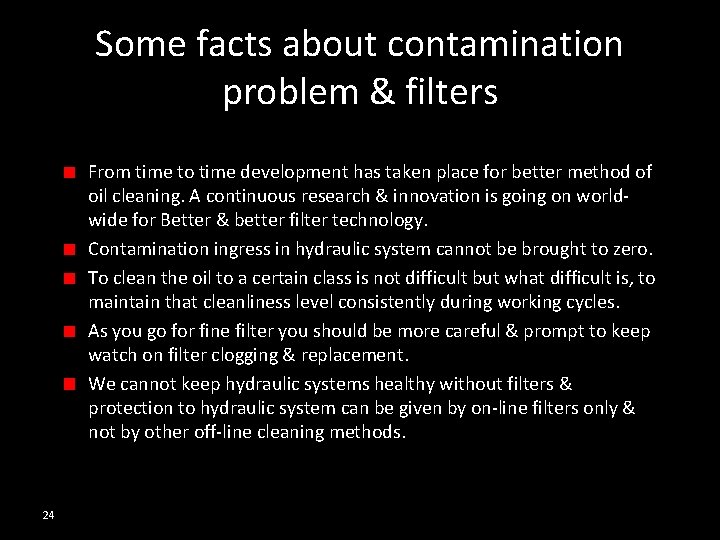
Some facts about contamination problem & filters From time to time development has taken place for better method of oil cleaning. A continuous research & innovation is going on worldwide for Better & better filter technology. Contamination ingress in hydraulic system cannot be brought to zero. To clean the oil to a certain class is not difficult but what difficult is, to maintain that cleanliness level consistently during working cycles. As you go for fine filter you should be more careful & prompt to keep watch on filter clogging & replacement. We cannot keep hydraulic systems healthy without filters & protection to hydraulic system can be given by on-line filters only & not by other off-line cleaning methods. 24
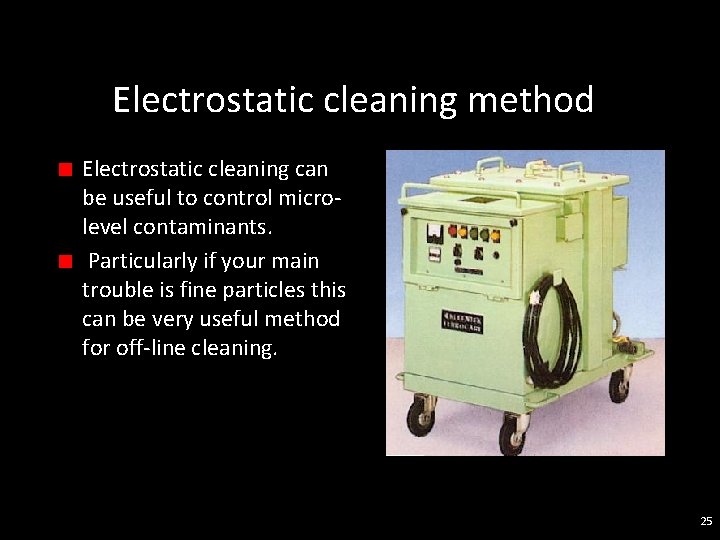
Electrostatic cleaning method Electrostatic cleaning can be useful to control microlevel contaminants. Particularly if your main trouble is fine particles this can be very useful method for off-line cleaning. 25
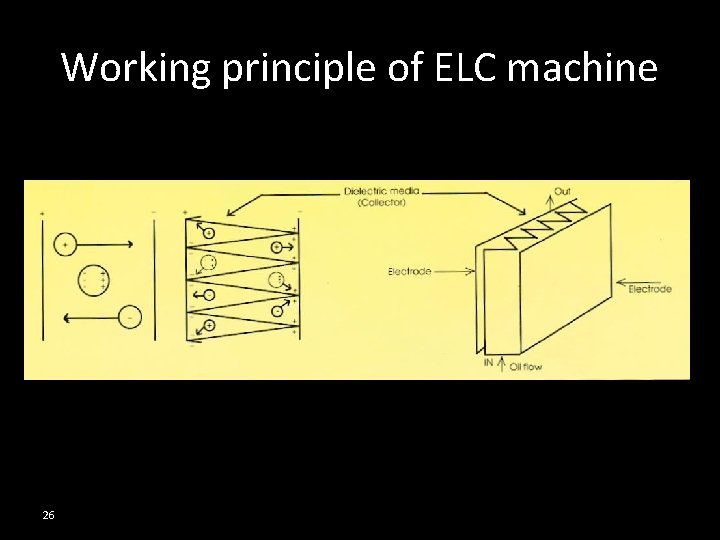
Working principle of ELC machine 26
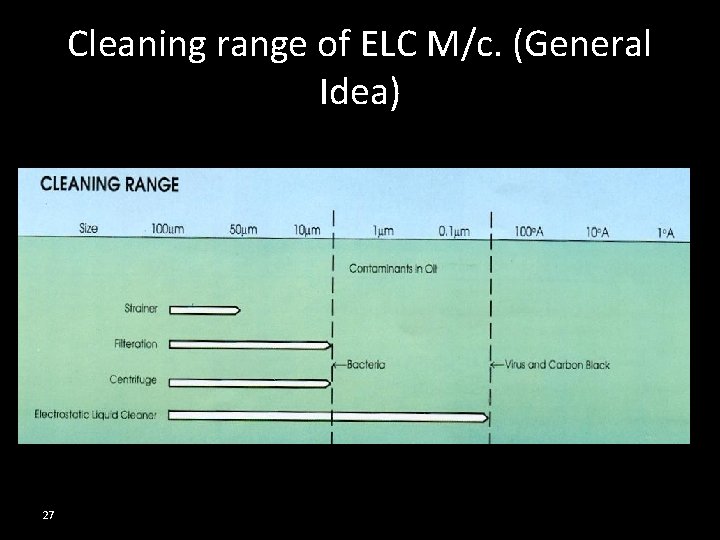
Cleaning range of ELC M/c. (General Idea) 27
Filter is a must • ELC is good technique for removal of micro-level contamination. ELC concept reduces the danger of hydraulic system malfunction where very small particles can affect severely. Moreover continuous running of ELC systems reduces load on working filters of the system. • But a misconception that ELC can take place of filtration should be removed from one’s mind. On-line safety of hydraulic components can be achieved with protection filters only & not with ELC methods. 28
29 The Drive & Control Company Thanks for your attention