
IMPLEMENTING OGAP MATHEMATICS IN THE SCHOOL DISTRICT OF
- Slides: 14
IMPLEMENTING OGAP MATHEMATICS IN THE SCHOOL DISTRICT OF PHILADELPHIA, AN EMERGING PARTNERSHIP JONATHAN SUPOVITZ CONSORTIUM FOR POLICY RESEARCH IN EDUCATION UNIVERSITY OF PENNSYLVANIA MARCH 3, 2016 This presentation is based on work supported by the National Science Foundation under Grant No. DRK-12 1316527.
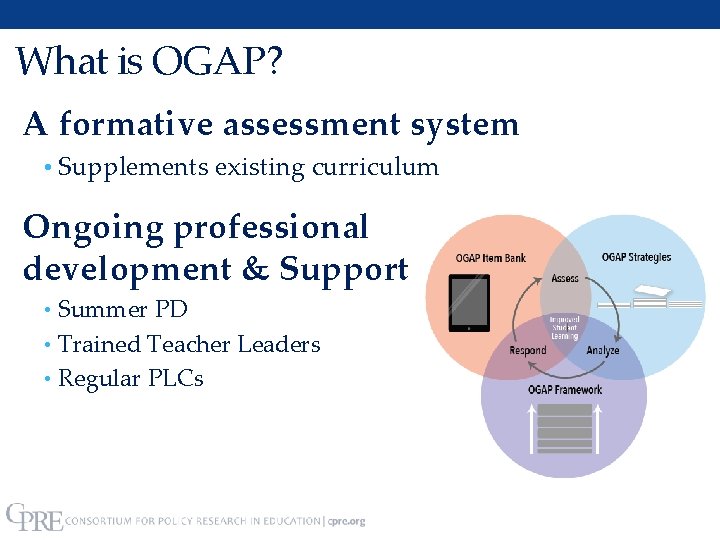
What is OGAP? A formative assessment system • Supplements existing curriculum Ongoing professional development & Support • Summer PD • Trained Teacher Leaders • Regular PLCs
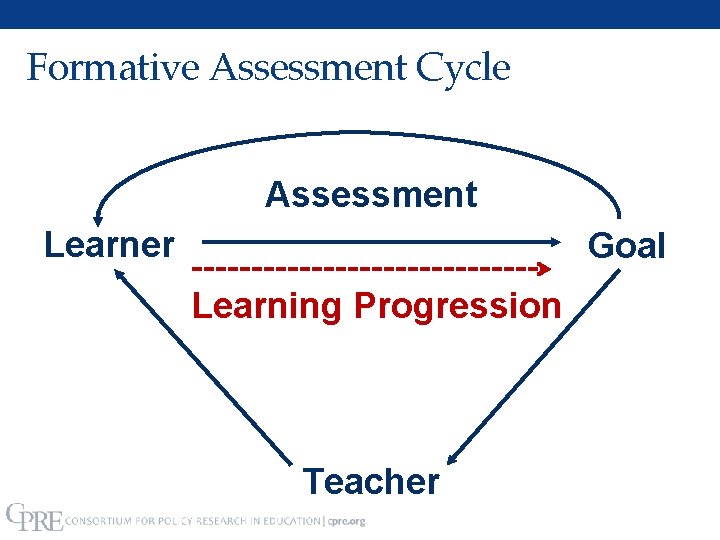
Formative Assessment Cycle Assessment Learner Goal Learning Progression Teacher
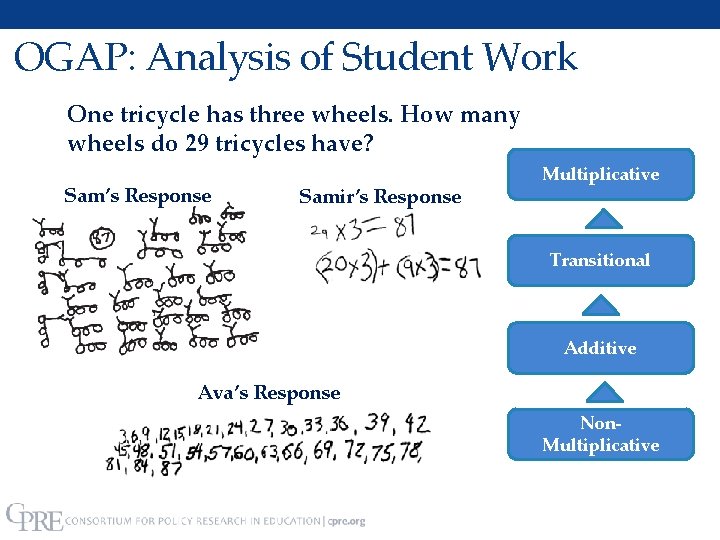
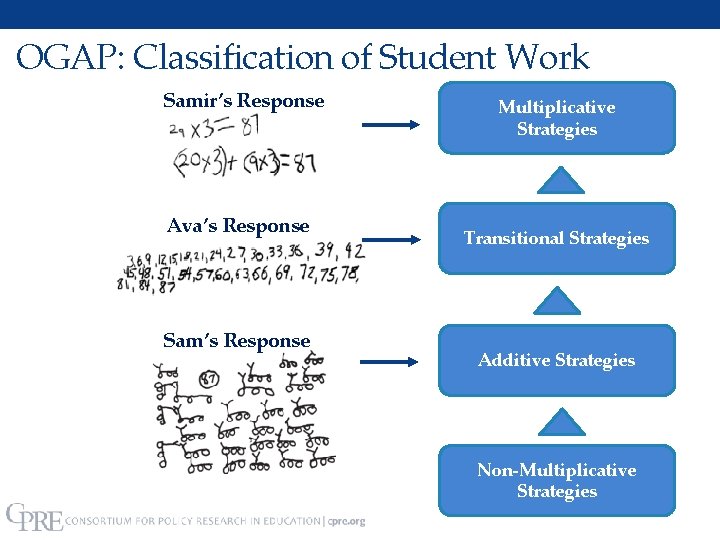
OGAP: Analysis of Student Work One tricycle has three wheels. How many wheels do 29 tricycles have? Sam’s Response Samir’s Response Multiplicative Transitional Additive Ava’s Response Non. Multiplicative
OGAP: Classification of Student Work Samir’s Response Ava’s Response Sam’s Response Multiplicative Strategies Transitional Strategies Additive Strategies Non-Multiplicative Strategies
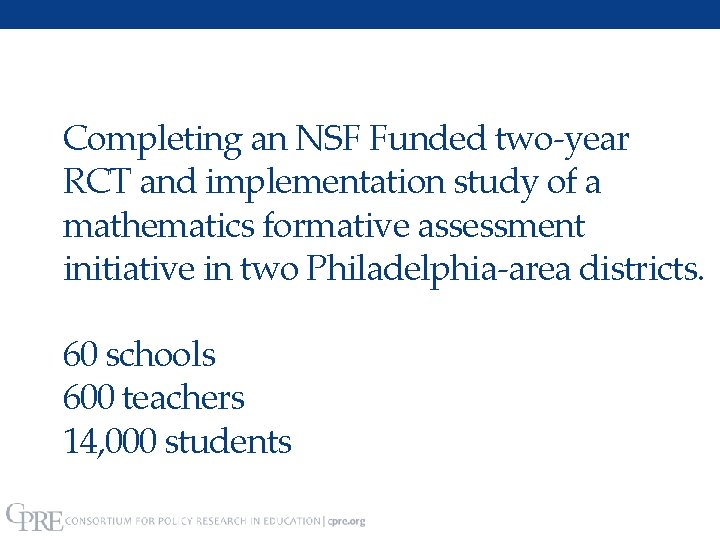
Completing an NSF Funded two-year RCT and implementation study of a mathematics formative assessment initiative in two Philadelphia-area districts. 60 schools 600 teachers 14, 000 students
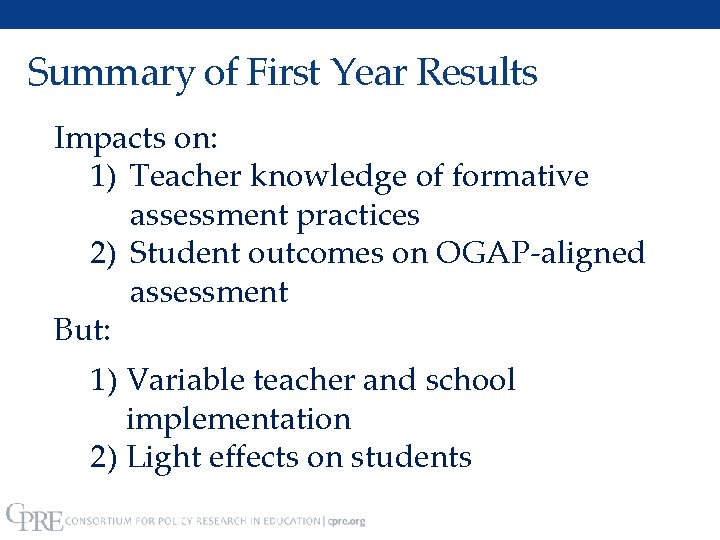
Summary of First Year Results Impacts on: 1) Teacher knowledge of formative assessment practices 2) Student outcomes on OGAP-aligned assessment But: 1) Variable teacher and school implementation 2) Light effects on students
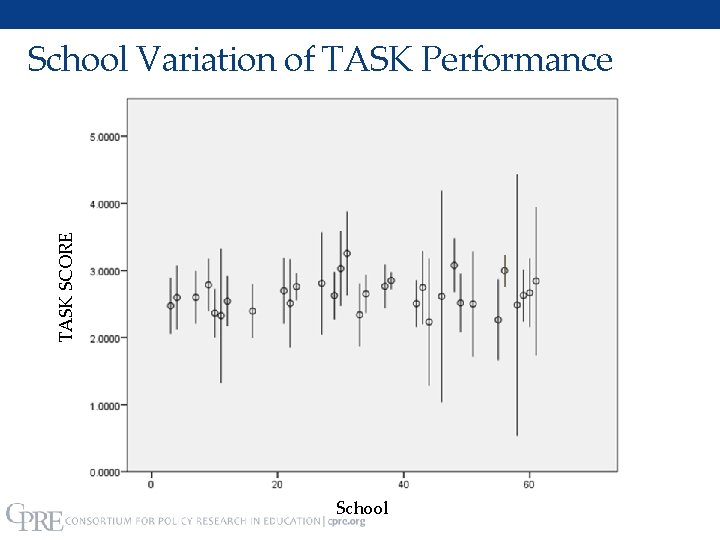
TASK SCORE School Variation of TASK Performance School
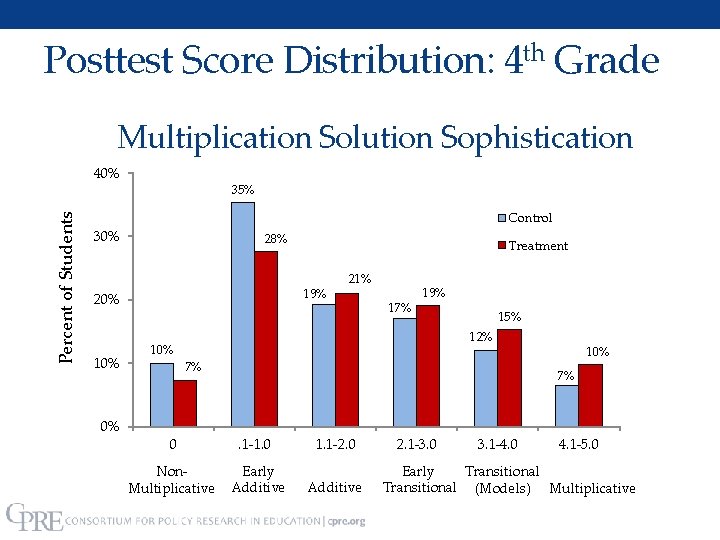
Posttest Score Distribution: 4 th Grade Multiplication Solution Sophistication Percent of Students 40% 35% Control 30% 28% 19% 20% 10% 0% Treatment 10% 21% 17% 19% 15% 12% 7% 10% 7% 0 . 1 -1. 0 Non. Multiplicative Early Additive 1. 1 -2. 0 Additive 2. 1 -3. 0 3. 1 -4. 0 4. 1 -5. 0 Early Transitional (Models) Multiplicative
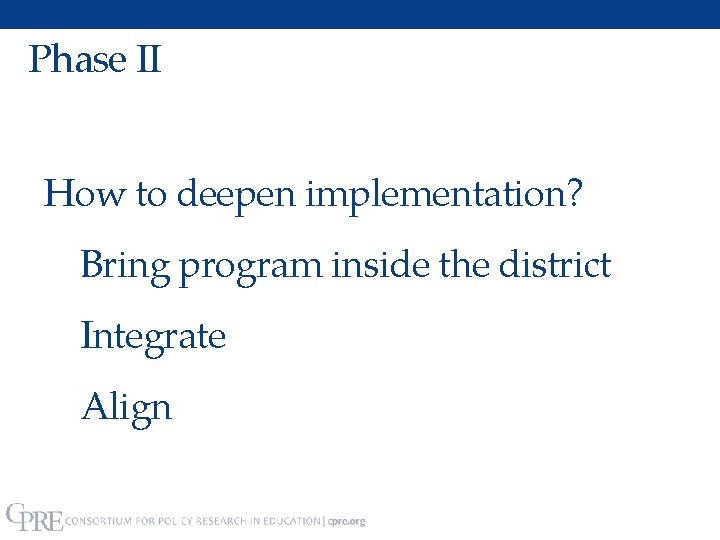
Phase II How to deepen implementation? Bring program inside the district Integrate Align
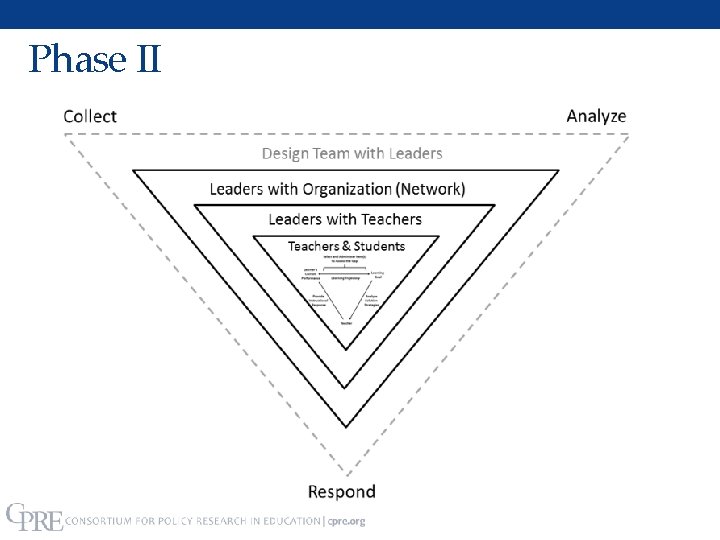
Phase II
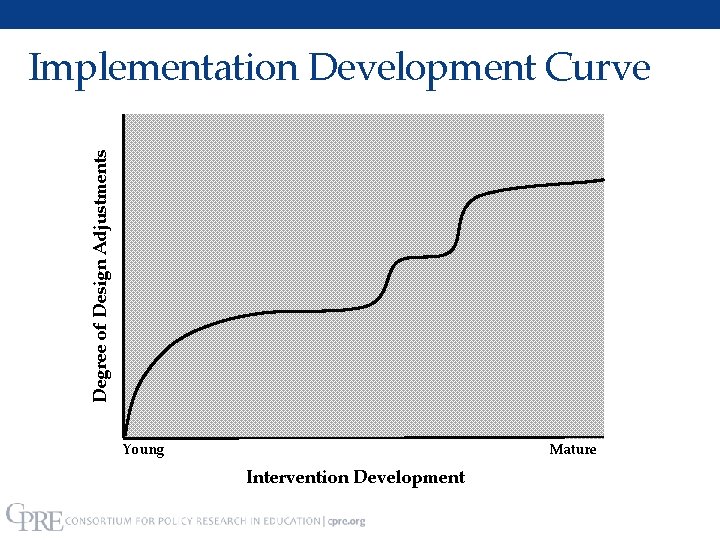
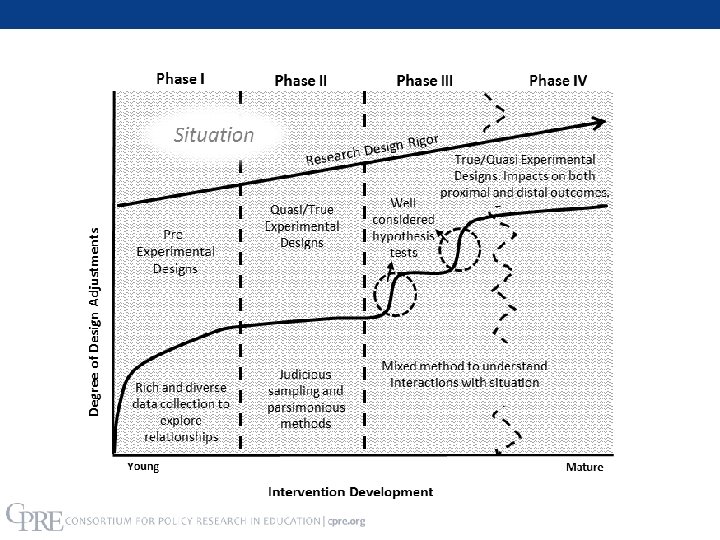
Degree of Design Adjustments Implementation Development Curve Young Mature Intervention Development
IMPLEMENTING OGAP MATHEMATICS IN THE SCHOOL DISTRICT OF PHILADELPHIA, AN EMERGING PARTNERSHIP JONATHAN SUPOVITZ CONSORTIUM FOR POLICY RESEARCH IN EDUCATION UNIVERSITY OF PENNSYLVANIA This presentation is based on work supported by the National Science Foundation under Grant No. DRK-12 1316527.