
Implementation Monitoring and Evaluation Plan for Native Fish
- Slides: 30
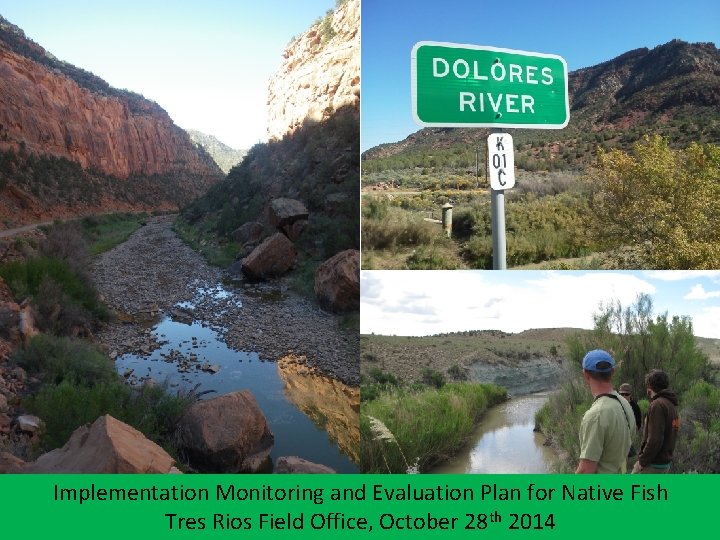
Implementation Monitoring and Evaluation Plan for Native Fish Tres Rios Field Office, October 28 th 2014
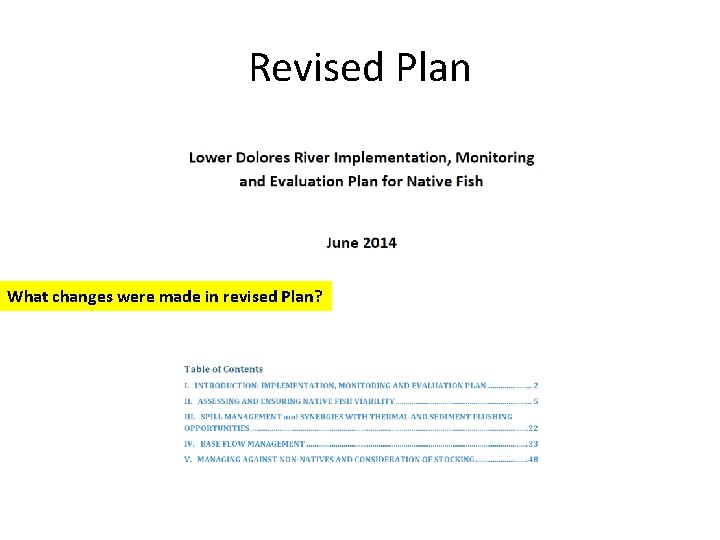
Revised Plan What changes were made in revised Plan?
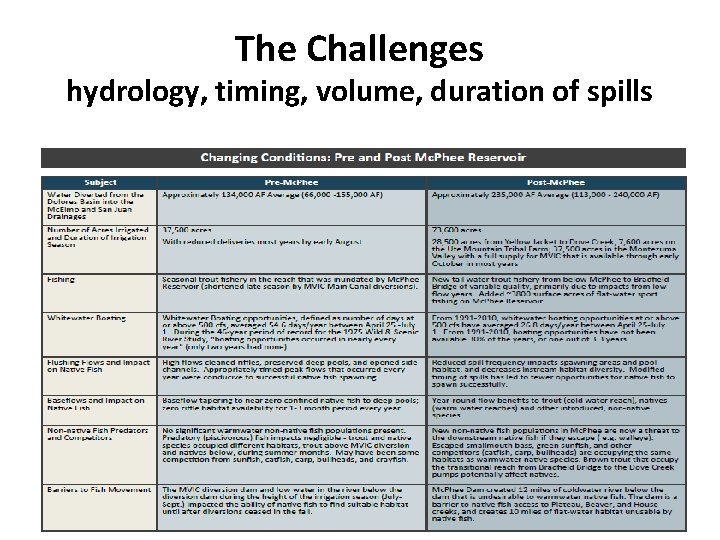
The Challenges hydrology, timing, volume, duration of spills
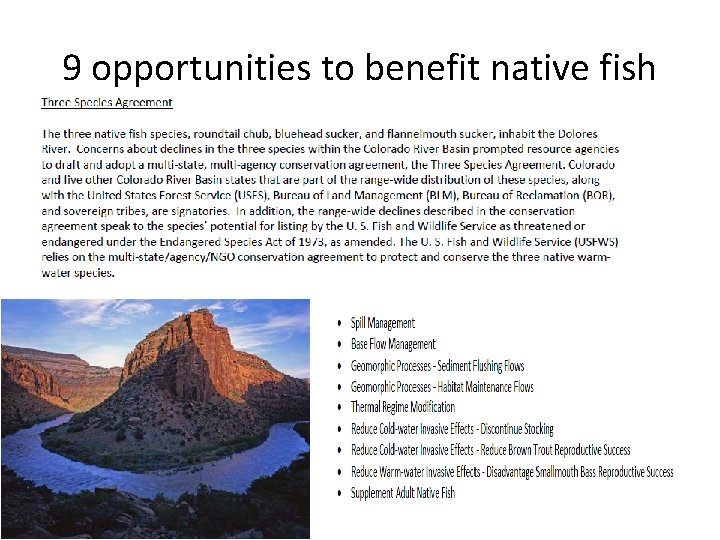
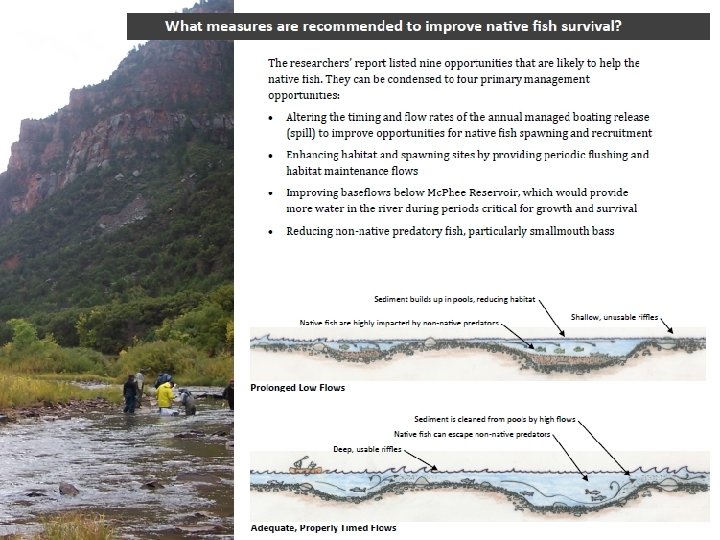
9 opportunities to benefit native fish
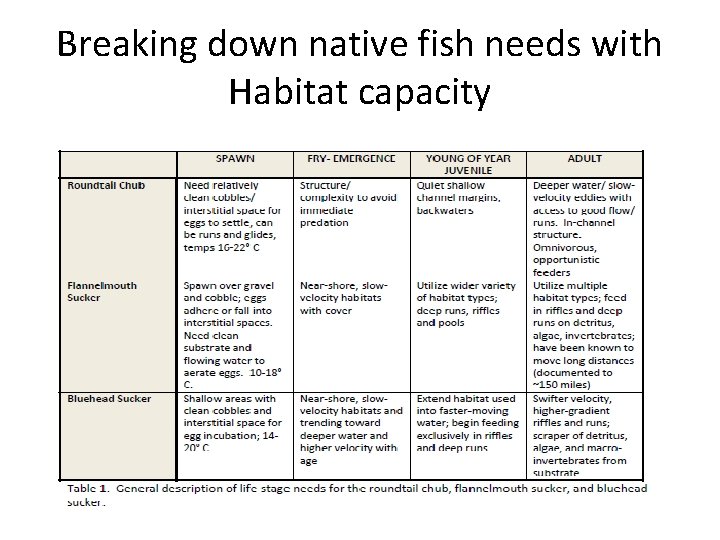
Breaking down native fish needs with Habitat capacity
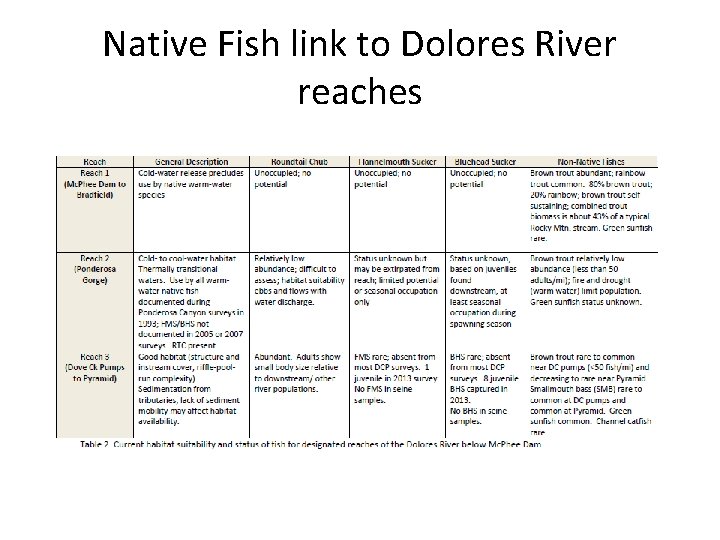
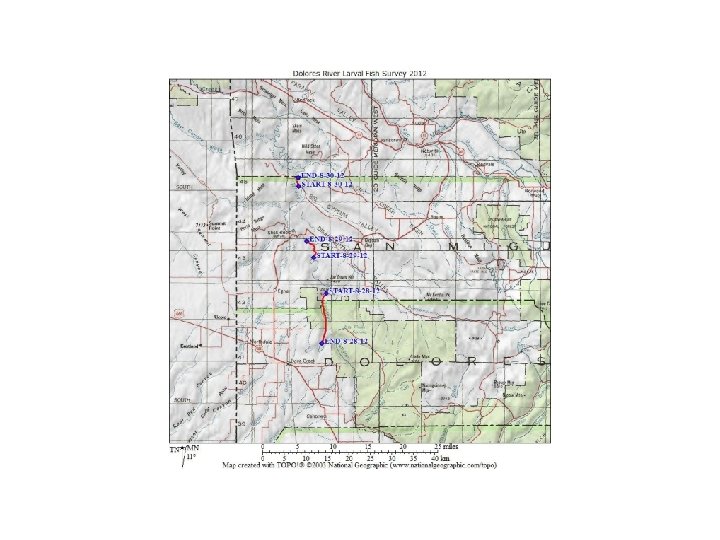
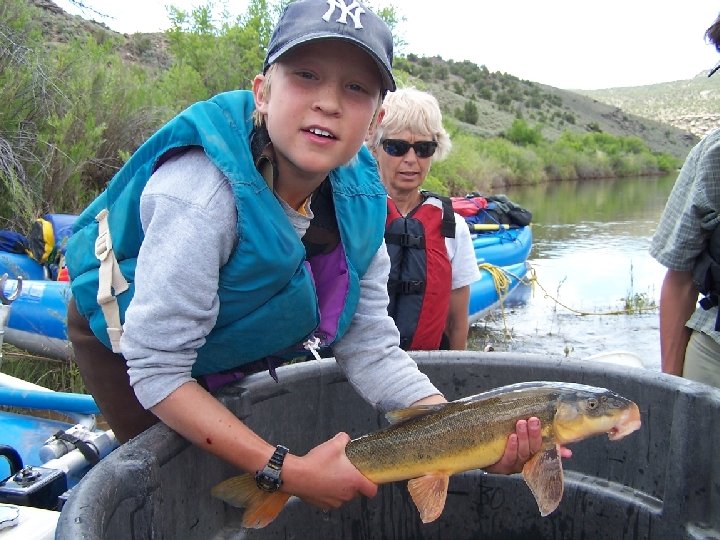
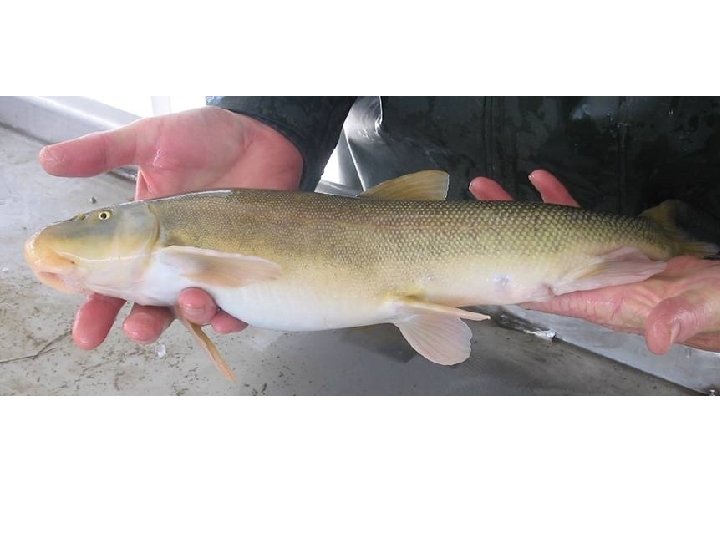
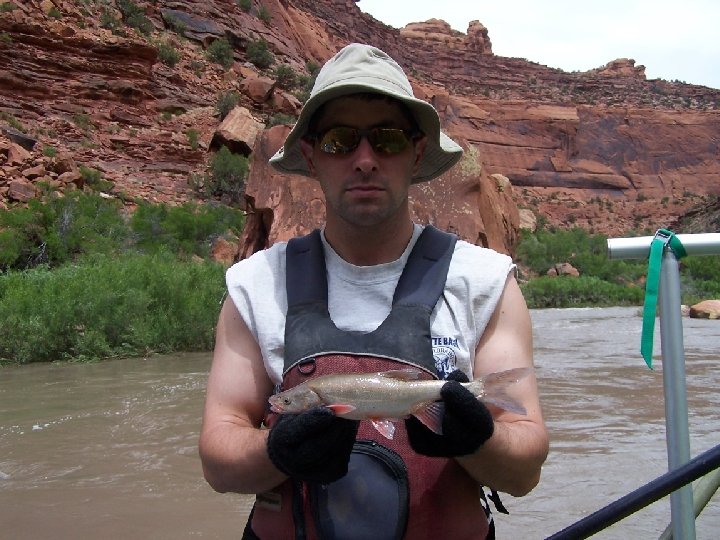
Native Fish link to Dolores River reaches
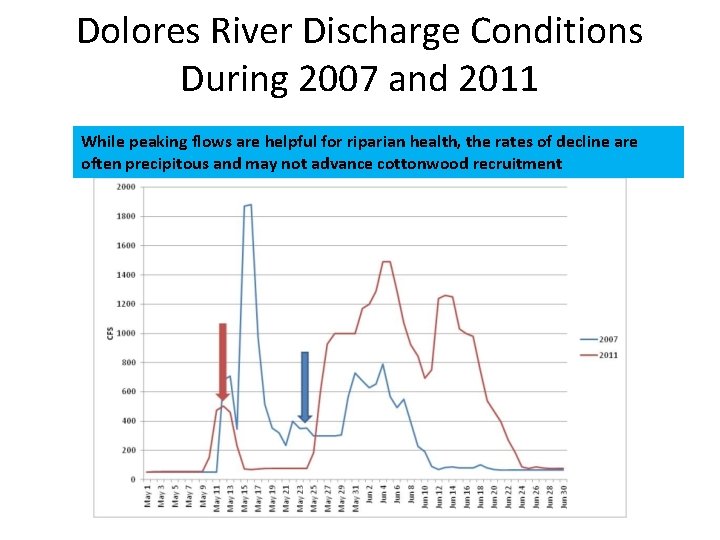
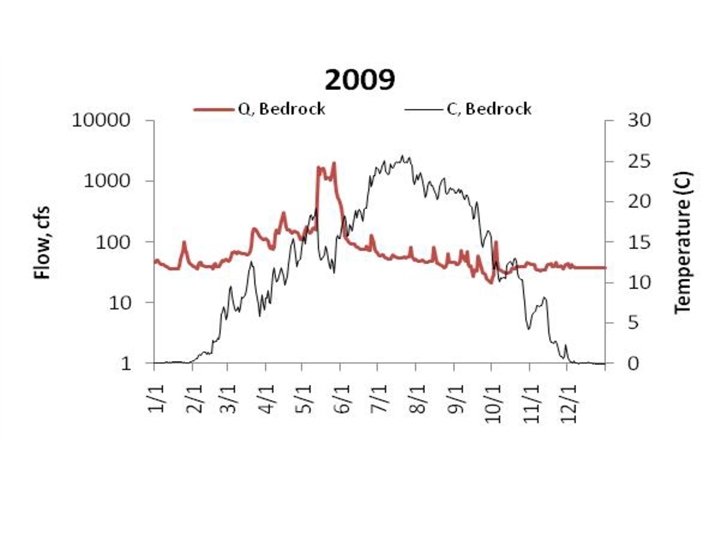
Dolores River Discharge Conditions During 2007 and 2011 While peaking flows are helpful for riparian health, the rates of decline are often precipitous and may not advance cottonwood recruitment
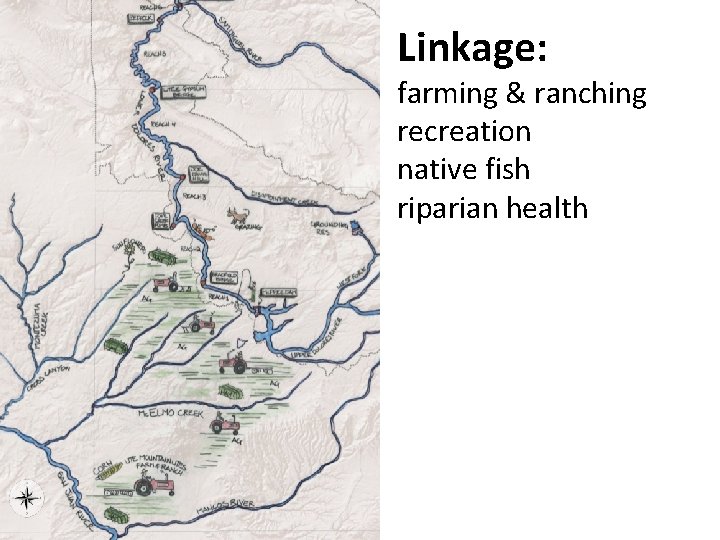
Linkage: farming & ranching recreation native fish riparian health
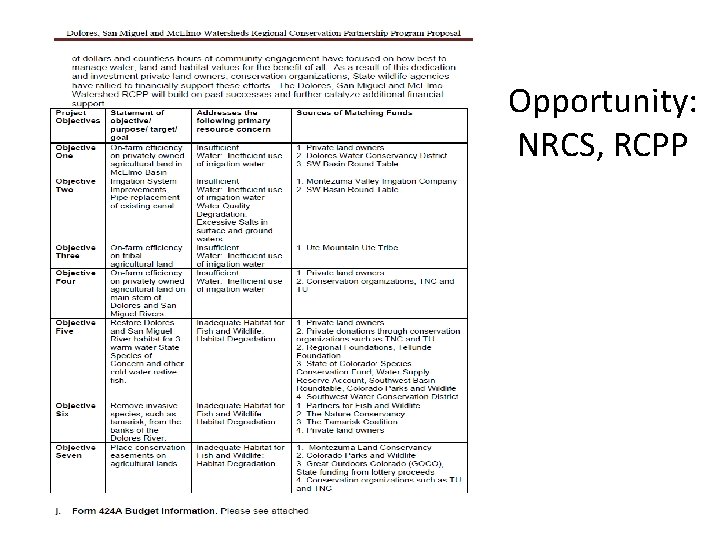
Opportunity: NRCS, RCPP
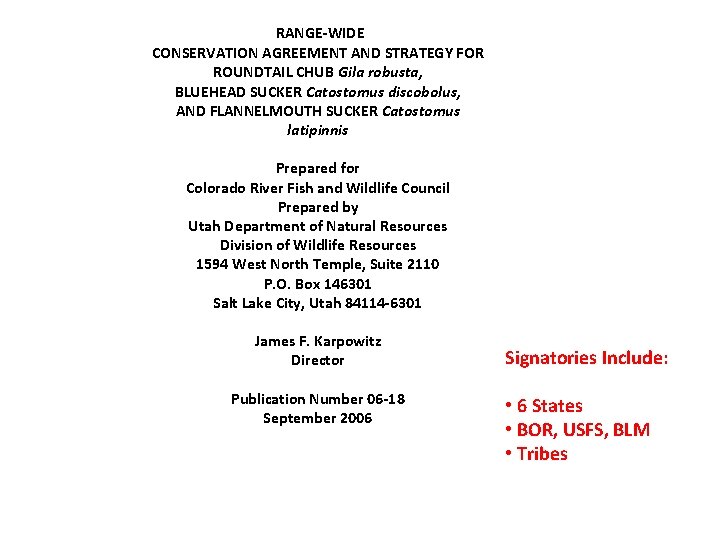
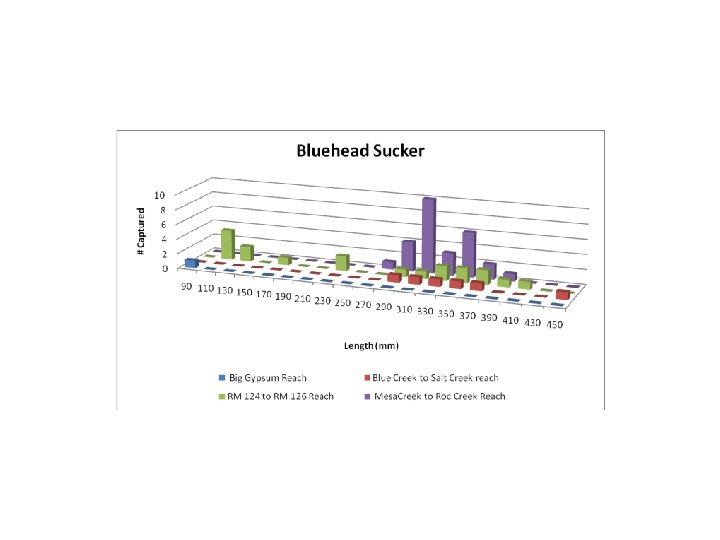
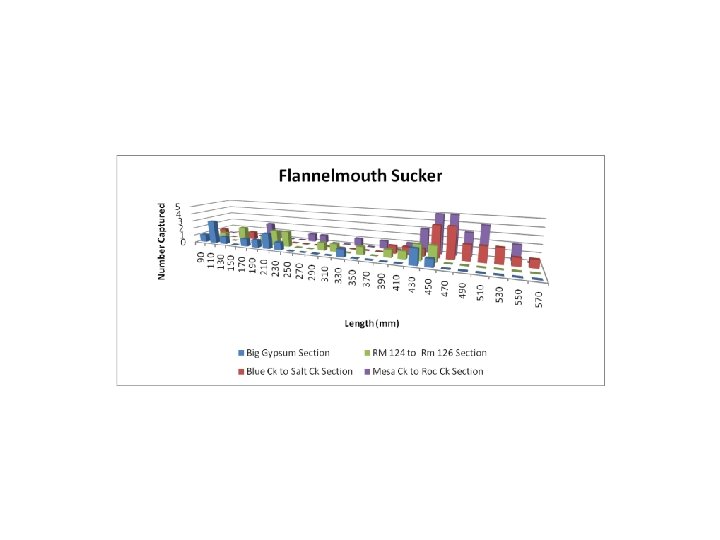
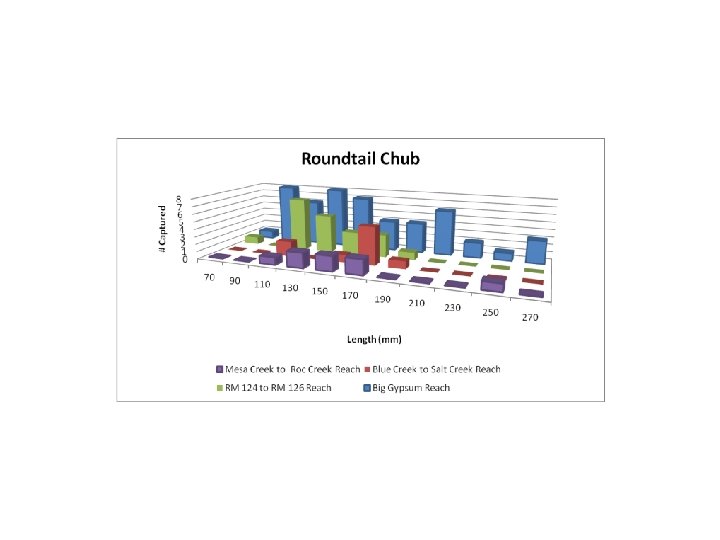
RANGE-WIDE CONSERVATION AGREEMENT AND STRATEGY FOR ROUNDTAIL CHUB Gila robusta, BLUEHEAD SUCKER Catostomus discobolus, AND FLANNELMOUTH SUCKER Catostomus latipinnis Prepared for Colorado River Fish and Wildlife Council Prepared by Utah Department of Natural Resources Division of Wildlife Resources 1594 West North Temple, Suite 2110 P. O. Box 146301 Salt Lake City, Utah 84114 -6301 James F. Karpowitz Director Publication Number 06 -18 September 2006 Signatories Include: • 6 States • BOR, USFS, BLM • Tribes
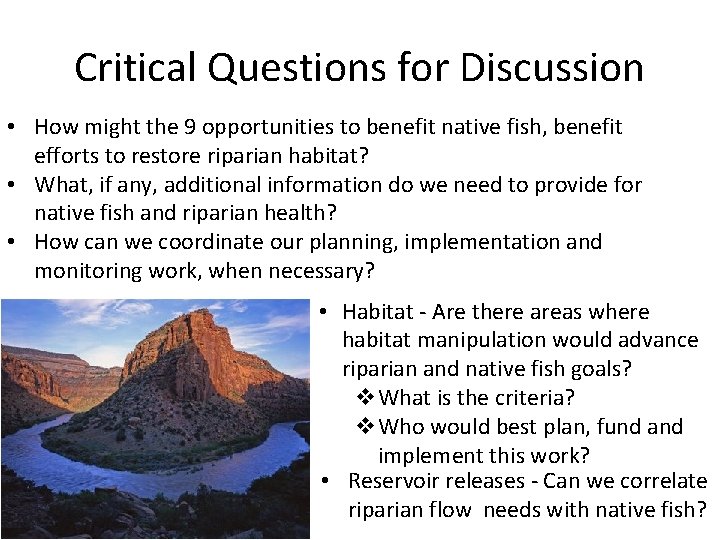
Critical Questions for Discussion • How might the 9 opportunities to benefit native fish, benefit efforts to restore riparian habitat? • What, if any, additional information do we need to provide for native fish and riparian health? • How can we coordinate our planning, implementation and monitoring work, when necessary? • Habitat - Are there areas where habitat manipulation would advance riparian and native fish goals? v. What is the criteria? v. Who would best plan, fund and implement this work? • Reservoir releases - Can we correlate riparian flow needs with native fish?