
IMPERIALISM IN INDIA Essential Question What was the







- Slides: 41
IMPERIALISM IN INDIA
Essential Question: What was the impact of Great Britain’s imperialism in India?
During the Age of Imperialism from 1850 to 1914, Europeans dominated Africa and Asia
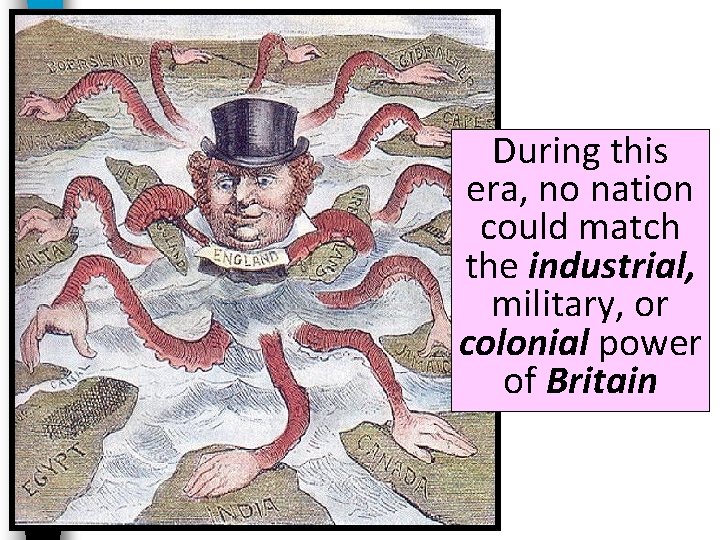
During this era, no nation could match the industrial, military, or colonial power of Britain
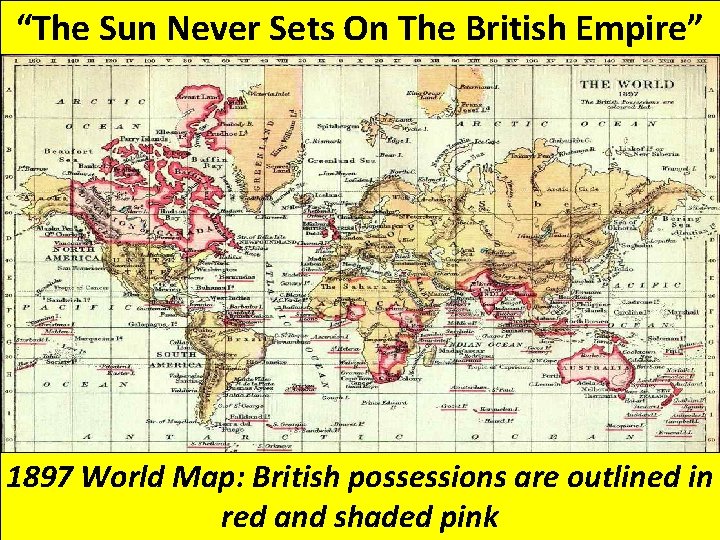
“The Sun Never Sets On The British Empire” 1897 World Map: British possessions are outlined in red and shaded pink
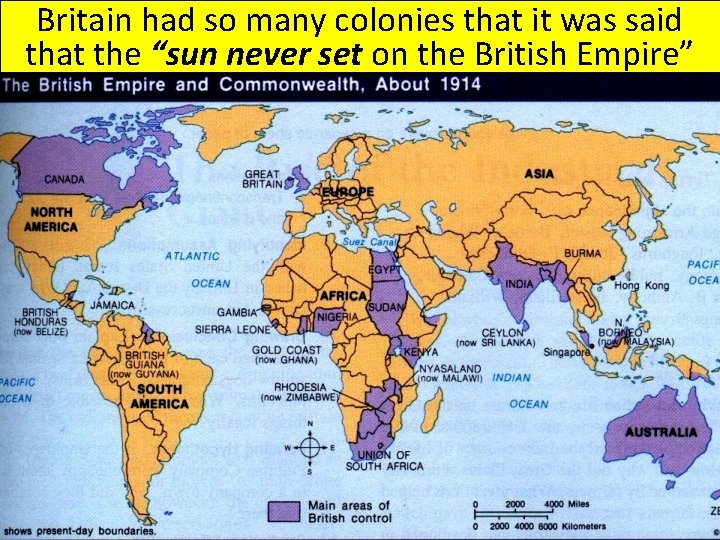
Britain had so many colonies that it was said that the “sun never set on the British Empire”
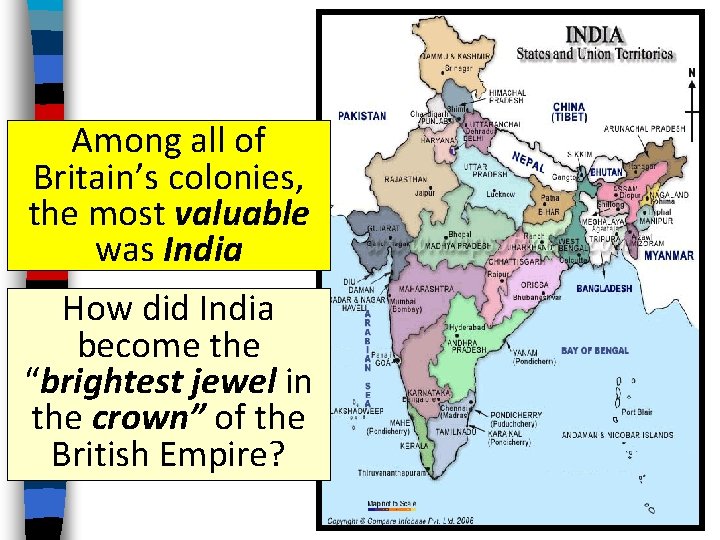
Among all of Britain’s colonies, the most valuable was India How did India become the “brightest jewel in the crown” of the British Empire?
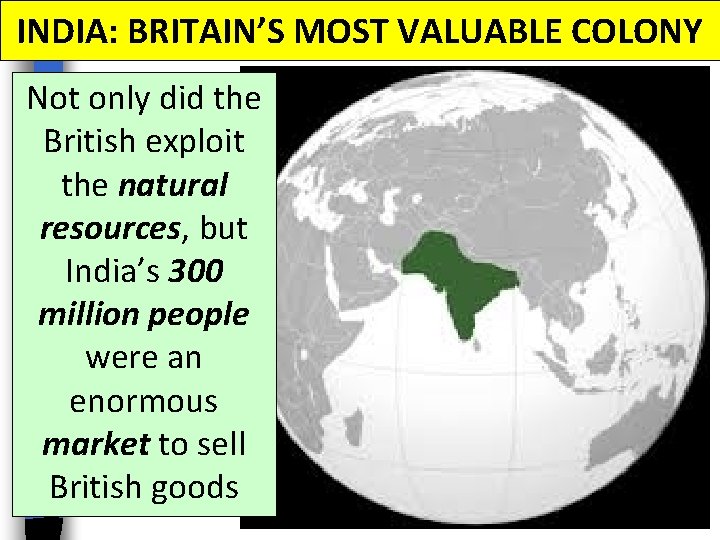
INDIA: BRITAIN’S MOST VALUABLE COLONY Not only did the British exploit the natural resources, but India’s 300 million people were an enormous market to sell British goods
The British referred to India as “The Jewel in the Crown”
After Vasco da Gama’s discovery of a water route to India in 1498, European trade with India increased
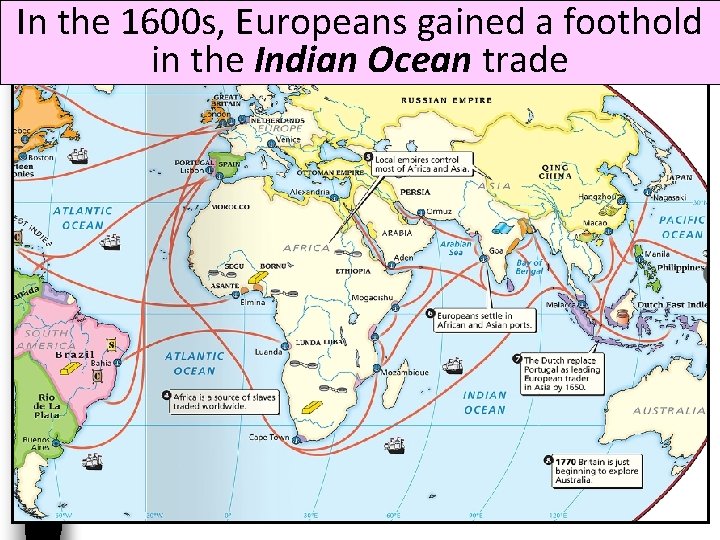
In the 1600 s, Europeans gained a foothold in the Indian Ocean trade
The British East India Company was formed to trade exotic Asian goods in Europe and America
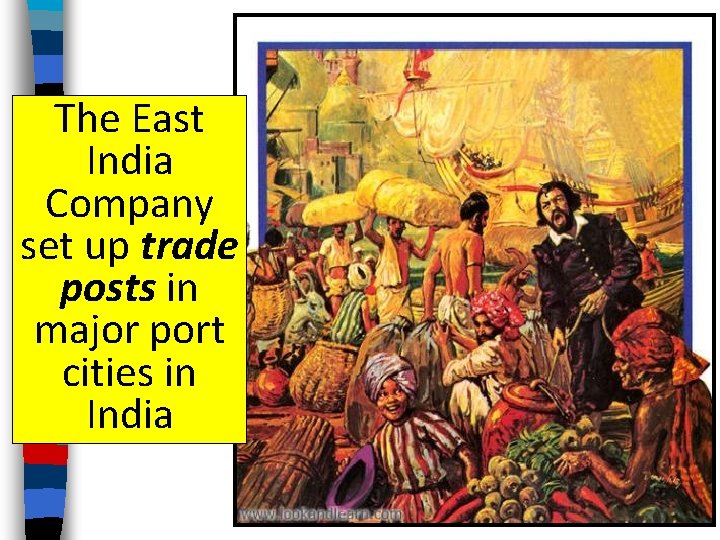
The East India Company set up trade posts in major port cities in India
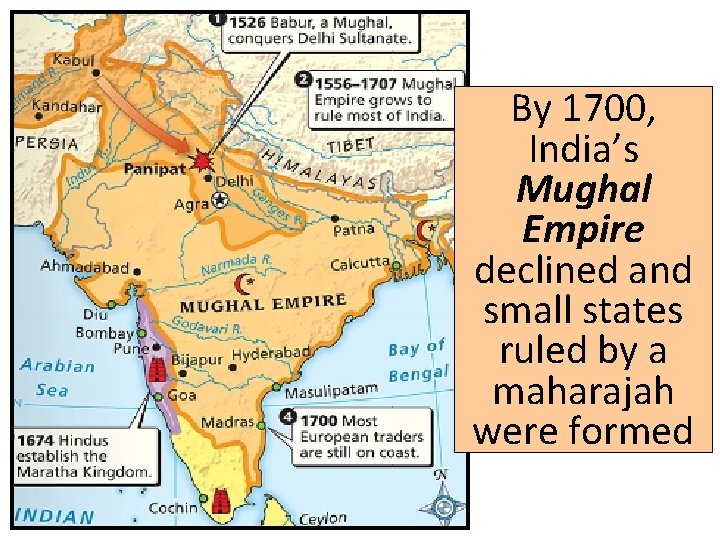
By 1700, India’s Mughal Empire declined and small states ruled by a maharajah were formed
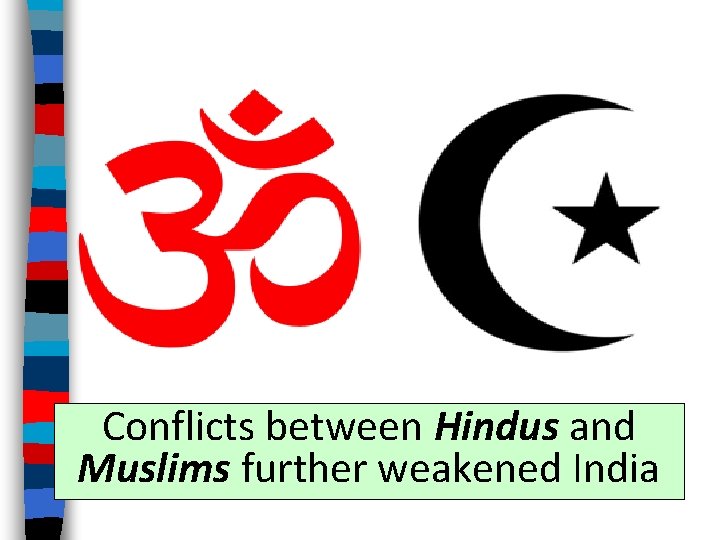
Conflicts between Hindus and Muslims further weakened India
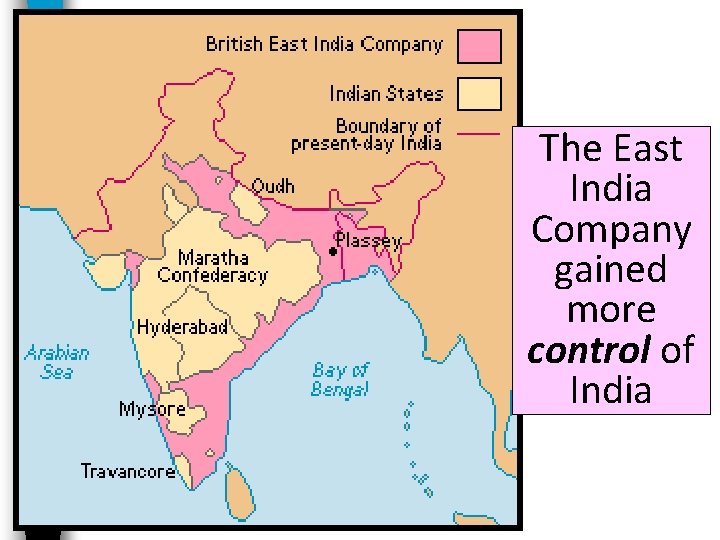
The East India Company gained more control of India
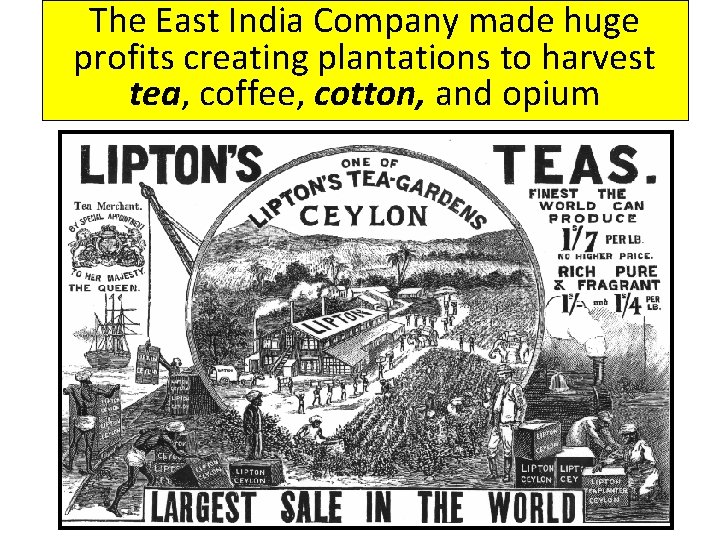
The East India Company made huge profits creating plantations to harvest tea, coffee, cotton, and opium
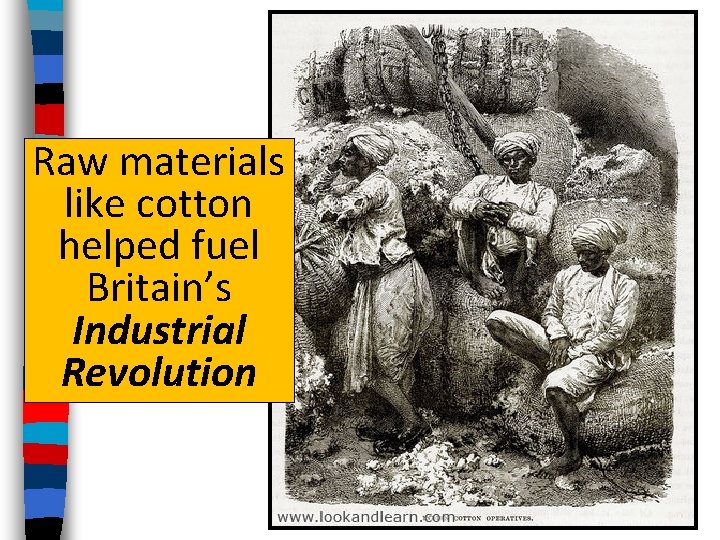
Raw materials like cotton helped fuel Britain’s Industrial Revolution
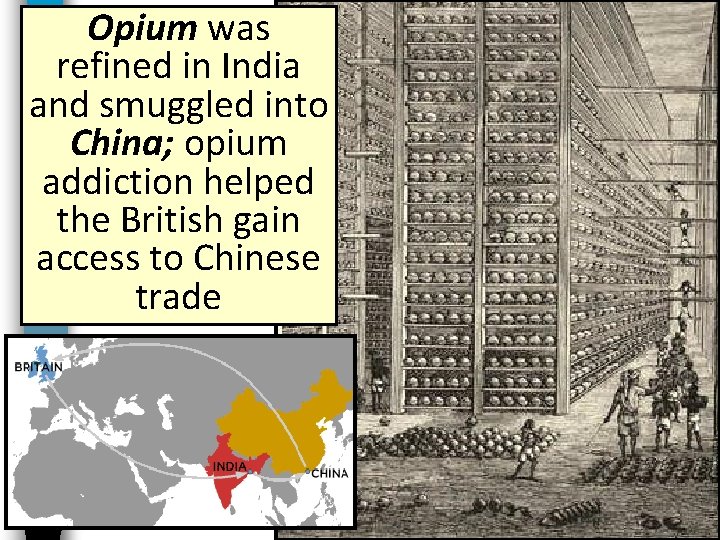
Opium was refined in India and smuggled into China; opium addiction helped the British gain access to Chinese trade
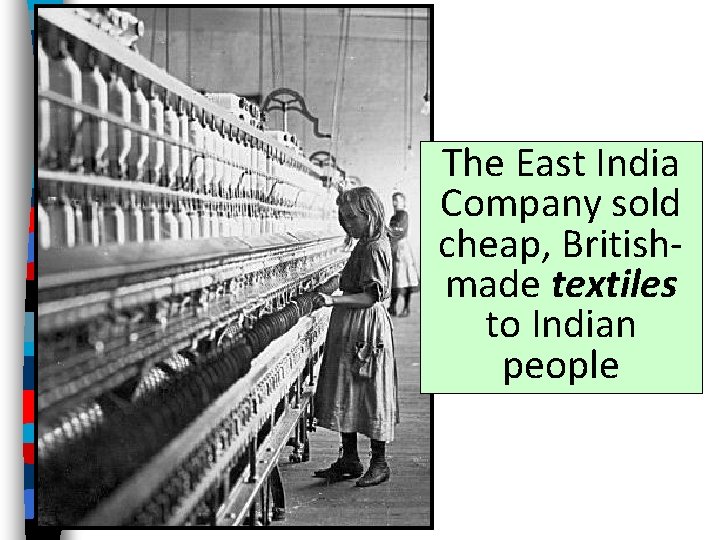
The East India Company sold cheap, Britishmade textiles to Indian people
From 1750 to 1850, the British East India Co (a business) ruled most of India with little interference from Britain’s government
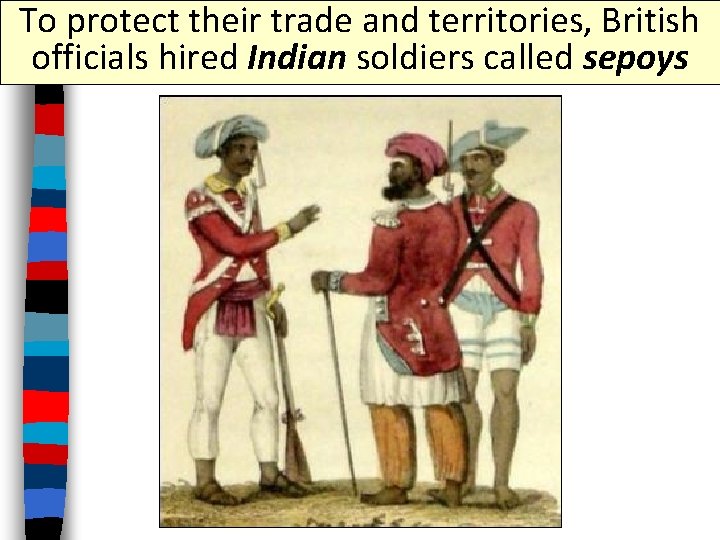
To protect their trade and territories, British officials hired Indian soldiers called sepoys
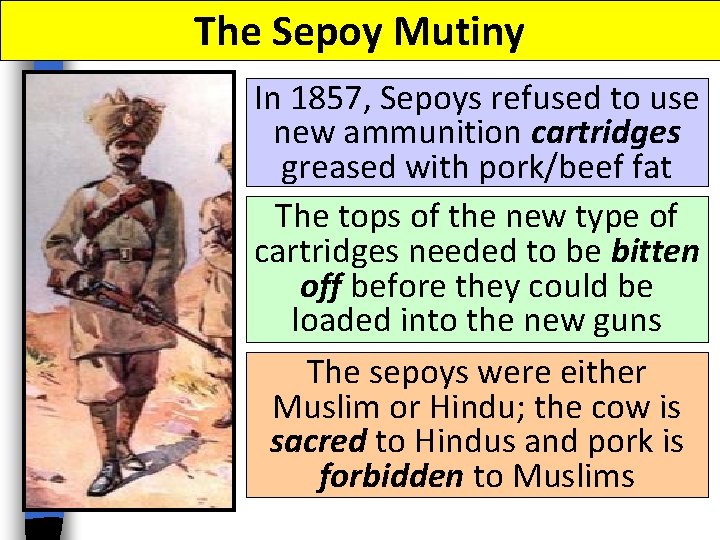
The Sepoy Mutiny In 1857, Sepoys refused to use new ammunition cartridges greased with pork/beef fat The tops of the new type of cartridges needed to be bitten off before they could be loaded into the new guns The sepoys were either Muslim or Hindu; the cow is sacred to Hindus and pork is forbidden to Muslims
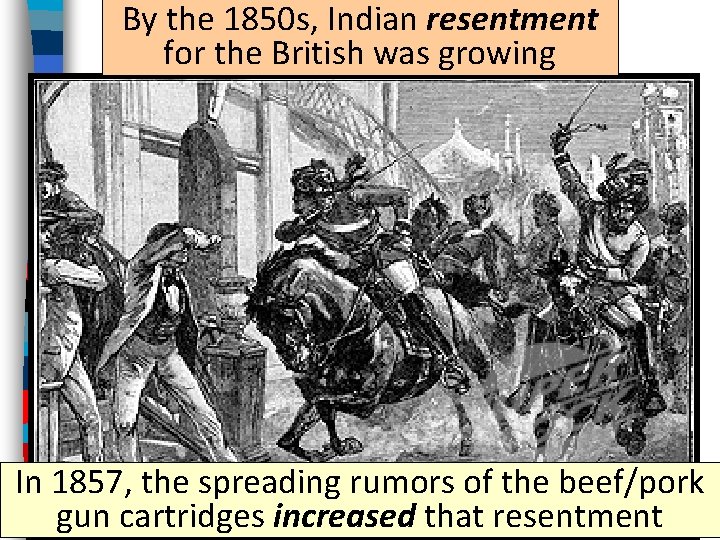
By the 1850 s, Indian resentment for the British was growing In 1857, the spreading rumors of the beef/pork gun cartridges increased that resentment
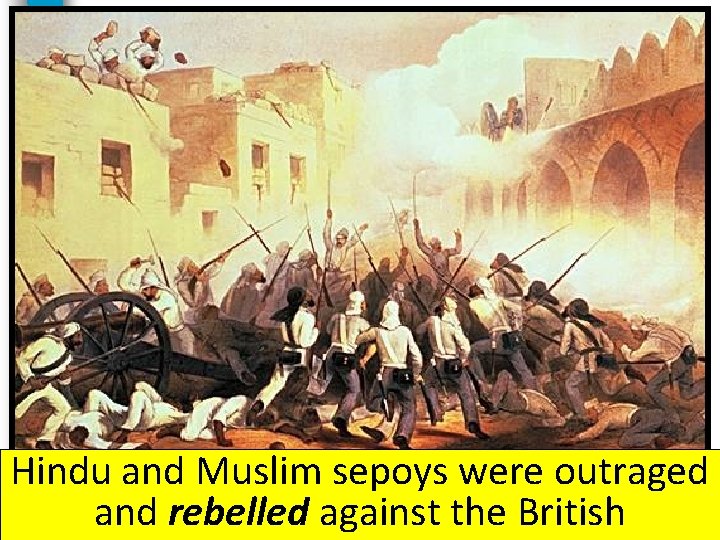
Hindu and Muslim sepoys were outraged and rebelled against the British
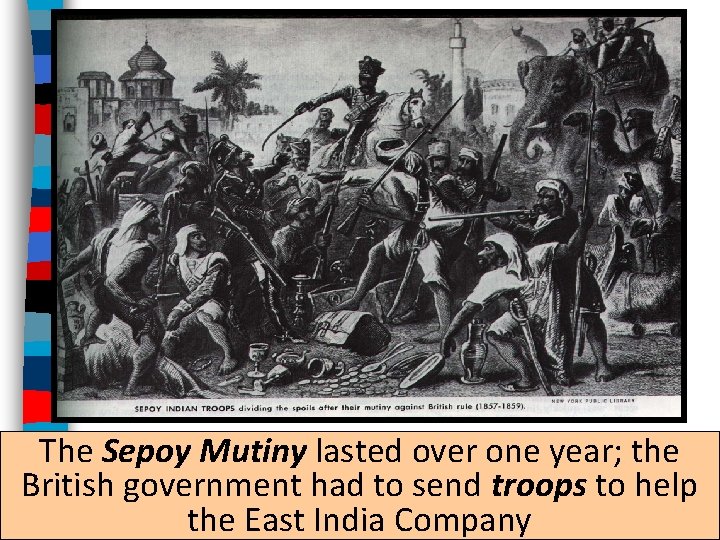
The Sepoy Mutiny lasted over one year; the British government had to send troops to help the East India Company
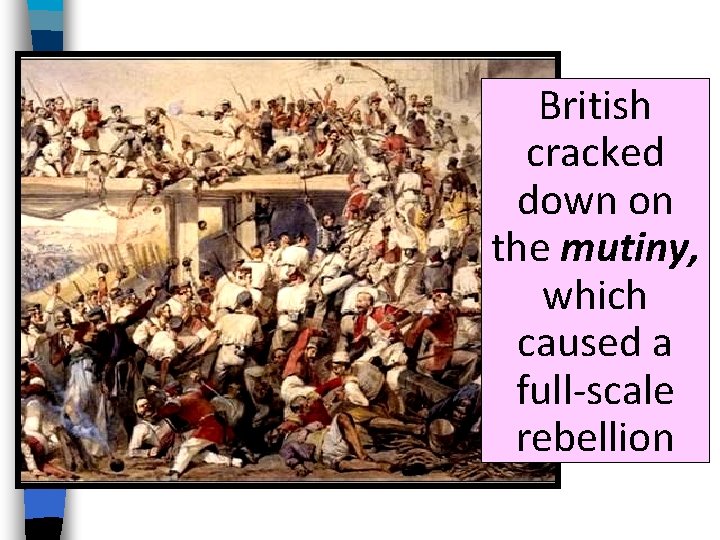
British cracked down on the mutiny, which caused a full-scale rebellion
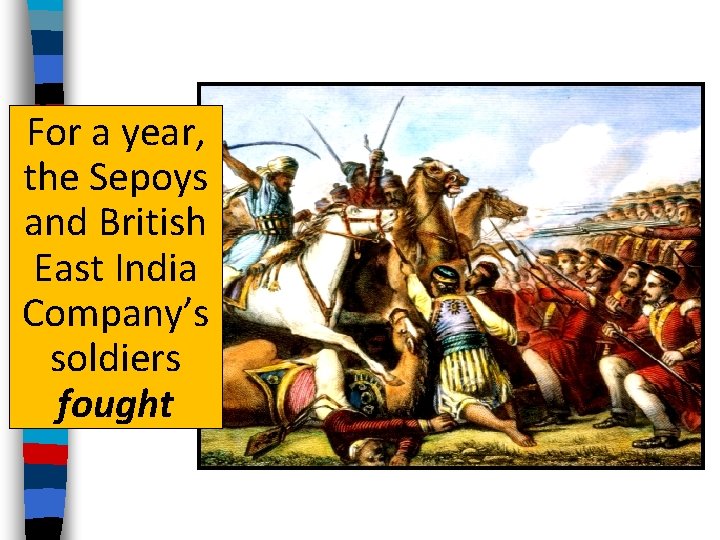
For a year, the Sepoys and British East India Company’s soldiers fought
The British Army intervened, defeated the Sepoys, and Britain took COMPLETE CONTROL of India, not just control of its economy
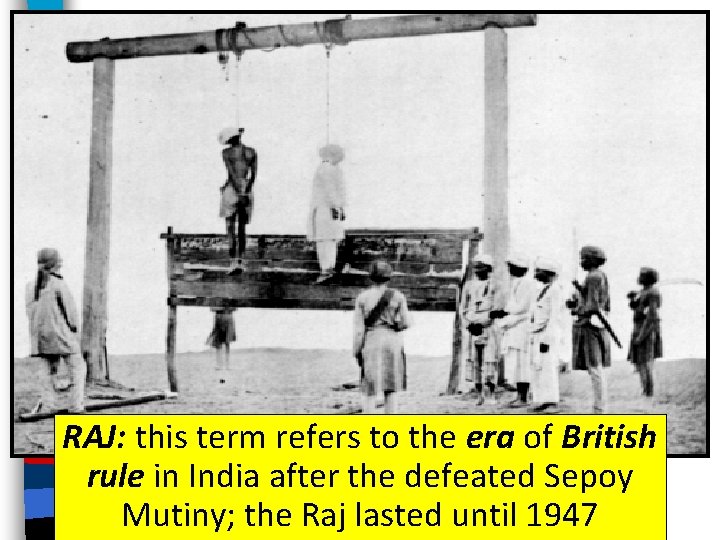
RAJ: this term refers to the era of British rule in India after the defeated Sepoy Mutiny; the Raj lasted until 1947
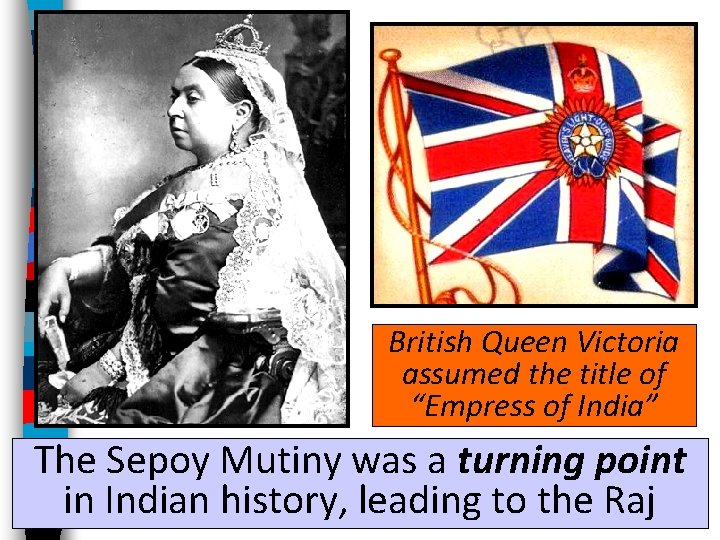
British Queen Victoria assumed the title of “Empress of India” The Sepoy Mutiny was a turning point in Indian history, leading to the Raj
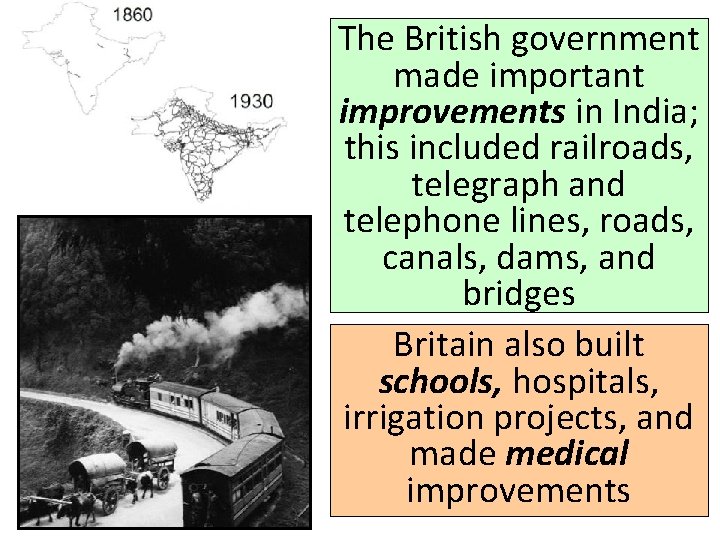
The British government made important improvements in India; this included railroads, telegraph and telephone lines, roads, canals, dams, and bridges Britain also built schools, hospitals, irrigation projects, and made medical improvements
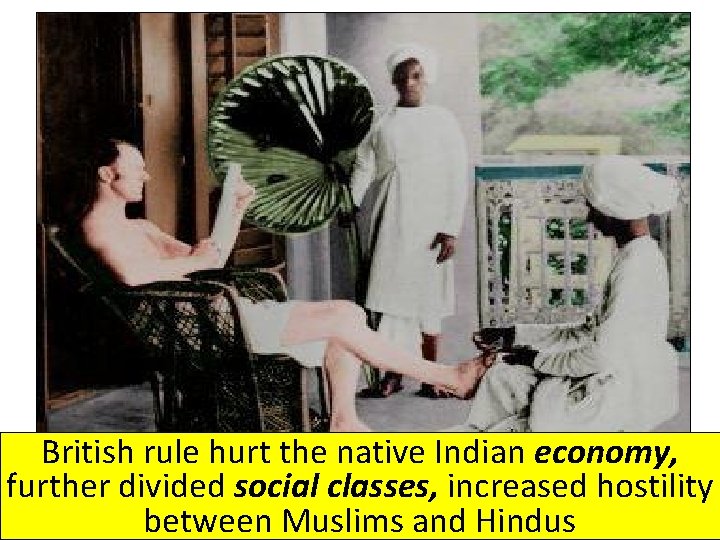
British rule hurt the native Indian economy, further divided social classes, increased hostility between Muslims and Hindus
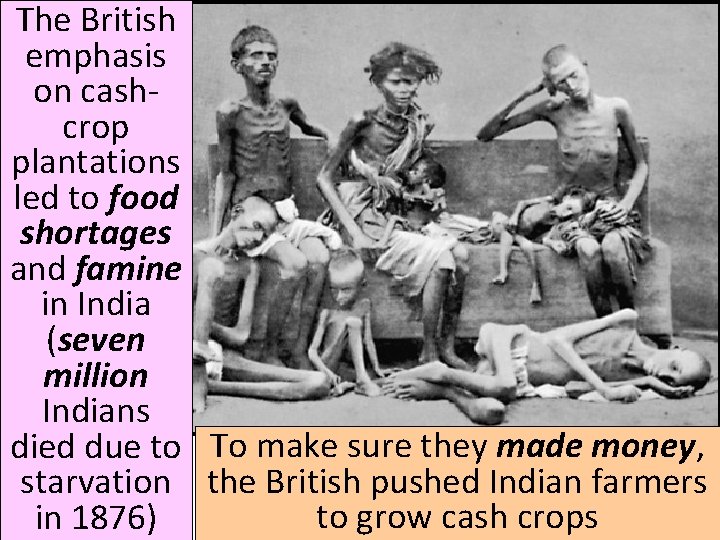
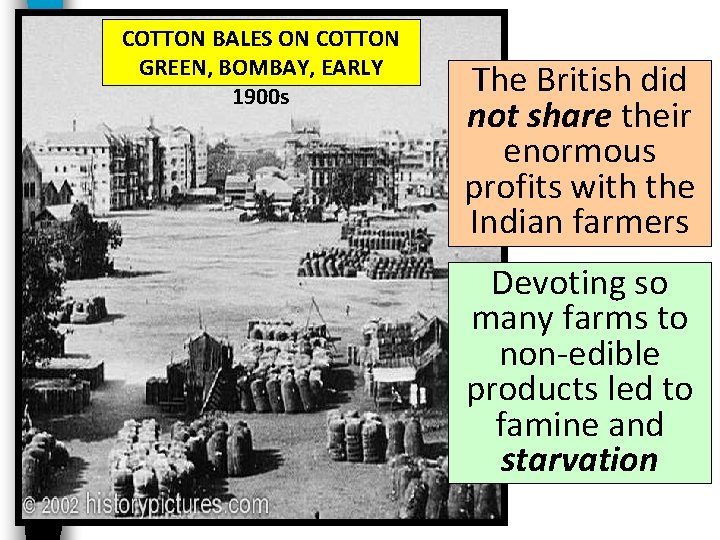
The British emphasis on cashcrop plantations led to food shortages and famine in India (seven million Indians died due to To make sure they made money, starvation the British pushed Indian farmers to grow cash crops in 1876)
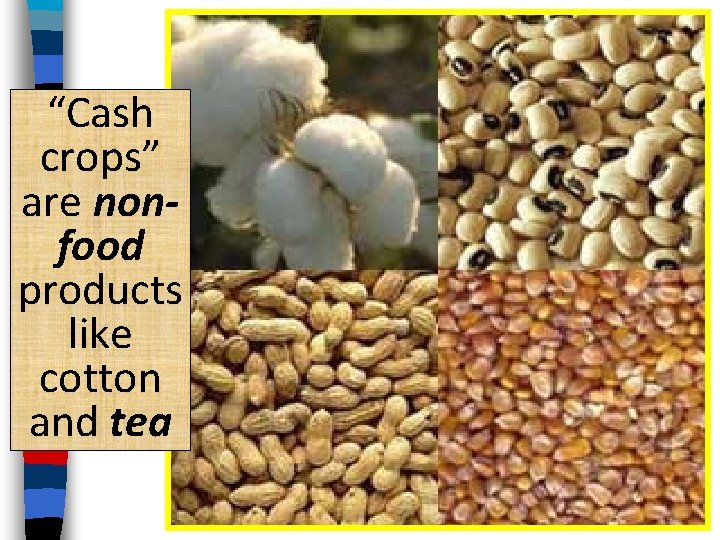
“Cash crops” are nonfood products like cotton and tea
COTTON BALES ON COTTON GREEN, BOMBAY, EARLY 1900 s The British did not share their enormous profits with the Indian farmers Devoting so many farms to non-edible products led to famine and starvation
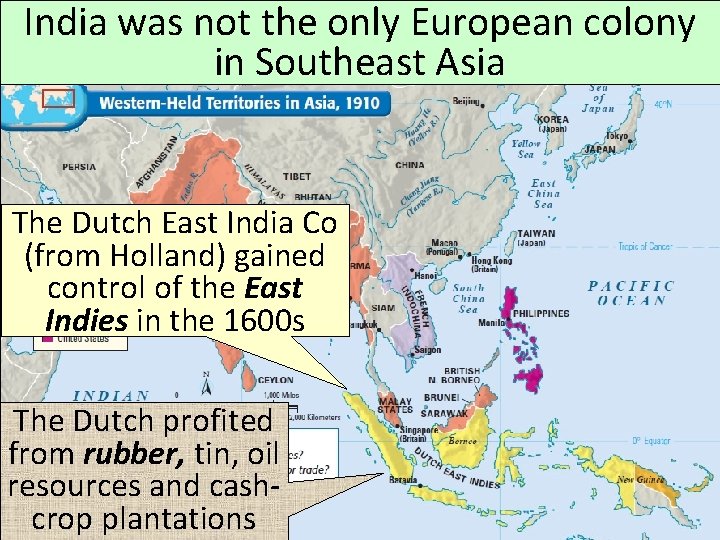
India was not the only European colony in Southeast Asia The Dutch East India Co (from Holland) gained control of the East Indies in the 1600 s The Dutch profited from rubber, tin, oil resources and cashcrop plantations
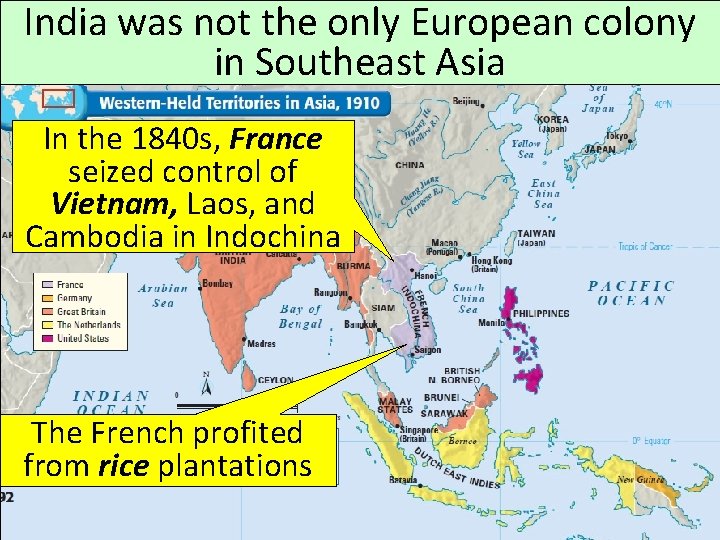
India was not the only European colony in Southeast Asia In the 1840 s, France seized control of Vietnam, Laos, and Cambodia in Indochina The French profited from rice plantations
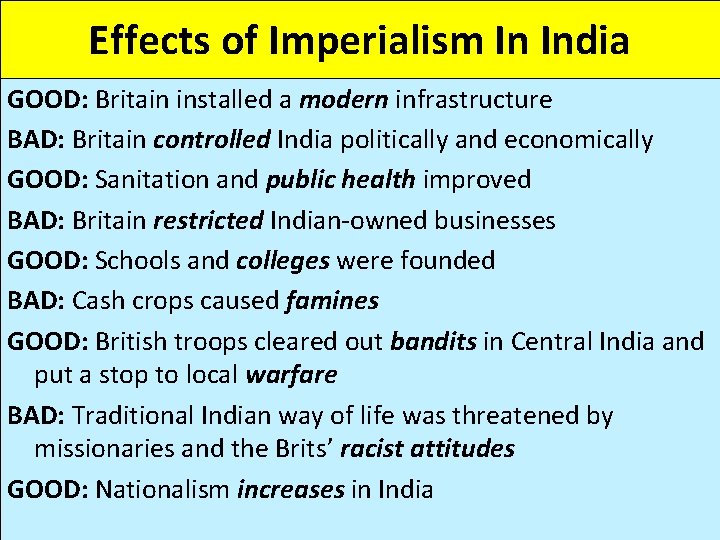
Effects of Imperialism In India GOOD: Britain installed a modern infrastructure BAD: Britain controlled India politically and economically GOOD: Sanitation and public health improved BAD: Britain restricted Indian-owned businesses GOOD: Schools and colleges were founded BAD: Cash crops caused famines GOOD: British troops cleared out bandits in Central India and put a stop to local warfare BAD: Traditional Indian way of life was threatened by missionaries and the Brits’ racist attitudes GOOD: Nationalism increases in India
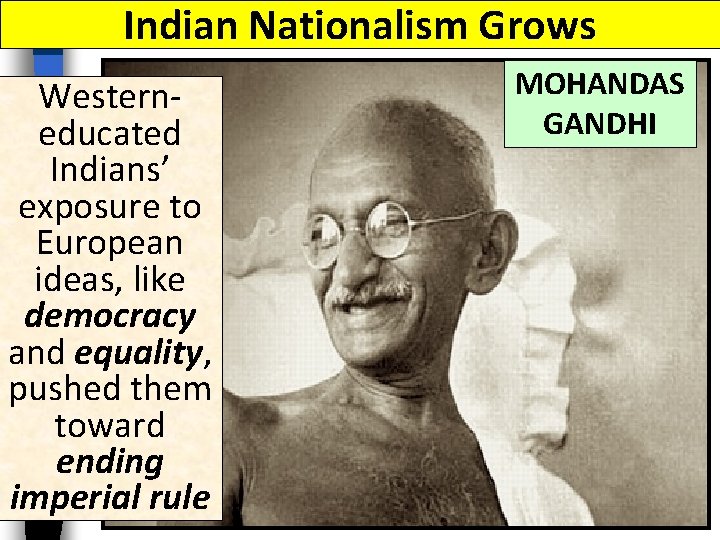
Indian Nationalism Grows Westerneducated Indians’ exposure to European ideas, like democracy and equality, pushed them toward ending imperial rule MOHANDAS GANDHI
Revamped and redone by Christopher Jaskowiak Originally created by Brooks Baggett