
Impacts from CCATreated Wood Within Marine and Terrestrial

- Slides: 23
Impacts from CCA-Treated Wood Within Marine and Terrestrial Environments Funded through Florida International University National Institute for Environmental Health Sciences
Specific Aims • Evaluate the impacts of arsenic from CCA-treated wood by measuring the species of arsenic that are leached from different environmental samples. • Develop methods for arsenic speciation in the particulate phase.
Research Design and Methods • Laboratory Evaluation (Phase I) – Method Development – Leaching Experiments – Data Evaluation • Field Evaluation (Phase II) – Deck Sampling – Marine Dock Sampling – Data Evaluation
Method Development (Phase I)
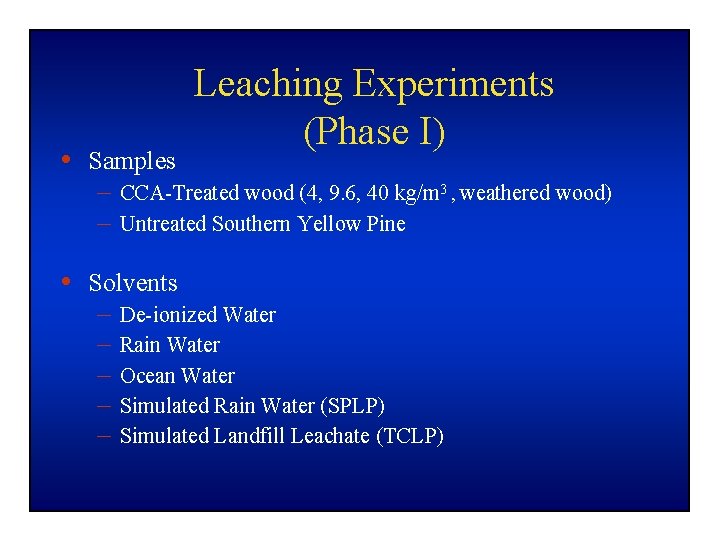
• Samples Leaching Experiments (Phase I) – CCA-Treated wood (4, 9. 6, 40 kg/m 3 , weathered wood) – Untreated Southern Yellow Pine • Solvents – – – De-ionized Water Rain Water Ocean Water Simulated Rain Water (SPLP) Simulated Landfill Leachate (TCLP)
Leaching Experiments (Phase I) • Samples – CCA-Treated wood (4, 9. 6, 40 kg/m 3 , weathered wood) – Untreated Southern Yellow Pine • Solvents – – – – – De-ionized Water Rain Water Ocean Water Simulated Rain Water (SPLP) Simulated Landfill Leachate (TCLP)
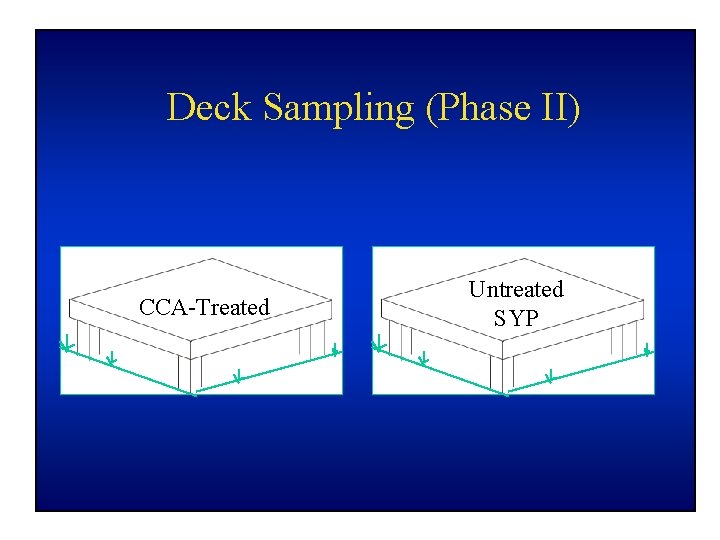
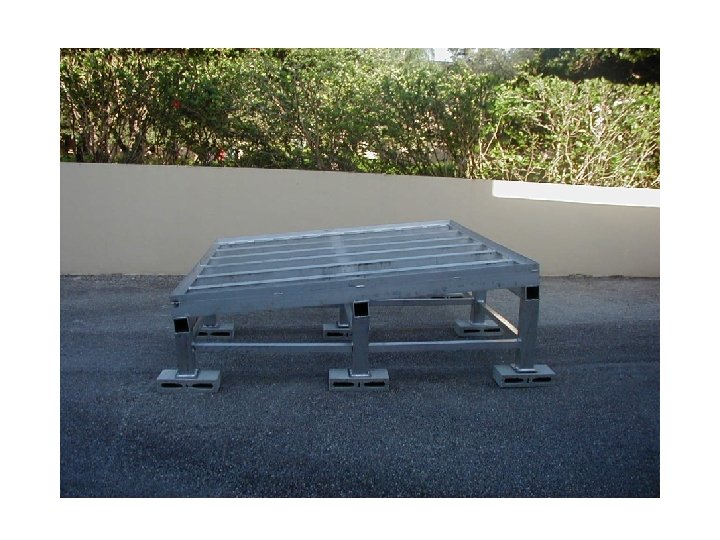
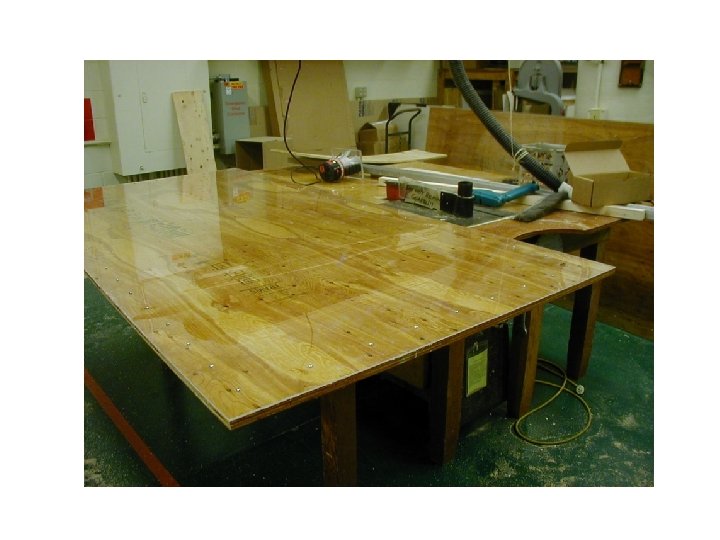
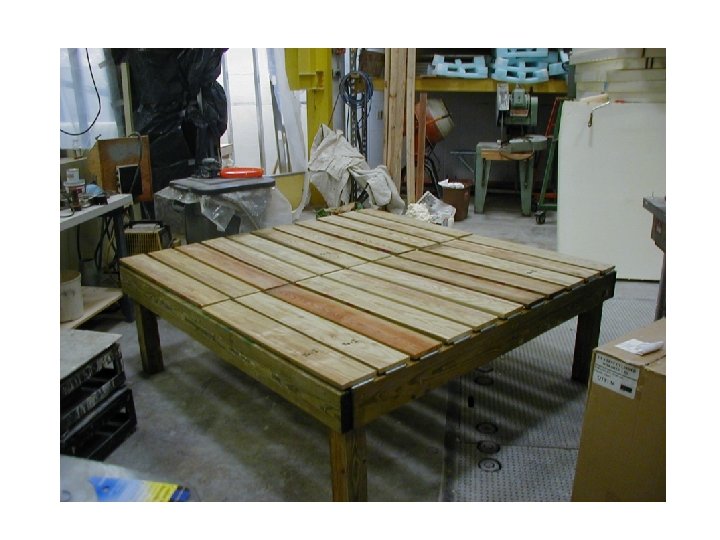
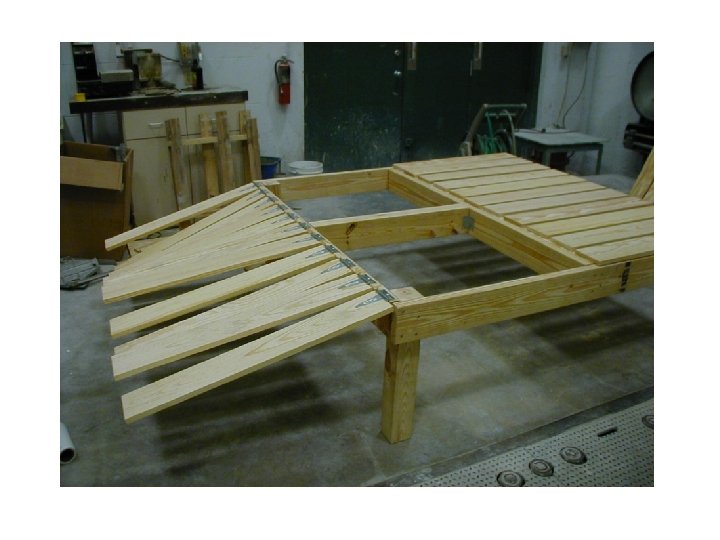
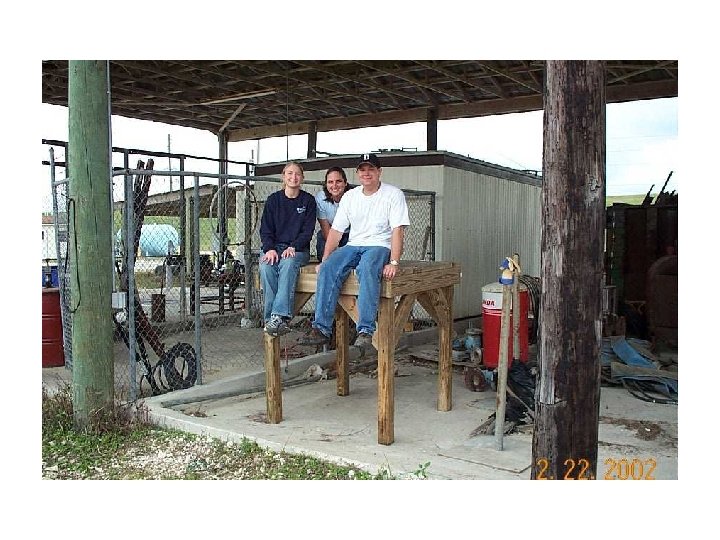
Deck Sampling (Phase II) CCA-Treated Untreated SYP
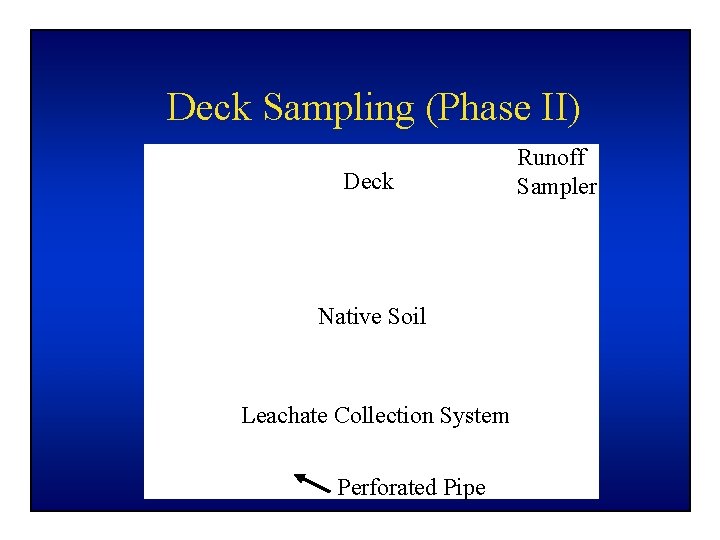
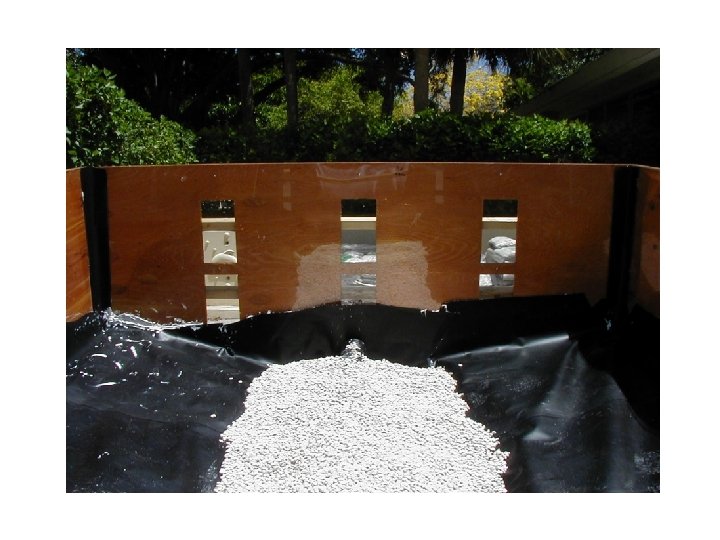
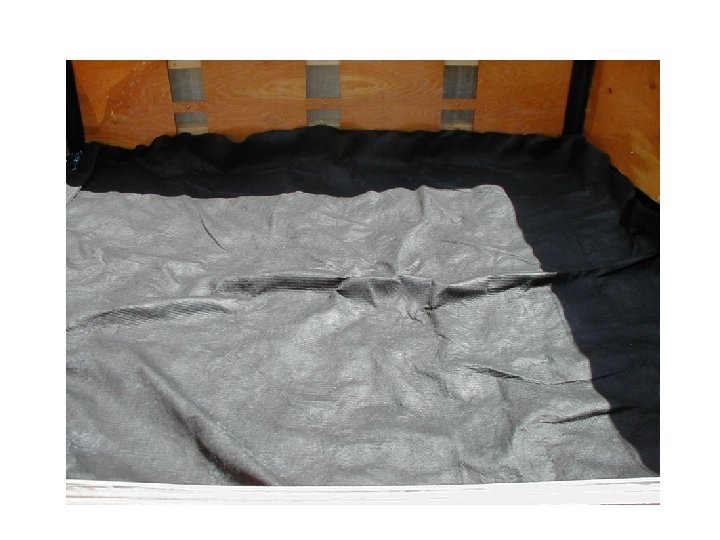
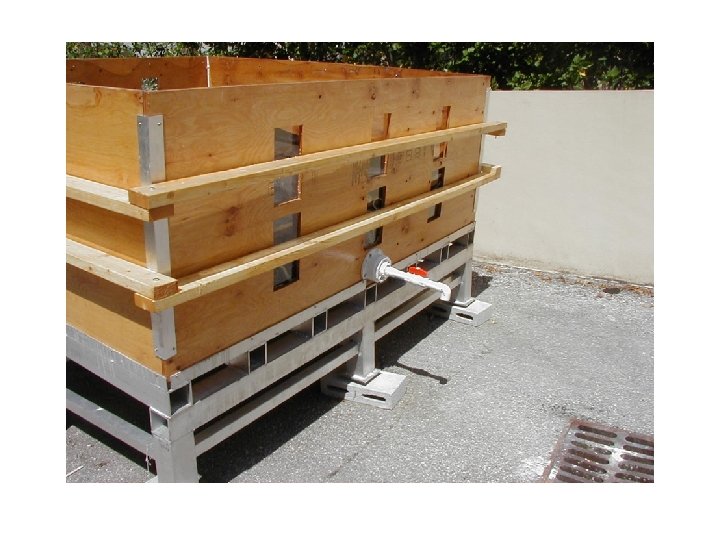
Deck Sampling (Phase II) Deck Native Soil Leachate Collection System Perforated Pipe Runoff Sampler
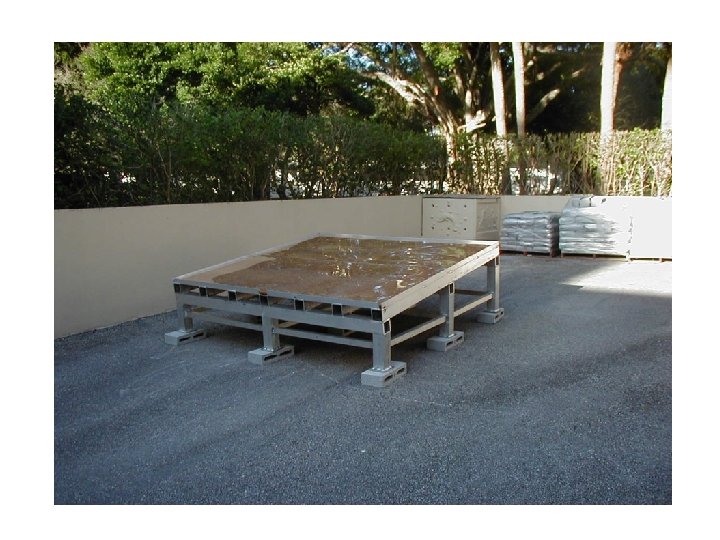
A Second Set of Deck Experiments
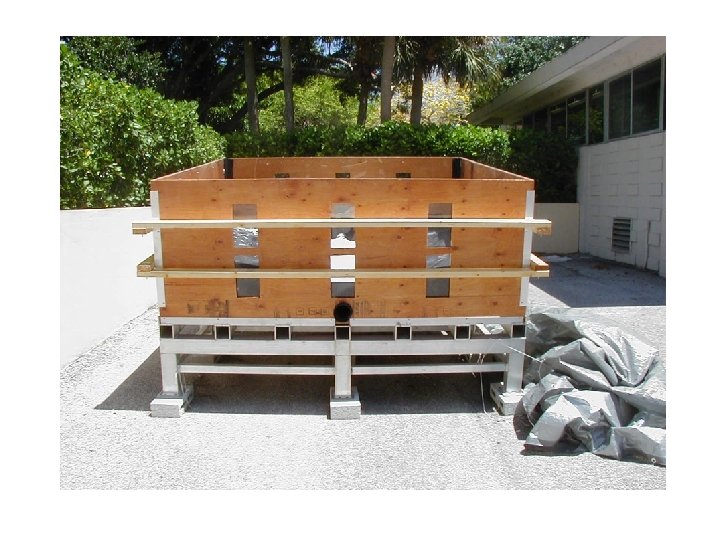
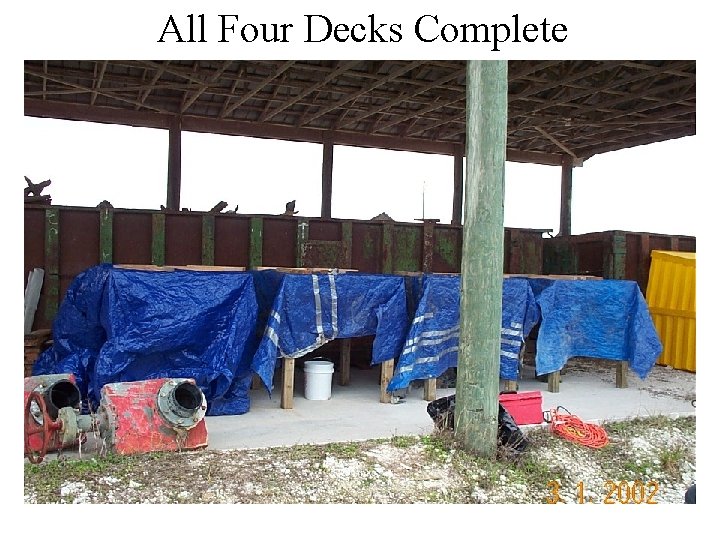
All Four Decks Complete
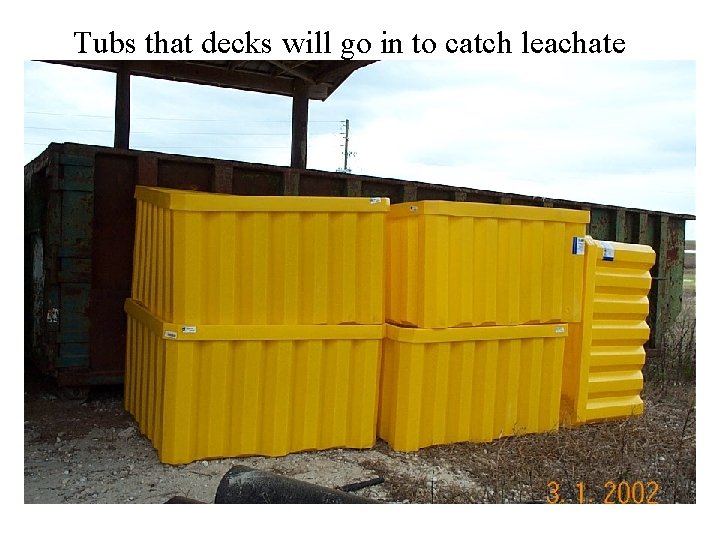
Tubs that decks will go in to catch leachate
Marine Dock Sampling (Phase II) • Collect water, sediment & Marine Organism Samples from CCA-Treated Docks. • Collect Controls in Near Vicinity in Areas with Minimal Impacts from CCA-Treated Wood.
Anticipated Benefits • Results can be used for environmental risk models to evaluate the probability of human disease or other environmental outcome associated with the use or disposal of CCAtreated wood. • Expand ability to speciate environmental samples.