
Impact of the New Deal The New Deal
- Slides: 9
Impact of the New Deal
The New Deal • A series of programs the Roosevelt administration used to try and solve the problems of the Great Depression • Programs can be grouped into 3 categories: • Relief – money or assistance that goes directly to impoverished families. Designed to stop economic decline immediately • Recovery – return to normal. Temporary programs to help restart the economy • Reform – changes so that depression could not happen again. Permanent programs to help protect citizens
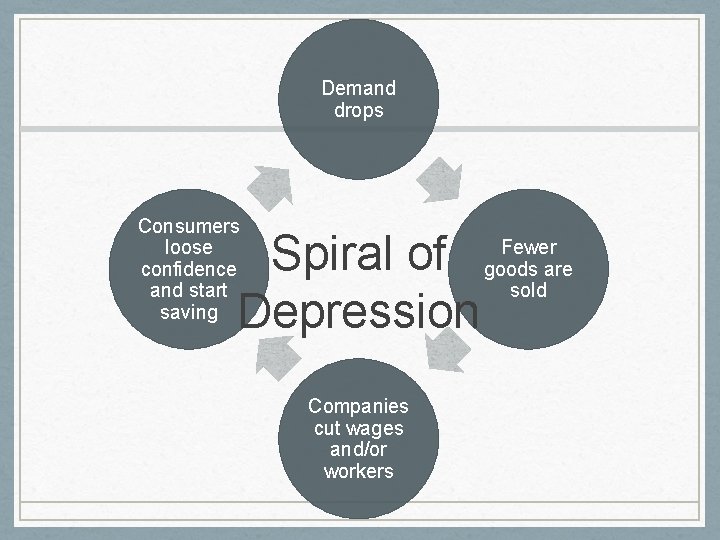
Demand drops Consumers loose confidence and start saving Spiral of Depression Companies cut wages and/or workers Fewer goods are sold
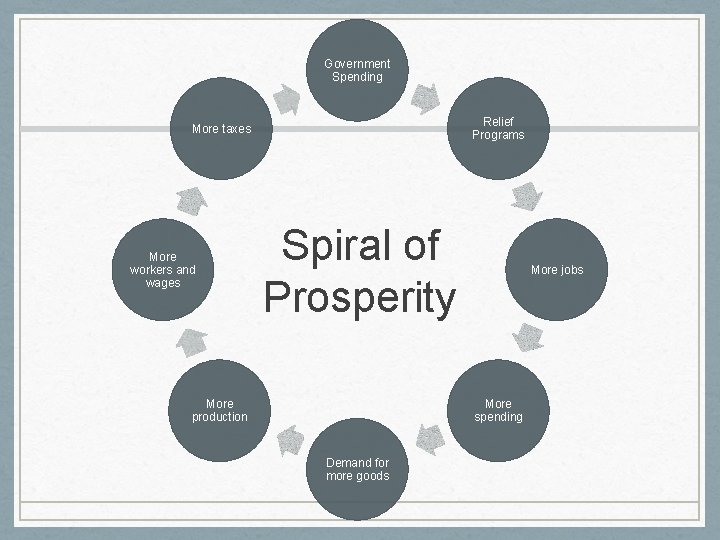
Government Spending Relief Programs More taxes More workers and wages Spiral of Prosperity More production More jobs More spending Demand for more goods
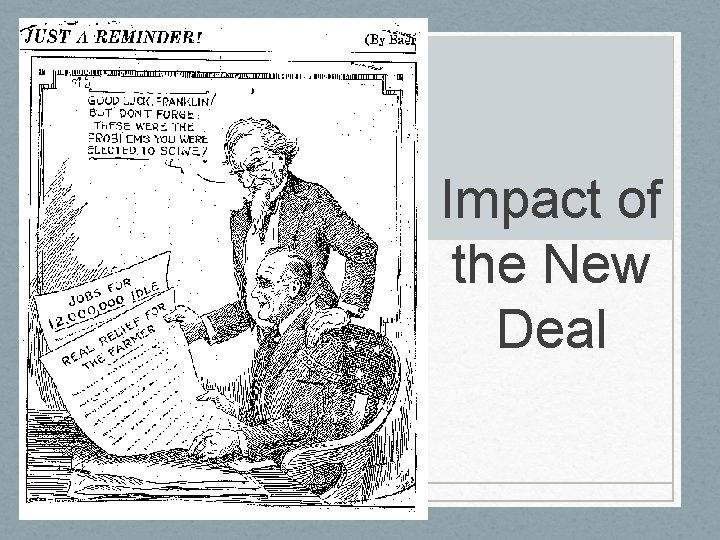
Opposition • New Deal programs had been in effect for 2 years and the economy was still sluggish, showing only slight improvement. • 2 million jobs had been created but 10 million Americans were still unemployed. • “nobody seems to think any more that the thing [the New Deal] is going to work. ”
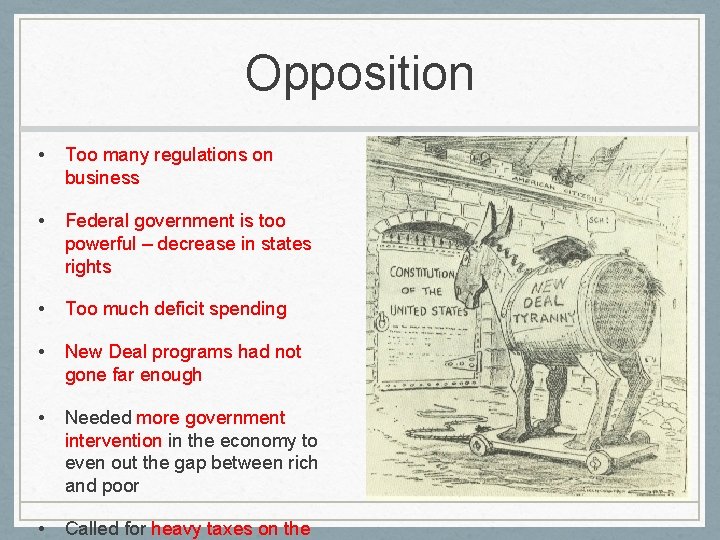
Opposition • Too many regulations on business • Federal government is too powerful – decrease in states rights • Too much deficit spending • New Deal programs had not gone far enough • Needed more government intervention in the economy to even out the gap between rich and poor • Called for heavy taxes on the
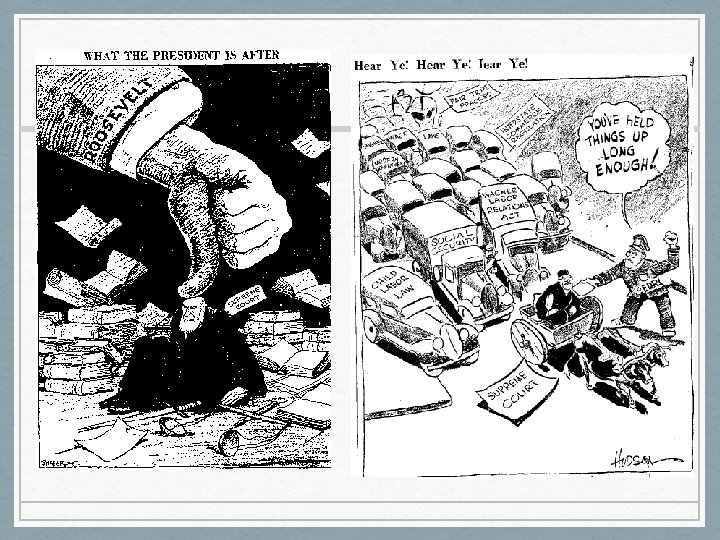
Opposition • Many New Deal bills did not pass congress and the Supreme Court struck down several laws/programs as unconstitutional. • Roosevelt feared the courts would strike down all the New Deal programs • FDR suggested all justices over 70 must retire allowing the president to appoint new judges who supported the New Deal. • Called the Court Packing plan • Political mistake – saw the president as trying to interfere with the checks and balances
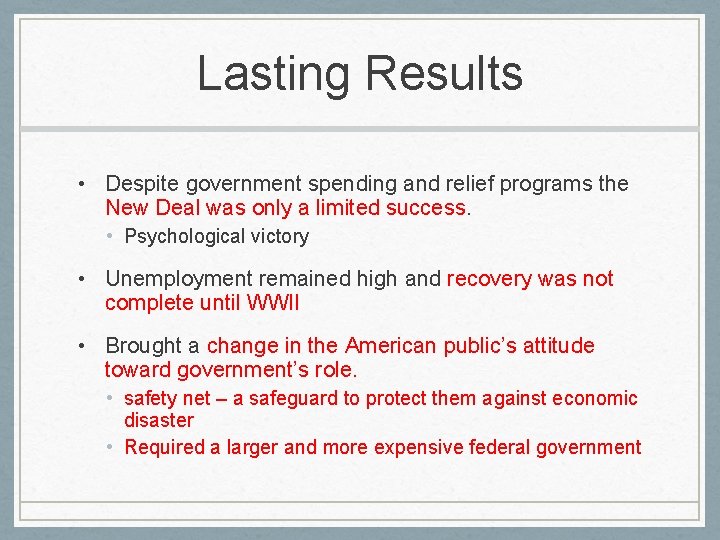
Lasting Results • Despite government spending and relief programs the New Deal was only a limited success. • Psychological victory • Unemployment remained high and recovery was not complete until WWII • Brought a change in the American public’s attitude toward government’s role. • safety net – a safeguard to protect them against economic disaster • Required a larger and more expensive federal government