
Impact of Globalization on Work Business and Consumers

Impact of Globalization on Work, Business and Consumers
Review MULTINATIONAL CORPROATIONS � Own or control production, distribution, services or other facilities outside the country in which they are based � Co-ordinate � Degree � Global operations in various ways of autonomy varies greatly philosophy; its planning and decision making are geared toward worldwide markets

GLOBAL ORGANIZATIONAL STRUCTURE Large companies have a huge organizational chart; chain of command which can make it difficult to implement change
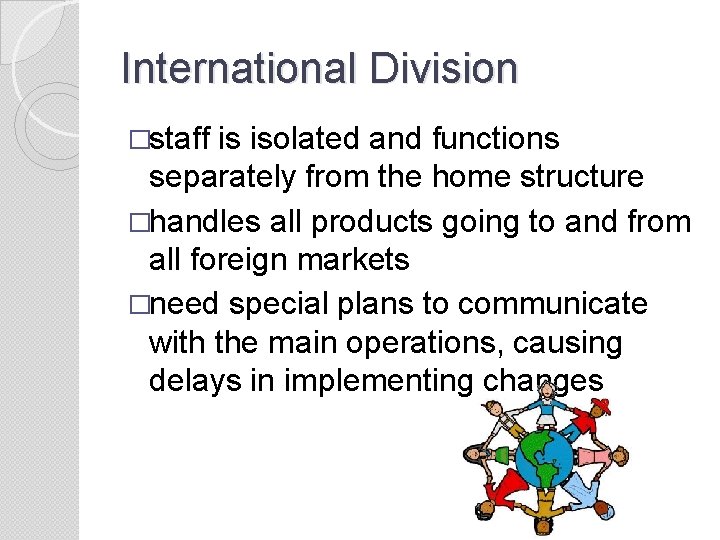
International Division �staff is isolated and functions separately from the home structure �handles all products going to and from all foreign markets �need special plans to communicate with the main operations, causing delays in implementing changes
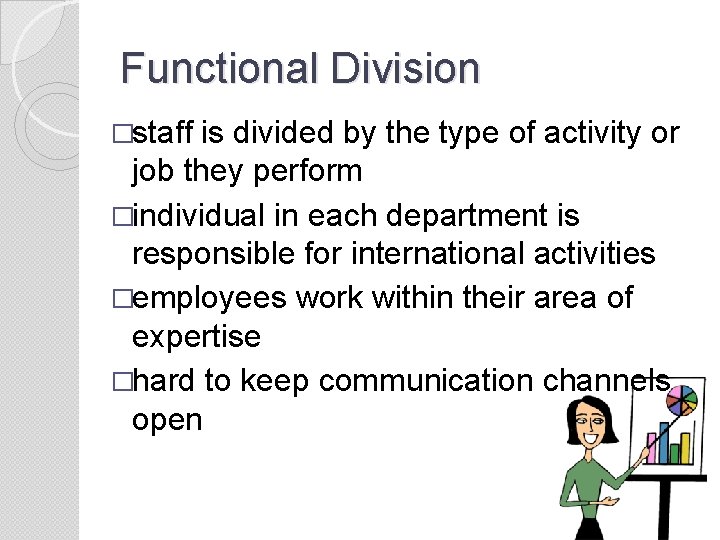
Functional Division �staff is divided by the type of activity or job they perform �individual in each department is responsible for international activities �employees work within their area of expertise �hard to keep communication channels open
Product Division �both international and domestic are separated by the type of output or final product �creates a sense of competition between product groups �detrimental to the allocation of resources
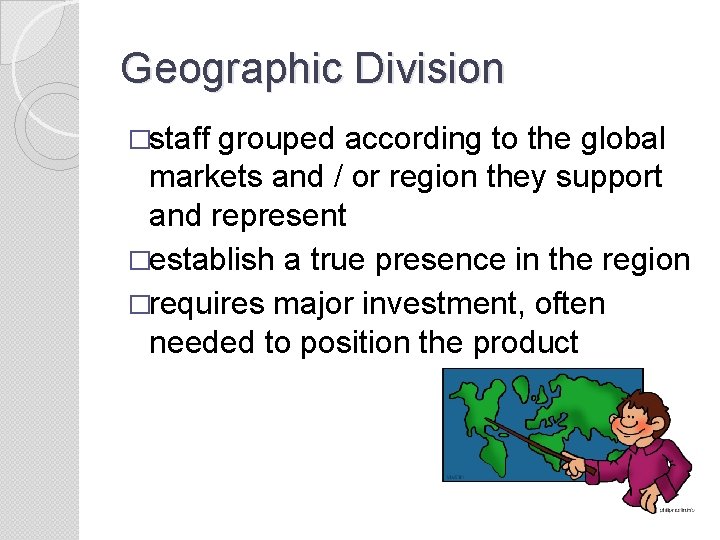
Geographic Division �staff grouped according to the global markets and / or region they support and represent �establish a true presence in the region �requires major investment, often needed to position the product

Globalization Video - Here

Effects of Globalization on Canadian Businesses �There are large MNEs with many foreign subsidiaries as well as smaller domestic businesses that conduct international business. �Many small Canadian companies generate more than half of their sales in foreign markets. �These small companies focus on the niches that have made them successful in Canada. ◦ They tend to penetrate specialty markets where they will not have to compete with large companies that could capitalize on economies of scale.
�International business is important to companies that have no intention of engaging in it ◦ Why - foreign competitors �Affected by changes in exchange rates, foreign interest rates, labour costs, and inflation. ◦ These economic conditions can affect the foreign competitors' cost of production and pricing policy. �What about domestic competitors? ◦ May obtain foreign supplies or foreign financing ◦ They will be affected by economic trends in foreign countries. �If domestic competitors are able to reduce their costs, they may be able to reduce their prices without reducing profit. �= increase market share ◦ (at the expense of the purely domestic companies)
Globalization Facts and Myths

1. Globalization lowers wages and exports jobs in developed countries and increases the income gap between high-income and lowincome countries. �It's mostly a myth. �Wage rates in Canada and other developed countries continue to out-pace inflation. �While many jobs, particularly manufacturing jobs, have disappeared; still more jobs have been created. �There are many factors that contribute to the increase in the gap between high and low -income countries but globalization isn't one of them.

2. Multinational firms can take their capital and leave to invest in lower-wage countries. �Fact. �They can. �MNE's will invest in countries in which they believe they can earn profits. �The profit incentive is the key determinant in any investment decision.
3. Globalization has weakened the administrative power of governments to mandate social protection, such as rules on working hours, minimum wage laws and health and safety legislation. � Myth. � Many states have poorly enforced or non-existent employment standards and health and safety rules. � These problems pre-date globalization. � Awareness of these problems has developed more recently and efforts are underway in many less developed countries to fix these problems exposed by globalization
4. Globalization is the automatic and unstoppable consequence of the emergence of new technologies. �Myth . �Consumer demand for new technologies has supported globalization since consumer demand dictates what business produces.
5. Globalization is a relatively new phenomenon. How new is it? �Mostly fact. �It depends on what time frame you apply. �The word made the dictionary for the first time in 1944. �For centuries though, trade opportunities have led entrepreneurs and businesses in search of new products. �The term globalization became much more frequently used in the post-colonial era.
6. E-commerce has increased international business opportunities. �Fact. �E-commerce makes it easy to get products from around the world regardless of where you live

Break Time � 15 Minute Break

The Impact of Globalization on Consumers
�Canadian consumers have never had more choices. �Consumers’ tastes have become more sophisticated and complex. �An increase in consumer purchasing power has created the means of satisfying their demands.
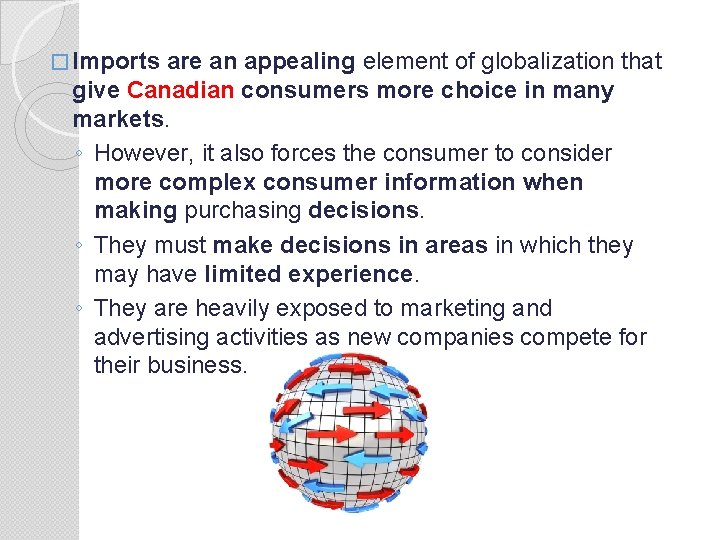
� Imports are an appealing element of globalization that give Canadian consumers more choice in many markets. ◦ However, it also forces the consumer to consider more complex consumer information when making purchasing decisions. ◦ They must make decisions in areas in which they may have limited experience. ◦ They are heavily exposed to marketing and advertising activities as new companies compete for their business.
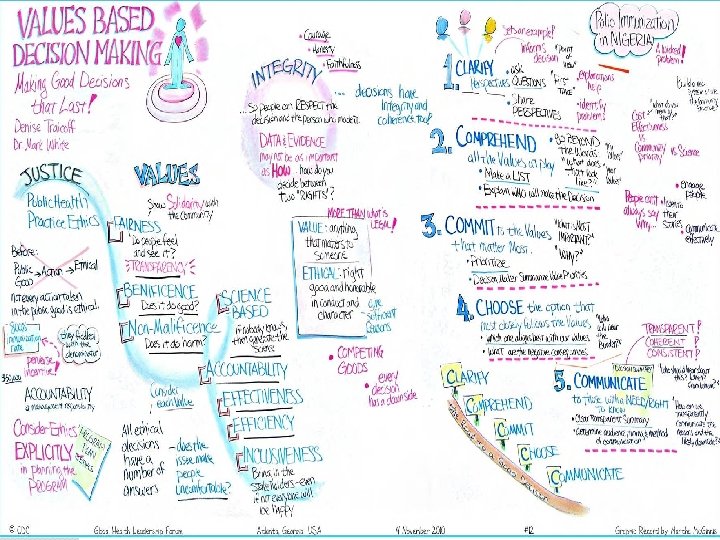
�The growth of international trade has also introduced the concept of valuesbased consumerism. ◦ Many consumers now want to know not only what they are buying, but also how it was made.
◦ Concerns about… ◦ environmental protection ◦ health risks ◦ nutritional content and safety of food ◦ animal welfare ◦ exploitation of workers ◦ These have led to a growing demand for products that are produced according to valuesbased standards. �Fair trade coffee, organic food, and lumber from sustainable forests are examples of values-based standards.

Fair Trade �According to the International Federation for Alternate Trade, fair trade is a trading partnership based on dialogue, transparency and respect that seeks greater equity in international trade. �It contributes to sustainable development by offering better trading conditions to, and securing the rights of, marginalized producers and workers �More on this tomorrow!

On your own �Make sure you’ve read Page 143 – 156 Answer: 1) Explain what a multinational company is. 2) What is the ‘triad’ 3) How is the alliance among triad members influencial in the global economy? 4) Describe four global business organizational structures. I will be checking to see that this has been completed during the beginning of our next class. You will be given completion marks for staying on top of your homework.
- Slides: 25