
Impact melting in sedimentary target rocks G R
- Slides: 25
Impact melting in sedimentary target rocks? G. R. Osinski 1, J. G. Spray 1 & R. A. F. Grieve 2 1 Planetary and Space Science Centre University of New Brunswick, Fredericton NB, Canada 2 Earth Science Sector Natural Resources Canada, Ottawa ON, Canada
Impact melting in sedimentary rocks? Kieffer & Simonds (1980): Ø Volume of impact melt “documented”: § Ø Volume of target material shocked to pressures sufficient for melting: NOT significantly different in sedimentary or crystalline rocks ANOMALY attributed to “unusually” wide dispersion of shock-melted sedimentary rocks by expansion of sediment-derived vapour § Ø ~102 LESS than for crystalline target rocks in comparably sized impact craters
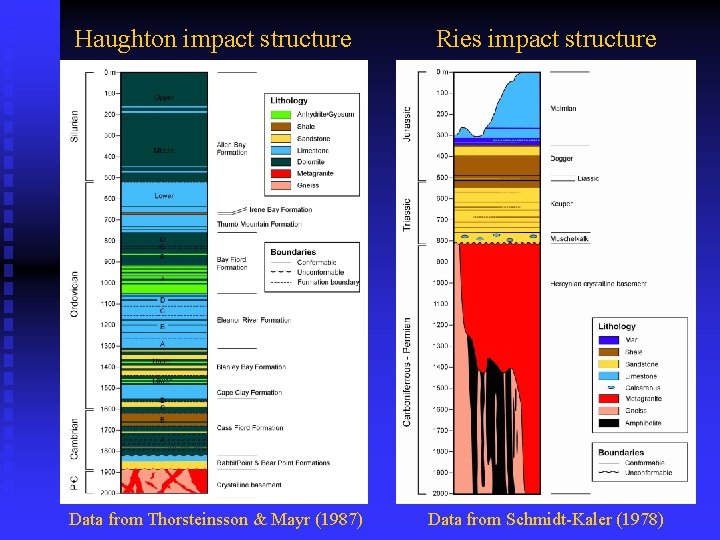
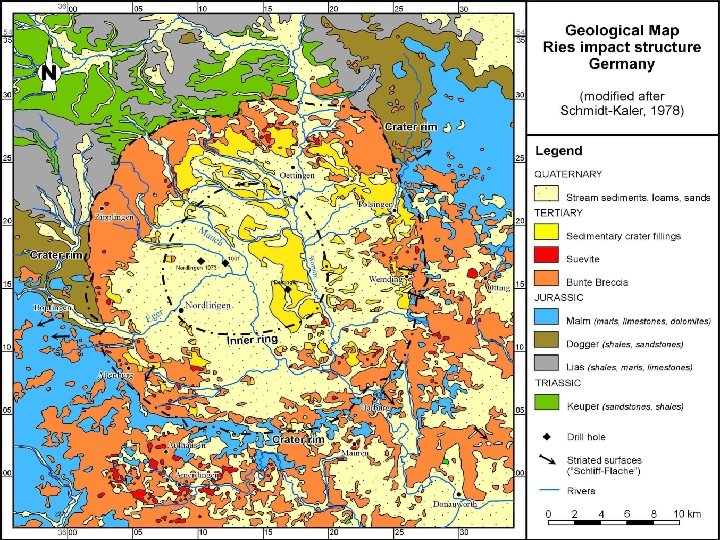
Haughton impact structure Ries impact structure Ø Strat colums……… Data from Thorsteinsson & Mayr (1987) Data from Schmidt-Kaler (1978)
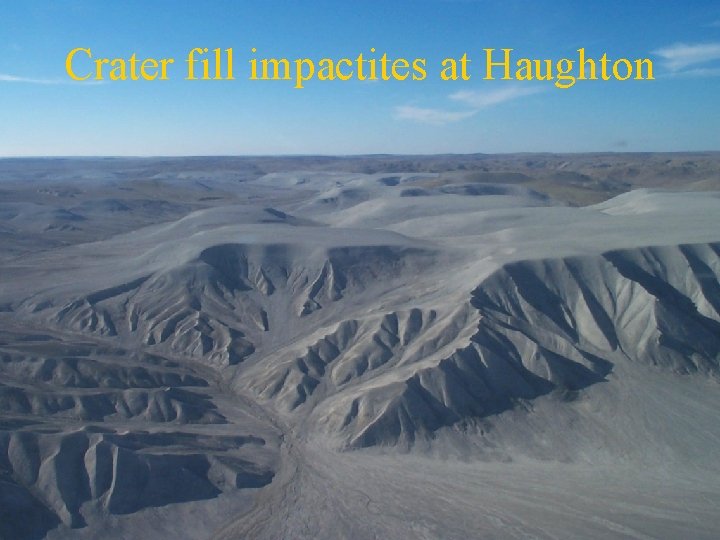
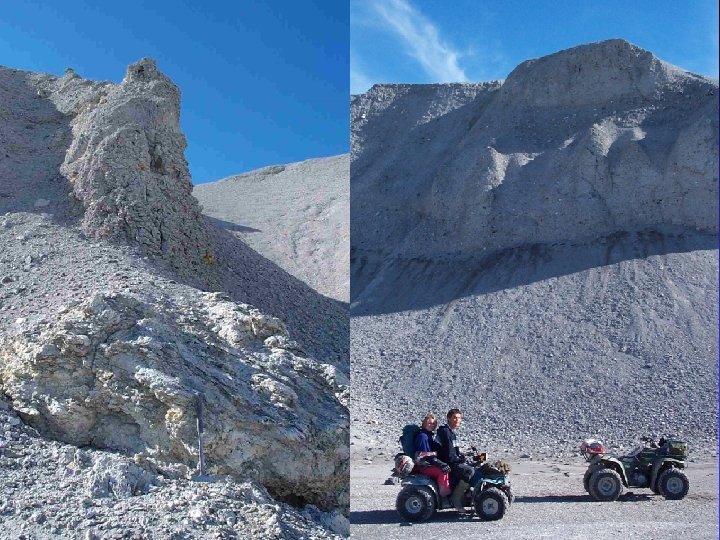
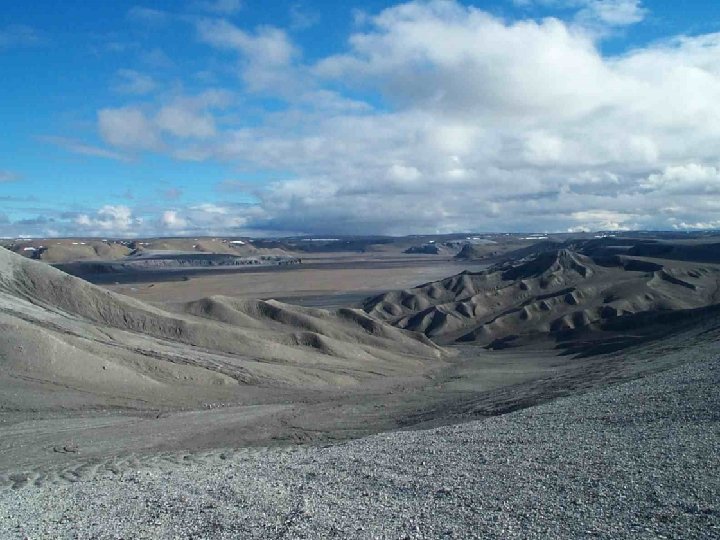
Crater fill impactites at Haughton
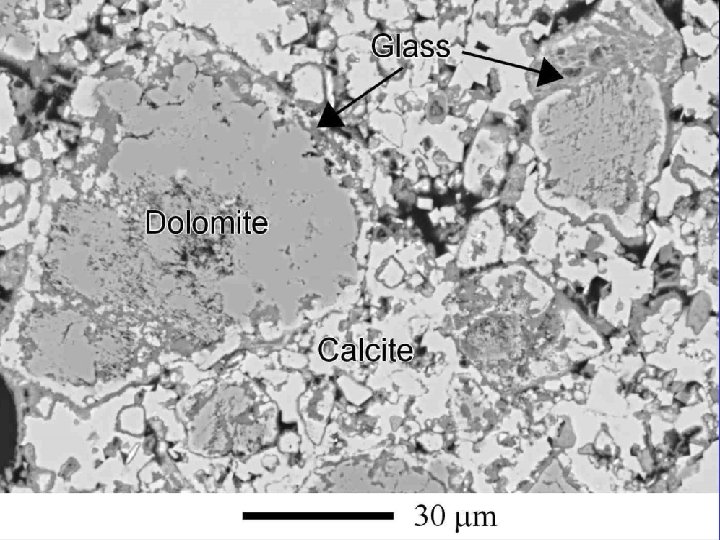
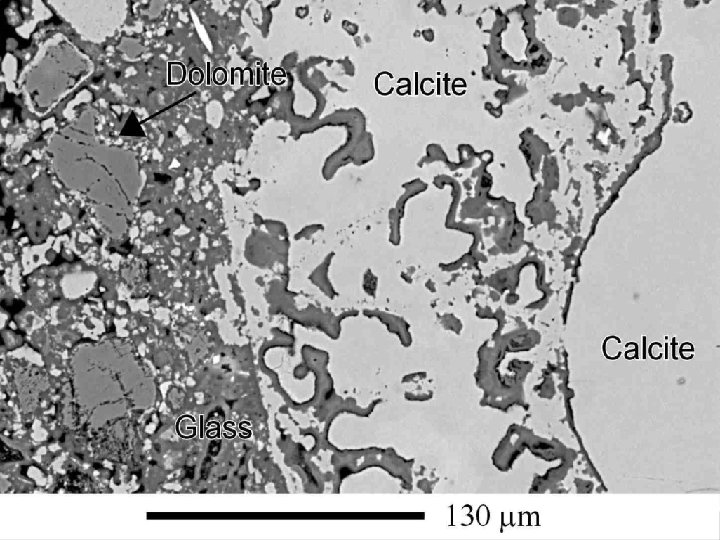
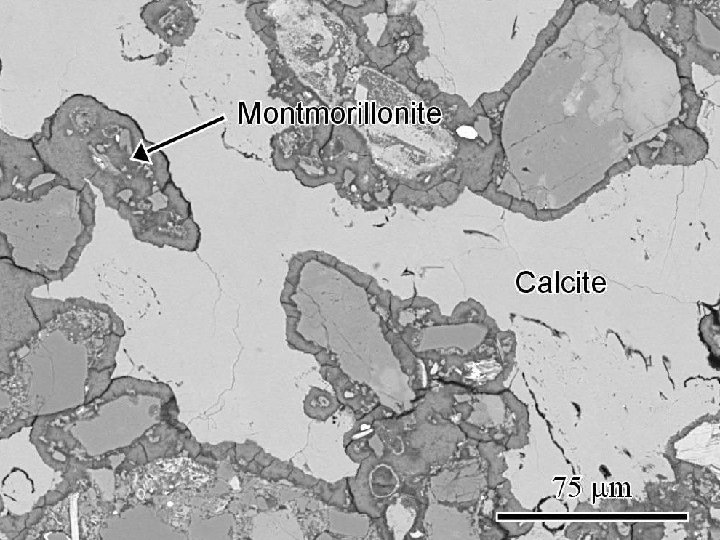
Nature of the groundmass Ø Ø Unshocked microcrystalline CALCITE, generally occurring as irregular blebs and globules (~20 -90 vol%) Silicate-rich GLASS (~5 -40 vol%): § Si-Mg-Al-rich glasses yielding relatively high (~85 wt%) totals § Si-Mg-Al-CO 2 -rich glasses - low totals (~60 -65 wt %) • Comprise the bulk (>95 vol%) of the matrixforming glasses § Si-rich glass particles - high totals (~90 -95 wt%) • Rare, sometimes angular (early-formed melt? )
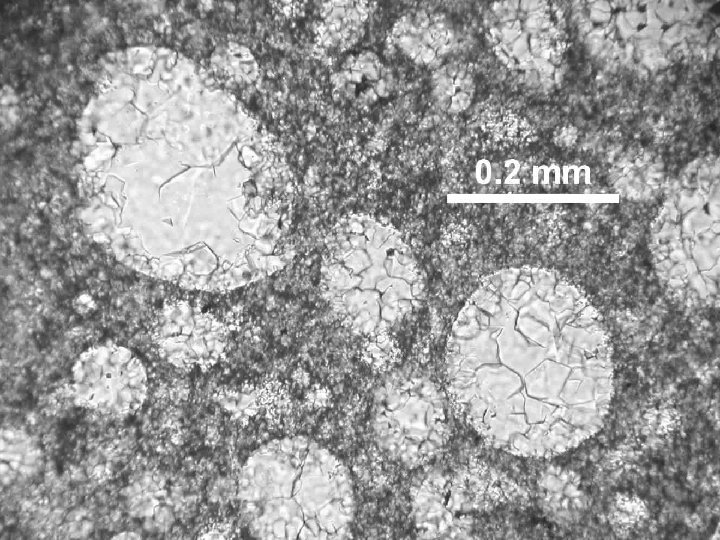
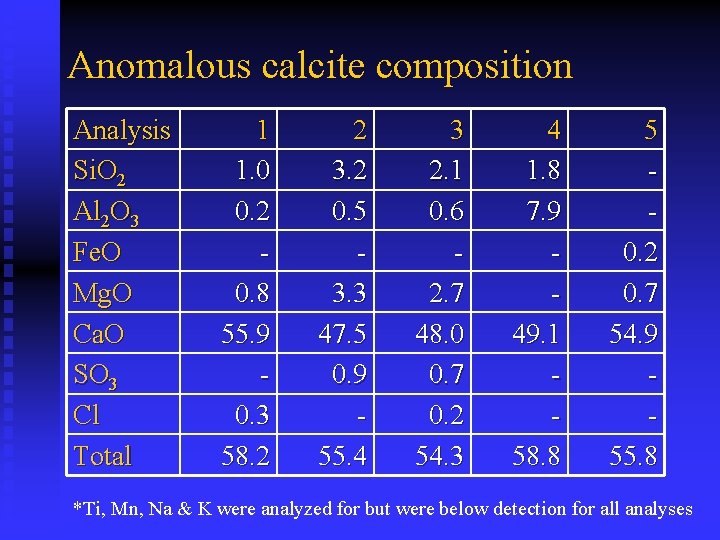
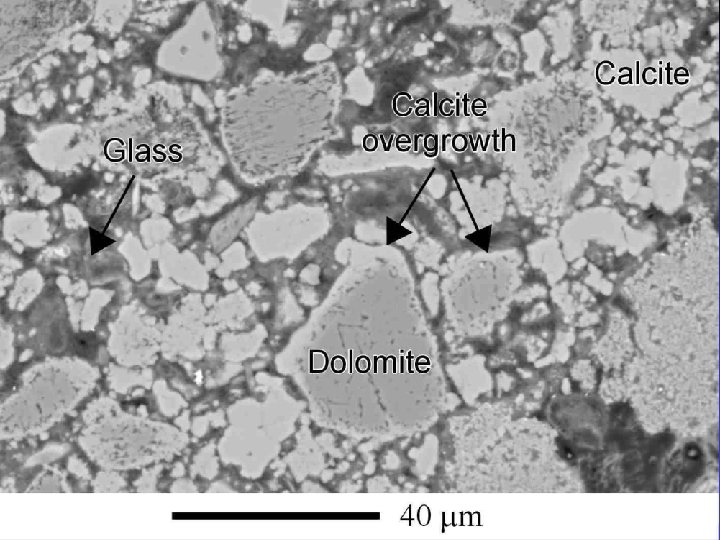
Evidence for shock melting of carbonates Ø Carbonate-silicate liquid immiscible textures Ø Anomalous calcite compositions Ø Calcite spheres in the matrix Ø Carbonate overgrowths on dolomite clasts Ø Assimilation of dolomite clasts Ø Infiltration of calcite and silicate-rich matrix phases into clasts Ø Ca-Mg silicates
Anomalous calcite composition Analysis Si. O 2 Al 2 O 3 Fe. O Mg. O Ca. O SO 3 Cl Total 1 1. 0 0. 2 0. 8 55. 9 0. 3 58. 2 2 3. 2 0. 5 3. 3 47. 5 0. 9 55. 4 3 2. 1 0. 6 2. 7 48. 0 0. 7 0. 2 54. 3 4 1. 8 7. 9 49. 1 58. 8 5 0. 2 0. 7 54. 9 55. 8 *Ti, Mn, Na & K were analyzed for but were below detection for all analyses
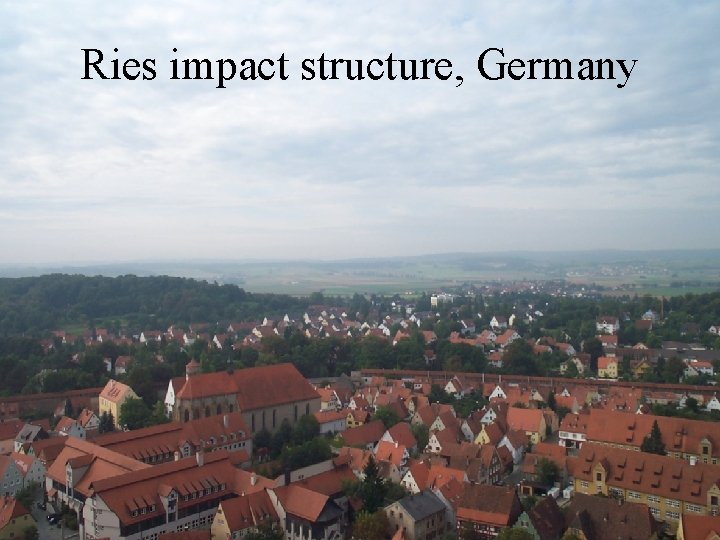
Ries impact structure, Germany
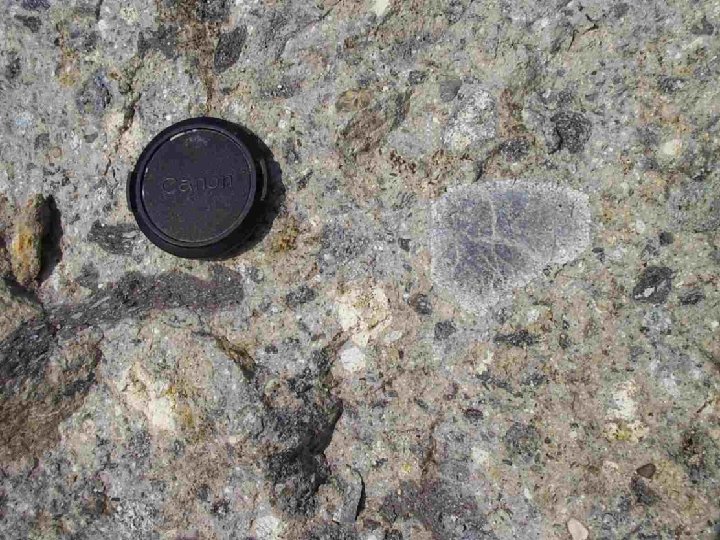
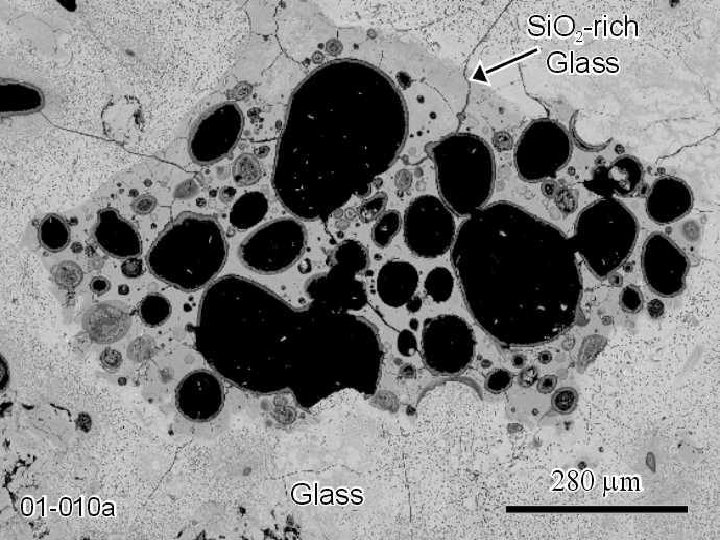
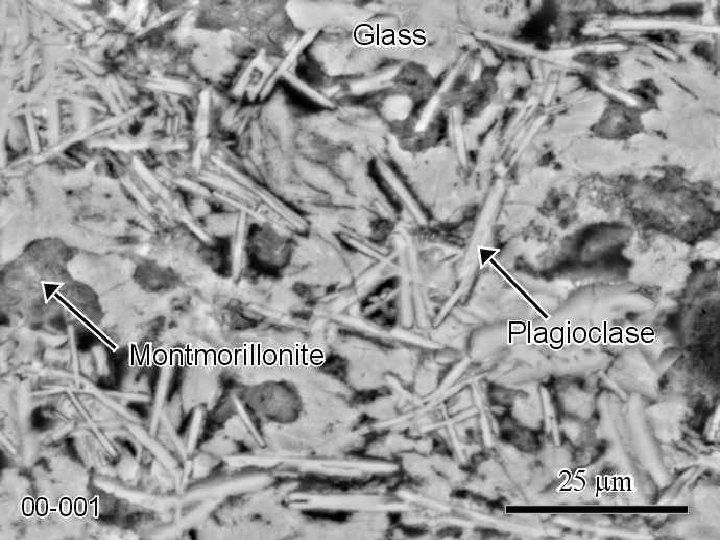
Si. O 2 -rich glasses Ø Ø Ubiquitous in ‘fallout’ suevites (Osinski, 2003) Occur as individual particles/clasts in the groundmass or as inclusions in other glass particles Composition: § ~85 -100 wt% Si. O 2 § Fe. O, Mg. O, Ca. O, Na 2 O <1 -2 wt% § Al 2 O 3, K 2 O ~1 -6 wt% Protolith: § L. Jurassic and Triassic sandstones § >350<770 m pre-impact depth
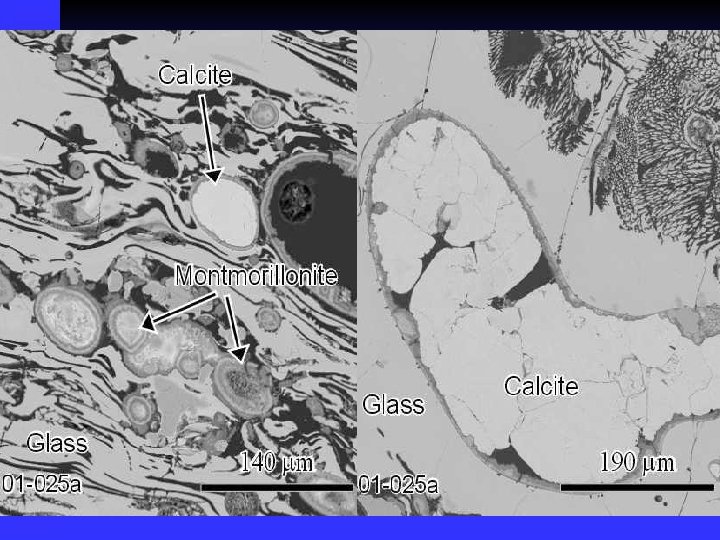
Al-Ca-H 2 O-rich glasses Ø Ø Ø Recognized in 4 samples (Osinski, 2003) Composition: § Low Si. O 2: 50 -53 wt% § High Al 2 O 3 (17 -21 wt%) and Ca. O (5 -7 wt%) § Oxide totals ~83 -88% => substantial volatile contents Protolith: § Clay-rich sedimentary rocks (shales, claystones etc. ) from lowermost part of sed. sequence § High Ca. O content may suggest a component of marls in the melt zone
Evidence for shock melting of carbonates Ø Ø Ø Calcite occurs as globules in silicate-rich glasses and in the groundmass Unequivocal evidence for liquid immiscibility (Graup, 1999; Osinski, 2003) Protolith: § U. Jurassic Malm limestones § <350 m pre-impact depth
Modeling Ø Ø No modeling carried out at Haughton to date Ries impact structure (Stoffler et al. , 2002): § Modeling suggests shock melting of sandstones – confirmed by our analytical SEM studies (Osinski, 2003) § Modeling invokes shock degassing of carbonates – NOT supported by optical and analytical SEM studies (Graup, 1999; Osinski, 2003)
Conclusions Ø Ø Ø Carbonate-rich crater-fill deposits at Haughton are carbonate-rich impact melt breccias Shocked-melted sedimentary rocks preserved in proximal “ejecta” from the Ries impact structure No evidence for decomposition and degassing of carbonates from Haughton or Ries Shock melting of sedimentary rocks occurred during the Haughton and Ries (and Chicxulub) impact events Agreement with theoretical studies which suggest that impacts into sedimentary targets should produce as much melt as impacts into crystalline targets