
Immunopharmacology The new frontier IUPHAR IUIS Collaboration The
Immunopharmacology The new frontier IUPHAR – IUIS Collaboration The Guide to immunopharmacology
Michael Spedding, H-index 60 Secretary General, IUPHAR, IUPHAR is a registered charity based in Switzerland President, Spedding Research Solutions SAS, Research company, for: - Sports science - ‘Impossible diseases’ Motorneurone Disease, (Glioblastoma). IUPHAR is a WHO-recognised non-governmental organisation (NGO) with an official WHO collaboration for pharmacology education and for clinical pharmacology in the developing world. 37, 000 pharmacologists. IUPHAR Natural Product Section: MS since June: India, Singapore, UK, Italy, Brazil, China, Discussions FDA centre NIH. Strategy : Expert driven databases, on drug targets, which are freely available to all. Edinburgh, Scotland. Central financing (e. g. Wellcome Trust grants), encouraging local finance, from Indian, African, Chinese, Brazilian sources etc, and links to scientists exchange. 125 publications, H-Index 80,
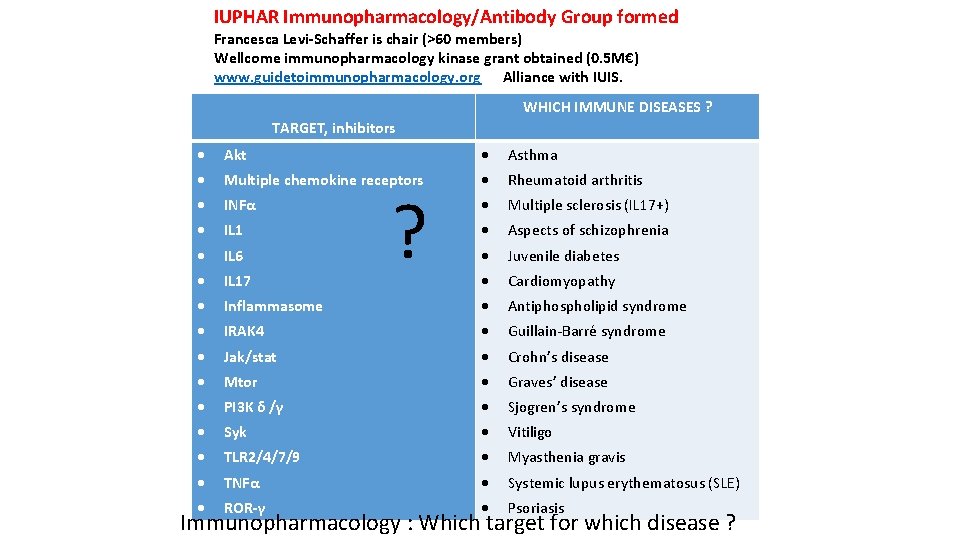
IUPHAR Immunopharmacology/Antibody Group formed Francesca Levi-Schaffer is chair (>60 members) Wellcome immunopharmacology kinase grant obtained (0. 5 M€) www. guidetoimmunopharmacology. org Alliance with IUIS. WHICH IMMUNE DISEASES ? TARGET, inhibitors Akt Asthma Multiple chemokine receptors Rheumatoid arthritis INFα Multiple sclerosis (IL 17+) IL 1 Aspects of schizophrenia IL 6 Juvenile diabetes IL 17 Cardiomyopathy Inflammasome Antiphospholipid syndrome IRAK 4 Guillain-Barré syndrome Jak/stat Crohn’s disease Mtor Graves’ disease PI 3 K δ /γ Sjogren’s syndrome Syk Vitiligo TLR 2/4/7/9 Myasthenia gravis TNFα Systemic lupus erythematosus (SLE) ROR-γ Psoriasis ? Immunopharmacology : Which target for which disease ?
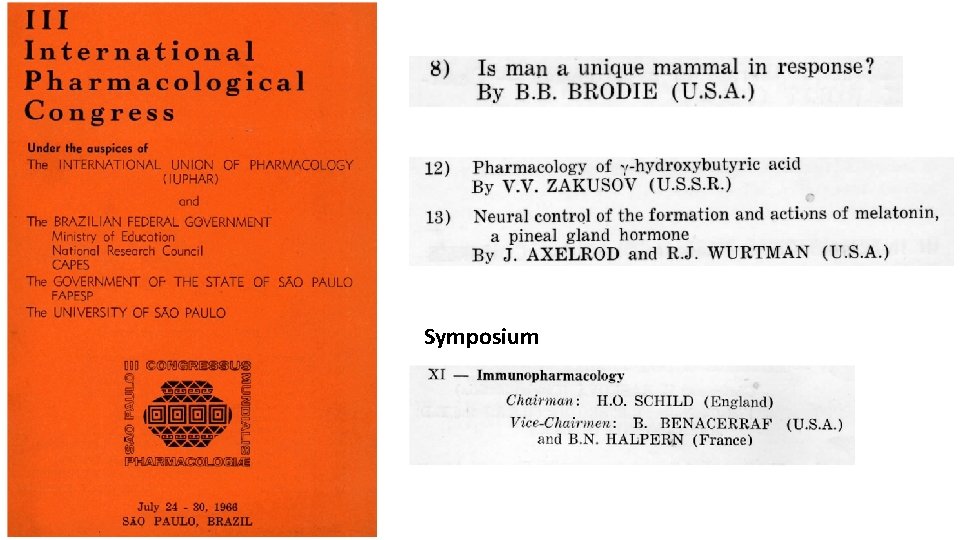
Symposium
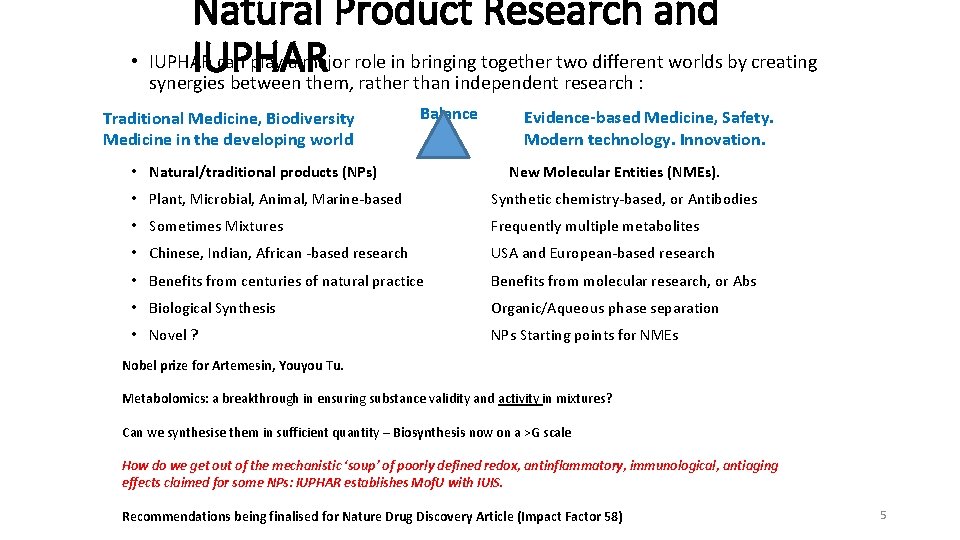
Natural Product Research and • IUPHAR can play a major role in bringing together two different worlds by creating IUPHAR synergies between them, rather than independent research : Traditional Medicine, Biodiversity Balance Medicine in the developing world • Natural/traditional products (NPs) • Plant, Microbial, Animal, Marine-based Evidence-based Medicine, Safety. Modern technology. Innovation. New Molecular Entities (NMEs). Synthetic chemistry-based, or Antibodies • Sometimes Mixtures Frequently multiple metabolites • Chinese, Indian, African -based research USA and European-based research • Benefits from centuries of natural practice Benefits from molecular research, or Abs • Biological Synthesis Organic/Aqueous phase separation • Novel ? NPs Starting points for NMEs Nobel prize for Artemesin, Youyou Tu. Metabolomics: a breakthrough in ensuring substance validity and activity in mixtures? Can we synthesise them in sufficient quantity – Biosynthesis now on a >G scale How do we get out of the mechanistic ‘soup’ of poorly defined redox, antinflammatory, immunological, antiaging effects claimed for some NPs: IUPHAR establishes Mof. U with IUIS. Recommendations being finalised for Nature Drug Discovery Article (Impact Factor 58) 5
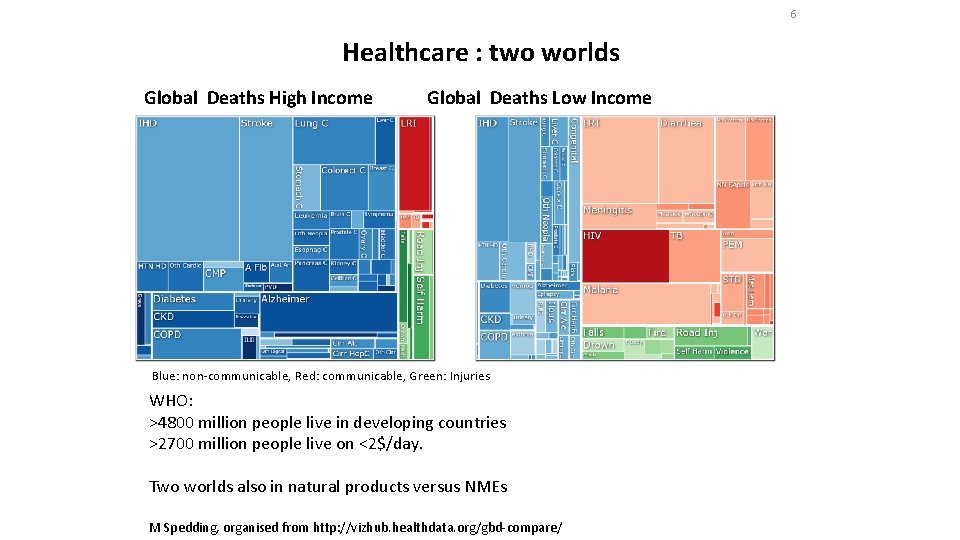
6 Healthcare : two worlds Global Deaths High Income Global Deaths Low Income Blue: non-communicable, Red: communicable, Green: Injuries WHO: >4800 million people live in developing countries >2700 million people live on <2$/day. Two worlds also in natural products versus NMEs M Spedding, organised from http: //vizhub. healthdata. org/gbd-compare/
7 Some relevant WHO Priorities where IUPHAR is active • Promote Drug Discovery R&D, with opensource knowledge, databases, compound libraries, • Support early-stage drug discovery and development, particularly in developing countries, • Stimulate global cooperation in R&D • Encourage research on mechanisms of action and PK of natural products and traditional medicines. Evidence-based medicine. • Capacity building for clinical trials, particularly in developing countries, • Encourage development of regulatory affairs in developing countries IUPHAR is an official Non-Governmental Organisation (NGO) to WHO for preclinical and clinical pharmacology and education
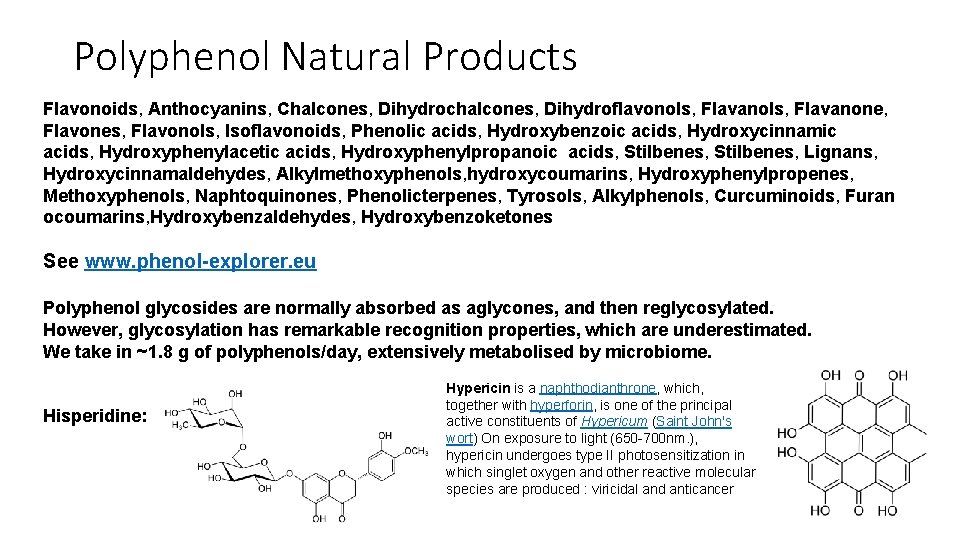
Polyphenol Natural Products Flavonoids, Anthocyanins, Chalcones, Dihydrochalcones, Dihydroflavonols, Flavanone, Flavones, Flavonols, Isoflavonoids, Phenolic acids, Hydroxybenzoic acids, Hydroxycinnamic acids, Hydroxyphenylacetic acids, Hydroxyphenylpropanoic acids, Stilbenes, Lignans, Hydroxycinnamaldehydes, Alkylmethoxyphenols, hydroxycoumarins, Hydroxyphenylpropenes, Methoxyphenols, Naphtoquinones, Phenolicterpenes, Tyrosols, Alkylphenols, Curcuminoids, Furan ocoumarins, Hydroxybenzaldehydes, Hydroxybenzoketones See www. phenol-explorer. eu Polyphenol glycosides are normally absorbed as aglycones, and then reglycosylated. However, glycosylation has remarkable recognition properties, which are underestimated. We take in ~1. 8 g of polyphenols/day, extensively metabolised by microbiome. Hisperidine: Hypericin is a naphthodianthrone, which, together with hyperforin, is one of the principal active constituents of Hypericum (Saint John's wort) On exposure to light (650 -700 nm. ), hypericin undergoes type II photosensitization in which singlet oxygen and other reactive molecular species are produced : viricidal and anticancer
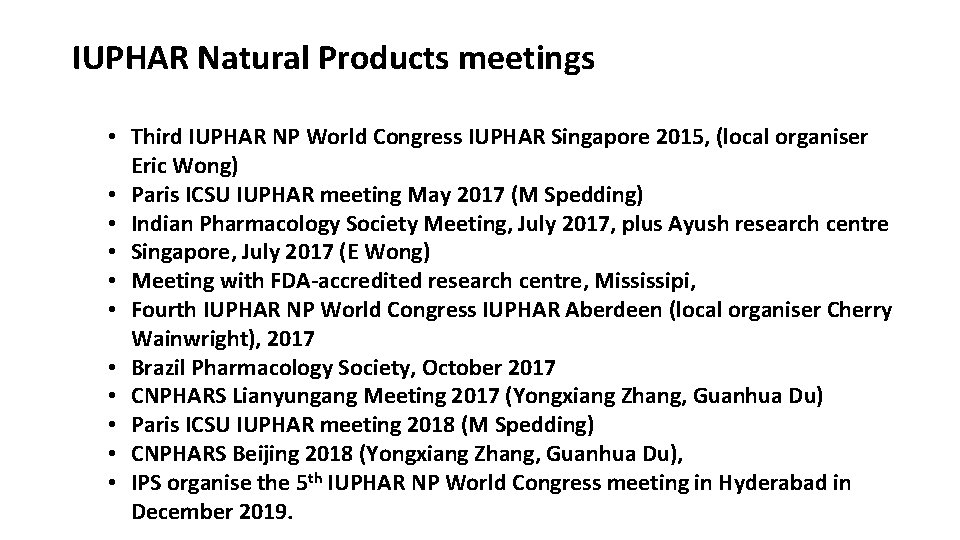
IUPHAR Natural Products meetings • Third IUPHAR NP World Congress IUPHAR Singapore 2015, (local organiser Eric Wong) • Paris ICSU IUPHAR meeting May 2017 (M Spedding) • Indian Pharmacology Society Meeting, July 2017, plus Ayush research centre • Singapore, July 2017 (E Wong) • Meeting with FDA-accredited research centre, Mississipi, • Fourth IUPHAR NP World Congress IUPHAR Aberdeen (local organiser Cherry Wainwright), 2017 • Brazil Pharmacology Society, October 2017 • CNPHARS Lianyungang Meeting 2017 (Yongxiang Zhang, Guanhua Du) • Paris ICSU IUPHAR meeting 2018 (M Spedding) • CNPHARS Beijing 2018 (Yongxiang Zhang, Guanhua Du), • IPS organise the 5 th IUPHAR NP World Congress meeting in Hyderabad in December 2019.
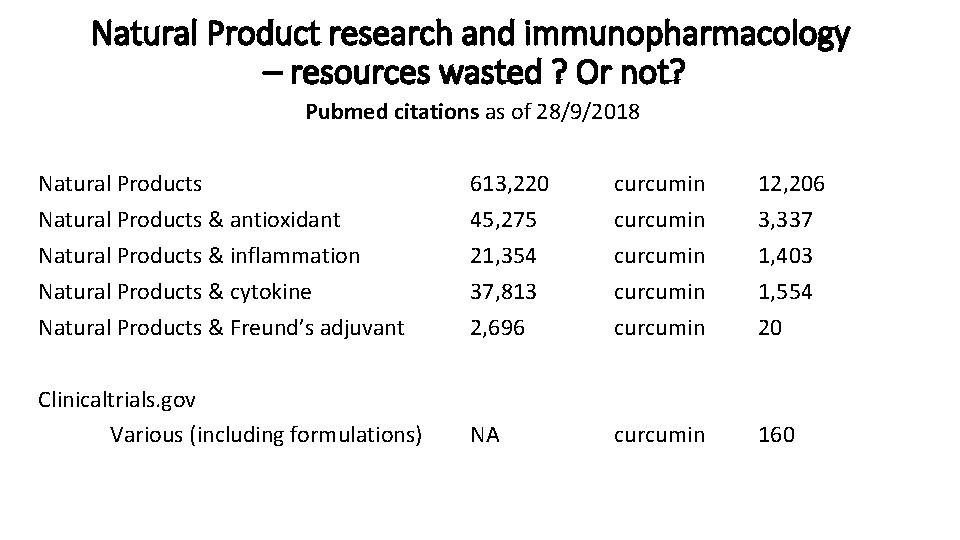
Natural Product research and immunopharmacology – resources wasted ? Or not? Pubmed citations as of 28/9/2018 Natural Products & antioxidant Natural Products & inflammation Natural Products & cytokine Natural Products & Freund’s adjuvant 613, 220 45, 275 21, 354 37, 813 2, 696 curcumin curcumin 12, 206 3, 337 1, 403 1, 554 20 Clinicaltrials. gov Various (including formulations) NA curcumin 160
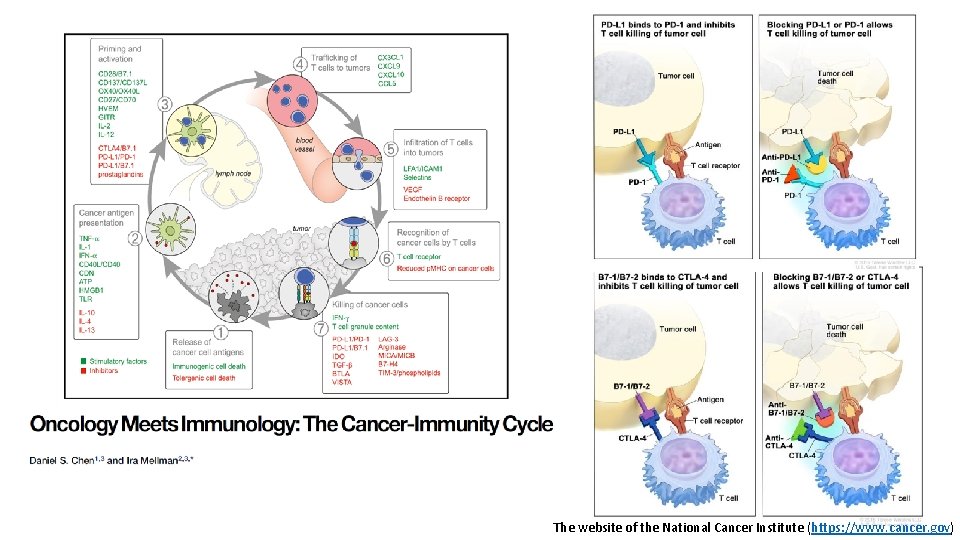
The website of the National Cancer Institute (https: //www. cancer. gov)
Check-point inhibitors The main cancer immunological breakthrough More than 800 combination clinical trails ongoing. Which synergies ? Natural products ? How can you define which may work? Propose protocols for NP research worldwide
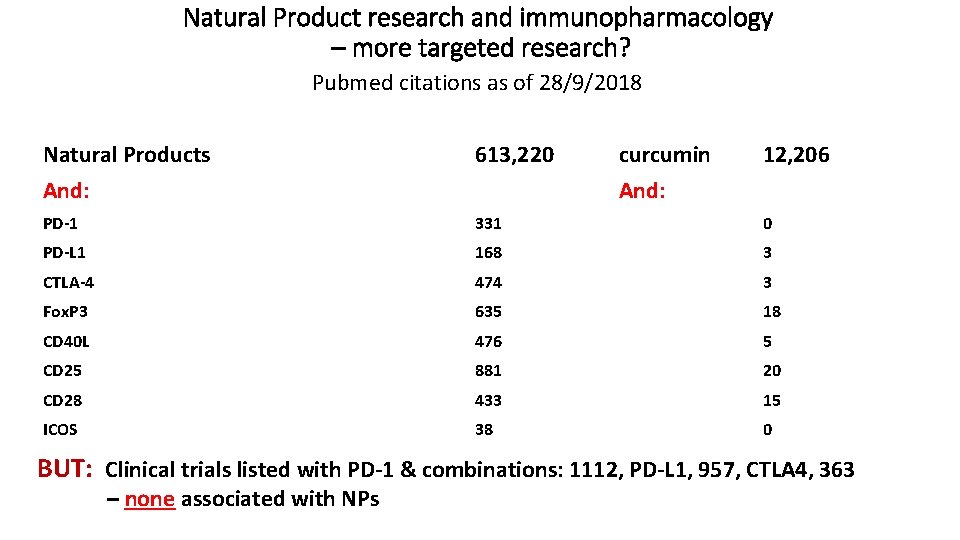
Natural Product research and immunopharmacology – more targeted research? Pubmed citations as of 28/9/2018 Natural Products And: 613, 220 curcumin And: 12, 206 PD-1 331 0 PD-L 1 168 3 CTLA-4 474 3 Fox. P 3 635 18 CD 40 L 476 5 CD 25 881 20 CD 28 433 15 ICOS 38 0 BUT: Clinical trials listed with PD-1 & combinations: 1112, PD-L 1, 957, CTLA 4, 363 – none associated with NPs
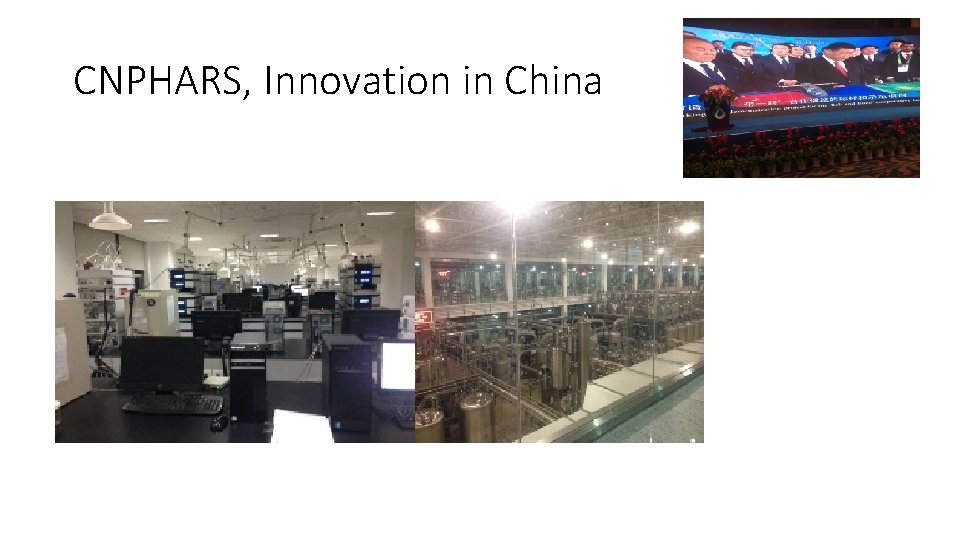
CNPHARS, Innovation in China
The NCI Library of Traditional Chinese Medicinal (TCM) Plant Extracts Traditional Chinese Medicine (TCM) has been practiced over thousands of years in China and other Asian countries for the treatment and symptom management of a wide range of medical conditions. The successful development of anti-malaria drug artemisinin, the discovery of which was inspired by a TCM practice, highlights the potential importance of this unique resource for drug discovery. A prototype TCM library has previously been established through joint efforts of US and Chinese scientists (funded by NCI and other foundations), consisting of more than 200 authenticated medicinal plant and fungal species that collectively represent the potential therapeutic content of commonly used TCM prescriptions. 1 The collection has duplicate or triplicate samples of each plant species that were collected at 2 -3 sites with precise GPS documentation and have been authenticated visually and chemically, as well as tested for heavy metals and/or pesticides contamination. 2 The NCI Library of TCM Plant Extracts is a processed library from a subset of this collection, containing both the organic solvent and aqueous extracts of 332 samples of 132 TCM plant species in 96 - and 384 -well plate formats. It is accessible by drug discovery researchers worldwide (academic and non-profit organizations) to investigate TCM plants as potential sources of agents for the treatment of human disease. References Eisenberg DM, Harris ES, Littlefield BA, Cao S, Craycroft JA, Scholten R, Bayliss P, Fu Y, Wang W, Qiao Y, Zhao Z, Chen H, Liu Y, Kaptchuk T, Hahn WC, Wang X, Roberts T, Shamu CE, Clardy J. Developing a library of authenticated Traditional Chinese Medicinal (TCM) plants for systematic biological evaluation-rationale, methods and preliminary results from a Sino-American collaboration. Fitoterapia. 2011; 82(1): 17 -33 Harris ES, Cao S, Littlefield BA, Craycroft JA, Scholten R, Kaptchuk T, Fu Y, Wang W, Liu Y, Chen H, Zhao Z, Clardy J, Woolf AD, Eisenberg DM. Heavy metal and pesticide content in commonly prescribed individual raw Chinese Herbal Medicines. Sci Total Environ. 2011; 409(20): 4297 -305. doi: 10. 1016/j. scitotenv. 2011. 07. 032.
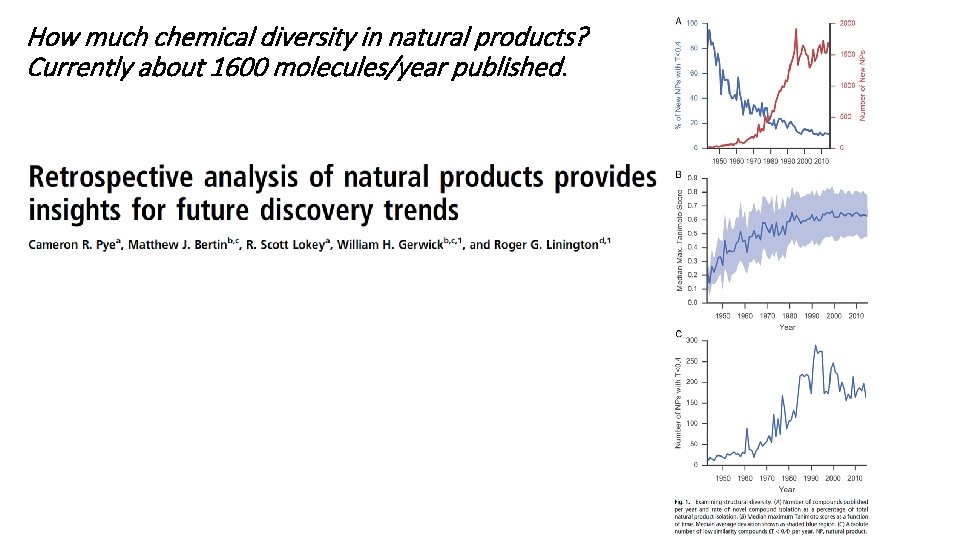
How much chemical diversity in natural products? Currently about 1600 molecules/year published.
Barry R. O’Keefe, Ph. D. Chief, Natural Products Branch, Developmental Therapeutics Program Division of Cancer Treatment and Diagnosis, NCI Bldg. 562, Rm. 201 Frederick, MD 21702 Tel: (301)-846 -5332 Fax: (301)-846 -6872 okeefeba@mail. nih. gov
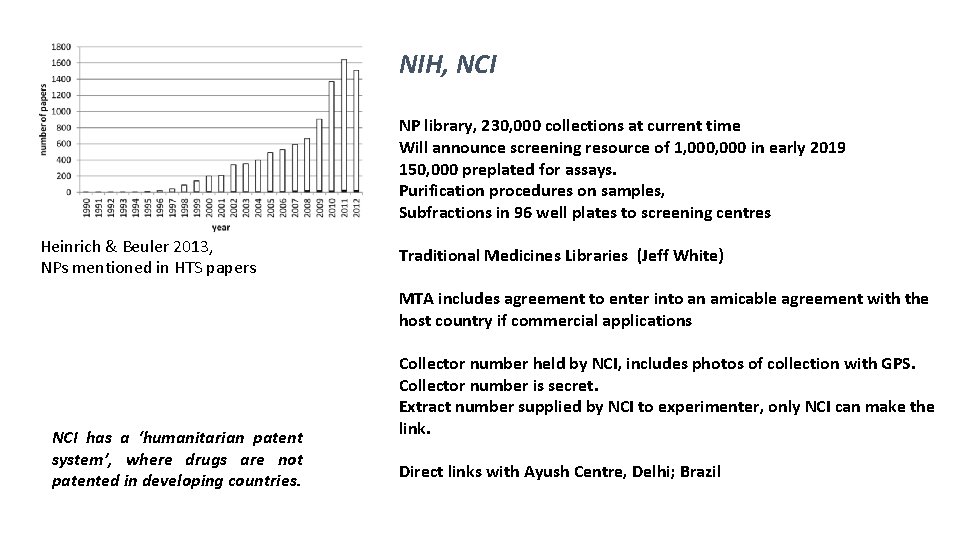
NIH, NCI NP library, 230, 000 collections at current time Will announce screening resource of 1, 000 in early 2019 150, 000 preplated for assays. Purification procedures on samples, Subfractions in 96 well plates to screening centres Heinrich & Beuler 2013, NPs mentioned in HTS papers Traditional Medicines Libraries (Jeff White) MTA includes agreement to enter into an amicable agreement with the host country if commercial applications NCI has a ‘humanitarian patent system’, where drugs are not patented in developing countries. Collector number held by NCI, includes photos of collection with GPS. Collector number is secret. Extract number supplied by NCI to experimenter, only NCI can make the link. Direct links with Ayush Centre, Delhi; Brazil
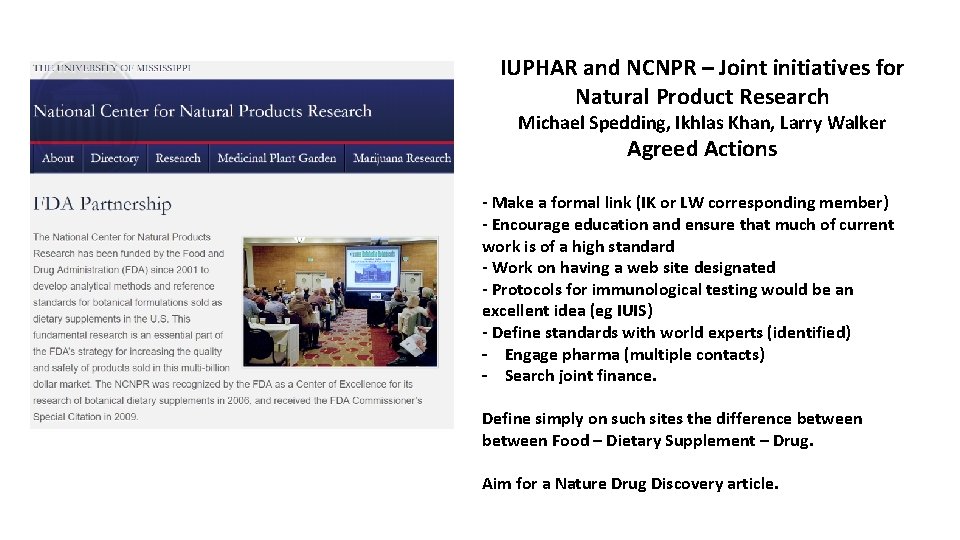
IUPHAR and NCNPR – Joint initiatives for Natural Product Research Michael Spedding, Ikhlas Khan, Larry Walker Agreed Actions - Make a formal link (IK or LW corresponding member) - Encourage education and ensure that much of current work is of a high standard - Work on having a web site designated - Protocols for immunological testing would be an excellent idea (eg IUIS) - Define standards with world experts (identified) - Engage pharma (multiple contacts) - Search joint finance. Define simply on such sites the difference between Food – Dietary Supplement – Drug. Aim for a Nature Drug Discovery article.
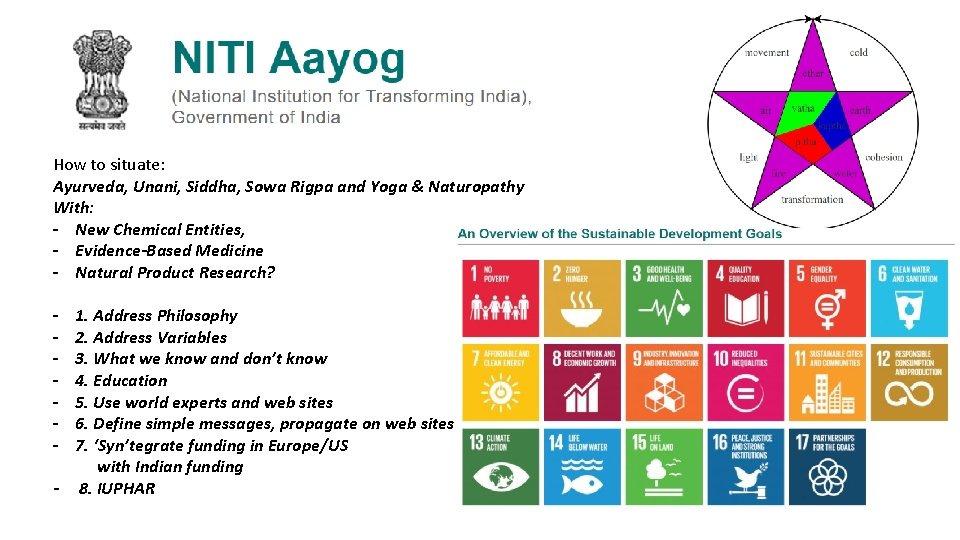
How to situate: Ayurveda, Unani, Siddha, Sowa Rigpa and Yoga & Naturopathy With: - New Chemical Entities, - Evidence-Based Medicine - Natural Product Research? 1. Address Philosophy 2. Address Variables 3. What we know and don’t know 4. Education 5. Use world experts and web sites 6. Define simple messages, propagate on web sites 7. ‘Syn’tegrate funding in Europe/US with Indian funding - 8. IUPHAR -
Quality Control, Definition of activity: Metabolomics
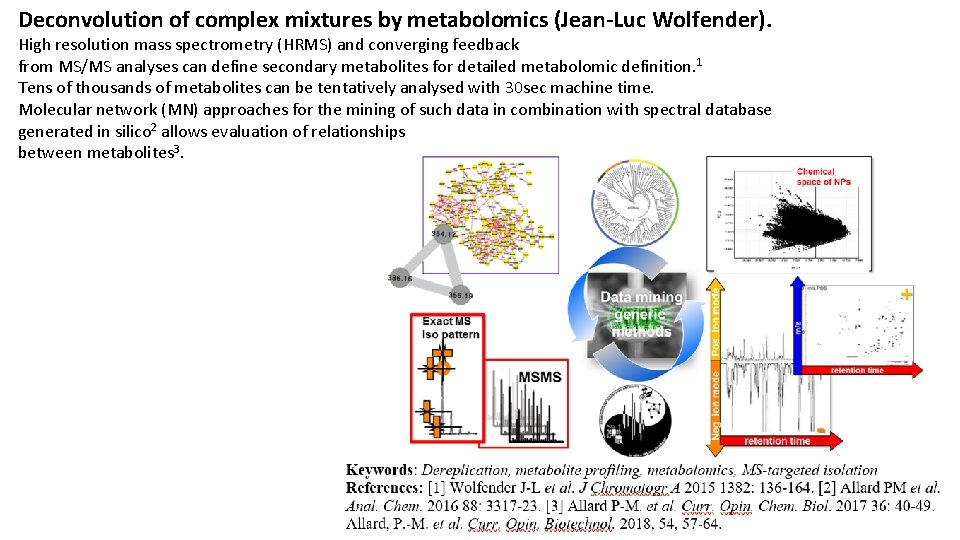
Deconvolution of complex mixtures by metabolomics (Jean-Luc Wolfender). High resolution mass spectrometry (HRMS) and converging feedback from MS/MS analyses can define secondary metabolites for detailed metabolomic definition. 1 Tens of thousands of metabolites can be tentatively analysed with 30 sec machine time. Molecular network (MN) approaches for the mining of such data in combination with spectral database generated in silico 2 allows evaluation of relationships between metabolites 3.
Biosynthesis of Natural Products
Metabolic engineering for Natural Products Jean-Loup Faolon, Paris
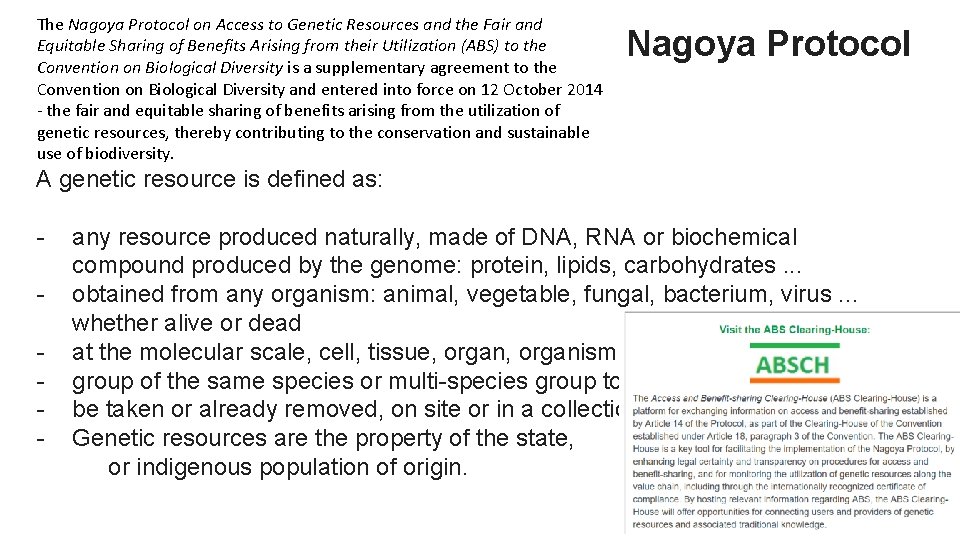
The Nagoya Protocol on Access to Genetic Resources and the Fair and Equitable Sharing of Benefits Arising from their Utilization (ABS) to the Convention on Biological Diversity is a supplementary agreement to the Convention on Biological Diversity and entered into force on 12 October 2014 - the fair and equitable sharing of benefits arising from the utilization of genetic resources, thereby contributing to the conservation and sustainable use of biodiversity. Nagoya Protocol A genetic resource is defined as: - any resource produced naturally, made of DNA, RNA or biochemical compound produced by the genome: protein, lipids, carbohydrates. . . obtained from any organism: animal, vegetable, fungal, bacterium, virus. . . whether alive or dead at the molecular scale, cell, tissue, organism, group of the same species or multi-species group to be taken or already removed, on site or in a collection Genetic resources are the property of the state, or indigenous population of origin.
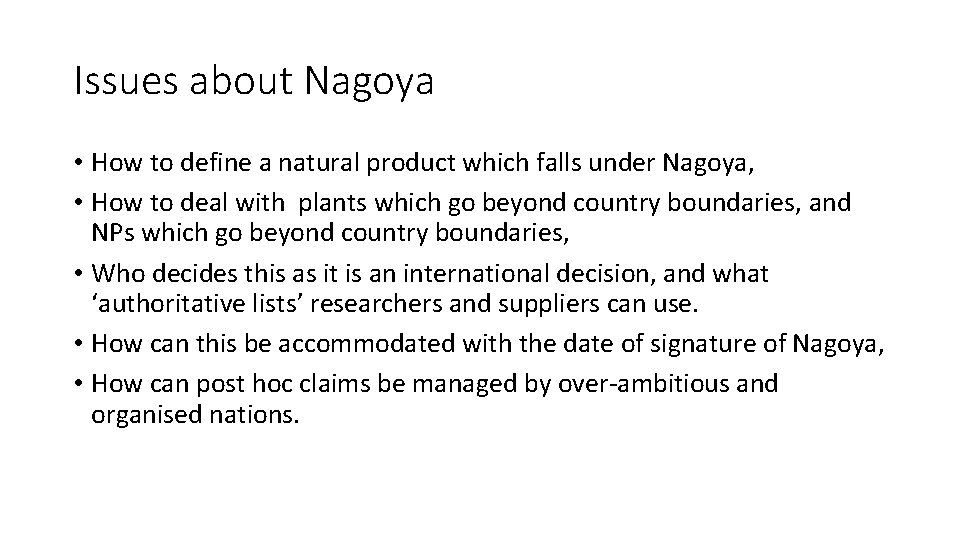
Issues about Nagoya • How to define a natural product which falls under Nagoya, • How to deal with plants which go beyond country boundaries, and NPs which go beyond country boundaries, • Who decides this as it is an international decision, and what ‘authoritative lists’ researchers and suppliers can use. • How can this be accommodated with the date of signature of Nagoya, • How can post hoc claims be managed by over-ambitious and organised nations.
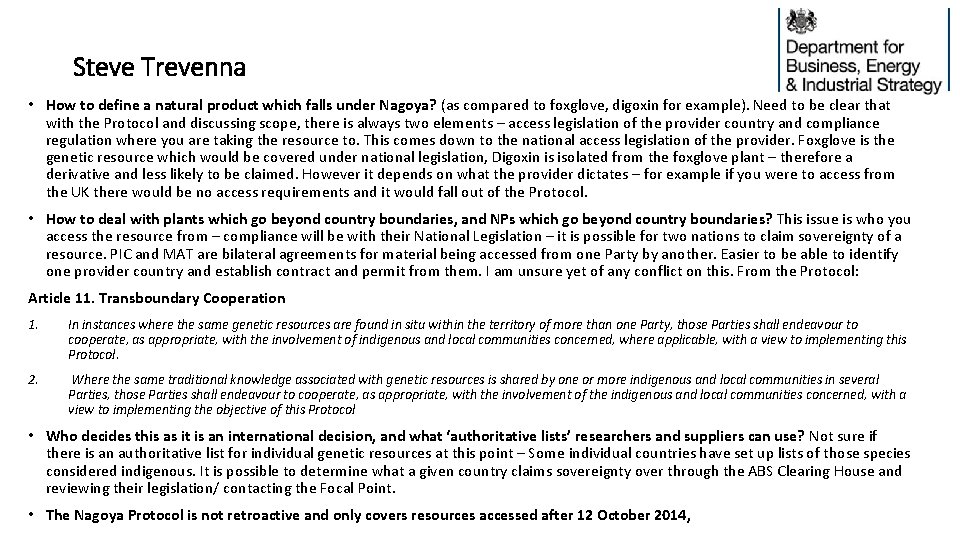
Steve Trevenna • How to define a natural product which falls under Nagoya? (as compared to foxglove, digoxin for example). Need to be clear that with the Protocol and discussing scope, there is always two elements – access legislation of the provider country and compliance regulation where you are taking the resource to. This comes down to the national access legislation of the provider. Foxglove is the genetic resource which would be covered under national legislation, Digoxin is isolated from the foxglove plant – therefore a derivative and less likely to be claimed. However it depends on what the provider dictates – for example if you were to access from the UK there would be no access requirements and it would fall out of the Protocol. • How to deal with plants which go beyond country boundaries, and NPs which go beyond country boundaries? This issue is who you access the resource from – compliance will be with their National Legislation – it is possible for two nations to claim sovereignty of a resource. PIC and MAT are bilateral agreements for material being accessed from one Party by another. Easier to be able to identify one provider country and establish contract and permit from them. I am unsure yet of any conflict on this. From the Protocol: Article 11. Transboundary Cooperation 1. In instances where the same genetic resources are found in situ within the territory of more than one Party, those Parties shall endeavour to cooperate, as appropriate, with the involvement of indigenous and local communities concerned, where applicable, with a view to implementing this Protocol. 2. Where the same traditional knowledge associated with genetic resources is shared by one or more indigenous and local communities in several Parties, those Parties shall endeavour to cooperate, as appropriate, with the involvement of the indigenous and local communities concerned, with a view to implementing the objective of this Protocol • Who decides this as it is an international decision, and what ‘authoritative lists’ researchers and suppliers can use? Not sure if there is an authoritative list for individual genetic resources at this point – Some individual countries have set up lists of those species considered indigenous. It is possible to determine what a given country claims sovereignty over through the ABS Clearing House and reviewing their legislation/ contacting the Focal Point. • The Nagoya Protocol is not retroactive and only covers resources accessed after 12 October 2014,
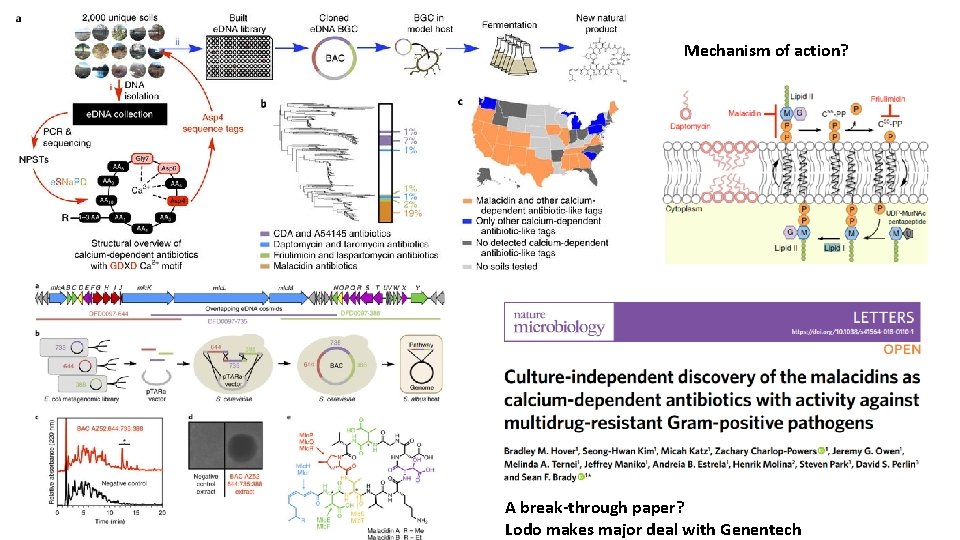
Mechanism of action? A break-through paper? Lodo makes major deal with Genentech
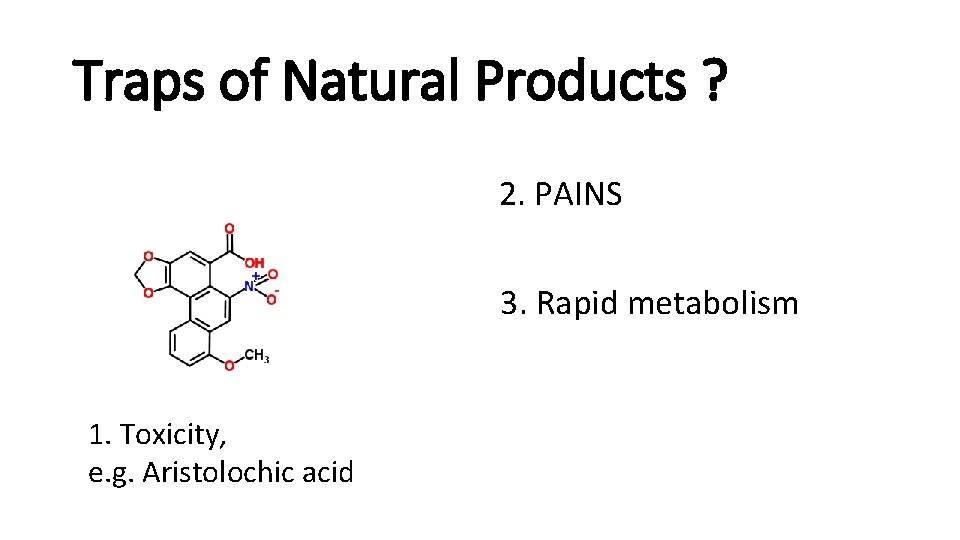
Traps of Natural Products ? 2. PAINS 3. Rapid metabolism 1. Toxicity, e. g. Aristolochic acid
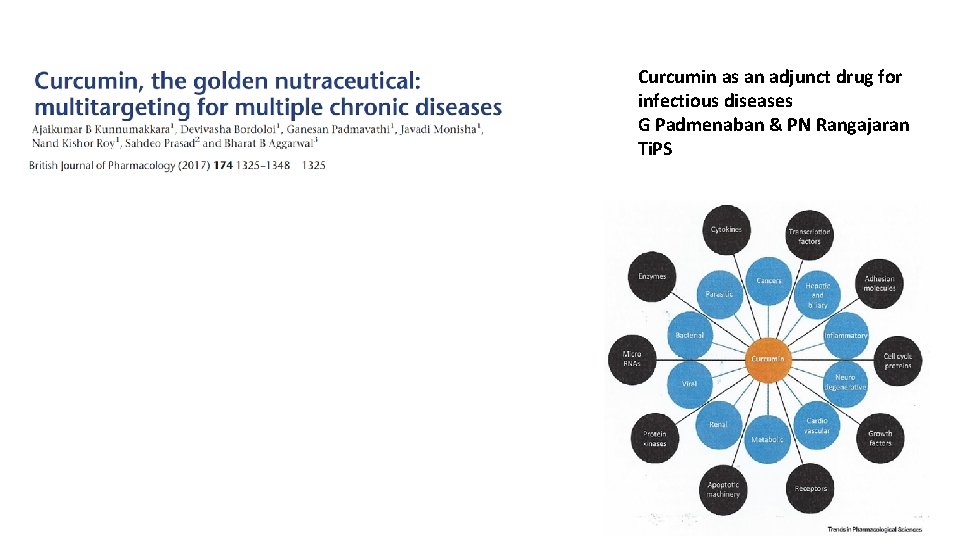
Curcumin as an adjunct drug for infectious diseases G Padmenaban & PN Rangajaran Ti. PS
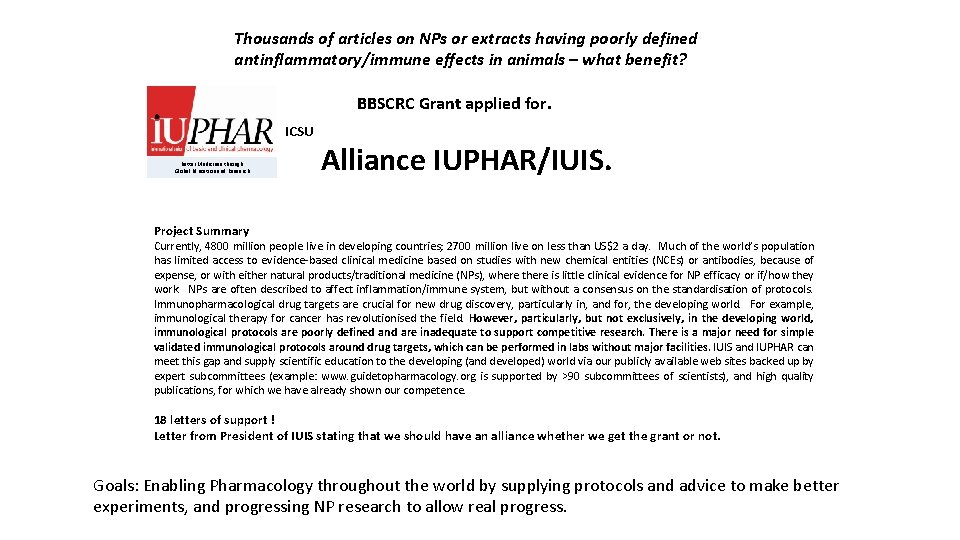
Thousands of articles on NPs or extracts having poorly defined antinflammatory/immune effects in animals – what benefit? BBSCRC Grant applied for. ICSU Better Medicines through Global Education and Research Alliance IUPHAR/IUIS. Project Summary Currently, 4800 million people live in developing countries; 2700 million live on less than US$2 a day. Much of the world’s population has limited access to evidence-based clinical medicine based on studies with new chemical entities (NCEs) or antibodies, because of expense, or with either natural products/traditional medicine (NPs), where there is little clinical evidence for NP efficacy or if/how they work. NPs are often described to affect inflammation/immune system, but without a consensus on the standardisation of protocols. Immunopharmacological drug targets are crucial for new drug discovery, particularly in, and for, the developing world. For example, immunological therapy for cancer has revolutionised the field. However, particularly, but not exclusively, in the developing world, immunological protocols are poorly defined and are inadequate to support competitive research. There is a major need for simple validated immunological protocols around drug targets, which can be performed in labs without major facilities. IUIS and IUPHAR can meet this gap and supply scientific education to the developing (and developed) world via our publicly available web sites backed up by expert subcommittees (example: www. guidetopharmacology. org is supported by >90 subcommittees of scientists), and high quality publications, for which we have already shown our competence. 18 letters of support ! Letter from President of IUIS stating that we should have an alliance whether we get the grant or not. Goals: Enabling Pharmacology throughout the world by supplying protocols and advice to make better experiments, and progressing NP research to allow real progress.
Immunopharmacology The new frontier IUPHAR – IUIS Collaboration The Guide to immunopharmacology
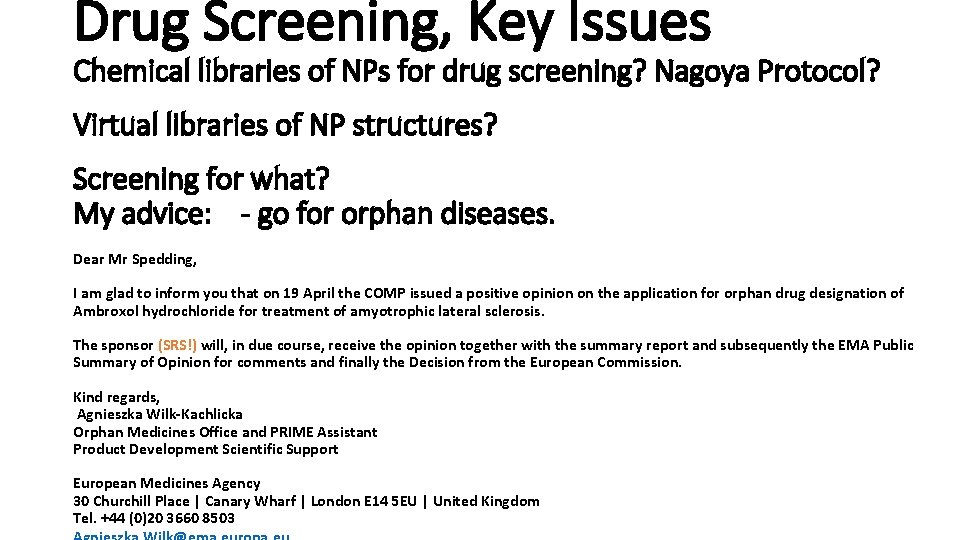
Drug Screening, Key Issues Chemical libraries of NPs for drug screening? Nagoya Protocol? Virtual libraries of NP structures? Screening for what? My advice: - go for orphan diseases. Dear Mr Spedding, I am glad to inform you that on 19 April the COMP issued a positive opinion on the application for orphan drug designation of Ambroxol hydrochloride for treatment of amyotrophic lateral sclerosis. The sponsor (SRS!) will, in due course, receive the opinion together with the summary report and subsequently the EMA Public Summary of Opinion for comments and finally the Decision from the European Commission. Kind regards, Agnieszka Wilk-Kachlicka Orphan Medicines Office and PRIME Assistant Product Development Scientific Support European Medicines Agency 30 Churchill Place | Canary Wharf | London E 14 5 EU | United Kingdom Tel. +44 (0)20 3660 8503
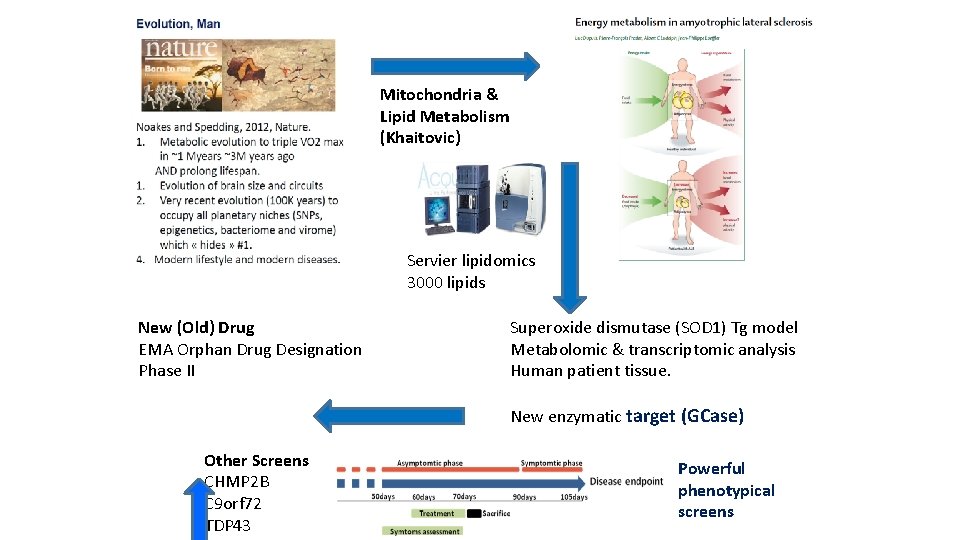
Mitochondria & Lipid Metabolism (Khaitovic) Servier lipidomics 3000 lipids New (Old) Drug EMA Orphan Drug Designation Phase II Superoxide dismutase (SOD 1) Tg model Metabolomic & transcriptomic analysis Human patient tissue. New enzymatic target (GCase) Other Screens CHMP 2 B C 9 orf 72 TDP 43 Powerful phenotypical screens
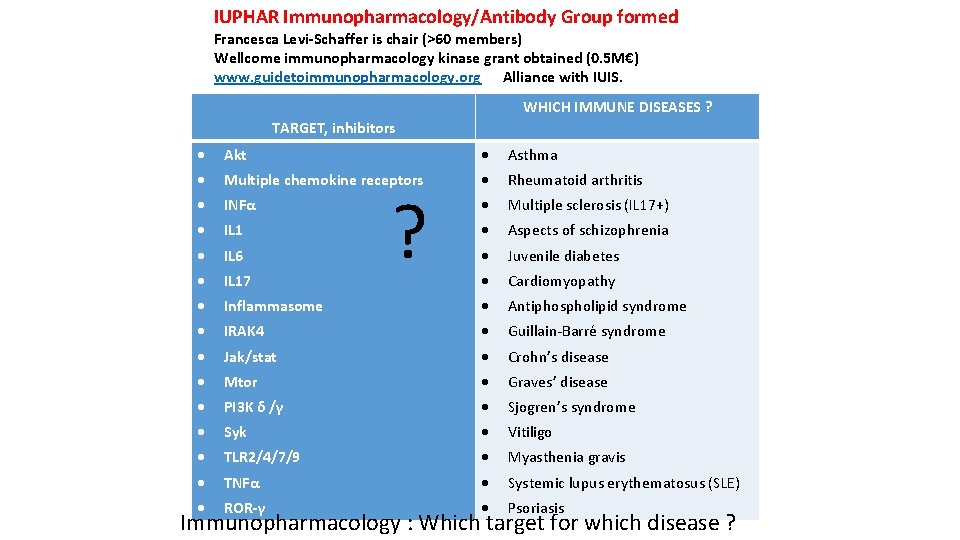
IUPHAR Immunopharmacology/Antibody Group formed Francesca Levi-Schaffer is chair (>60 members) Wellcome immunopharmacology kinase grant obtained (0. 5 M€) www. guidetoimmunopharmacology. org Alliance with IUIS. WHICH IMMUNE DISEASES ? TARGET, inhibitors Akt Asthma Multiple chemokine receptors Rheumatoid arthritis INFα Multiple sclerosis (IL 17+) IL 1 Aspects of schizophrenia IL 6 Juvenile diabetes IL 17 Cardiomyopathy Inflammasome Antiphospholipid syndrome IRAK 4 Guillain-Barré syndrome Jak/stat Crohn’s disease Mtor Graves’ disease PI 3 K δ /γ Sjogren’s syndrome Syk Vitiligo TLR 2/4/7/9 Myasthenia gravis TNFα Systemic lupus erythematosus (SLE) ROR-γ Psoriasis ? Immunopharmacology : Which target for which disease ?
Better Medicines through Global Education and Research
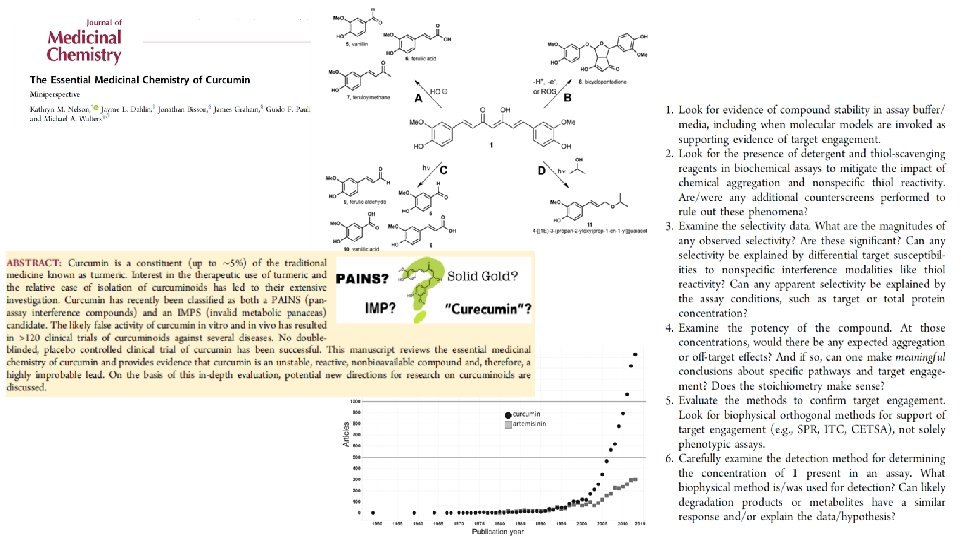
Challenges of Natural Products in drug discovery programs: a future to reinvent ? 1 Plant and microbial biodiversity still represents a huge reservoir of chemically diversified and bioactive molecules, but the pharmaceutical industry and Natural Products seem divorced today : a stop or at least strong reduction in many companies. • Drawbacks of NP for a lot of companies: • The access to biodiversity and associated legal uncertainty adds risk, how to manage? Are WHO guidelines compatible? • Mixtures are problematic : dereplication and isolation steps, up to date technologies (profiling of new compounds) • Hits are easy to discover, leads and candidates more rare : are most NP druggable? (e. g. curcumin, Nelson et al, 2016) Recollection and scaling up are challenging. Is redox critical to many NPs? What are the best ways to prevent issues such as those raised about curcumin developability? • Many new chemical entities have been derived from natural products – have we taken the ‘low hanging fruits’ ? Theoretically, a very huge numbers of underexplored NP and large chemical diversity : let us be sure of it. How to conclude ? • New screening technologies, new targets? • • Phenotypic and uncommon assays ? in vivo (systemic effect)? Metabolomics? Rare samples/products ? Special attention to minor compounds? Virtual screening? Is the road for success comes with the evolution/progress of platforms and translational medicines strategies? • • • “omics” technologies? Repositioning of known compounds? Valorization of complex mixtures as herbal drugs?
Challenges of Natural Products in drug discovery/development programs: a future to reinvent 2 - Development of NPs and NCEs for use as medicines are well defined (and expensive), yet NPs are used everywhere – how can we navigate between the two worlds, Or do we just leave them separate ? - There is an immunopharmacology revolution and reactivating the immune system, or suppressing it, can have immense impact. There thousands of papers about NPs affecting inflammation, but with little mechanistic or clinical follow-up. - IUIS and IUPHAR have agreed to collaborate on delineating immunopharmacology drug targets and prepare common databases of validated targets. Furthermore, simple lists of human biomarkers are validated by IUIS/SITC and these could be rapidly applied to human NP research. So is it worth keeping searching ? Are we prepared to invest again in a new maturity of NP research in Pharma/Biotech/Academic drug discovery? If so we need clear recommendations.
Possibilities ? • Link to GNPS • The same polyphenols are found across multiple species so I do not see how the notion of sovereignity exists where they are world-wide resources. If only one polyphenol is found in only one plant found in one country then this is an argument like TCMs, but worldwide resources should not be held to ransom by single nations. There is a case for a website showing providence, using metabolomics such as GNPS. Surely NPs such as quercetin are so widespread that it cannot be covered by Nagoya? So where is the dividing line, based on scientific evidence? Here IUPHAR could make clear recommendations. • Propositions based on Metabolomics, Biosynthesis and orphan designations. Biosynthesis now offers the possibility of making single
How to Progress Natural Products and clinical development ?
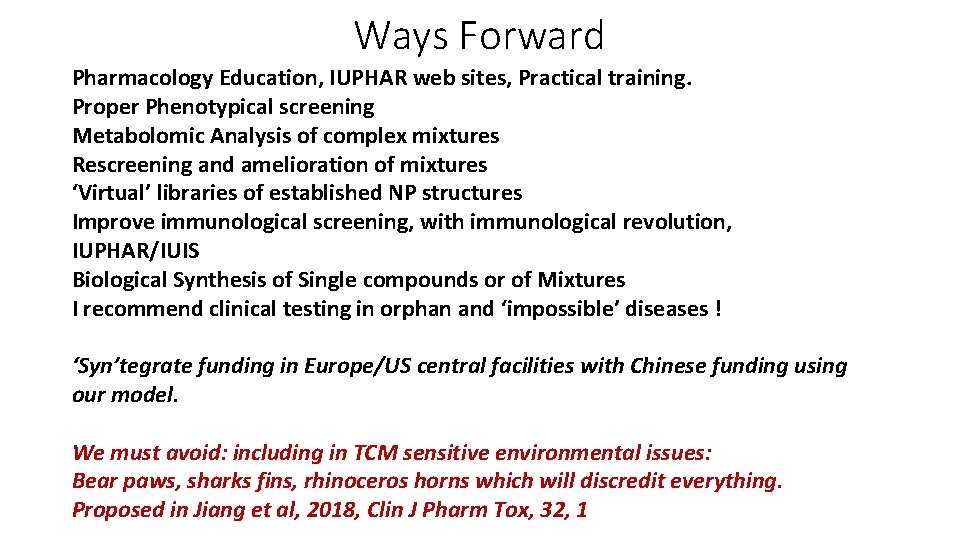
Ways Forward Pharmacology Education, IUPHAR web sites, Practical training. Proper Phenotypical screening Metabolomic Analysis of complex mixtures Rescreening and amelioration of mixtures ‘Virtual’ libraries of established NP structures Improve immunological screening, with immunological revolution, IUPHAR/IUIS Biological Synthesis of Single compounds or of Mixtures I recommend clinical testing in orphan and ‘impossible’ diseases ! ‘Syn’tegrate funding in Europe/US central facilities with Chinese funding using our model. We must avoid: including in TCM sensitive environmental issues: Bear paws, sharks fins, rhinoceros horns which will discredit everything. Proposed in Jiang et al, 2018, Clin J Pharm Tox, 32, 1
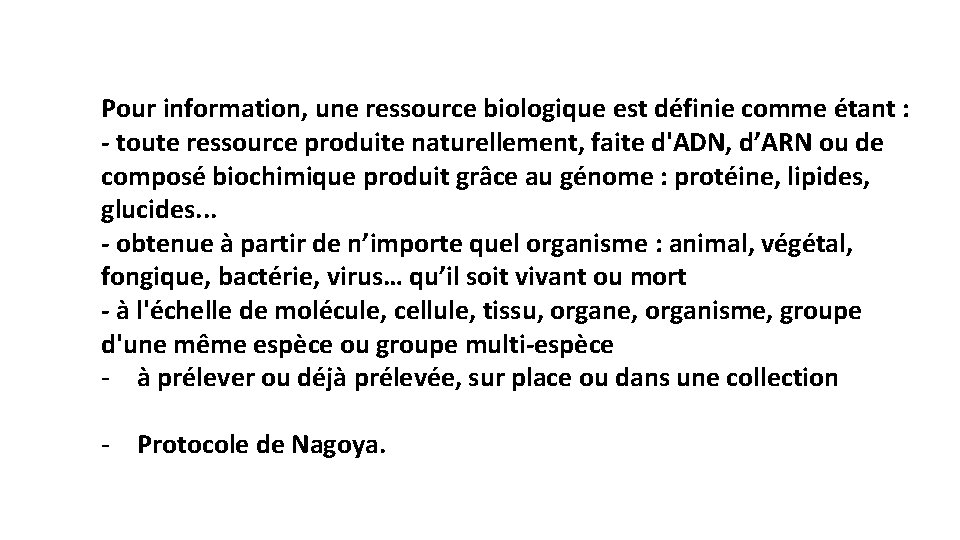
Pour information, une ressource biologique est définie comme étant : - toute ressource produite naturellement, faite d'ADN, d’ARN ou de composé biochimique produit grâce au génome : protéine, lipides, glucides. . . - obtenue à partir de n’importe quel organisme : animal, végétal, fongique, bactérie, virus… qu’il soit vivant ou mort - à l'échelle de molécule, cellule, tissu, organe, organisme, groupe d'une même espèce ou groupe multi-espèce - à prélever ou déjà prélevée, sur place ou dans une collection - Protocole de Nagoya.
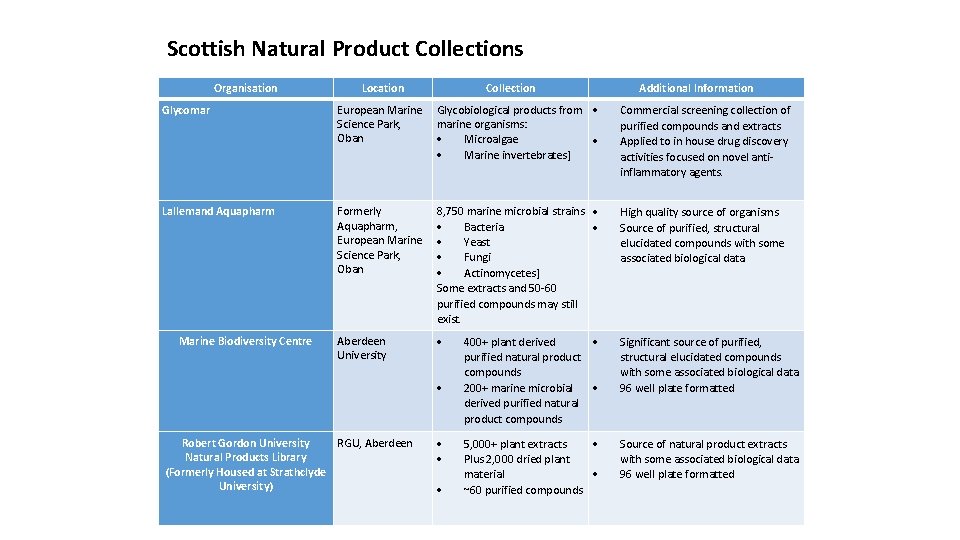
Scottish Natural Product Collections Organisation Glycomar Location Collection Additional Information European Marine Glycobiological products from Science Park, marine organisms: Oban Microalgae Marine invertebrates] Lallemand Aquapharm Marine Biodiversity Centre Formerly Aquapharm, European Marine Science Park, Oban 8, 750 marine microbial strains Bacteria Yeast Fungi Actinomycetes] Some extracts and 50 -60 purified compounds may still exist. High quality source of organisms Source of purified, structural elucidated compounds with some associated biological data Aberdeen University 400+ plant derived purified natural product compounds 200+ marine microbial derived purified natural product compounds Significant source of purified, structural elucidated compounds with some associated biological data 96 well plate formatted 5, 000+ plant extracts Plus 2, 000 dried plant material ~60 purified compounds Source of natural product extracts with some associated biological data 96 well plate formatted Commercial screening collection of purified compounds and extracts Applied to in house drug discovery activities focused on novel antiinflammatory agents. Robert Gordon University RGU, Aberdeen Natural Products Library (Formerly Housed at Strathclyde University)
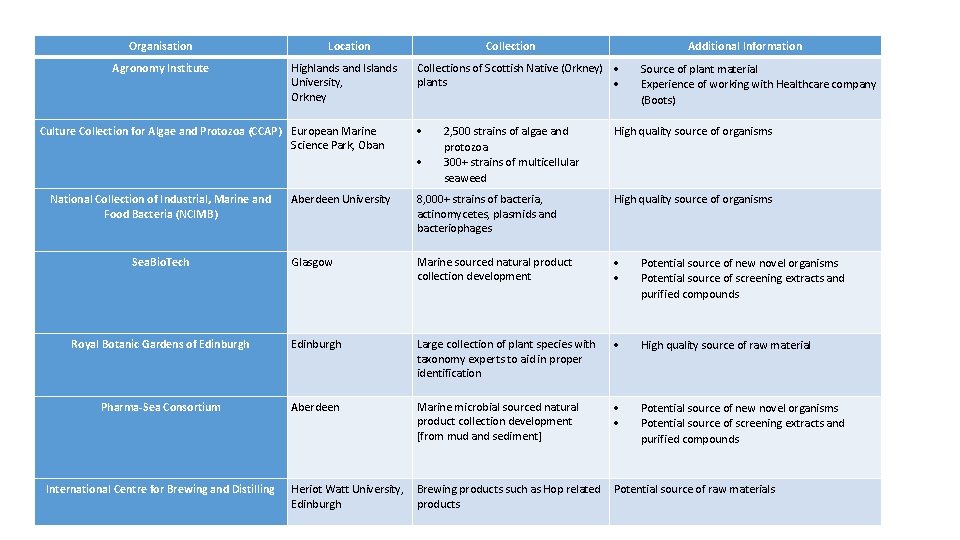
Organisation Agronomy Institute Location Highlands and Islands University, Orkney Culture Collection for Algae and Protozoa (CCAP) European Marine Science Park, Oban National Collection of Industrial, Marine and Food Bacteria (NCIMB) Sea. Bio. Tech Collection Additional Information Collections of Scottish Native (Orkney) plants 2, 500 strains of algae and protozoa 300+ strains of multicellular seaweed High quality source of organisms Aberdeen University 8, 000+ strains of bacteria, actinomycetes, plasmids and bacteriophages High quality source of organisms Glasgow Marine sourced natural product collection development Potential source of new novel organisms Potential source of screening extracts and purified compounds Royal Botanic Gardens of Edinburgh Large collection of plant species with taxonomy experts to aid in proper identification High quality source of raw material Pharma-Sea Consortium Aberdeen Marine microbial sourced natural product collection development [from mud and sediment] Potential source of new novel organisms Potential source of screening extracts and purified compounds Source of plant material Experience of working with Healthcare company (Boots) International Centre for Brewing and Distilling Heriot Watt University, Brewing products such as Hop related Potential source of raw materials Edinburgh products
- Slides: 48