
Immunonutrition Veronica Ueckermann 20130225 Baseline Nutrition Metabolic Resuscitation
Immunonutrition Veronica Ueckermann 2013/02/25

Baseline Nutrition – “Metabolic Resuscitation” �Addressing nutritional needs in the critically ill early and adequately improves outcome �Mortality �Reduction ICU days and Ventilator days �Improved wound healing �Reduction in infection rates �Malnutrition impairs immune function �Adequate protein and energy provision essential
What is immunonutrition? �Immunonutrition involves the administration of nutrients via enteral or parenteral routes in supranormal amounts, to achieve a pharmacological effect on one or more components of the patient’s response to surgery, trauma or infection. �Role players: �Antioxidants, vitamins, trace elements �Macronutrients: arginine, glutamine �Fish oils
Rationale for immunonutrition �SIRS response: �Innate + adaptive immunity �Pro-inflammatory mediators �Overwhelming or prolonged = mitochondrial damage oxidant/antioxidant imbalance multi-organ dysfunction
Rationale for immunonutrition CARS �Transient down-regulation adaptive immunity �Prevent downstream damage organs �Leukocyte apoptosis and deactivation �Limit inflammatory response and organ damage but may increase susceptibility to infection.
NFκB �Oxidant molecules up-regulate cytokines, inflammatory mediators, adhesion molecules and enzymes through the activation of nuclear transcription factors such as NF kappa B and activator protein-1. �NFκB activation is a redox sensitive step, which means that oxidant molecules promote inflammation and antioxidants have opposite effect. �Increased NFκB activation in sepsis is associated with mortality rates target for immunomodulation by antioxidants and omega 3 fatty acids.
Efficacy of immunonutrition � Montejo et al reviewed 26 studies on immunonutrition in critically ill: � ↓ incidence abdominal sepsis OR 0. 26 � ↓ incidence nosocomial pneumonia OR 0. 54 and bacteremia OR 0. 45 � ↓ time on mechanical ventilation, ICU stay, hospital stay No reduction in mortality rates as a whole BUT severity of illness influences efficacy of immunonutrition. Severely or mildly ill patients least likely to benefit. Clin nutr. 2009; 22: 221 -223
Antioxidants and Trace elements
Antioxidant vitamins and trace elements �Antioxidant defense system includes enzymes (superoxide dismutase, glutathione peroxidase), trace elements (Se, Zn), vitamins (vit C, E, beta-carotene) and sulfhydral group donors (glutathione) �Critical illness is associated with deficits in antioxidants due to �Redistribution from blood to tissues �Increased losses �Decreased nutritional intake
Antioxidant vitamins and trace elements �Antioxidants catalyze breakdown of ROS �Low antioxidant levels are linked with immune dysfunction, higher infection rates and increased morbidity and mortality during critical illness.
Antioxidant vitamins and trace elements �Heyland et al: meta-analysis of clinical studies of trace elements and vitamin supplementation in critically ill mixed results in literature �Concluded trace elements and anti-oxidant vitamins, particularly high-dose parenteral selenium are safe and may be associated with a reduction in mortality. �However, optimal combination and doses of micronutrients remain to be determined.
Selenium �Manzanares et al – high dose selenium administration (2000 mcg bolus then 1600 mcg/day) in critically ill patients decreased SOFA scores and VAP rates �Valenta et al – 150 patients with SIRS or sepsis and evidence of organ dysfunction. 1000 mcg on day one, 500 mcg for 14 days. No significant difference placebo. �German multicenter trial Angstwurm et al found reduced mortality in patients with severe sepsis and septic shock in patients who received 1000 mcg selenium daily for 14 days.
Zinc �Important role in immune function, glucose control, wound healing, superoxide dismutase and glutathione activity, and thiol pool stabilization. �Cander et al – serum zinc levels inversely proportional to SOFA scores and organ failure. �Besecker et al – as zinc levels decreased, cytokine levels (IL 6 and IL-8 especially) increased �No studies have demonstrated significant difference in mortality or length of stay
Vitamin C �In critically ill patients, normal plasma vit C levels can be restored with 3 g/day IV vitamin C. �Benefit demonstrated in burns patients �Tanaka et al – significantly lower resuscitation requirements, weight gain and wound edema in patients with thermal injury, who received ascorbic acid �Trend towards decrease in respiratory failure in those treated with vit C
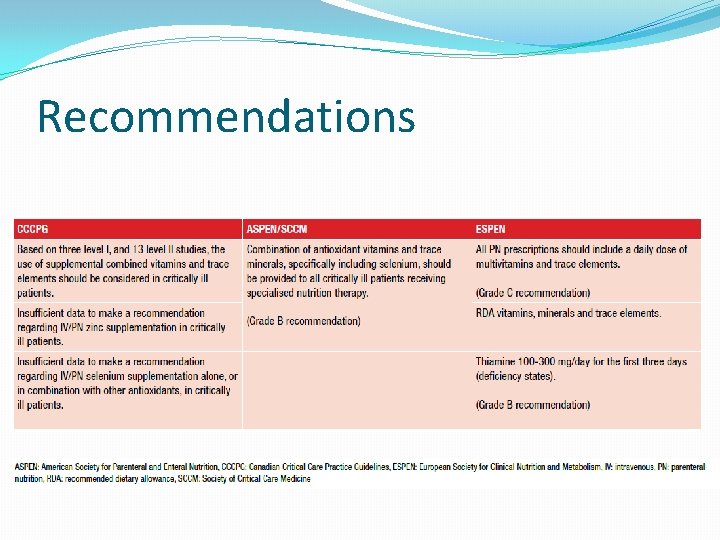
Recommendations
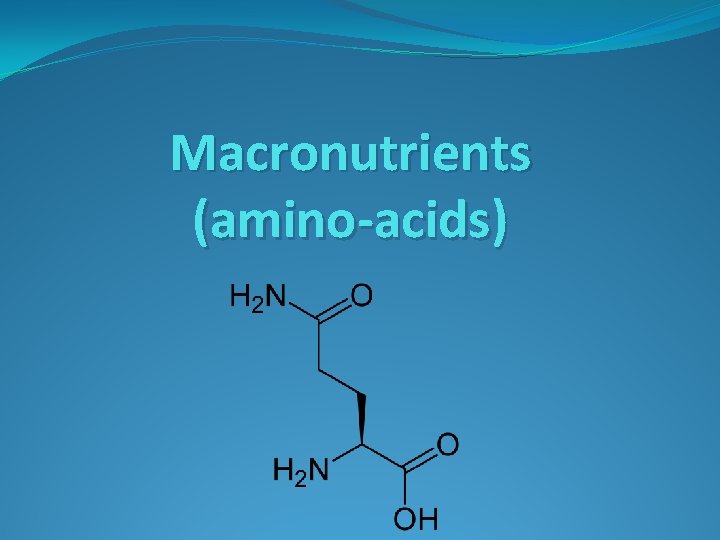
Macronutrients (amino-acids)
Glutamine �Glutamine is most abundant free amino acid in the body. �Muscle stores of glutamine rapidly depleted in catabolic stress states. �Glutamine is important for: �Rapidly dividing immune cells (energy substrate for lymphocytes and neutrophils) �Nucleotide synthesis stimulated �Gut barrier function (fuel for enterocytes) �Inducing production heat shock proteins �Synthesis of endogenous anti-oxidant glutathione (suboptimal in HIV, hep C, DM II, MI, cirrhosis)
Glutamine �Supplementation protects against effects of oxidising stress �Patients in ICU have low p-glutathione levels at time of admission related to illness severity and mortality rates �Novak et al meta-analysis glutamine supplementation in serious illness: �Elective surgery patients – reduced infectious complications, decreased length hospital stay �Critically ill patients – reduced complications and mortality rates in high doses parenteral glutamine(>0. 2 g/kg/day) �Grimble et al: �Glutamine supplementation reduced infection and inflammation, decreased length of stay in surgical patients, no effect mortality
Glutamine �Fuentes et al: �Glutamine supplementation reduced mortality in patients with peritonitis �Enteral glutamine decreased mucositis in patients receiving chemotherapy �Wernerman et al: �Multicenter, RCT �IV glutamine dipeptide reduced mortality
Glutamine administration �To overcome low stability of glutamine in aqueous environment, it is coupled with another amino acid (glucine or alanine) to form a dipeptide. �Dosages �Oral glutamine at 0. 3 mg/kg/d showed beneficial effects on intestinal integrity. �glutamine enriched formula (30. 5 g/100 g protein) resulted in decreased infection in critically ill patients. �Parenteral 0. 4 g/kg/day decreased leukocyte and NK cell count (suppressing inflammation)
Arginine �Arginine is essential in CERTAIN TYPES of critical illness. �Beneficial effects: �Secretagogue for release of anabolic hormones (GH, IGF) �Supporting immune (especially T-cell) function �Detoxification of ammonia �Improving wound healing via metabolism of polyamines to proline �BUT excessive production linked to mortality in septic shock (3 studies)
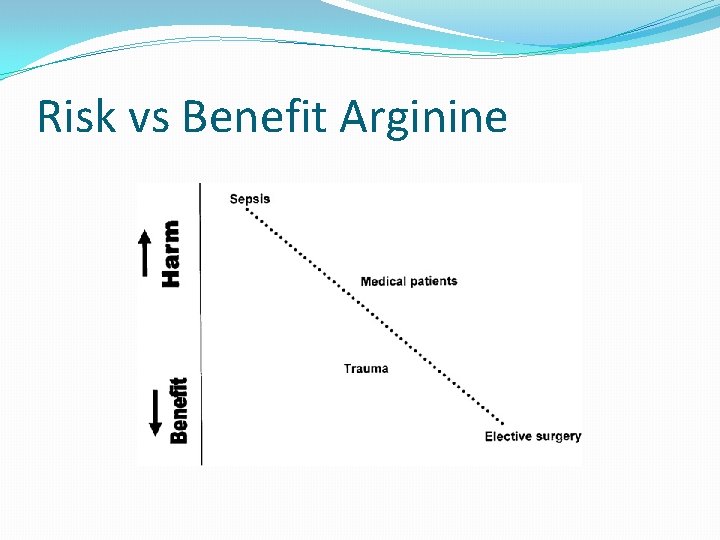
Risk vs Benefit Arginine
Arginine plus fish oil � 2008 meta-analysis immunonutrition in critically ill patients showed that the addition of arginine to fish oil appeared to counteract the benefits of fish oil on outcome of ICU and trauma patients with sepsis/SIRS. �Mechanism unknown, but following postulated: �Cytokines induce type 2 isoform NO synthase. �Once induced, NO production is dependent largely on availability of arginine. �Therefore, supplemental arginine in severe sepsis promotes large quantities NO, subsequently metabolised to peroxynitrite damages mitochondria, increases gut barrier permeability, promotes organ dysfunction.
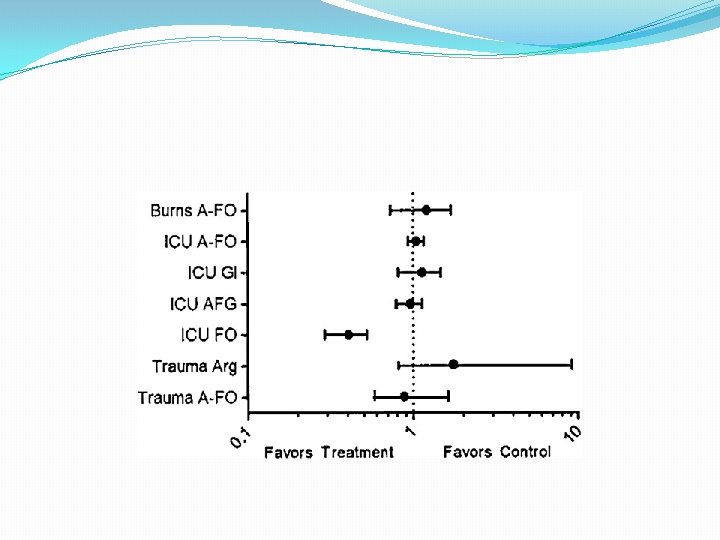
Arginine. . . Post-operative and trauma are typically arginine deficient states, and these patients consistently benefit from arginine supplementation. However, critically ill medical patients exhibit little if any benefit and a strong possibility of increased mortality exists when arginine is supplemented during severe sepsis and MODS.
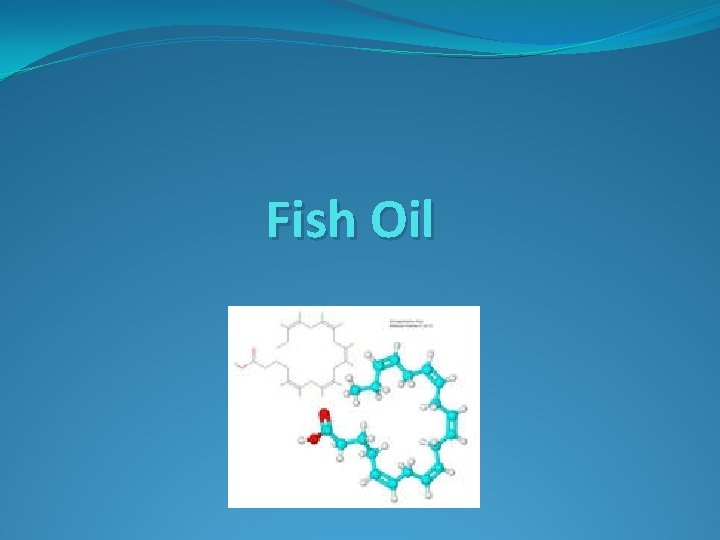
Fish Oil
Fish oils �Cold water fish are rich in eicosapentaenoic acid (EPA) and docosahexonoic acids (DHA) �Humans have limited capacity to synthesis DHA and EPA during basal conditions from alpha-linolenic acid (ALA), through desaturase enzymes. �During acute illness these desaturases are markedly downregulated so that EPA and DHA synthesis from ALA is negligible. �Thus supplementation of omega 3 fatty acids in critically ill patients requires administration of fish-oil -based lipids.
Fish Oils – omega 3 fatty acids �Mechanism anti-inflammatory action of omega 3 fatty acids: � Displaces AA from phospholipid core of the inflammatory cell (macrophage, neutrophil) membrane, reducing synthesis of proinflammatory eicosanoids � Reduction in synthesis of pro-inflammatory eicosanoids by competing with AA for metabolism by the enzymes COX and lipoxygenase � Reducing leukocyte and platelet adhesive interaction with endothelium � Inhibition inflammatory gene expression � Reduction of oxidative injury by stimulating glutathione production � Enhancing synthesis of anti-inflammatory resolvins � Lung-protective effect mediated by reducing release of gut-derived inflammatory mediators into mesenteric lymphatics and thoracic duct.
Gama linolenic acid �GLA is an omega-6 polyunsaturated fatty acid �Synergistic effect with EPA and DHA in reducing lung inflammation. �GLA is metabolized to one-series prostaglandins that promote pulmonary vasodilatation counteracts excessive vasoconstriction that occurs in ARDS
Evidence for fish oil �ARDS or ALI effects demonstrated in 3 major RCT �↓ duration ventilation �↓ ICU and hospital stay �↓ new organ failure � 2 studies also showed mortality reduction �Meta-analysis of 3 trials (n=441) NNT to save an additional life at 28 days 5
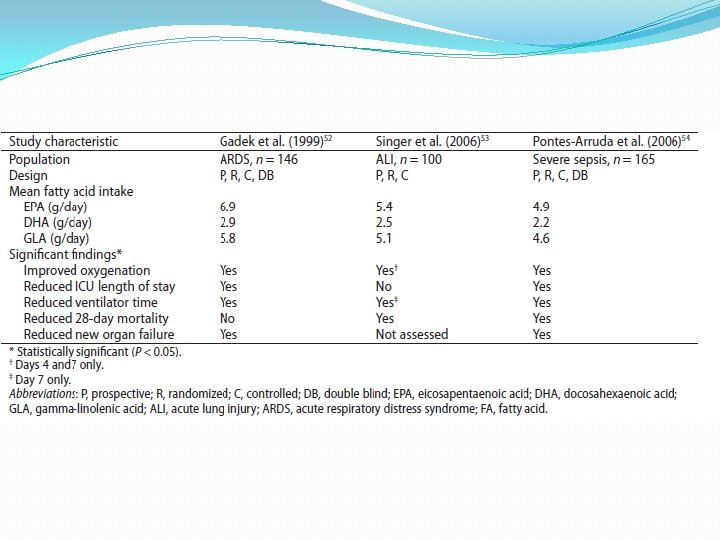
Enteral omega 3 in ARDS �Reduced �Mortality �Rate of new organ failure �Length of ICU stay �Length of ventilation �Faster improvement Pa. O 2/Fi. O 2 �Early administration of fish-oil based formula to ventilated patients exceptionally safe �BAL reduced inflammatory markers �Benefit lost if combined with arginine in medical ICU
Sepsis and omega 3 lipids �In animal models, fish oil has shown beneficial effects �May increase bacterial killing �Improves survival �Maintains blood flow to intestine
Surgical patients omega 3 �Enteral and partenteral omega 3 �Prevention infections �Reduced length of hospital stay �Pre-op use in cardiac surgery patients - reduction AF post-op, reduction length of hospital stay �Good safety profile
When to use what? ? ? Guidelines: Canadian Clinical Practice Guidelines (CCPG) European Society of Parenteral and Enteral Nutrition (ESPEN) Society of Critical Care Medicine and American society of Enteral and Parenteral nutrition (SCCM/ASPEN)
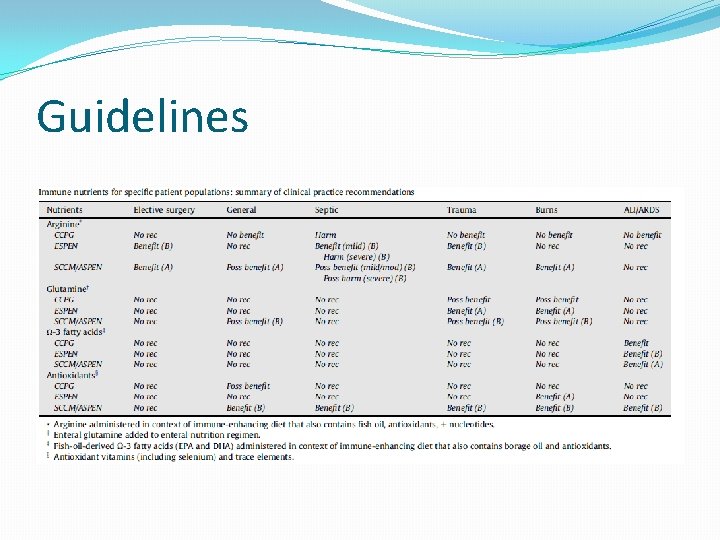
Guidelines
Enteral or Parenteral? �Many investigators and opinion-leaders feel that the route of nutrient administration makes a difference in critically ill patients. �Delivery directly to intestinal lumen makes biological sense �Usually the opinion is that enteral nutrition is superior to parenteral nutrition. This is probably true for infectious complications in patients randomized to enteral or parenteral nutrition, but no studies or meta-analyses demonstrate a mortality difference. In fact the metaanalysis that demonstrates a difference, does so in favor of parenteral nutrition. �Enterocyte function enhanced by enteral glutamine.
Timing of immunonutrition �Data available in surgery patients �Pre-operative immunonutirition had most beneficial effects �Greatest benefit in malnourished patients �Reduction post-op mortality �Reduction in non-infective post-op complications and wound infections �Reduced hospital stay �Evidence favours early use in sepsis and MOD
Heterogeneous population group �Great inter-individual variation in response to immunonutrition. �Many genes have single base changes in their promoter regions (single nucleotide polymorphisms) which influence amount of gene product formed when activated. �SNP in genes for cytokines and inflammatory molecules. �The clinical outcome of virtually all of the diseases and conditions to which immunonutrition is applies is influenced by SNP.
One size does not fit all �Variation in degrees of acute phase response, protein loss, gut function and immune system alterations. � 15 -70% of hospitalised patients are undernourished or malnourished on admission, further complicating the provision of optimal nutrition therapy. �A “one nutrition therapy regimen will fit all” approach is simplistic and unable to provide optimal therapeutic support.
Answers in the pipeline �REducing Deaths due to OXidative Stress (The REDOXS Study): Rationale and study design for a randomized trial of glutamine and antioxidant supplementation in critically-ill patients. �ICU patients with severe organ dysfunction randomized to one of 4 treatments: �Glutamine (dipeptiven 0. 35 g/kg/d) �Antioxidant therapy (Se, Zn, vit C, vit E, beta-carotene) �Glutamine and antioxidant therapy �Placebo
REDOXS Study �Primary outcome 28 d mortality �Secondary outcomes �ICU stay duration �Infection �Multiple organ dysfunction �Duration mechanical ventilation �Length hospital stay �Quality of life at 3 and 6 months

What about South Africa?
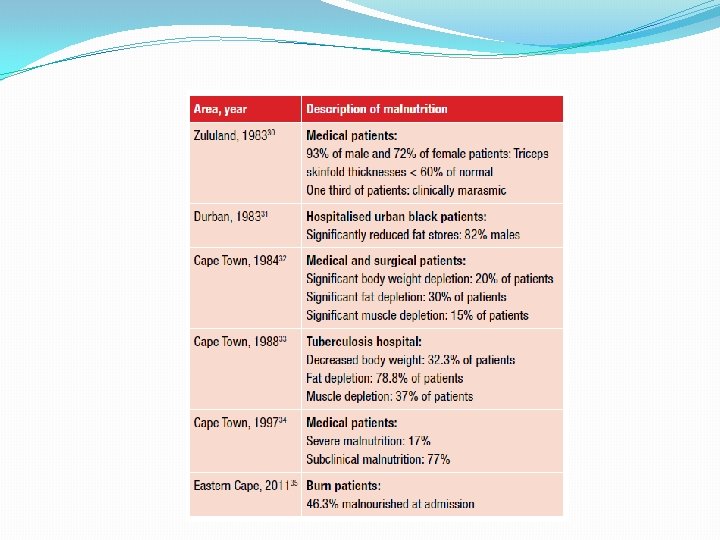
South Africa �High incidnence of malnutrition, HIV and tuberculosis. �Malnutrition itself is associated with higher care costs due to increased complication rates. �In our resource-limited setting it is imperative to first provide basic nutrition support to avoid impaired immune response, delayed wound healing and increased infections associated with insufficient protein and energy provision.
SA �In South African setting, the final verdict regarding implementation of immunonutrition is influenced by cost. �Costs, however, may be offset by savings due to decreased ICU stay and antibiotic use �US: Arginine-containing formula in surgery patients. Extra cost $45 000, savings due to decrease infections $1 442 000. �Italy: Glutamine supplementation in critically ill reduced mortality and hospital stay. Treatment cost offset by savings on ICU and antibiotic costs.
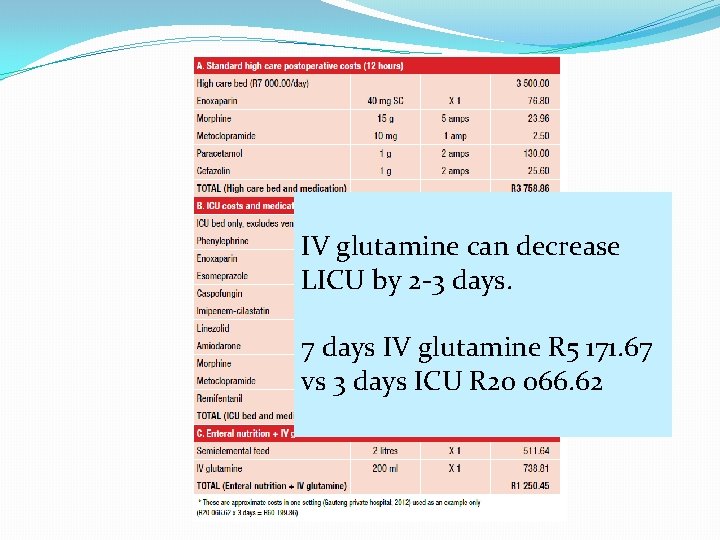
IV glutamine can decrease LICU by 2 -3 days. 7 days IV glutamine R 5 171. 67 vs 3 days ICU R 20 066. 62
References �Barry et al. Immunonutrition and critical illness: An update. Nutrition 46(2010): 701 -707 �Grimble. Immunonutrition. Current Opinion in Gastroenterology 2005, 21: 216 -222. �Singer et al. Enteral omega-3 in acute respiratory distress syndrome. Curr Opinion in Clinical nutrition and metabolic care 2009; 12: 123 -128 �Prins et al. Immunonutrition: a South African perspective. S Afr J Clin Nutr 2012; 25(3)
References �Reddell et al. Antioxidants and micronutrient supplementation in trauma patients. Curr Opin Clin Nutr Metab Care 2013, 15: 181 -187 �Weijs et al. Optimising energy and protein balance in the ICU. Curr Opin Clin Nutr Metab Care 2013, 16. �Metchteld et al. Specific amino acids in the critically ill patient – exogenous glutamine/arginine: A common denomenator? Crit Care Med 2007, 35: 568576. �Martin et al. Omega 3 fatty acids in critical illness. Nutrition reviews 68(9): 531 -541
References �Mayer et al. Fish oil in critical illness. Curr opin Clin Nutr Metab Care 11: 121 -127. �Hyeyoung. Glutamine as an immunonutrient. Yonsei Med J 2011; 52(6)892 -897 �Heyland et al. Zinc Supplementation in Critically ill patients: A key pharmaconutrient? Jnl Parenteral and Enteral Nutr. 2008 32: 509. �Heyland et al. REDOXS Study: A Rationale and study design for a randomized trial of glutamine and antioxidant supplementation in critically-ill patients. Proceedings of the Nutrition Society (2006), 65: 250 -263

- Slides: 52