
Immunology Pharmacy Students Lymphopoiesis T and B cells
Immunology/ Pharmacy Students Lymphopoiesis, T and B cells maturation Lecture 3 Dr. Mohammad Odibate Department of Microbiology and immunology Faculty of Medicine, Mu’tah University
Objectives You should be able to: Identify the sites of B and T lymphocytes production and maturation Describe the structure B and T lymphocytes antigen receptors Understand the process of T cell receptor rearrangement Describe the sequence of B and T lymphocytes maturation Types and functions of different lymphocytes
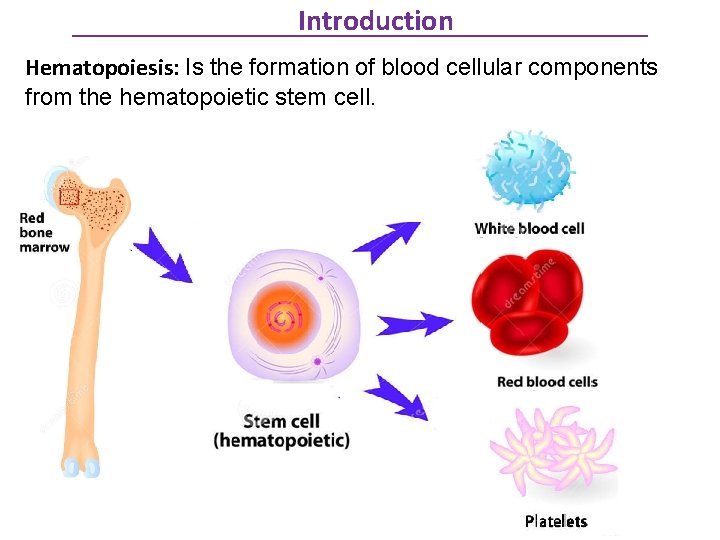
Introduction Hematopoiesis: Is the formation of blood cellular components from the hematopoietic stem cell.
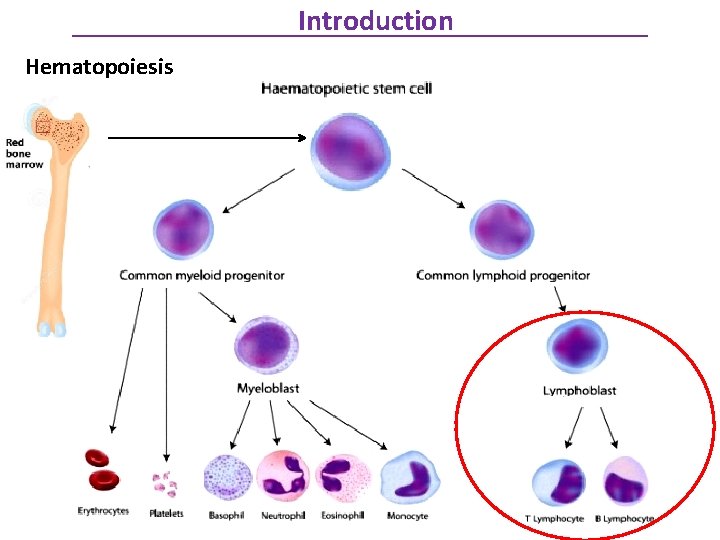
Introduction Hematopoiesis
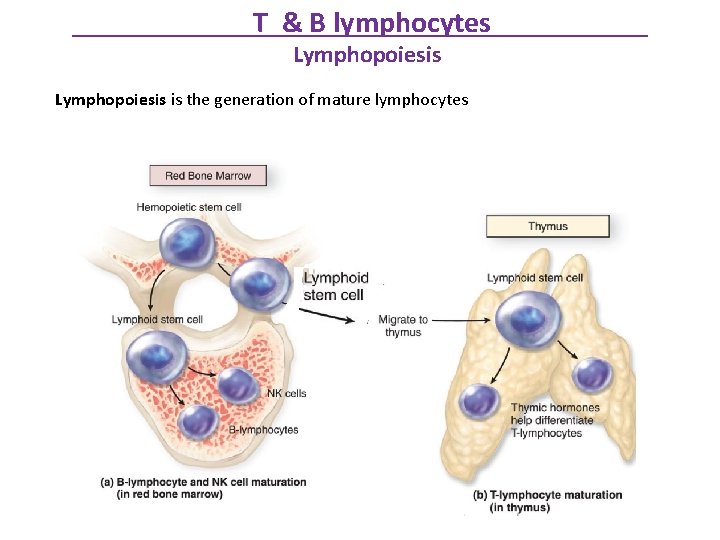
T & B lymphocytes Lymphopoiesis is the generation of mature lymphocytes
What are the different types of lymphocytes? What are the types of receptors on these lymphocytes? What is the structure of TCRs & BCRs? Why do we have millions of different versions of TCRs? Why do we have millions of different versions of BCRs? Why do we have millions of different versions of MHC molecules? What are requirements for T lymphocytes activation? What are requirements for B lymphocytes activation? What are the steps of T & B maturation in bone and thymus?
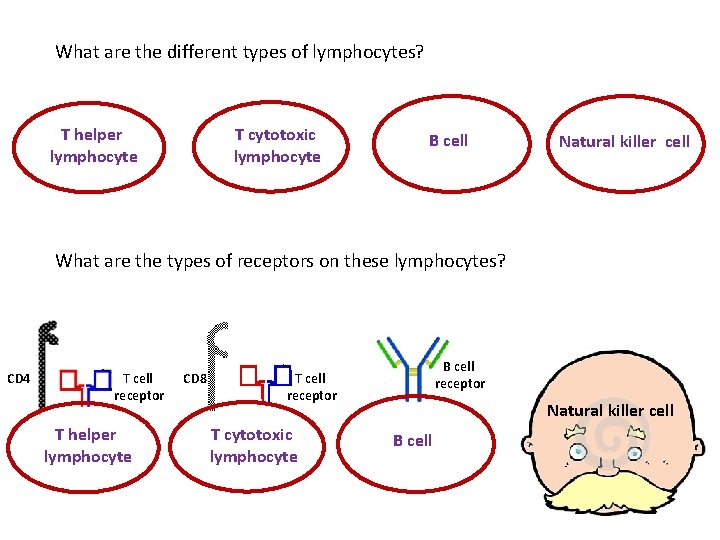
What are the different types of lymphocytes? T helper lymphocyte T cytotoxic lymphocyte B cell Natural killer cell What are the types of receptors on these lymphocytes? CD 4 T cell receptor T helper lymphocyte CD 8 B cell receptor T cytotoxic lymphocyte Natural killer cell B cell
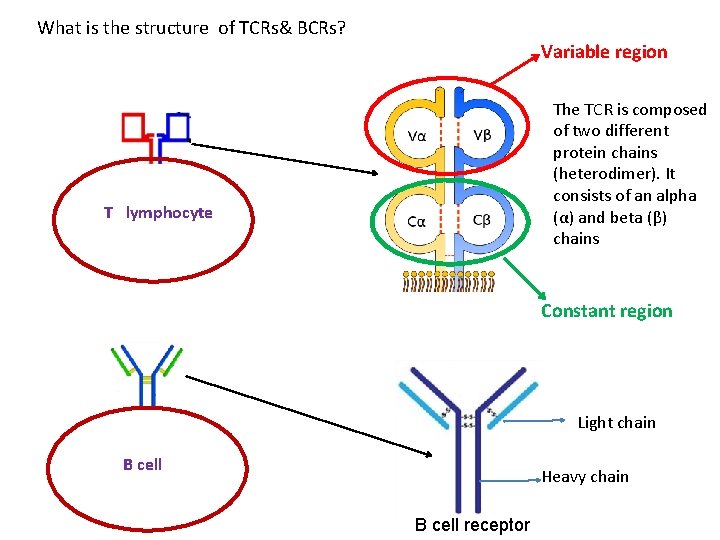
What is the structure of TCRs& BCRs? Variable region The TCR is composed of two different protein chains (heterodimer). It consists of an alpha (α) and beta (β) chains T lymphocyte Constant region Light chain B cell Heavy chain B cell receptor
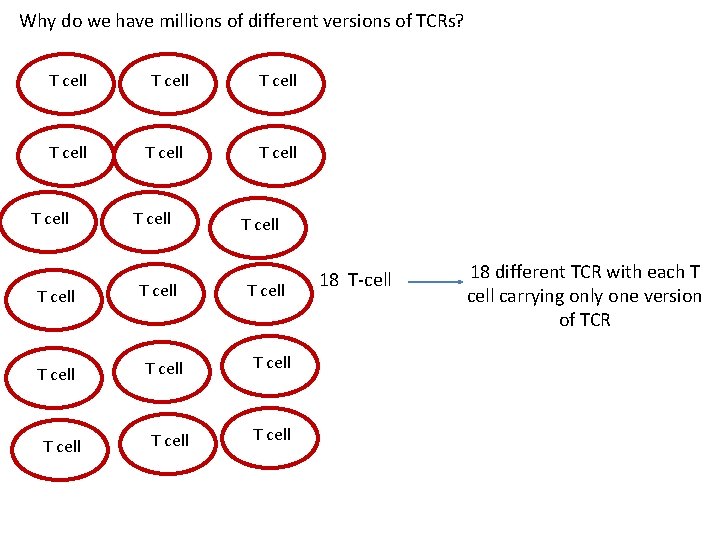
Why do we have millions of different versions of TCRs? T cell T cell T cell T cell T cell 18 T-cell 18 different TCR with each T cell carrying only one version of TCR
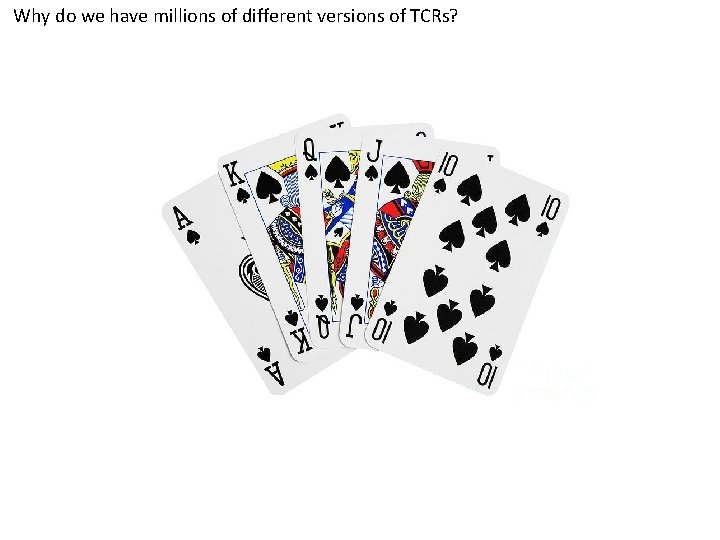
Why do we have millions of different versions of TCRs?
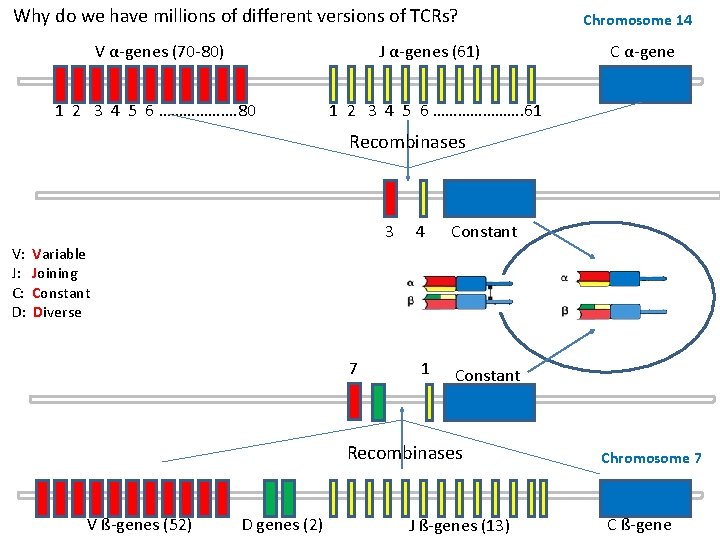
Why do we have millions of different versions of TCRs? V α-genes (70 -80) J α-genes (61) 1 2 3 4 5 6 ………………. 80 Chromosome 14 C α-gene 1 2 3 4 5 6 …………………. 61 Recombinases 3 V: J: C: D: 4 Constant 1 Constant Variable Joining Constant Diverse 7 Recombinases V ß-genes (52) D genes (2) J ß-genes (13) Chromosome 7 C ß-gene
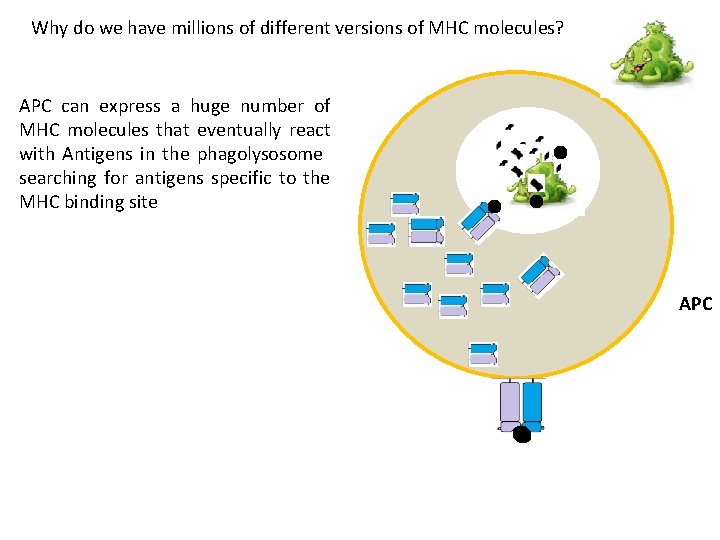
Why do we have millions of different versions of MHC molecules? APC can express a huge number of MHC molecules that eventually react with Antigens in the phagolysosome searching for antigens specific to the MHC binding site APC
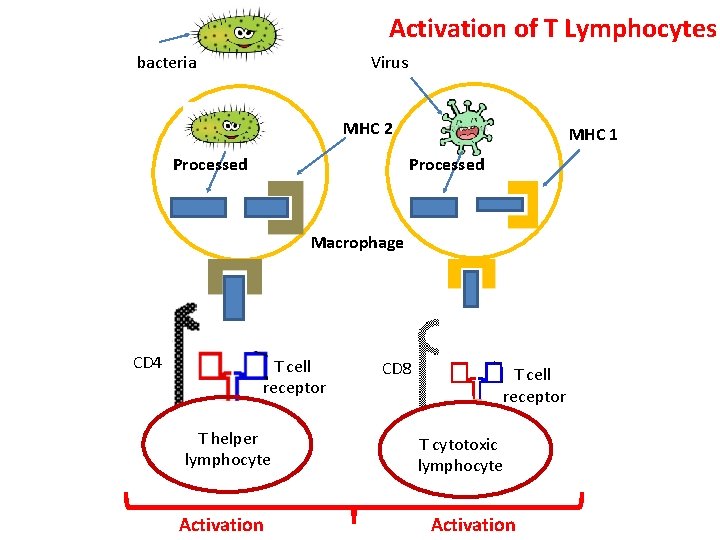
Activation of T Lymphocytes bacteria Virus MHC 2 Processed MHC 1 Processed Macrophage CD 4 T cell receptor T helper lymphocyte Activation CD 8 T cell receptor T cytotoxic lymphocyte Activation
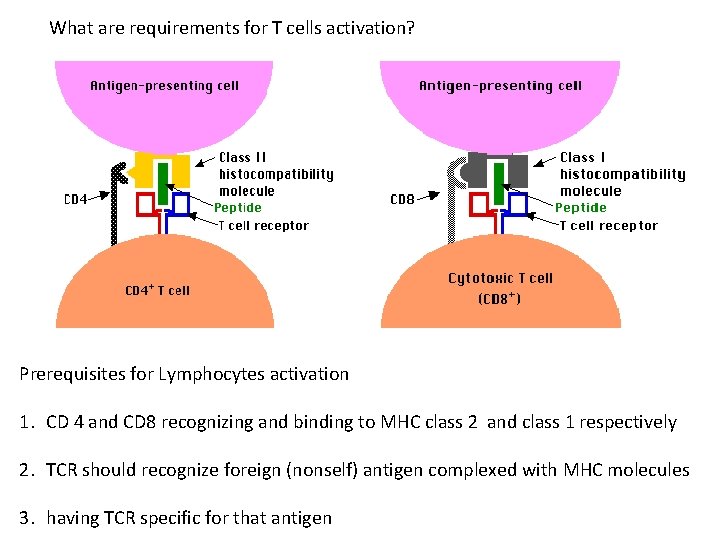
What are requirements for T cells activation? Prerequisites for Lymphocytes activation 1. CD 4 and CD 8 recognizing and binding to MHC class 2 and class 1 respectively 2. TCR should recognize foreign (nonself) antigen complexed with MHC molecules 3. having TCR specific for that antigen

Requirements of T lymphocytes activation (nonself) Activation
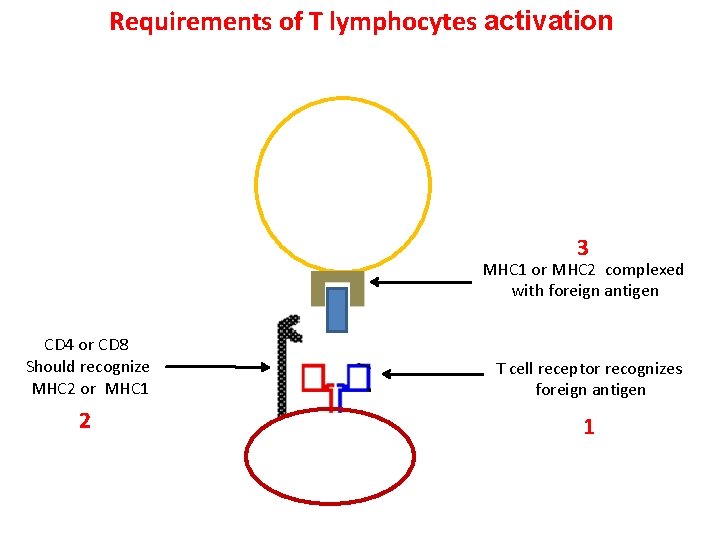
Requirements of T lymphocytes activation 3 MHC 1 or MHC 2 complexed with foreign antigen CD 4 or CD 8 Should recognize MHC 2 or MHC 1 T cell receptor recognizes foreign antigen 2 1
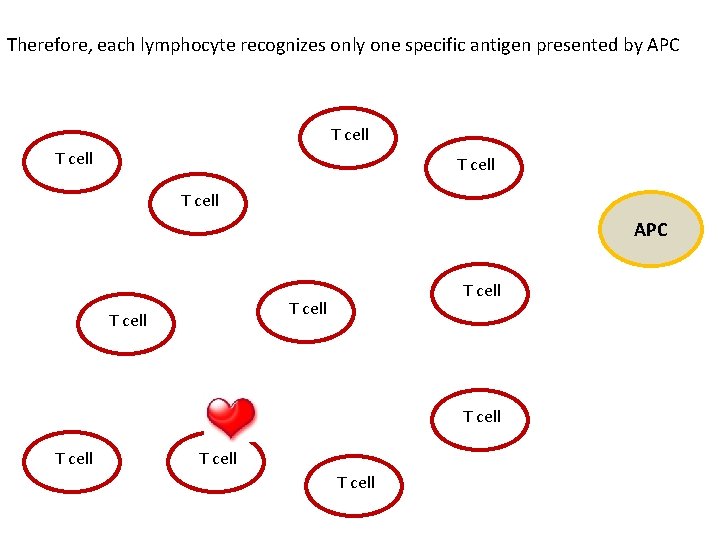
Therefore, each lymphocyte recognizes only one specific antigen presented by APC T cell T cell T cell
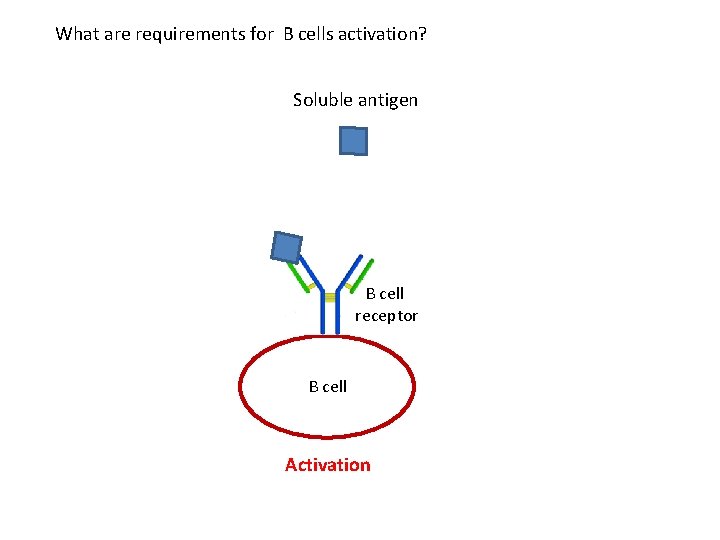
What are requirements for B cells activation? Soluble antigen B cell receptor B cell Activation
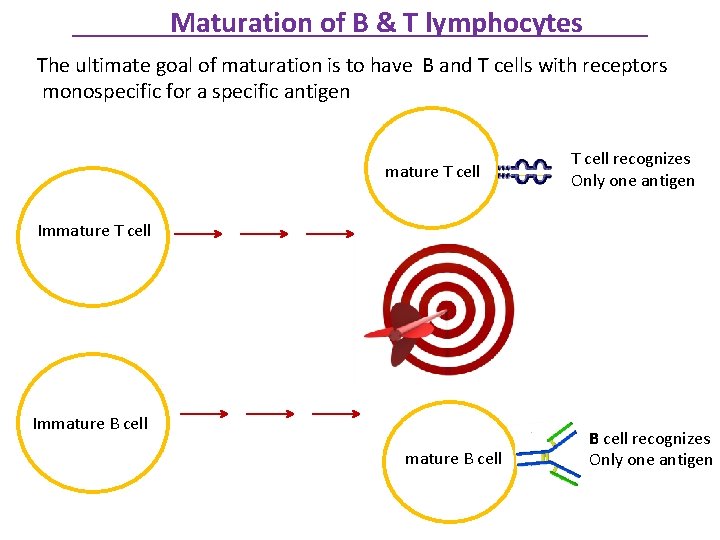
Maturation of B & T lymphocytes The ultimate goal of maturation is to have B and T cells with receptors monospecific for a specific antigen mature T cell recognizes Only one antigen Immature T cell Immature B cell recognizes Only one antigen
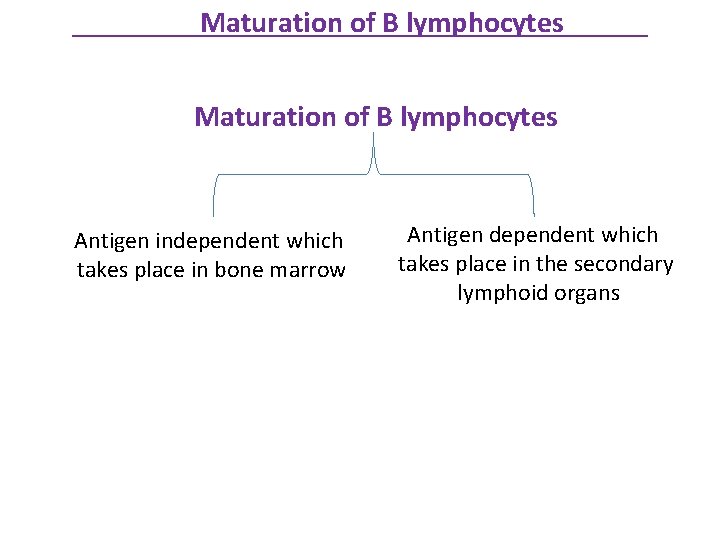
Maturation of B lymphocytes Antigen independent which takes place in bone marrow Antigen dependent which takes place in the secondary lymphoid organs
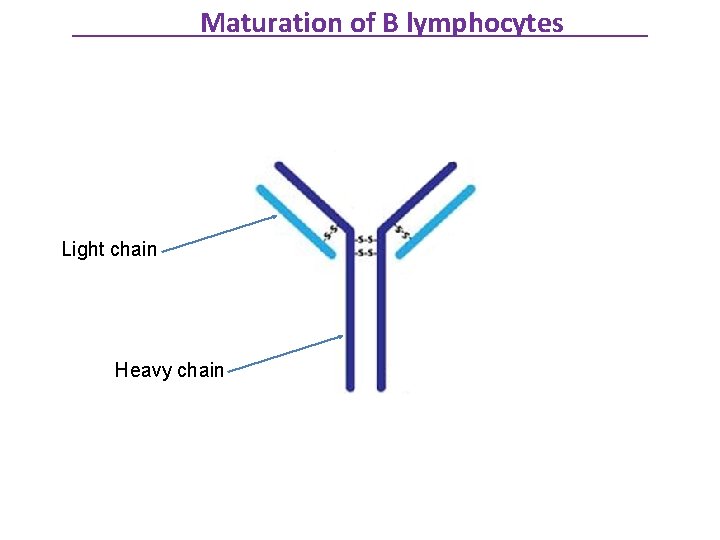
Maturation of B lymphocytes Light chain Heavy chain

Maturation of B lymphocytes activation of Ig. M heavy chain genes The appearance of the Ig. M heavy chains in the cytoplasm Lymphoid stem cell 1 Pro-B cell 2 Pre-B cell 3 Late pre-B cell 4 Immature-B cell 5 the appearance of Ig. M on the surface Mature-B cell 6 the appearance of Ig. D on the surface
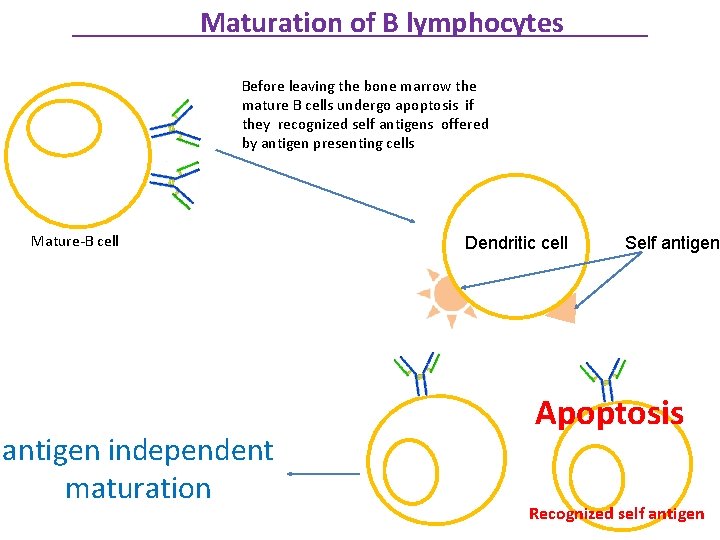
Maturation of B lymphocytes Before leaving the bone marrow the mature B cells undergo apoptosis if they recognized self antigens offered by antigen presenting cells Mature-B cell antigen independent maturation Dendritic cell Self antigen Apoptosis Recognized self antigen
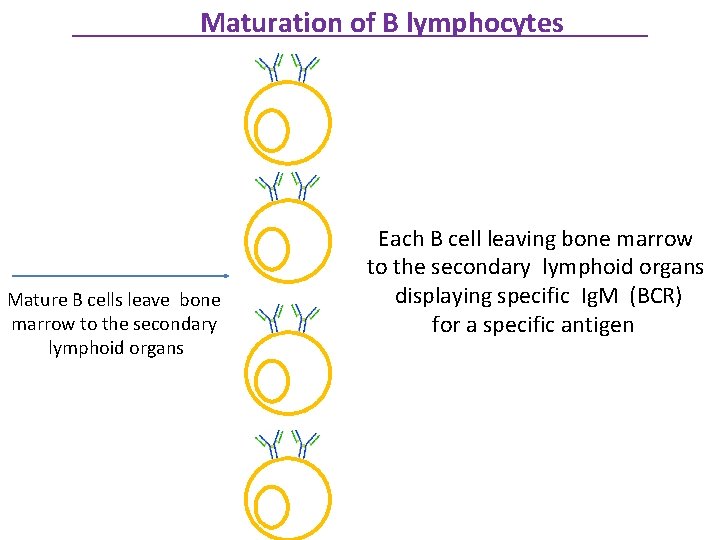
Maturation of B lymphocytes Mature B cells leave bone marrow to the secondary lymphoid organs Each B cell leaving bone marrow to the secondary lymphoid organs displaying specific Ig. M (BCR) for a specific antigen
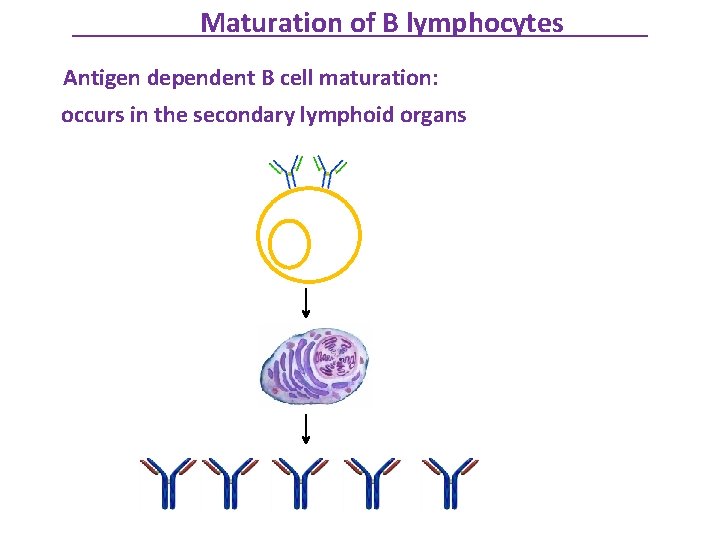
Maturation of B lymphocytes Antigen dependent B cell maturation: occurs in the secondary lymphoid organs
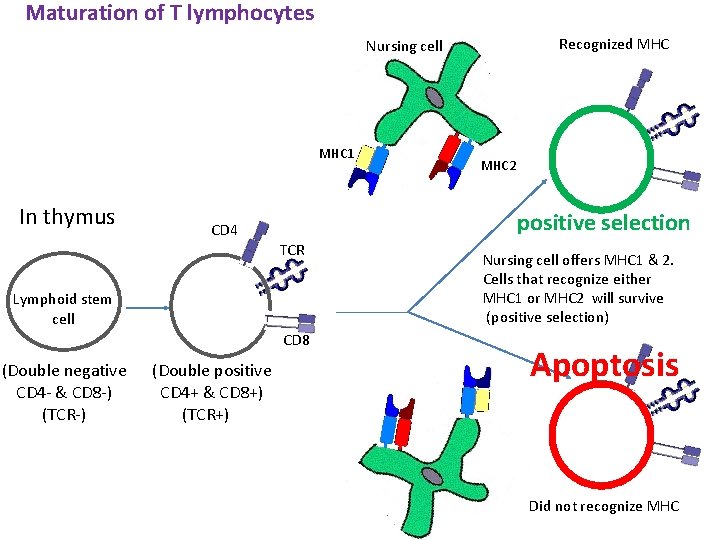
Maturation of T lymphocytes Recognized MHC Nursing cell MHC 1 In thymus positive selection CD 4 TCR Lymphoid stem cell CD 8 (Double negative CD 4 - & CD 8 -) (TCR-) (Double positive CD 4+ & CD 8+) (TCR+) MHC 2 Nursing cell offers MHC 1 & 2. Cells that recognize either MHC 1 or MHC 2 will survive (positive selection) Apoptosis Did not recognize MHC
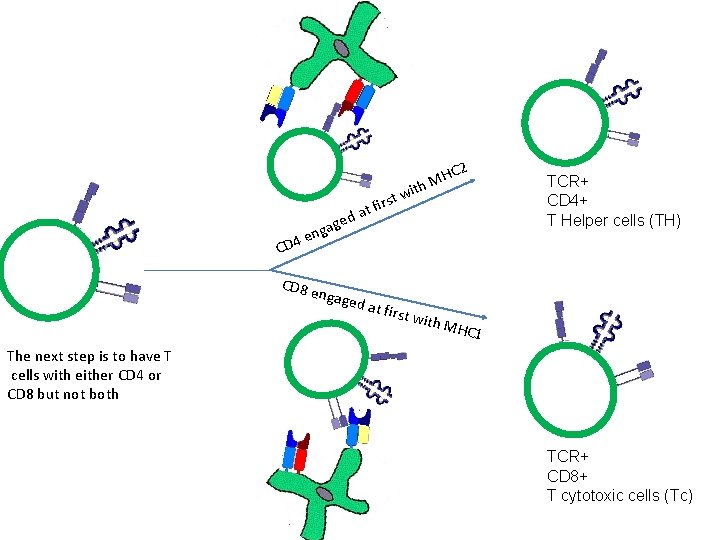
CD 4 at d e g nga C 2 H th M i st w fir e CD 8 e ngage d at f irst w TCR+ CD 4+ T Helper cells (TH) ith M H C 1 The next step is to have T cells with either CD 4 or CD 8 but not both TCR+ CD 8+ T cytotoxic cells (Tc)
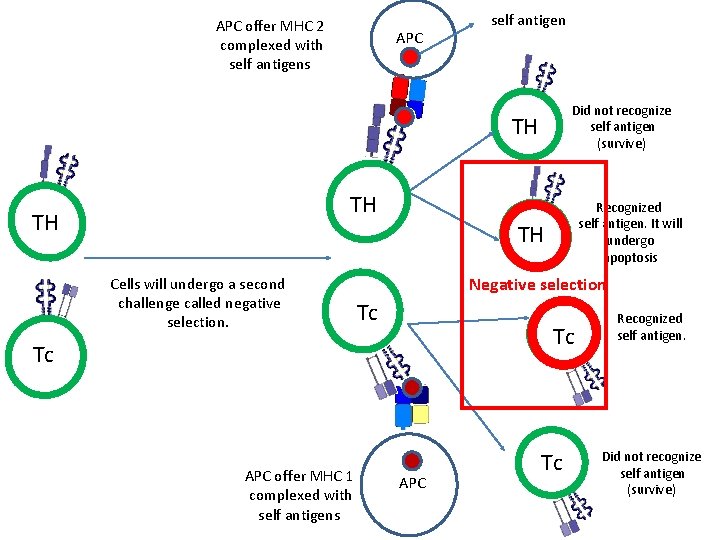
APC offer MHC 2 complexed with self antigens APC self antigen Did not recognize self antigen (survive) TH TH TH Recognized self antigen. It will undergo apoptosis TH Cells will undergo a second challenge called negative selection. Negative selection Tc Tc Tc APC offer MHC 1 complexed with self antigens APC Tc Recognized self antigen. Did not recognize self antigen (survive)
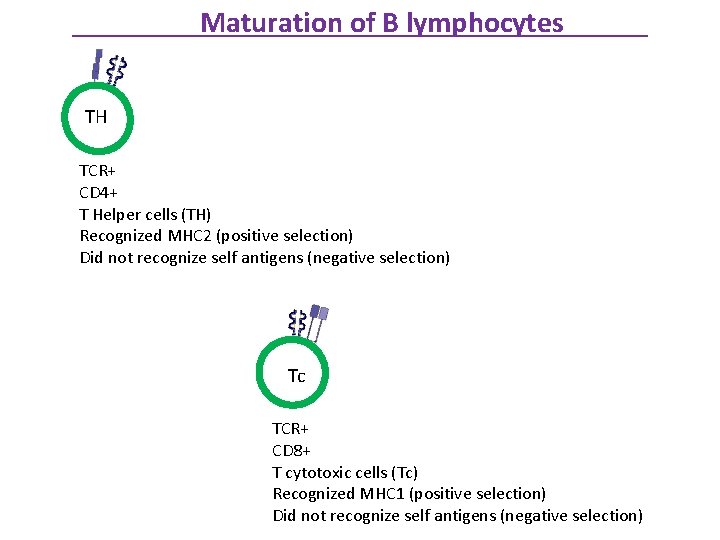
Maturation of B lymphocytes TH TCR+ CD 4+ T Helper cells (TH) Recognized MHC 2 (positive selection) Did not recognize self antigens (negative selection) Tc TCR+ CD 8+ T cytotoxic cells (Tc) Recognized MHC 1 (positive selection) Did not recognize self antigens (negative selection)
Lymphocytes Typically, lymphocyte is small, round, cell with diameter of 510μm, spherical nucleus, and scanty cytoplasm Resting lymphocytes are known as naïve cells Different lymphocytes are identified by certain protein markers on their surface called "cluster of differentiation" or "CD" system. There are three major types of lymphocyte, B lymphocyte, T lymphocyte and NK cells.
Lymphocytes B Lymphocytes Ø In humans the development and maturation of these cells occur in bone marrow Ø B cells differentiate into antibody producing plasma cells Plasma cells: Ø Plasma cells are oval or egg shaped, have eccentrically placed nuclei ØThese are the effector cells of the B-cells and are specialized in secreting immunoglobulins Ø When activated B cells divide, some of its progeny become memory cells (survive 20 years or more) and the reminders become immunoglobulin-secreting plasma cells. Ø They have a short life span of few days to few weeks.

- Slides: 32