
Immunology of transplantation Types of transplantation Autotransplantation within
- Slides: 12
Immunology of transplantation
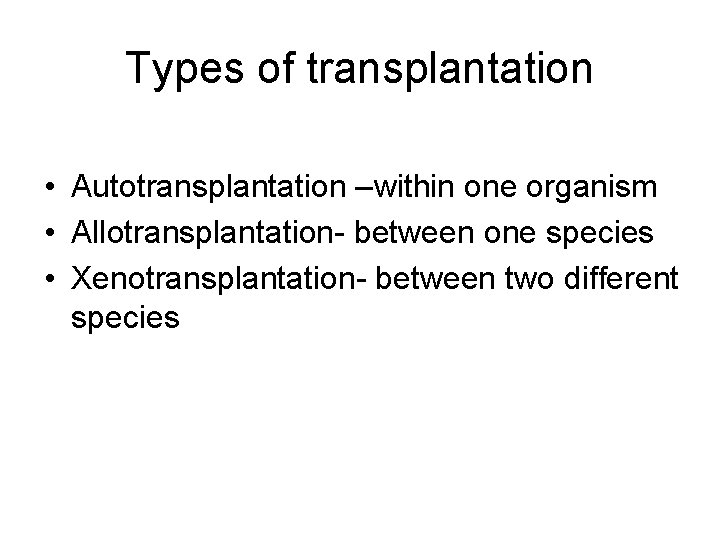
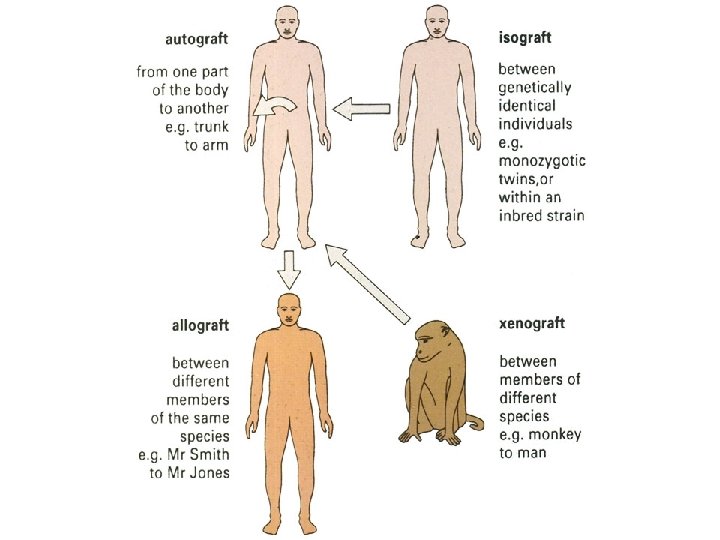
Types of transplantation • Autotransplantation –within one organism • Allotransplantation- between one species • Xenotransplantation- between two different species
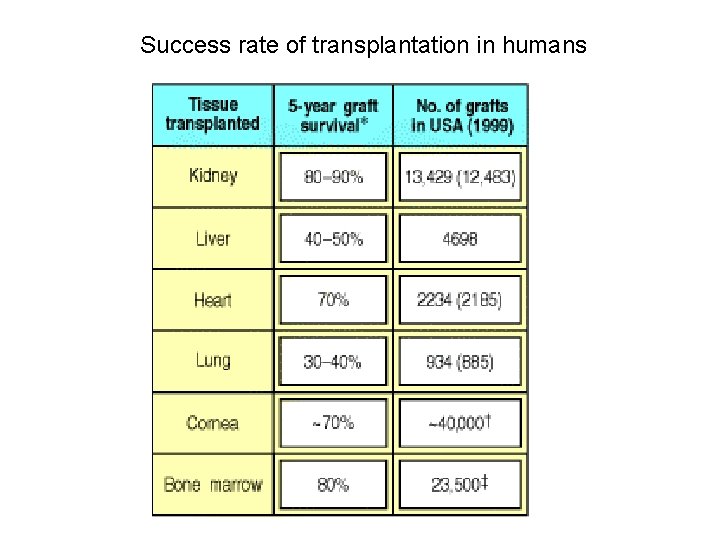
Success rate of transplantation in humans
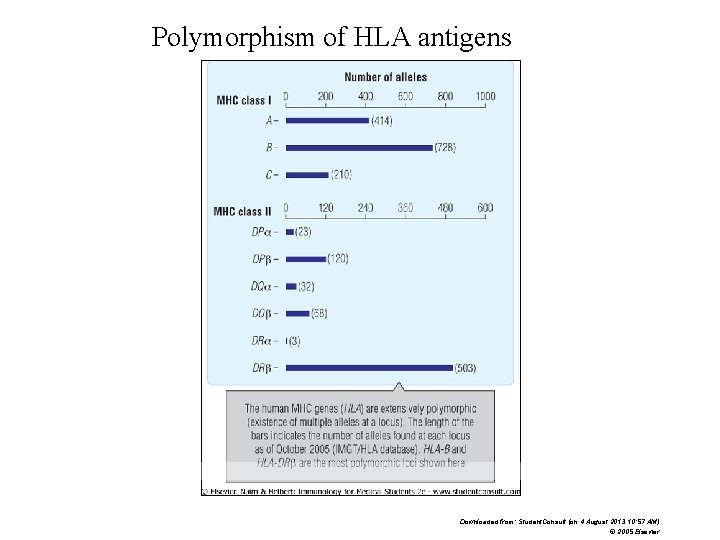
Polymorphism of HLA antigens Downloaded from: Student. Consult (on 4 August 2013 10: 57 AM) © 2005 Elsevier
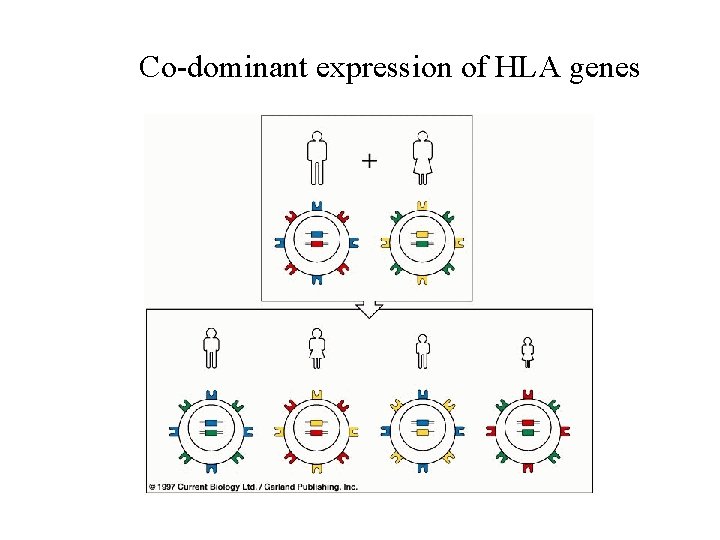
Co-dominant expression of HLA genes
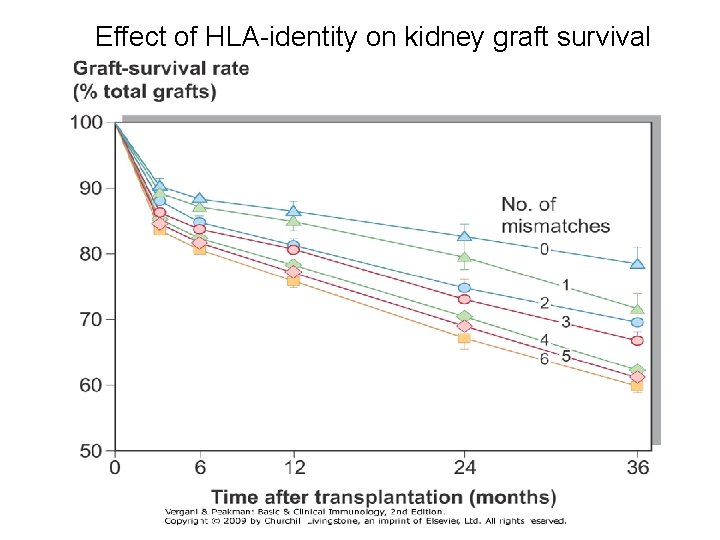
Effect of HLA-identity on kidney graft survival
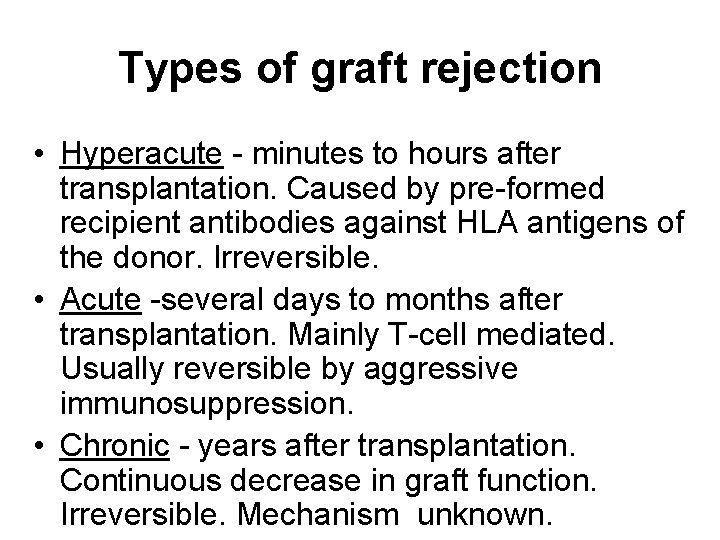
Types of graft rejection • Hyperacute - minutes to hours after transplantation. Caused by pre-formed recipient antibodies against HLA antigens of the donor. Irreversible. • Acute -several days to months after transplantation. Mainly T-cell mediated. Usually reversible by aggressive immunosuppression. • Chronic - years after transplantation. Continuous decrease in graft function. Irreversible. Mechanism unknown.
The most frequent types of organ transplantation • • • Heart Kidney Liver Lungs Pancreas Cornea
Heamatopoietic stem cells transplantation • Indications: malignancies, bone marrow failure, primary immunodeficiencies. • “Whole“ bone marrow or separated CD 34+ cells can be used. • The most significant complication: graftversus host reaction (GVHR). • Optimal HLA-matched donor is required.
Graft-versus host reaction (GVHR) • Immunological reaction of transplanted T-cells against recipients (HLA) antigens. • Skin, liver, intestine predominantly affected. • Milder forms can be treated by immunosuppression, severe forms may be fatal. • Can be induced by transfusion of non-irradiated blood to immunodeficient patients (primary immunodeficiencies, leukemia…).
Systemic Immunosuppression • • • High-dose steroids Purine antagonists: Azathioprin Alkylating agents: Cyclophosphamide Anti-pholates: Methotrexate Calcineurin antagonists: Cyclosporine A, Rapamycin, Tacrolymus • Block of purins synthesis: Mycophenolate • Monoclonal antibodies: anti-CD 3, anti-CD 20, anti -CD 54