
Immunology Anatomy Allergic and Anaphylaxis Anaphylactoid reactions Collagen

- Slides: 35
Immunology Anatomy, Allergic and Anaphylaxis, Anaphylactoid reactions, Collagen Vascular disease, and transplanted related problems, communicable disease
Immune System �Terms ◦ Immune system-the body system responsible for combating infection �Immune response-complex cascade of events that works towards the destruction of pathogens or abnormal cells. ◦ Antigens-a marker on the surface of cell that identifies it as “self” or “non-self” ◦ Antibody-a substance produced by B lymphocytes in response to the presence of a foreign antigen that will combine with and control the antigen, thus preventing infection ◦ Immunity-a long term condition of protection
Immunity types �Natural VS. Acquired ◦ -Natural=not part of the immune response, inborn part of your genetic make-up ◦ -Acquired=develops as an outcome of the immune response �Passive-transferred to a person from outside source. �Active-generated by the immune response after exposure to a antigen
Immunity types �Humoral VS. Cell-Mediated ◦ Lymphocytes �WBC �Recognizing foreign antigens �Producing Antibodies �Developing Memory ◦ B&T Lymphocytes �B-Do not attack Antigens directly produce antibodies-confer long term immunity=Humoral �T-Attack antigens directly=Cell-Mediated
Humoral Immunity �Basically a chemical attack of an invading substance ◦ Basic fighter=Antibodies AKA=IMMUNOGLOBINS �Speclized Cells (B-Cells) 5 types �Ig. A �Ig. D �Ig. E-most important for allergic reactions �Ig. G �Ig. M
Humoral Response �Primary-Never exposed to antigen before. ◦ Antigen enters body �Body respond by producing Antibodies �Specifically Ig. E ◦ Antibodies remain �The patient is primed for another exposure to that antigen �THIS IS SENSITZATION �Secondary- the body remembers Antigen and attacks it quickly
Allergy �Initial exposure of antigen is referred to as sensitization ◦ Subsequent exposure induce a faster and stronger response �Some individuals become HYPERSENSITIVE to particular antigens ◦ Unexpected and exaggerated reaction to a particular antigen. Used synonymously with allergy.
Hypersensitive �Two types ◦ Delayed �No cellular immunity �Hours and days following-skin rash �Example-Poison Ivy ◦ Immediate �Large quantaties of Ig. E �Antigen that does this is referred to as Allergen �Allergen can enter the body through various routes �Large majority of Anaphylactic reaction result from injection or envenomation
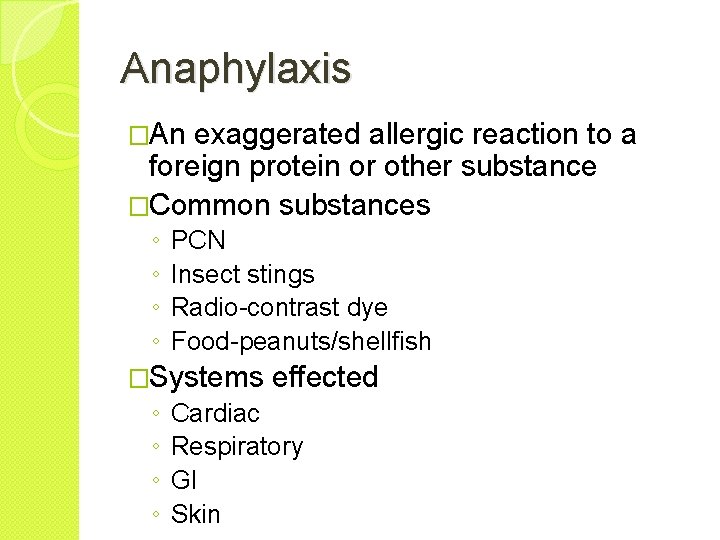
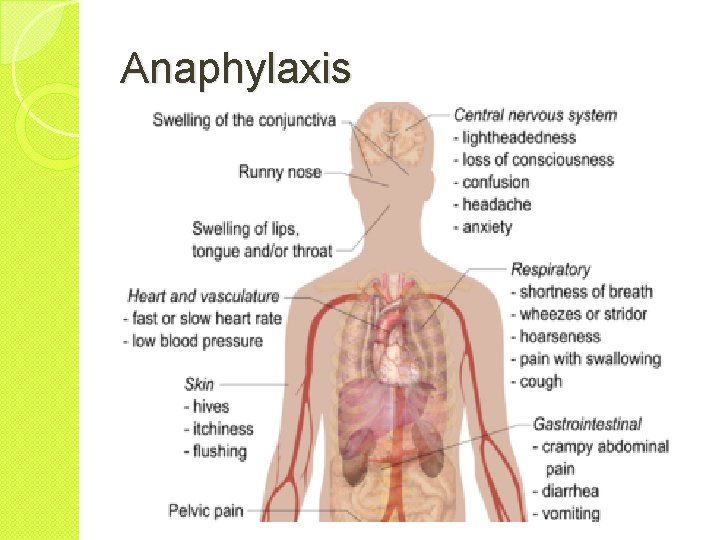
Anaphylaxis �An exaggerated allergic reaction to a foreign protein or other substance �Common substances ◦ ◦ PCN Insect stings Radio-contrast dye Food-peanuts/shellfish �Systems ◦ ◦ effected Cardiac Respiratory GI Skin
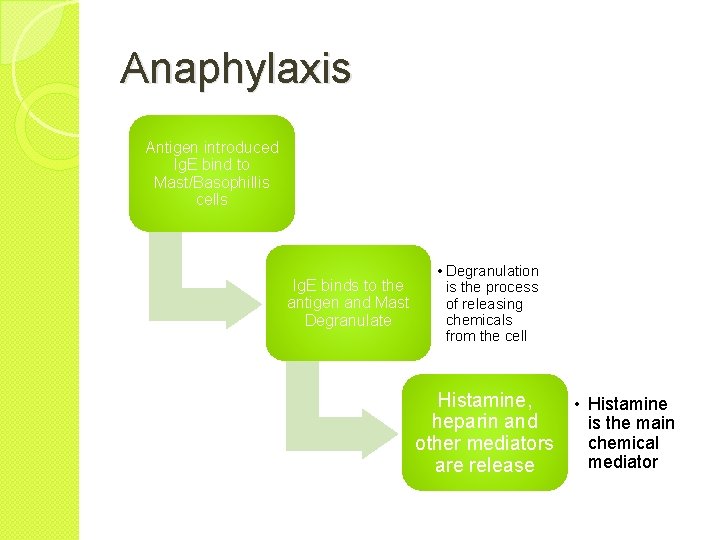
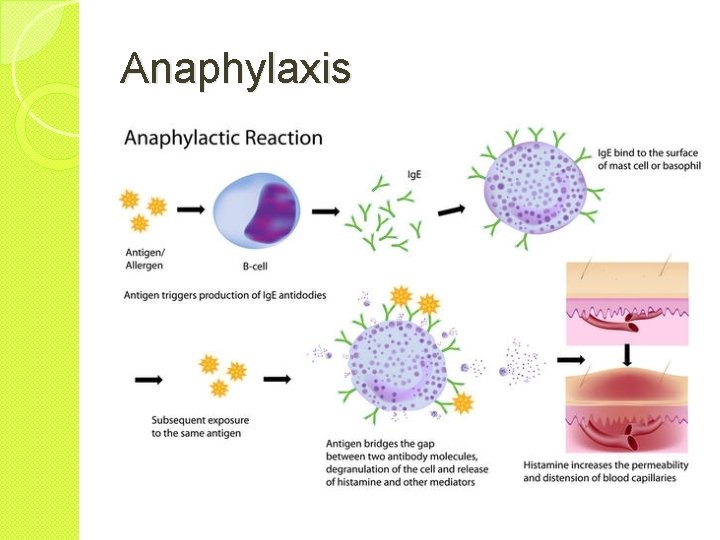
Anaphylaxis Antigen introduced Ig. E bind to Mast/Basophillis cells Ig. E binds to the antigen and Mast Degranulate • Degranulation is the process of releasing chemicals from the cell Histamine, • Histamine heparin and is the main chemical other mediators mediator are release
Anaphylaxis
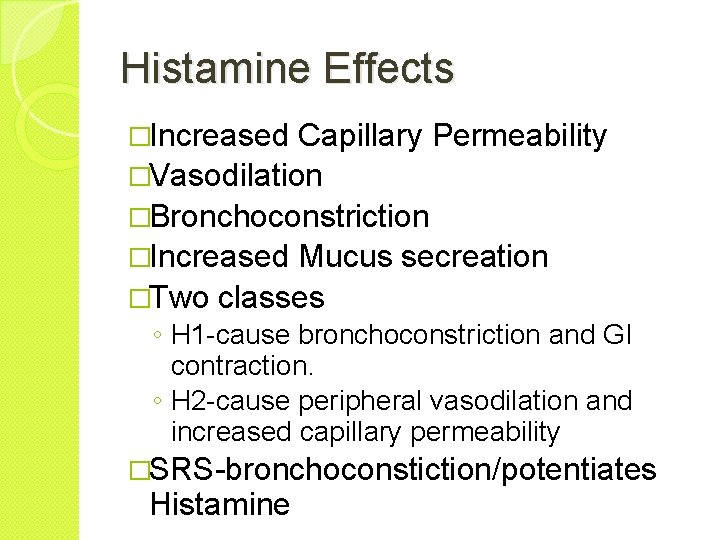
Histamine Effects �Increased Capillary Permeability �Vasodilation �Bronchoconstriction �Increased Mucus secreation �Two classes ◦ H 1 -cause bronchoconstriction and GI contraction. ◦ H 2 -cause peripheral vasodilation and increased capillary permeability �SRS-bronchoconstiction/potentiates Histamine
Anaphylaxis
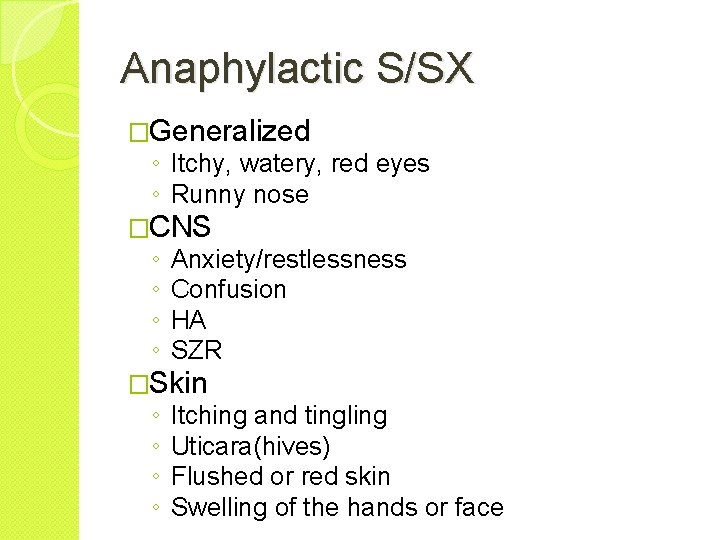
Anaphylactic S/SX �Generalized ◦ Itchy, watery, red eyes ◦ Runny nose �CNS ◦ ◦ Anxiety/restlessness Confusion HA SZR �Skin ◦ ◦ Itching and tingling Uticara(hives) Flushed or red skin Swelling of the hands or face
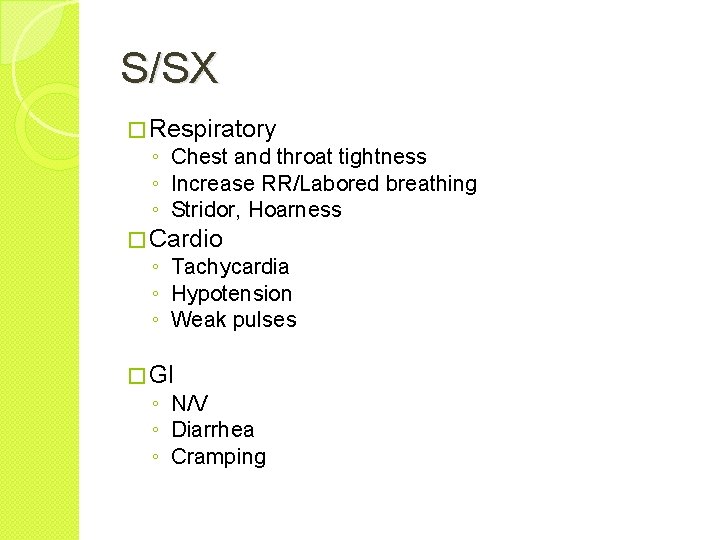
S/SX � Respiratory ◦ Chest and throat tightness ◦ Increase RR/Labored breathing ◦ Stridor, Hoarness � Cardio ◦ Tachycardia ◦ Hypotension ◦ Weak pulses � GI ◦ N/V ◦ Diarrhea ◦ Cramping
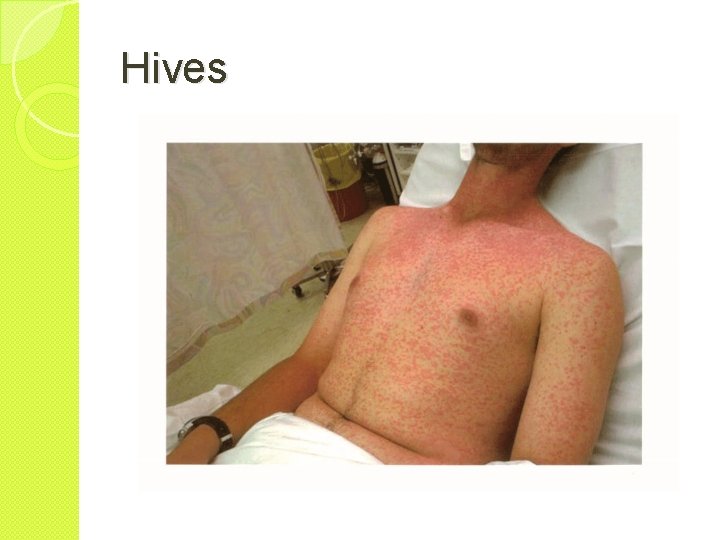
Hives
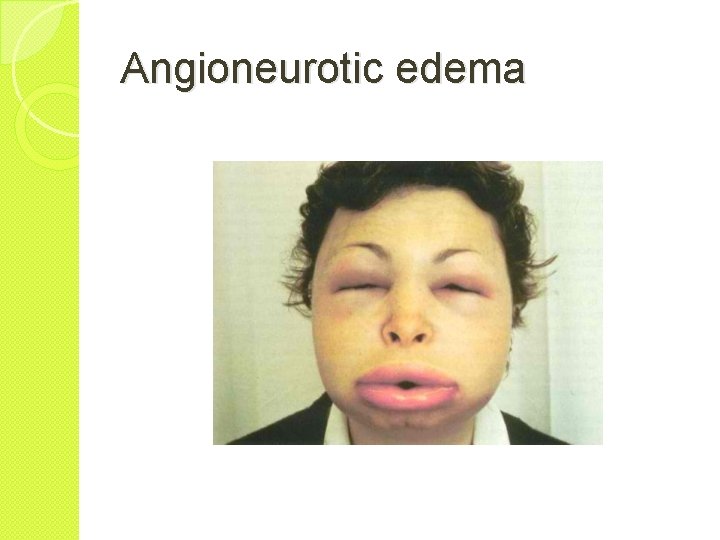
Angioneurotic edema
Treatments �Mild/Moderate/Severe �Airway(monitor for horseness, edema, stridor) � 02, , EKG BVM prn �IV fluids maintain >90 BP �EPI 0. 3 mg SQ/0. 1 -0. 3 mg SIVP �Benadrly 50 mg �Solu-medrol 125 mg �Albuterol/Atrovent 2. 5 -5 mg/. 5 mg
EPINEPHRINE �Names�Actions-Adrenergic stimulant A&B receptors. Increased HR, Cardiac contractile force, vasoconstriction �Indications-Anaphylaxis/Hives ◦ Dosage � 1: 1000/0. 3 mg/SQ adult. 01 mg/kg pediatric SQ � 1: 10000/0. 1 -0. 3 mg/SIVP �Contraindications/Precautions-Patients with underlying heart disease. Those in profound anphylaxis may be peripheral vasoconstricted so Sub. Q epi may not work
Diphenhydramine �Names-Benadryl �Actions-antihistamine blocks both H 1 and H 2 receptors �Indications. Anaphylaxis/allergic/dsytonic reactions ◦ Dosage-25 -50 mg SIVP or IM �Contraindications-not used in asthma. In severe cases be sure to use EPI first. Can cause hypotension, HA, palpitations
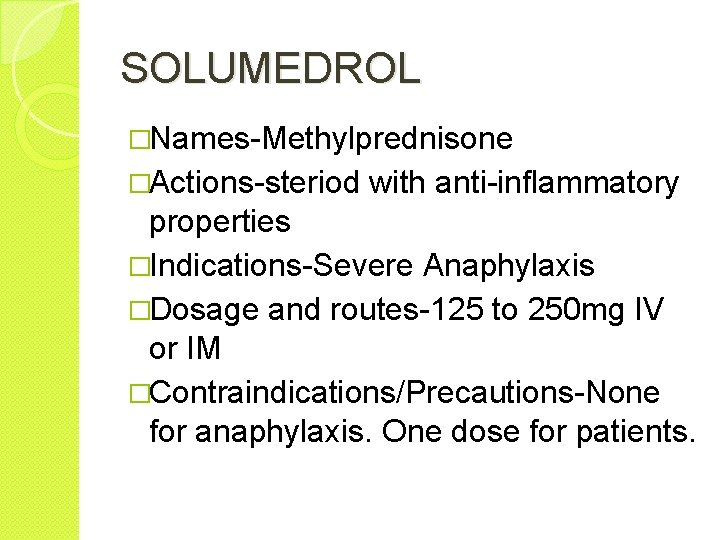
SOLUMEDROL �Names-Methylprednisone �Actions-steriod with anti-inflammatory properties �Indications-Severe Anaphylaxis �Dosage and routes-125 to 250 mg IV or IM �Contraindications/Precautions-None for anaphylaxis. One dose for patients.
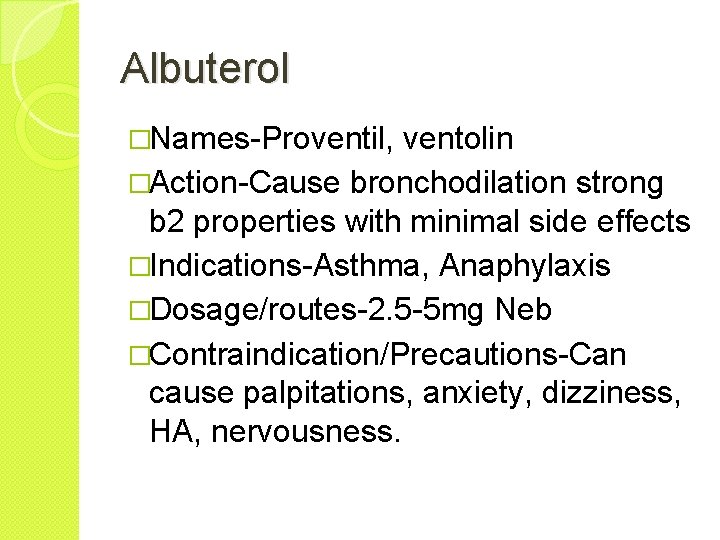
Albuterol �Names-Proventil, ventolin �Action-Cause bronchodilation strong b 2 properties with minimal side effects �Indications-Asthma, Anaphylaxis �Dosage/routes-2. 5 -5 mg Neb �Contraindication/Precautions-Can cause palpitations, anxiety, dizziness, HA, nervousness.
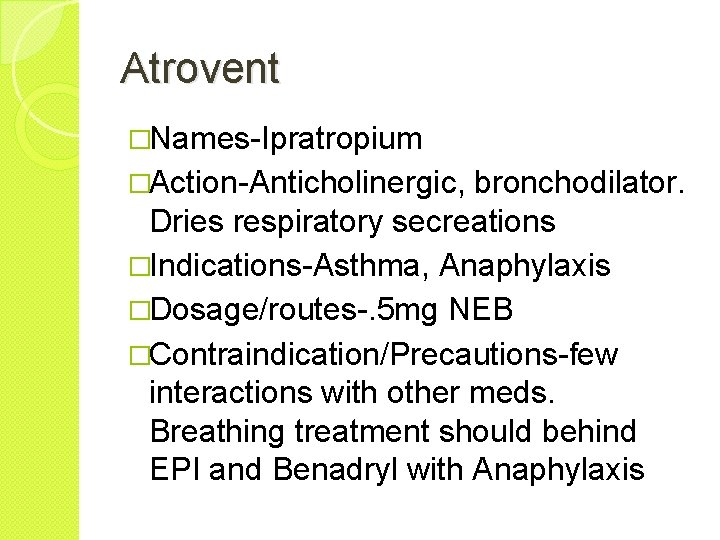
Atrovent �Names-Ipratropium �Action-Anticholinergic, bronchodilator. Dries respiratory secreations �Indications-Asthma, Anaphylaxis �Dosage/routes-. 5 mg NEB �Contraindication/Precautions-few interactions with other meds. Breathing treatment should behind EPI and Benadryl with Anaphylaxis
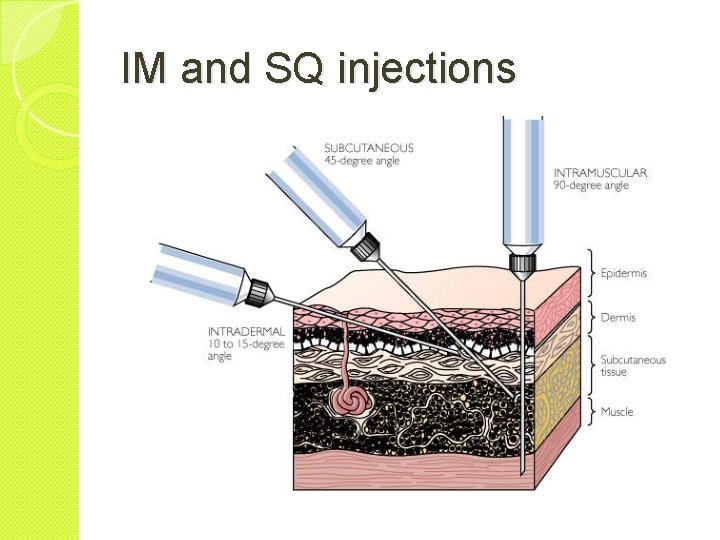
IM and SQ injections
Anaphylactoid Reactions �No previous Antigen exposure �Not the typical Antigen-Antibody exposure �The substance that the patient is taking in, is causing the breakdown of basophilis and mast cells �First time exposure may present as a Anaphylactic reaction
Anaphylactoid �Common ◦ ◦ NSAIDS ASA Opiates Thiamine susbstances
Collagen Vascular Disease �Collagen vascular disease occurs when problems with the immune system affect collagen ◦ Collagen is a tough strong protein that comprises most of the body’s connective tissue �Fibroblast-specialized cells that form collagen �In a class of diseases known as autoimmune disorders, the body's immune system attacks its own tissues
Examples of CVD � Systemic lupus erythematosus (SLE) – inflammation of the connective tissues, can afflict every organ system. It is more common in women than men. � Rheumatoid arthritis – a systemic disorder in which immune cells attack and inflame the membrane around joints. It also can affect the heart, lungs, and eyes. � Scleroderma – activation of immune cells that produces scar tissue in the skin, internal organs, and small blood vessels. � Sjögren's syndrome – aka Sjögren's disease, is a chronic, slowly progressing inability to secrete saliva and tears. It can occur alone or with rheumatoid arthritis, scleroderma, or systemic lupus erythematosus.
Transplant related Problems �Organs that can be transplanted are the heart, kidneys, liver, lungs, pancreas, intestine, and thymus. Tissues include bones, tendons (both referred to as musculoskeletal grafts), cornea, skin, heart valves, and veins. Worldwide, the kidneys are the most commonly transplanted organs, followed closely by the liver and then the heart. The cornea and musculoskeletal grafts are the most commonly transplanted tissues; these outnumber organ transplants by more than tenfold.
Problems �Transplant rejection occurs when transplanted tissue is rejected by the recipient's immune system, which destroys the transplanted tissue. ◦ Less by matching donors and immunospressive drugs �Rejection categories include Hyperacute, Acute and Chronic
TB �What �How is it? is it spread? ◦ Does everyone act as carrier? �What �How are the Signs and SX? to Protect yourself?
Pertussis (Whooping Cough) �What �How is it? is it spread? ◦ Does everyone act as carrier? ◦ Does the Vaccine last for a lifetime? �What �How are the Signs and SX? to Protect yourself?
Ebola �What �How is it? is it spread? ◦ Does everyone act as carrier? �What �How are the Signs and SX? to Protect yourself
Ebola Checklist �http: //www. cdc. gov/vhf/ebola/pdf/ems- checklist-ebola-preparedness. pdf � Ohio DHS Handouts
THE END