
Immunological Tolerance Class 17 Slides October 17 th
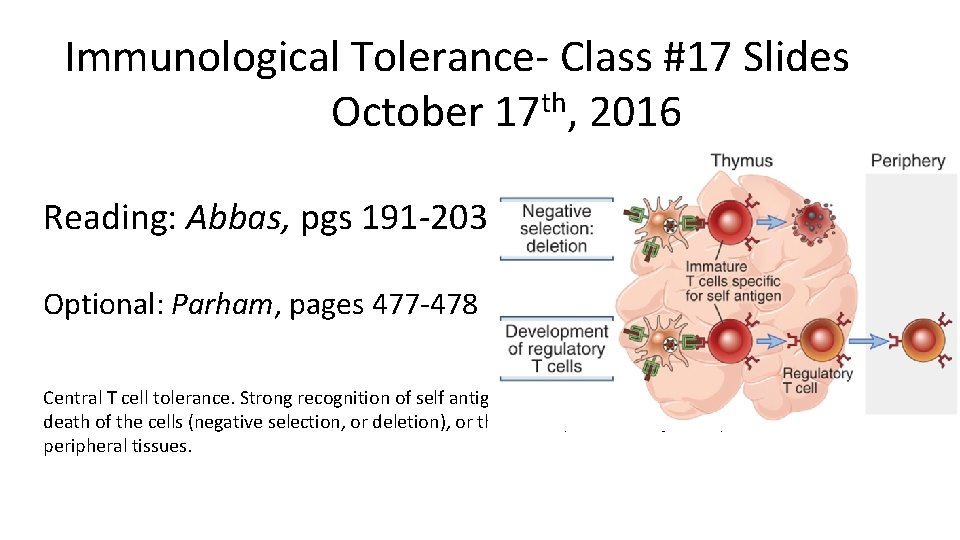
Immunological Tolerance- Class #17 Slides October 17 th, 2016 Reading: Abbas, pgs 191 -203 Optional: Parham, pages 477 -478 Central T cell tolerance. Strong recognition of self antigens by immature T cells in the thymus may lead to death of the cells (negative selection, or deletion), or the development of regulatory T cells that enter peripheral tissues.
Learning Objectives Part I • Explain the critical need for immune tolerance • Describe the mechanisms of central tolerance as they pertain to T cell development in the thymus and B cell development in the bone marrow • Compare positive versus negative selection of thymocytes • Discuss the concept of peripheral tolerance for T and B cells • Describe the process by which antigen-dependent signaling in the absence of co-stimulation can lead to anergy in T and B cells
Learning Objectives Part 2 • Describe the role of CTLA-4 and PD-1 in attenuation of T cell activation • Describe how regulatory T cells are created and how these cells mediate peripheral tolerance • Describe the source and functions of the cytokines IL-10 and TGF- • Compare the intrinsic and extrinsic pathways of apoptosis, and describe their importance for the elimination of self-reactive T and B cells • Explain the role that receptor editing plays in B cell selection
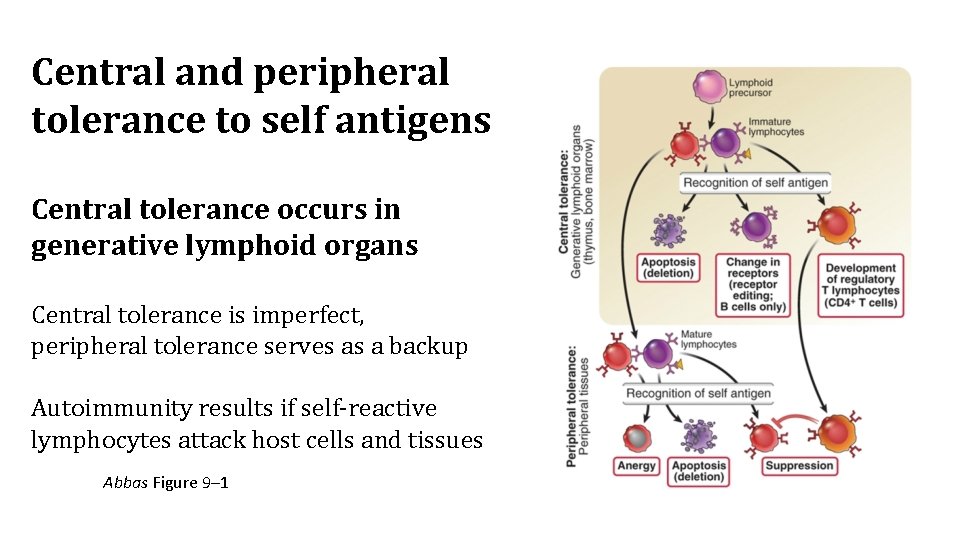
Central and peripheral tolerance to self antigens Central tolerance occurs in generative lymphoid organs Central tolerance is imperfect, peripheral tolerance serves as a backup Autoimmunity results if self-reactive lymphocytes attack host cells and tissues Abbas Figure 9– 1

Central T cell tolerance –occurs in thymus AIRE (Autoimmune Regulator) protein required for expression of peripheral antigens in the thymus Tolerance of T-cells is critical, proper T-cell tolerance can help prevent antibody secretion by auto-reactive B-cells Abbas Figure 9– 2

Positive and Negative selection of lymphocytes Selects for lymphocytes that express functional antigen receptor that does not recognize self-antigens occurs in generative lymphoid organs Bone marrow - for B cell Thymus -for T cell Abbas Figure 4– 9
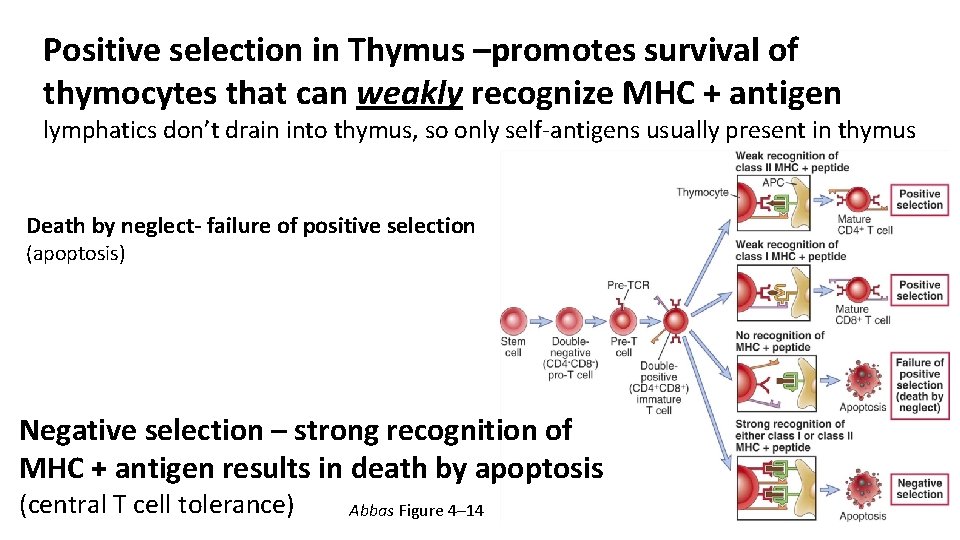
Positive selection in Thymus –promotes survival of thymocytes that can weakly recognize MHC + antigen lymphatics don’t drain into thymus, so only self-antigens usually present in thymus Death by neglect- failure of positive selection (apoptosis) Negative selection – strong recognition of MHC + antigen results in death by apoptosis (central T cell tolerance) Abbas Figure 4– 14
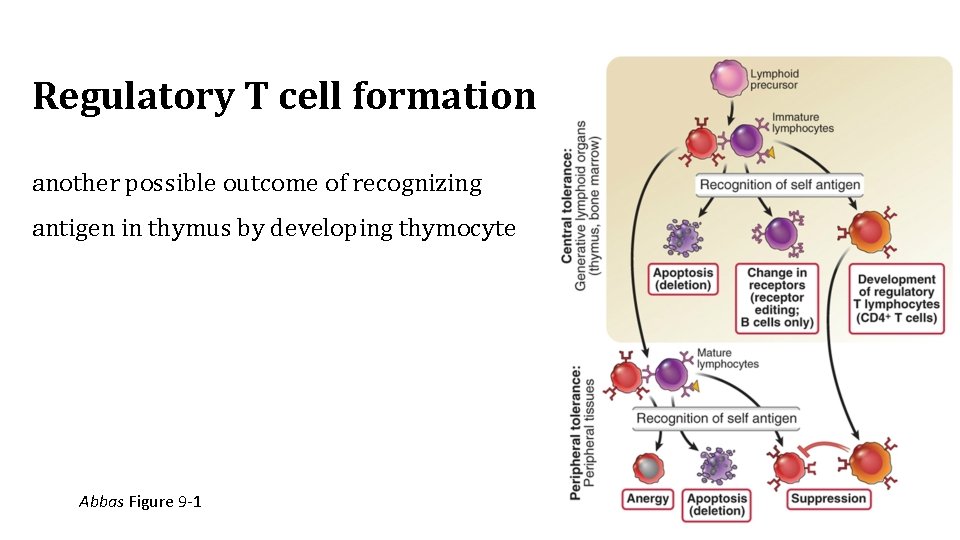
Regulatory T cell formation another possible outcome of recognizing antigen in thymus by developing thymocyte Abbas Figure 9 -1
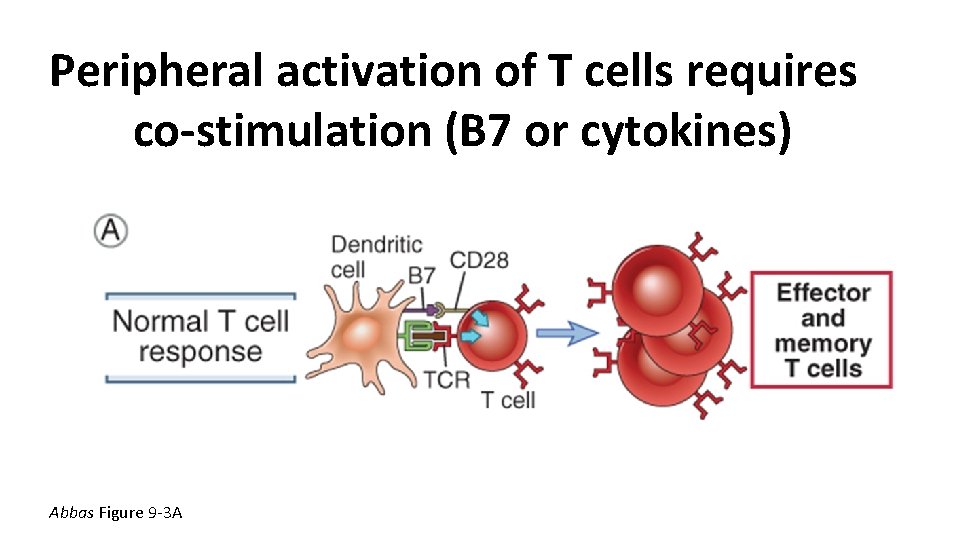
Peripheral activation of T cells requires co-stimulation (B 7 or cytokines) Abbas Figure 9 -3 A

3 mechanisms of peripheral T cell tolerance 1 -Anergy 2 -Regulatory T cell suppression 3 -Removal by apoptosis Abbas Figure 9 -3 B
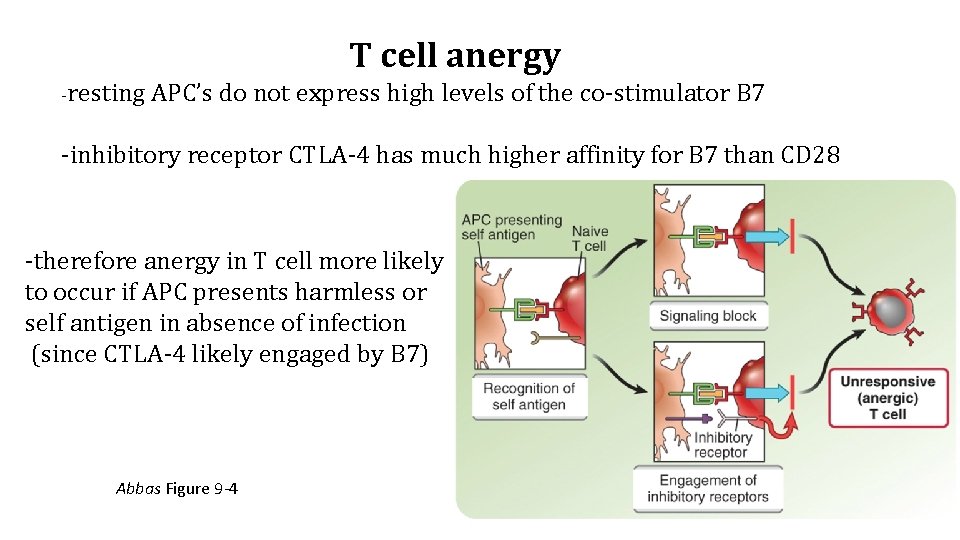
T cell anergy -resting APC’s do not express high levels of the co-stimulator B 7 -inhibitory receptor CTLA-4 has much higher affinity for B 7 than CD 28 -therefore anergy in T cell more likely to occur if APC presents harmless or self antigen in absence of infection (since CTLA-4 likely engaged by B 7) Abbas Figure 9 -4
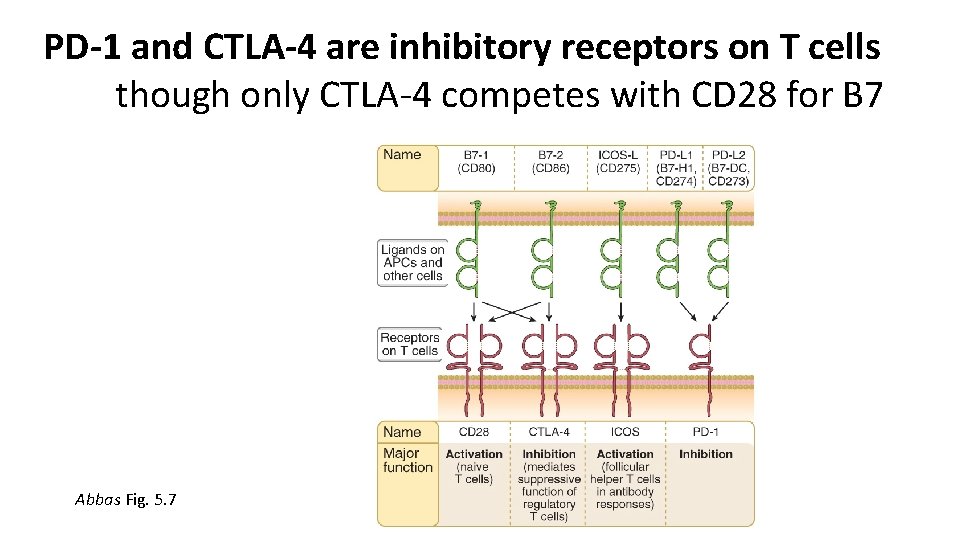
PD-1 and CTLA-4 are inhibitory receptors on T cells though only CTLA-4 competes with CD 28 for B 7 Abbas Fig. 5. 7
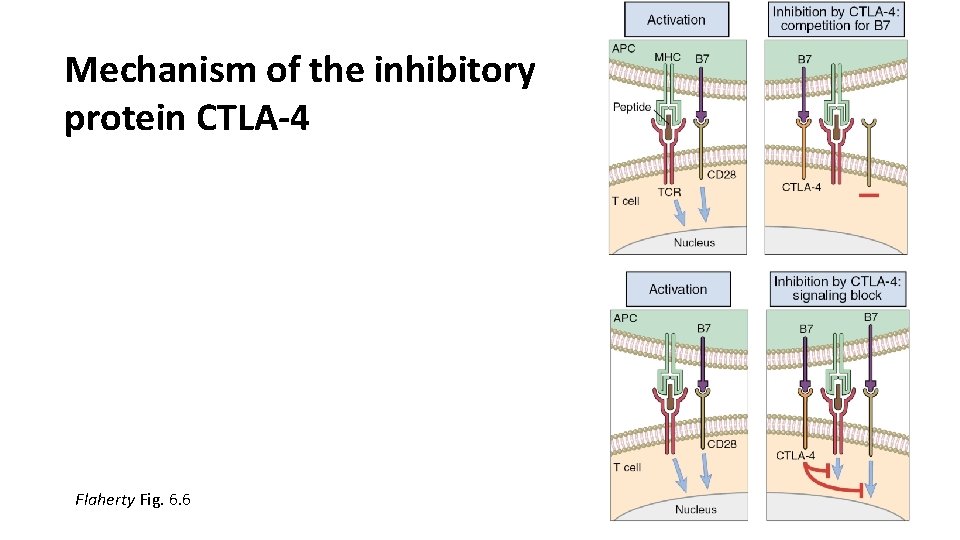
Mechanism of the inhibitory protein CTLA-4 Flaherty Fig. 6. 6
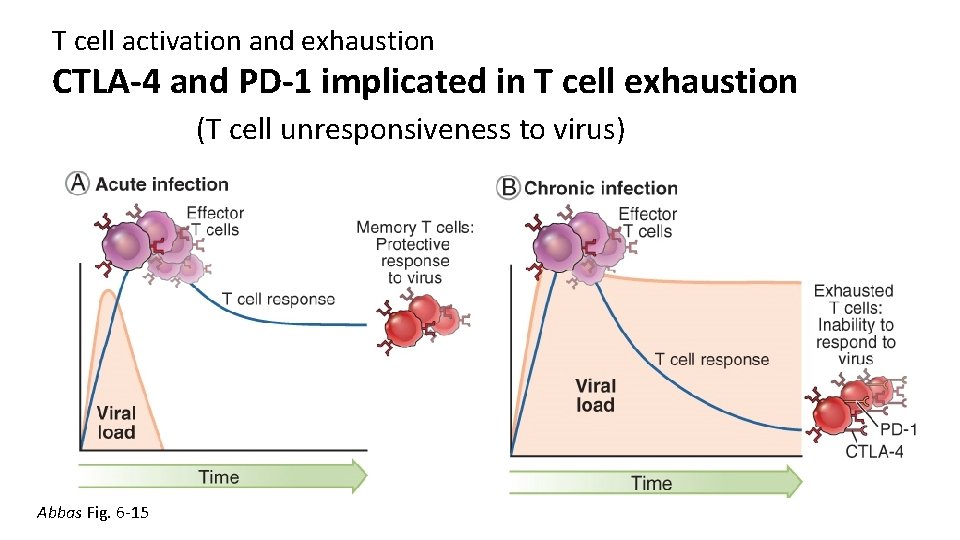
T cell activation and exhaustion CTLA-4 and PD-1 implicated in T cell exhaustion (T cell unresponsiveness to virus) Abbas Fig. 6 -15
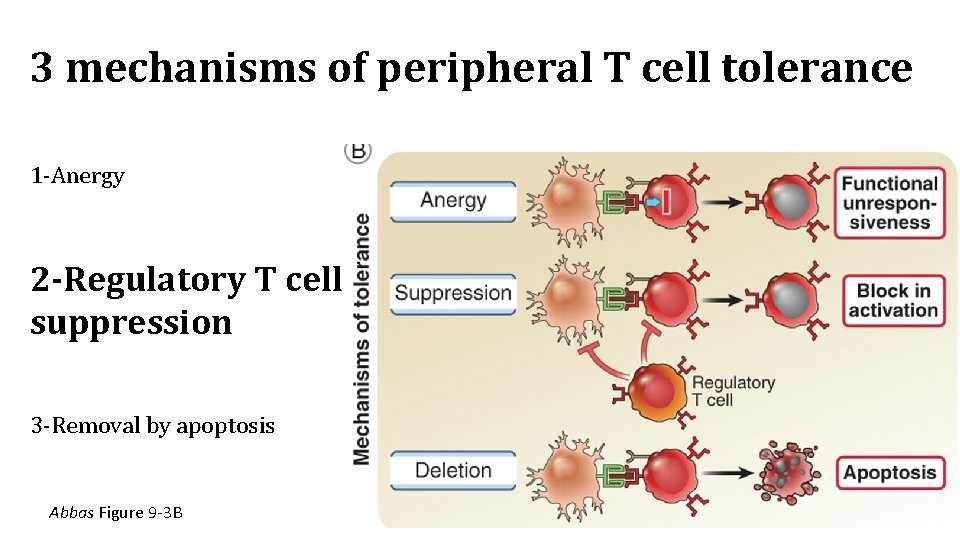
3 mechanisms of peripheral T cell tolerance 1 -Anergy 2 -Regulatory T cell suppression 3 -Removal by apoptosis Abbas Figure 9 -3 B
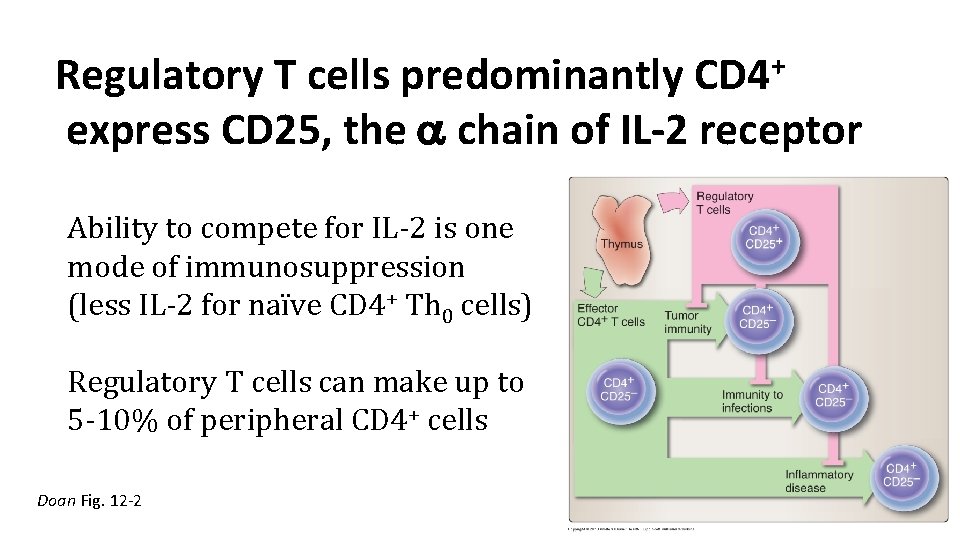
+ CD 4 Regulatory T cells predominantly express CD 25, the chain of IL-2 receptor Ability to compete for IL-2 is one mode of immunosuppression (less IL-2 for naïve CD 4+ Th 0 cells) Regulatory T cells can make up to 5 -10% of peripheral CD 4+ cells Doan Fig. 12 -2
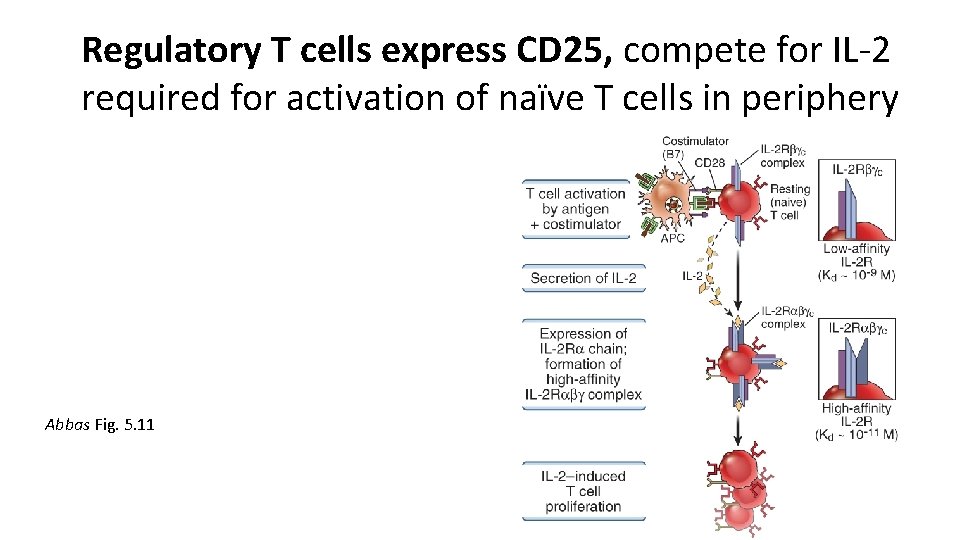
Regulatory T cells express CD 25, compete for IL-2 required for activation of naïve T cells in periphery Abbas Fig. 5. 11
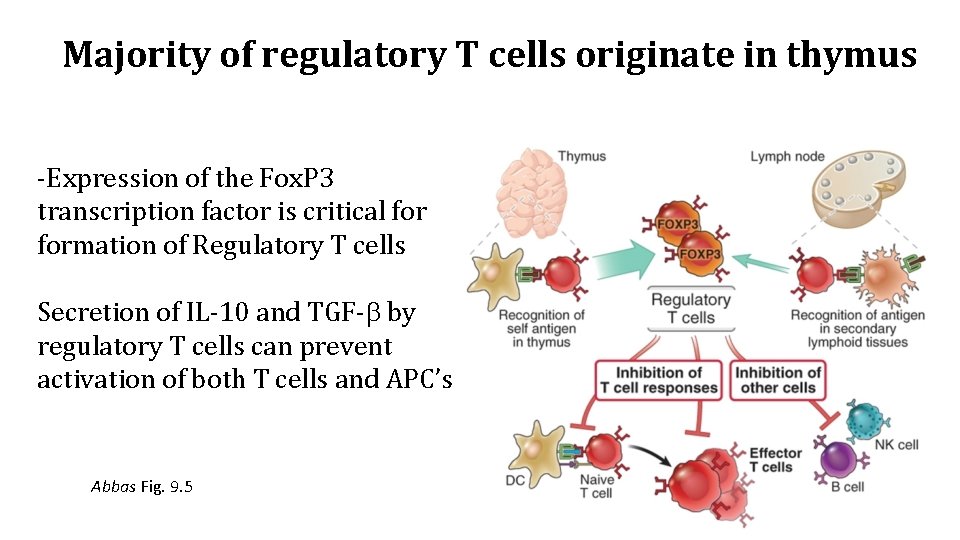
Majority of regulatory T cells originate in thymus -Expression of the Fox. P 3 transcription factor is critical formation of Regulatory T cells Secretion of IL-10 and TGF- by regulatory T cells can prevent activation of both T cells and APC’s Abbas Fig. 9. 5
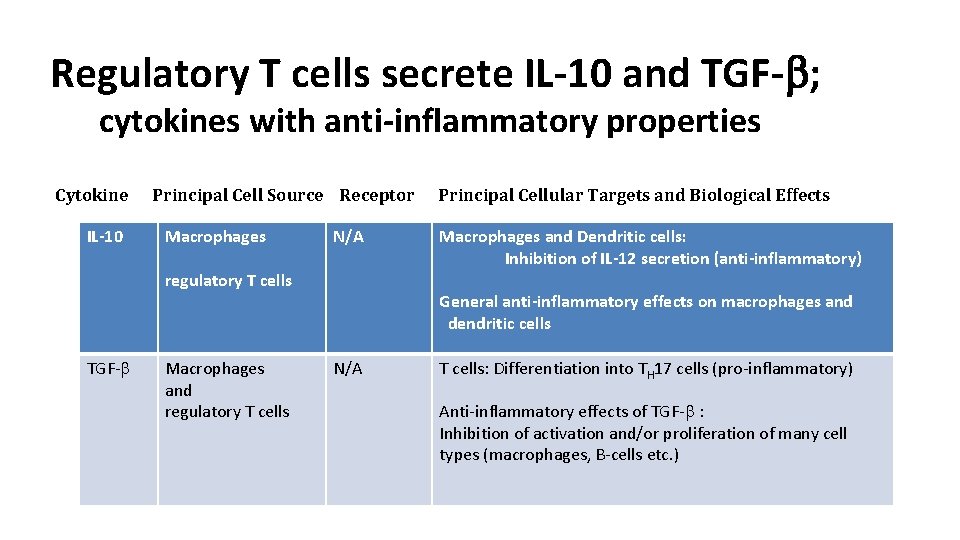
Regulatory T cells secrete IL-10 and TGF- ; cytokines with anti-inflammatory properties Cytokine IL-10 Principal Cell Source Receptor Macrophages N/A regulatory T cells TGF- Macrophages and regulatory T cells Principal Cellular Targets and Biological Effects Macrophages and Dendritic cells: Inhibition of IL-12 secretion (anti-inflammatory) General anti-inflammatory effects on macrophages and dendritic cells N/A T cells: Differentiation into TH 17 cells (pro-inflammatory) Anti-inflammatory effects of TGF- : Inhibition of activation and/or proliferation of many cell types (macrophages, B-cells etc. )
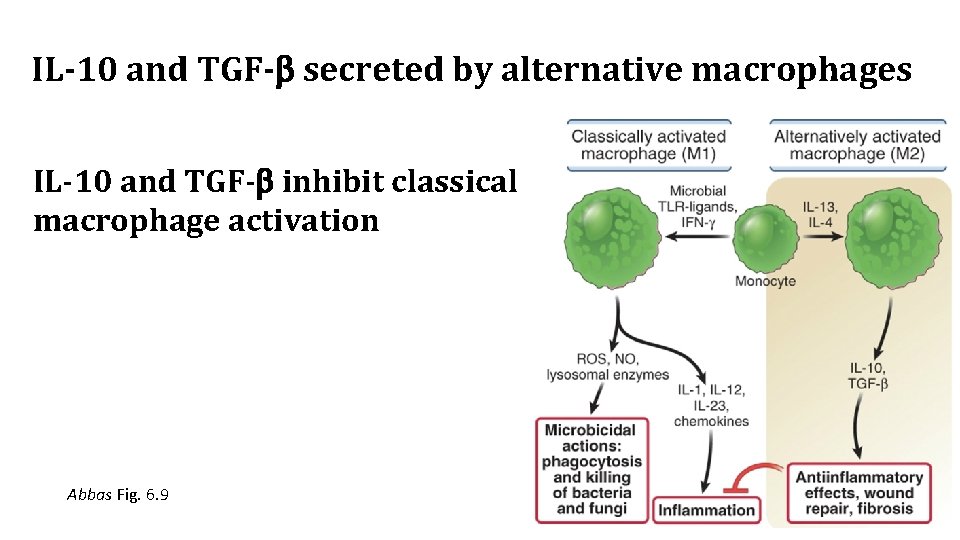
IL-10 and TGF- secreted by alternative macrophages IL-10 and TGF- inhibit classical macrophage activation Abbas Fig. 6. 9
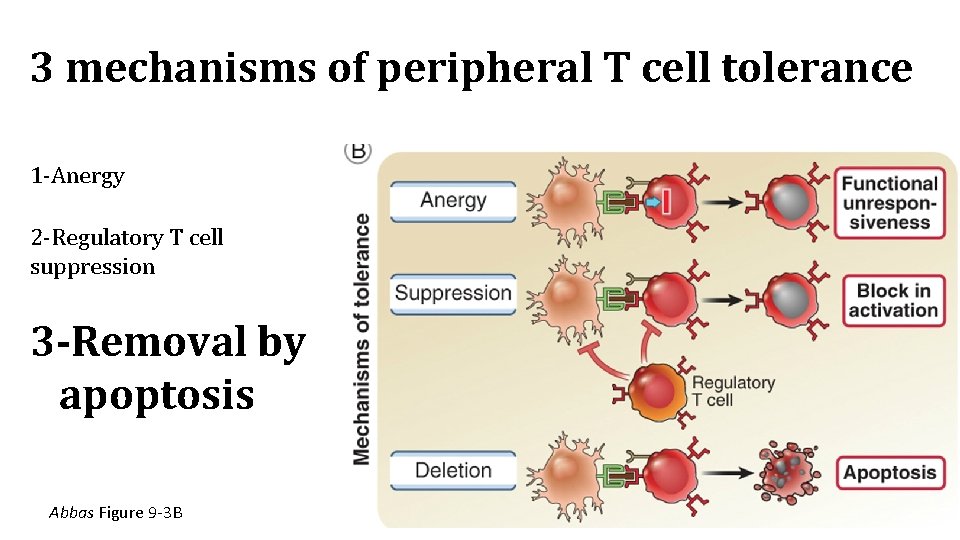
3 mechanisms of peripheral T cell tolerance 1 -Anergy 2 -Regulatory T cell suppression 3 -Removal by apoptosis Abbas Figure 9 -3 B
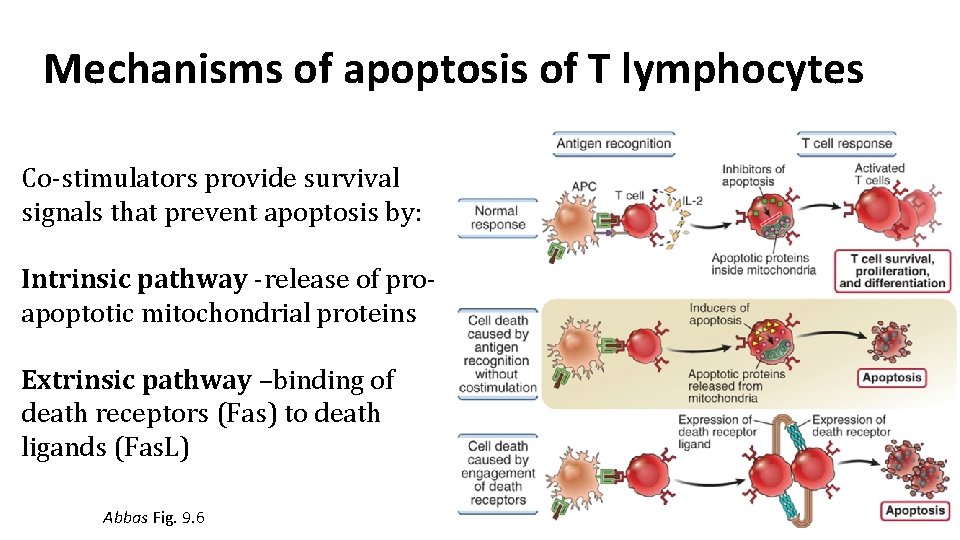
Mechanisms of apoptosis of T lymphocytes Co-stimulators provide survival signals that prevent apoptosis by: Intrinsic pathway -release of proapoptotic mitochondrial proteins Extrinsic pathway –binding of death receptors (Fas) to death ligands (Fas. L) Abbas Fig. 9. 6
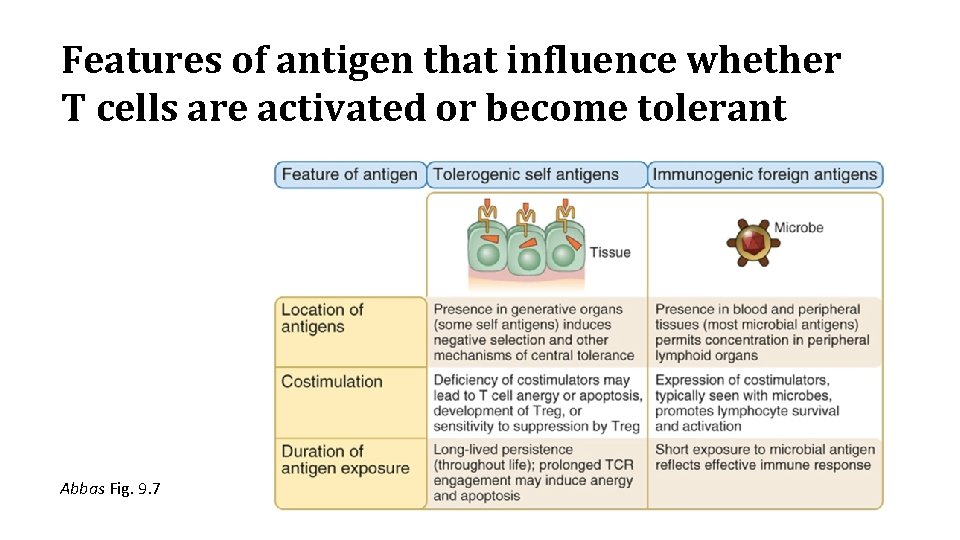
Features of antigen that influence whether T cells are activated or become tolerant Abbas Fig. 9. 7
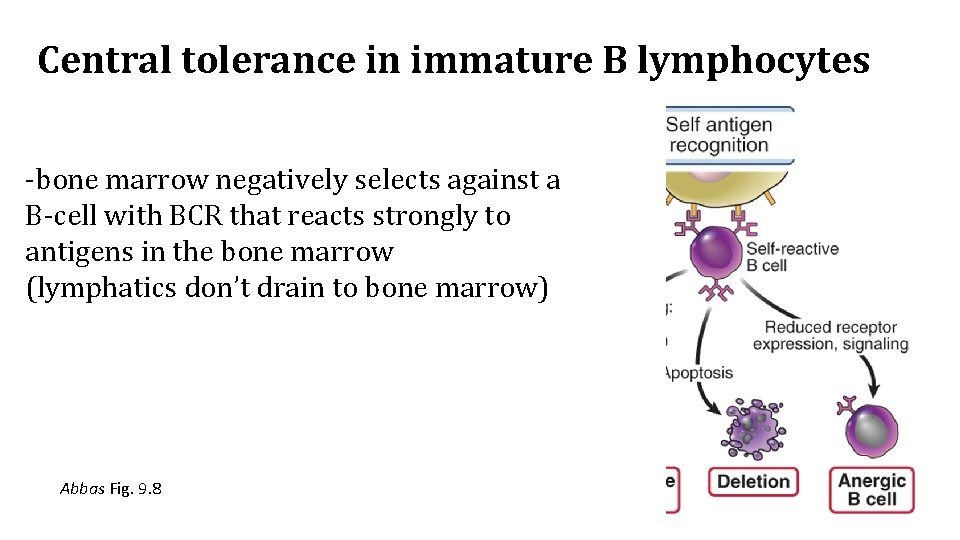
Central tolerance in immature B lymphocytes -bone marrow negatively selects against a B-cell with BCR that reacts strongly to antigens in the bone marrow (lymphatics don’t drain to bone marrow) Abbas Fig. 9. 8
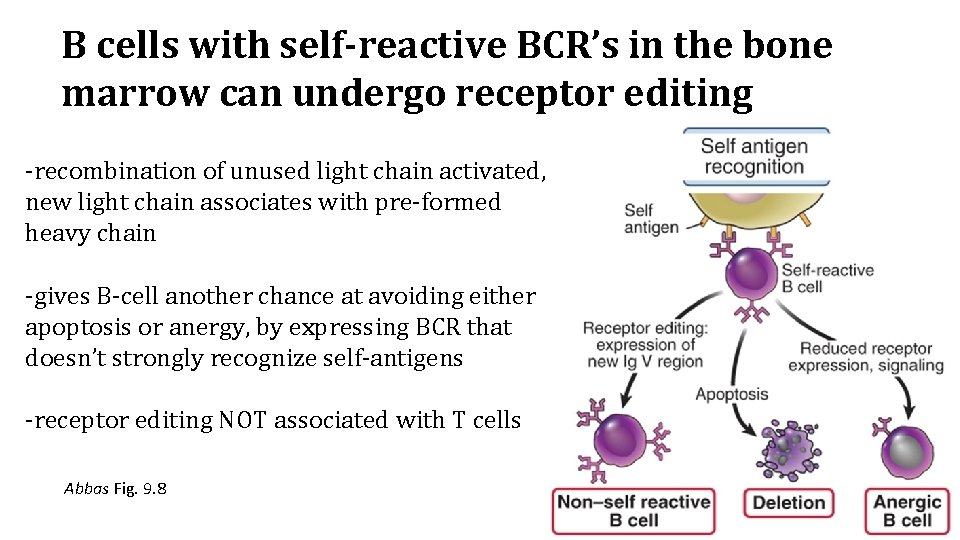
B cells with self-reactive BCR’s in the bone marrow can undergo receptor editing -recombination of unused light chain activated, new light chain associates with pre-formed heavy chain -gives B-cell another chance at avoiding either apoptosis or anergy, by expressing BCR that doesn’t strongly recognize self-antigens -receptor editing NOT associated with T cells Abbas Fig. 9. 8
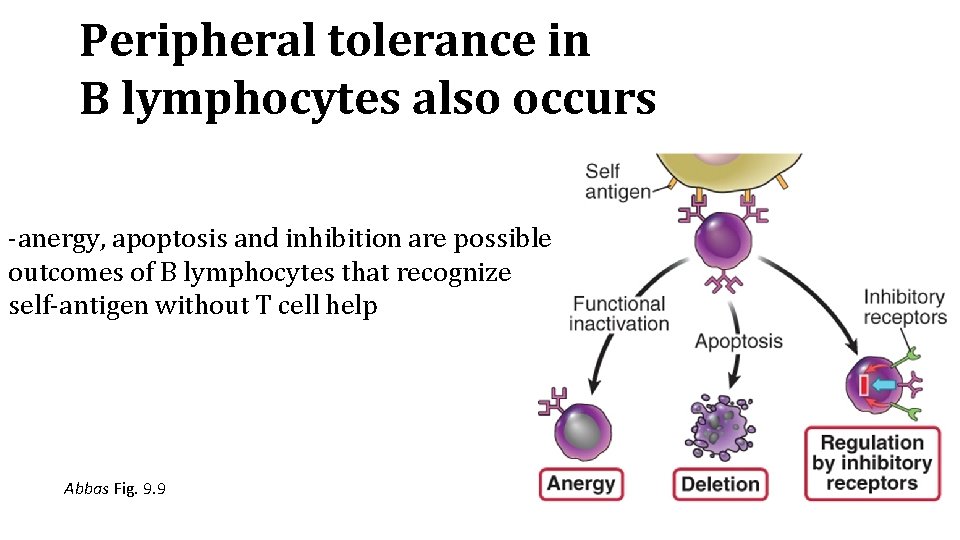
Peripheral tolerance in B lymphocytes also occurs -anergy, apoptosis and inhibition are possible outcomes of B lymphocytes that recognize self-antigen without T cell help Abbas Fig. 9. 9
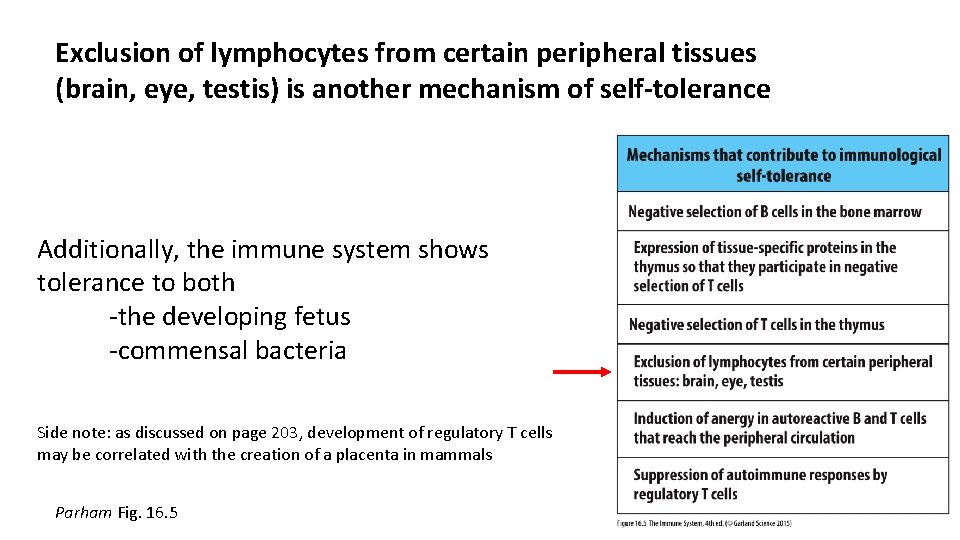
Exclusion of lymphocytes from certain peripheral tissues (brain, eye, testis) is another mechanism of self-tolerance Additionally, the immune system shows tolerance to both -the developing fetus -commensal bacteria Side note: as discussed on page 203, development of regulatory T cells may be correlated with the creation of a placenta in mammals Parham Fig. 16. 5
- Slides: 27