
Immunodeficiency Diseases Components of the immune response system
- Slides: 31
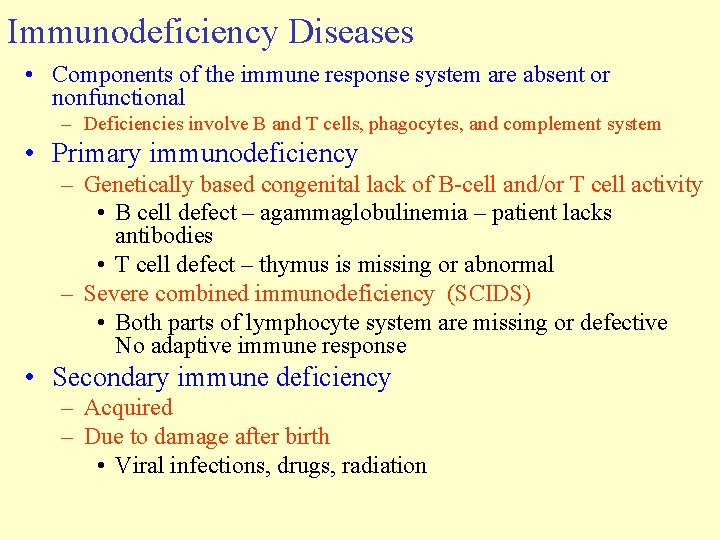
Immunodeficiency Diseases • Components of the immune response system are absent or nonfunctional – Deficiencies involve B and T cells, phagocytes, and complement system • Primary immunodeficiency – Genetically based congenital lack of B-cell and/or T cell activity • B cell defect – agammaglobulinemia – patient lacks antibodies • T cell defect – thymus is missing or abnormal – Severe combined immunodeficiency (SCIDS) • Both parts of lymphocyte system are missing or defective No adaptive immune response • Secondary immune deficiency – Acquired – Due to damage after birth • Viral infections, drugs, radiation
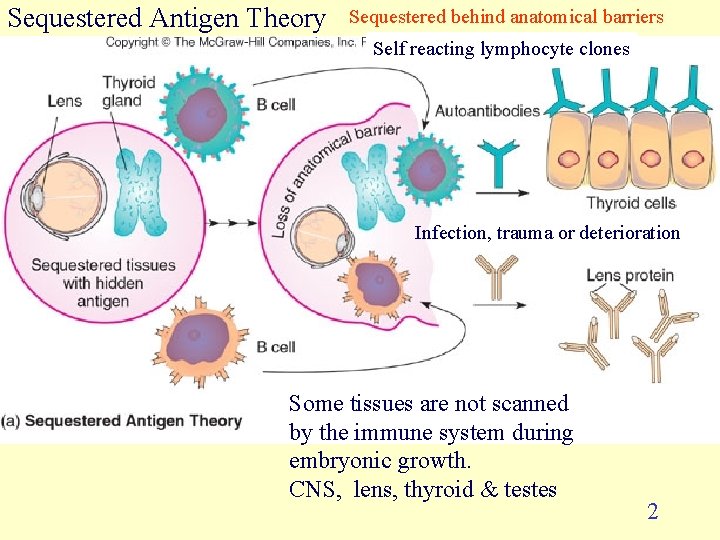
Sequestered Antigen Theory Sequestered behind anatomical barriers Self reacting lymphocyte clones Infection, trauma or deterioration Some tissues are not scanned by the immune system during embryonic growth. CNS, lens, thyroid & testes 2
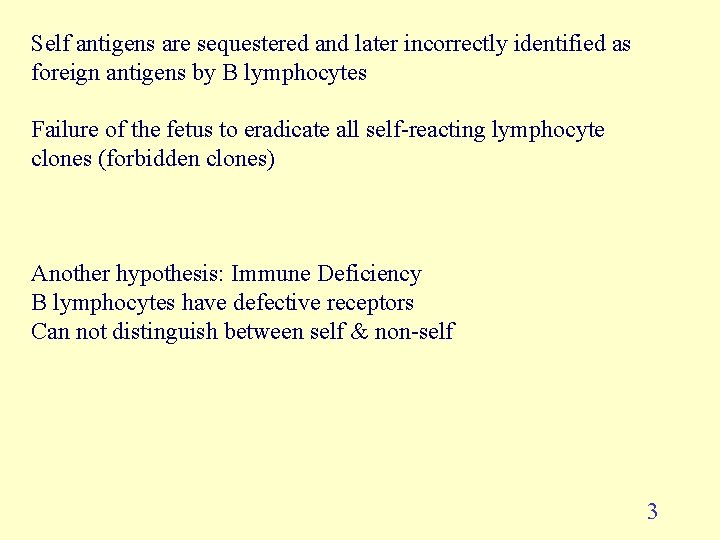
Self antigens are sequestered and later incorrectly identified as foreign antigens by B lymphocytes Failure of the fetus to eradicate all self-reacting lymphocyte clones (forbidden clones) Another hypothesis: Immune Deficiency B lymphocytes have defective receptors Can not distinguish between self & non-self 3
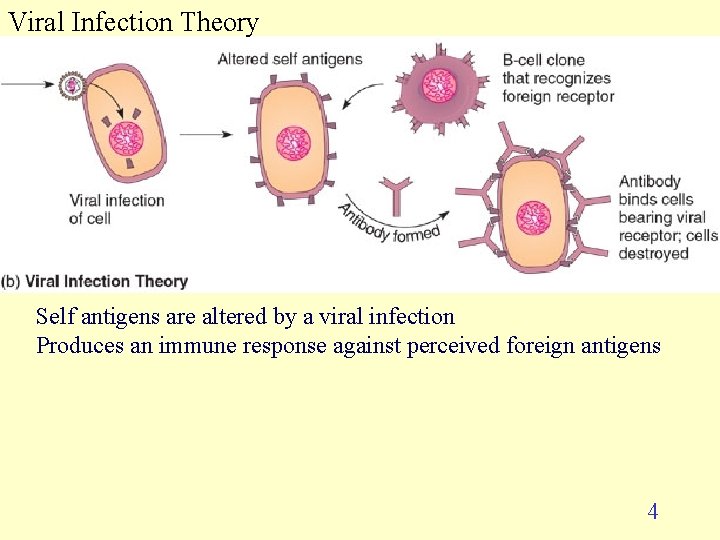
Viral Infection Theory Self antigens are altered by a viral infection Produces an immune response against perceived foreign antigens 4
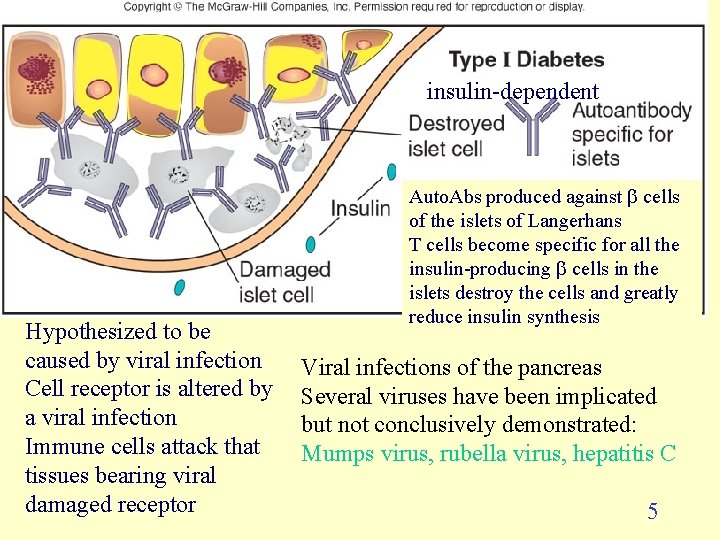
insulin-dependent Hypothesized to be caused by viral infection Cell receptor is altered by a viral infection Immune cells attack that tissues bearing viral damaged receptor Auto. Abs produced against b cells of the islets of Langerhans T cells become specific for all the insulin-producing b cells in the islets destroy the cells and greatly reduce insulin synthesis Viral infections of the pancreas Several viruses have been implicated but not conclusively demonstrated: Mumps virus, rubella virus, hepatitis C 5
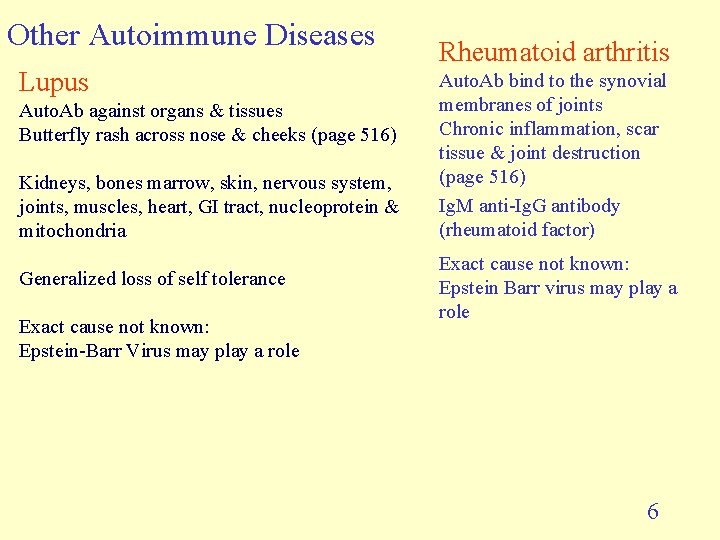
Other Autoimmune Diseases Lupus Auto. Ab against organs & tissues Butterfly rash across nose & cheeks (page 516) Kidneys, bones marrow, skin, nervous system, joints, muscles, heart, GI tract, nucleoprotein & mitochondria Generalized loss of self tolerance Exact cause not known: Epstein-Barr Virus may play a role Rheumatoid arthritis Auto. Ab bind to the synovial membranes of joints Chronic inflammation, scar tissue & joint destruction (page 516) Ig. M anti-Ig. G antibody (rheumatoid factor) Exact cause not known: Epstein Barr virus may play a role 6
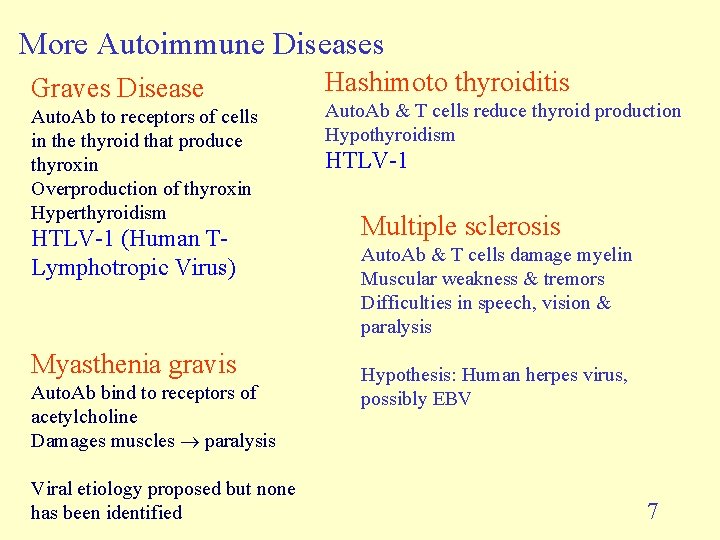
More Autoimmune Diseases Graves Disease Hashimoto thyroiditis Auto. Ab to receptors of cells in the thyroid that produce thyroxin Overproduction of thyroxin Hyperthyroidism HTLV-1 (Human TLymphotropic Virus) Myasthenia gravis Auto. Ab bind to receptors of acetylcholine Damages muscles paralysis Viral etiology proposed but none has been identified Auto. Ab & T cells reduce thyroid production Hypothyroidism Multiple sclerosis Auto. Ab & T cells damage myelin Muscular weakness & tremors Difficulties in speech, vision & paralysis Hypothesis: Human herpes virus, possibly EBV 7
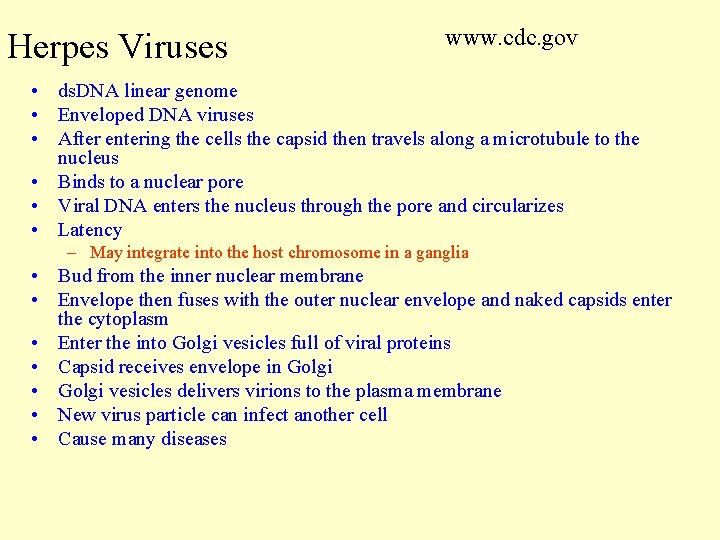
Herpes Viruses www. cdc. gov • ds. DNA linear genome • Enveloped DNA viruses • After entering the cells the capsid then travels along a microtubule to the nucleus • Binds to a nuclear pore • Viral DNA enters the nucleus through the pore and circularizes • Latency – May integrate into the host chromosome in a ganglia • Bud from the inner nuclear membrane • Envelope then fuses with the outer nuclear envelope and naked capsids enter the cytoplasm • Enter the into Golgi vesicles full of viral proteins • Capsid receives envelope in Golgi • Golgi vesicles delivers virions to the plasma membrane • New virus particle can infect another cell • Cause many diseases
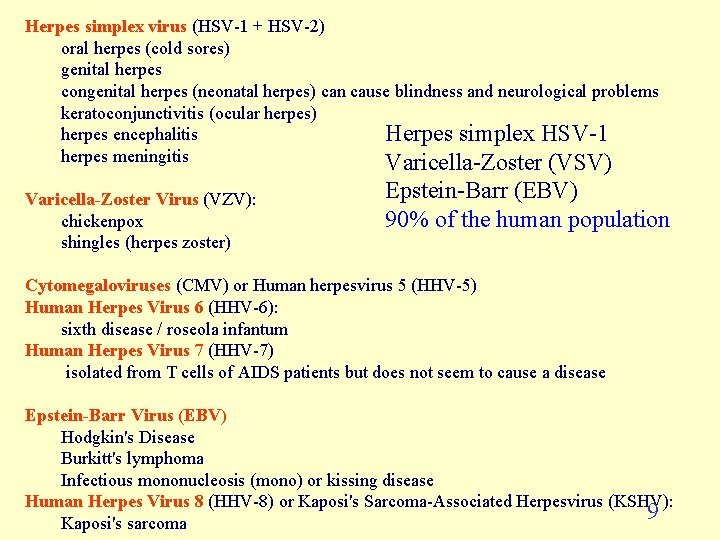
Herpes simplex virus (HSV-1 + HSV-2) oral herpes (cold sores) genital herpes congenital herpes (neonatal herpes) can cause blindness and neurological problems keratoconjunctivitis (ocular herpes) herpes encephalitis Herpes simplex HSV-1 herpes meningitis Varicella-Zoster (VSV) Varicella-Zoster Virus (VZV): chickenpox shingles (herpes zoster) Epstein-Barr (EBV) 90% of the human population Cytomegaloviruses (CMV) or Human herpesvirus 5 (HHV-5) Human Herpes Virus 6 (HHV-6): sixth disease / roseola infantum Human Herpes Virus 7 (HHV-7) isolated from T cells of AIDS patients but does not seem to cause a disease Epstein-Barr Virus (EBV) Hodgkin's Disease Burkitt's lymphoma Infectious mononucleosis (mono) or kissing disease Human Herpes Virus 8 (HHV-8) or Kaposi's Sarcoma-Associated Herpesvirus (KSHV): 9 Kaposi's sarcoma
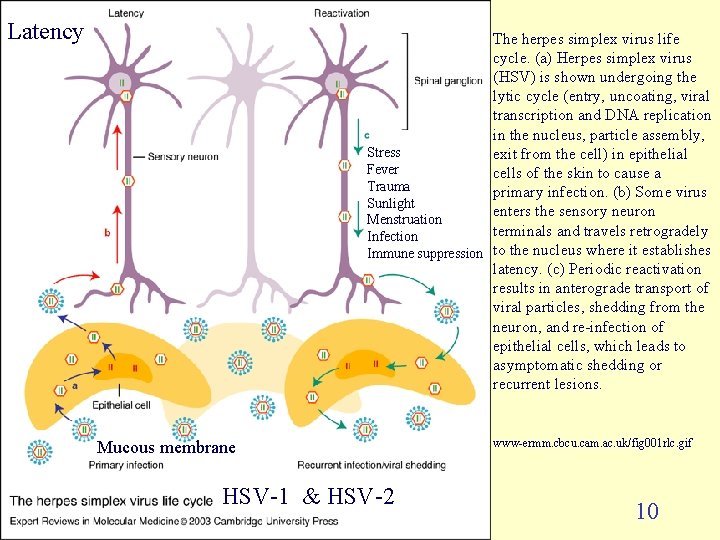
Latency The herpes simplex virus life cycle. (a) Herpes simplex virus (HSV) is shown undergoing the lytic cycle (entry, uncoating, viral transcription and DNA replication in the nucleus, particle assembly, Stress exit from the cell) in epithelial Fever cells of the skin to cause a Trauma primary infection. (b) Some virus Sunlight enters the sensory neuron Menstruation terminals and travels retrogradely Infection Immune suppression to the nucleus where it establishes latency. (c) Periodic reactivation results in anterograde transport of viral particles, shedding from the neuron, and re-infection of epithelial cells, which leads to asymptomatic shedding or recurrent lesions. Mucous membrane HSV-1 & HSV-2 www-ermm. cbcu. cam. ac. uk/fig 001 rlc. gif 10
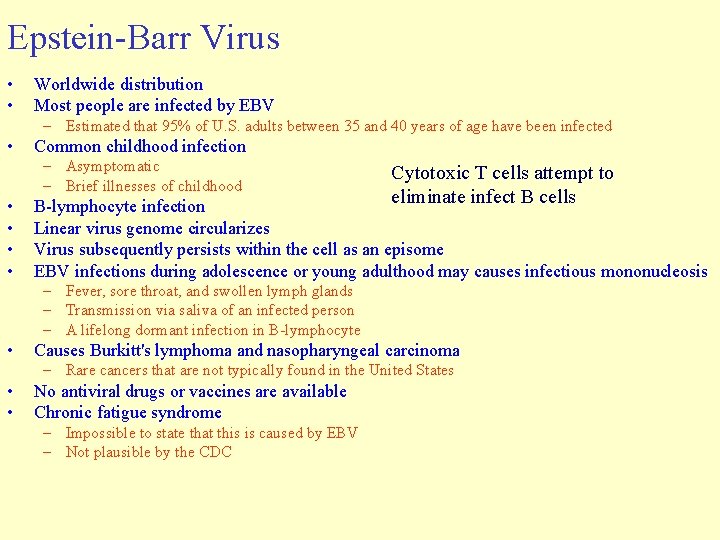
Epstein-Barr Virus • • Worldwide distribution Most people are infected by EBV – Estimated that 95% of U. S. adults between 35 and 40 years of age have been infected • Common childhood infection – Asymptomatic – Brief illnesses of childhood • • Cytotoxic T cells attempt to eliminate infect B cells B-lymphocyte infection Linear virus genome circularizes Virus subsequently persists within the cell as an episome EBV infections during adolescence or young adulthood may causes infectious mononucleosis – Fever, sore throat, and swollen lymph glands – Transmission via saliva of an infected person – A lifelong dormant infection in B-lymphocyte • Causes Burkitt's lymphoma and nasopharyngeal carcinoma – Rare cancers that are not typically found in the United States • • No antiviral drugs or vaccines are available Chronic fatigue syndrome – Impossible to state that this is caused by EBV – Not plausible by the CDC
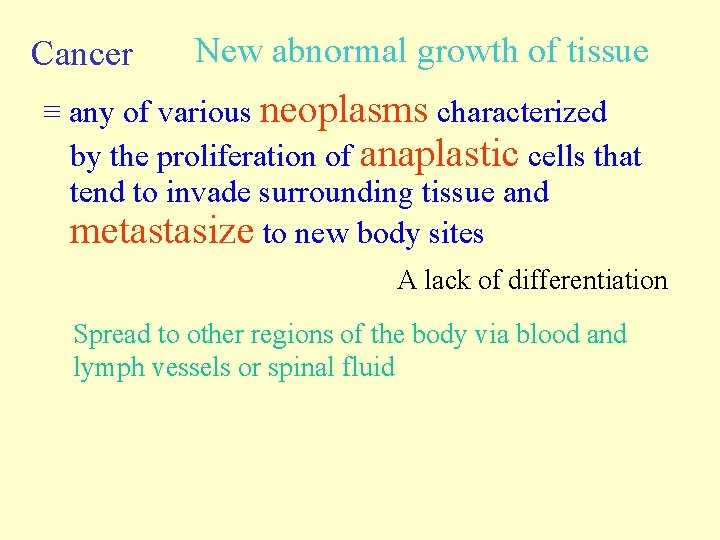
Cancer New abnormal growth of tissue ≡ any of various neoplasms characterized by the proliferation of anaplastic cells that tend to invade surrounding tissue and metastasize to new body sites A lack of differentiation Spread to other regions of the body via blood and lymph vessels or spinal fluid
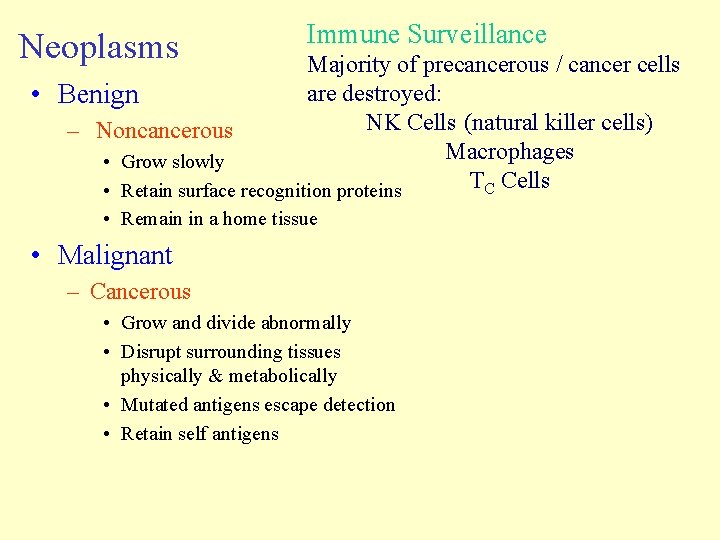
Neoplasms Immune Surveillance Majority of precancerous / cancer cells are destroyed: • Benign NK Cells (natural killer cells) – Noncancerous Macrophages • Grow slowly TC Cells • Retain surface recognition proteins • Remain in a home tissue • Malignant – Cancerous • Grow and divide abnormally • Disrupt surrounding tissues physically & metabolically • Mutated antigens escape detection • Retain self antigens
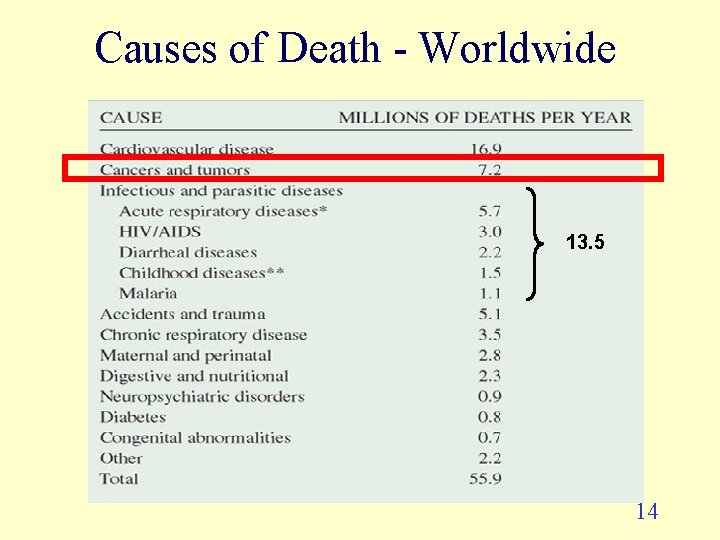
Causes of Death - Worldwide 13. 5 14
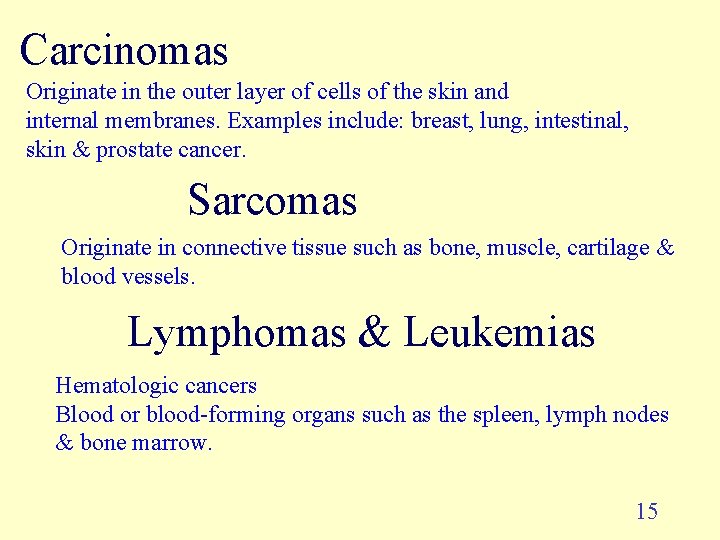
Carcinomas Originate in the outer layer of cells of the skin and internal membranes. Examples include: breast, lung, intestinal, skin & prostate cancer. Sarcomas Originate in connective tissue such as bone, muscle, cartilage & blood vessels. Lymphomas & Leukemias Hematologic cancers Blood or blood-forming organs such as the spleen, lymph nodes & bone marrow. 15
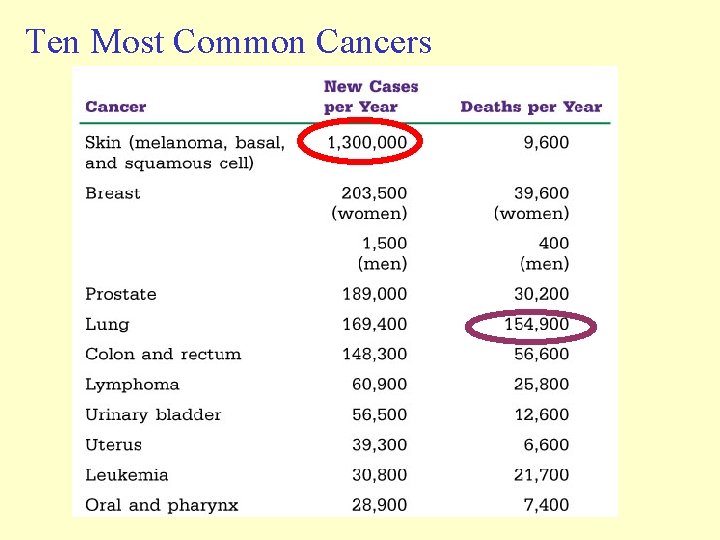
Ten Most Common Cancers
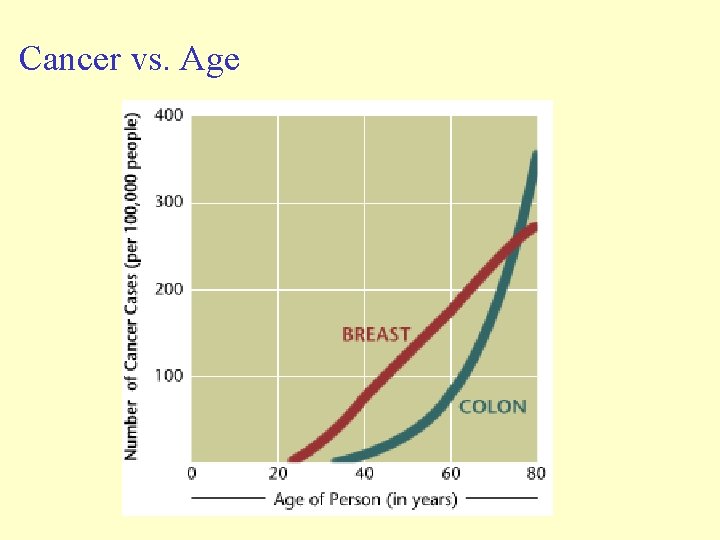
Cancer vs. Age
• An individual’s chance of developing cancer within his or her lifetime is almost twice as great today as it was 50 years ago • People are living longer • Cancer is more prevalent in older people
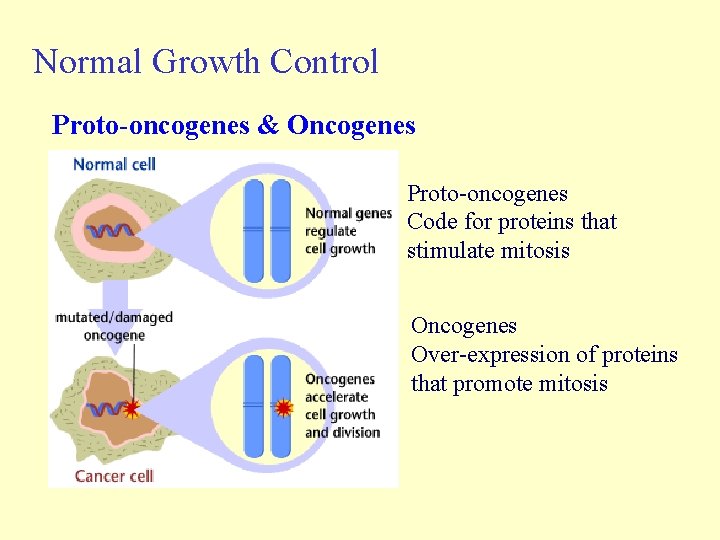
Normal Growth Control Proto-oncogenes & Oncogenes Proto-oncogenes Code for proteins that stimulate mitosis Oncogenes Over-expression of proteins that promote mitosis
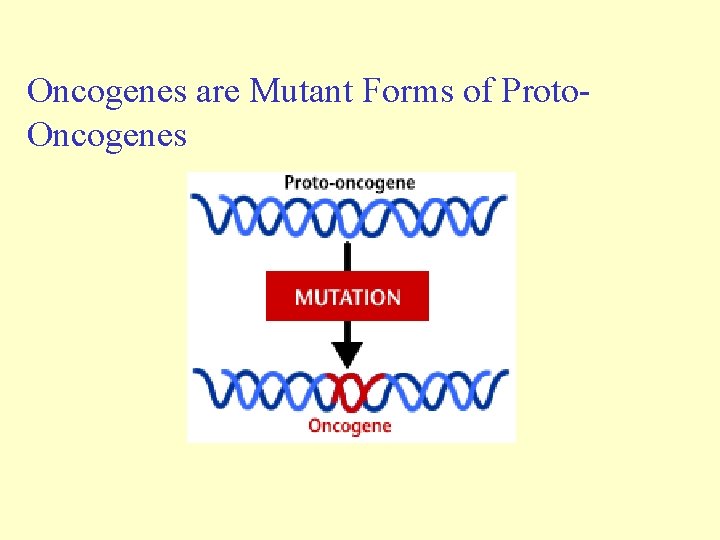
Oncogenes are Mutant Forms of Proto. Oncogenes
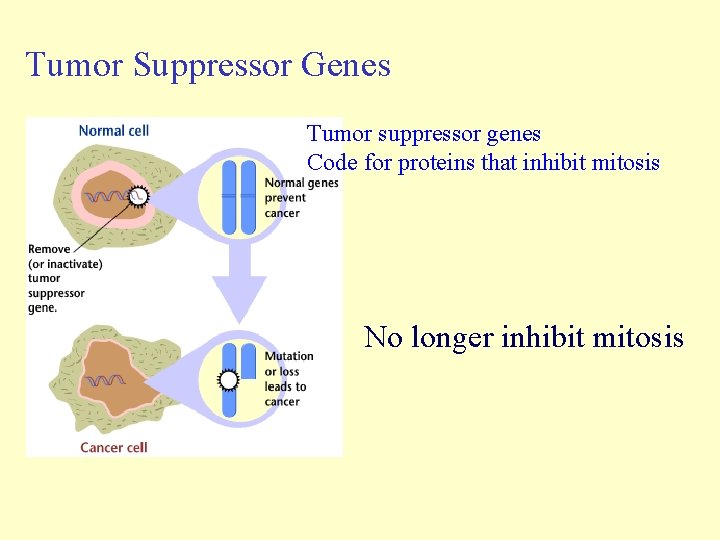
Tumor Suppressor Genes Tumor suppressor genes Code for proteins that inhibit mitosis No longer inhibit mitosis
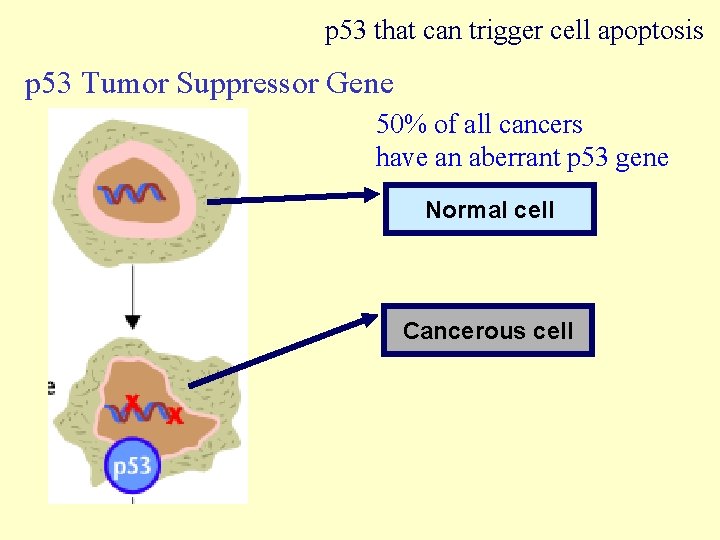
p 53 that can trigger cell apoptosis p 53 Tumor Suppressor Gene 50% of all cancers have an aberrant p 53 gene Normal cell Cancerous cell
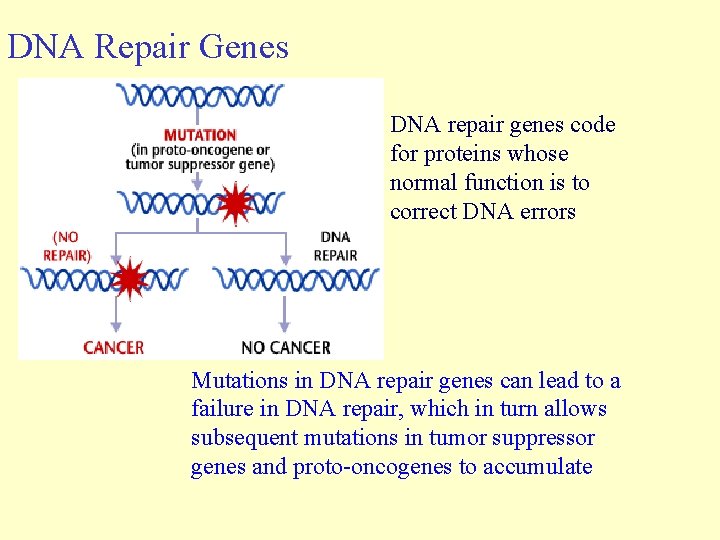
DNA Repair Genes DNA repair genes code for proteins whose normal function is to correct DNA errors Mutations in DNA repair genes can lead to a failure in DNA repair, which in turn allows subsequent mutations in tumor suppressor genes and proto-oncogenes to accumulate
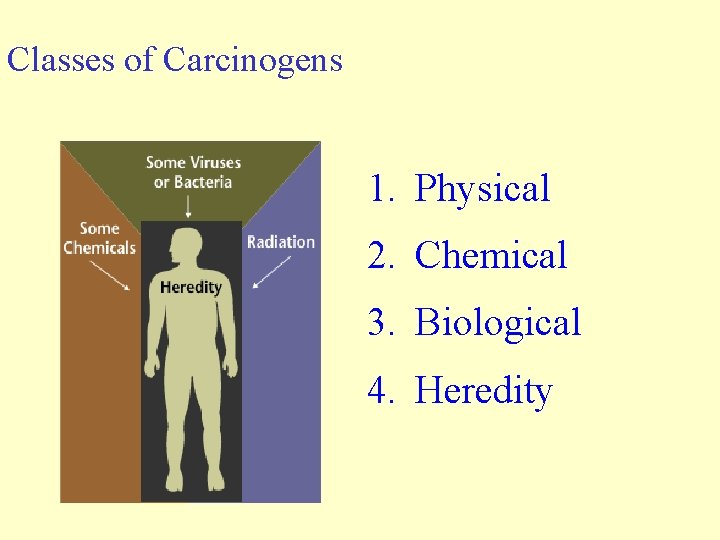
Classes of Carcinogens 1. Physical 2. Chemical 3. Biological 4. Heredity
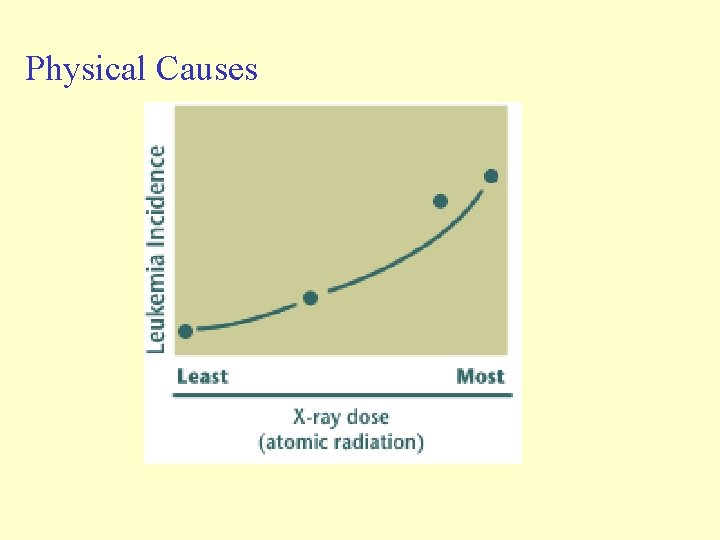
Physical Causes
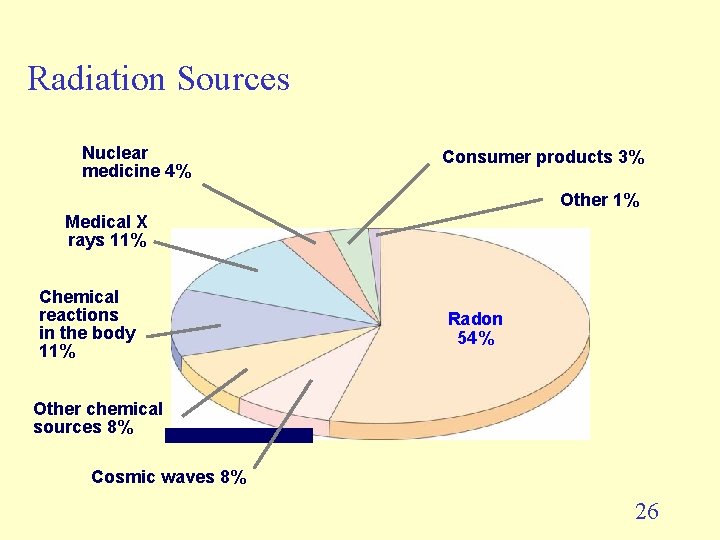
Radiation Sources Nuclear medicine 4% Consumer products 3% Other 1% Medical X rays 11% Chemical reactions in the body 11% Radon 54% Other chemical sources 8% Cosmic waves 8% 26
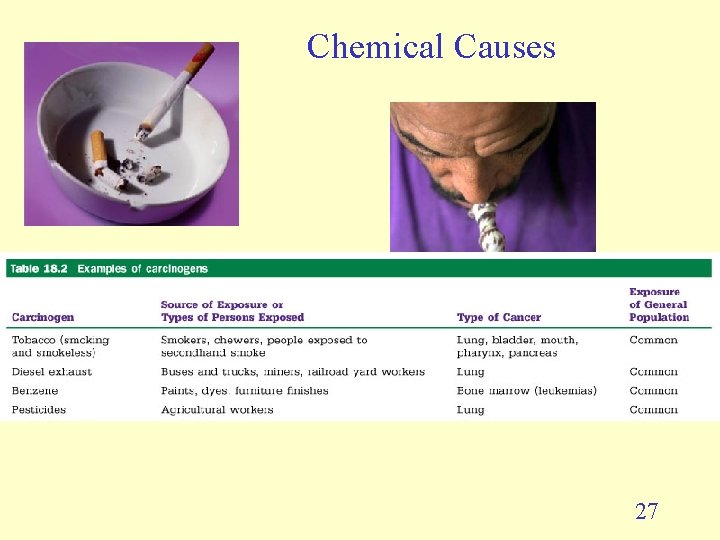
Chemical Causes 27
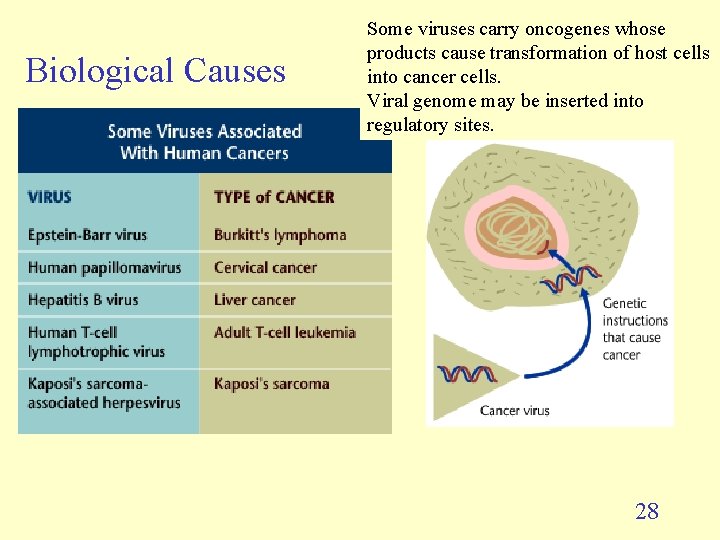
Biological Causes Some viruses carry oncogenes whose products cause transformation of host cells into cancer cells. Viral genome may be inserted into regulatory sites. 28
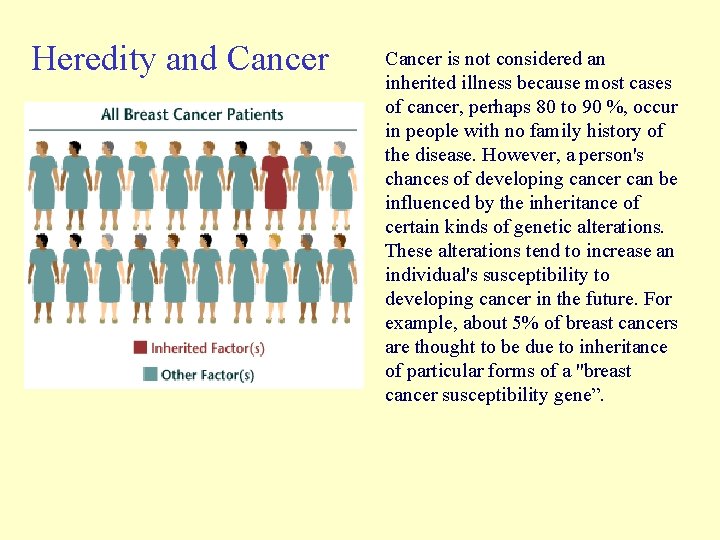
Heredity and Cancer is not considered an inherited illness because most cases of cancer, perhaps 80 to 90 %, occur in people with no family history of the disease. However, a person's chances of developing cancer can be influenced by the inheritance of certain kinds of genetic alterations. These alterations tend to increase an individual's susceptibility to developing cancer in the future. For example, about 5% of breast cancers are thought to be due to inheritance of particular forms of a "breast cancer susceptibility gene”.
HTLV-1 Nature Medicine 2004 10 J Clin Pathol 2000 53: 581 -586 Human T Cell leukemia/lymphoma virus type I • Oncogenic retrovirus – Two (+) sense strands of RNA – gag, pol & env genes – Tax • Transcriptional activator – Rex • Regulates viral m. RNA splicing • • Adult T cell leukemia (ATL) Long list of autoimmune diseases Infects from 15 - 25 million individuals world-wide Endemic to south-western Japan, central portion of Africa, the Caribbean basin, central and South America, Melanesia, regions of Iran, southern India, aboriginal groups in Australia • Common among IV drug users
• Three major modes of transmission – Breast milk – Sexual transmission – Blood transfusion • Blood is screened for HTLV-1 • Similar to the Simian TLV-1 – Chimpanzees and mandrill baboons – Transferred from animals to humans • Asymptomatic for as long as 50 years • CD 4 T lymphocytes are the main target • Virus binds to the receptor for glucose – GLUT-1 • • Immunoassays are used to detect Ab made in response to the virus No method to assess prognosis of asymptomatic infected individuals No methods to assess risk No treatment – Some success with interferons and AZT • No vaccine