
Immunity Innate immunity Refers to various physical chemical

- Slides: 48
Immunity
Innate immunity Refers to various physical, chemical, and cellular attributes that collectively represent the first line of defense against infectious disease. Natural Immunity Phylogenetically older: Present in all Multicellular organisms Use Proteins Encoded in the Germline (Elements an Individual is born with Standard Equipment-Hard-Wired
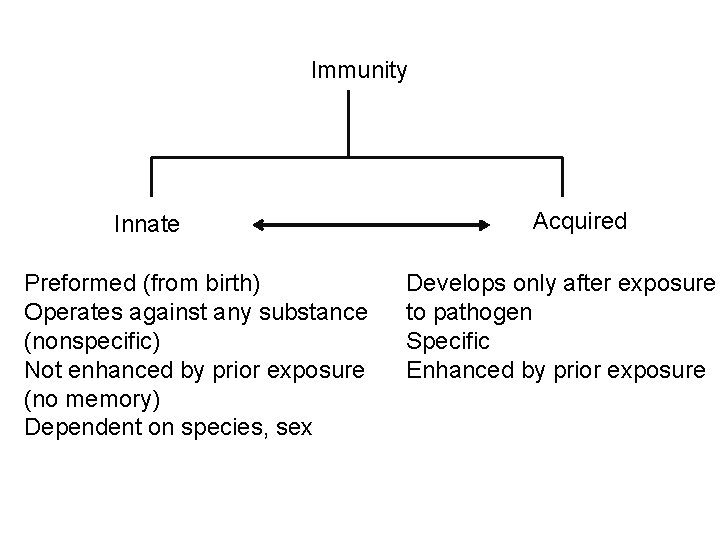
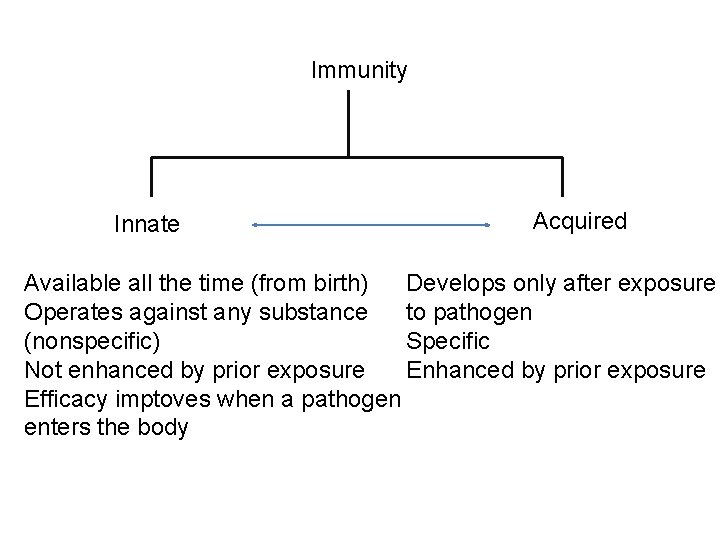
Immunity Innate Preformed (from birth) Operates against any substance (nonspecific) Not enhanced by prior exposure (no memory) Dependent on species, sex Acquired Develops only after exposure to pathogen Specific Enhanced by prior exposure
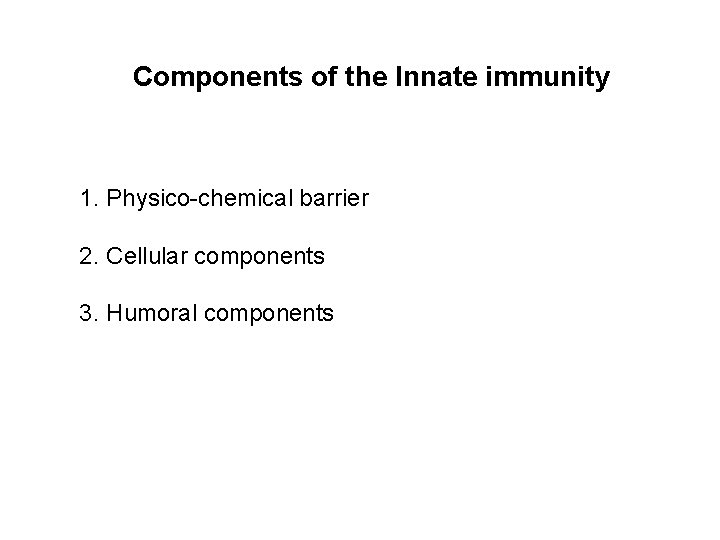
Components of the Innate immunity 1. Physico-chemical barrier 2. Cellular components 3. Humoral components
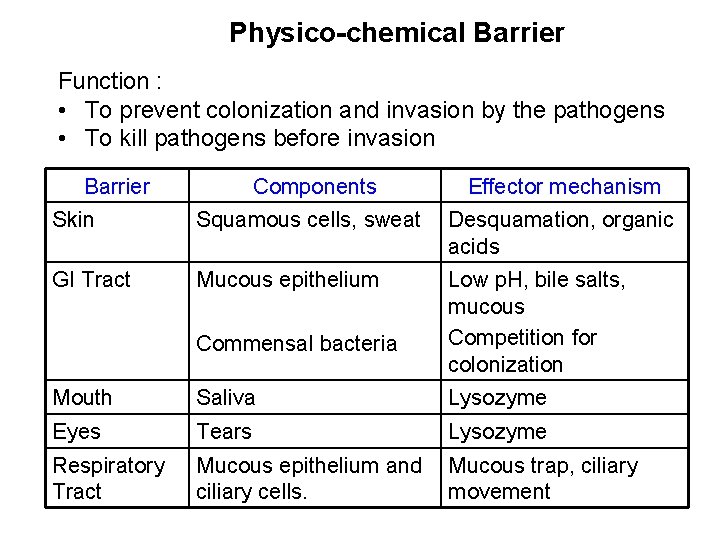
Physico-chemical Barrier Function : • To prevent colonization and invasion by the pathogens • To kill pathogens before invasion Barrier Components Effector mechanism Skin Squamous cells, sweat Desquamation, organic acids GI Tract Mucous epithelium Low p. H, bile salts, mucous Competition for colonization Commensal bacteria Mouth Saliva Lysozyme Eyes Tears Lysozyme Respiratory Tract Mucous epithelium and ciliary cells. Mucous trap, ciliary movement
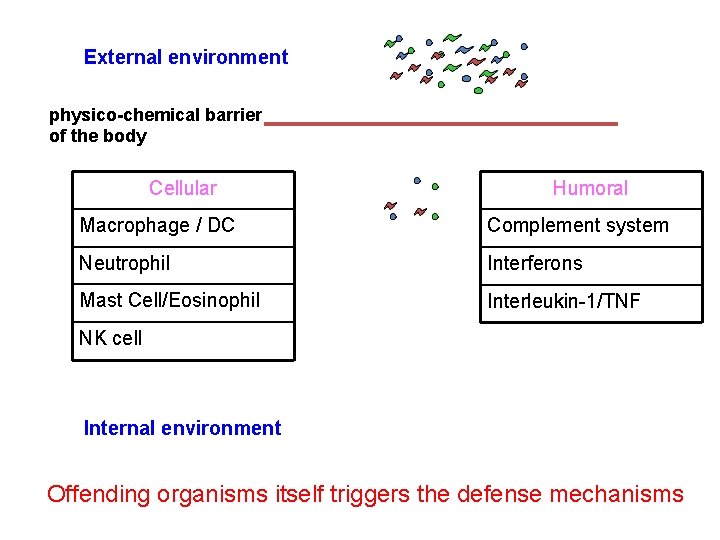
External environment physico-chemical barrier of the body Cellular Humoral Macrophage / DC Complement system Neutrophil Interferons Mast Cell/Eosinophil Interleukin-1/TNF NK cell Internal environment Offending organisms itself triggers the defense mechanisms
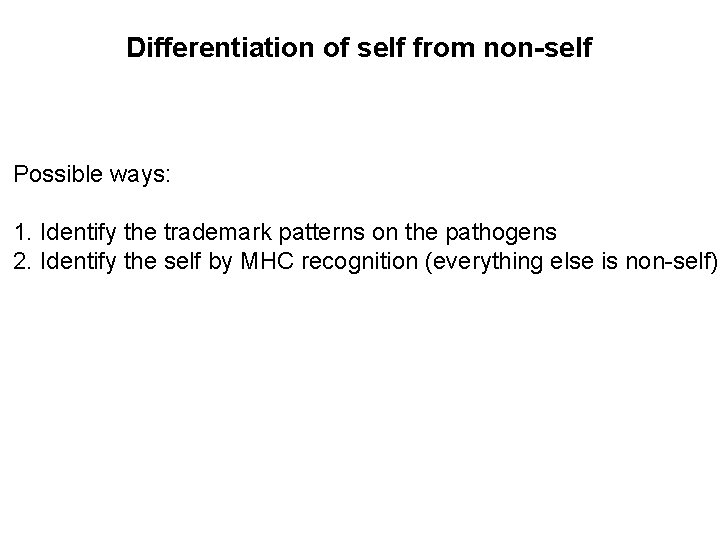
Differentiation of self from non-self Possible ways: 1. Identify the trademark patterns on the pathogens 2. Identify the self by MHC recognition (everything else is non-self)
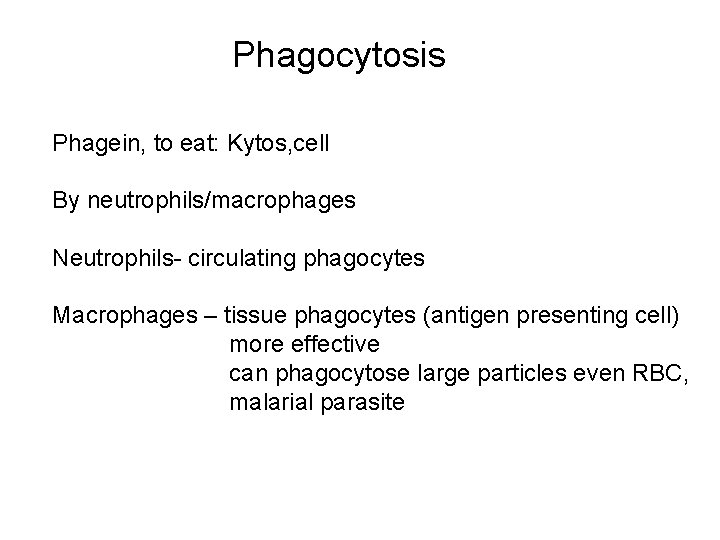
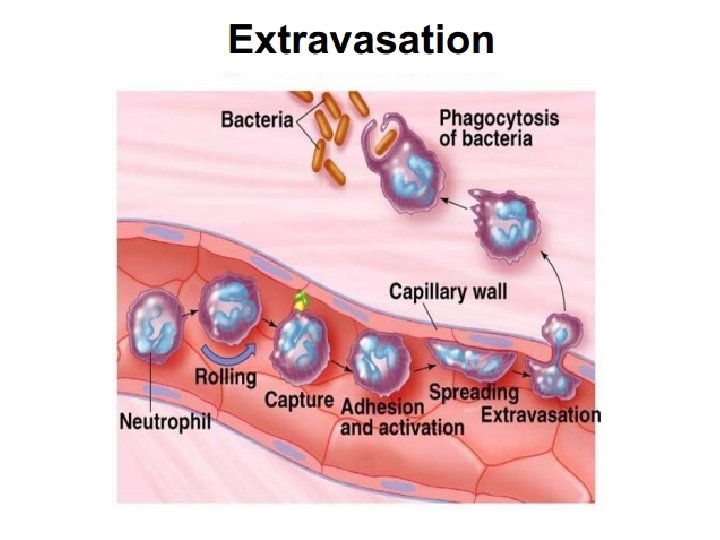
Phagocytosis Phagein, to eat: Kytos, cell By neutrophils/macrophages Neutrophils- circulating phagocytes Macrophages – tissue phagocytes (antigen presenting cell) more effective can phagocytose large particles even RBC, malarial parasite
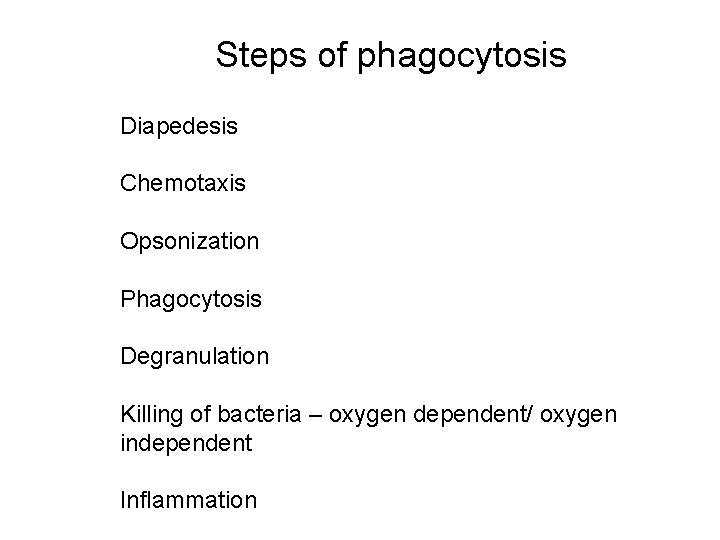
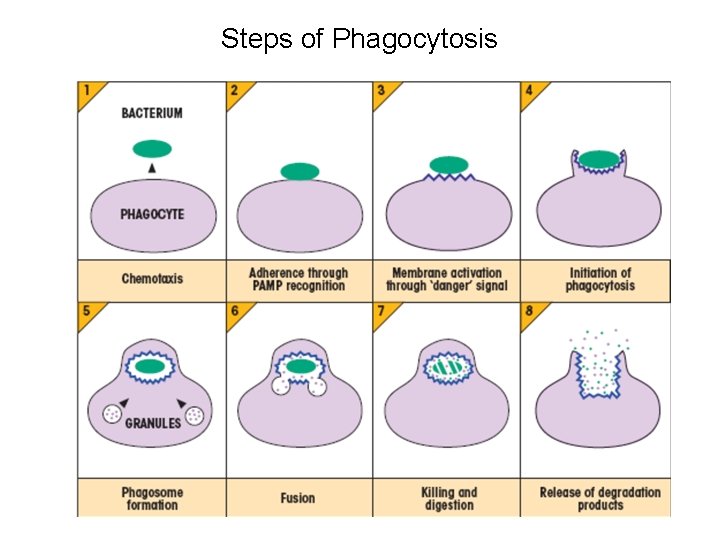
Steps of phagocytosis Diapedesis Chemotaxis Opsonization Phagocytosis Degranulation Killing of bacteria – oxygen dependent/ oxygen independent Inflammation
Steps of Phagocytosis
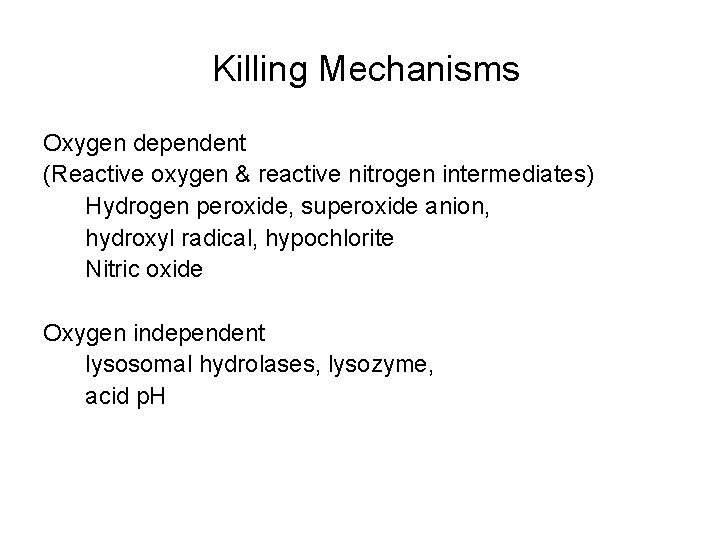
Killing Mechanisms Oxygen dependent (Reactive oxygen & reactive nitrogen intermediates) Hydrogen peroxide, superoxide anion, hydroxyl radical, hypochlorite Nitric oxide Oxygen independent lysosomal hydrolases, lysozyme, acid p. H
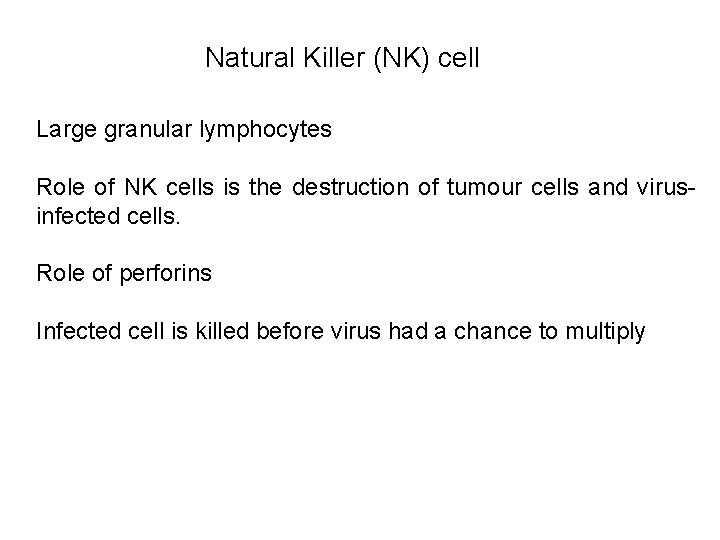
Natural Killer (NK) cell Large granular lymphocytes Role of NK cells is the destruction of tumour cells and virus. NK cell infected cells. Role of perforins Infected cell is killed before virus- had a chance to multiply
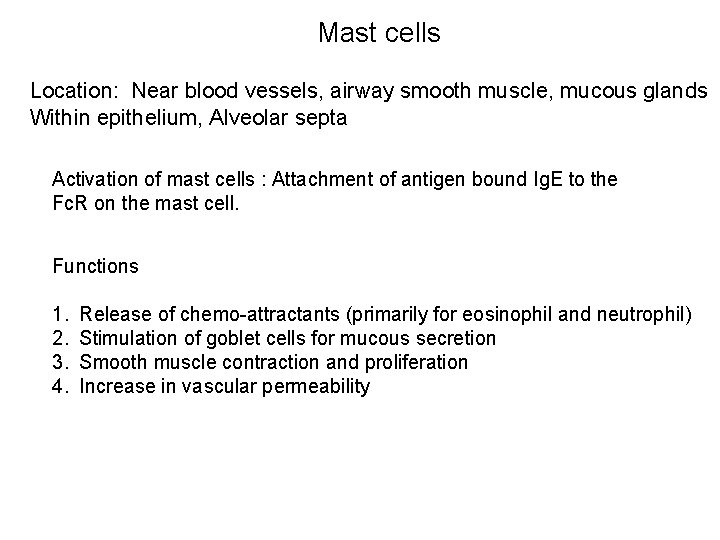
Mast cells Location: Near blood vessels, airway smooth muscle, mucous glands Within epithelium, Alveolar septa Activation of mast cells : Attachment of antigen bound Ig. E to the Fc. R on the mast cell. Functions 1. 2. 3. 4. Release of chemo-attractants (primarily for eosinophil and neutrophil) Stimulation of goblet cells for mucous secretion Smooth muscle contraction and proliferation Increase in vascular permeability
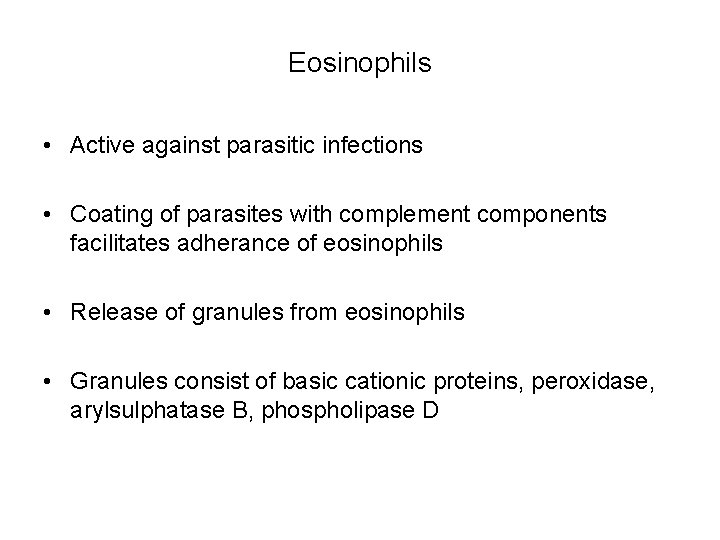
Eosinophils • Active against parasitic infections • Coating of parasites with complement components facilitates adherance of eosinophils • Release of granules from eosinophils • Granules consist of basic cationic proteins, peroxidase, arylsulphatase B, phospholipase D
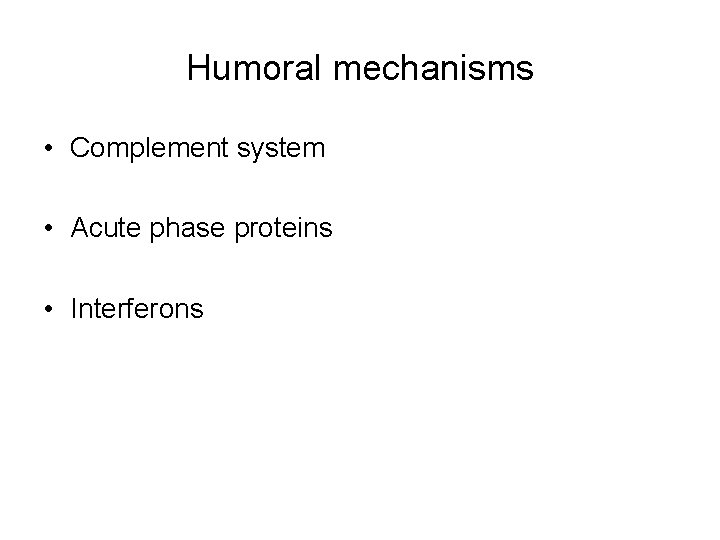
Humoral mechanisms • Complement system • Acute phase proteins • Interferons
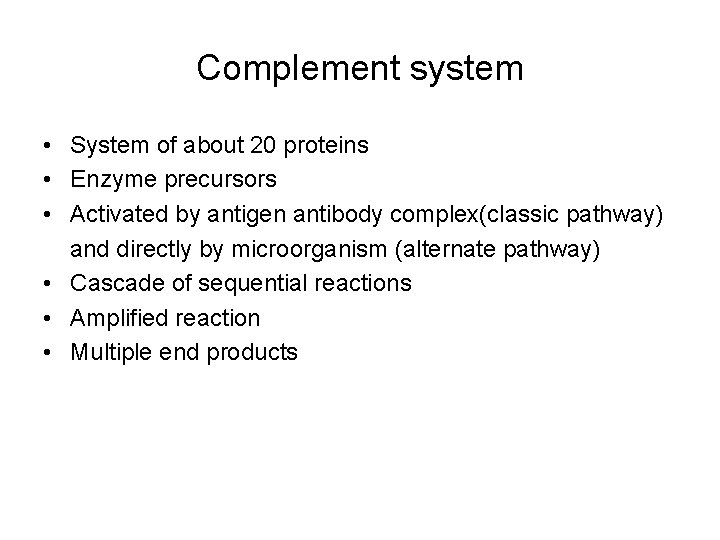
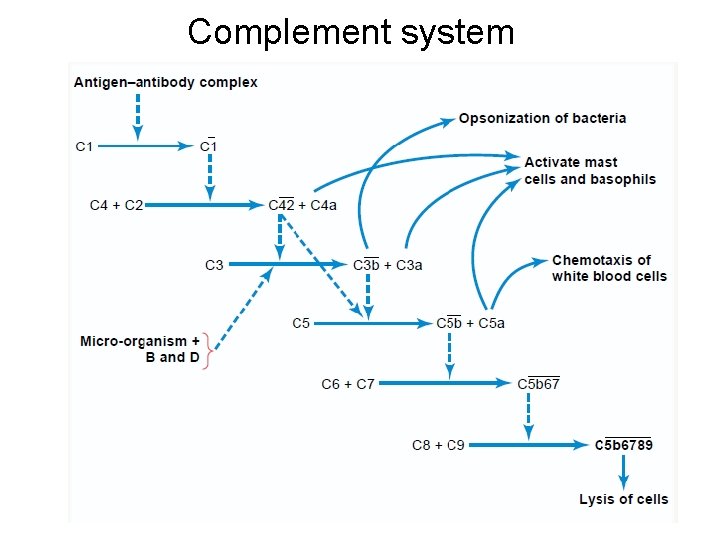
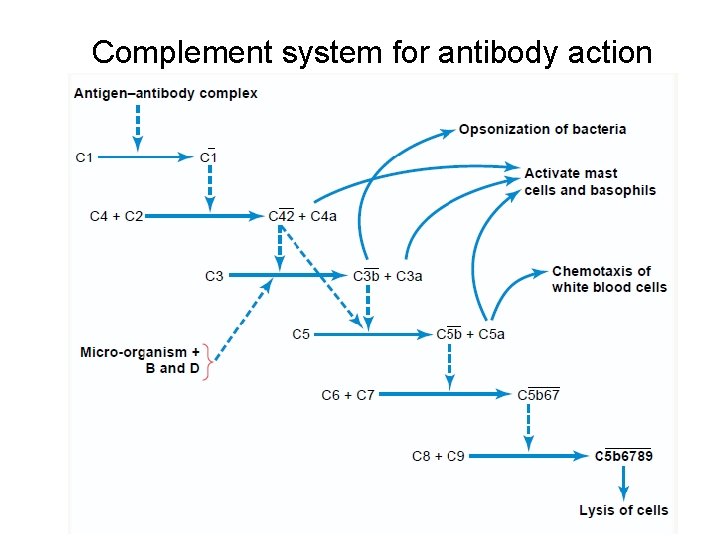
Complement system • System of about 20 proteins • Enzyme precursors • Activated by antigen antibody complex(classic pathway) and directly by microorganism (alternate pathway) • Cascade of sequential reactions • Amplified reaction • Multiple end products
Complement system
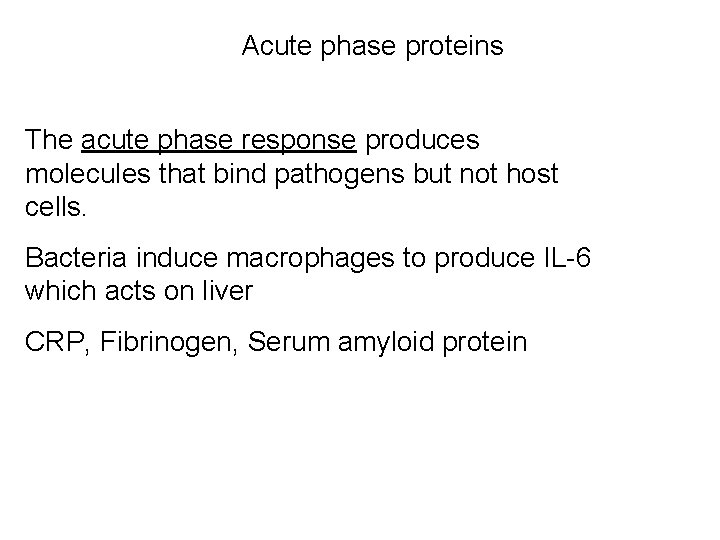
Acute phase proteins The acute phase response produces molecules that bind pathogens but not host cells. Bacteria induce macrophages to produce IL-6 which acts on liver CRP, Fibrinogen, Serum amyloid protein
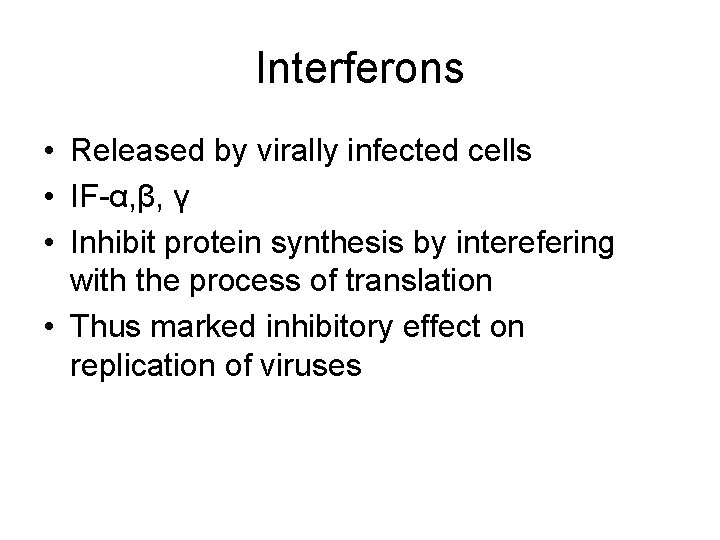
Interferons • Released by virally infected cells • IF-α, β, γ • Inhibit protein synthesis by interefering with the process of translation • Thus marked inhibitory effect on replication of viruses
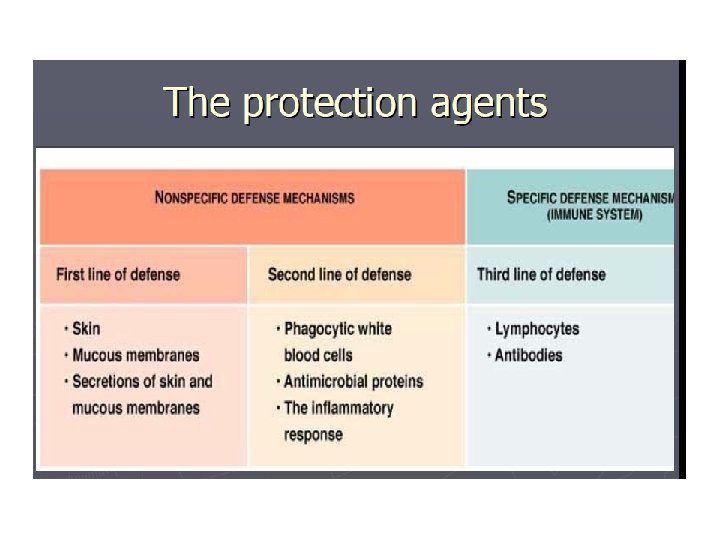
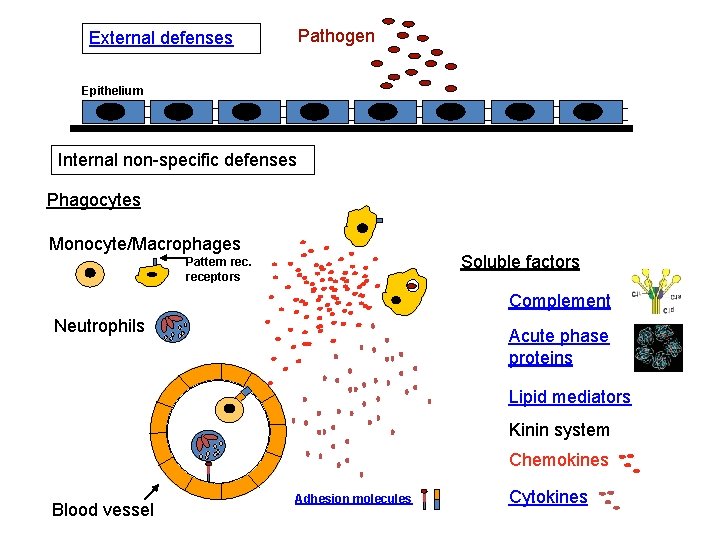
Pathogen External defenses Epithelium Internal non-specific defenses Phagocytes Monocyte/Macrophages Soluble factors Pattern receptors Complement Neutrophils Acute phase proteins Lipid mediators Kinin system Chemokines Blood vessel Adhesion molecules Cytokines
Acquired immunity
Immunity Innate Acquired Available all the time (from birth) Develops only after exposure Operates against any substance to pathogen (nonspecific) Specific Not enhanced by prior exposure Efficacy imptoves when a pathogen enters the body
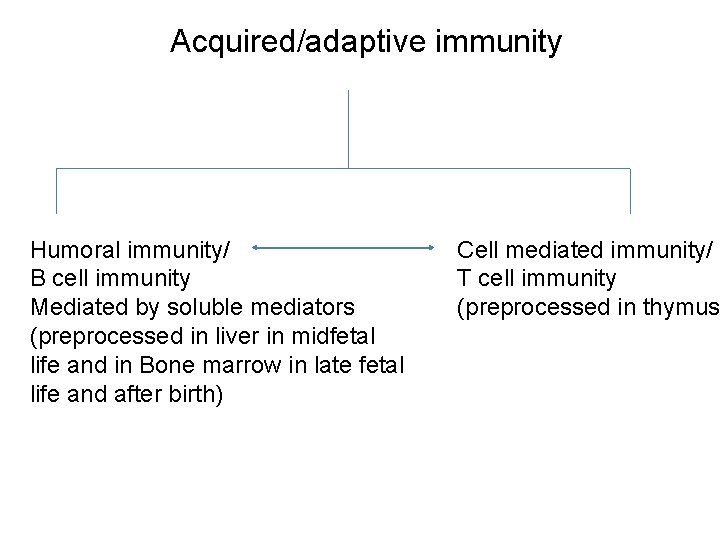
Acquired/adaptive immunity Humoral immunity/ B cell immunity Mediated by soluble mediators (preprocessed in liver in midfetal life and in Bone marrow in late fetal life and after birth) Cell mediated immunity/ T cell immunity (preprocessed in thymus)
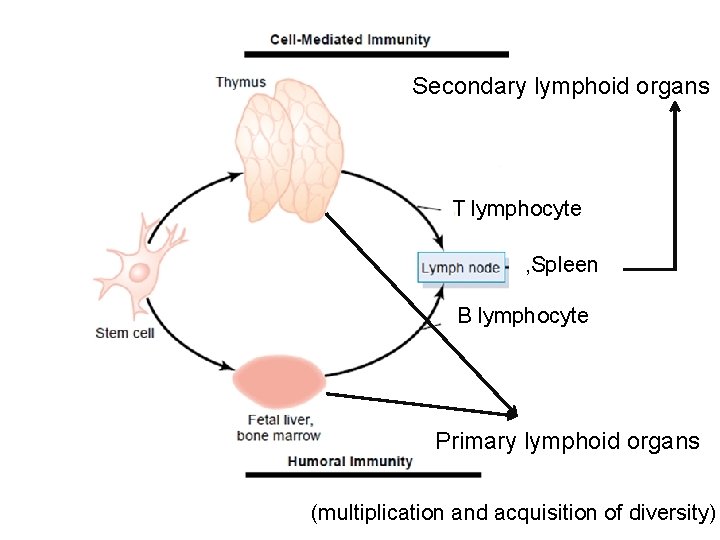
Secondary lymphoid organs T lymphocyte , Spleen B lymphocyte Primary lymphoid organs (multiplication and acquisition of diversity)
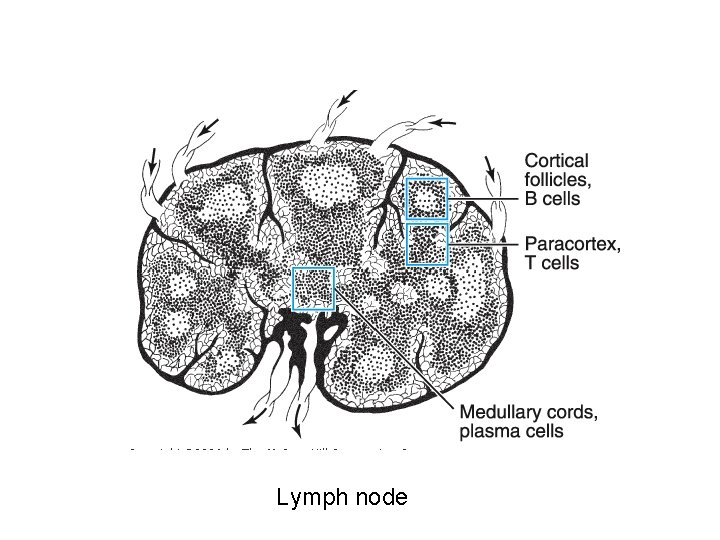
Lymph node
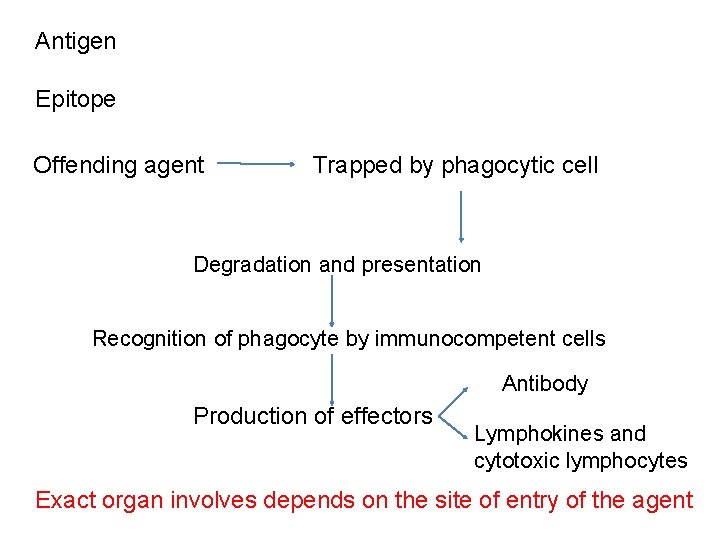
Antigen Epitope Offending agent Trapped by phagocytic cell Degradation and presentation Recognition of phagocyte by immunocompetent cells Antibody Production of effectors Lymphokines and cytotoxic lymphocytes Exact organ involves depends on the site of entry of the agent
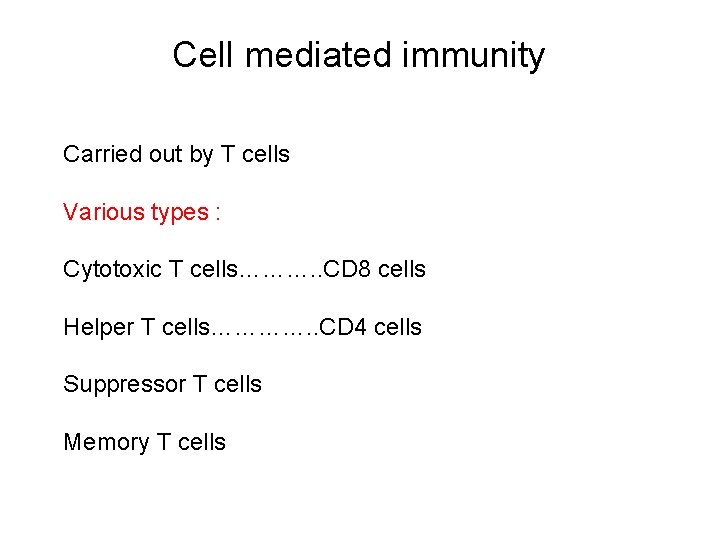
Cell mediated immunity Carried out by T cells Various types : Cytotoxic T cells………. . CD 8 cells Helper T cells…………. . CD 4 cells Suppressor T cells Memory T cells
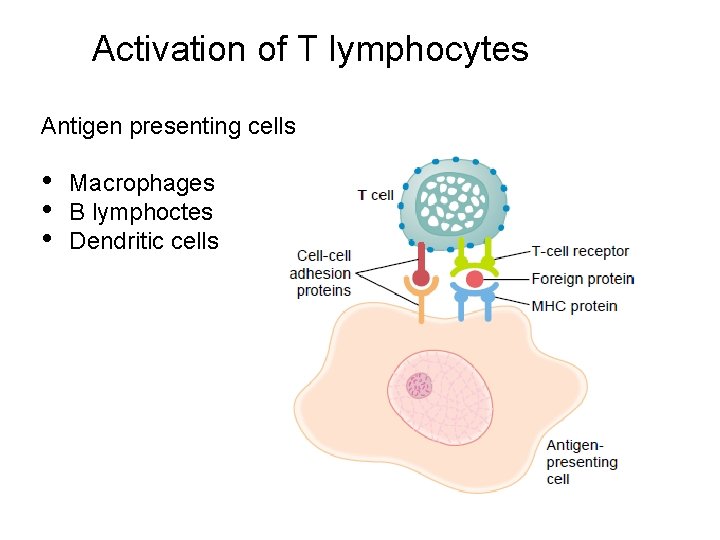
Activation of T lymphocytes Antigen presenting cells • • • Macrophages B lymphoctes Dendritic cells
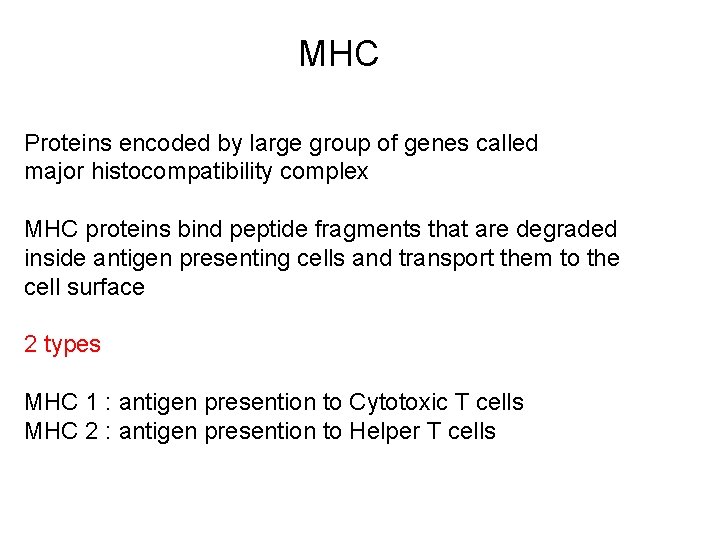
MHC Proteins encoded by large group of genes called major histocompatibility complex MHC proteins bind peptide fragments that are degraded inside antigen presenting cells and transport them to the cell surface 2 types MHC 1 : antigen presention to Cytotoxic T cells MHC 2 : antigen presention to Helper T cells
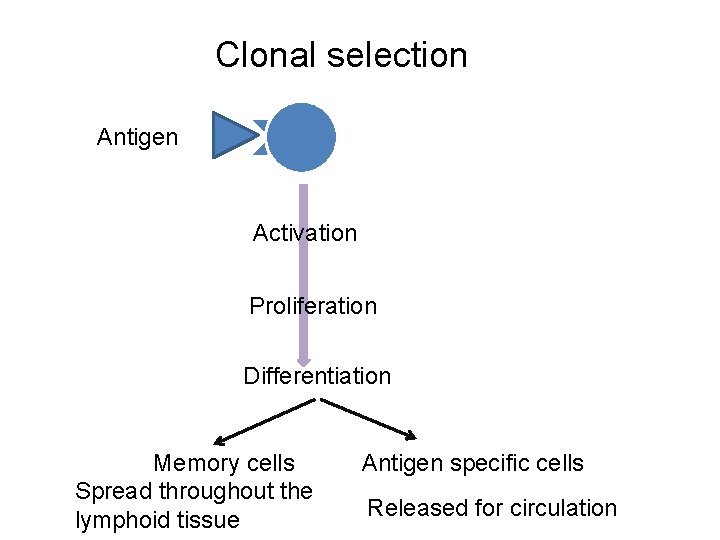
Clonal selection Antigen Activation Proliferation Differentiation Memory cells Spread throughout the lymphoid tissue Antigen specific cells Released for circulation
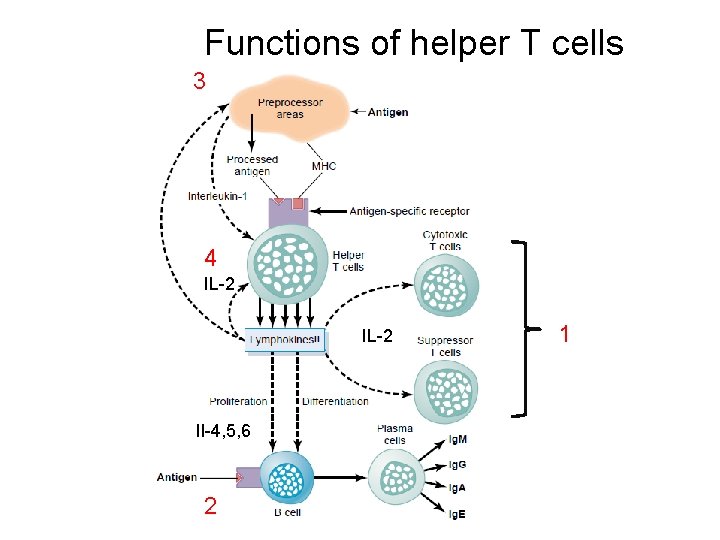
Helper T cells Most numerous Help in the functions of immune system Major regulator Release lymphokines IL-2 , 3, 4, 5, 6 GM-CSF IF-Y
Functions of helper T cells 3 4 IL-2 Il-4, 5, 6 2 1
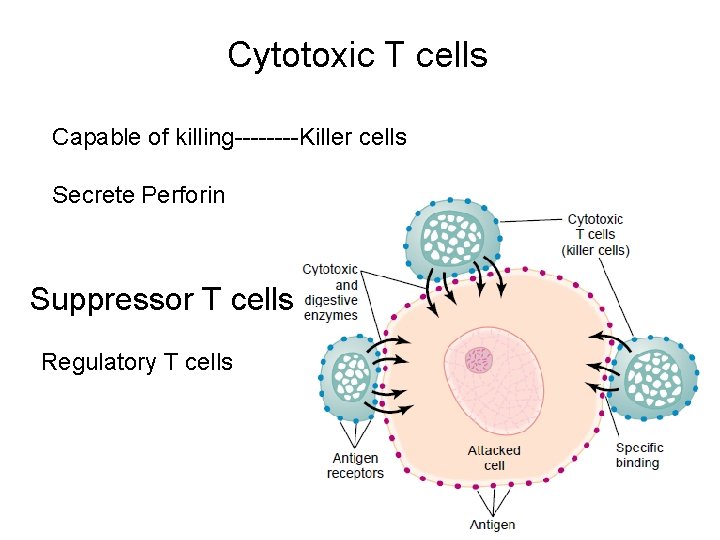
Cytotoxic T cells Capable of killing----Killer cells Secrete Perforin Suppressor T cells Regulatory T cells
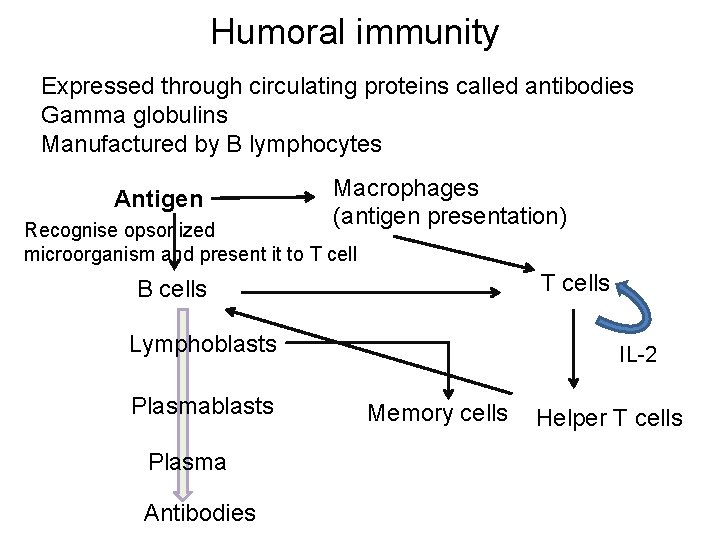
Humoral immunity Expressed through circulating proteins called antibodies Gamma globulins Manufactured by B lymphocytes Antigen Macrophages (antigen presentation) Recognise opsonized microorganism and present it to T cells B cells Lymphoblasts Plasma Antibodies IL-2 Memory cells Helper T cells
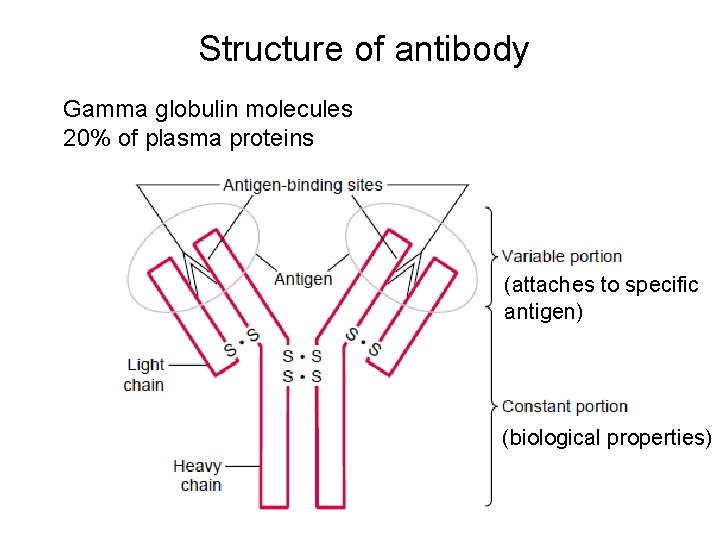
Structure of antibody Gamma globulin molecules 20% of plasma proteins (attaches to specific antigen) (biological properties)
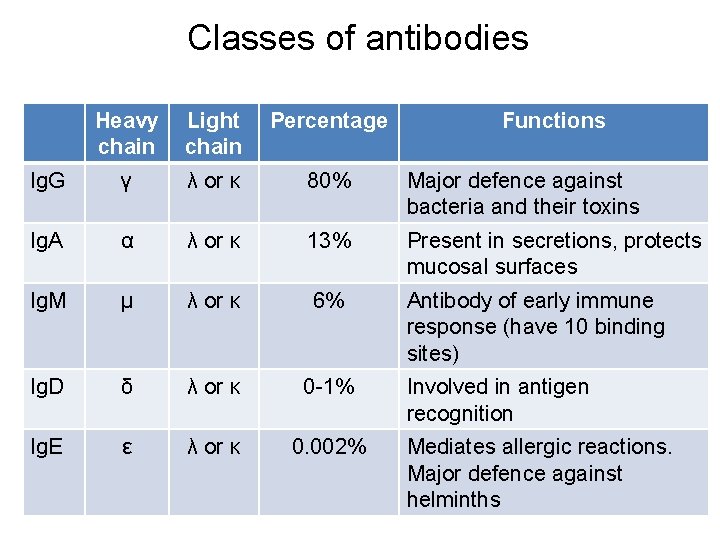
Classes of antibodies Heavy chain Light chain Percentage Functions Ig. G γ λ or κ 80% Major defence against bacteria and their toxins Ig. A α λ or κ 13% Present in secretions, protects mucosal surfaces Ig. M μ λ or κ 6% Antibody of early immune response (have 10 binding sites) Ig. D δ λ or κ 0 -1% Ig. E ε λ or κ 0. 002% Involved in antigen recognition Mediates allergic reactions. Major defence against helminths
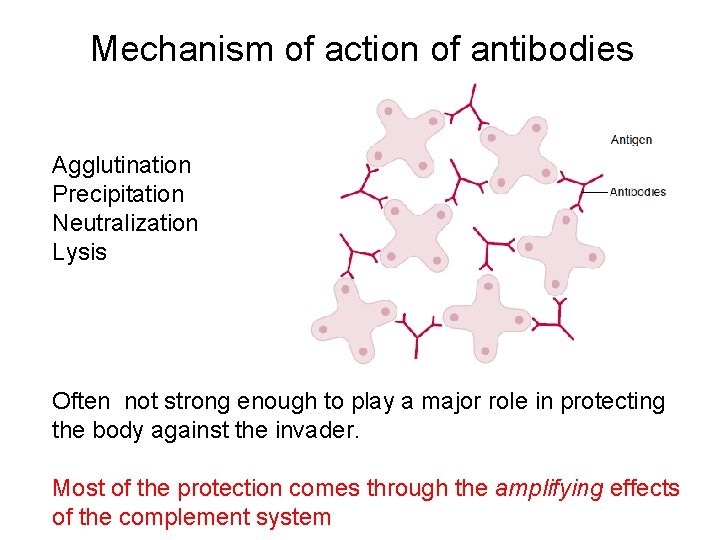
Mechanism of action of antibodies Agglutination Precipitation Neutralization Lysis Often not strong enough to play a major role in protecting the body against the invader. Most of the protection comes through the amplifying effects of the complement system
Complement system for antibody action
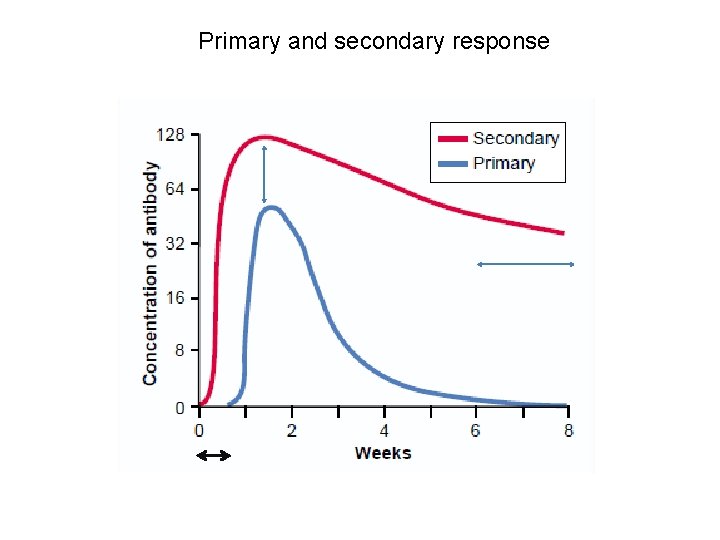
Primary and secondary response
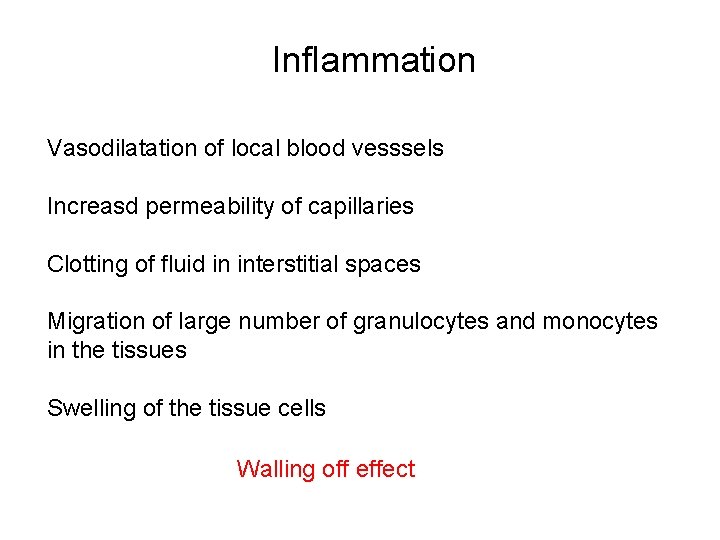
Inflammation Vasodilatation of local blood vesssels Increasd permeability of capillaries Clotting of fluid in interstitial spaces Migration of large number of granulocytes and monocytes in the tissues Swelling of the tissue cells Walling off effect
Immune tolerance Clone selection during preprocessing Failure of tolerance mechanisms leads to autoimmune diseases Rheumatic fever Glomerulonephritis Myasthenia gravis
Immunization Active immunity Passive immunity
Disorders May not respond May overrespond May respond inappropriately
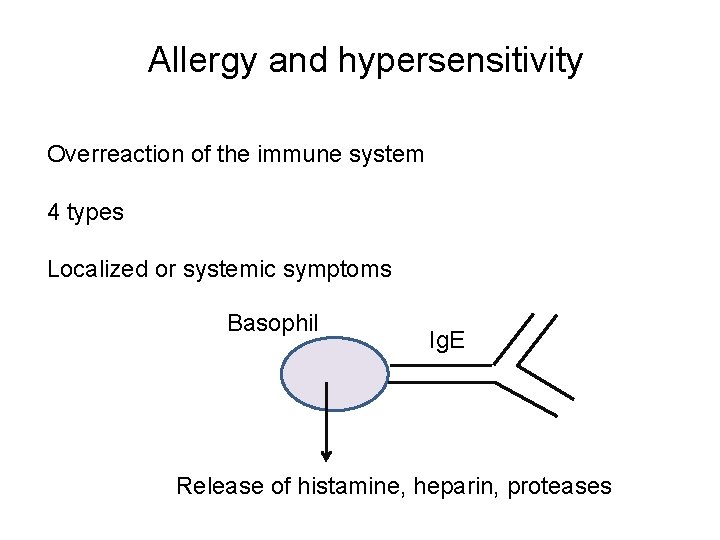
Allergy and hypersensitivity Overreaction of the immune system 4 types Localized or systemic symptoms Basophil Ig. E Release of histamine, heparin, proteases
Acquired immune deficiency syndrome By virus …. . HIV Decreases the number of Helper T cells In turn leads to failure of proliferation of cytoroxic T lymphocytes And B lymphocytes Eventual loss of immune function Death from normally nonpathogenic organisms or cancer
Thankyou