
Immunity Dr Pracheth R MBBS MD DNB PGDPHSM
Immunity Dr. Pracheth R, MBBS, MD, DNB, PGDPHSM. Assistant Professor, Department of Community Medicine, Yenepoya Medical College.
What is it ? • Specific protective antibodies • Previous infection • Immunization
Active immunity • Infection-clinical or subclinical or immunization • Specific for disease • Individual immune to further disease from same organism
Primary response • Antigen introduced: first time • Latent period: 3 - 10 days- antibodies • First elicited: Ig. M type • Rises: 2 -3 days- peak: declines
Secondary (booster) response • Shorter latent period • Antibody produced more rapid • Abundant • Higher levels • Both Ig. M and Ig G
Humoral immunity • From B cells: proliferate, manufacture antibodies • Specific: react with same antigen which provoked production • So no protection against more than one antigen
Cellular immunity • Some organisms escape action of humoral immunity • Mediated by T cells • Example : TB
Passive immunity • Antibodies produced –one body: transferred to another • Body doesn’t produce own antibodies: ready made antibodies üImmunoglobulin/antiserum üMaternal: child- Ig A
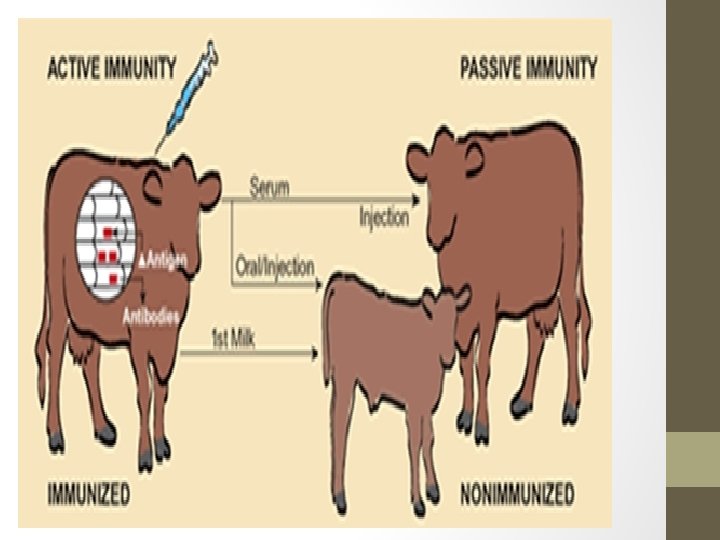
Difference from active immunity • Immunity rapidly established • Temporary • Useful: difficult –produce antibodies
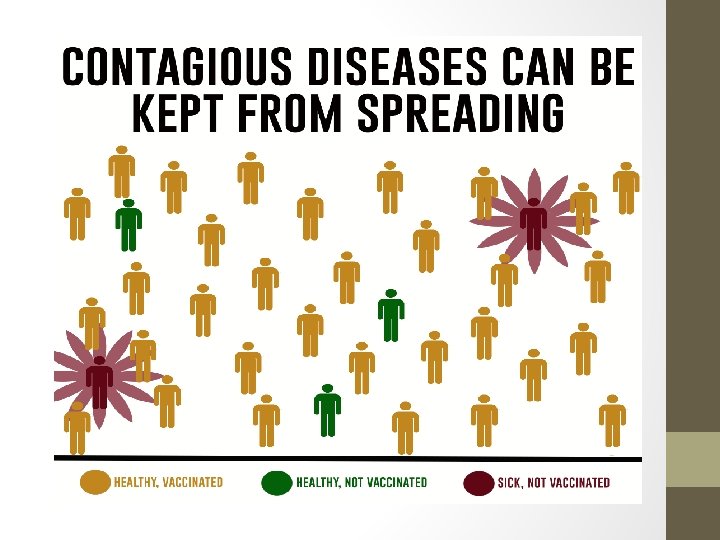
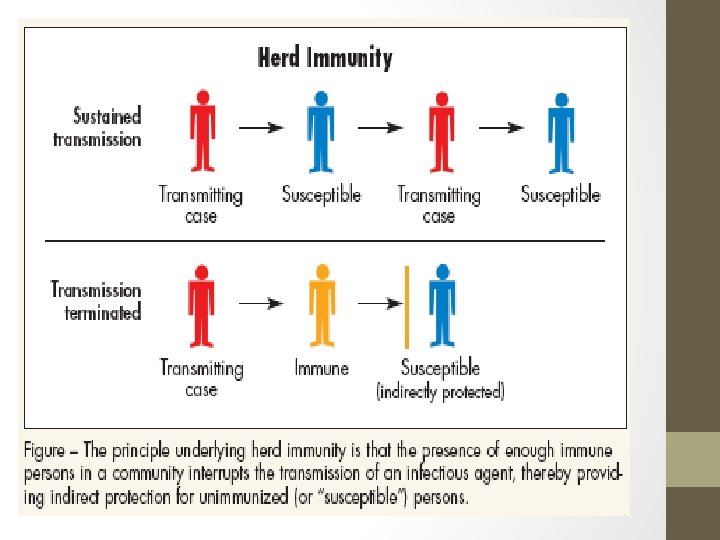
Herd immunity • Level of resistance-community/group • Beyond immunization • Immunological barrier: spread of disease
Continued…. • Depends on: ü Infection üImmunization of herd üHerd structure • Example: polio
Vaccines • Immuno-biological substance-protection: disease • Stimulates production of antibody
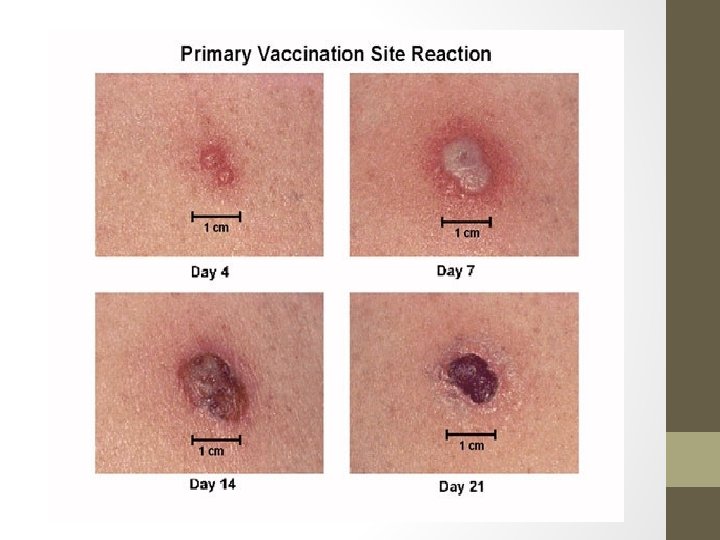
Live vaccine • Organisms passed repeatedly: laboratory/tissue culture • Lost potential: full-blown diseases • BCG, Measles, Chicken Pox, Oral Polio
Inactivated/killed vaccines • Killed: heat/chemicals • Safe, less efficacious • Rabies, Hepatitis B, Typhoid, cholera
Toxoids • Exotoxins: diphtheria, tetanus • Detoxicated, used to prepare vaccines üImmunoglobulin: G, M, A , D, E üAntisera
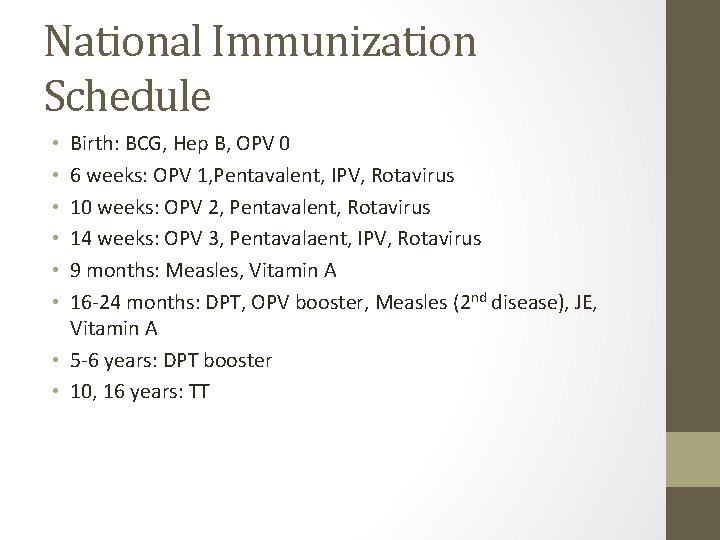
National Immunization Schedule Birth: BCG, Hep B, OPV 0 6 weeks: OPV 1, Pentavalent, IPV, Rotavirus 10 weeks: OPV 2, Pentavalent, Rotavirus 14 weeks: OPV 3, Pentavalaent, IPV, Rotavirus 9 months: Measles, Vitamin A 16 -24 months: DPT, OPV booster, Measles (2 nd disease), JE, Vitamin A • 5 -6 years: DPT booster • 10, 16 years: TT • • •
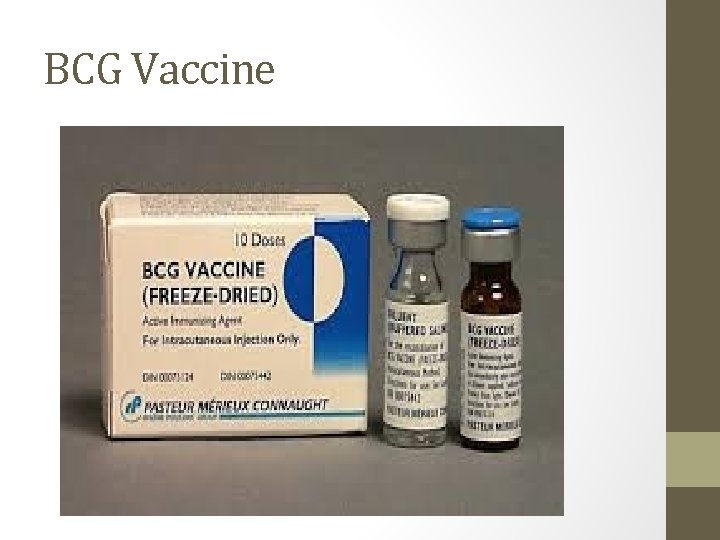
BCG Vaccine
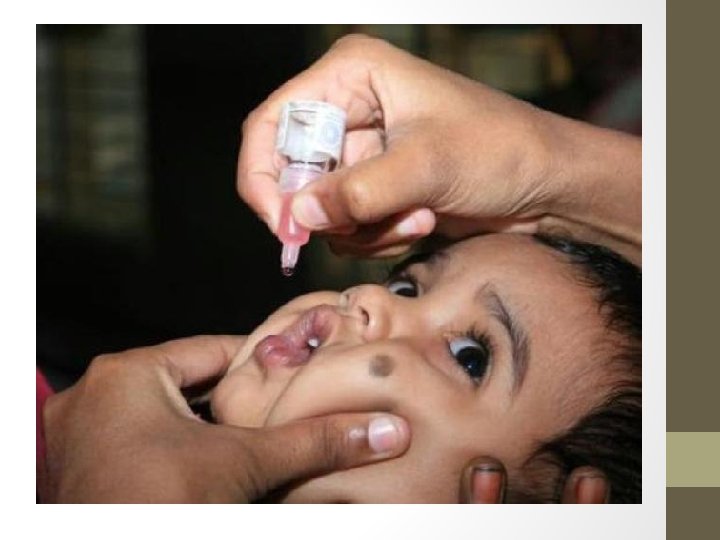
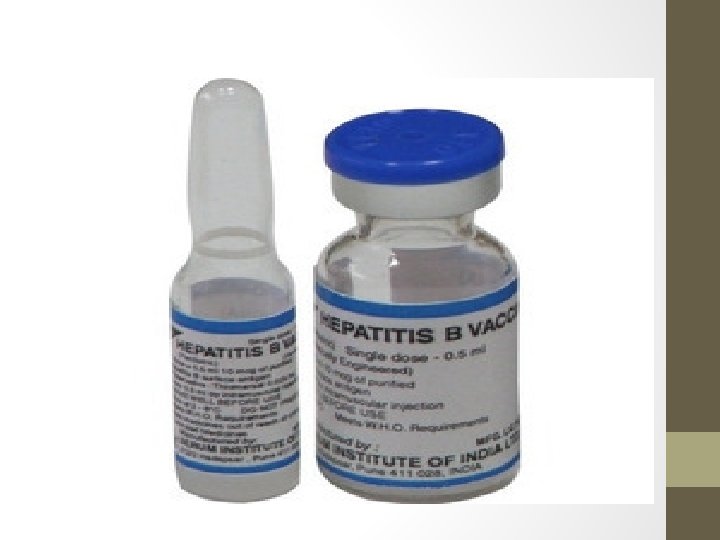
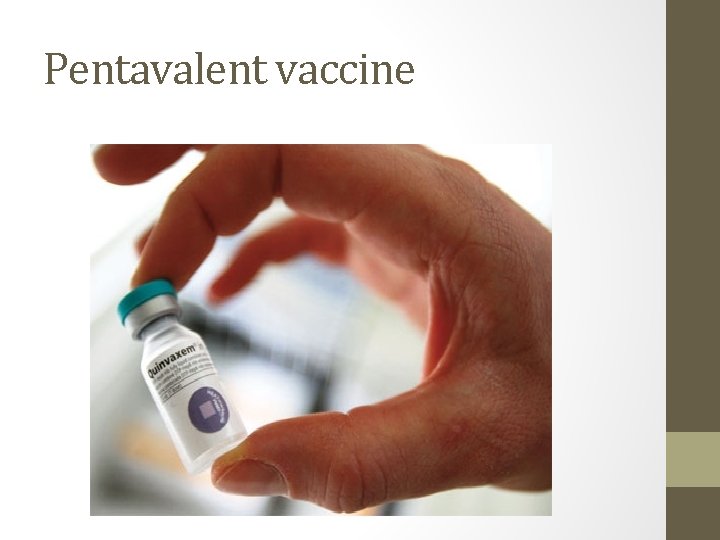
Pentavalent vaccine
Cold chain • System- storage and transport vaccines • From manufacture to vaccination site • Freezer: Polio, measles • Cold part, not freeze: typhoid, tetanus, DPT, DT, BCG
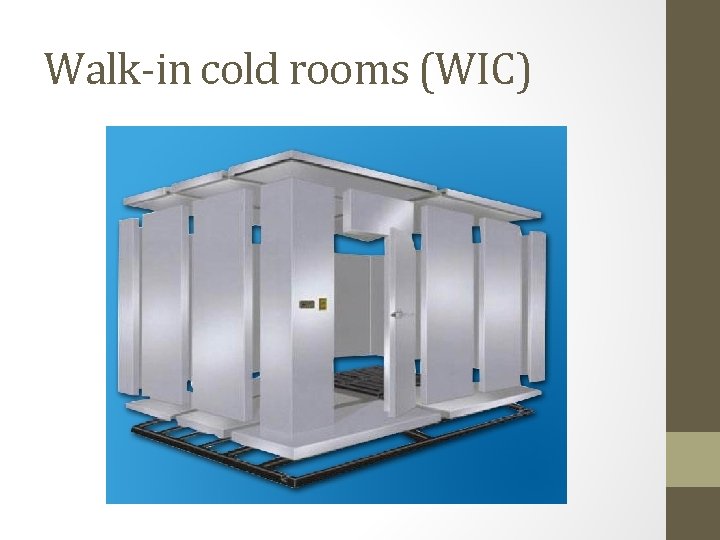
Walk-in cold rooms (WIC)
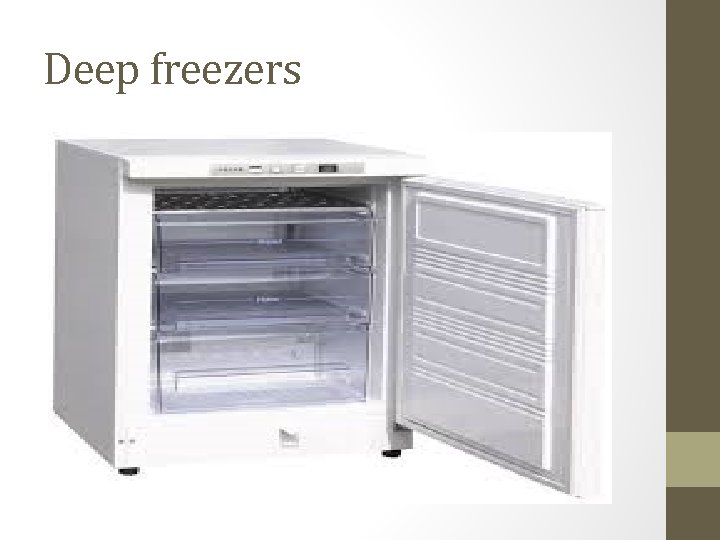
Deep freezers
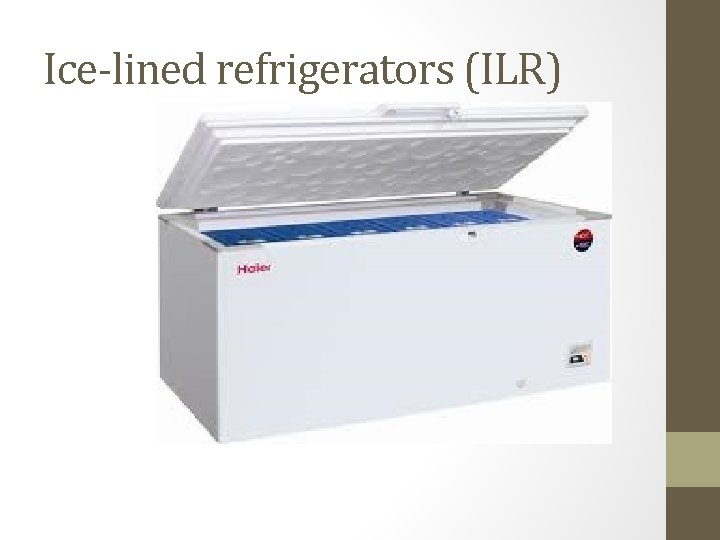
Ice-lined refrigerators (ILR)
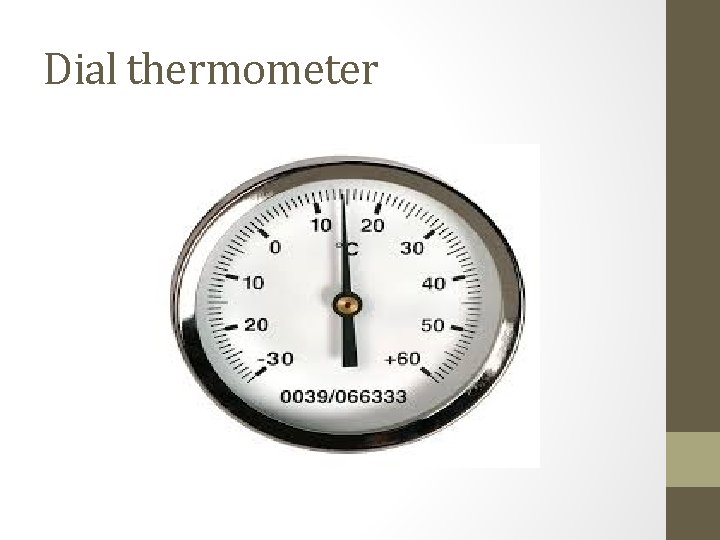
Dial thermometer
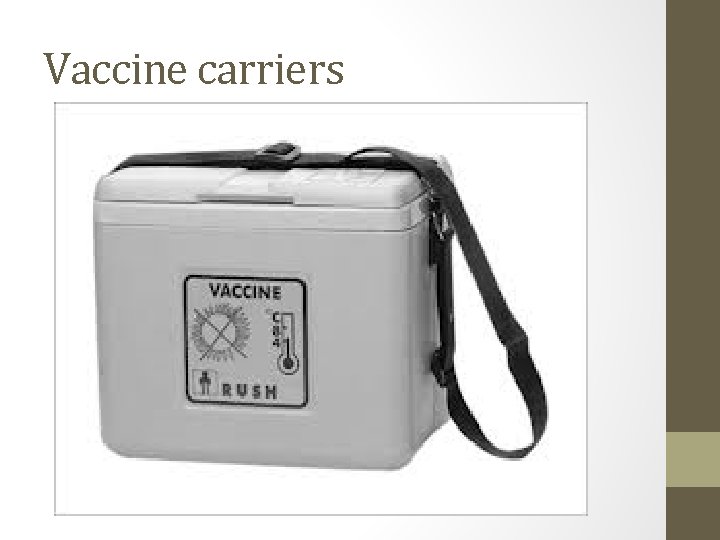
Vaccine carriers
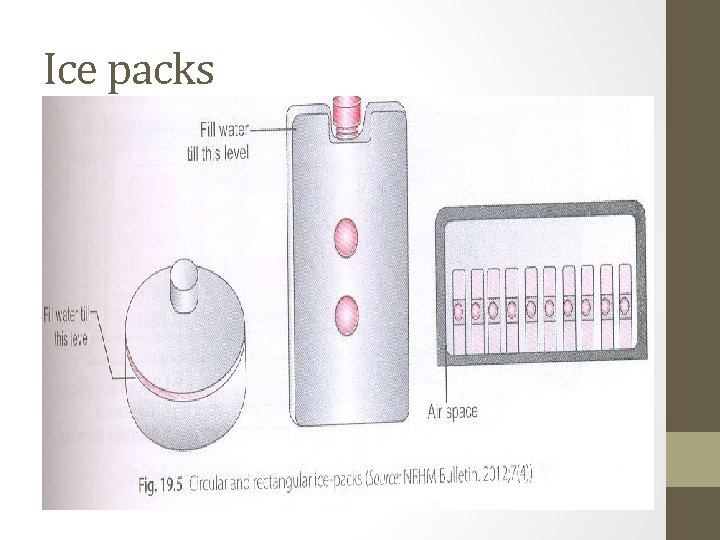
Ice packs
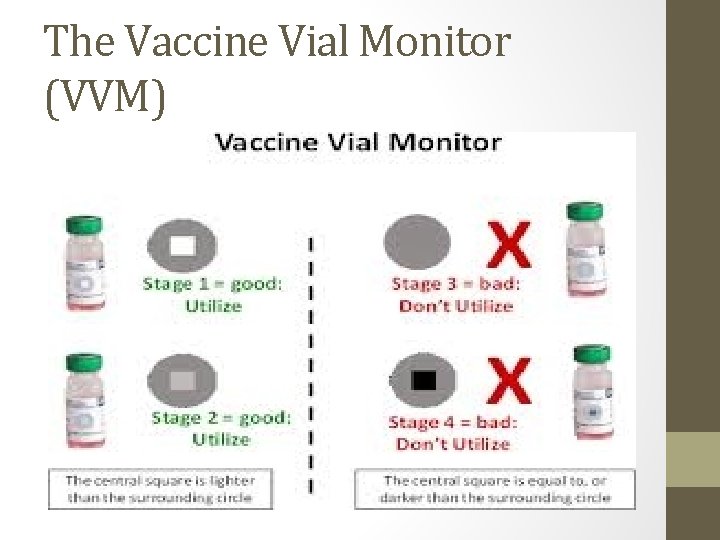
The Vaccine Vial Monitor (VVM)
Adverse Events Following Immunization (AEFI) • Medical incident: after immunization- caused by immunization • Can be true adverse events/ coincidental events
Classification • Vaccine reaction: üVaccine given correctly üCaused by properties of vaccine üCommon minor reactions üHypersensitivity- anaphylactic shock, serum sickness
Continued…. • Reactions due to programme error: üFaulty techniques üIncorrect dose, diluent üVaccine stored incorrectly üImproperly sterilized syringes/needles
Continued…. • Coincidental events: üUnconnected with vaccine • Injection reaction: üAnxiety: fainting, headache
Precautions • Test for sensitivity: üInstill drop : conjunctival sac üIntradermal injection-antiserum: wheal, flare • Adrenaline for anaphylaxis • Proper sterilization of syringes • Proper selection product • Training • Cold chain
Investigation of AEFI • Confirm information • Investigate and collect data about: üPatient üEvent üVaccine üOther people
Continued…. • Assess service by asking about: ü Vaccine storage üSterilization üTraining • Observe the service in action: üWhat else is stored in refrigerator üImmunization procedure
Continued…. . • Formulate working hypothesis • Test working hypothesis • Conclude investigation: take action
Summary
Thank You
- Slides: 46