
Immunity Ch 11 1 6 Microbiology Immunology Study
Immunity Ch. 11. 1 -6 Microbiology
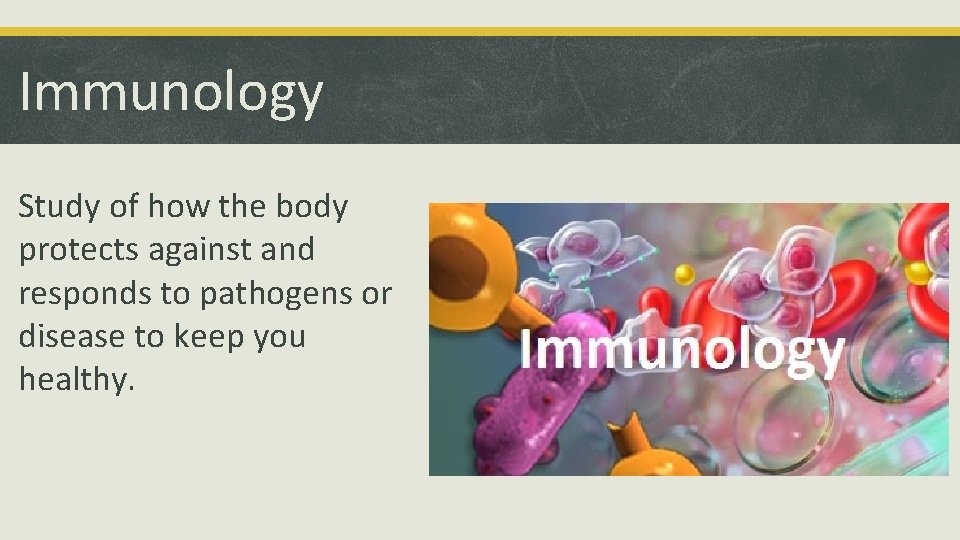
Immunology Study of how the body protects against and responds to pathogens or disease to keep you healthy.
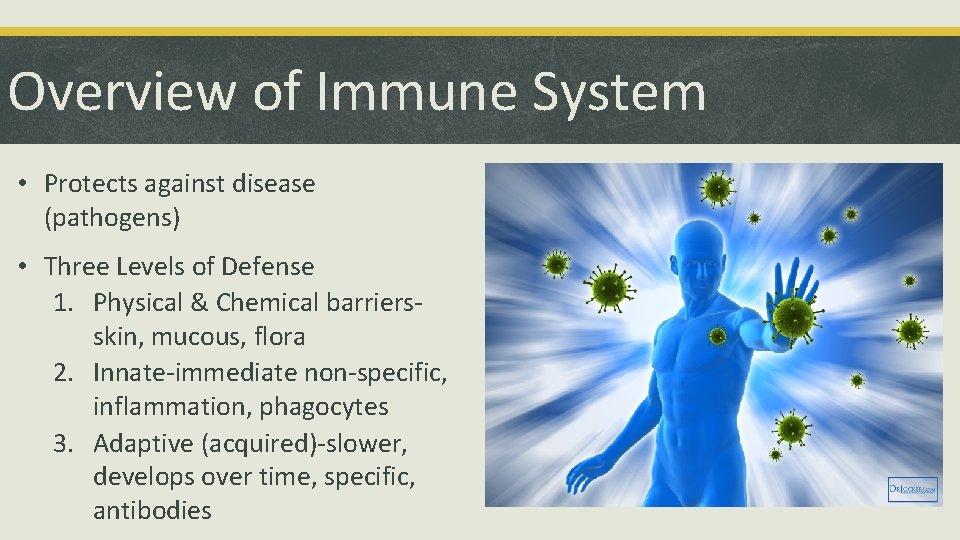
Overview of Immune System • Protects against disease (pathogens) • Three Levels of Defense 1. Physical & Chemical barriersskin, mucous, flora 2. Innate-immediate non-specific, inflammation, phagocytes 3. Adaptive (acquired)-slower, develops over time, specific, antibodies
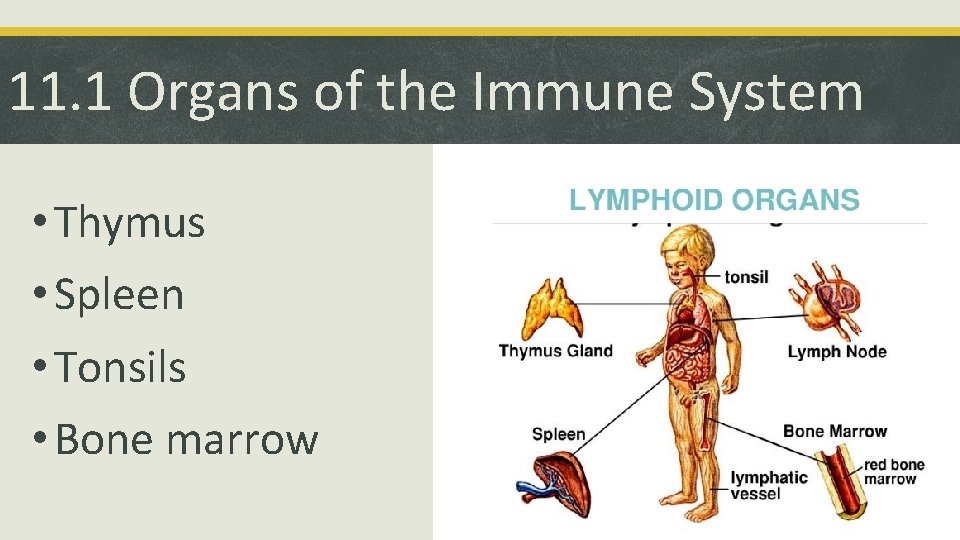
11. 1 Organs of the Immune System • Thymus • Spleen • Tonsils • Bone marrow
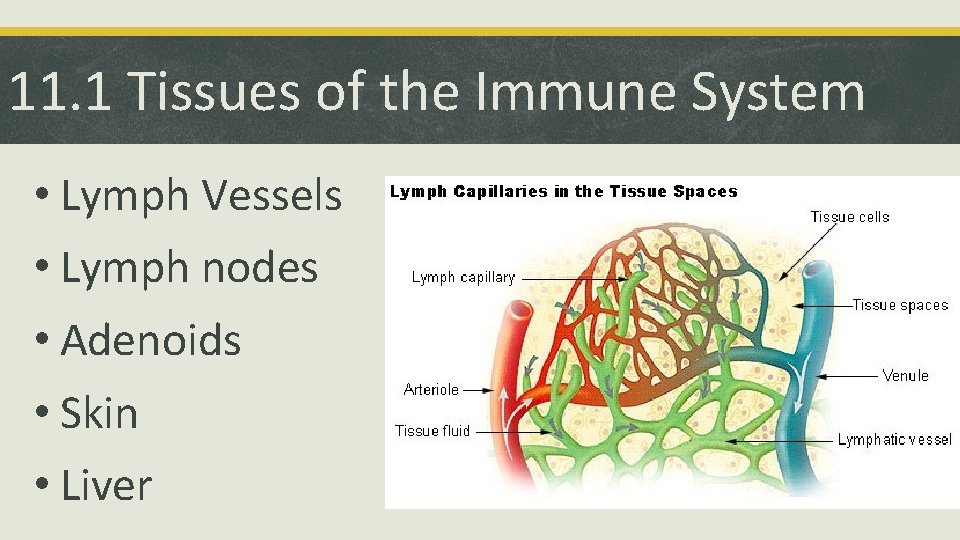
11. 1 Tissues of the Immune System • Lymph Vessels • Lymph nodes • Adenoids • Skin • Liver
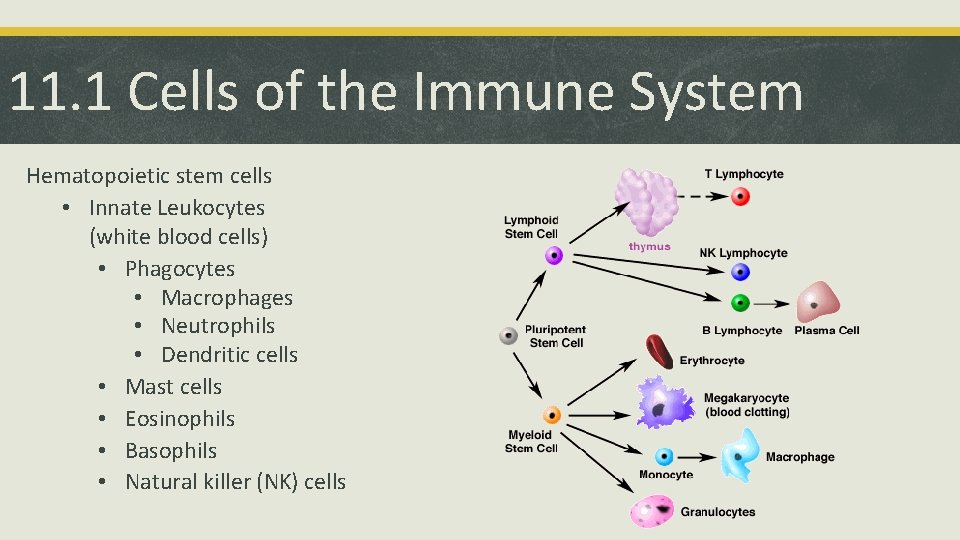
11. 1 Cells of the Immune System Hematopoietic stem cells • Innate Leukocytes (white blood cells) • Phagocytes • Macrophages • Neutrophils • Dendritic cells • Mast cells • Eosinophils • Basophils • Natural killer (NK) cells
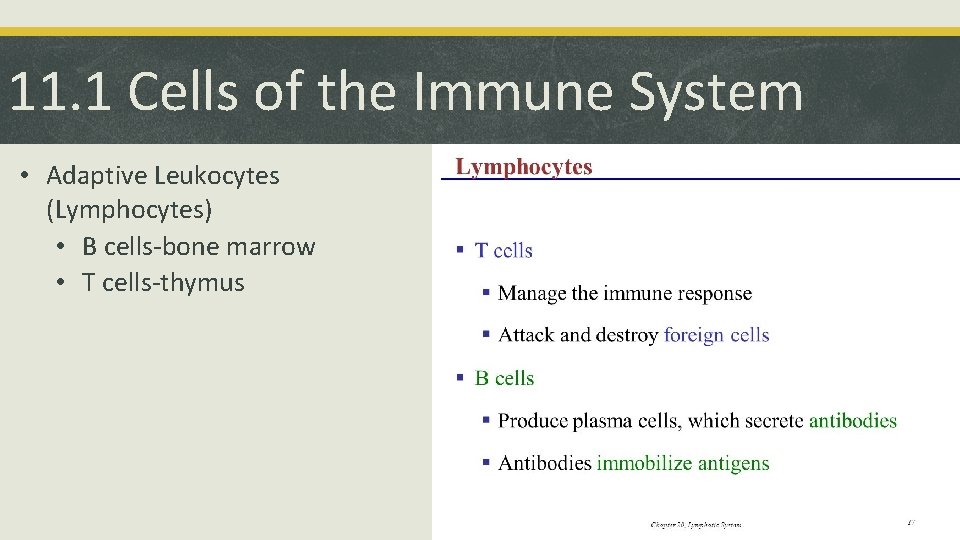
11. 1 Cells of the Immune System • Adaptive Leukocytes (Lymphocytes) • B cells-bone marrow • T cells-thymus
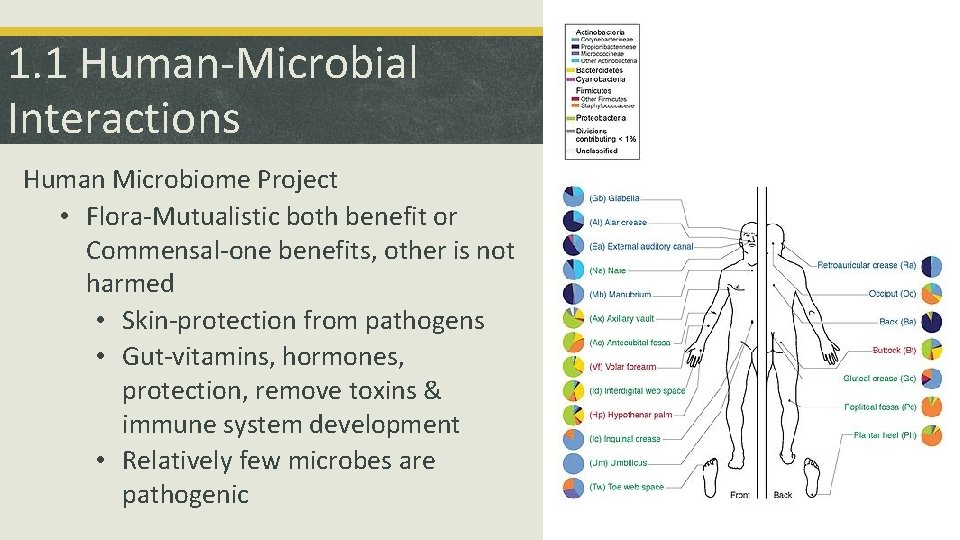
1. 1 Human-Microbial Interactions Human Microbiome Project • Flora-Mutualistic both benefit or Commensal-one benefits, other is not harmed • Skin-protection from pathogens • Gut-vitamins, hormones, protection, remove toxins & immune system development • Relatively few microbes are pathogenic
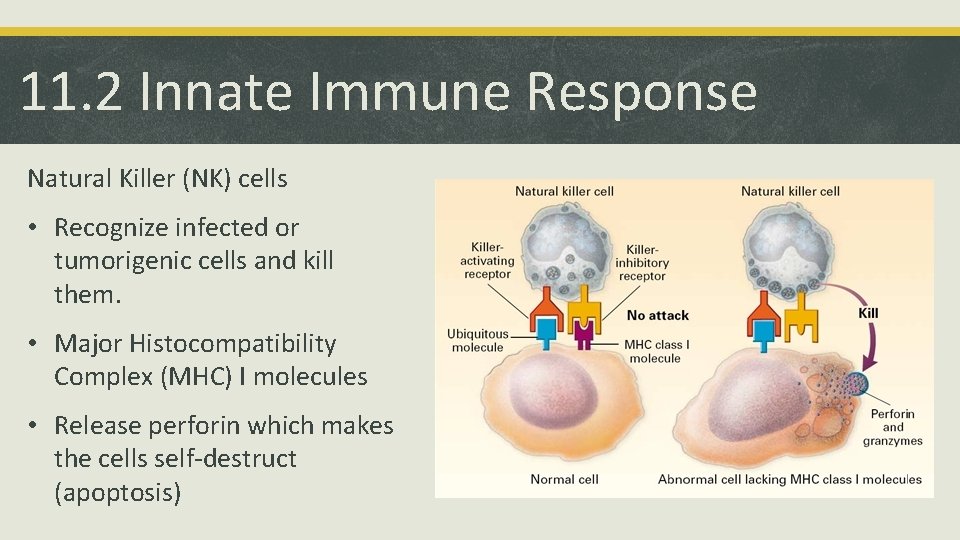
11. 2 Innate Immune Response Natural Killer (NK) cells • Recognize infected or tumorigenic cells and kill them. • Major Histocompatibility Complex (MHC) I molecules • Release perforin which makes the cells self-destruct (apoptosis)
11. 2 Physical & Chemical Barriers • Skin • Cilia-lungs • Tears • Mucus • Sweat • p. H-stomach, vagina
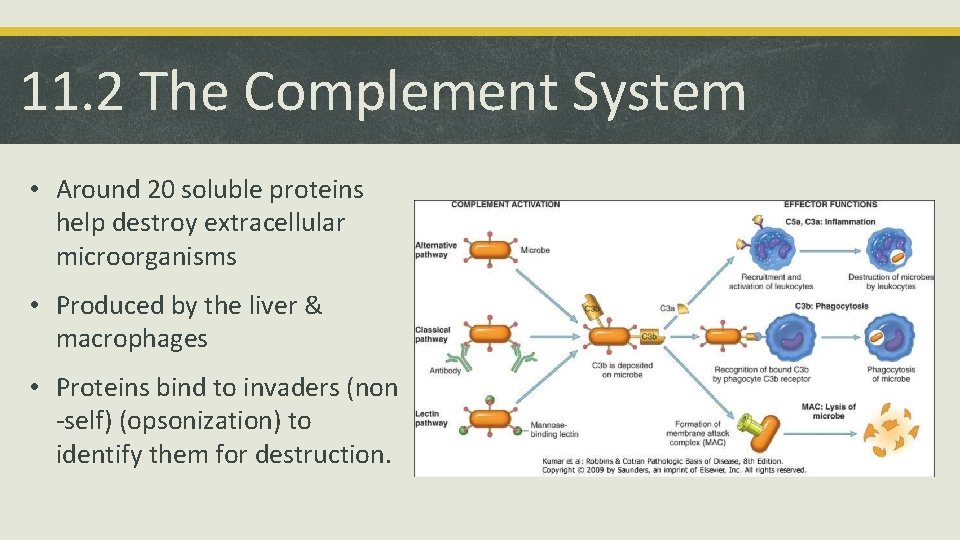
11. 2 The Complement System • Around 20 soluble proteins help destroy extracellular microorganisms • Produced by the liver & macrophages • Proteins bind to invaders (non -self) (opsonization) to identify them for destruction.
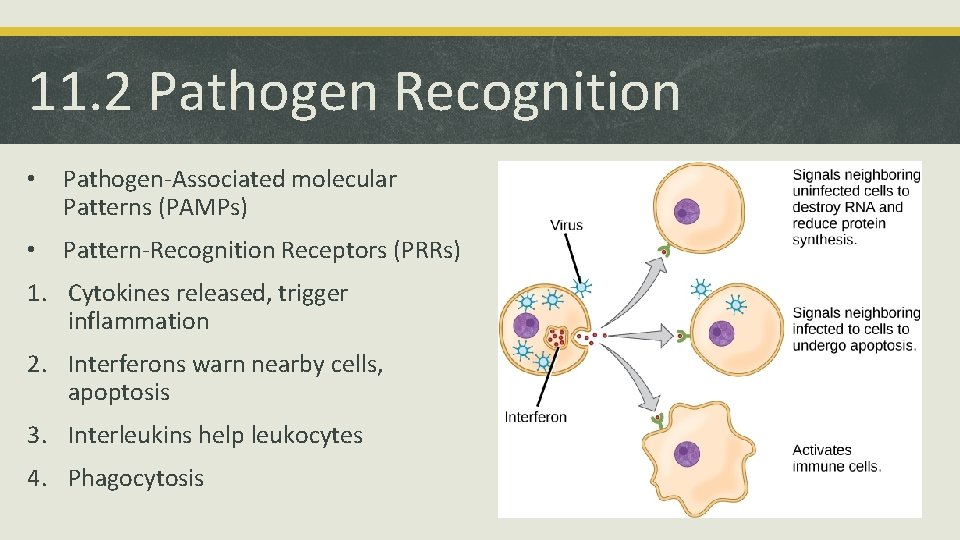
11. 2 Pathogen Recognition • Pathogen-Associated molecular Patterns (PAMPs) • Pattern-Recognition Receptors (PRRs) 1. Cytokines released, trigger inflammation 2. Interferons warn nearby cells, apoptosis 3. Interleukins help leukocytes 4. Phagocytosis
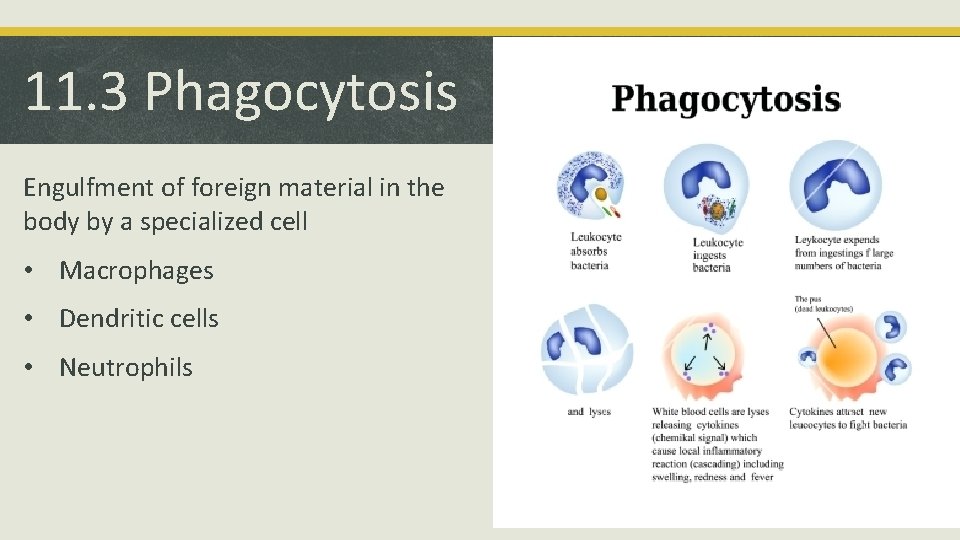
11. 3 Phagocytosis Engulfment of foreign material in the body by a specialized cell • Macrophages • Dendritic cells • Neutrophils
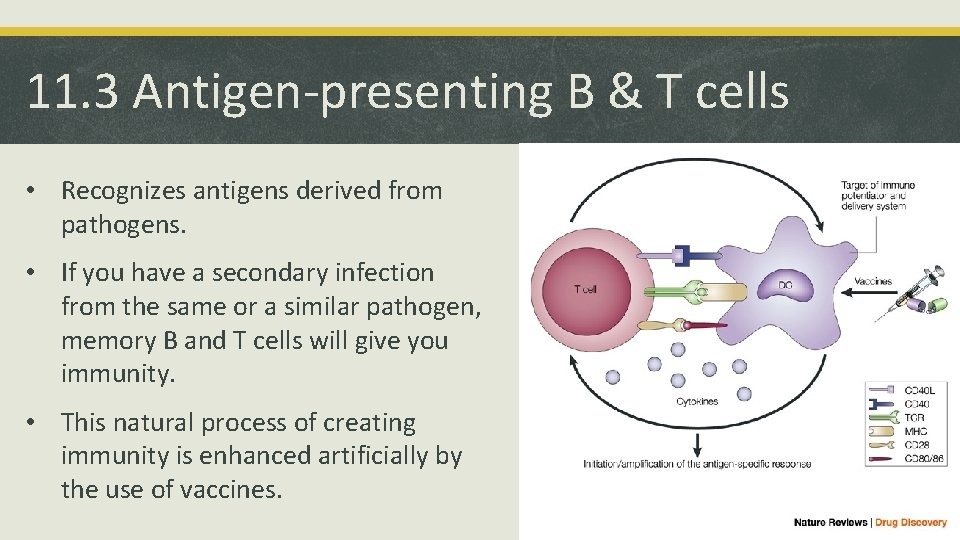
11. 3 Antigen-presenting B & T cells • Recognizes antigens derived from pathogens. • If you have a secondary infection from the same or a similar pathogen, memory B and T cells will give you immunity. • This natural process of creating immunity is enhanced artificially by the use of vaccines.
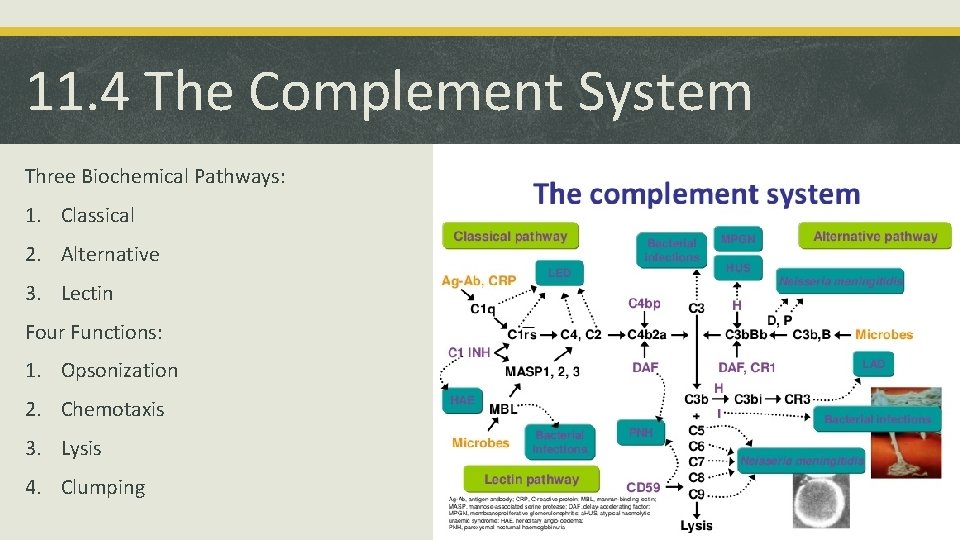
11. 4 The Complement System Three Biochemical Pathways: 1. Classical 2. Alternative 3. Lectin Four Functions: 1. Opsonization 2. Chemotaxis 3. Lysis 4. Clumping
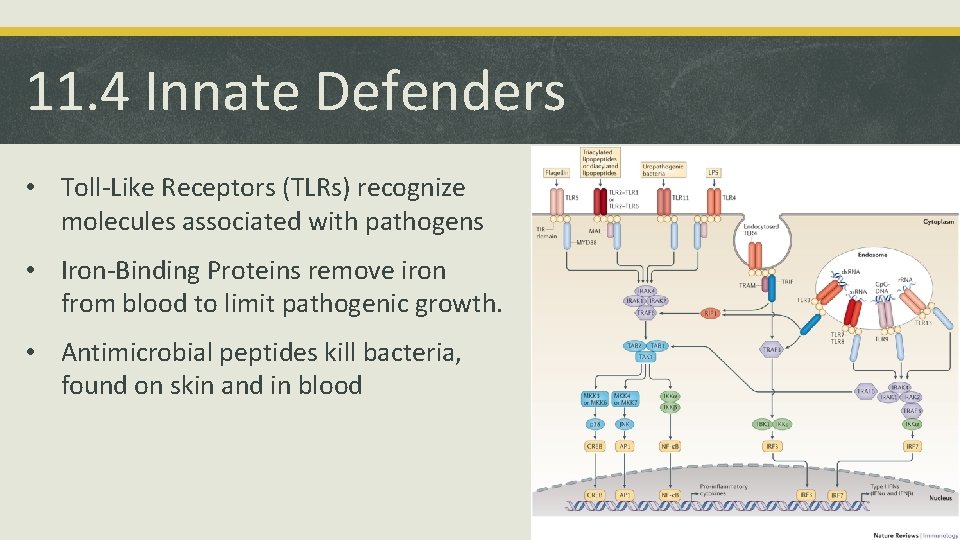
11. 4 Innate Defenders • Toll-Like Receptors (TLRs) recognize molecules associated with pathogens • Iron-Binding Proteins remove iron from blood to limit pathogenic growth. • Antimicrobial peptides kill bacteria, found on skin and in blood
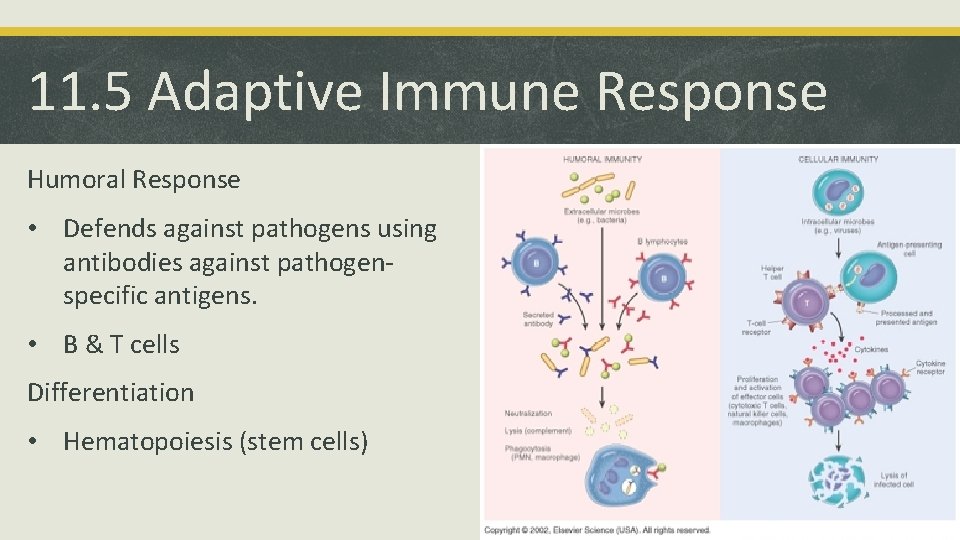
11. 5 Adaptive Immune Response Humoral Response • Defends against pathogens using antibodies against pathogenspecific antigens. • B & T cells Differentiation • Hematopoiesis (stem cells)
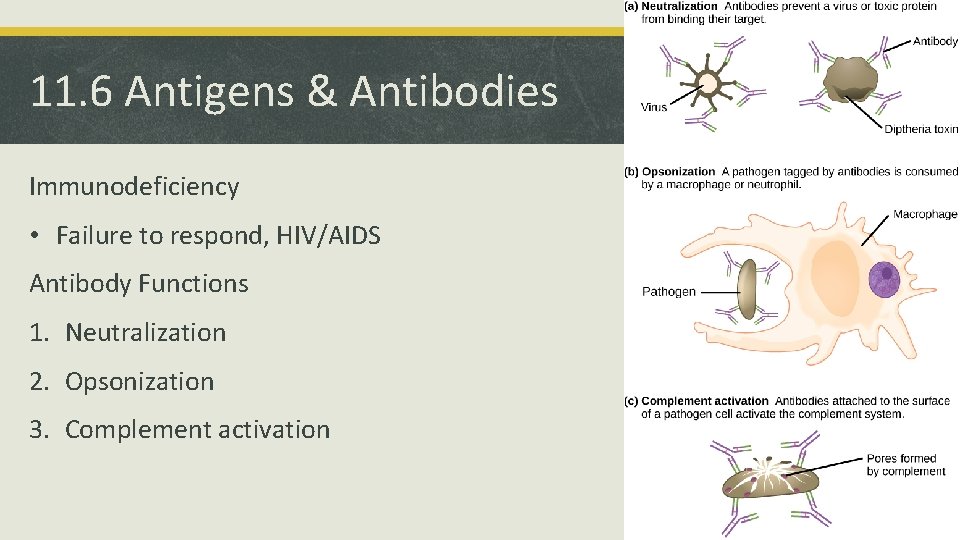
11. 6 Antigens & Antibodies Immunodeficiency • Failure to respond, HIV/AIDS Antibody Functions 1. Neutralization 2. Opsonization 3. Complement activation
- Slides: 18