
Immunity and Health Learning Objectives Understand the different
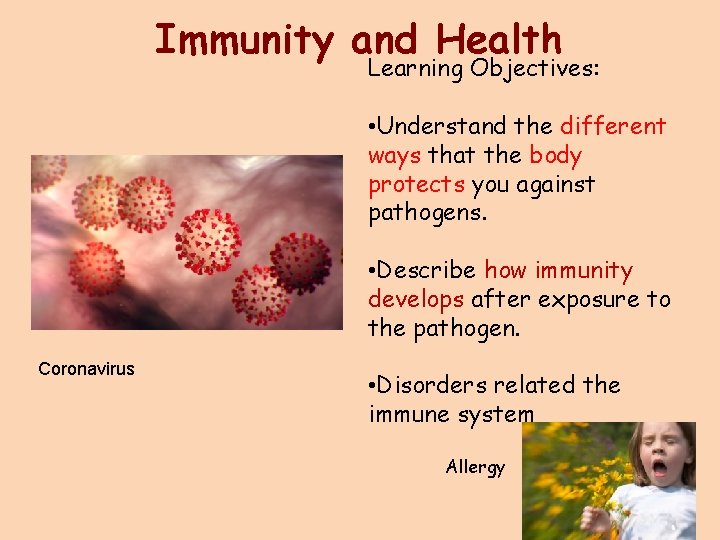
Immunity and Health Learning Objectives: • Understand the different ways that the body protects you against pathogens. • Describe how immunity develops after exposure to the pathogen. Coronavirus • Disorders related the immune system Allergy
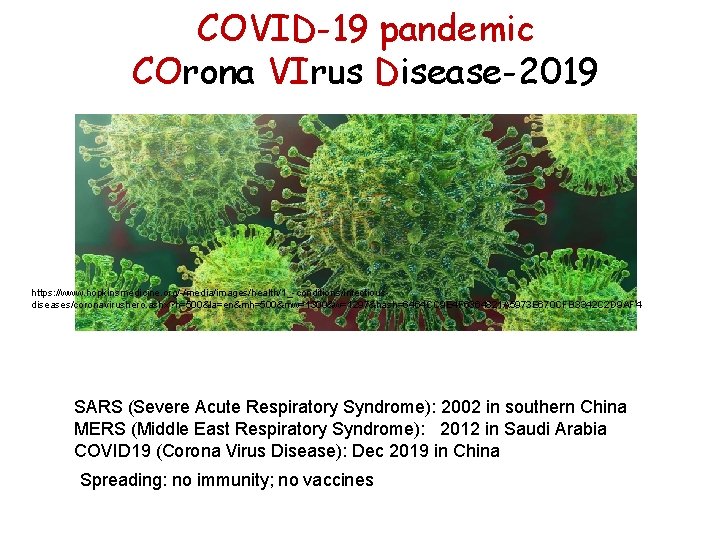
COVID-19 pandemic COrona VIrus Disease-2019 https: //www. hopkinsmedicine. org/-/media/images/health/1_-conditions/infectiousdiseases/coronavirushero. ashx? h=500&la=en&mh=500&mw=1300&w=1297&hash=6464 CC 9 E 4 F 6364821 A 5973 E 670 CFB 3342 C 2 D 9 AF 4 SARS (Severe Acute Respiratory Syndrome): 2002 in southern China MERS (Middle East Respiratory Syndrome): 2012 in Saudi Arabia COVID 19 (Corona Virus Disease): Dec 2019 in China Spreading: no immunity; no vaccines
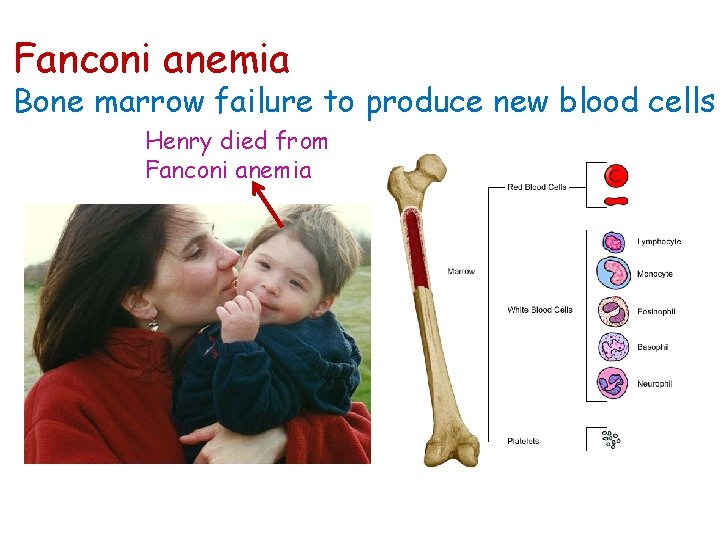
Fanconi anemia Bone marrow failure to produce new blood cells Henry died from Fanconi anemia
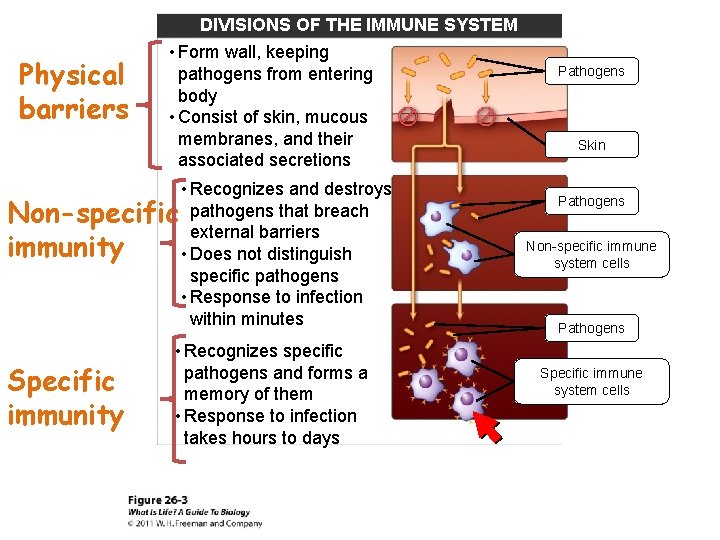
Physical barriers DIVISIONS OF THE IMMUNE SYSTEM • Form wall, keeping pathogens from entering body • Consist of skin, mucous membranes, and their associated secretions • Recognizes and destroys Non-specific pathogens that breach external barriers immunity • Does not distinguish specific pathogens • Response to infection within minutes Specific immunity • Recognizes specific pathogens and forms a memory of them • Response to infection takes hours to days Pathogens Skin Pathogens Non-specific immune system cells Pathogens Specific immune system cells
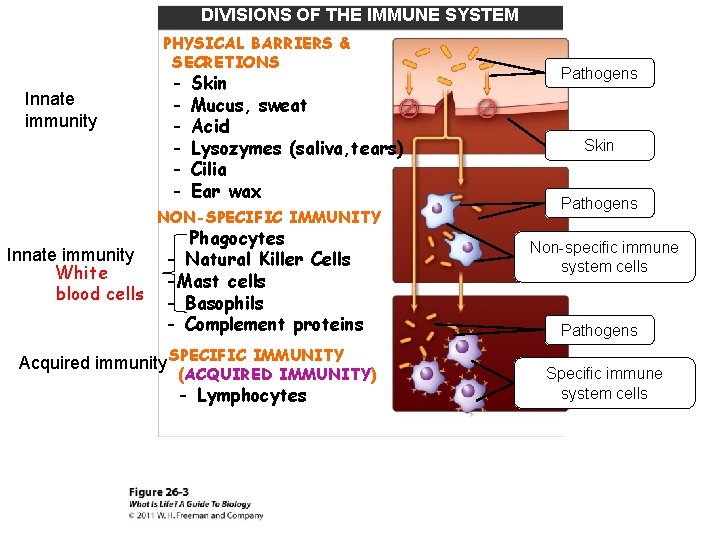
DIVISIONS OF THE IMMUNE SYSTEM PHYSICAL BARRIERS & SECRETIONS Innate immunity - Skin Mucus, sweat Acid Lysozymes (saliva, tears) Cilia Ear wax NON-SPECIFIC IMMUNITY Innate immunity White blood cells Phagocytes - Natural Killer Cells -Mast cells - Basophils - Complement proteins Acquired immunity SPECIFIC IMMUNITY (ACQUIRED IMMUNITY) - Lymphocytes Pathogens Skin Pathogens Non-specific immune system cells Pathogens Specific immune system cells
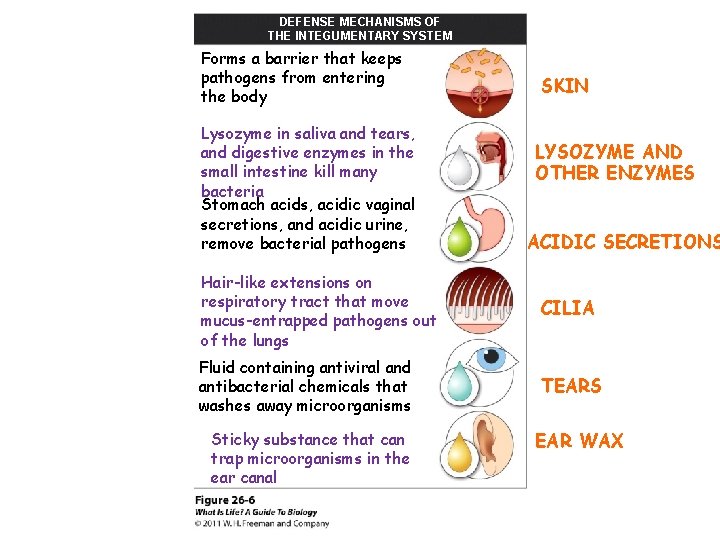
DEFENSE MECHANISMS OF THE INTEGUMENTARY SYSTEM Forms a barrier that keeps pathogens from entering the body Lysozyme in saliva and tears, and digestive enzymes in the small intestine kill many bacteria Stomach acids, acidic vaginal secretions, and acidic urine, remove bacterial pathogens SKIN LYSOZYME AND OTHER ENZYMES ACIDIC SECRETIONS Hair-like extensions on respiratory tract that move mucus-entrapped pathogens out of the lungs CILIA Fluid containing antiviral and antibacterial chemicals that washes away microorganisms TEARS Sticky substance that can trap microorganisms in the ear canal EAR WAX
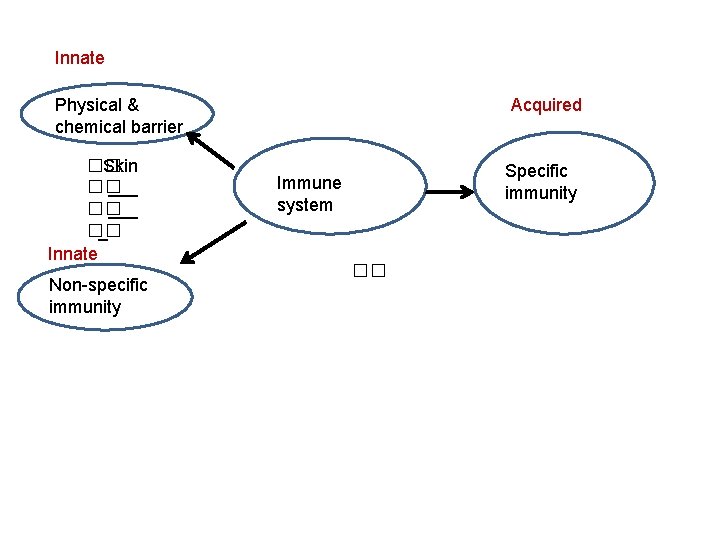
Innate Acquired Physical & chemical barrier �� Skin �� ___ �� _ Innate Non-specific immunity Specific immunity Immune system ��
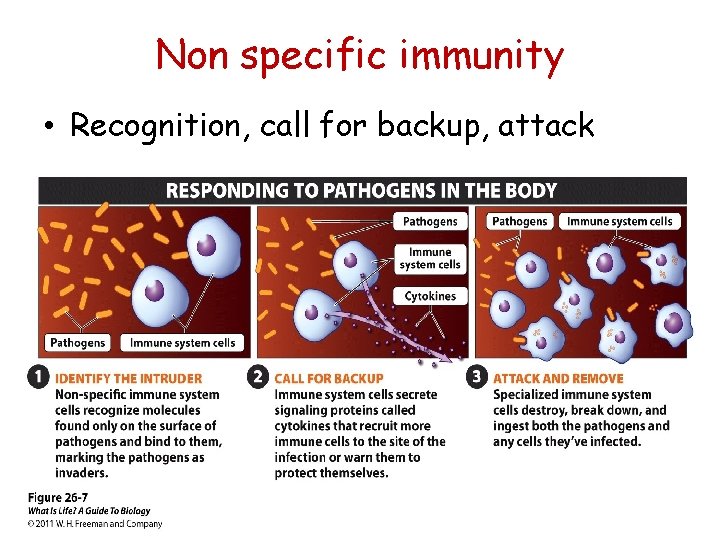
Non specific immunity • Recognition, call for backup, attack
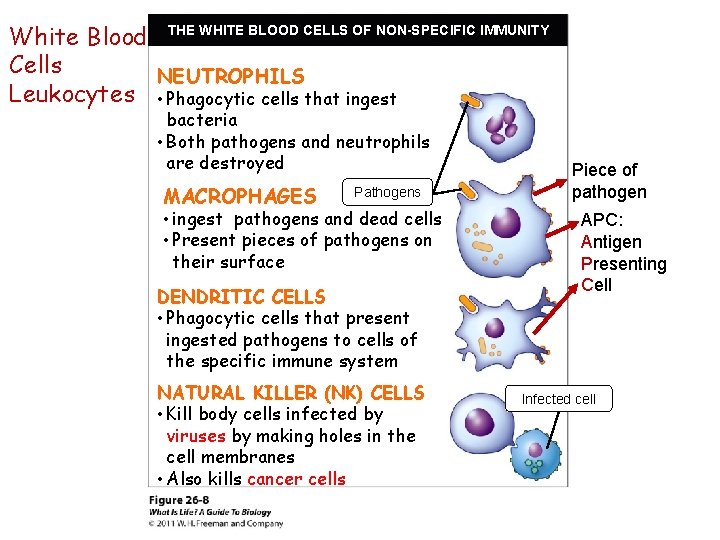
White Blood THE WHITE BLOOD CELLS OF NON-SPECIFIC IMMUNITY Cells NEUTROPHILS Leukocytes • Phagocytic cells that ingest bacteria • Both pathogens and neutrophils are destroyed MACROPHAGES Pathogens • ingest pathogens and dead cells • Present pieces of pathogens on their surface DENDRITIC CELLS • Phagocytic cells that present ingested pathogens to cells of the specific immune system NATURAL KILLER (NK) CELLS • Kill body cells infected by viruses by making holes in the cell membranes • Also kills cancer cells Piece of pathogen APC: Antigen Presenting Cell Infected cell
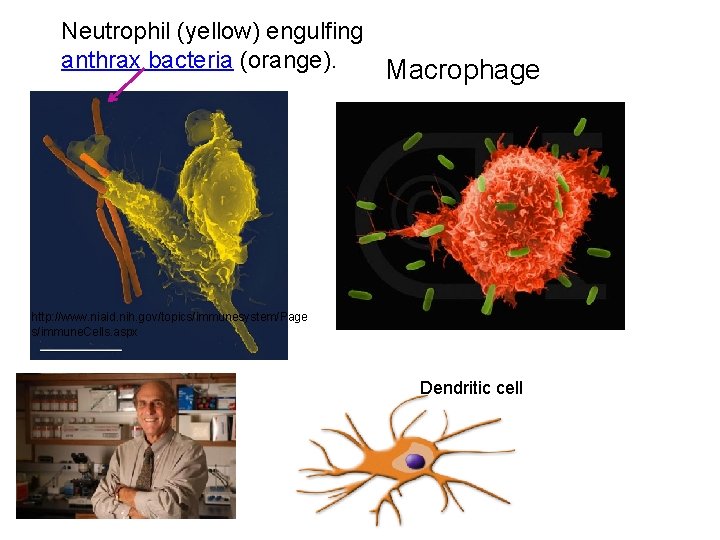
Neutrophil (yellow) engulfing anthrax bacteria (orange). Macrophage http: //www. niaid. nih. gov/topics/immunesystem/Page s/immune. Cells. aspx Dendritic cell
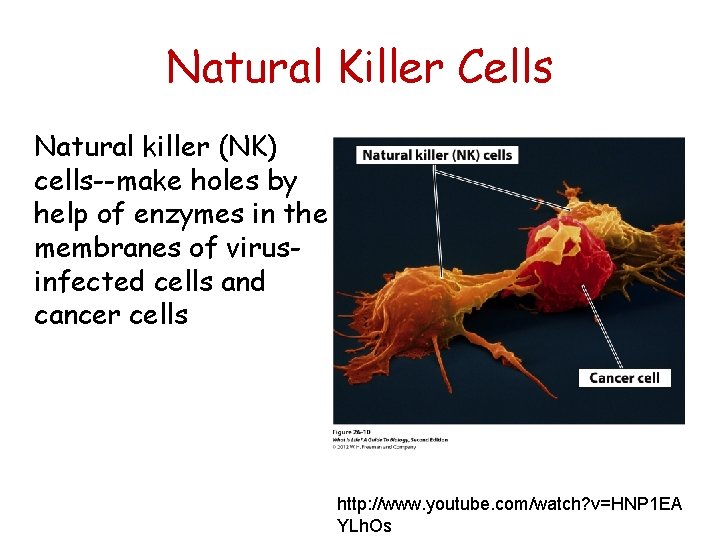
Natural Killer Cells Natural killer (NK) cells--make holes by help of enzymes in the membranes of virusinfected cells and cancer cells http: //www. youtube. com/watch? v=HNP 1 EA YLh. Os

Complement Proteins Are complement proteins a type of white blood cell? A. Yes B. No
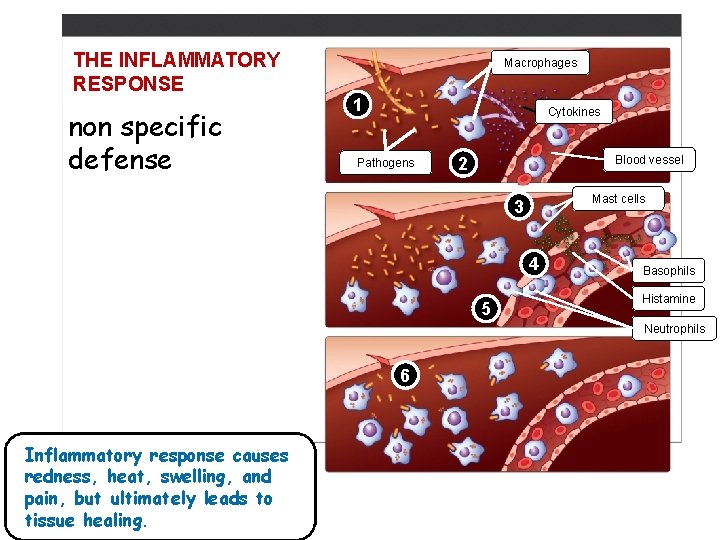
THE INFLAMMATORY RESPONSE non specific defense Macrophages 1 Cytokines Pathogens Blood vessel 2 Mast cells 3 4 5 Basophils Histamine Neutrophils 6 Inflammatory response causes redness, heat, swelling, and pain, but ultimately leads to tissue healing.
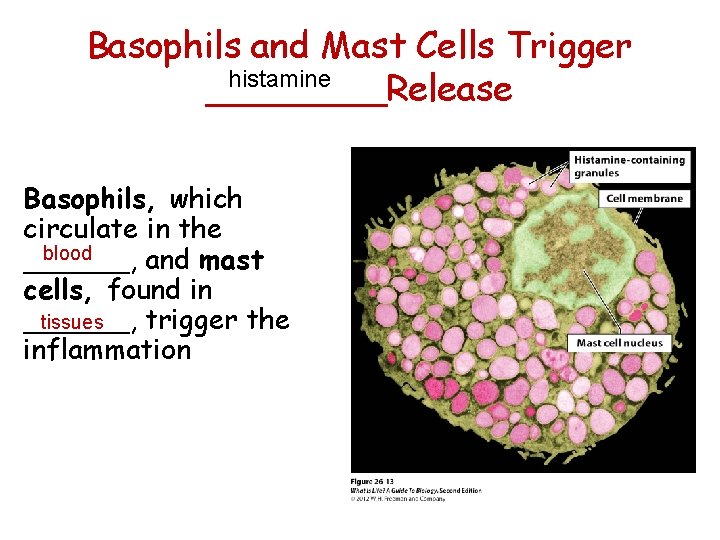
Basophils and Mast Cells Trigger histamine ____Release Basophils, which circulate in the blood ______, and mast cells, found in tissues ______, trigger the inflammation
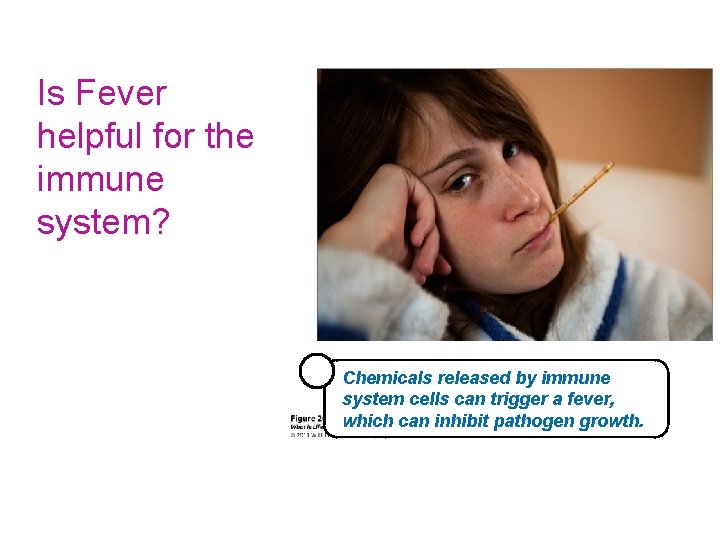
Is Fever helpful for the immune system? Chemicals released by immune system cells can trigger a fever, which can inhibit pathogen growth.
This cell alerts the specific immune system by presenting pieces of the pathogen on its cell membrane. A. Neutrophil B. Macrophage C. mast cells D. natural killer (NK) cells E. Basophil
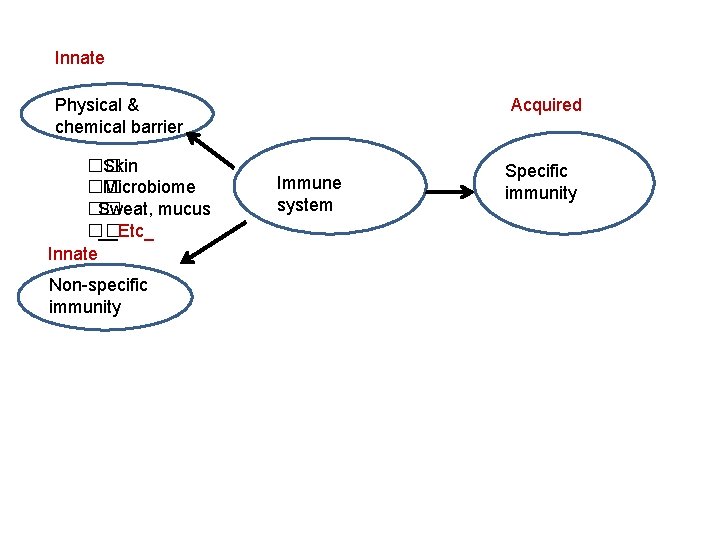
Innate Acquired Physical & chemical barrier �� Skin �� Microbiome �� Sweat, mucus �� __Etc_ Innate Non-specific immunity Immune system Specific immunity
- Slides: 18