
Immune system Chp 16 pp 323 350 20
- Slides: 12
Immune system Chp. 16 (pp. 323 -350) ~20, 000 genes affect immunity, usually polygenic or multifactorial traits
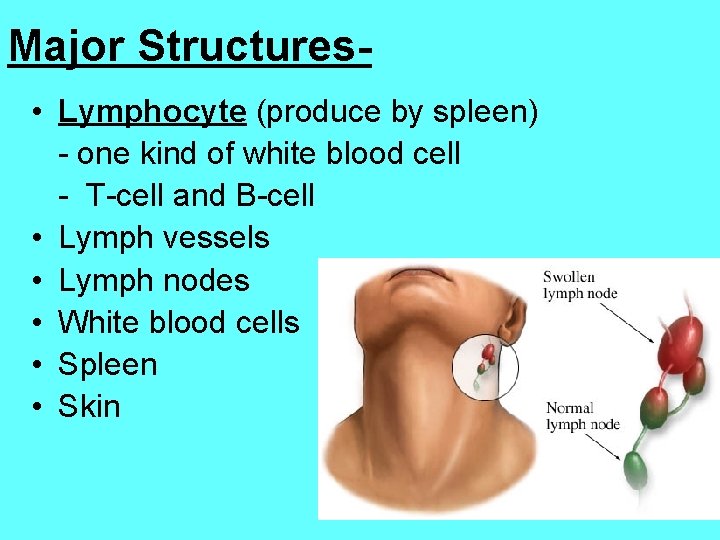
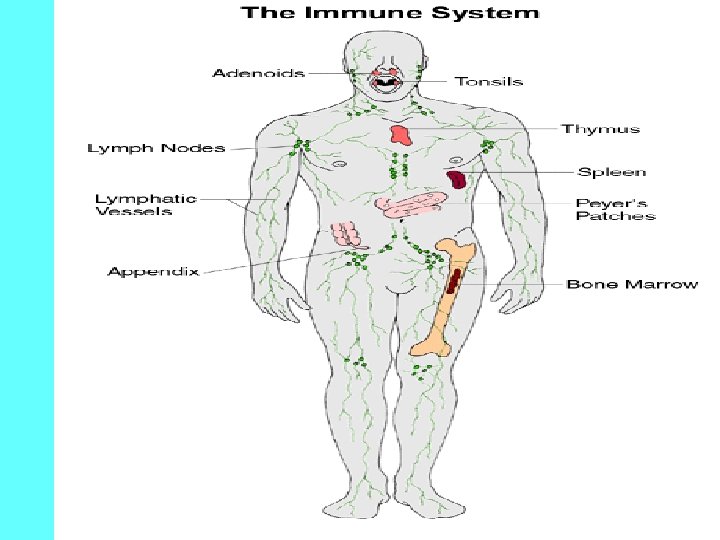
Major Structures • Lymphocyte (produce by spleen) - one kind of white blood cell - T-cell and B-cell • Lymph vessels • Lymph nodes • White blood cells • Spleen • Skin
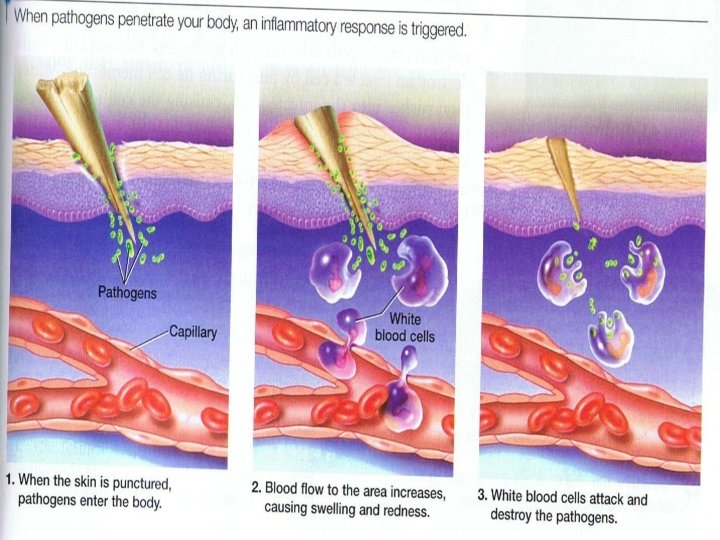
Function of the system • The immune system is the system of specialized cells and organs that protect an organism from outside biological influences • Defends against pathogens and disease
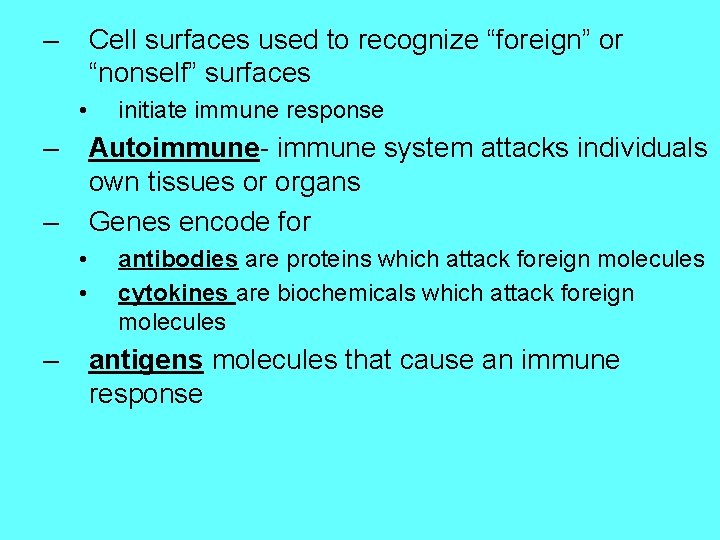
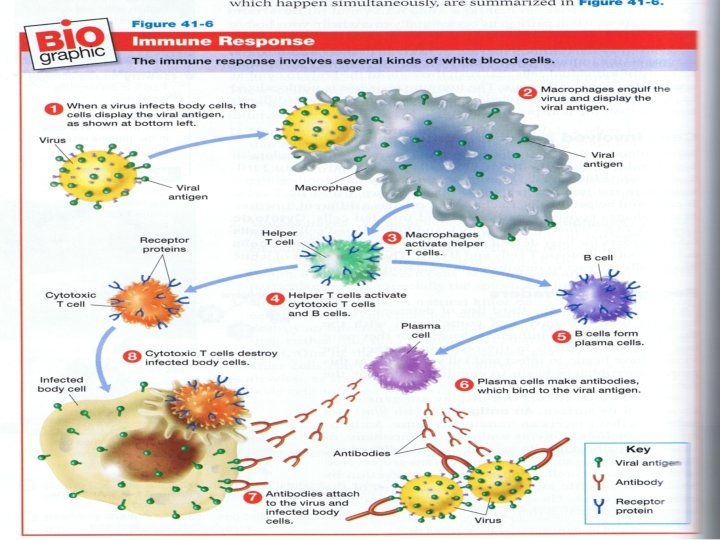
– Cell surfaces used to recognize “foreign” or “nonself” surfaces • – Autoimmune- immune system attacks individuals own tissues or organs Genes encode for – • • – initiate immune response antibodies are proteins which attack foreign molecules cytokines are biochemicals which attack foreign molecules antigens molecules that cause an immune response
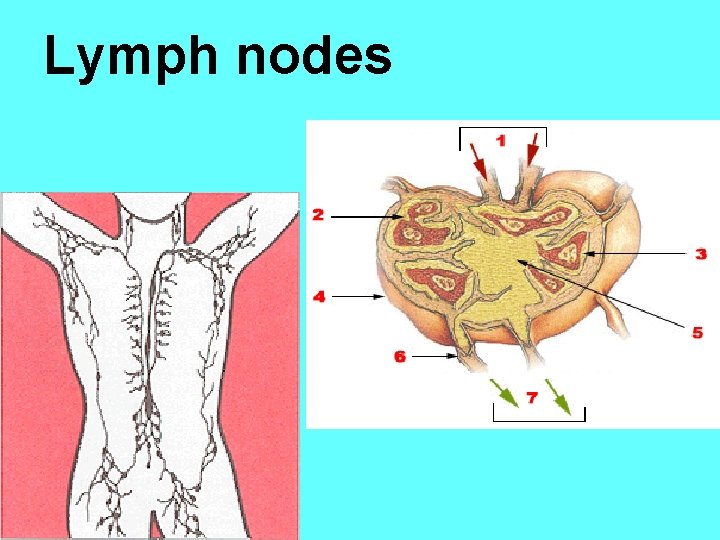
Lymph nodes
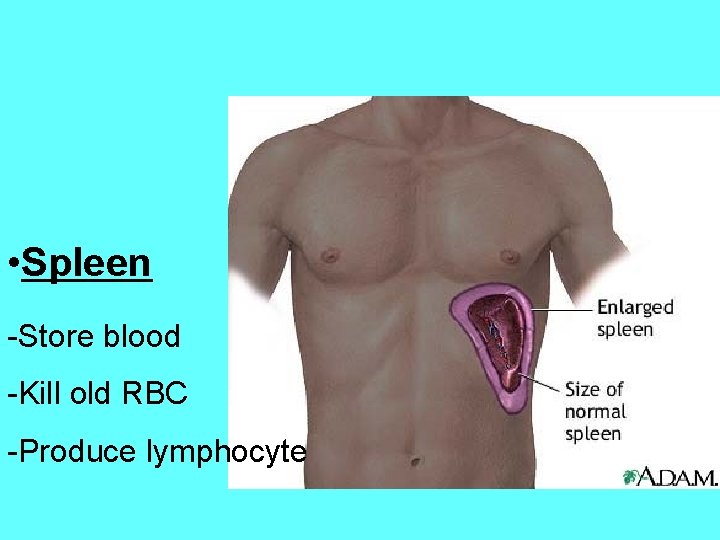
• Spleen -Store blood -Kill old RBC -Produce lymphocyte
• AIDS HIV (human immunodeficiency virus) infection will lead to immune system collapse • HIV usually invades helper T cell, which begin to produce HIV soon after infection. • Helper T cell die, the – immune system gradually weakens – becomes overwhelmed by pathogens that would normally detect and destroy.
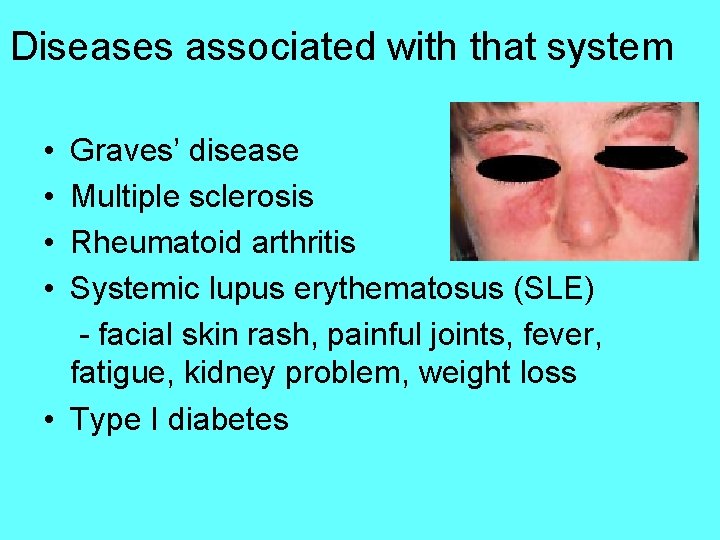
Diseases associated with that system • • Graves’ disease Multiple sclerosis Rheumatoid arthritis Systemic lupus erythematosus (SLE) - facial skin rash, painful joints, fever, fatigue, kidney problem, weight loss • Type I diabetes
One interesting fact • Allergy is the body’s overreaction to a normally harmless antigen • Allergy- causing antigens include pollen, spores, foods, drugs, and dust mites. Allergies are caused by our immune system protecting us too much!!!!!