
Immune reconstitution Anjie Zhen Ph D Overview of
- Slides: 20
Immune reconstitution Anjie Zhen, Ph. D
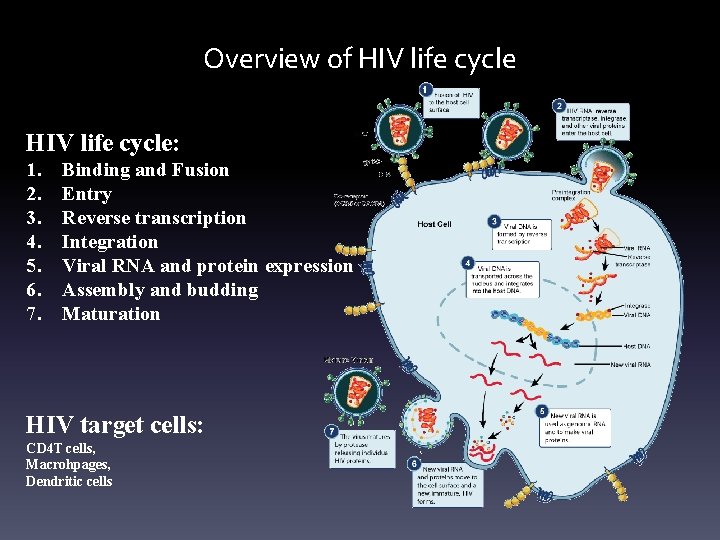
Overview of HIV life cycle: 1. 2. 3. 4. 5. 6. 7. Binding and Fusion Entry Reverse transcription Integration Viral RNA and protein expression Assembly and budding Maturation HIV target cells: CD 4 T cells, Macrohpages, Dendritic cells
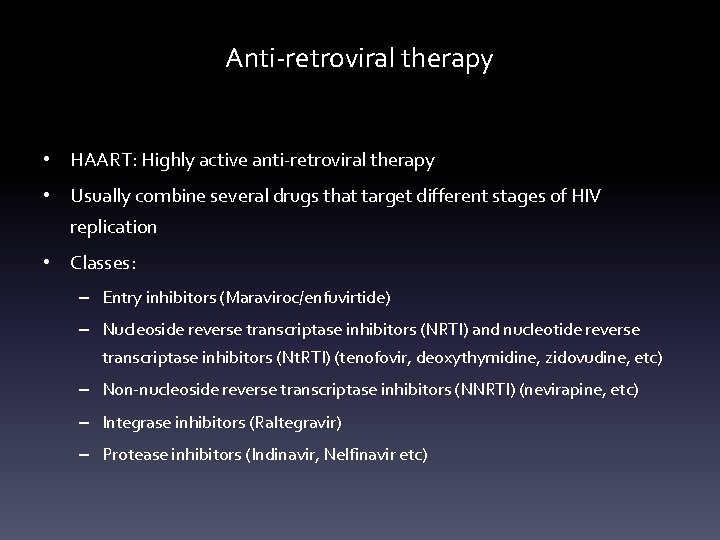
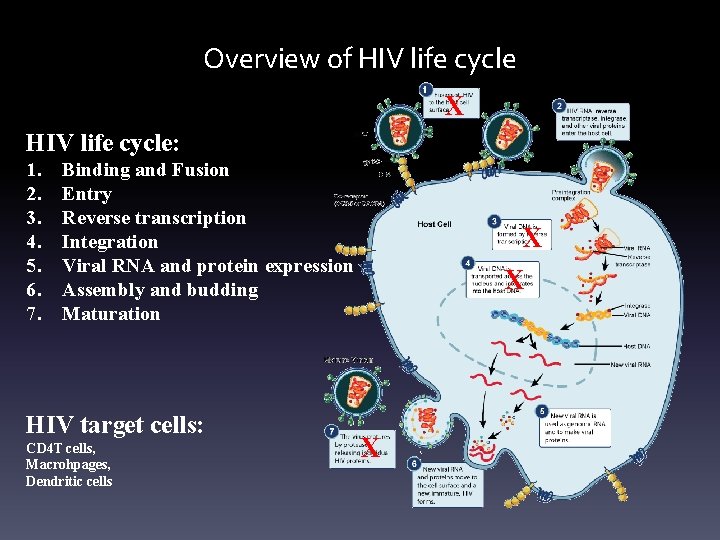
Anti-retroviral therapy • HAART: Highly active anti-retroviral therapy • Usually combine several drugs that target different stages of HIV replication • Classes: – Entry inhibitors (Maraviroc/enfuvirtide) – Nucleoside reverse transcriptase inhibitors (NRTI) and nucleotide reverse transcriptase inhibitors (Nt. RTI) (tenofovir, deoxythymidine, zidovudine, etc) – Non-nucleoside reverse transcriptase inhibitors (NNRTI) (nevirapine, etc) – Integrase inhibitors (Raltegravir) – Protease inhibitors (Indinavir, Nelfinavir etc)
Overview of HIV life cycle X HIV life cycle: 1. 2. 3. 4. 5. 6. 7. Binding and Fusion Entry Reverse transcription Integration Viral RNA and protein expression Assembly and budding Maturation HIV target cells: CD 4 T cells, Macrohpages, Dendritic cells X X X
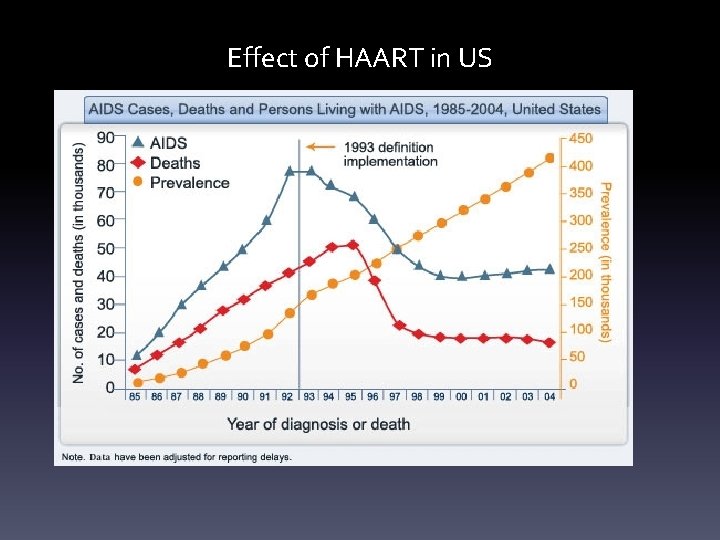
Effect of HAART in US
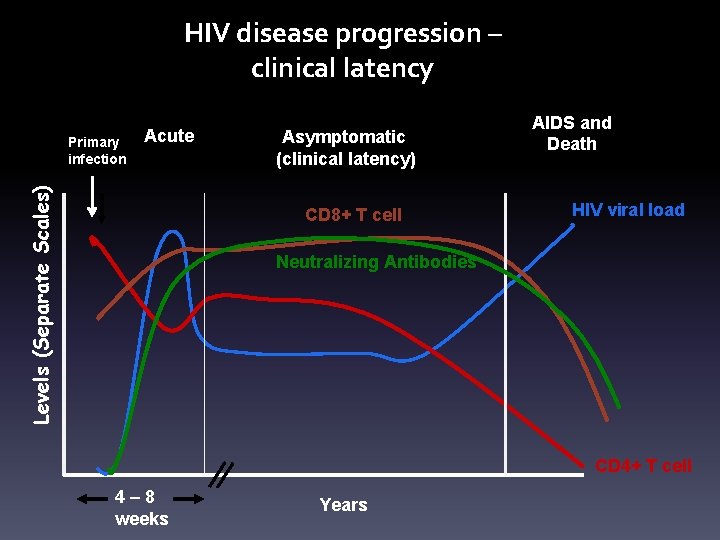
HIV disease progression – clinical latency Levels (Separate Scales) Primary infection Acute Asymptomatic (clinical latency) CD 8+ T cell AIDS and Death HIV viral load Neutralizing Antibodies CD 4+ T cell 4– 8 weeks Years
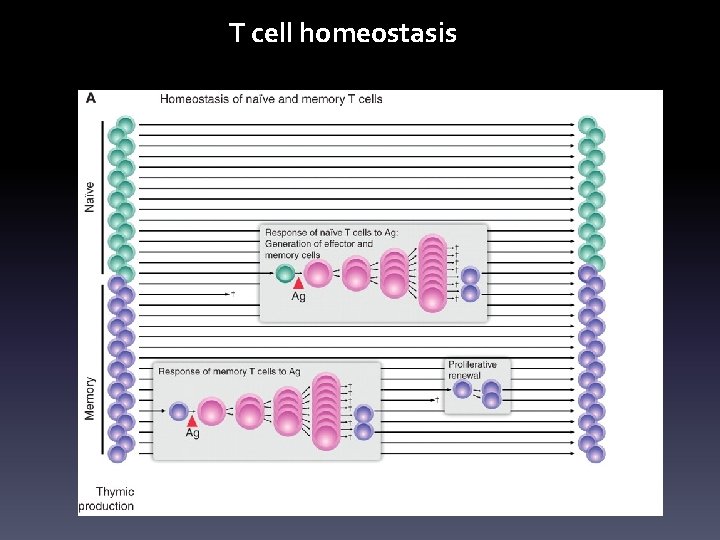
T cell homeostasis
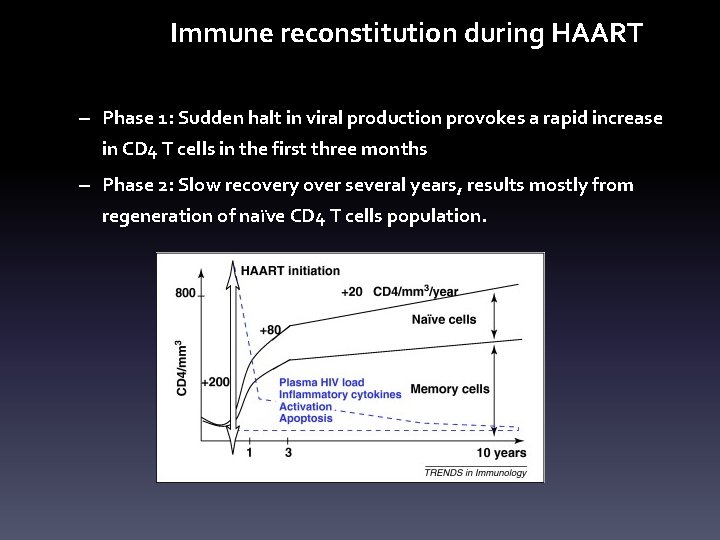
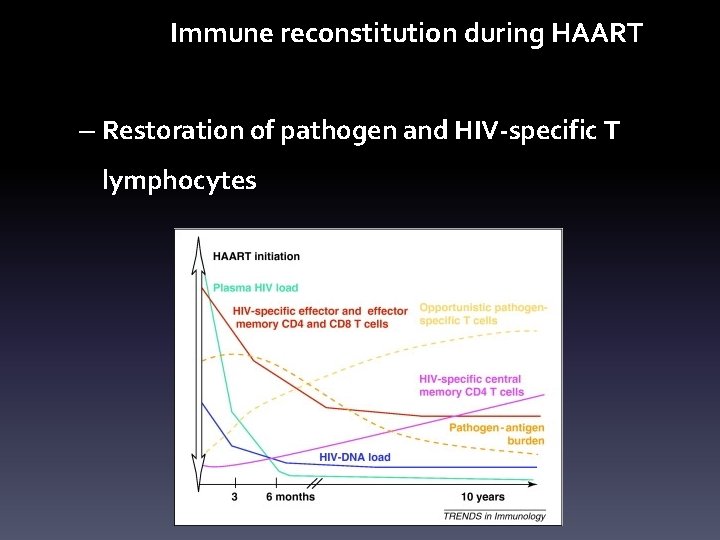
Immune reconstitution during HAART – Phase 1: Sudden halt in viral production provokes a rapid increase in CD 4 T cells in the first three months – Phase 2: Slow recovery over several years, results mostly from regeneration of naïve CD 4 T cells population.
Immune reconstitution during HAART – Restoration of pathogen and HIV-specific T lymphocytes
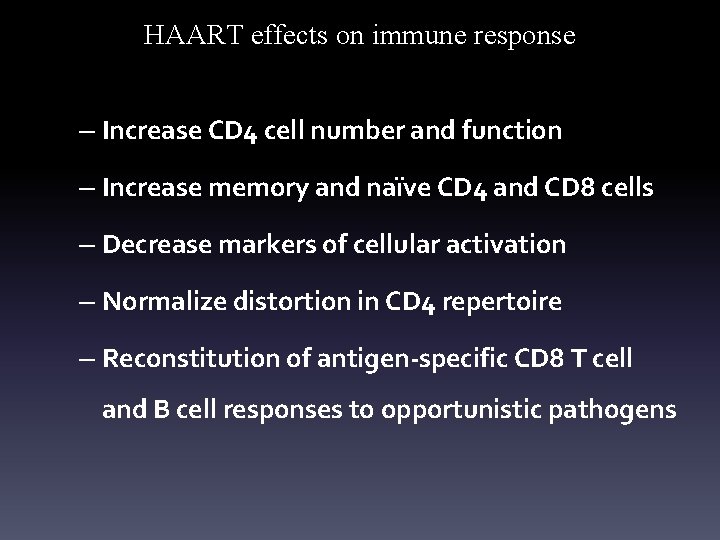
HAART effects on immune response – Increase CD 4 cell number and function – Increase memory and naïve CD 4 and CD 8 cells – Decrease markers of cellular activation – Normalize distortion in CD 4 repertoire – Reconstitution of antigen-specific CD 8 T cell and B cell responses to opportunistic pathogens
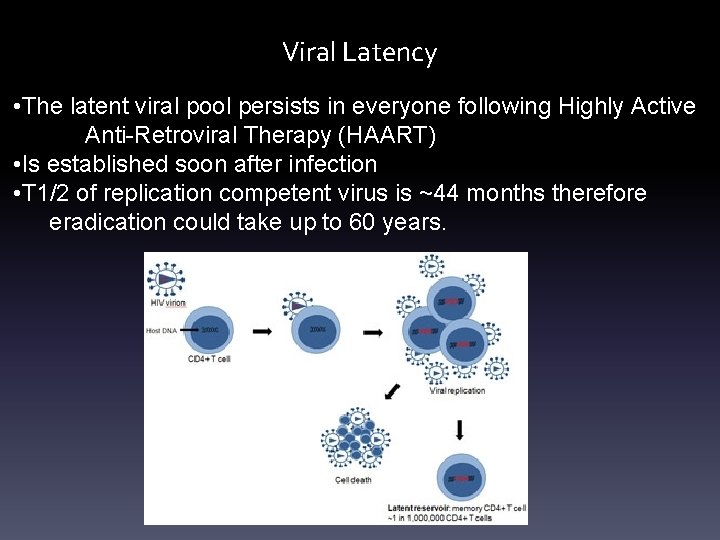
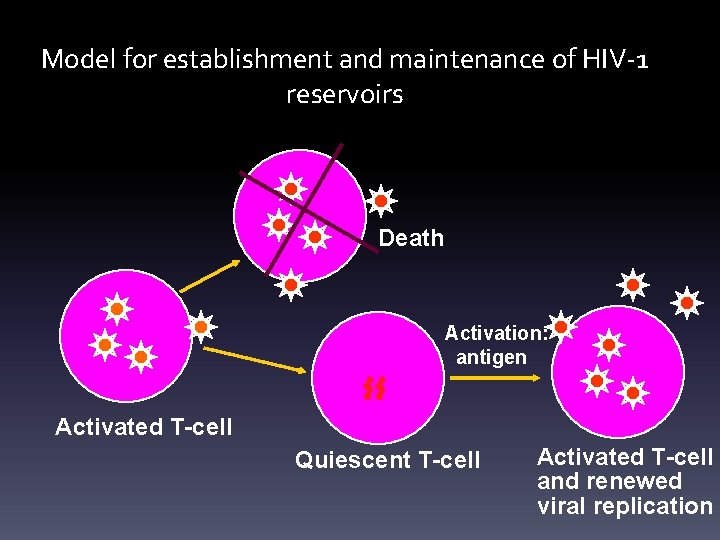
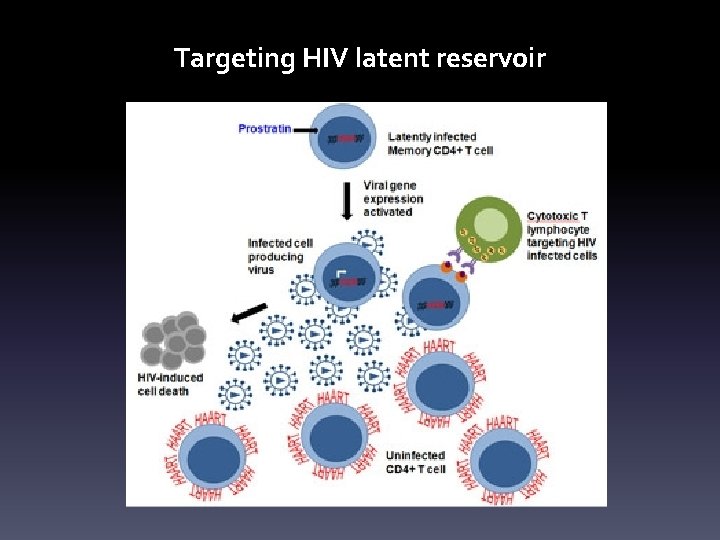
Viral Latency • The latent viral pool persists in everyone following Highly Active Anti-Retroviral Therapy (HAART) • Is established soon after infection • T 1/2 of replication competent virus is ~44 months therefore eradication could take up to 60 years.
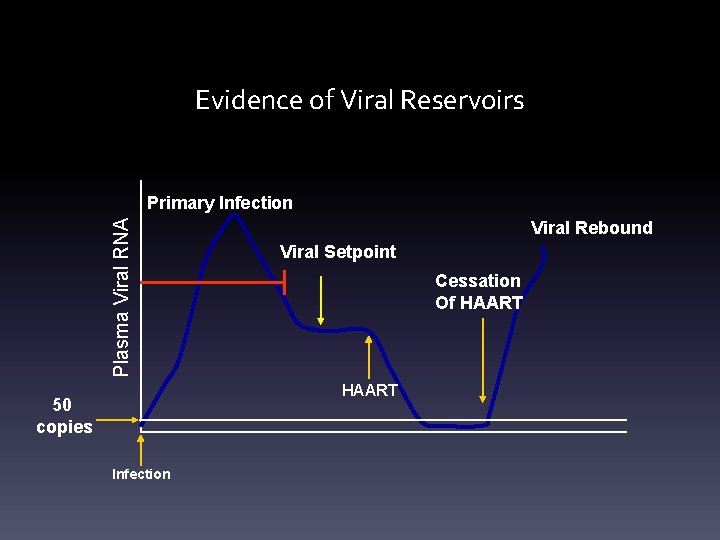
Evidence of Viral Reservoirs Plasma Viral RNA Primary Infection Viral Rebound Viral Setpoint Cessation Of HAART 50 copies Infection
Model for establishment and maintenance of HIV-1 reservoirs Death Activation: antigen Activated T-cell Quiescent T-cell Activated T-cell and renewed viral replication
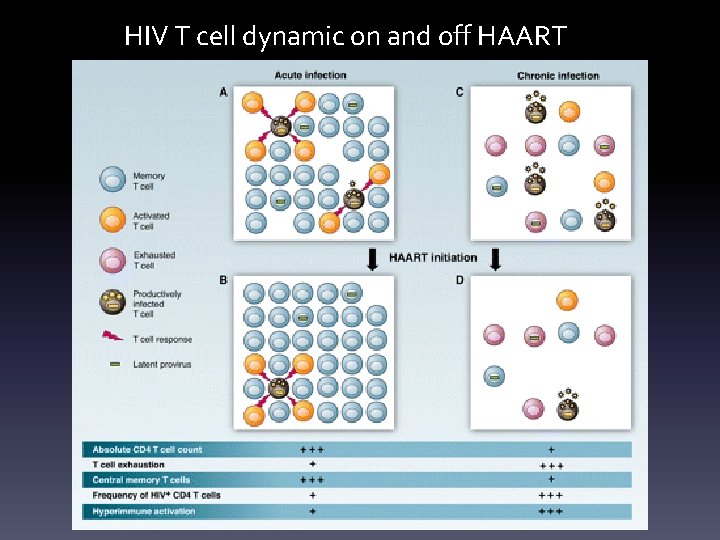
HIV T cell dynamic on and off HAART
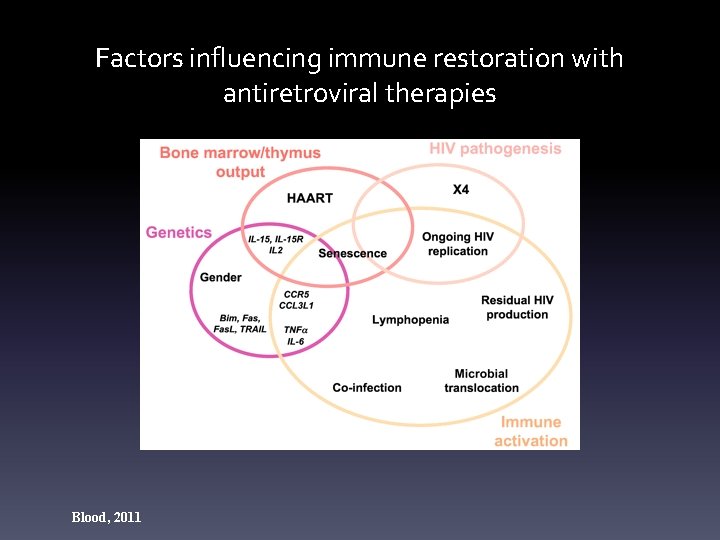
Factors influencing immune restoration with antiretroviral therapies Blood, 2011
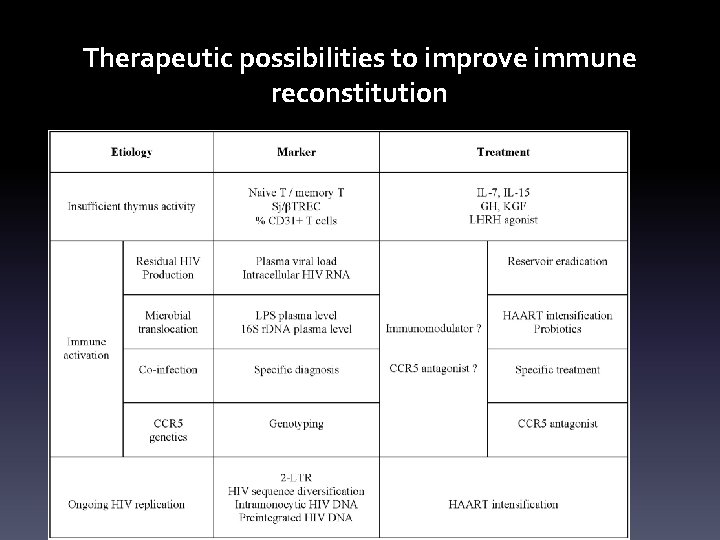
Therapeutic possibilities to improve immune reconstitution
Targeting HIV latent reservoir
Q&A What is HAART? Can virus be cleared by HAART and why? What are the two phase of immune reconstitution after initiation of antiretroviral therapy?
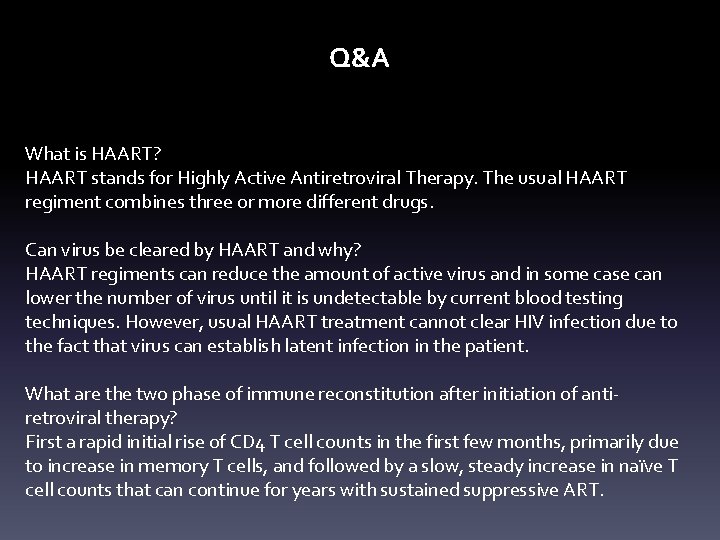
Q&A What is HAART? HAART stands for Highly Active Antiretroviral Therapy. The usual HAART regiment combines three or more different drugs. Can virus be cleared by HAART and why? HAART regiments can reduce the amount of active virus and in some case can lower the number of virus until it is undetectable by current blood testing techniques. However, usual HAART treatment cannot clear HIV infection due to the fact that virus can establish latent infection in the patient. What are the two phase of immune reconstitution after initiation of antiretroviral therapy? First a rapid initial rise of CD 4 T cell counts in the first few months, primarily due to increase in memory T cells, and followed by a slow, steady increase in naïve T cell counts that can continue for years with sustained suppressive ART.
Strategies targeting latent reservoirs How to reactivate latently infected cells? How to improve immune responses to eliminate infected cells?