
Immigration 1850 1930 45 000 came to the

- Slides: 41
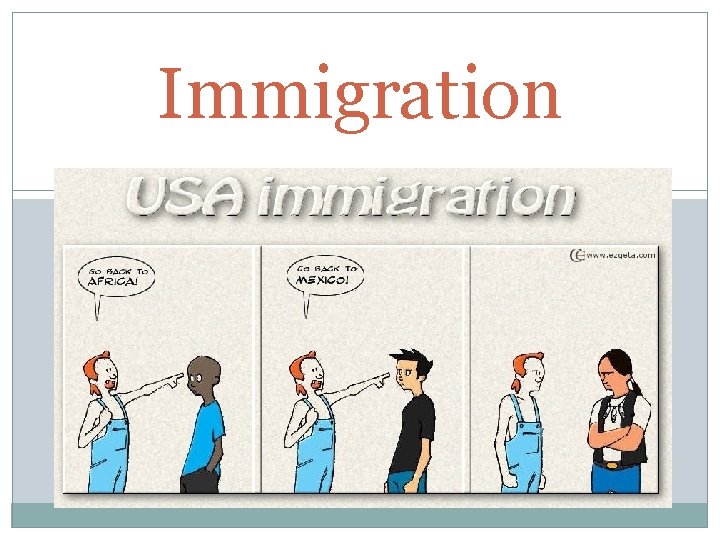
Immigration
1850 --------1930 * 45, 000 came to the U. S. * Old Immigrants vs. New Immigrants Before 1890 After 1890 * American = “Land of opportunity”
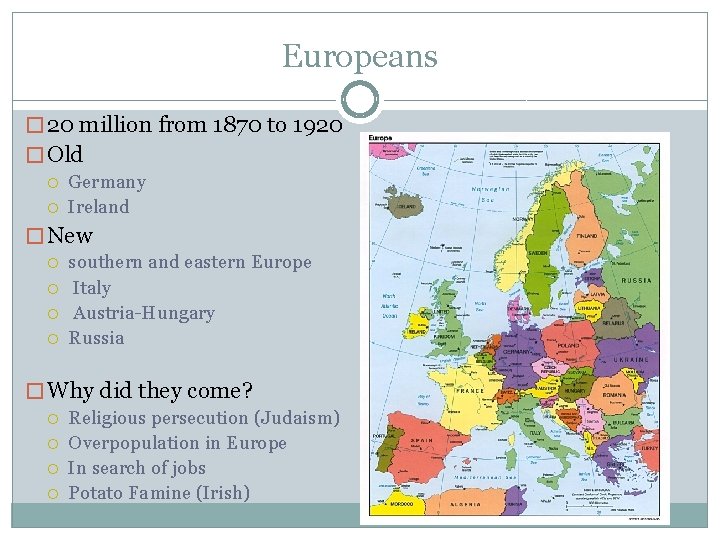
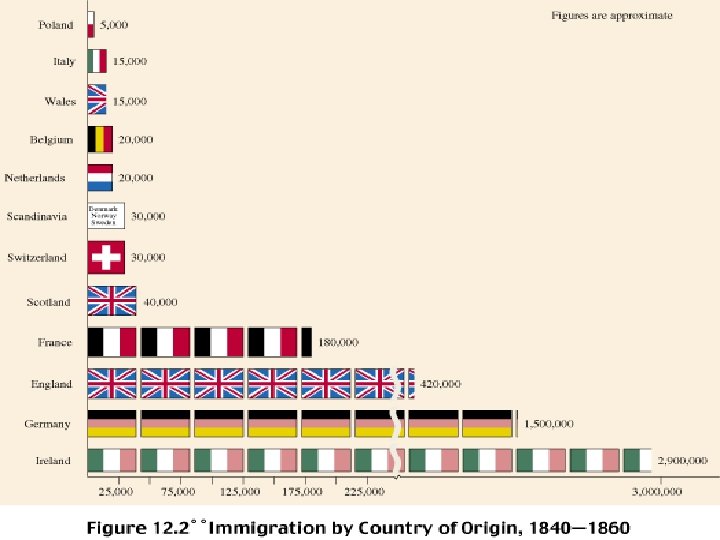
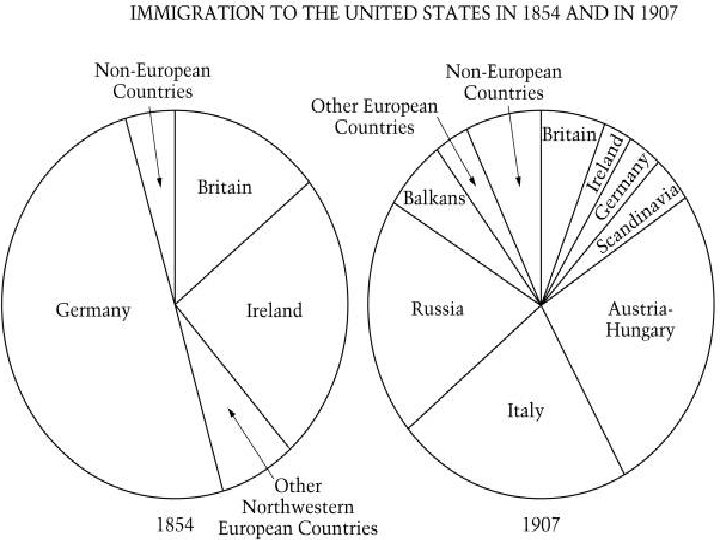
Europeans � 20 million from 1870 to 1920 � Old Germany Ireland � New southern and eastern Europe Italy Austria-Hungary Russia � Why did they come? Religious persecution (Judaism) Overpopulation in Europe In search of jobs Potato Famine (Irish)
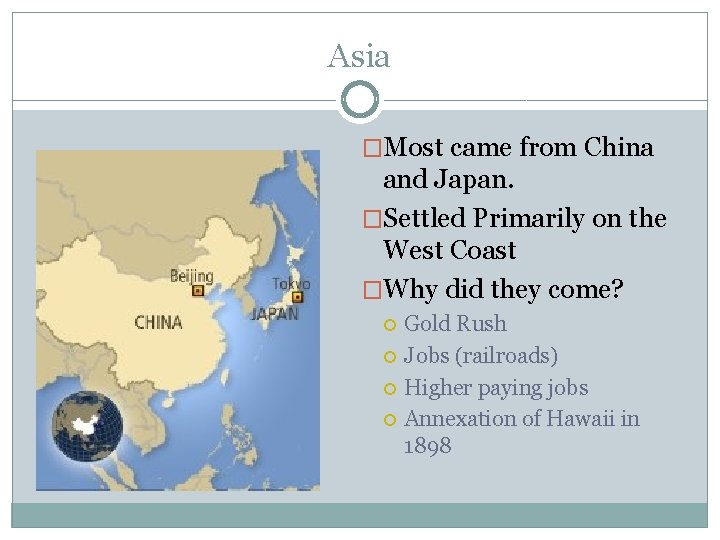
Asia �Most came from China and Japan. �Settled Primarily on the West Coast �Why did they come? Gold Rush Jobs (railroads) Higher paying jobs Annexation of Hawaii in 1898
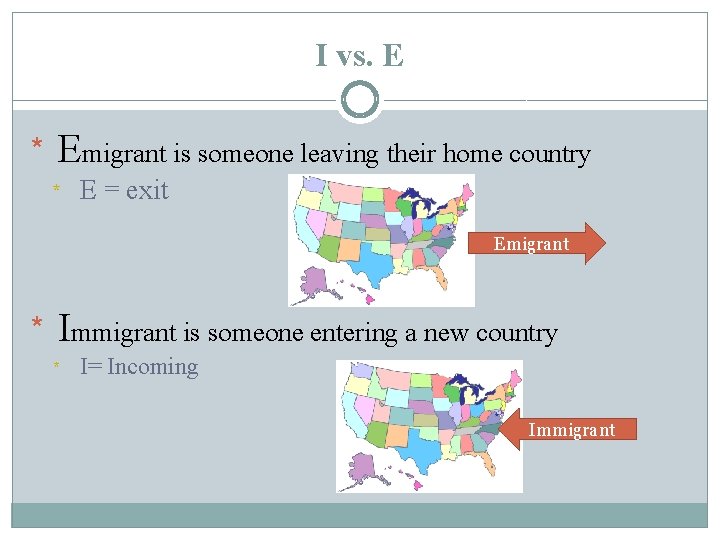
I vs. E * Emigrant is someone leaving their home country * E = exit Emigrant * Immigrant is someone entering a new country * I= Incoming Immigrant
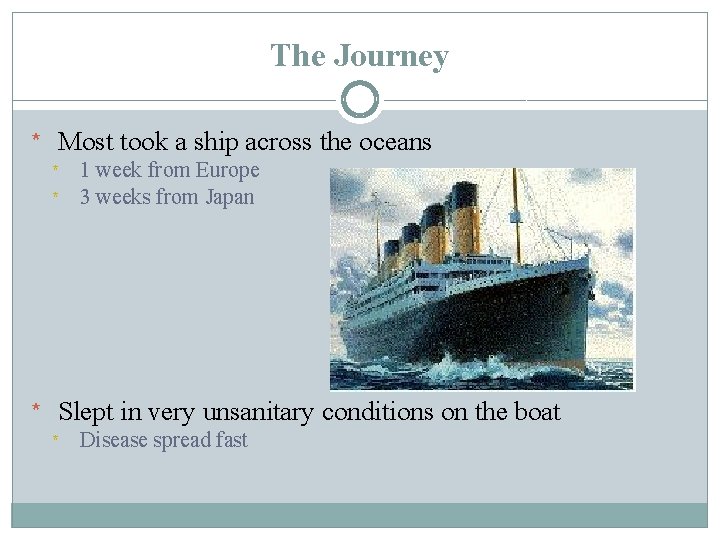
The Journey * Most took a ship across the oceans * * 1 week from Europe 3 weeks from Japan * Slept in very unsanitary conditions on the boat * Disease spread fast
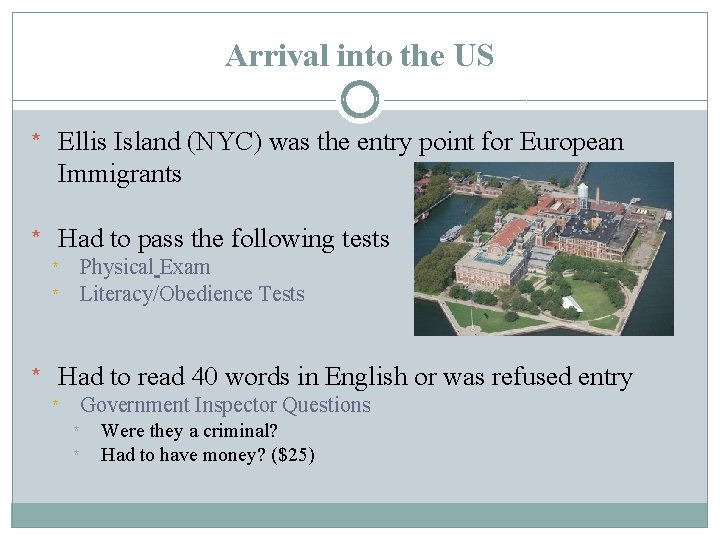
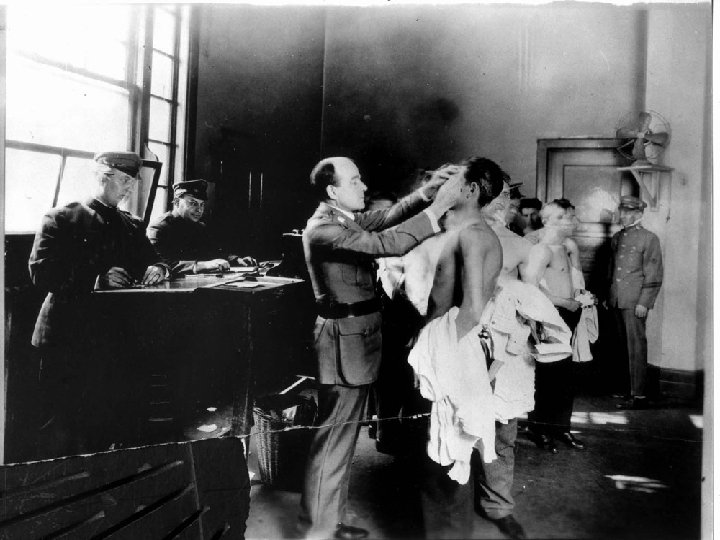
Arrival into the US * Ellis Island (NYC) was the entry point for European Immigrants * Had to pass the following tests * * Physical Exam Literacy/Obedience Tests * Had to read 40 words in English or was refused entry * Government Inspector Questions * * Were they a criminal? Had to have money? ($25)
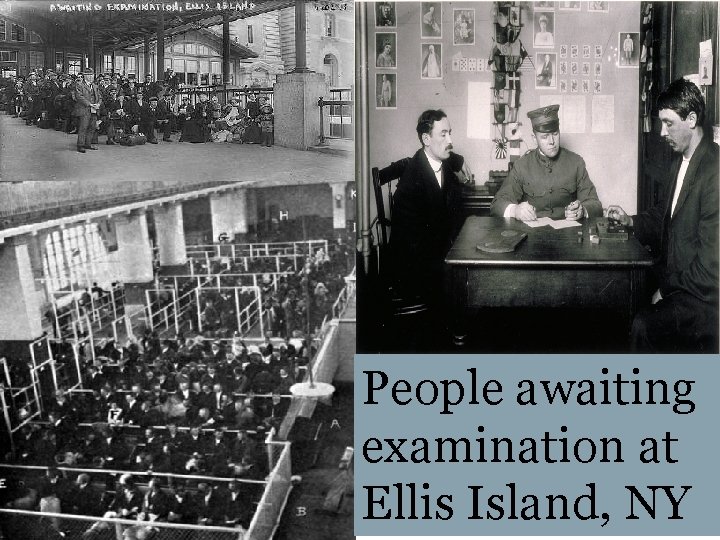
People awaiting examination at Ellis Island, NY
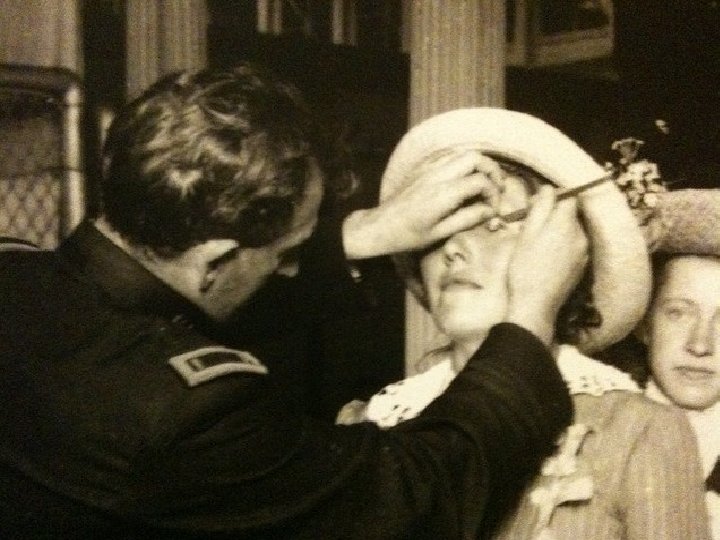
COPY THIS DOWN!!! Haha…. Kidding. . Scanning the moving line for signs of illness, Public Health doctors looked to see if anyone wheezed, coughed, shuffled, or limped as they climbed the steep stairs. Children were asked their name to make sure they weren't deaf or dumb, and those that looked over two-years-old were taken from their mothers' arms and made to walk. As the line moved forward, doctors had only a few seconds to examine each immigrant, checking for sixty symptoms, from anemia to varicose veins, which might indicate a wide variety of diseases, disabilities and physical conditions. Of primary concern were cholera, scalp and nail fungus, insanity, and mental impairments. In 1907, legislation further barred immigrants suffering from tuberculosis, epilepsy, and the physically disabled. The disease which resulted in the most exclusions was trachoma, a highly contagious eye infection that could cause blindness and death. At that time, the disease was common in Southern and Eastern Europe, but almost unknown in the U. S. Doctors checked for trachoma by turning the eyelid inside out with their fingers, a hairpin, or a button-hook to look for inflammation on the inner eyelid - an extremely painful experience. The "button -hook men" were the most dreaded officials on Ellis Island.
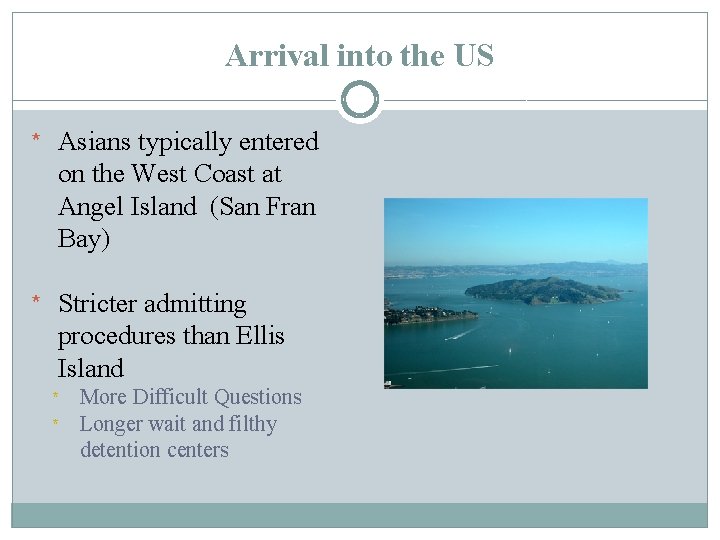
Arrival into the US * Asians typically entered on the West Coast at Angel Island (San Fran Bay) * Stricter admitting procedures than Ellis Island * * More Difficult Questions Longer wait and filthy detention centers
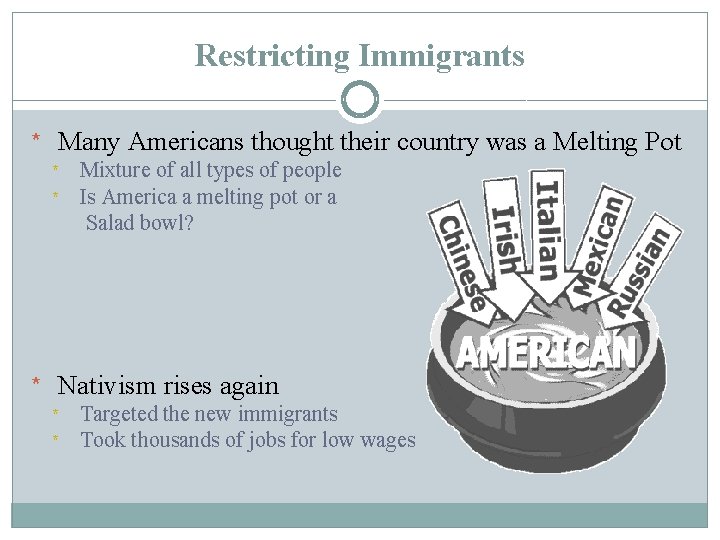
Restricting Immigrants * Many Americans thought their country was a Melting Pot * * Mixture of all types of people Is America a melting pot or a Salad bowl? * Nativism rises again * * Targeted the new immigrants Took thousands of jobs for low wages
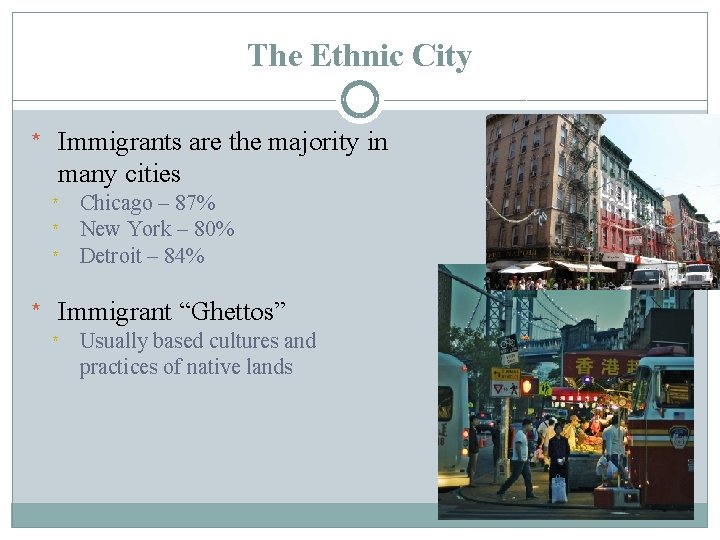
The Ethnic City * Immigrants are the majority in many cities * * * Chicago – 87% New York – 80% Detroit – 84% * Immigrant “Ghettos” * Usually based cultures and practices of native lands
Assimilation �Assimilation the merging of cultural traits from p reviously distinct cultural groups �“Americanization” attempts Schools – teach English Employers – insists employees speak English Churches – encourage assimilation Stores – force immigrants to adopt some American food/clothing
Exclusion �Chinese Exclusion Act 1882 �American Protection Agency Committed to ending immigration 500, 000 members by 1894 �Immigration Restriction League Calls for screening of immigrants “Desirables” and “Undesirables” �Government Sets some restrictions on poor, criminals, and those with mental impairments Ultimately realize importance of Immigrants in the workplace
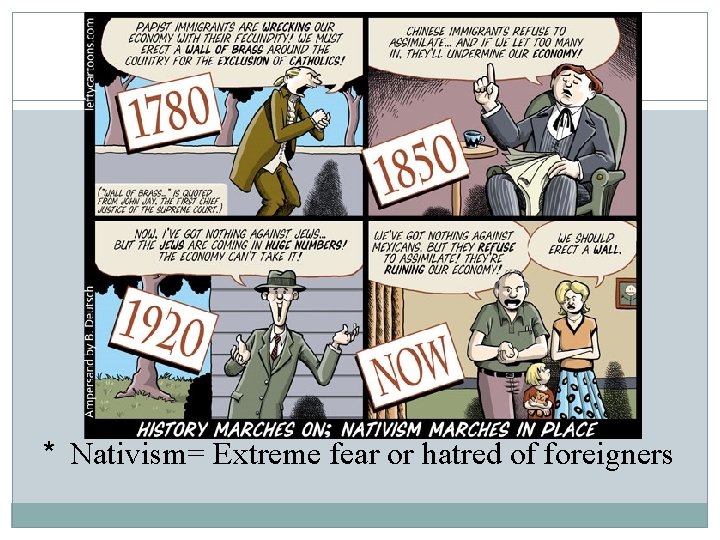
* Nativism= Extreme fear or hatred of foreigners
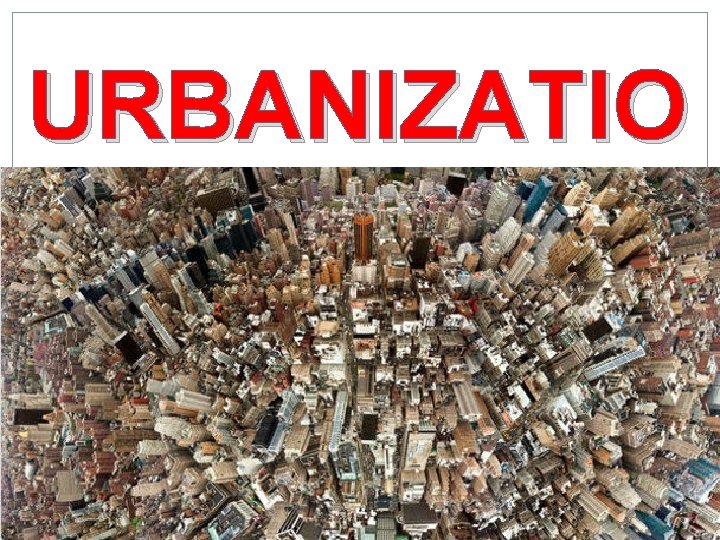
URBANIZATIO N
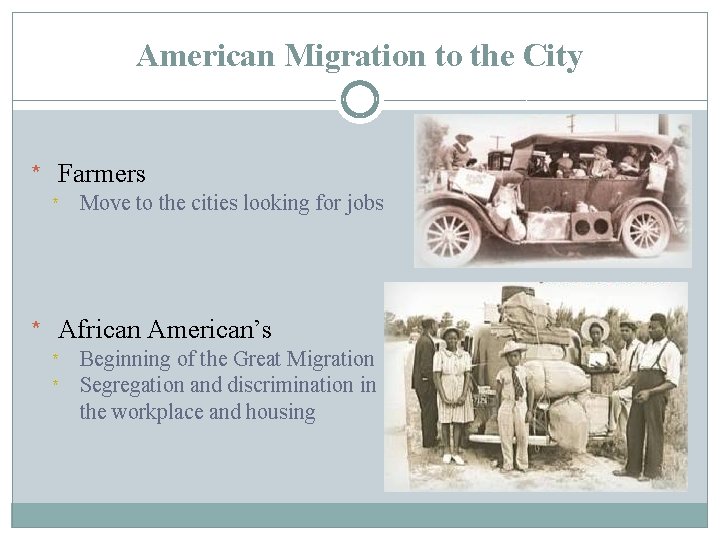
American Migration to the City * Farmers * Move to the cities looking for jobs * African American’s * * Beginning of the Great Migration Segregation and discrimination in the workplace and housing
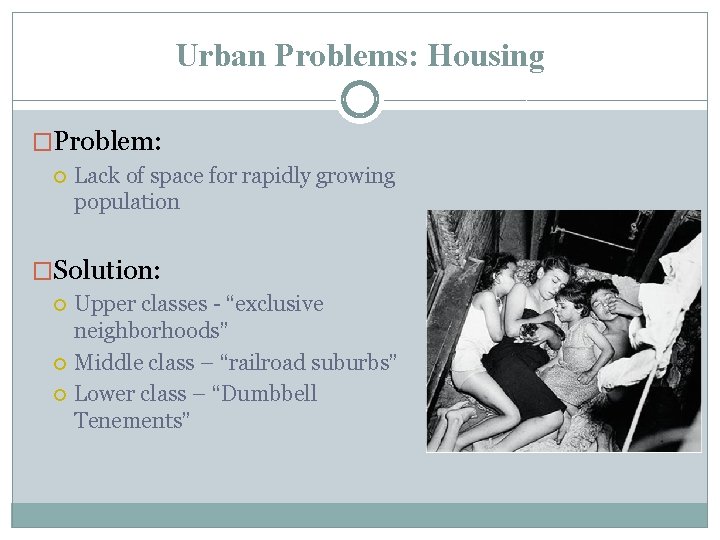
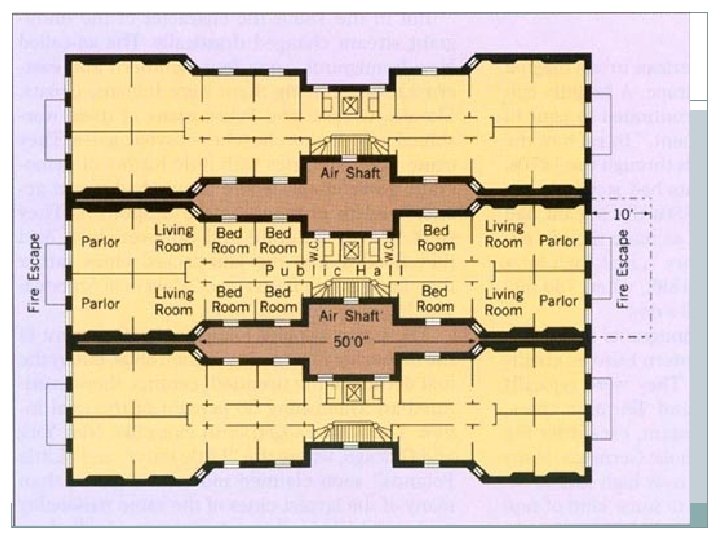
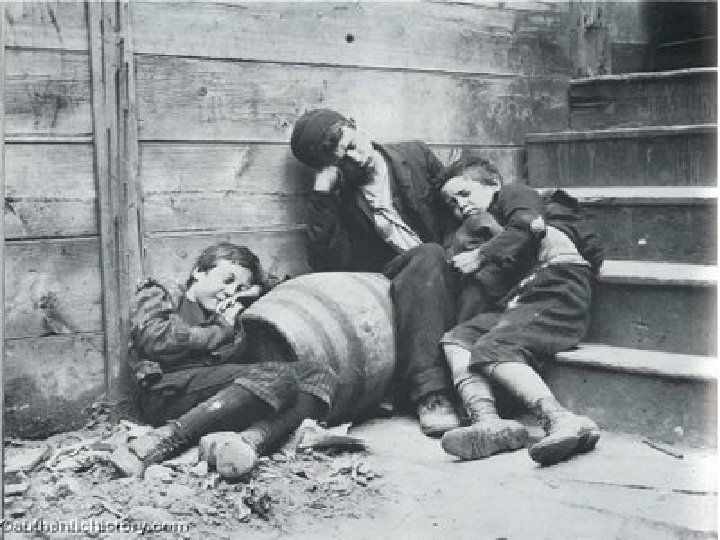
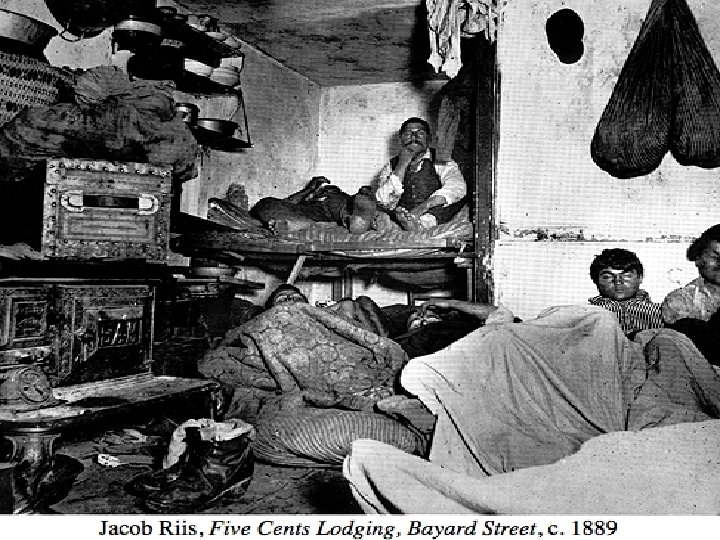
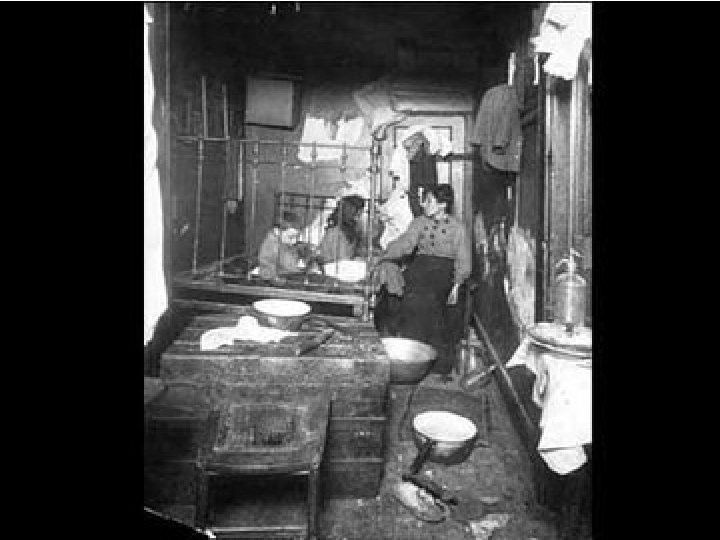
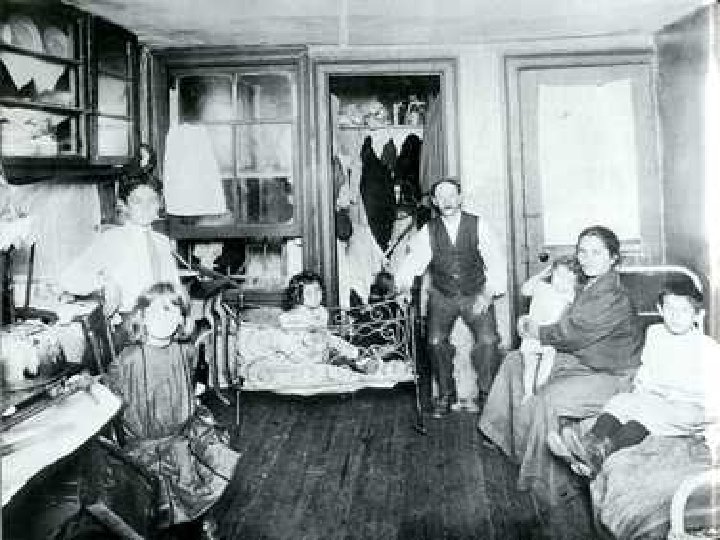
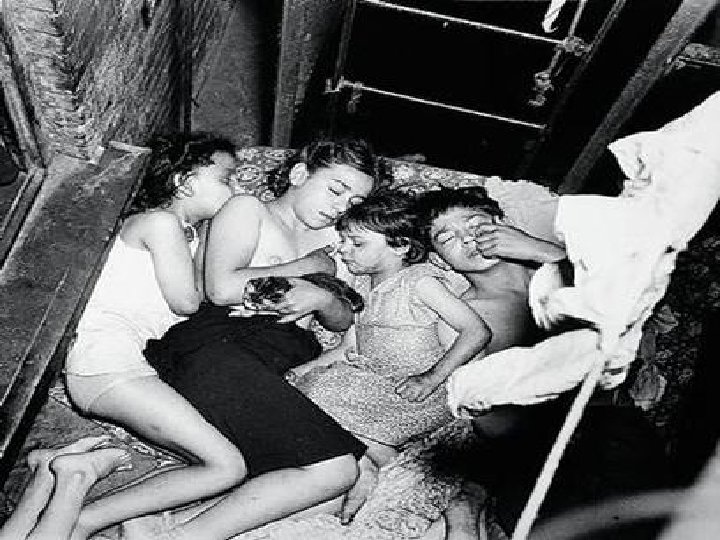
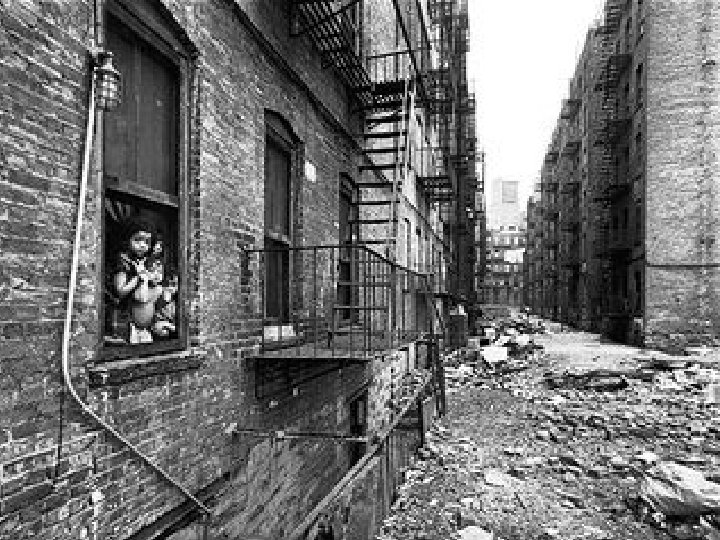
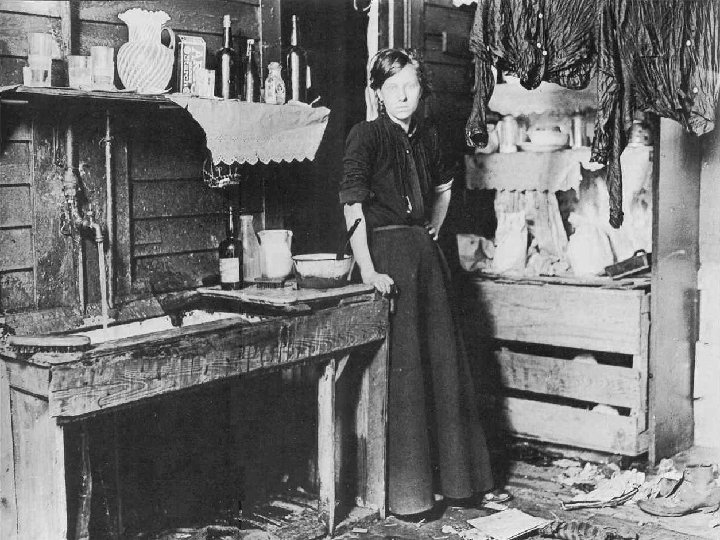
Urban Problems: Housing �Problem: Lack of space for rapidly growing population �Solution: Upper classes - “exclusive neighborhoods” Middle class – “railroad suburbs” Lower class – “Dumbbell Tenements”
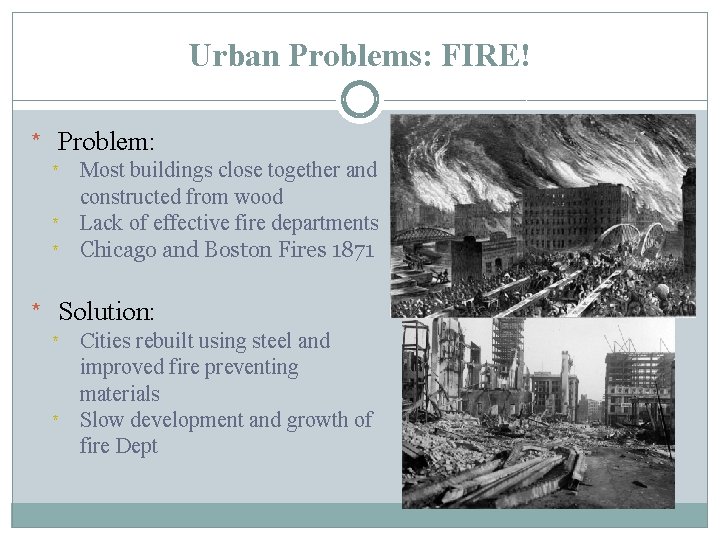
Urban Problems: FIRE! * Problem: * * * Most buildings close together and constructed from wood Lack of effective fire departments Chicago and Boston Fires 1871 * Solution: * * Cities rebuilt using steel and improved fire preventing materials Slow development and growth of fire Dept
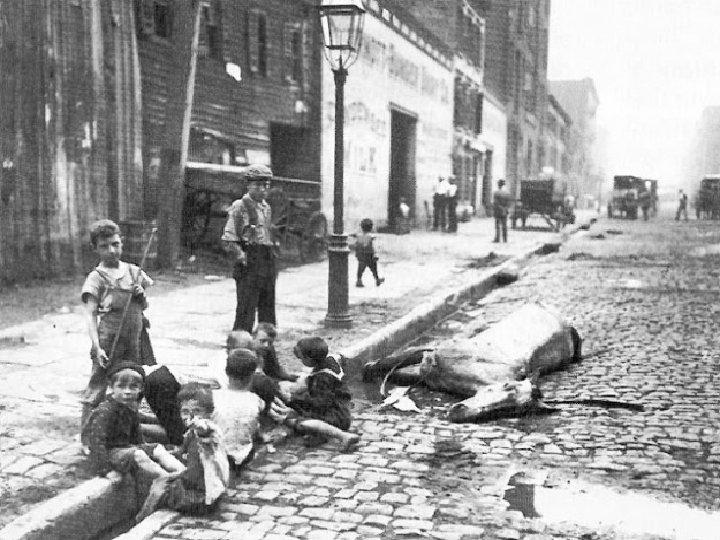
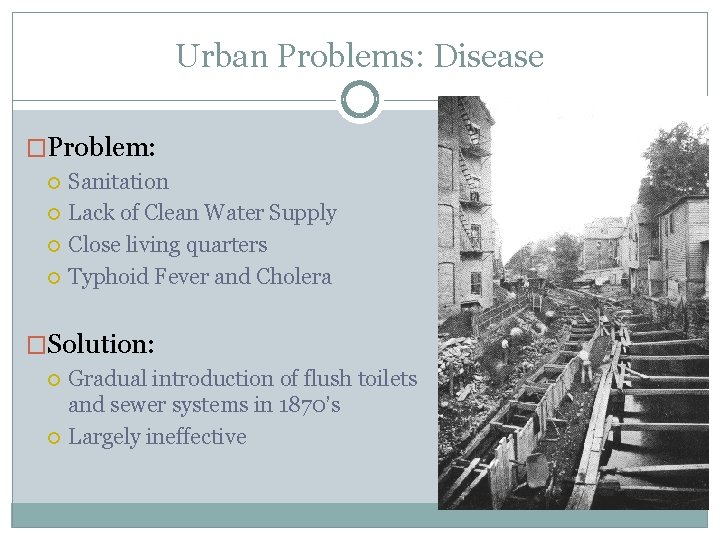
Urban Problems: Disease �Problem: Sanitation Lack of Clean Water Supply Close living quarters Typhoid Fever and Cholera �Solution: Gradual introduction of flush toilets and sewer systems in 1870’s Largely ineffective
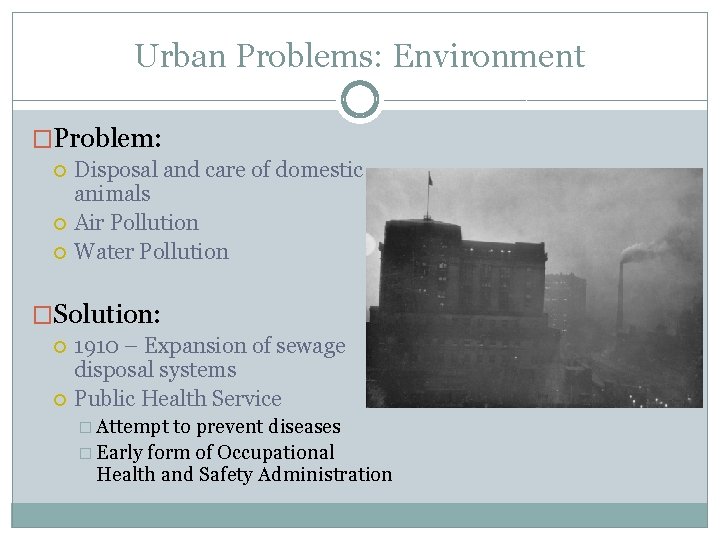
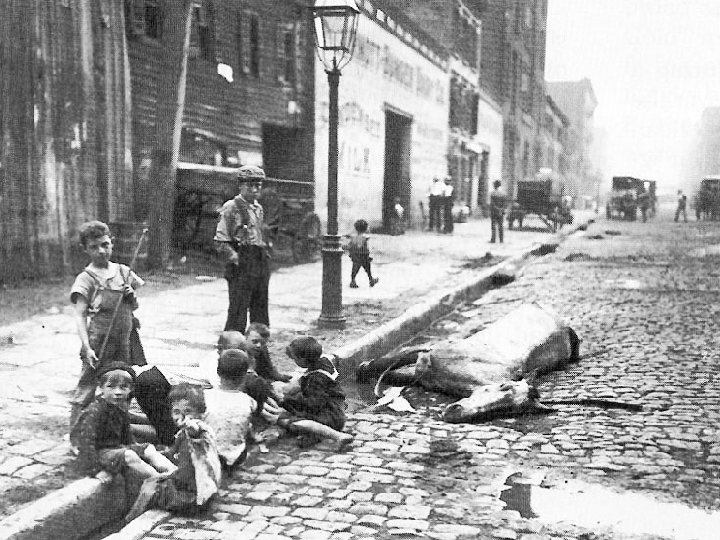
Urban Problems: Environment �Problem: Disposal and care of domestic animals Air Pollution Water Pollution �Solution: 1910 – Expansion of sewage disposal systems Public Health Service � Attempt to prevent diseases � Early form of Occupational Health and Safety Administration
Urban Problems: Crime * Problem: * 1800 -1900 - Crime rate increases 400% * Solution: * Creation of early police forces * Often Corrupt and/or controlled by political Machines
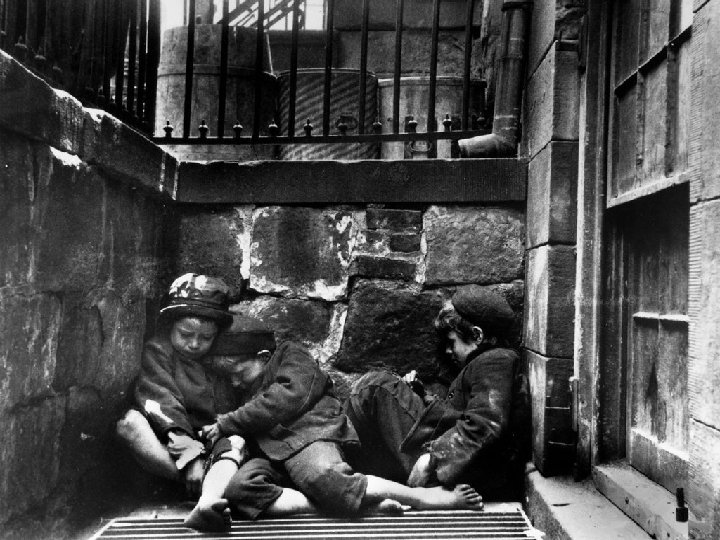
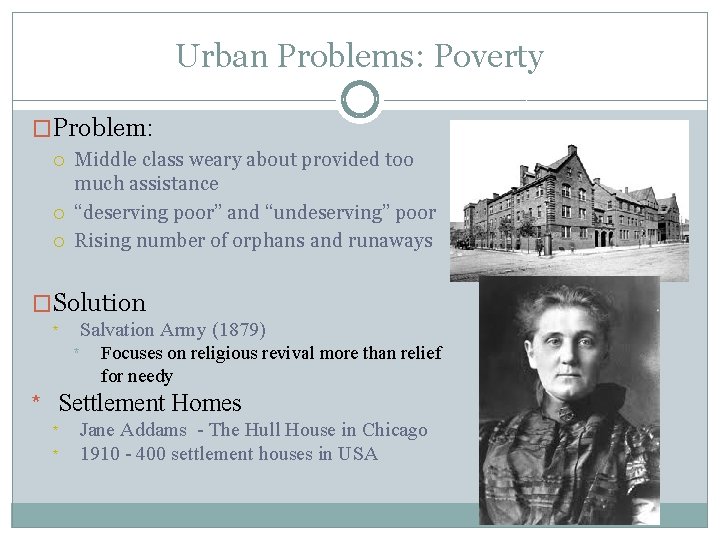
Urban Problems: Poverty �Problem: Middle class weary about provided too much assistance “deserving poor” and “undeserving” poor Rising number of orphans and runaways �Solution * Salvation Army (1879) * Focuses on religious revival more than relief for needy * Settlement Homes * * Jane Addams - The Hull House in Chicago 1910 - 400 settlement houses in USA
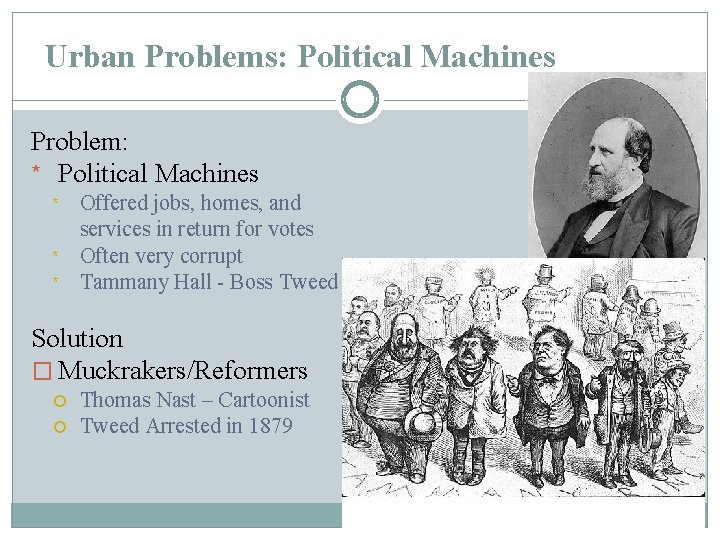
Urban Problems: Political Machines Problem: * Political Machines * * * Offered jobs, homes, and services in return for votes Often very corrupt Tammany Hall - Boss Tweed Solution � Muckrakers/Reformers Thomas Nast – Cartoonist Tweed Arrested in 1879
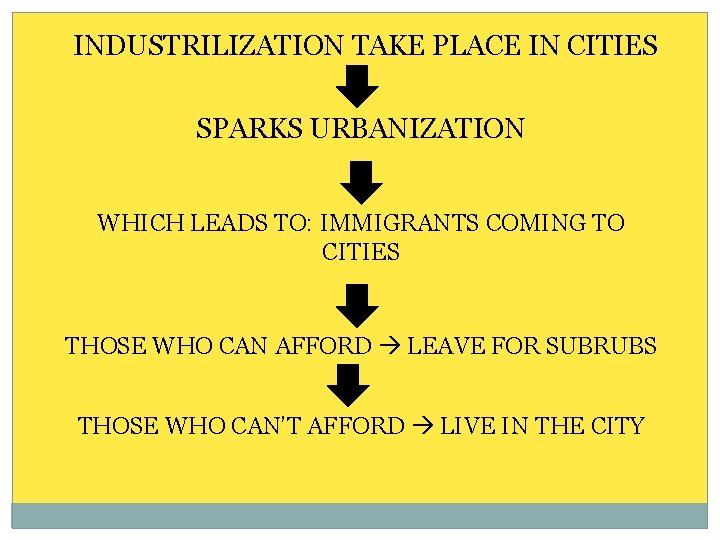
INDUSTRILIZATION TAKE PLACE IN CITIES SPARKS URBANIZATION WHICH LEADS TO: IMMIGRANTS COMING TO CITIES THOSE WHO CAN AFFORD LEAVE FOR SUBRUBS THOSE WHO CAN’T AFFORD LIVE IN THE CITY