
Immature Insects Rick Story Department of Entomology Types


- Slides: 57
Immature Insects Rick Story, Department of Entomology
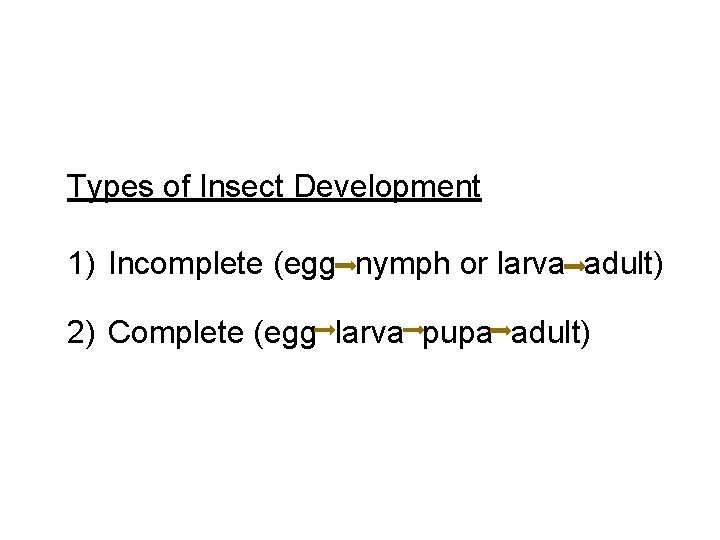
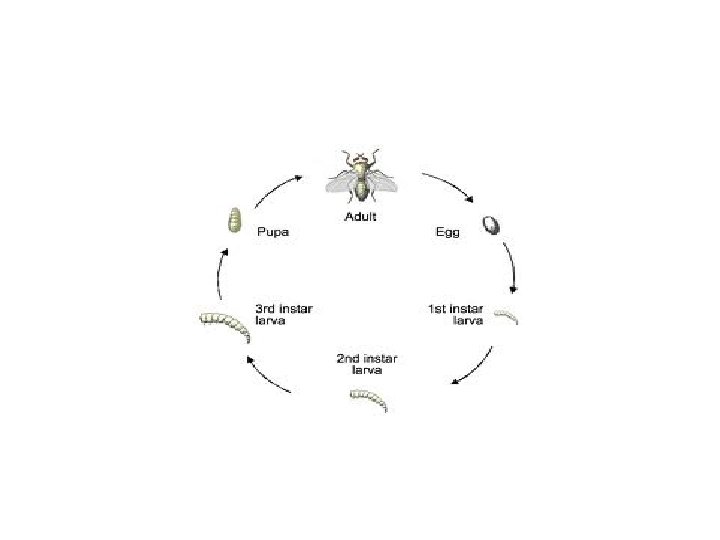
Types of Insect Development 1) Incomplete (egg nymph or larva adult) 2) Complete (egg larva pupa adult)
Insect Growth -external skeleton -grows with successive molts -each stage is an instar -typically 5 -7 instars for larval growth
Insect Metamorphosis -change in body form from immature to adult stage
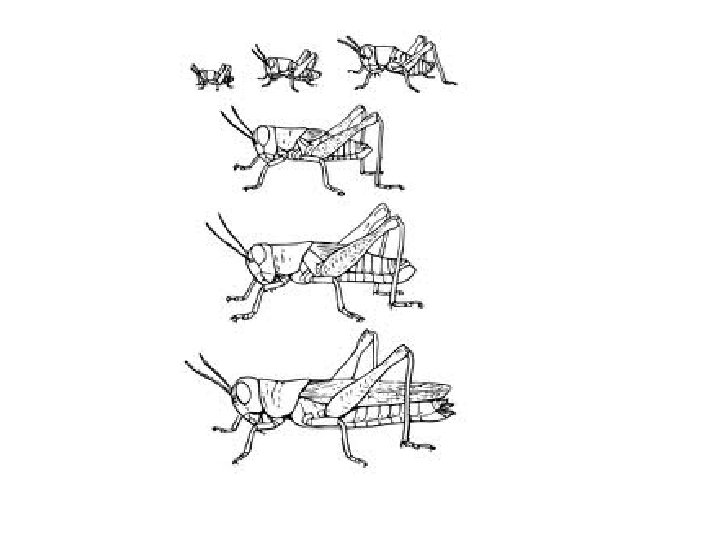
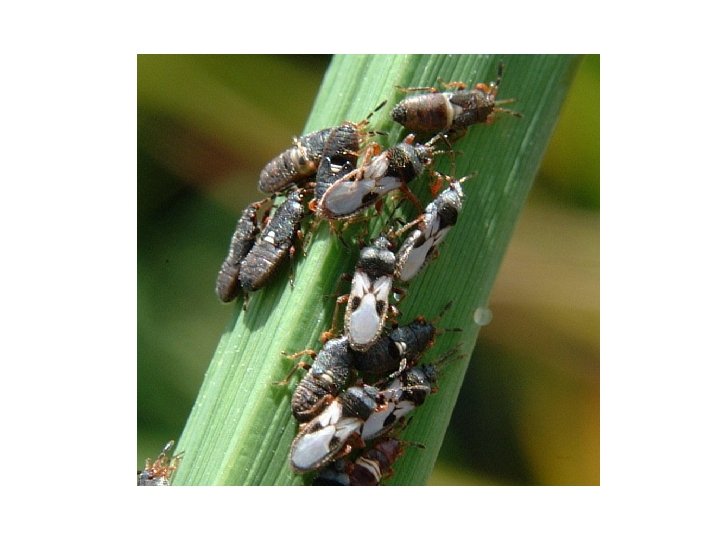
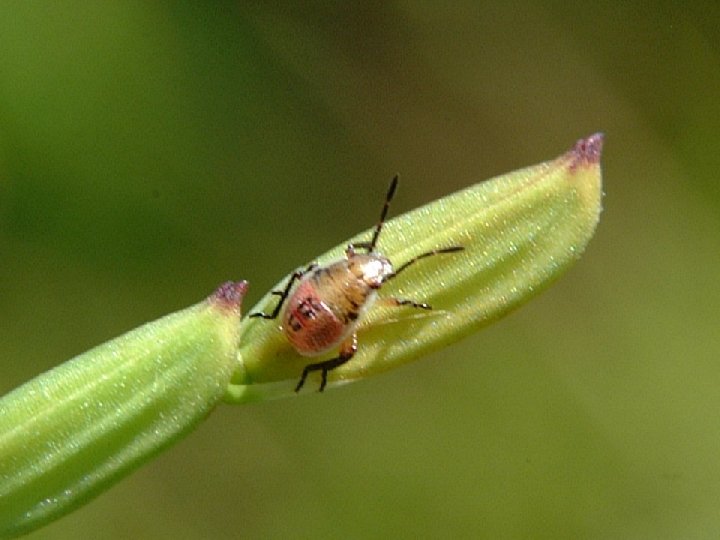
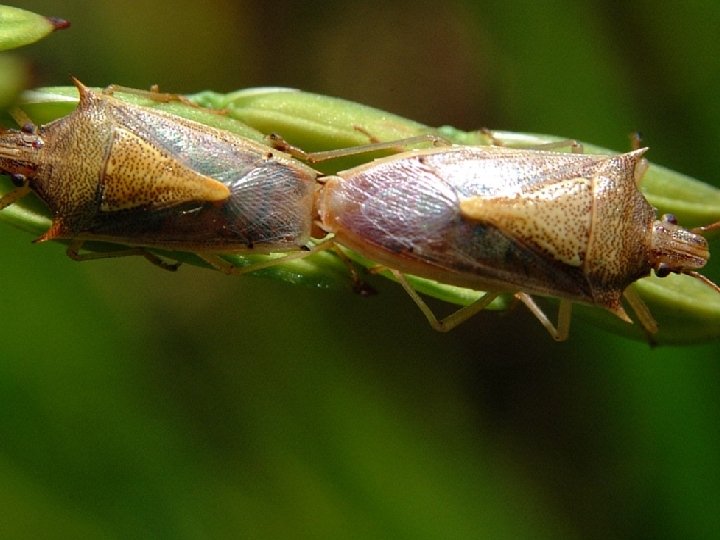
Incomplete Metamorphosis Immatures look like adults except: 1) Smaller 2) Lack wings 3) Lack genitalia
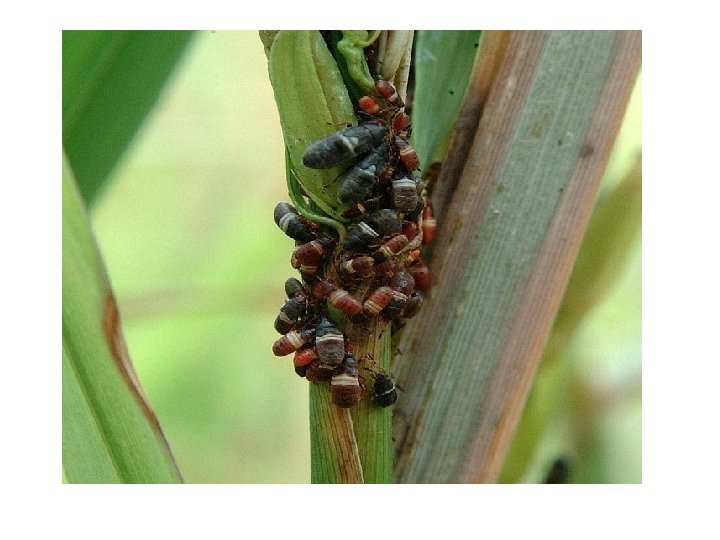
Incomplete Metamorphosis Immatures look like adults: 1) Same mouthparts 2) Feed on same plants 3) Occur together with adults 4) Have compound eyes
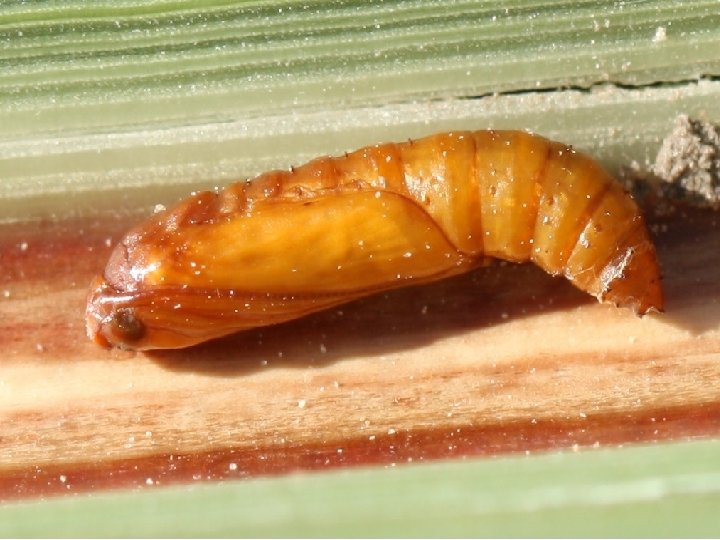
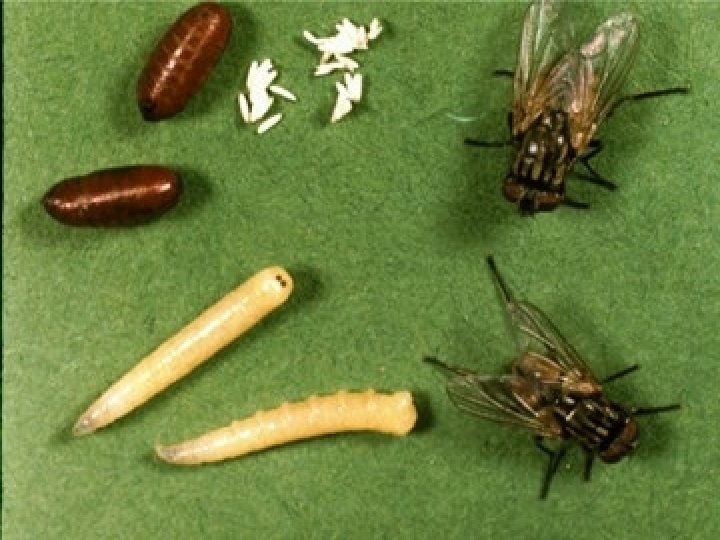
Complete Metamorphosis -immatures do not look like adults -have an inactive pupal stage for transformation
Complete Metamorphosis Immatures unlike adults: 1) Different mouthparts 2) Different host plants 3) Do not typically occur together 4) Lack compound eyes
Identification of Immatures Incomplete development orders – characters similar for nymphs and adults Complete development orders- characters completely different
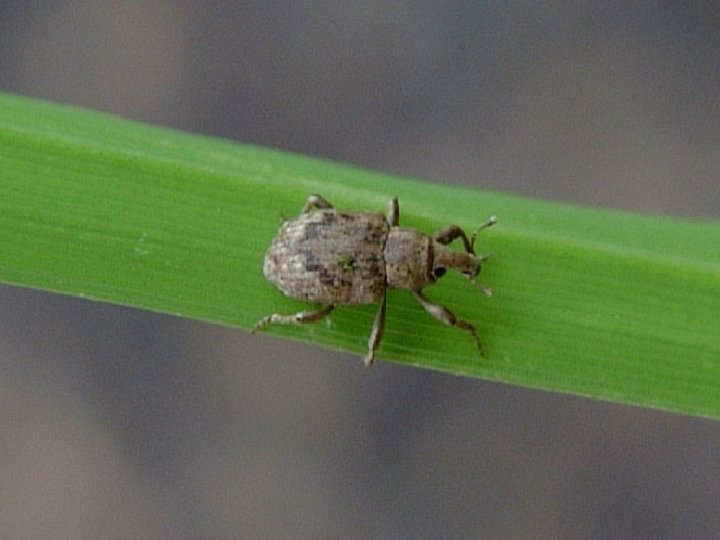
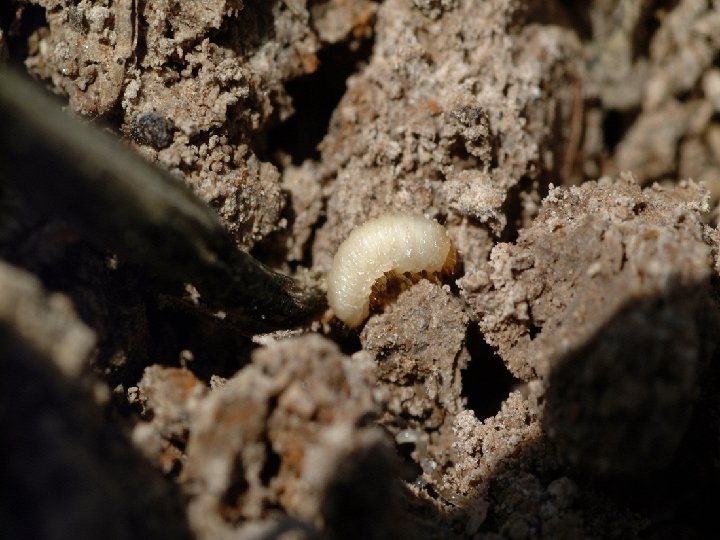
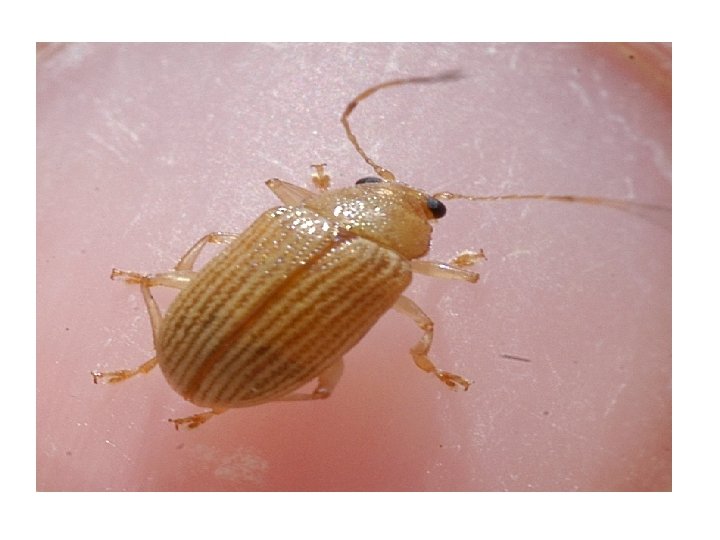
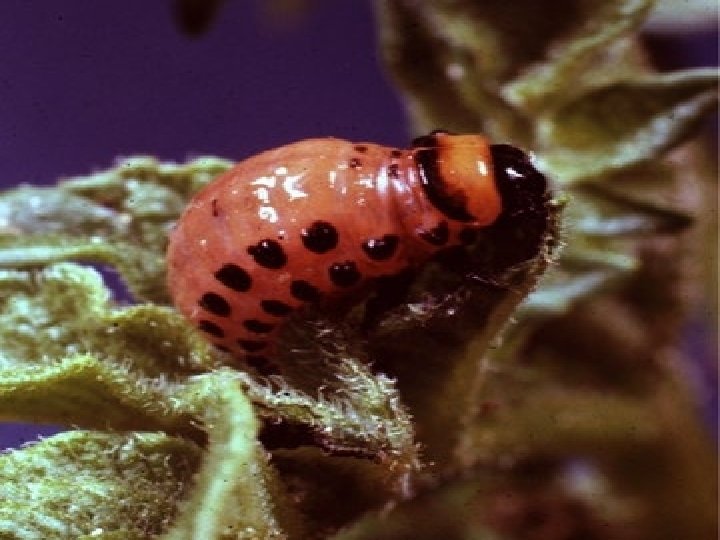
Main orders with complete development Neuroptera : green + brown lacewings Lepidoptera : caterpillars (moths) Hymenoptera : sawfly larvae, ants, bees, wasps Diptera : maggots (flies) Coleoptera : white grubs, weevils, wireworms (beetles)
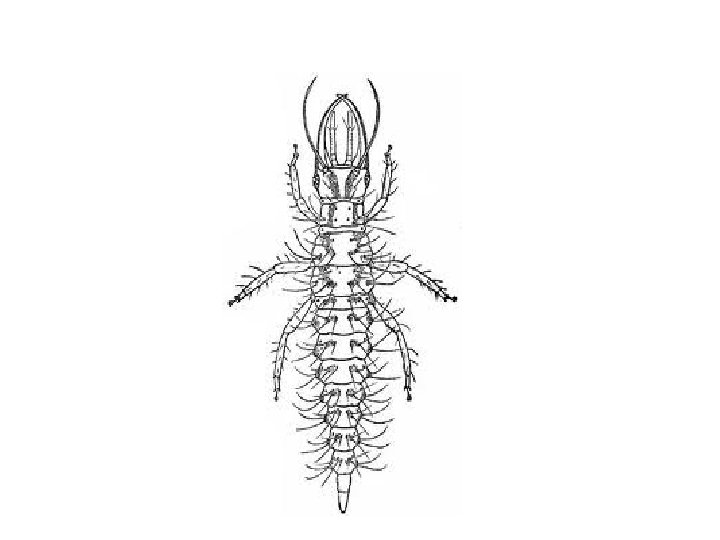
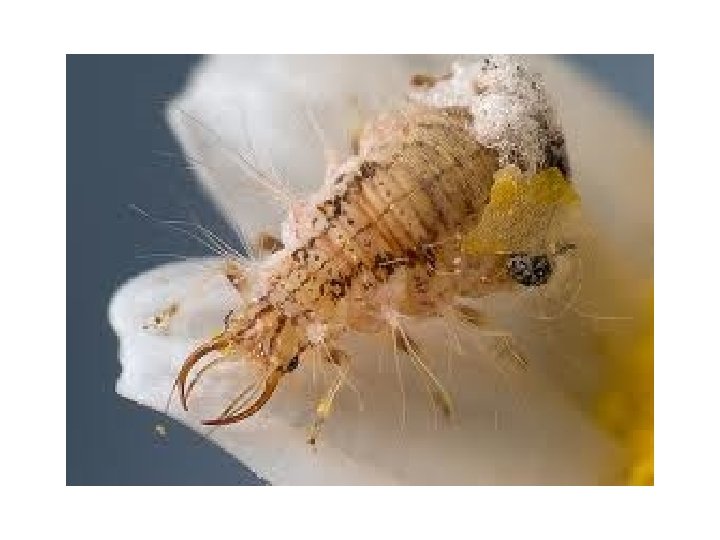
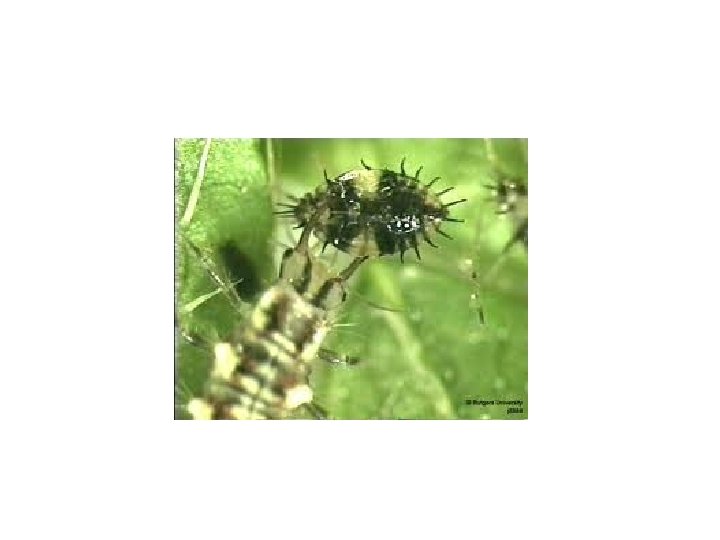
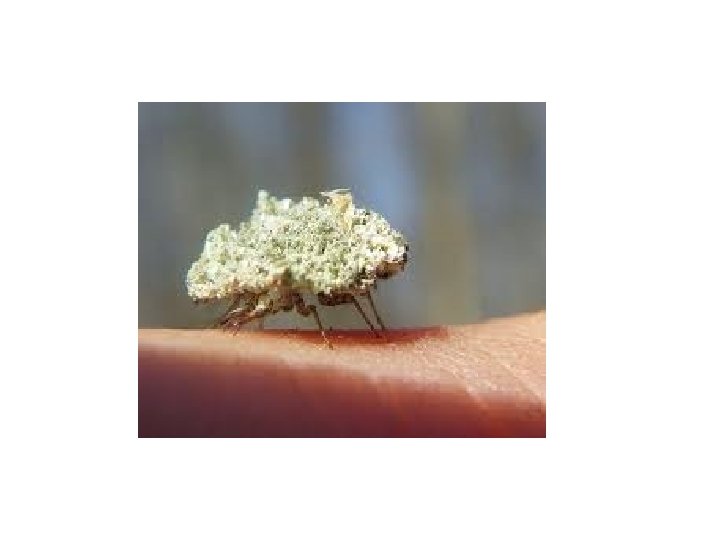
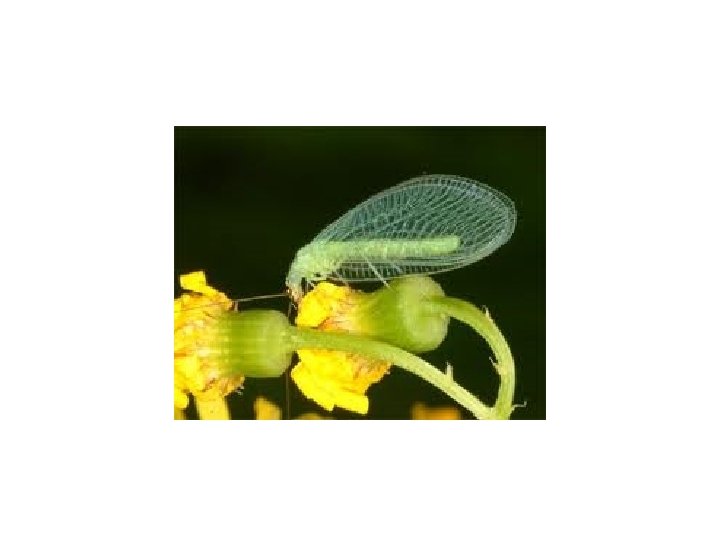
Neuroptera -Larvae are predators, with well developed legs and an elongated body -sickle shaped mandibles with blood groove diagnostic character
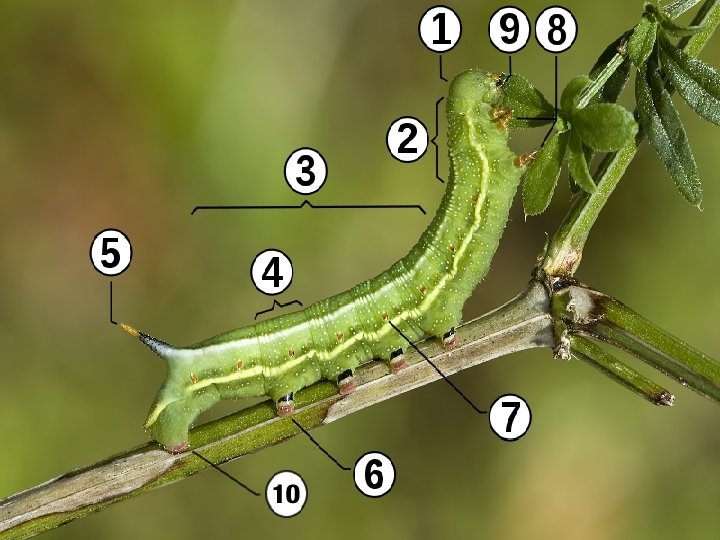
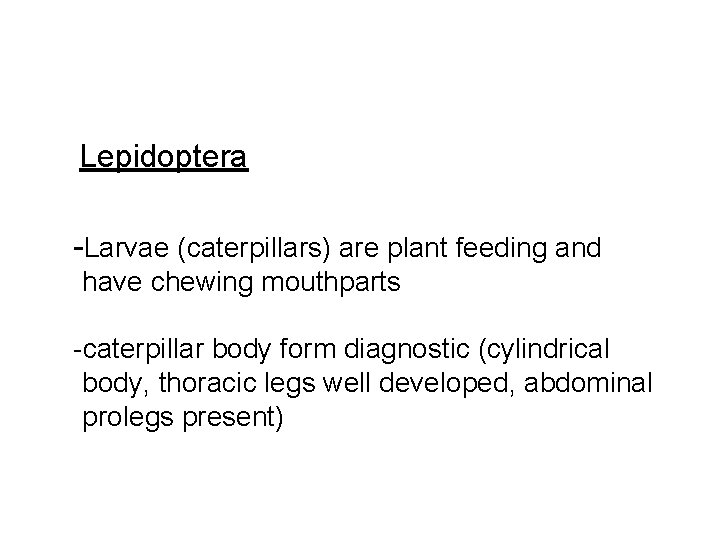
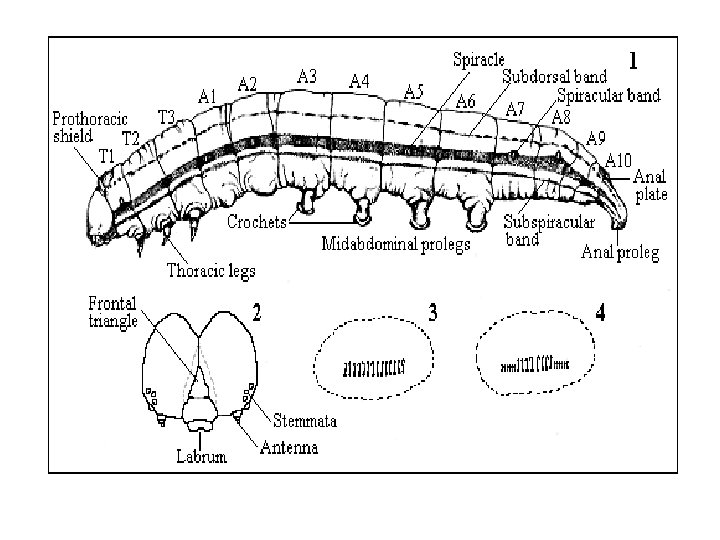
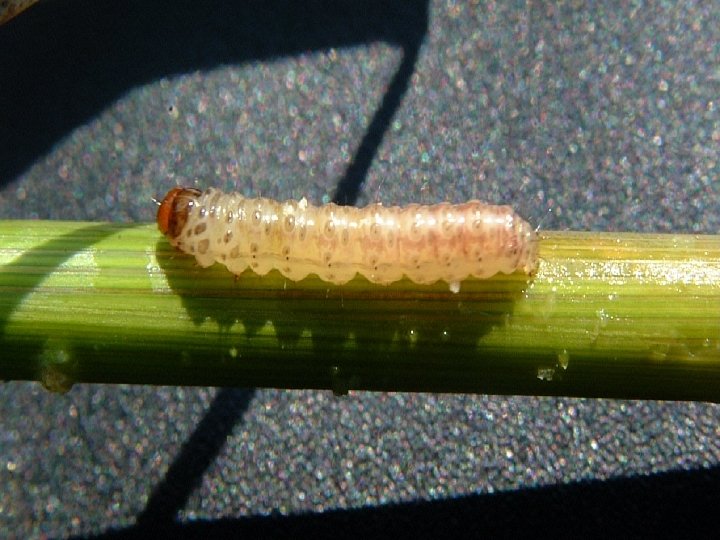
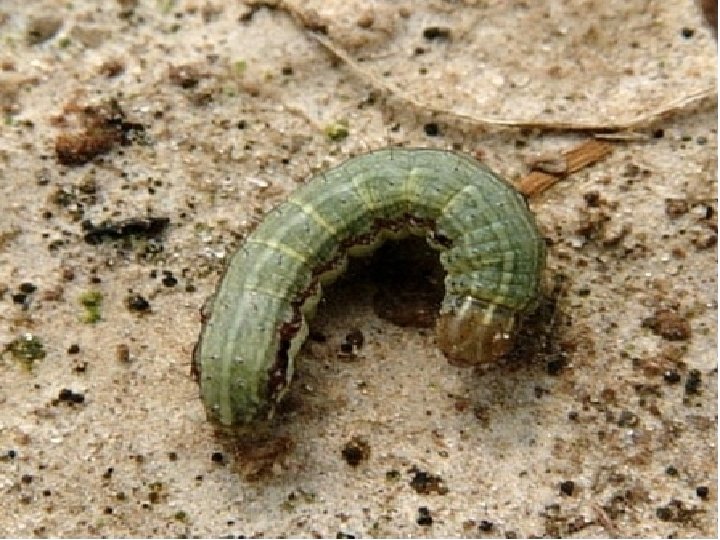
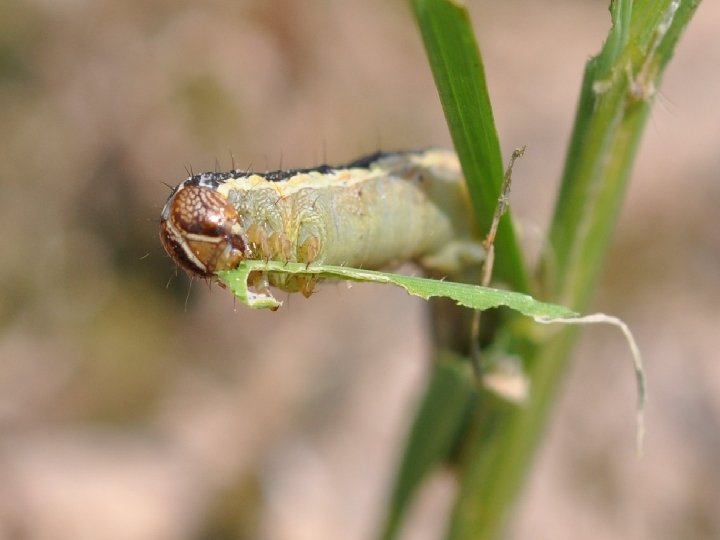
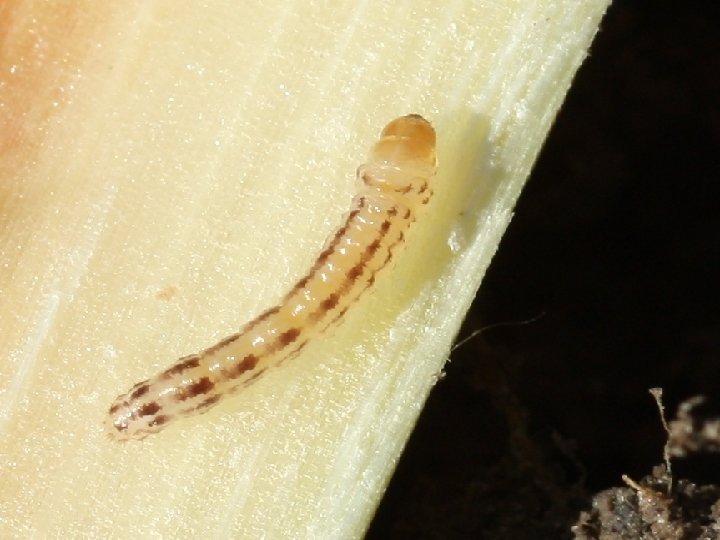
Lepidoptera -Larvae (caterpillars) are plant feeding and have chewing mouthparts -caterpillar body form diagnostic (cylindrical body, thoracic legs well developed, abdominal prolegs present)
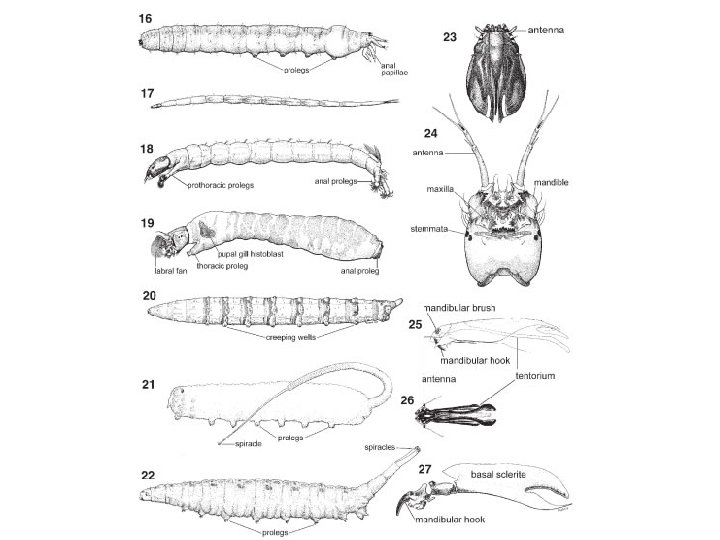
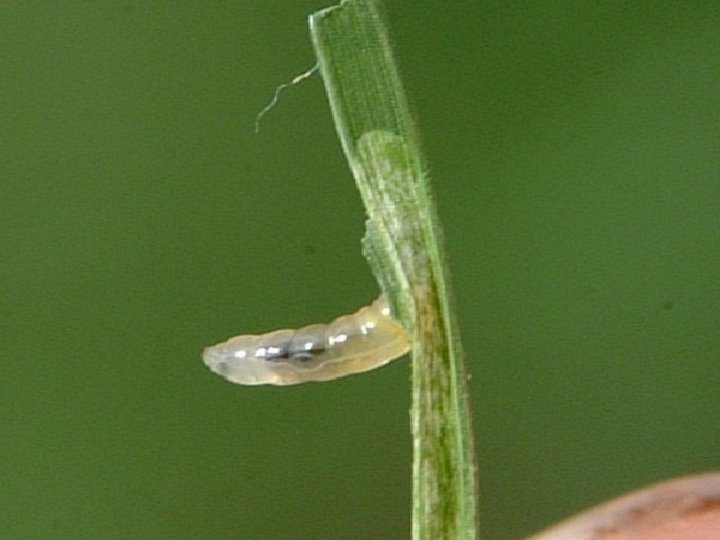
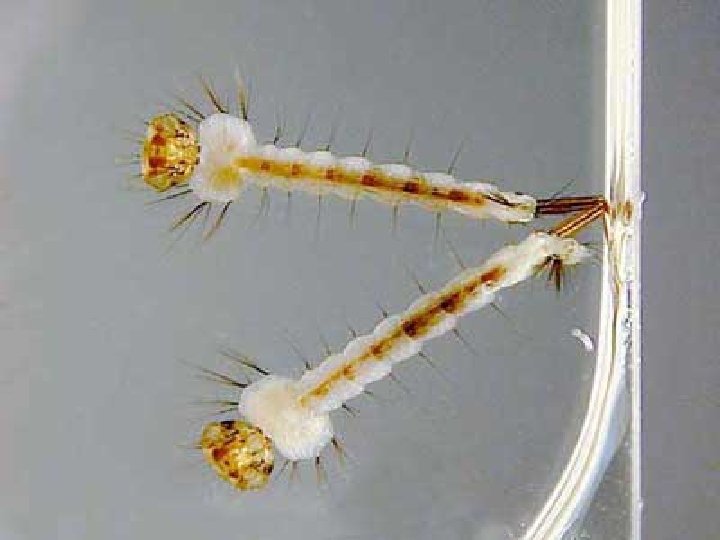
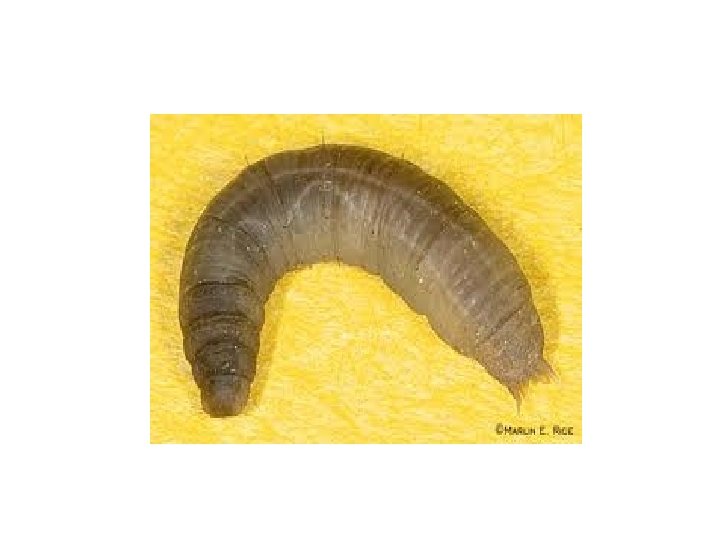
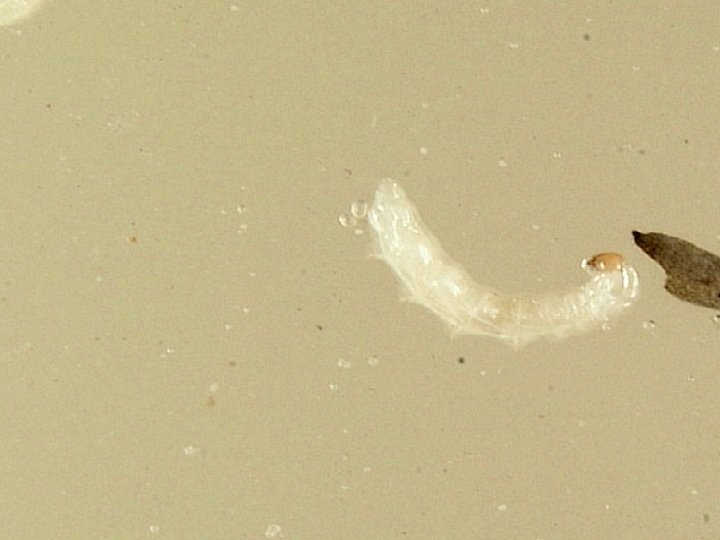
Diptera -Larvae with variable feeding habits and chewing mouthparts -body with head capsule partially to completely reduced, no thoracic legs, soft bodied, white, often occur in damp habitats.
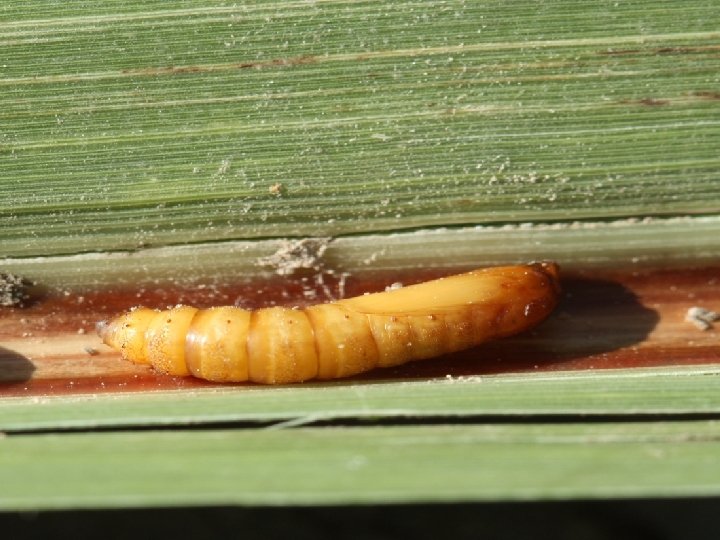
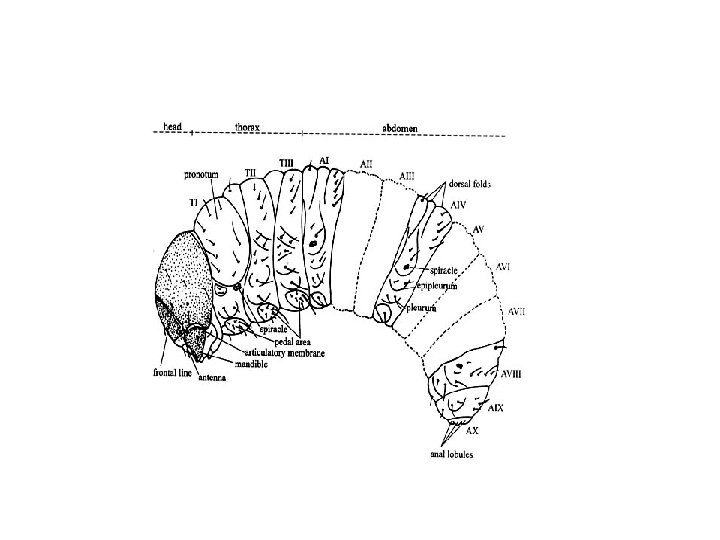
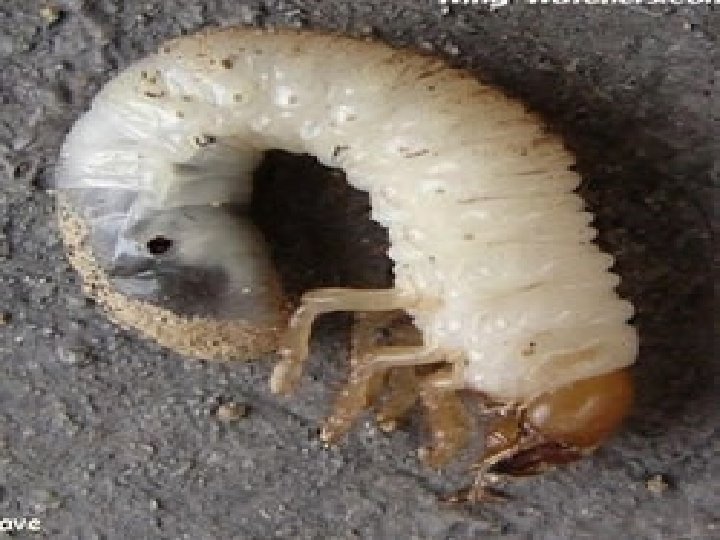
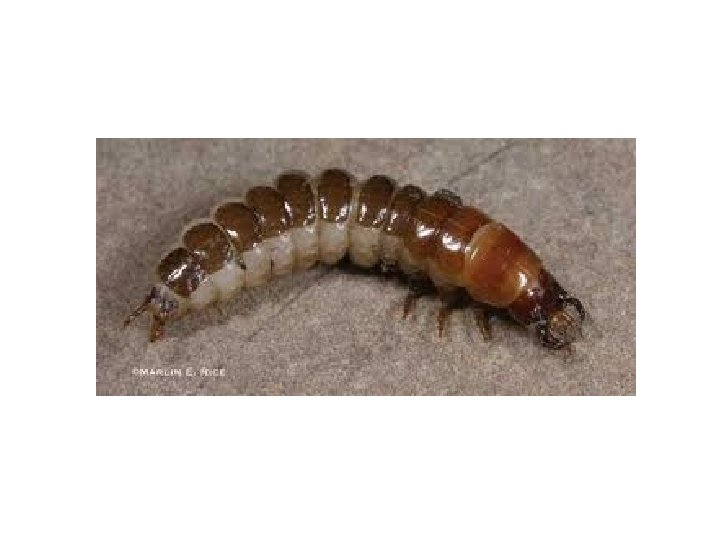
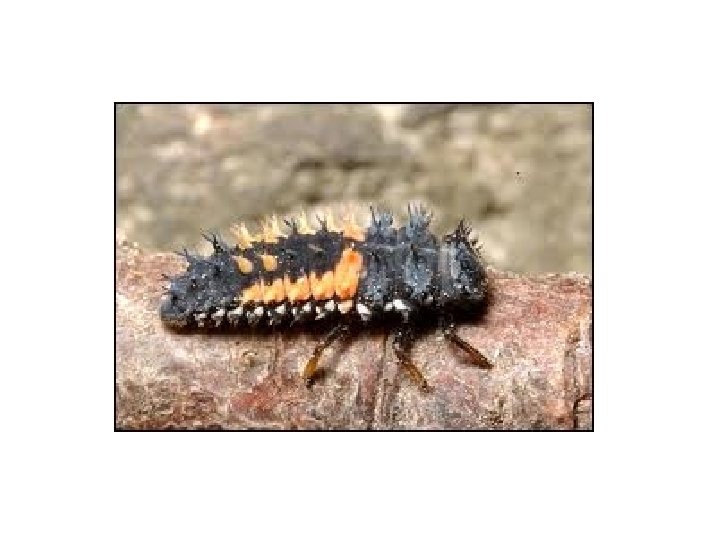
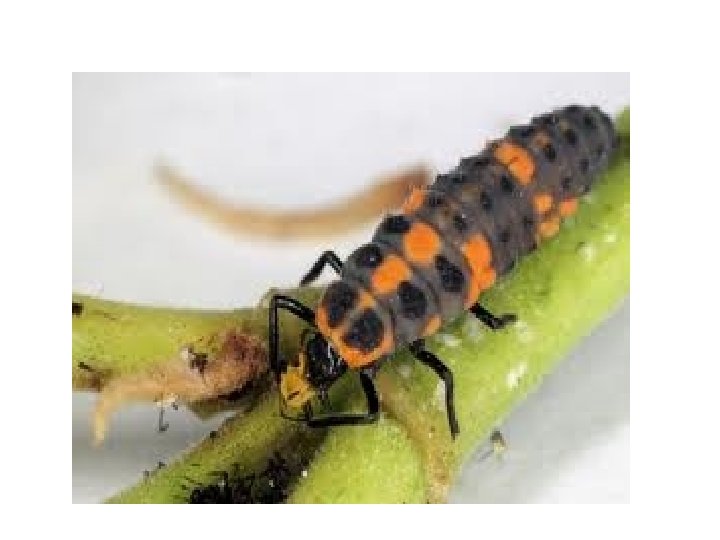
Coleoptera -Larvae with chewing mouthparts, plant feeding or predators -Have well developed head capsule, thoracic legs present (usually), and lack abdominal legs
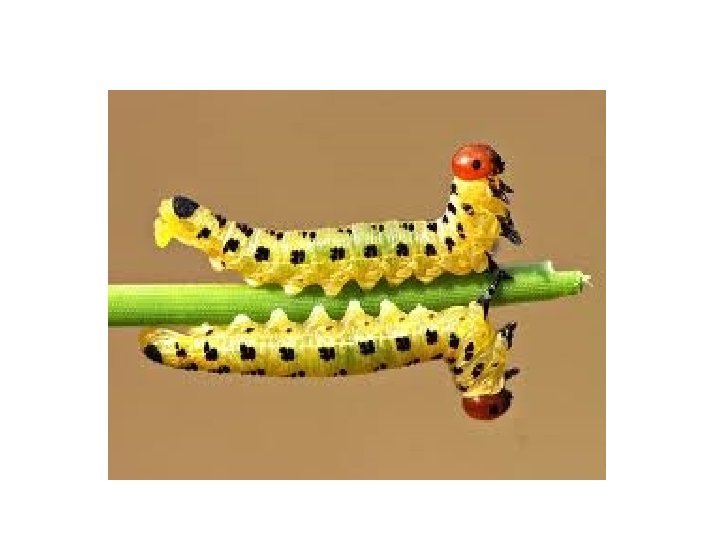
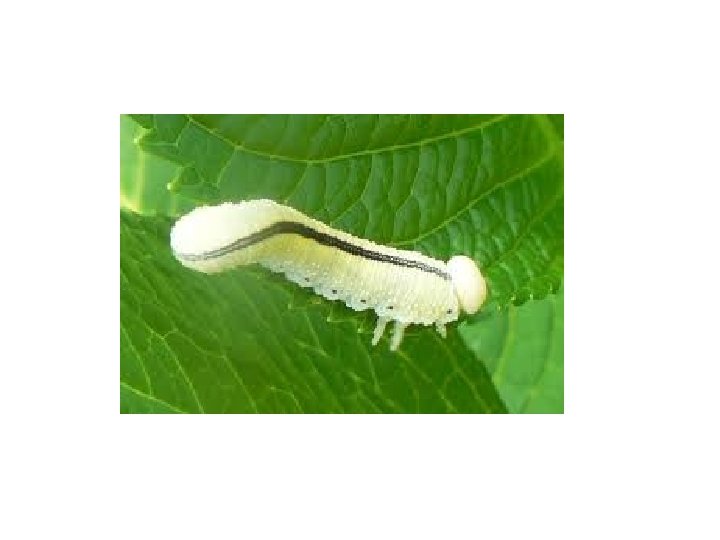
Hymenoptera -sawflies: caterpillar body form (prolegs lack hooks), feed on foliage -bees, wasps, ants: grub-like body form with well developed head capsule and no thoracic legs.
Author: Rick Story n rstory@agcenter. lsu. edu