
Images of Congress The Official Seal of the













- Slides: 45
Images of Congress The Official Seal of the US Congress
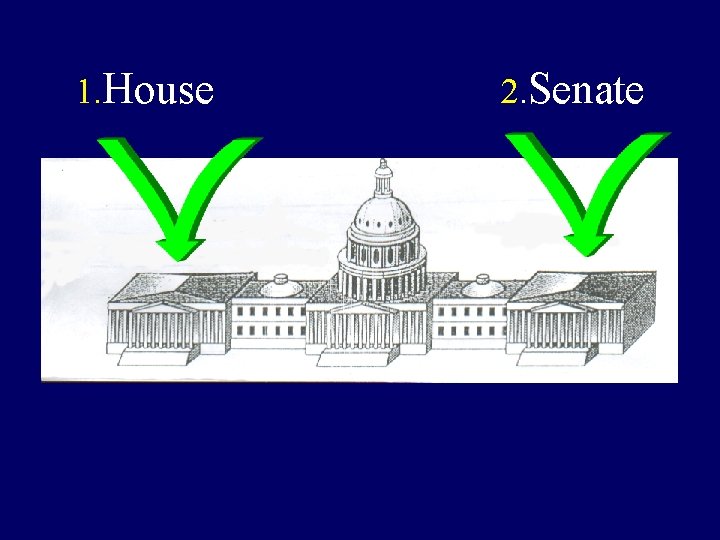
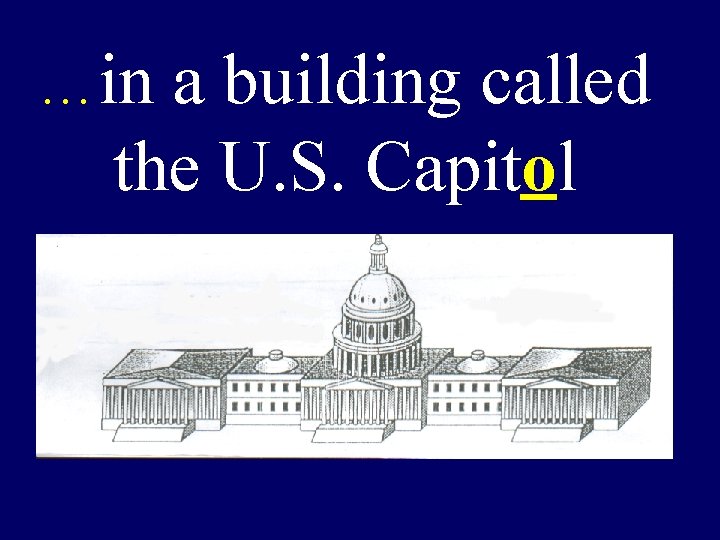
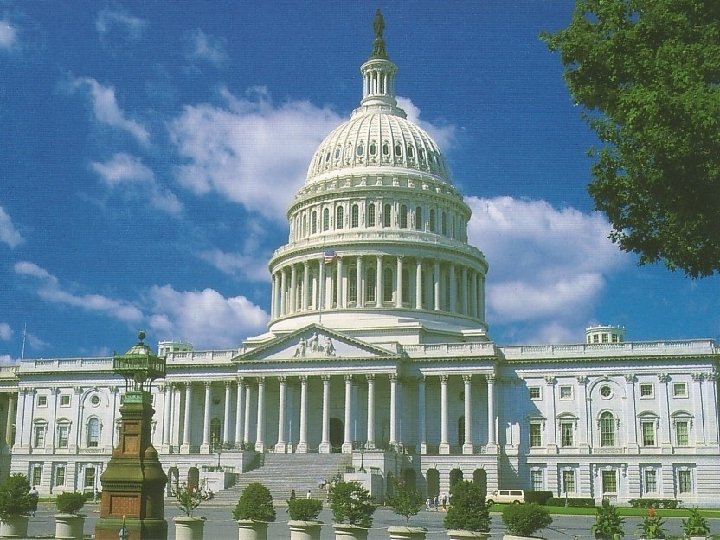
US Capitol Building This is where the magic happens!! Federal Laws are made here
US Capitol Building This is where the magic happens!! Federal Laws are made here
1. House 2. Senate
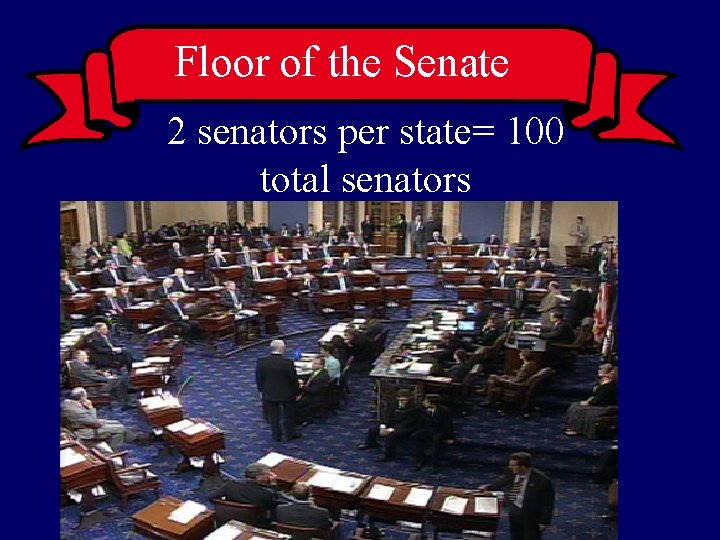
Floor of the Senate 2 senators per state= 100 total senators
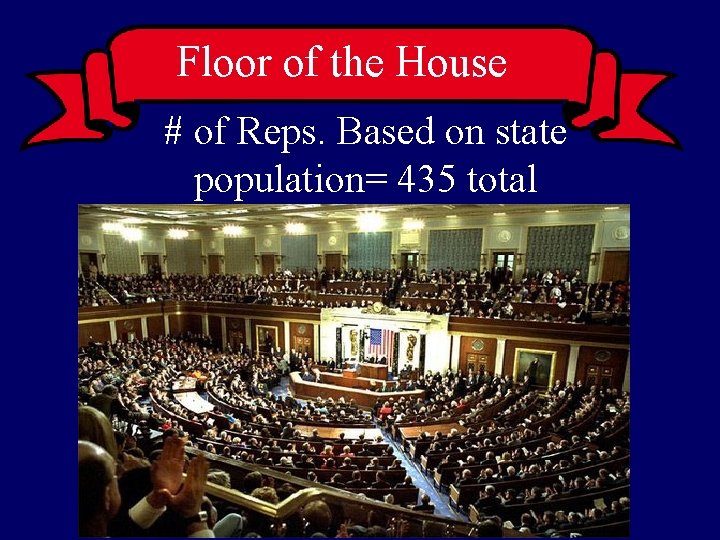
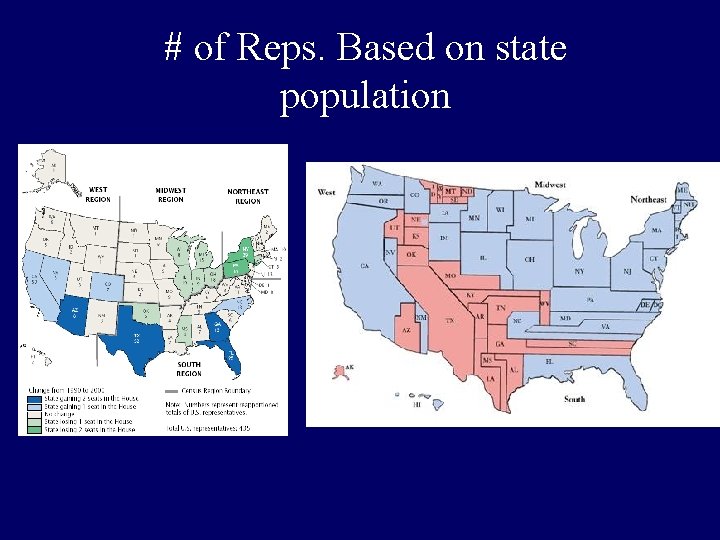
Floor of the House # of Reps. Based on state population= 435 total
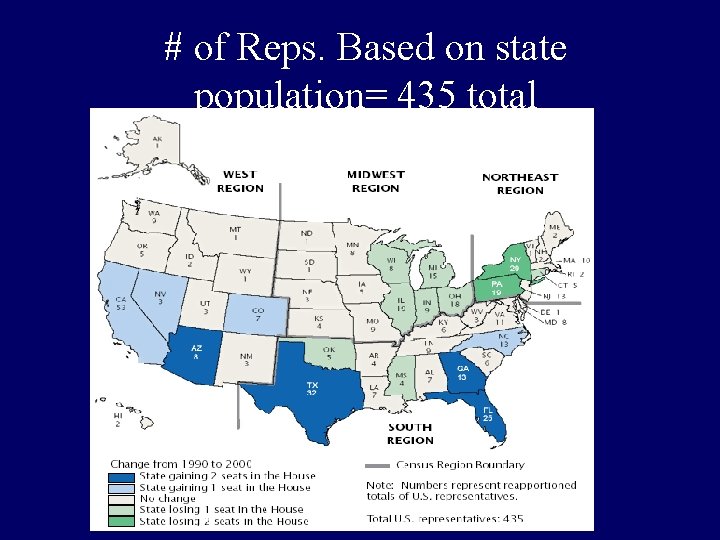
# of Reps. Based on state population= 435 total
# of Reps. Based on state population
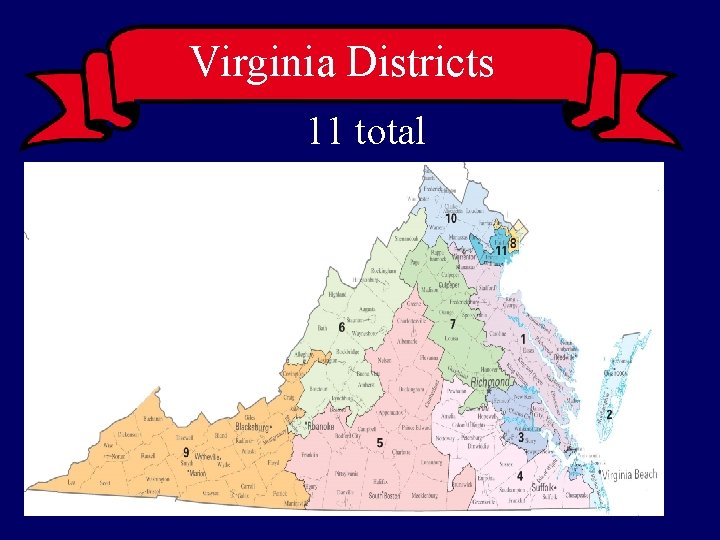
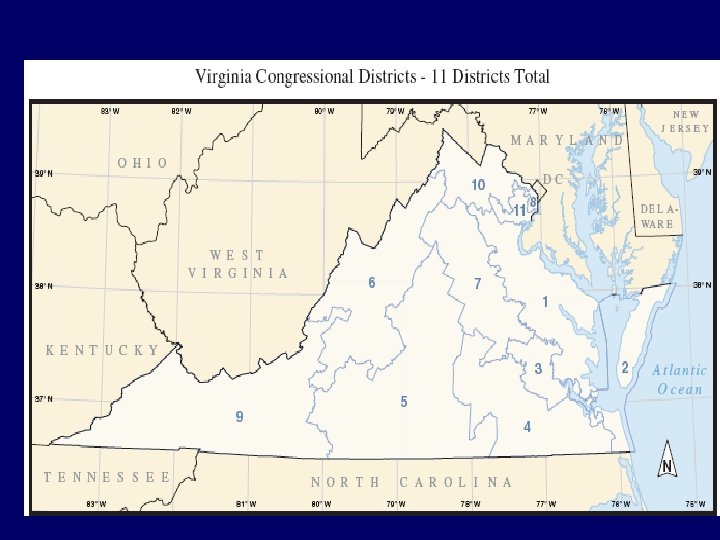
Virginia Districts 11 total
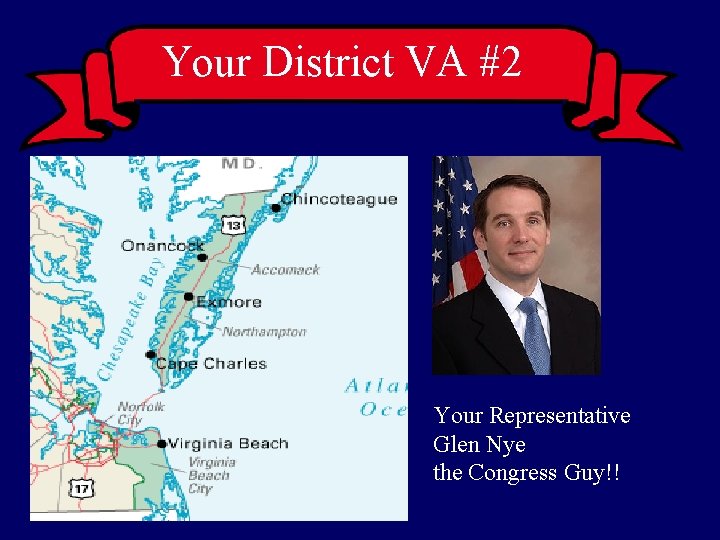
Your District VA #2 Your Representative Glen Nye the Congress Guy!!
Your Senators Mark Warner Jim Webb
Structure of the LEGISLATIVE BRANCH (Congress)
Congress is the lawmaking body of the federal government.
1. Congress is “bicameral”. . . • it has 2 legislative houses.
2. Why is Congress bicameral? • To make sure that both small and large states would be fairly represented.
Why is Congress bicameral? • It allows each house to check the actions of the other.
3. Congress meets in Washington, D. C. .
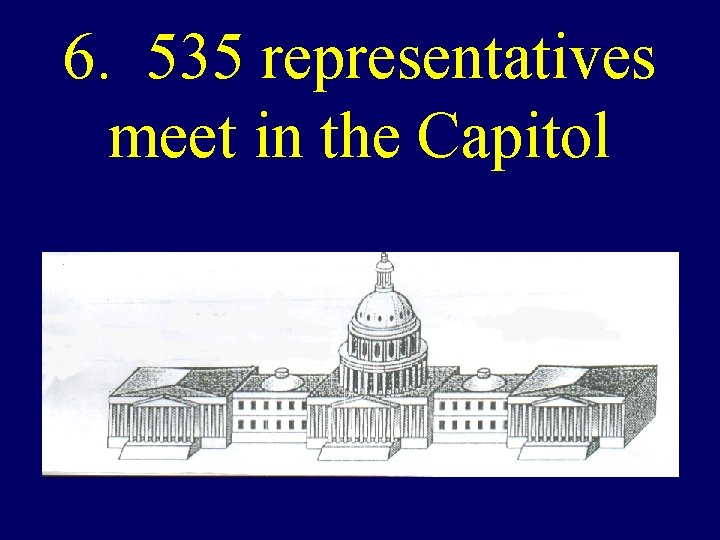
…in a building called the U. S. Capitol
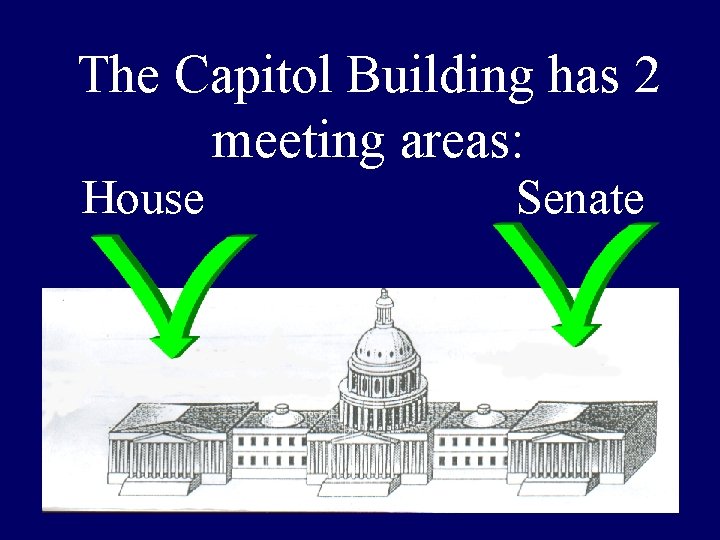
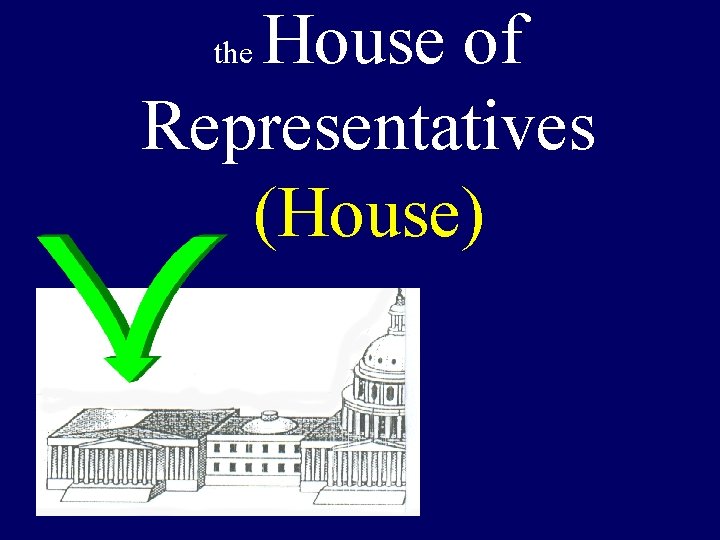
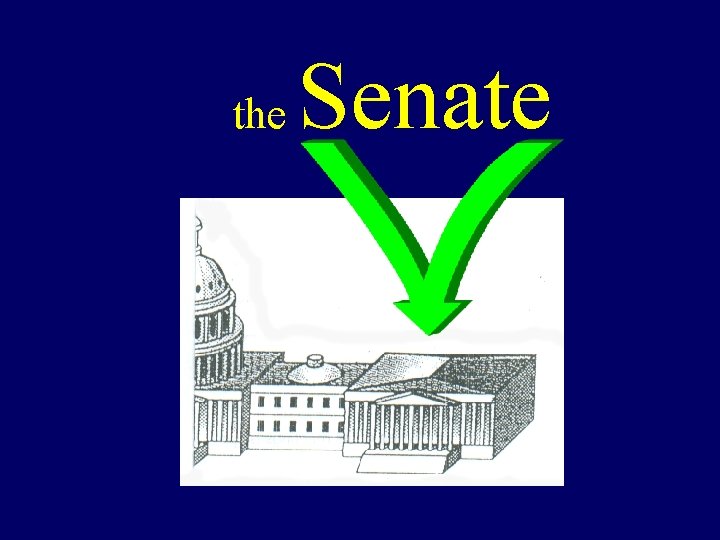
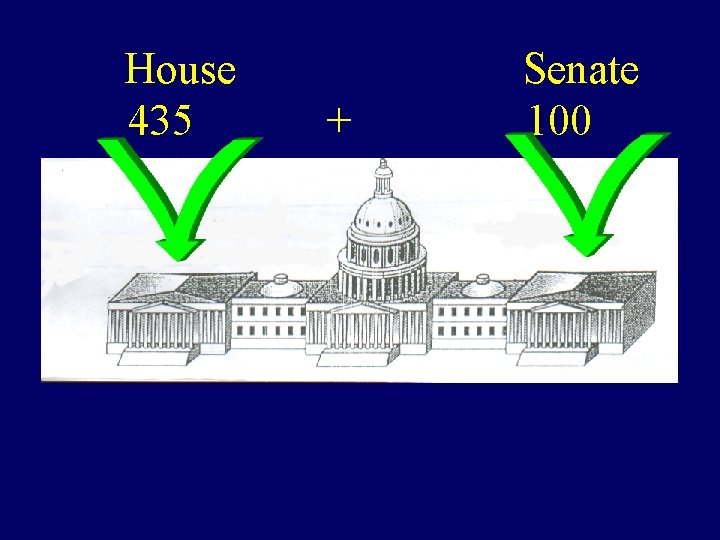
The Capitol Building has 2 meeting areas: House Senate
House of Representatives (House) the
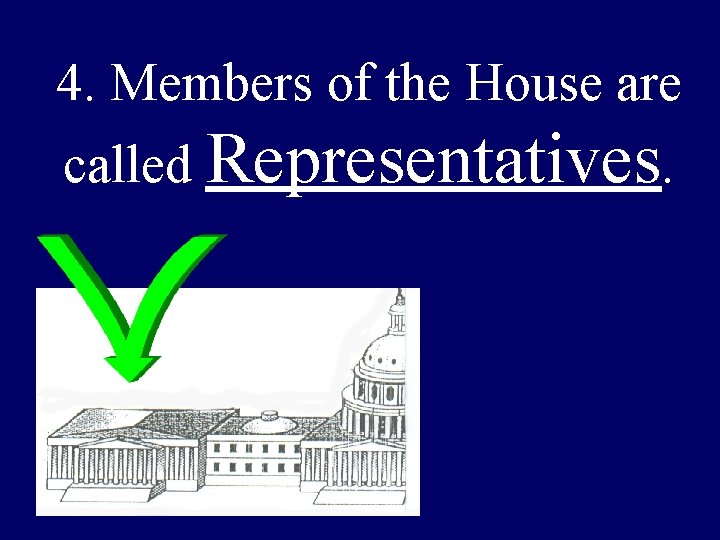
4. Members of the House are called Representatives.
qthe House has 435 members
q. Each member (Representative) of the House represents a congressional district.
q. Each state is entitled to at least one Representative in the House.
q. Representation is based on population. (States with a large population get to send more Representatives to the House)
The total House membership always stays at 435.
The number 435 doesn’t change because that is all that will fit in the room.
Leadership in the House • The leader in the House of Representatives is known as the Speaker of the House • Speaker of the House leads debate, divides up responsibility
the Senate
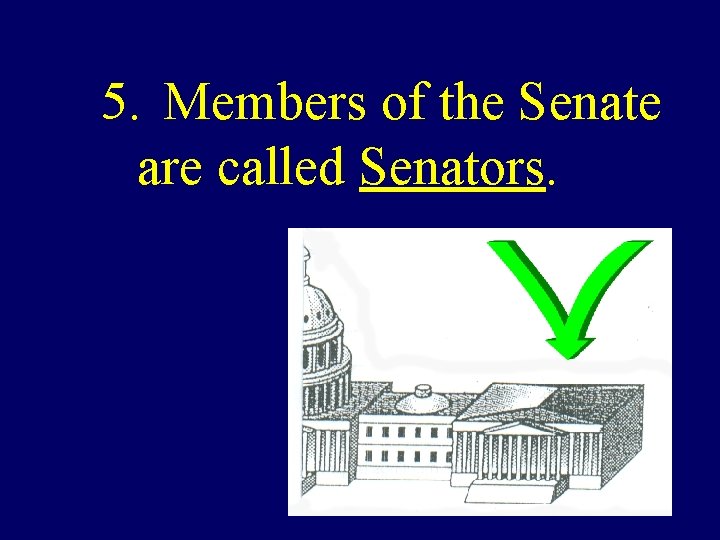
5. Members of the Senate are called Senators.
vthe Senate has 100 members
v. Each senator represents his or her entire state.
v. All states send two representatives to the Senate.
v. Representation is based on equalitiy.
The total Senate membership stays at 100 until another state is added.
Leadership in the Senate • The Vice President is responsible for leading Senate debate. • The VP’s only power in the senate is to cast a tie-breaking vote. • When the VP cannot be in the Senate, the President Pro tempore takes his place as leader.
6. 535 representatives meet in the Capitol
House 435 + Senate 100
bicameral Def: having two legislative houses
Congress Def: the U. S. Senate plus the U. S. House of Representatives
Senate Def: (upper house) representation is based on equal number of representatives (2 per state = 100)
House of Representatives Def: (lower house) representation is based on population of each state (435)