
Illinois Wetland Ecosystems Wetland Plant Types Prairie Pothole






- Slides: 41
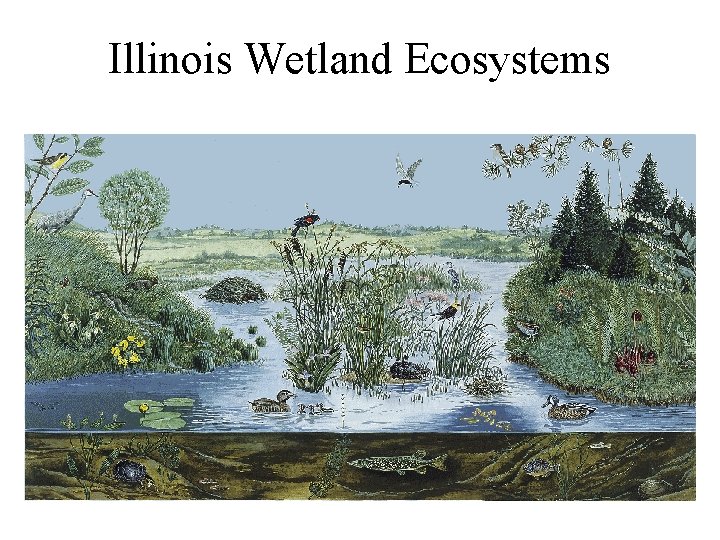
Illinois Wetland Ecosystems
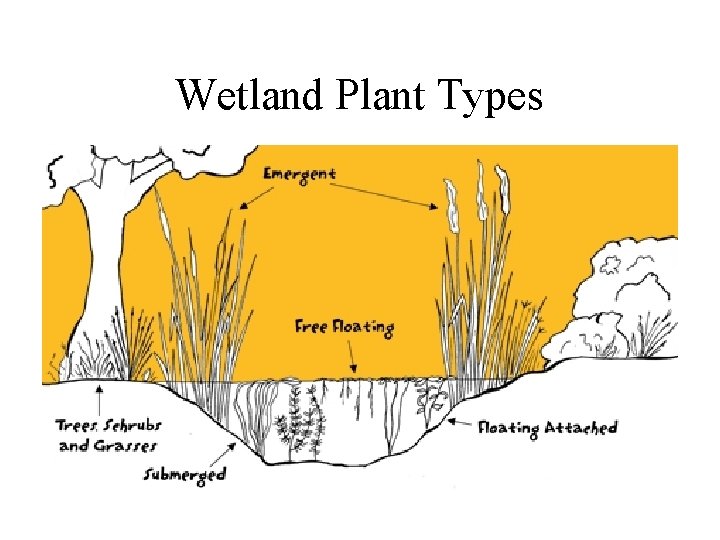
Wetland Plant Types
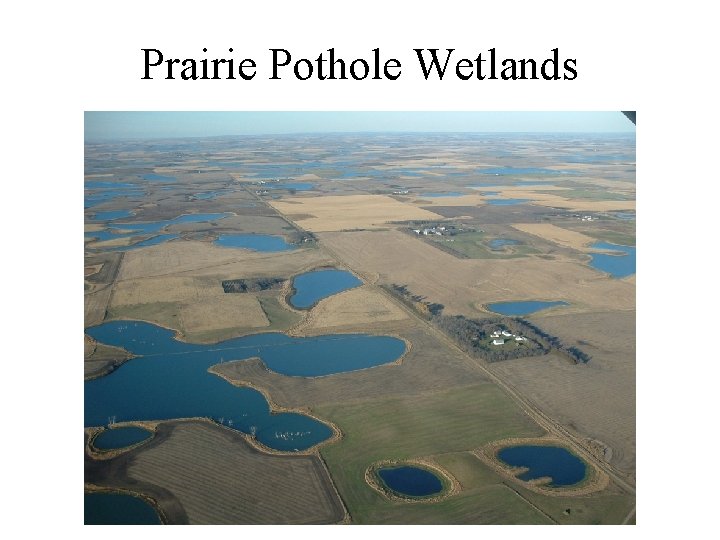
Prairie Pothole Wetlands
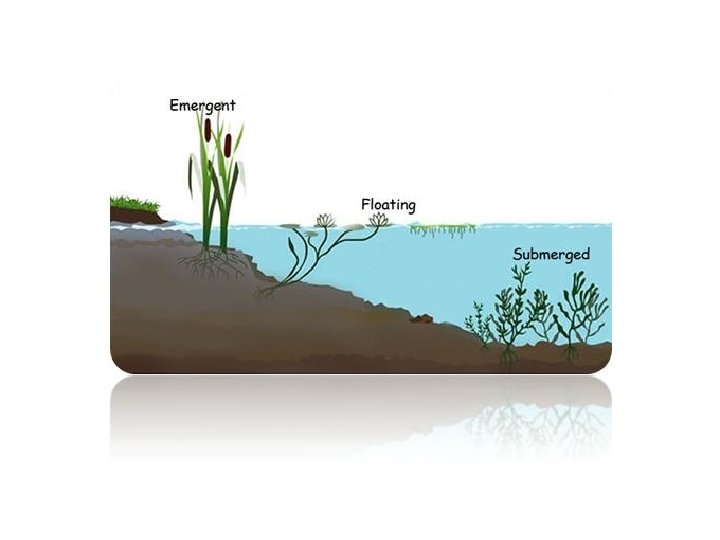
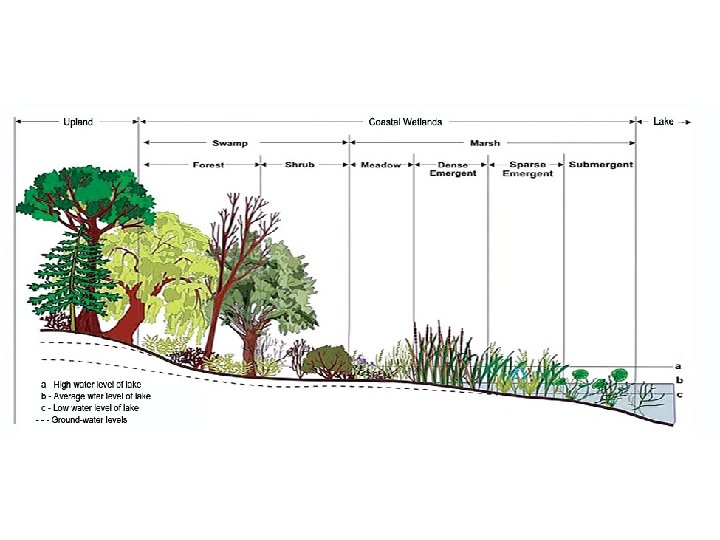
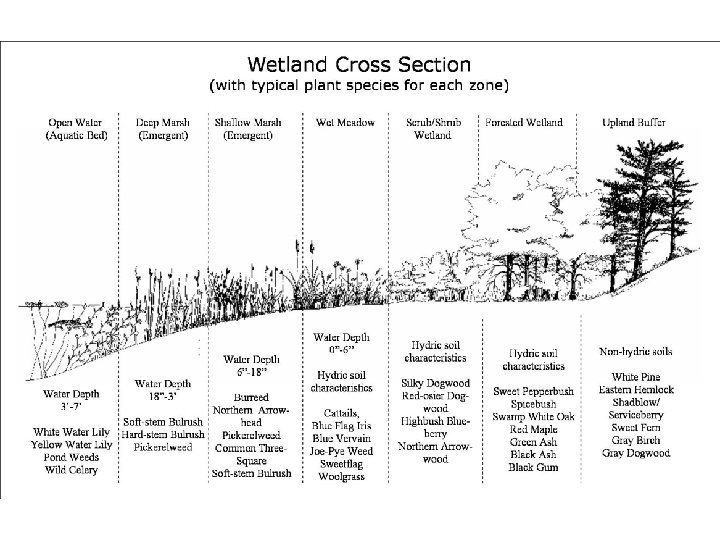
Prairie Wetland Plant Communities • Wet meadows, composed of sedges, forbs, and grasses • Mudflat annual communities made up of smartweeds, grasses • Emergent communities (plants with roots growing underwater or in water logged soil, while the rest of plant emerges from water into air) - made up of cattails, bulrushes, reeds, bur reeds • Floating leaved communities which feature species such as water-lilies • Free-floating communities made up of duckweeds and watermeals • Submersed communities made up of pondweeds, coontails, naiads, and bladderworts
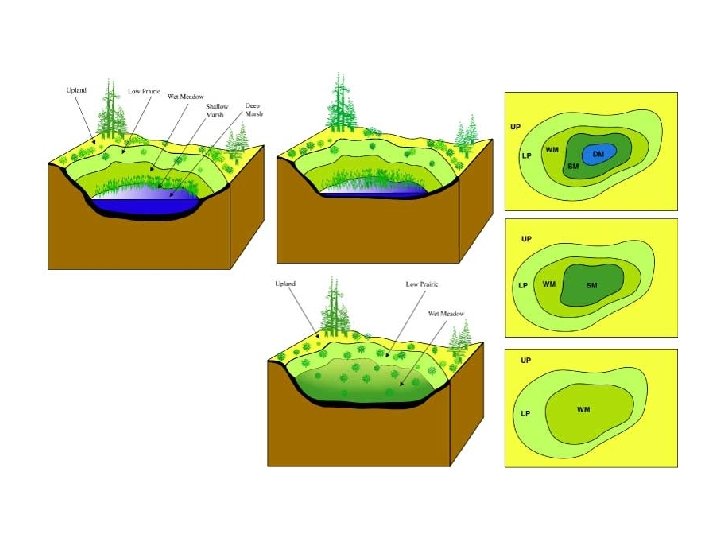
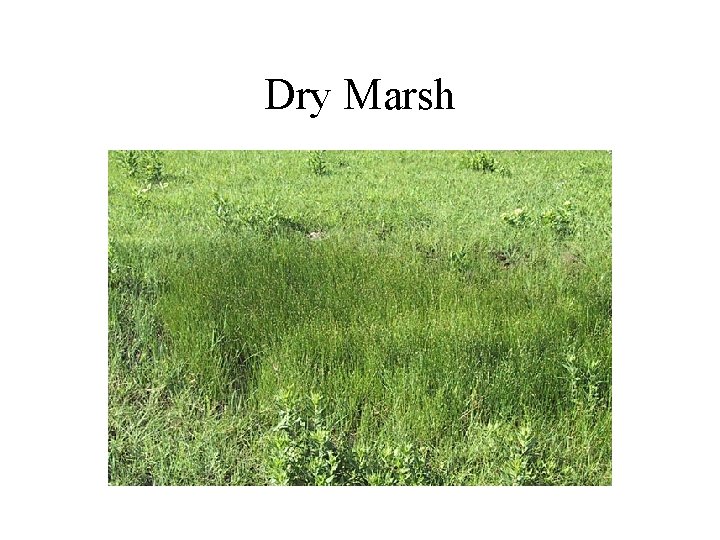
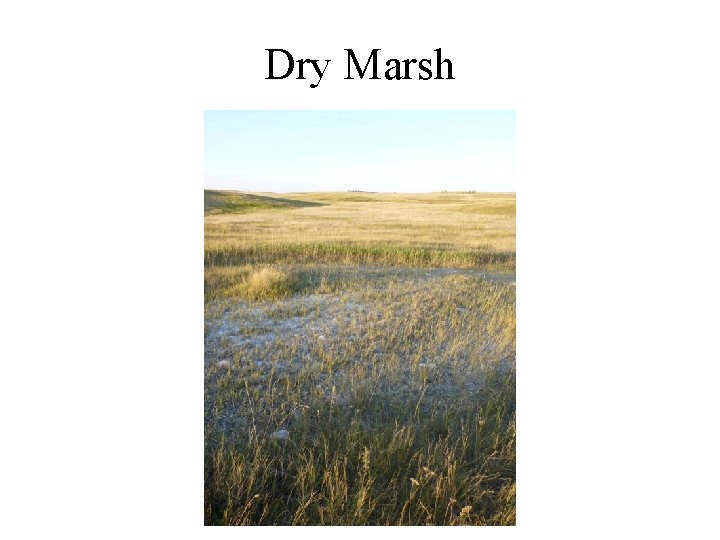
Dry Marsh • Dry marsh (also called drawdown phase) this develops during years of low water caused by below-normal precipitation when all or a large part of the marsh may be nearly dry or at least has no standing water • Mudflat annuals and emergent species are the dominant plants
Dry Marsh
Dry Marsh
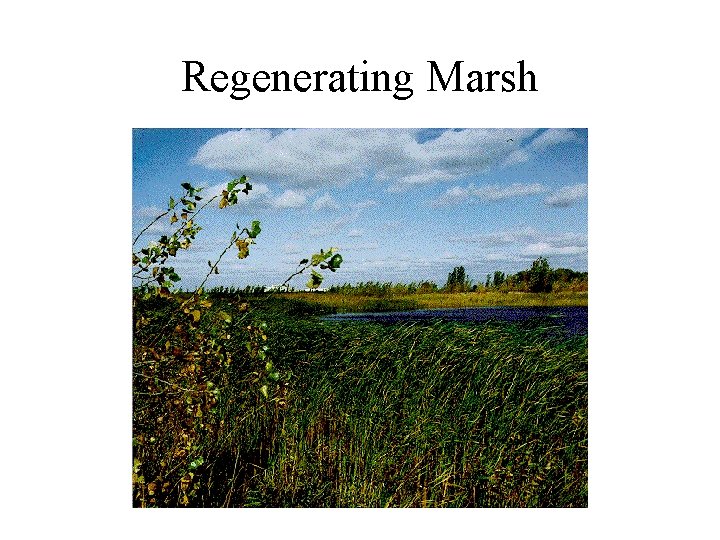
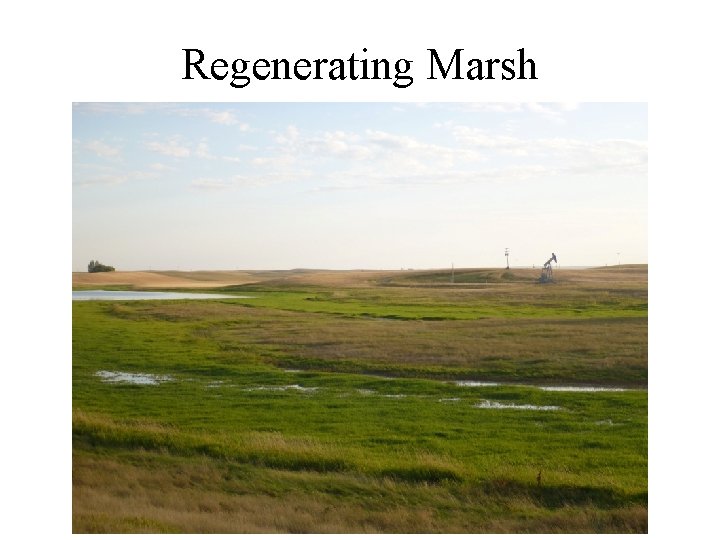
Regenerating Marsh • Regenerating marsh - when normal precipitation resumes, standing water returns, allowing germination of submersed and free-floating plants • The regenerating marsh is characterized by an extensive cover of emergent species with submersed as an understorey
Regenerating Marsh
Regenerating Marsh
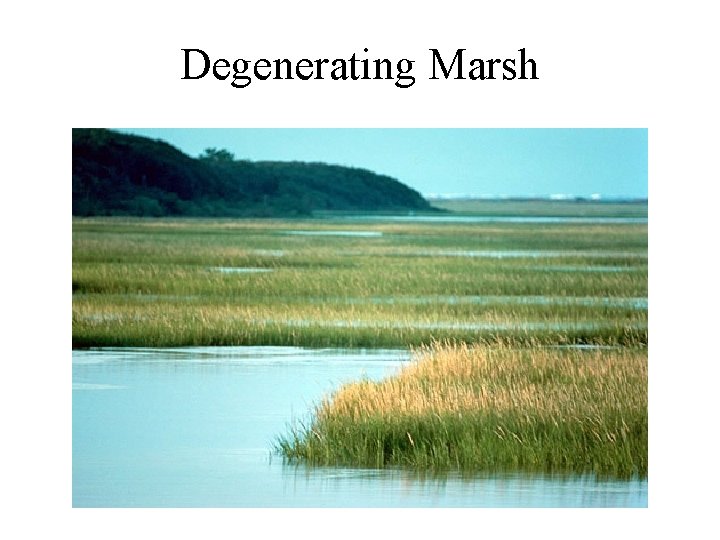
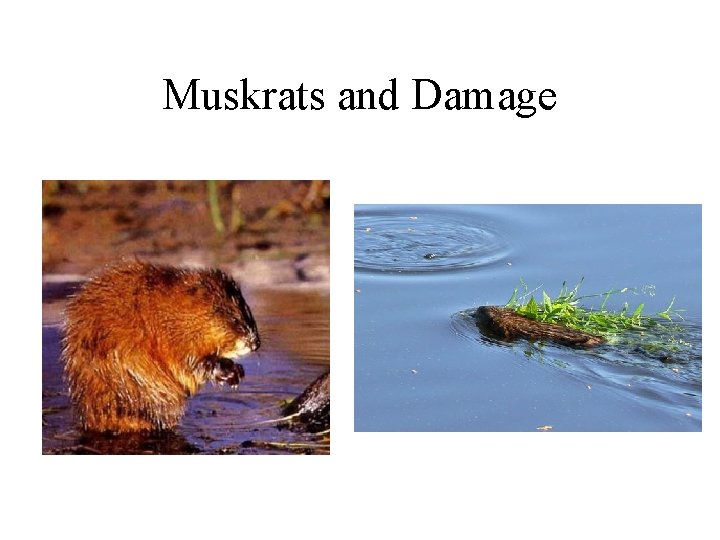
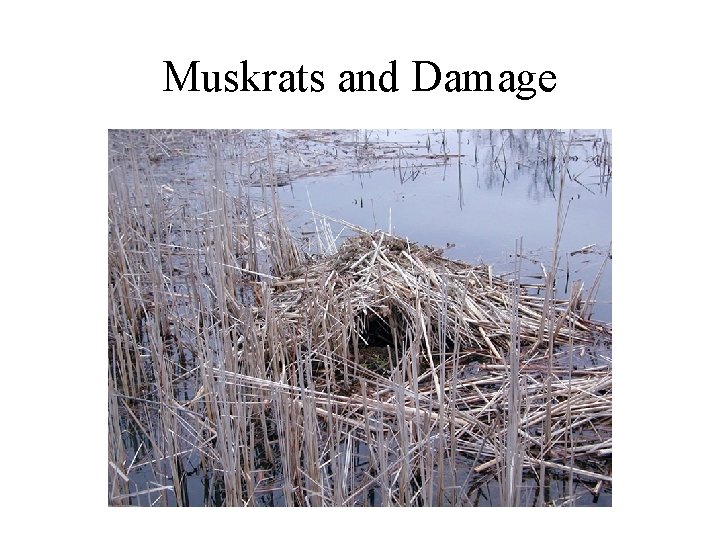
Degenerating Marsh • Degenerating marsh - during this phase there is a decline in the populations of emergents due to a variety of interrelated factors which may include anoxia, damage from insects, disease and muskrats • This stage has anywhere from a 75: 25 to 25: 75 ratio of emergent vegetation to open water and this is the phase with greatest wildlife diversity and density
Degenerating Marsh
Muskrats and Damage
Muskrats and Damage
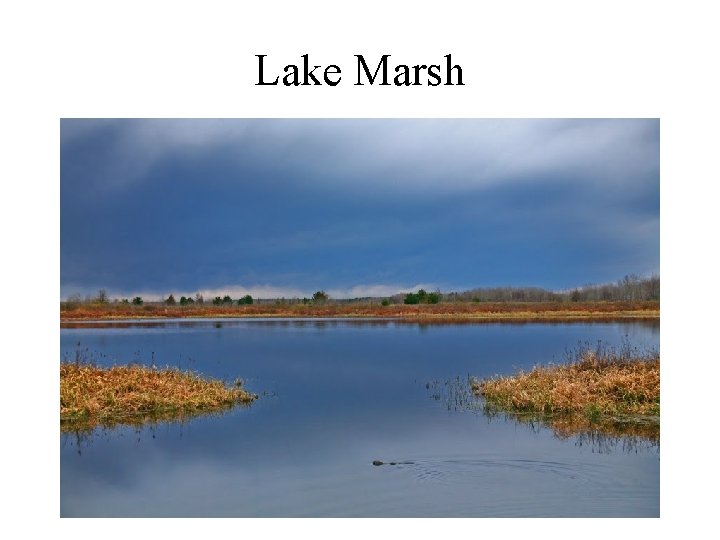
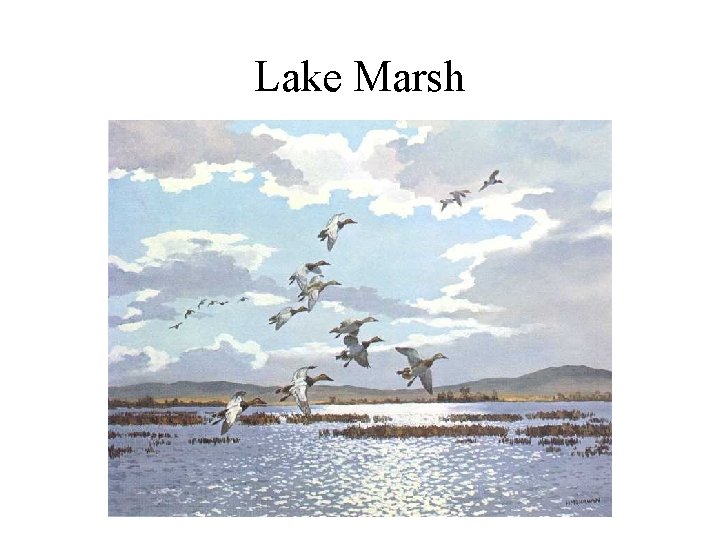
Lake Marsh • Lake marsh or "eat out" phase is dominated by submerged plants like coontails, naiads, pondweeds, bladderworts; and floating aquatic plants like duckweed - the few remaining emergent plants may nearly disappear • the lake marsh phase continues until the next drought lowers the water level (which usually occurs on a 5 to 30 year cycle) and returns the marsh to the dry marsh state, starting the cycle over again
Lake Marsh
Lake Marsh
Lake Marsh
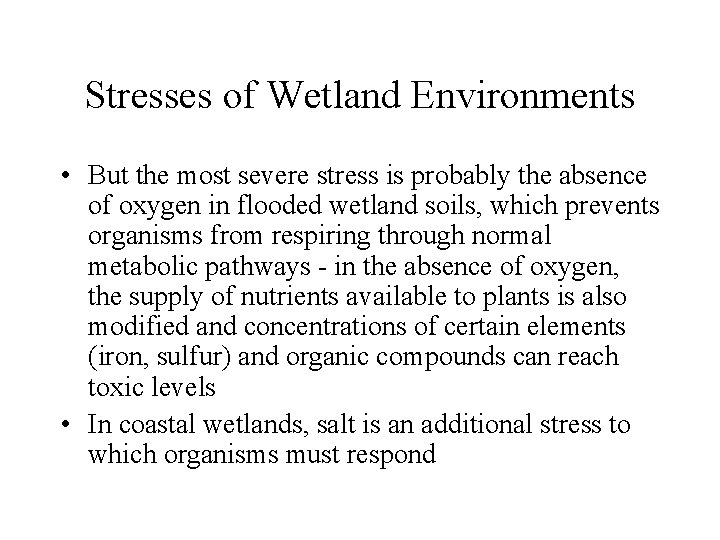
Stresses of Wetland Environments • Wetland environments are characterized by several environmental stresses that most organisms are ill equipped to handle - Aquatic organisms are not adapted to deal with the periodic drying out that occurs in many wetlands • Terrestrial organisms are stressed by long periods of flooding • Because of the shallow water, temperature extremes on the wetland surface are greater than normally experienced in aquatic environments
Stresses of Wetland Environments • But the most severe stress is probably the absence of oxygen in flooded wetland soils, which prevents organisms from respiring through normal metabolic pathways - in the absence of oxygen, the supply of nutrients available to plants is also modified and concentrations of certain elements (iron, sulfur) and organic compounds can reach toxic levels • In coastal wetlands, salt is an additional stress to which organisms must respond
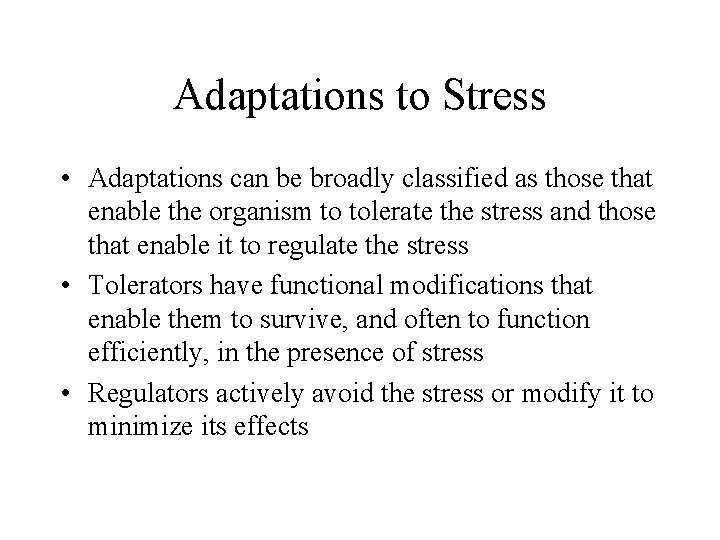
Adaptations to Stress • Adaptations can be broadly classified as those that enable the organism to tolerate the stress and those that enable it to regulate the stress • Tolerators have functional modifications that enable them to survive, and often to function efficiently, in the presence of stress • Regulators actively avoid the stress or modify it to minimize its effects
Anoxia as a wetland stress • When organic wetland soil is flooded, the oxygen available in the soil and in the water is rapidly depleted through metabolism by organisms that normally use oxygen as terminal electron acceptor for oxidation of organic molecules (i. e. - respiration) • The rate of diffusion of molecular oxygen through water is limited and cannot supply the metabolic demand under most circumstances - when demand for oxygen exceeds supply, dissolved oxygen is depleted, the redox (reductionoxidation) potential in the soil drops rapidly, other ions (nitrate, manganese, iron, sulfate, and carbon dioxide) are progressively reduced
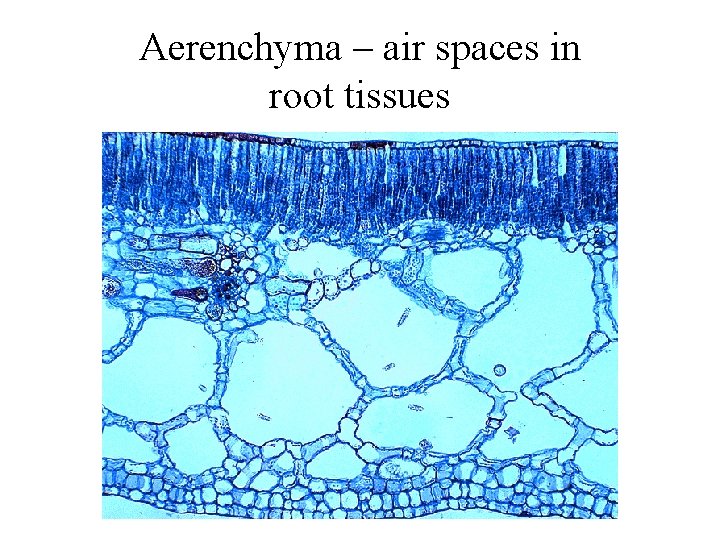
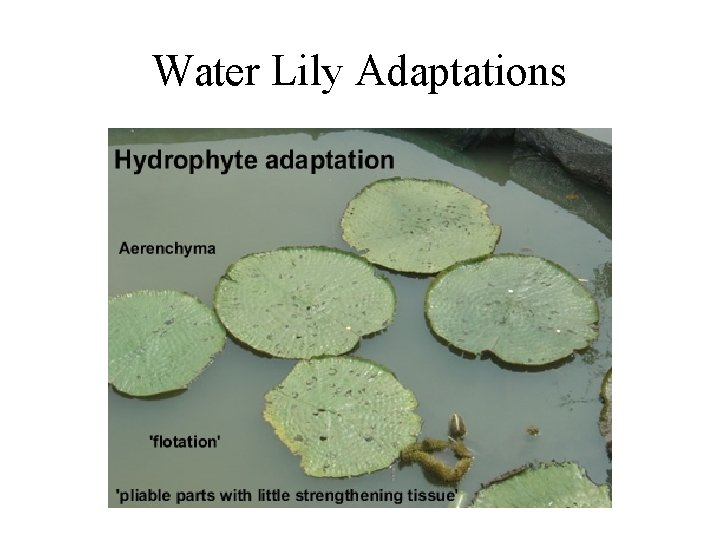
Aerenchyma – air spaces in root tissues
Ethylene and Aerenchyma
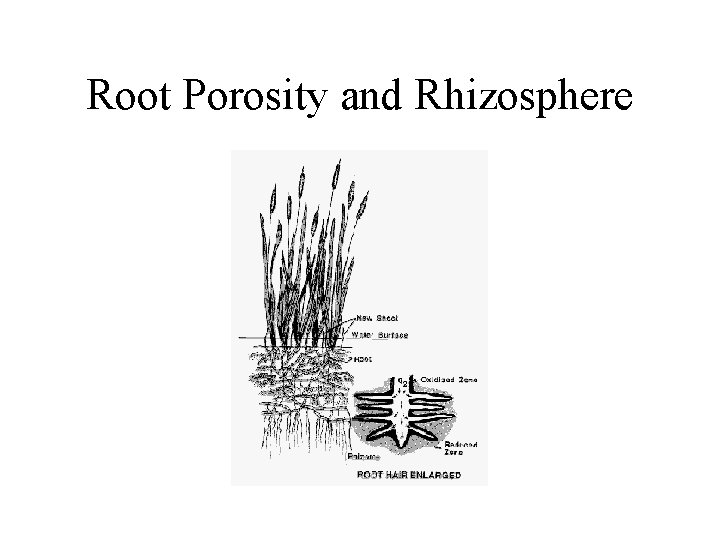
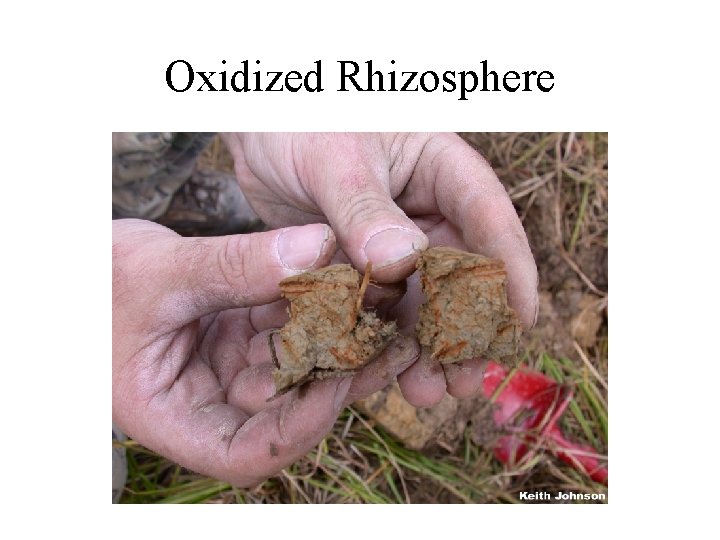
Root Porosity and Rhizosphere
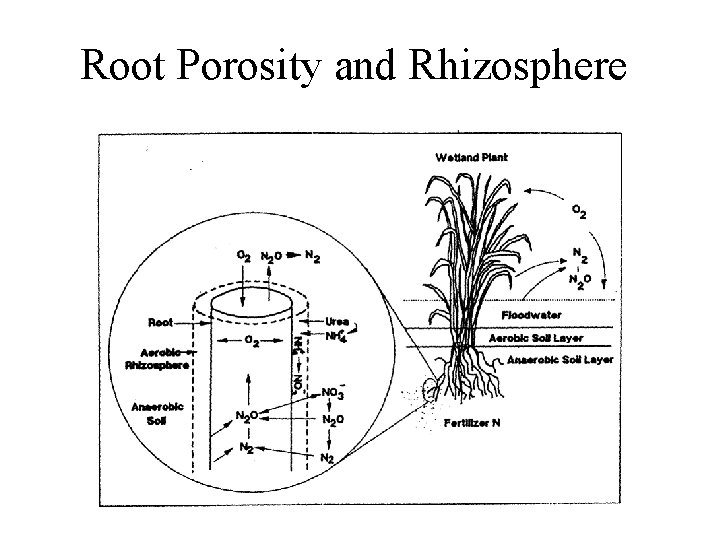
Root Porosity and Rhizosphere
Oxidized Rhizosphere
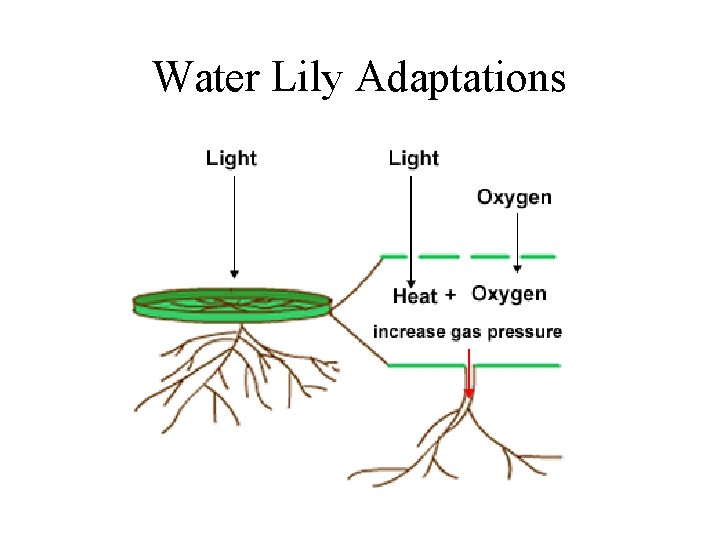
Water Lily Adaptations
Water Lily Adaptations
Red mangrove with prop roots
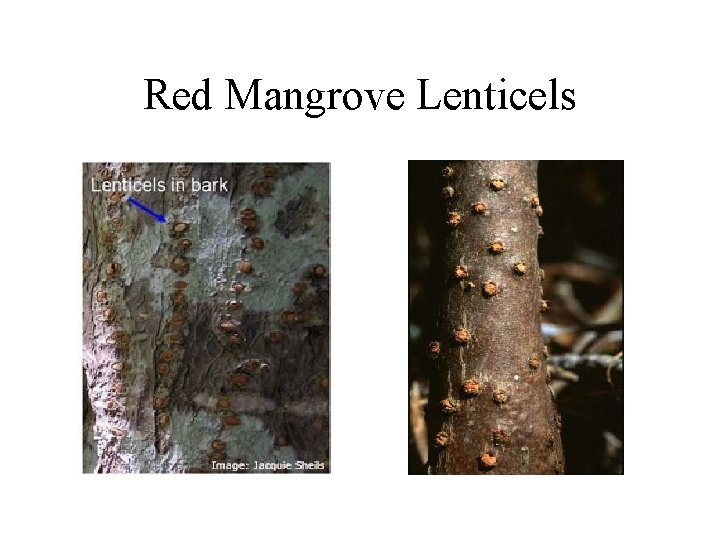
Red Mangrove Lenticels
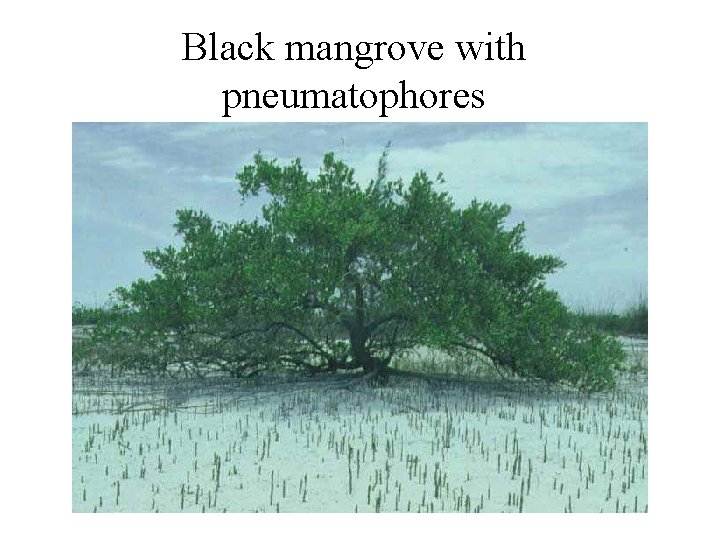
Black mangrove with pneumatophores
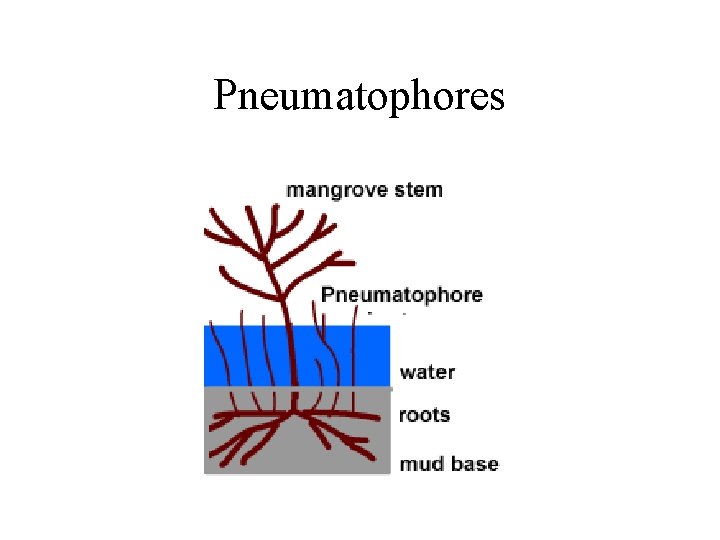
Pneumatophores
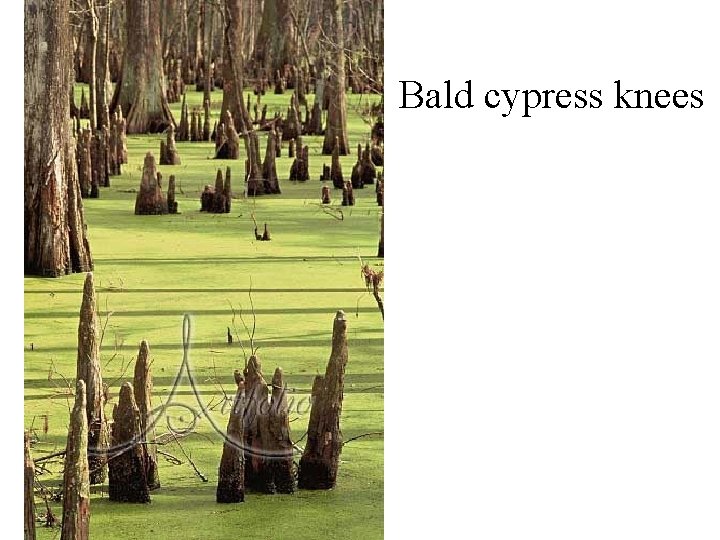
Bald cypress knees