
III A Closer Look at Natural Selection A
- Slides: 42
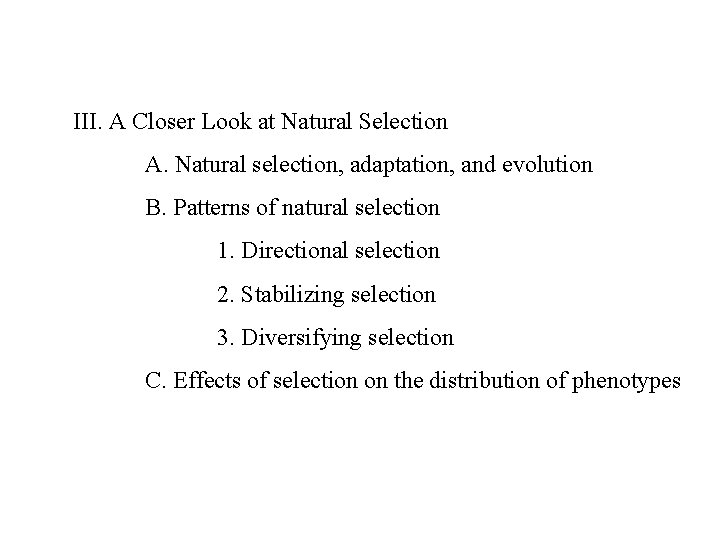
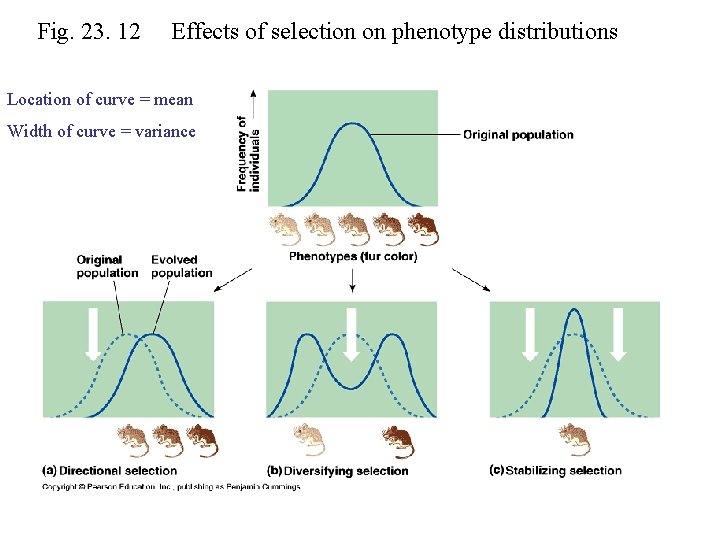
III. A Closer Look at Natural Selection A. Natural selection, adaptation, and evolution B. Patterns of natural selection 1. Directional selection 2. Stabilizing selection 3. Diversifying selection C. Effects of selection on the distribution of phenotypes
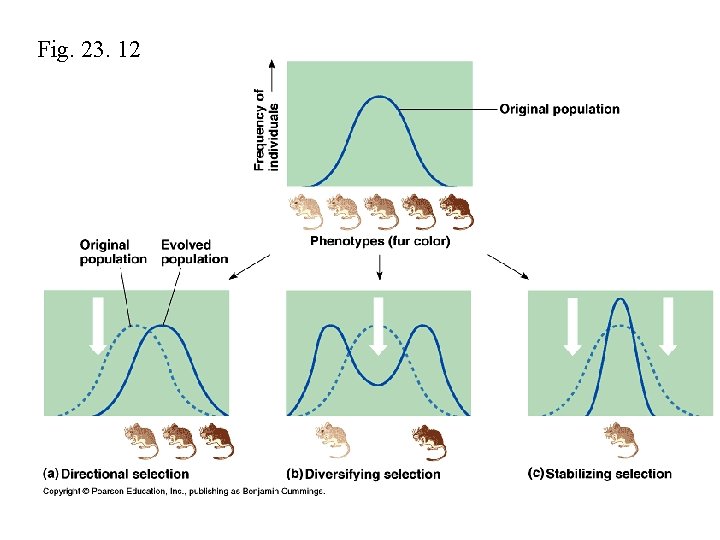
Fig. 23. 12
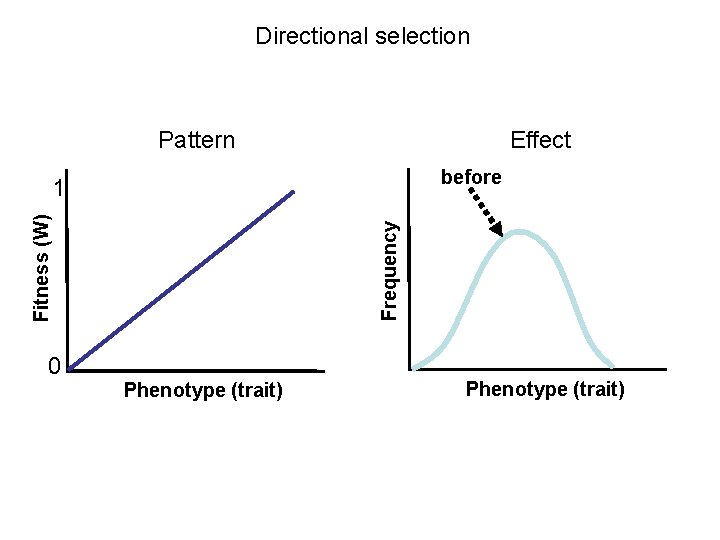
Directional selection Pattern Effect before 0 Frequency Fitness (W) 1 Phenotype (trait)
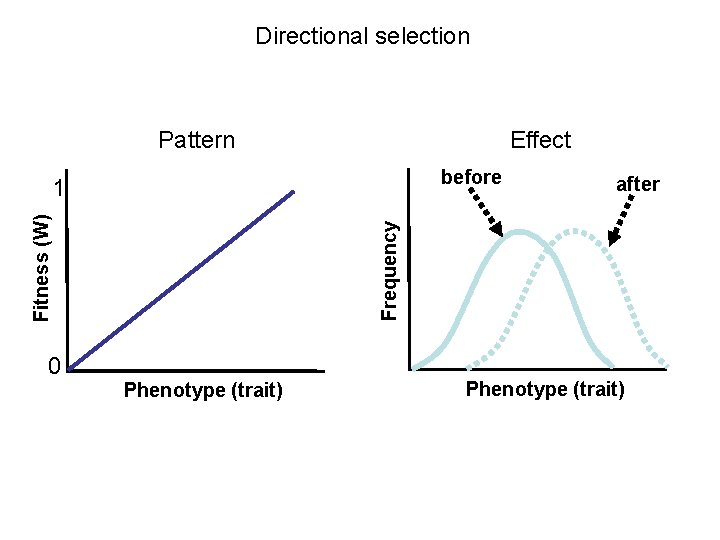
Directional selection Pattern Effect before 0 after Frequency Fitness (W) 1 Phenotype (trait)
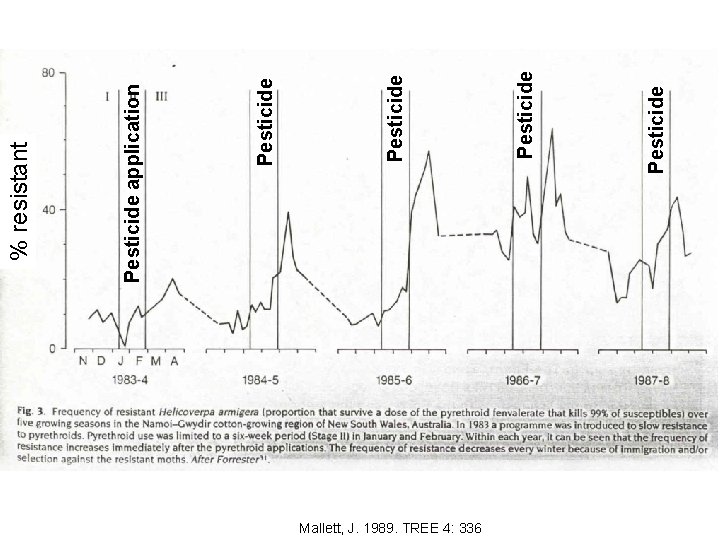
Mallett, J. 1989. TREE 4: 336 Pesticide Pesticide application % resistant
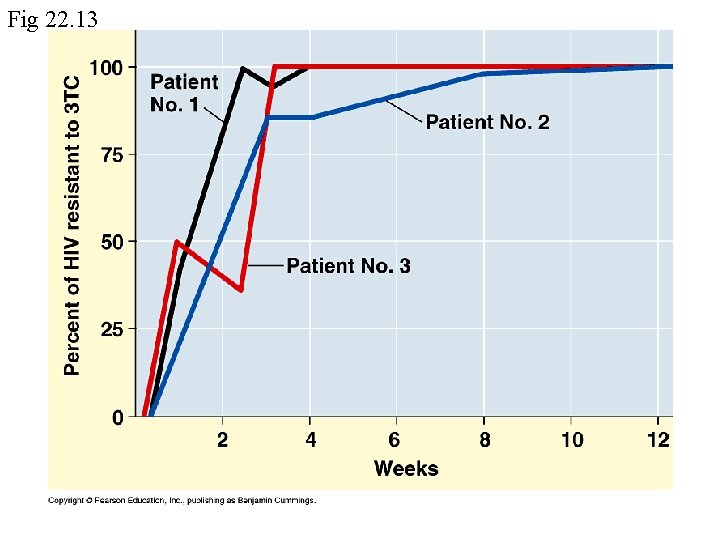
Fig 22. 13
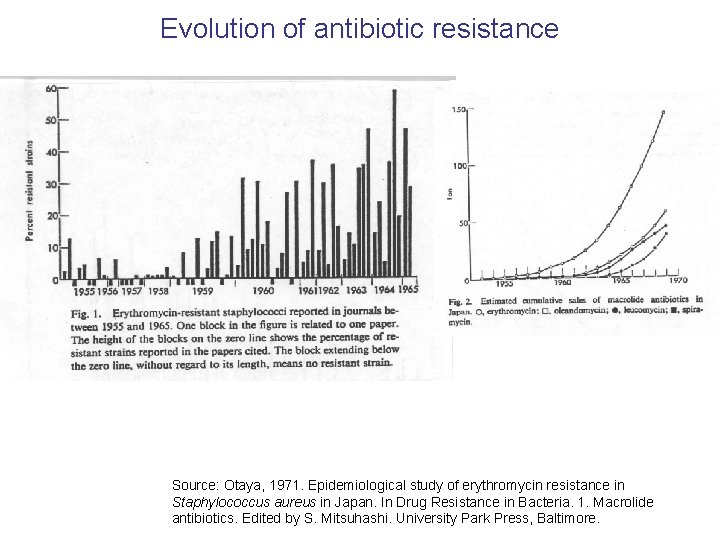
Evolution of antibiotic resistance Source: Otaya, 1971. Epidemiological study of erythromycin resistance in Staphylococcus aureus in Japan. In Drug Resistance in Bacteria. 1. Macrolide antibiotics. Edited by S. Mitsuhashi. University Park Press, Baltimore.
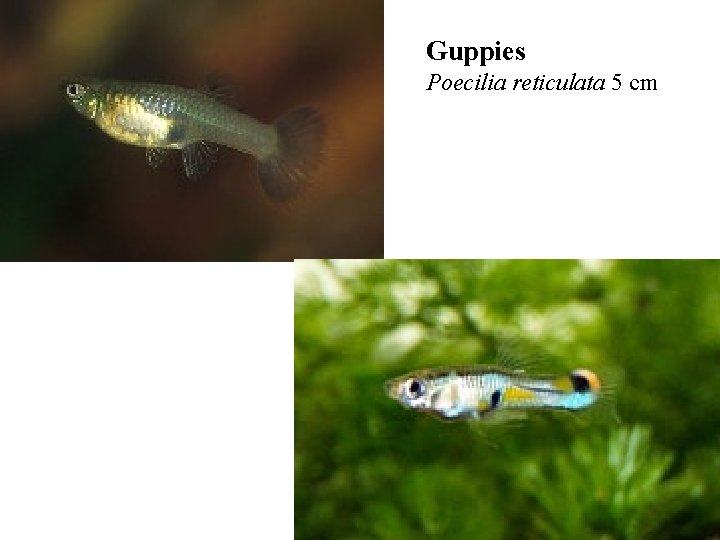
Guppies Poecilia reticulata 5 cm
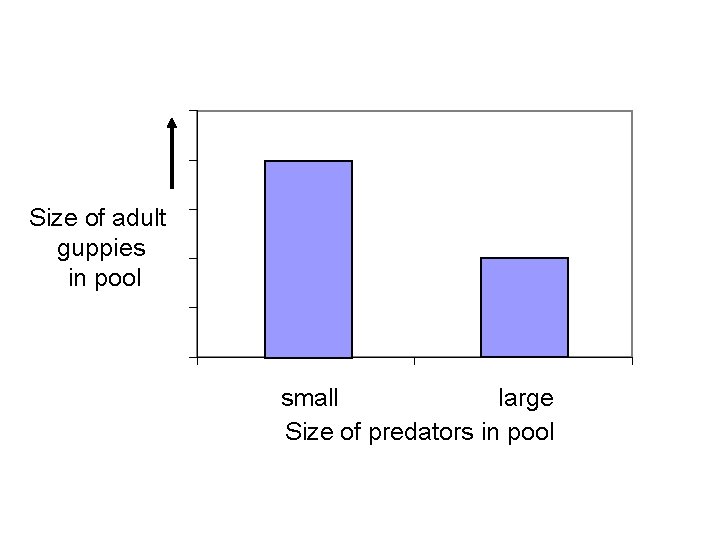
Size of adult guppies in pool small large Size of predators in pool
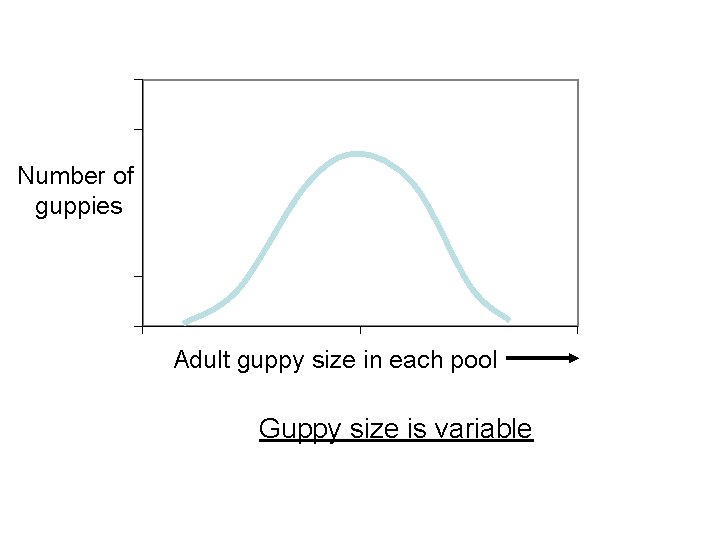
Number of guppies Adult guppy size in each pool Guppy size is variable
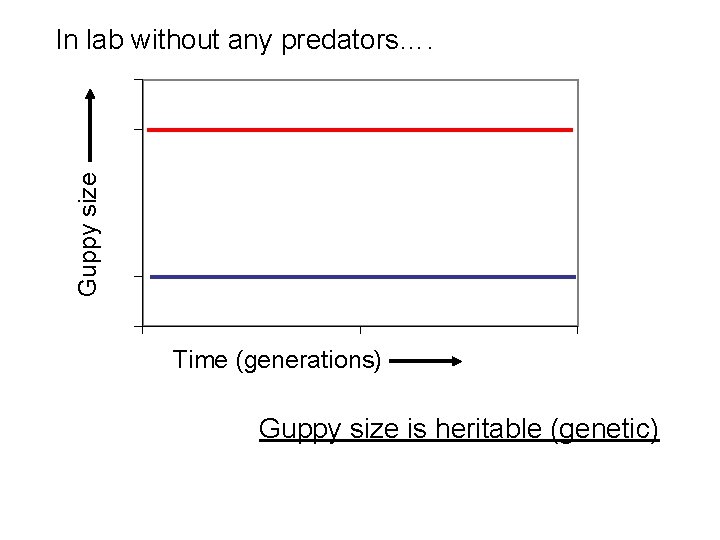
Guppy size In lab without any predators…. Time (generations) Guppy size is heritable (genetic)
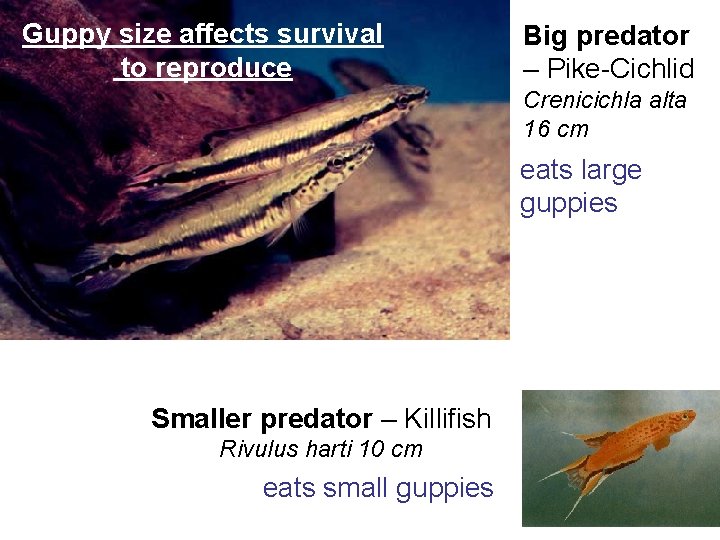
Guppy size affects survival to reproduce Big predator – Pike-Cichlid Crenicichla alta 16 cm eats large guppies Smaller predator – Killifish Rivulus harti 10 cm eats small guppies
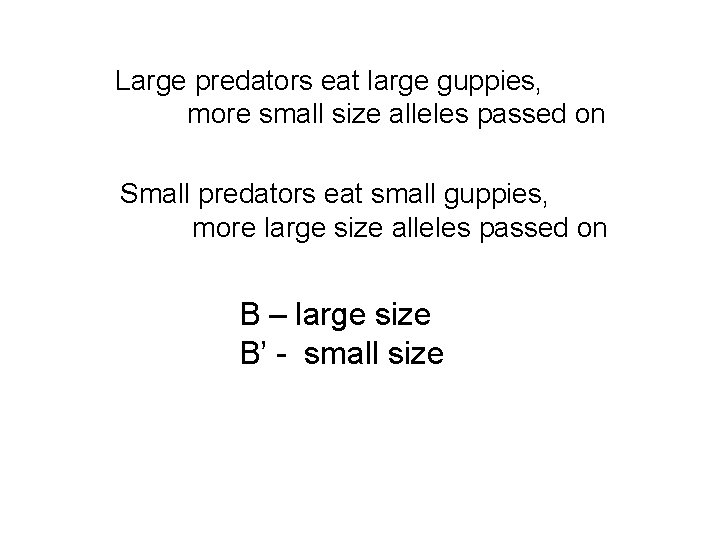
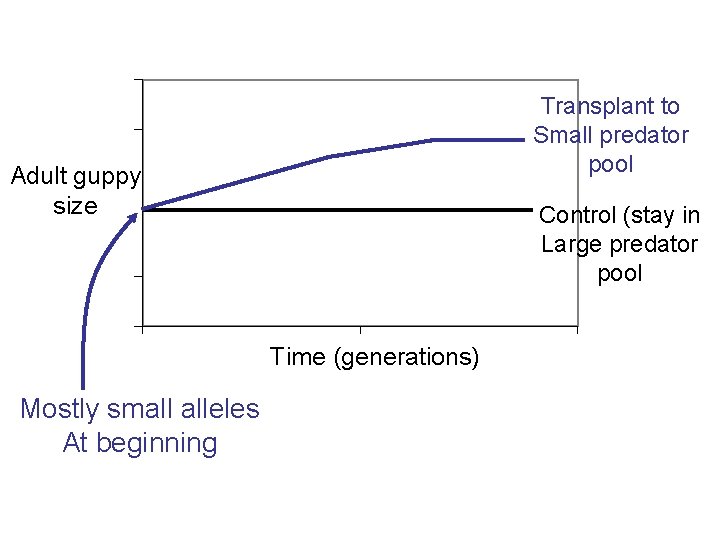
Large predators eat large guppies, more small size alleles passed on Small predators eat small guppies, more large size alleles passed on B – large size B’ - small size
Transplant to Small predator pool Adult guppy size Control (stay in Large predator pool Time (generations) Mostly small alleles At beginning
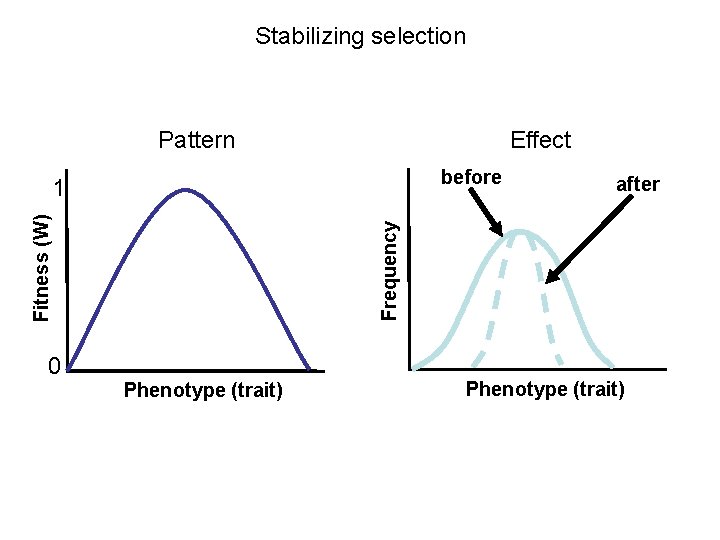
Stabilizing selection Pattern Effect before 0 after Frequency Fitness (W) 1 Phenotype (trait)
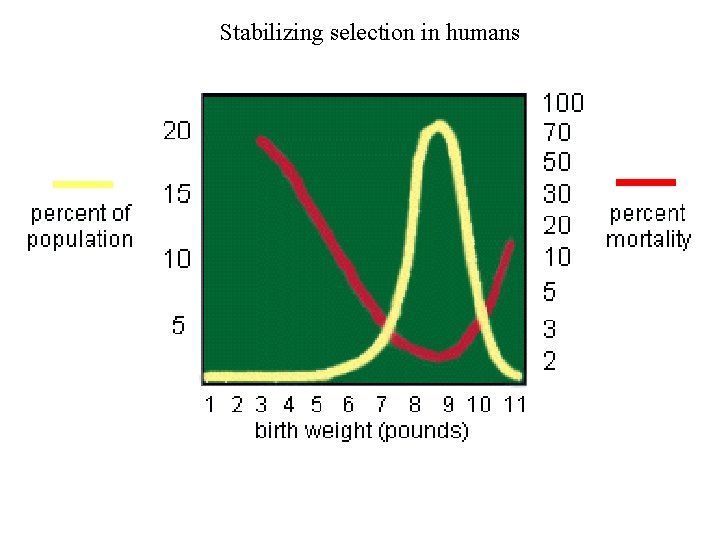
Stabilizing selection in humans
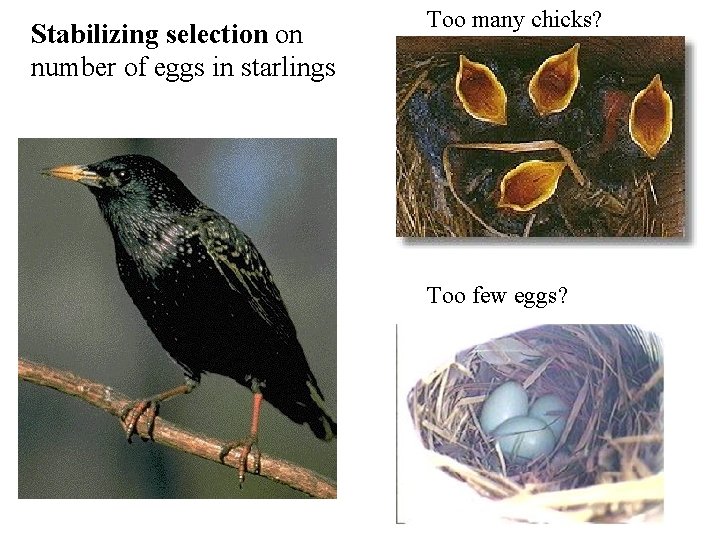
Stabilizing selection on number of eggs in starlings Too many chicks? Too few eggs?
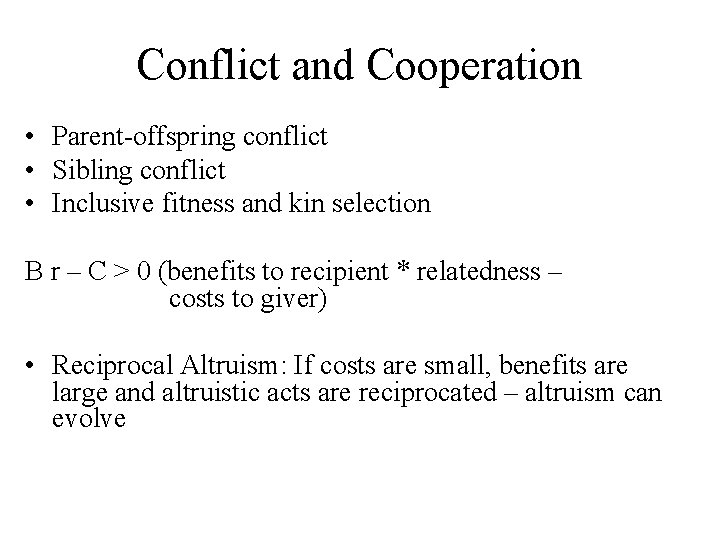
Conflict and Cooperation • Parent-offspring conflict • Sibling conflict • Inclusive fitness and kin selection B r – C > 0 (benefits to recipient * relatedness – costs to giver) • Reciprocal Altruism: If costs are small, benefits are large and altruistic acts are reciprocated – altruism can evolve
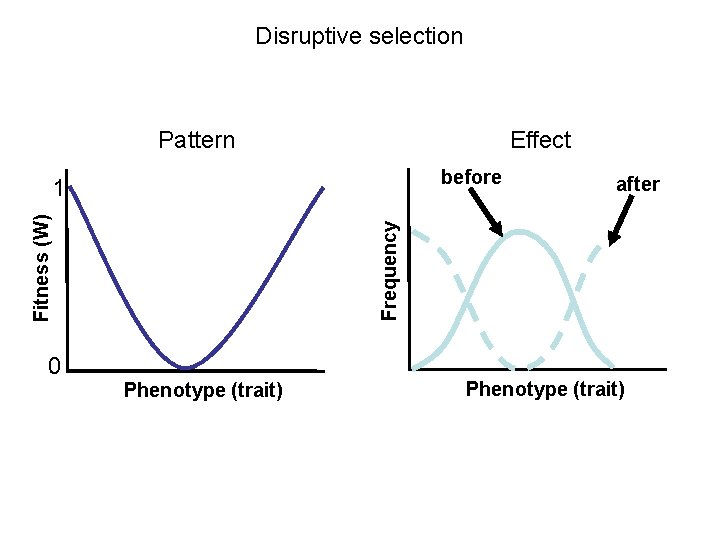
Disruptive selection Pattern Effect before 0 after Frequency Fitness (W) 1 Phenotype (trait)
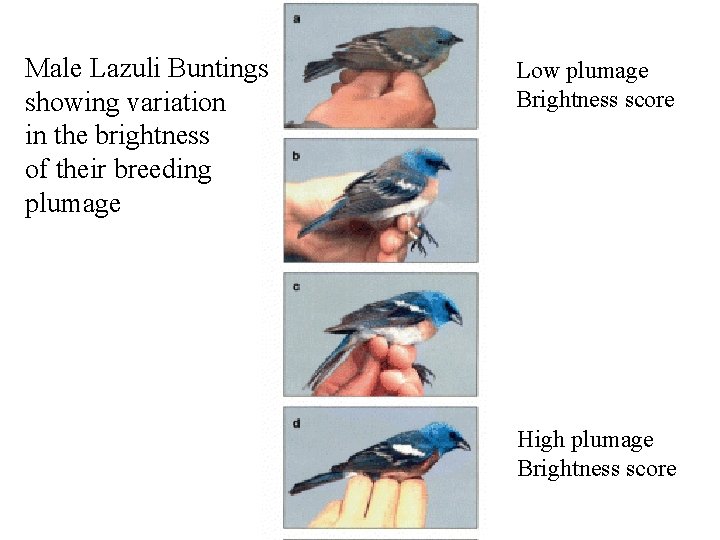
Male Lazuli Buntings showing variation in the brightness of their breeding plumage Low plumage Brightness score High plumage Brightness score
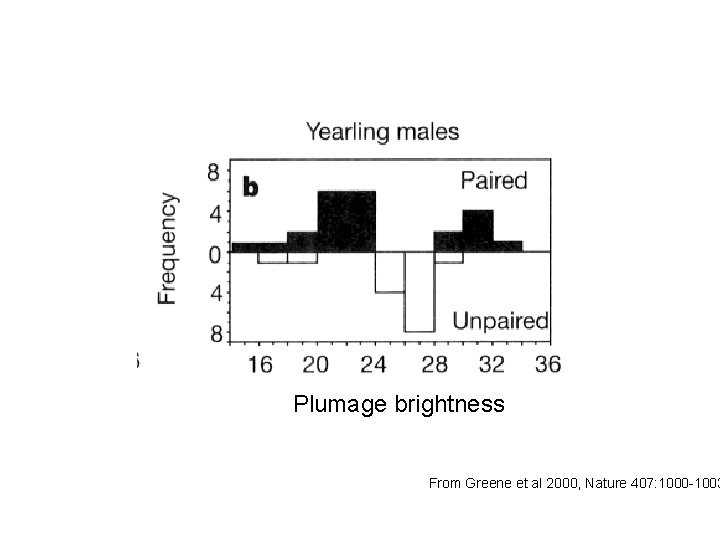
Plumage brightness From Greene et al 2000, Nature 407: 1000 -1003
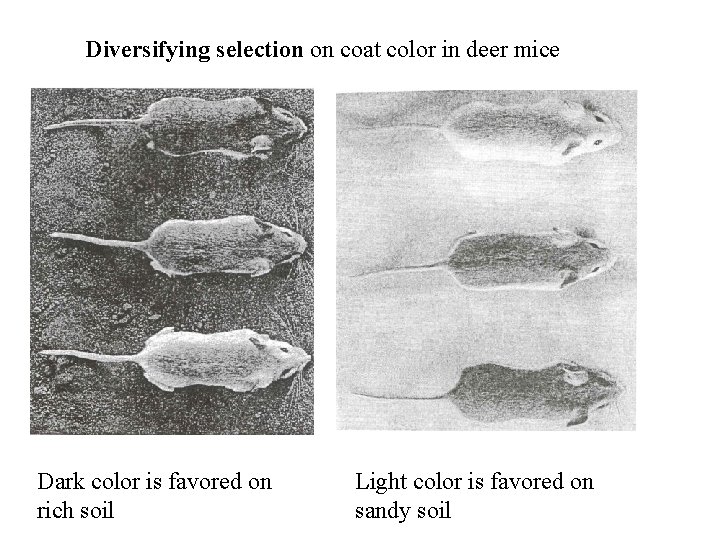
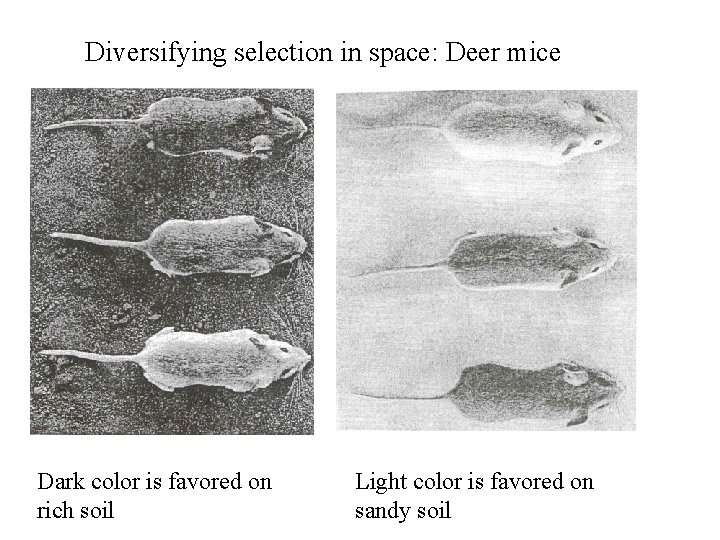
Diversifying selection on coat color in deer mice Dark color is favored on rich soil Light color is favored on sandy soil
Frequency dependent selection Why are there equal numbers of males and females?
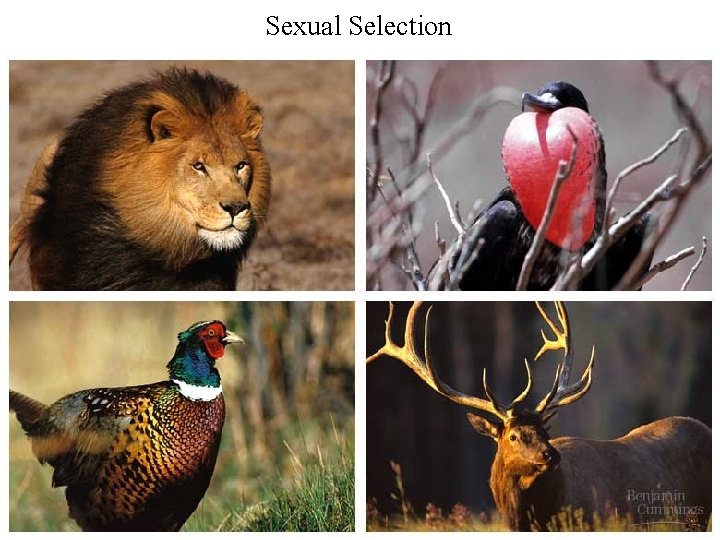
Sexual Selection
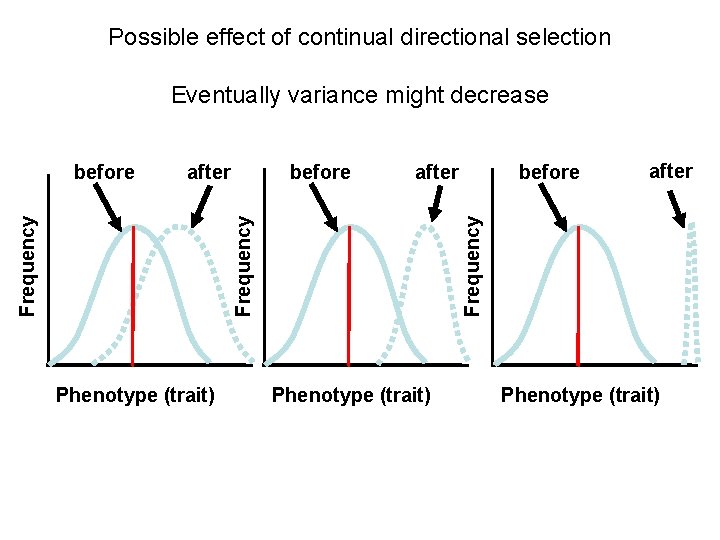
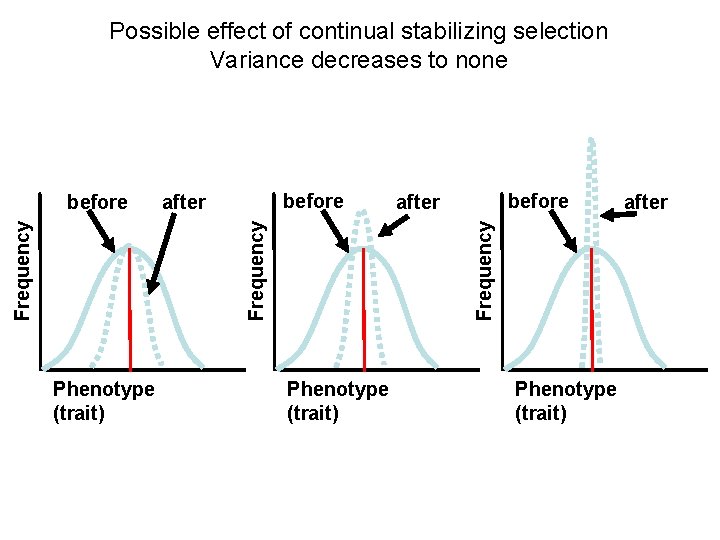
Fig. 23. 12 Effects of selection on phenotype distributions Location of curve = mean Width of curve = variance
Possible effect of continual directional selection Eventually variance might decrease after Phenotype (trait) before after Frequency before Frequency after Frequency before Phenotype (trait)
Possible effect of continual stabilizing selection Variance decreases to none Phenotype (trait) before after Frequency before Phenotype (trait) after
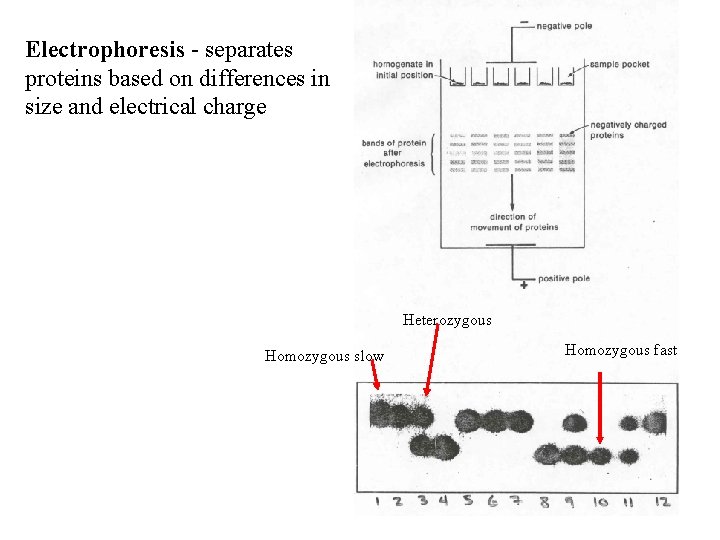
Electrophoresis - separates proteins based on differences in size and electrical charge Heterozygous Homozygous slow Homozygous fast
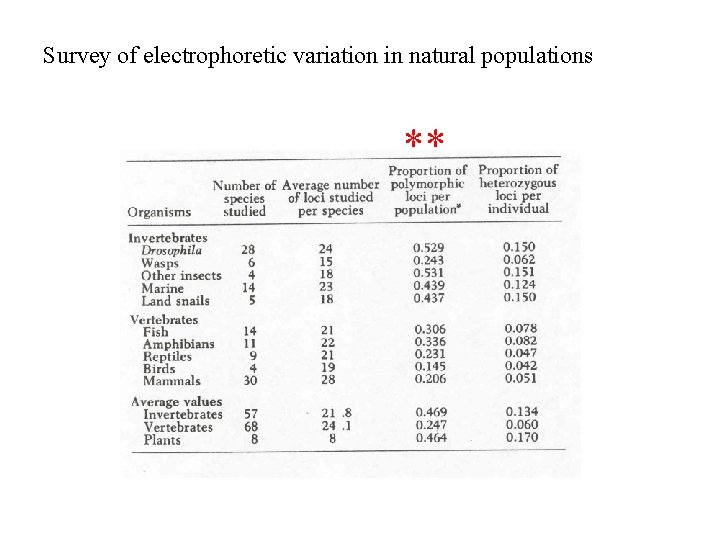
Survey of electrophoretic variation in natural populations **
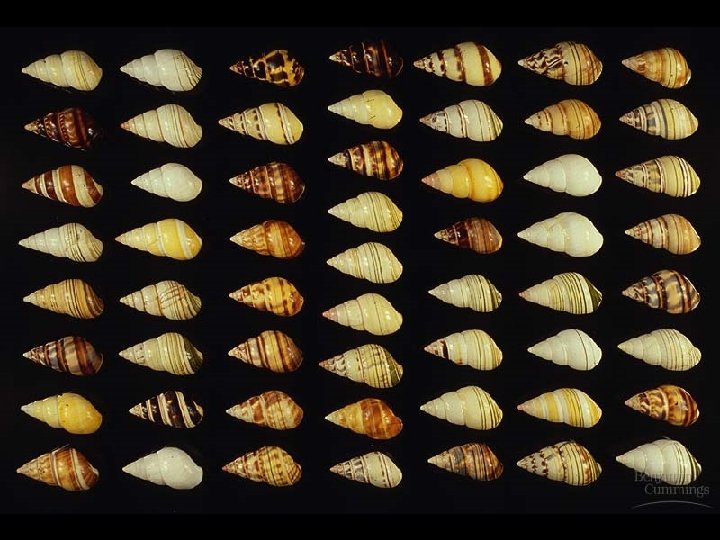
The Paradox of Variation: Evolution requires variation, but natural selection eliminates variation.
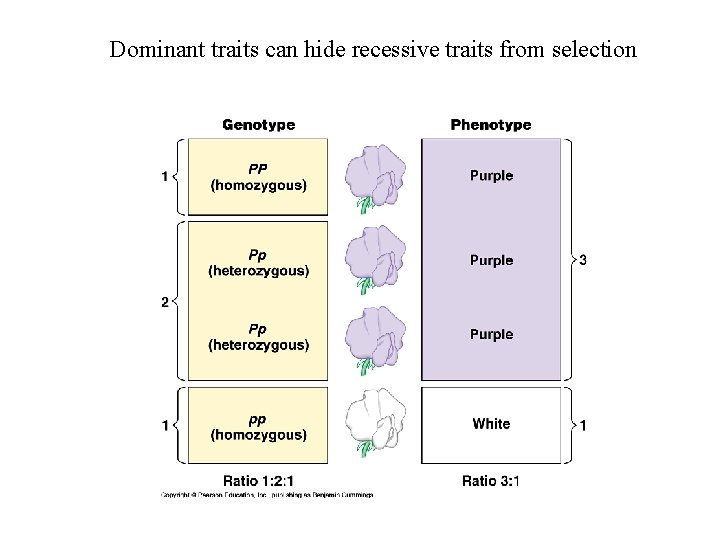
Dominant traits can hide recessive traits from selection
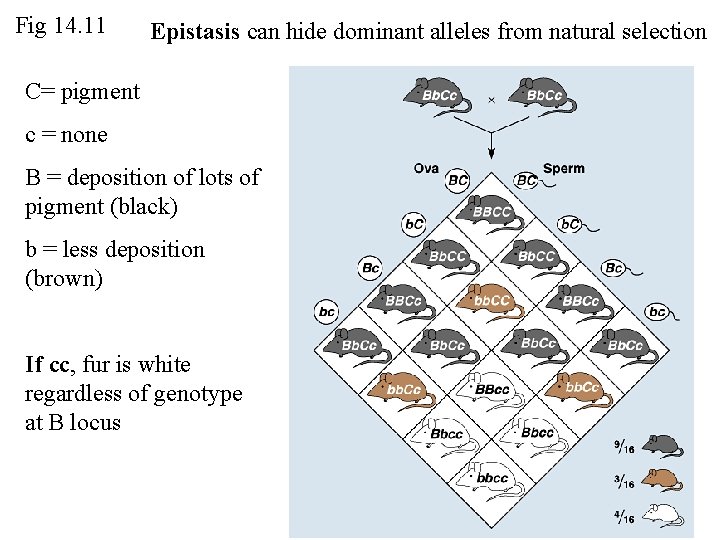
Fig 14. 11 Epistasis can hide dominant alleles from natural selection C= pigment c = none B = deposition of lots of pigment (black) b = less deposition (brown) If cc, fur is white regardless of genotype at B locus
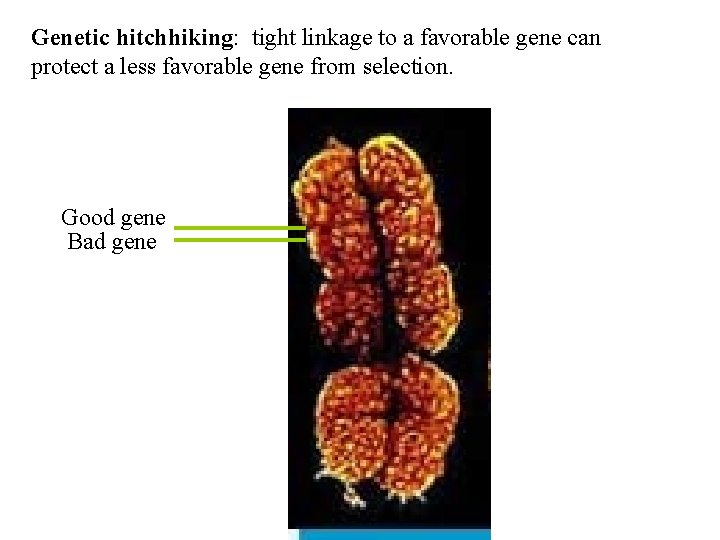
Genetic hitchhiking: tight linkage to a favorable gene can protect a less favorable gene from selection. Good gene Bad gene
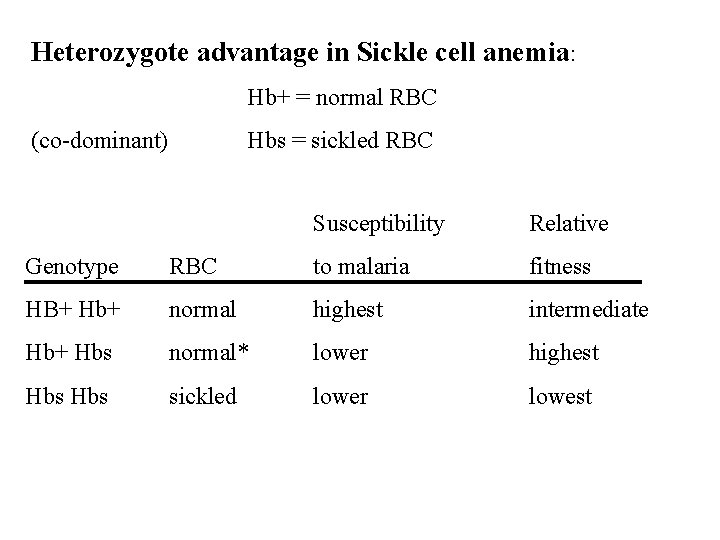
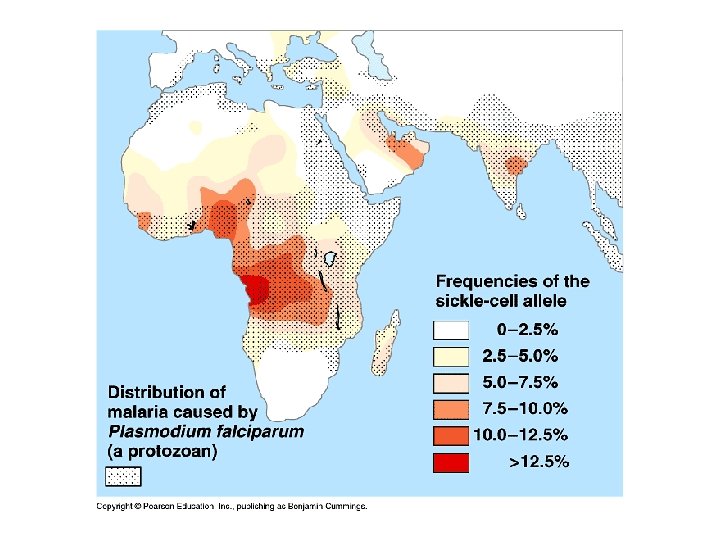
Heterozygote advantage in Sickle cell anemia: Hb+ = normal RBC (co-dominant) Hbs = sickled RBC Susceptibility Relative Genotype RBC to malaria fitness HB+ Hb+ normal highest intermediate Hb+ Hbs normal* lower highest Hbs sickled lower lowest
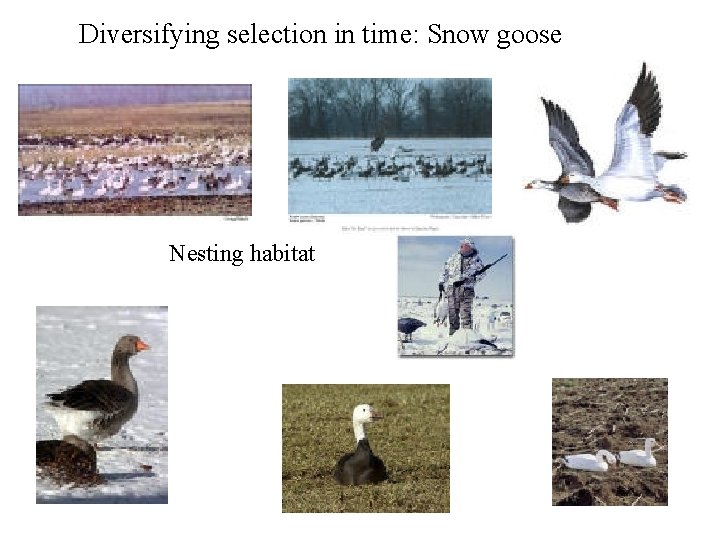
Diversifying selection in time: Snow goose Nesting habitat
Diversifying selection in space: Deer mice Dark color is favored on rich soil Light color is favored on sandy soil
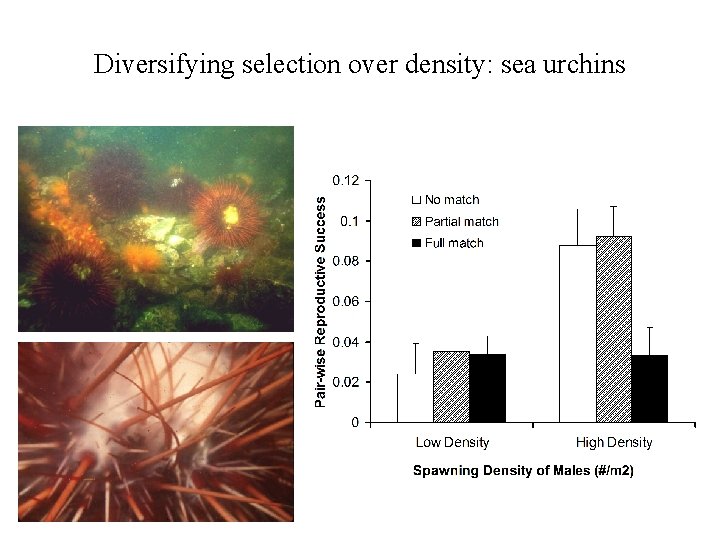
Diversifying selection over density: sea urchins