
Igneous Rocks Magma molten rock beneath the Earths
Igneous Rocks
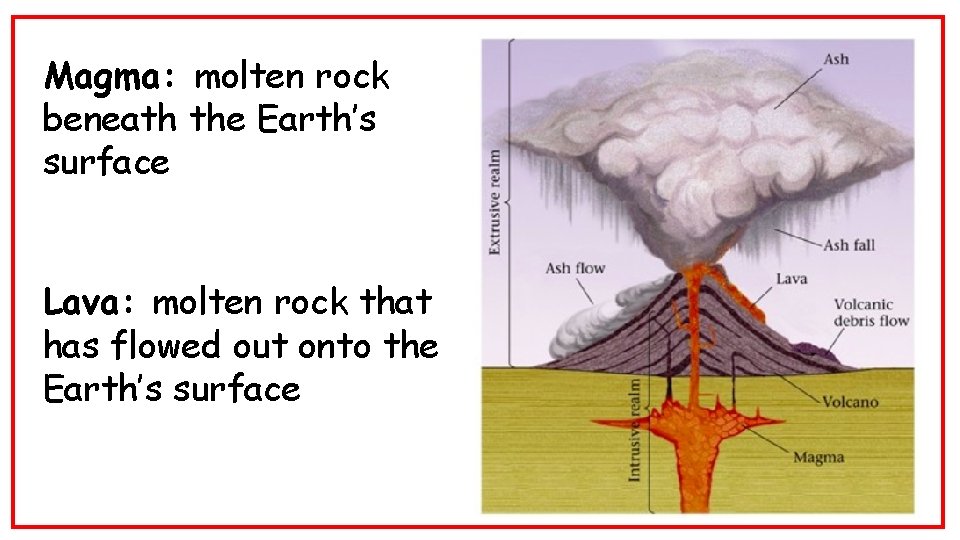
Magma: molten rock beneath the Earth’s surface Lava: molten rock that has flowed out onto the Earth’s surface
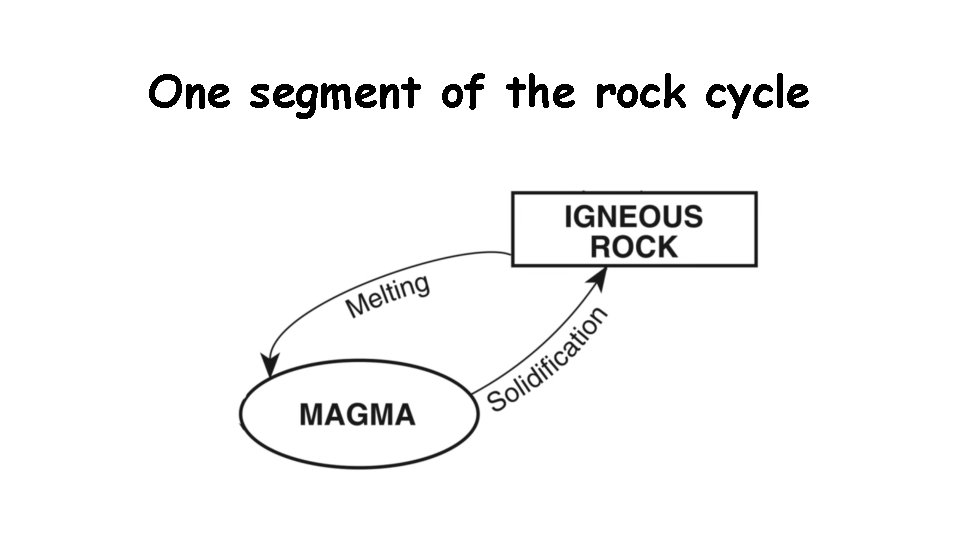
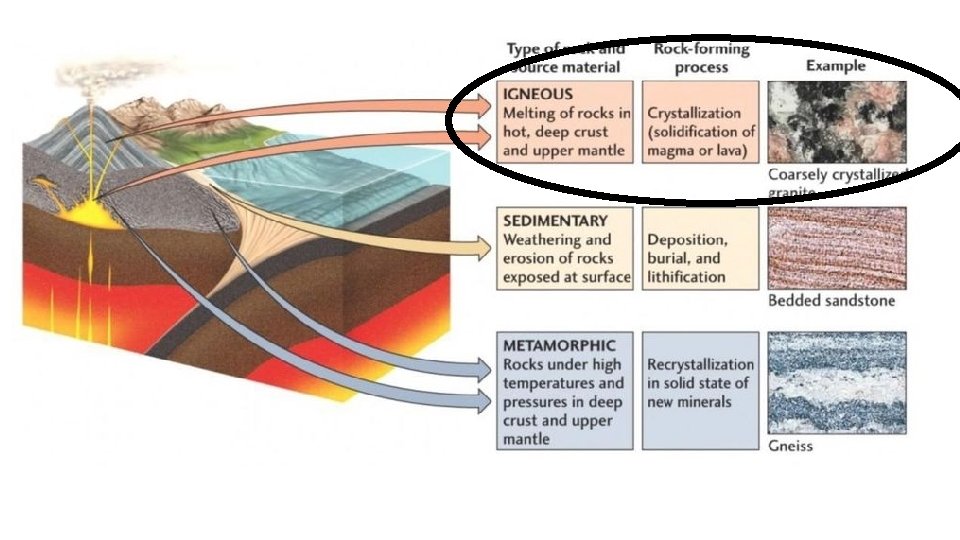
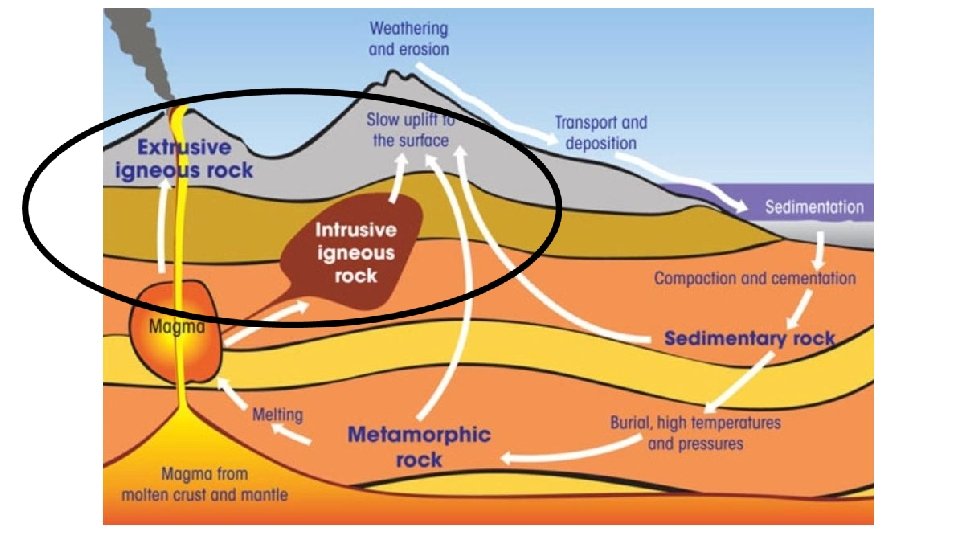
One segment of the rock cycle
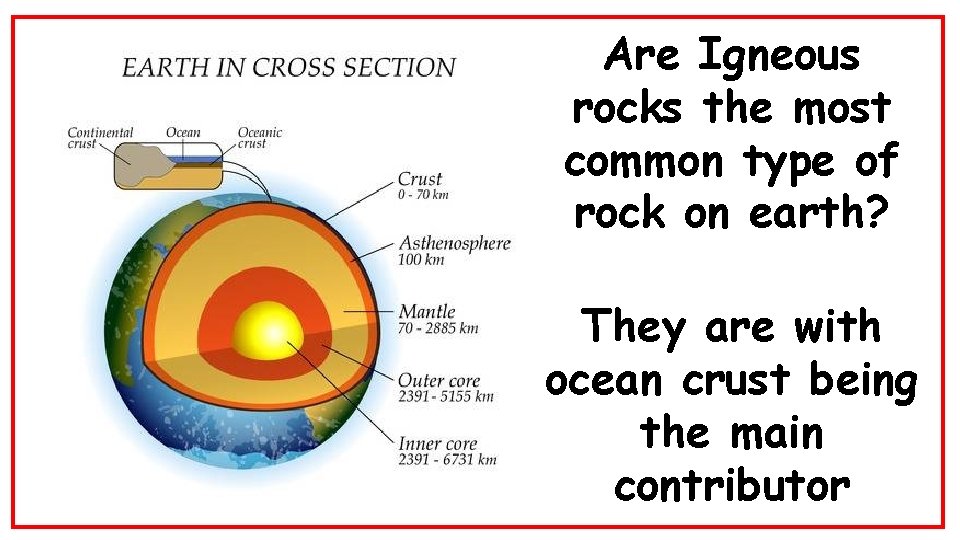
Are Igneous rocks the most common type of rock on earth? They are with ocean crust being the main contributor
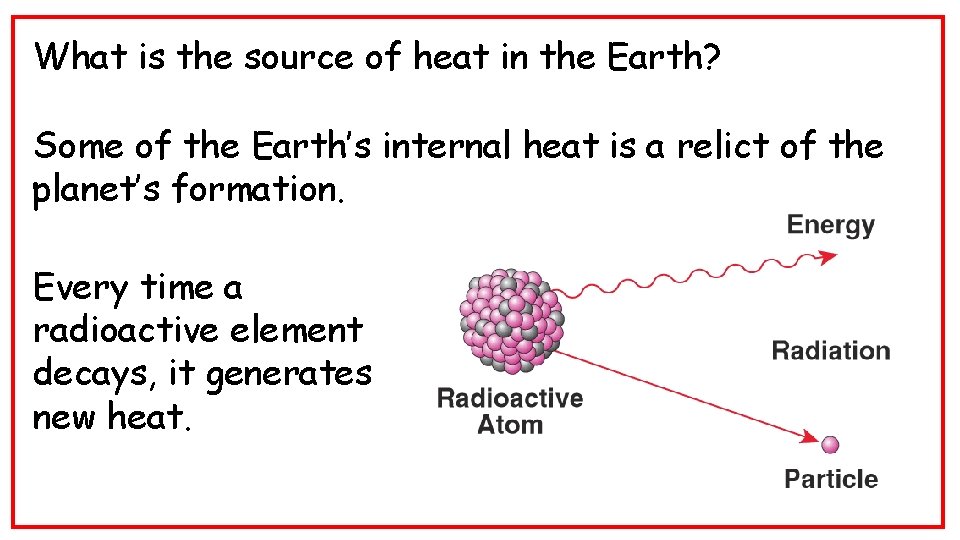
What is the source of heat in the Earth? Some of the Earth’s internal heat is a relict of the planet’s formation. Every time a radioactive element decays, it generates new heat.
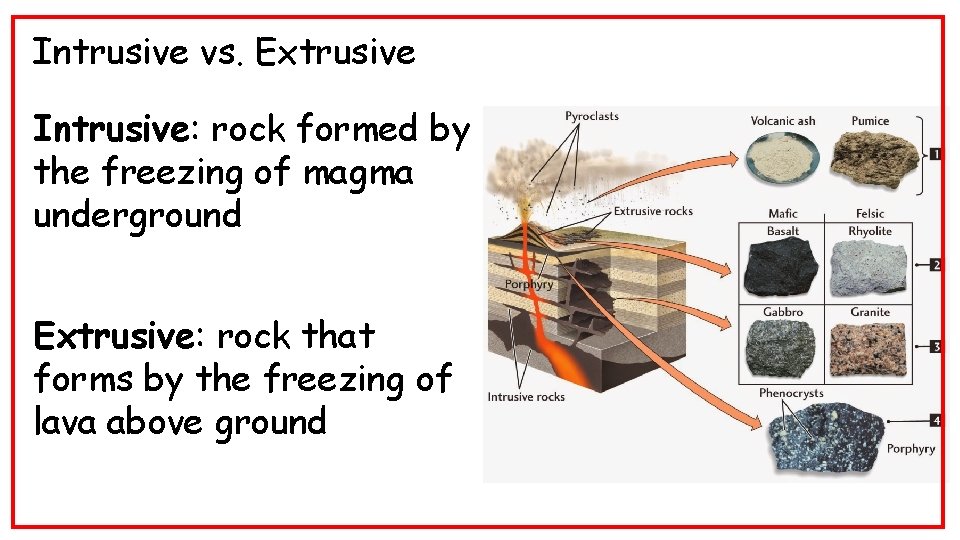
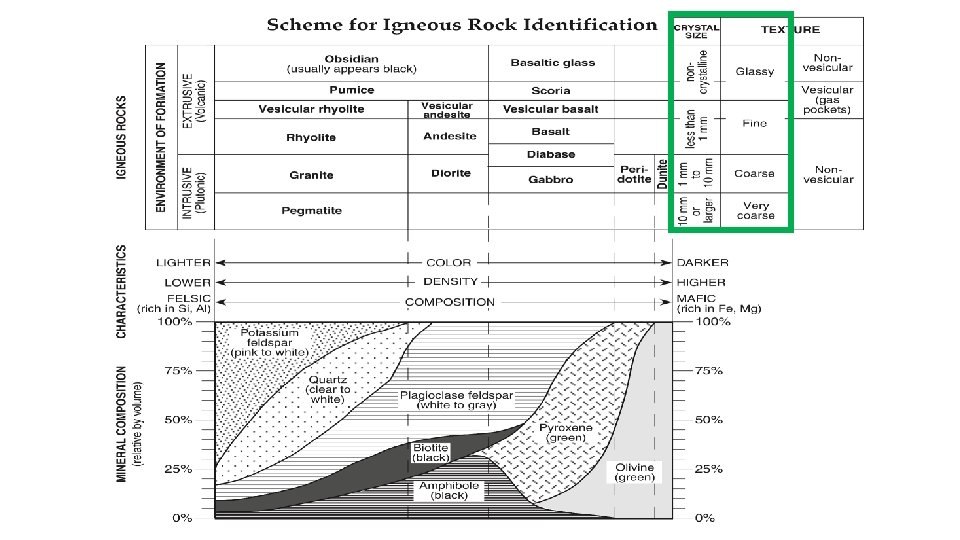
Intrusive vs. Extrusive Intrusive: rock formed by the freezing of magma underground Extrusive: rock that forms by the freezing of lava above ground
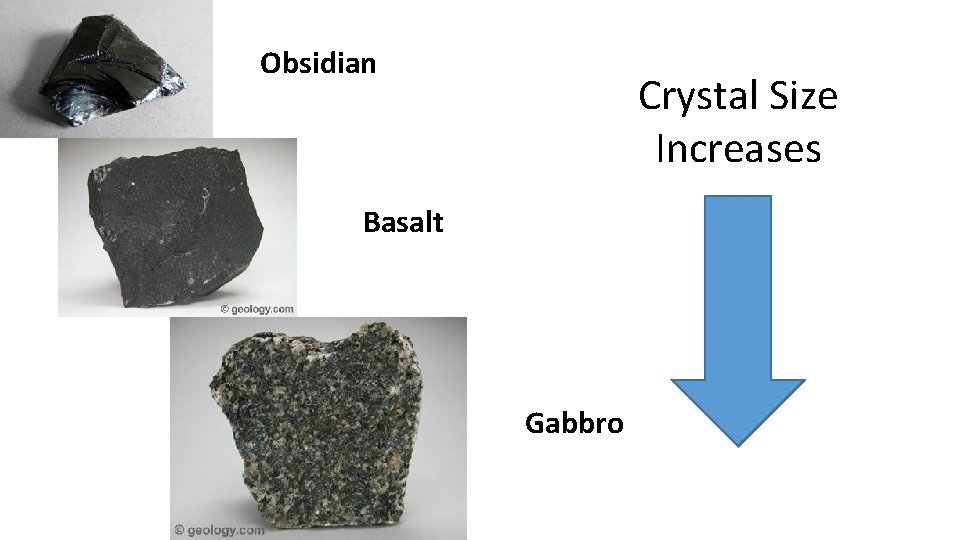
Obsidian Crystal Size Increases Basalt Gabbro
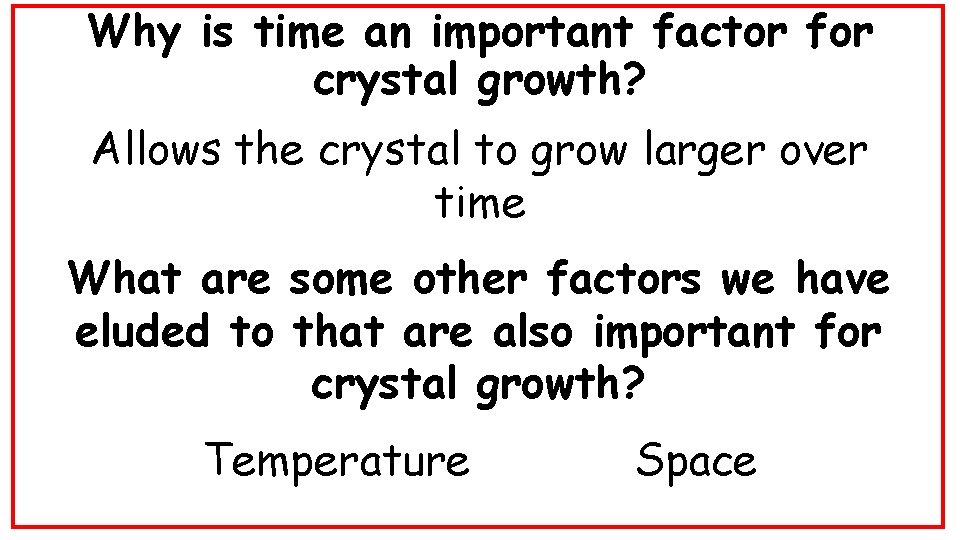
Why is time an important factor for crystal growth? Allows the crystal to grow larger over time What are some other factors we have eluded to that are also important for crystal growth? Temperature Space
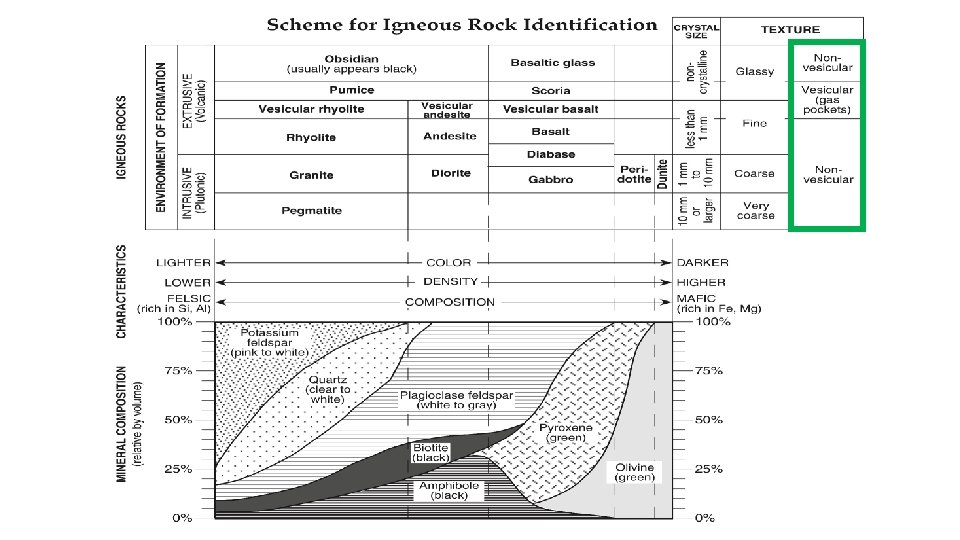
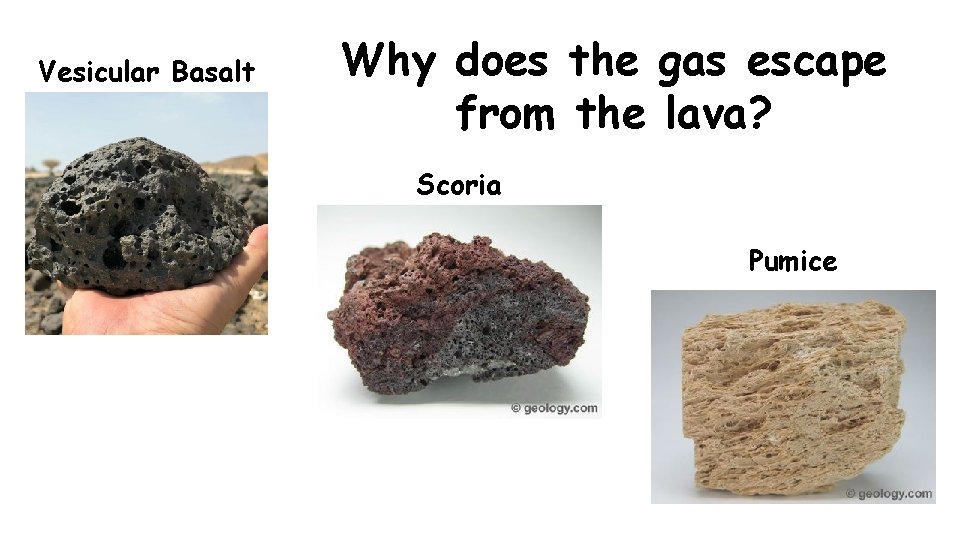
Vesicular Basalt Why does the gas escape from the lava? Scoria Pumice
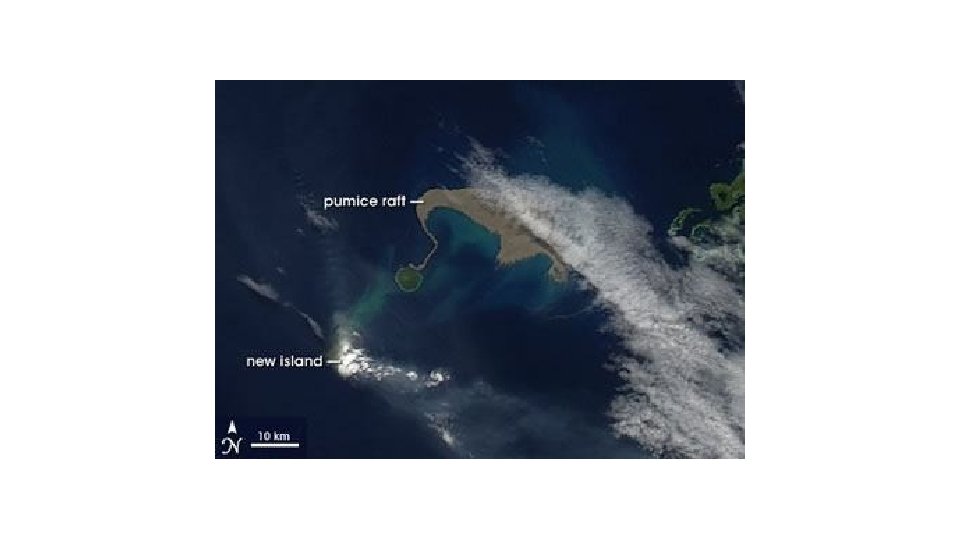
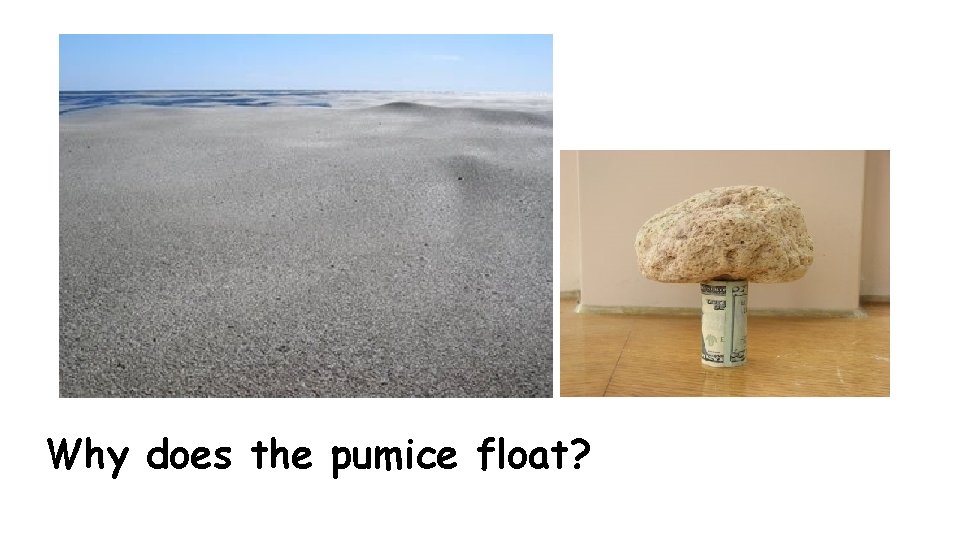
Why does the pumice float?
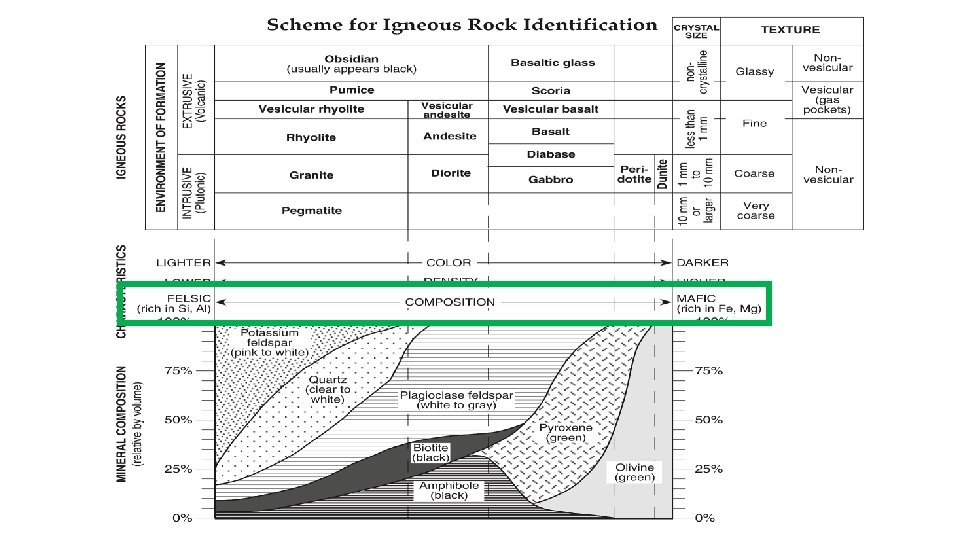
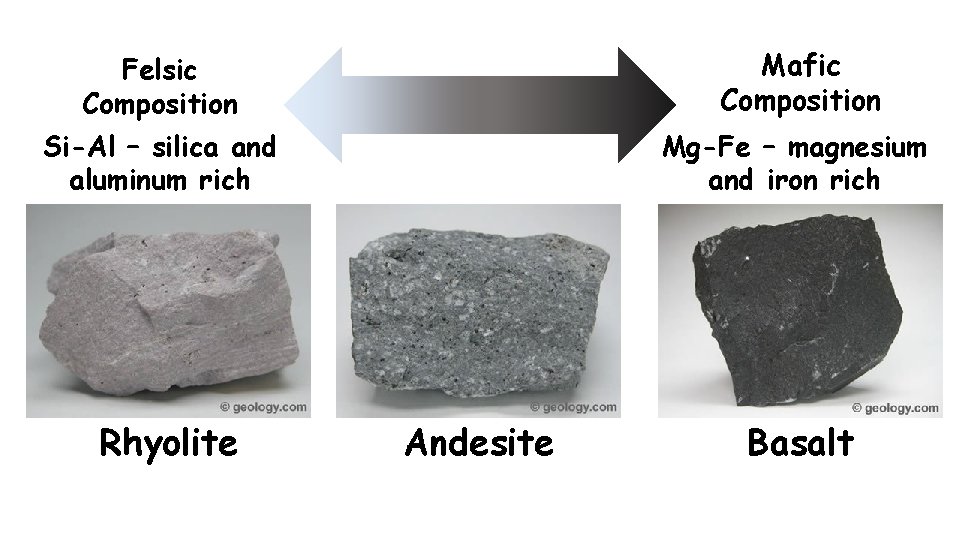
Felsic Composition Mafic Composition Si-Al – silica and aluminum rich Mg-Fe – magnesium and iron rich Rhyolite Andesite Basalt
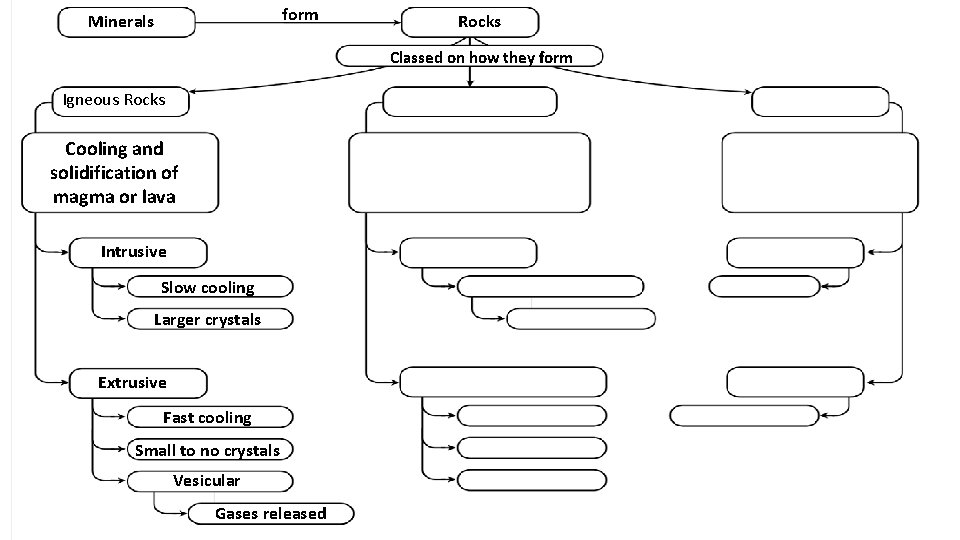
form Minerals Rocks Classed on how they form Igneous Rocks Cooling and solidification of magma or lava Intrusive Slow cooling Larger crystals Extrusive Fast cooling Small to no crystals Vesicular Gases released
- Slides: 18