
IENG 366 Development of Engineering Management WHAT DO

- Slides: 34
IENG 366 Development of Engineering Management
WHAT DO ENGINEERS DO? Readings: pp. 4 – 19, pp. 23 – 44
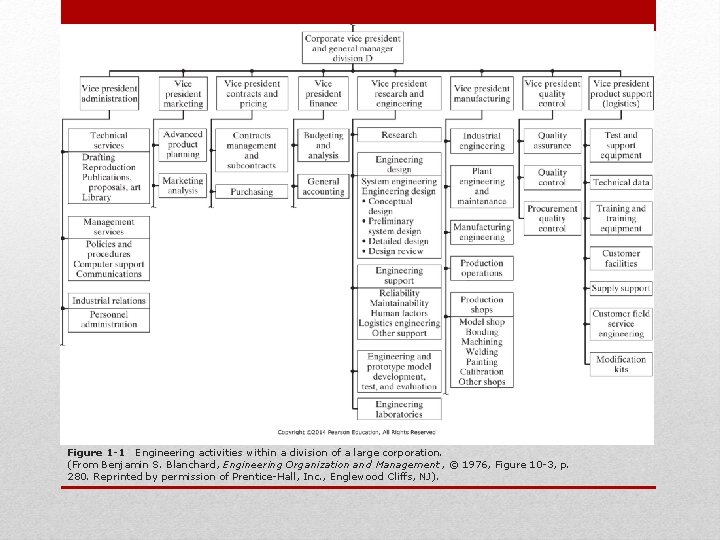
Figure 1 -1 Engineering activities within a division of a large corporation. (From Benjamin S. Blanchard, Engineering Organization and Management , © 1976, Figure 10 -3, p. 280. Reprinted by permission of Prentice-Hall, Inc. , Englewood Cliffs, NJ).
• Organizational or administrative process • Group running an organization • Occupational career Management Definitions
• First Line mangers • Middle managers • Top managers Management Levels
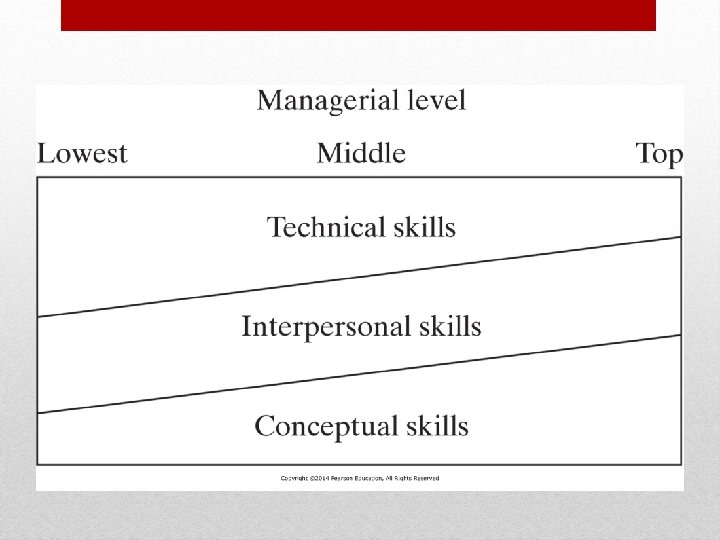
Figure 1 -2 Skills required versus management.
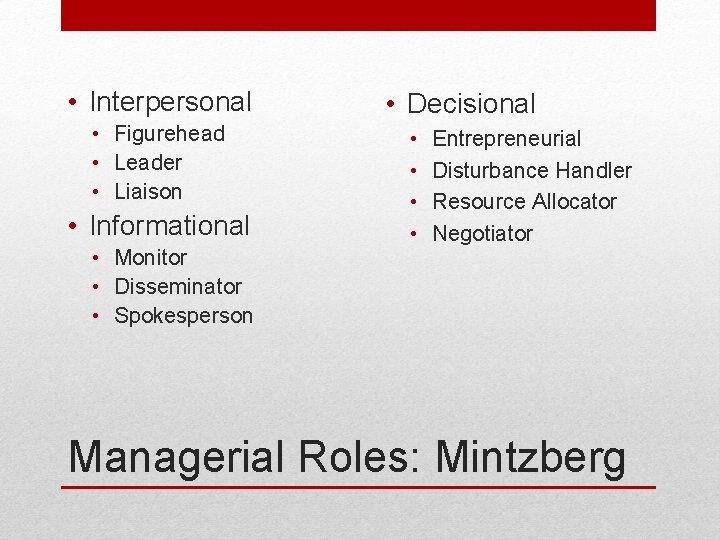
• Interpersonal • Figurehead • Leader • Liaison • Informational • Monitor • Disseminator • Spokesperson • Decisional • • Entrepreneurial Disturbance Handler Resource Allocator Negotiator Managerial Roles: Mintzberg
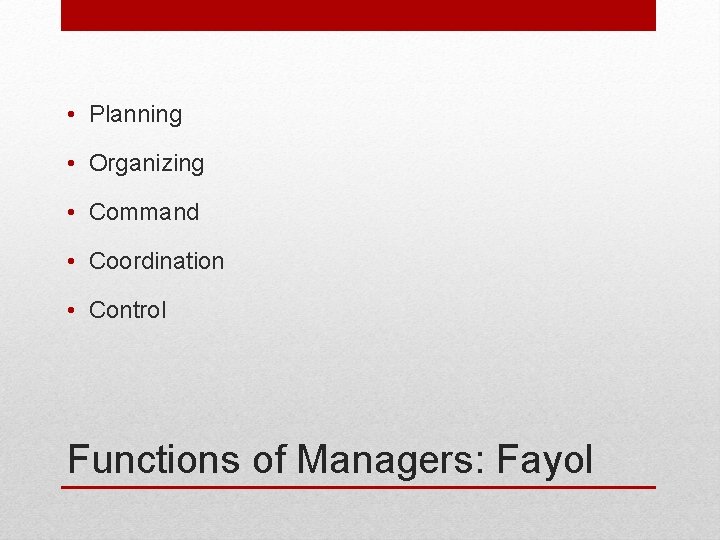
• Planning • Organizing • Command • Coordination • Control Functions of Managers: Fayol
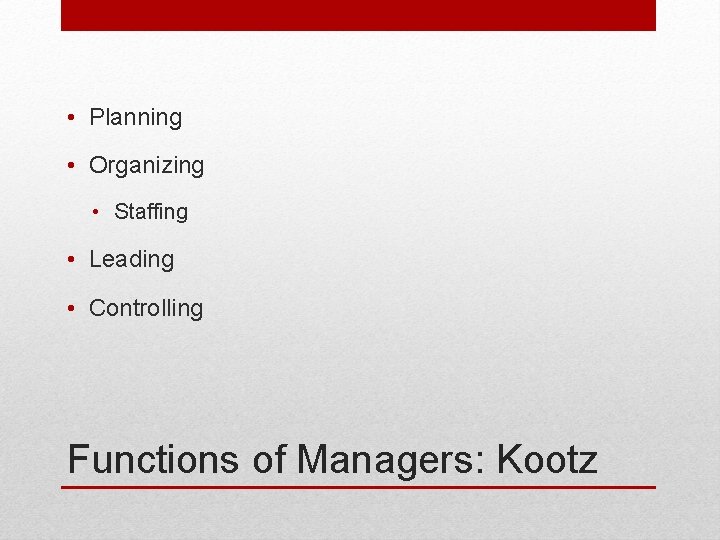
• Planning • Organizing • Staffing • Leading • Controlling Functions of Managers: Kootz
• Direct supervision of engineers or of engineering functions • Or, application of quantifiable methods and techniques to practice of management Engineering Management
Engineering Managers are distinguished from other managers because they possess both the ability to apply engineering principles and skill in organizing and directing people and projects. Prentice Hall, 2006 Babcock
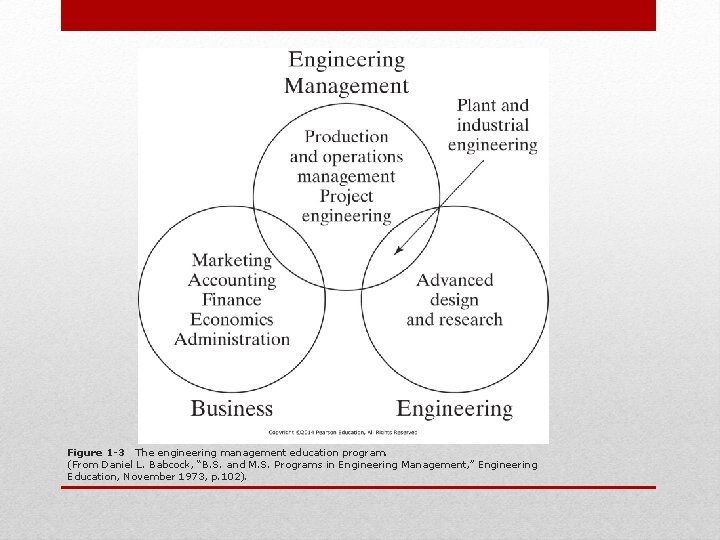
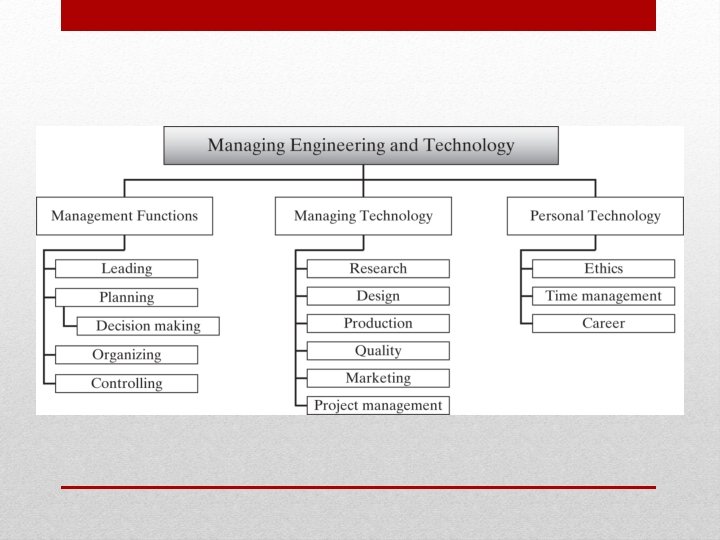
Figure 1 -3 The engineering management education program. (From Daniel L. Babcock, “B. S. and M. S. Programs in Engineering Management, ” Engineering Education, November 1973, p. 102).
• 4000 – 1600 B. C. • Built pyramids • Used managerial principles • Used job descriptions Ancient – Egyptians
• Cyrus the Great (540 B. C. ) Use of staff Recognized use of order and division of work • Alexander the Great (300 B. C. ) Distinction between line and staff Used discipline and delegation Ancient – Military
• 284 B. C. • Known for building roads, bridges, and water management • Estate and farm management • Emphasis on personnel selection and placement Ancient – Romans
• Four centuries of Dark Ages • No books on management written Medieval Period
• Early 1400 s • Manufacturing • Numbering of inventory parts • Standardization of parts • Assembly line Origins – Arsenal of Venice
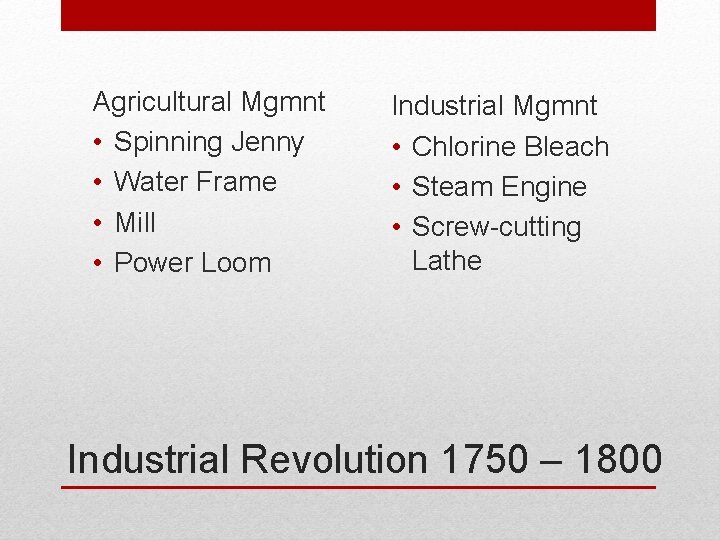
Agricultural Mgmnt • Spinning Jenny • Water Frame • Mill • Power Loom Industrial Mgmnt • Chlorine Bleach • Steam Engine • Screw-cutting Lathe Industrial Revolution 1750 – 1800
• Recruiting/Training Workers • Explosive Growth in Mill Towns • Supervisors: No Background • Upper Management: Sons or Relatives Industrial Revolution Problems of the Factory System
• Scientific • Administrative • Behavioral Management Philosophies
Frederic W. Taylor: (1856– 1915) Engineer Father of Scientific Management • Time and Motion Studies • Believed in selecting, training, teaching, and developing workers Scientific Management
Frank B. Gilbreth: (1868– 1924) Contractor Devised a system for classifying hand motions into 17 basic divisions (called Therbligs) Lillian Moller Gilbreth: (1878– 1972) Psychologist First Lady of Management – expanded their work Pioneered the field of Human Factors Scientific Management
• Replaced old “rule of thumbs” • Believed in selecting, training, teaching and developing workers • Time Study • Standards Planning • Ergonomics and Human Factors Scientific Management
• Henri Fayol: (1841– 1925) Engineer • Developed 14 “General Principles of Administration” • Divided management activities into five divisions • • • Planning Organizing (including staffing) Command (Leading) Coordination (Leading) Controlling Administrative Management
• Planning • Organizing • Staffing (included in organizing) • Leading • Controlling Modern Administrative Functions of Managers
• Both referenced functional specialization Fayol – principles of management Taylor – secure efficiencies • Both emphasized “one best way” Comparison: Fayol and Taylor
• Max Weber: (1864– 1920) Industrialist Major influence in a classical organizational theory • • • Division of labor Hierarchy of authority Employment based on expertise Inflexible Rigid Impersonal Bureaucracy Administrative Management
• Hawthorne Studies • Abilene Paradox • Maslow Behavioral Management
§ Original intent was to find the level of illumination that made the work of female coil winders, relay assemblers, and small parts inspectors more efficient. § Conclusion – persons singled out for special attention perform as expected § Not everything is explained by Scientific Management – there are interactions with other, human elements Behavioral Management: Hawthorne Studies – 1930 s
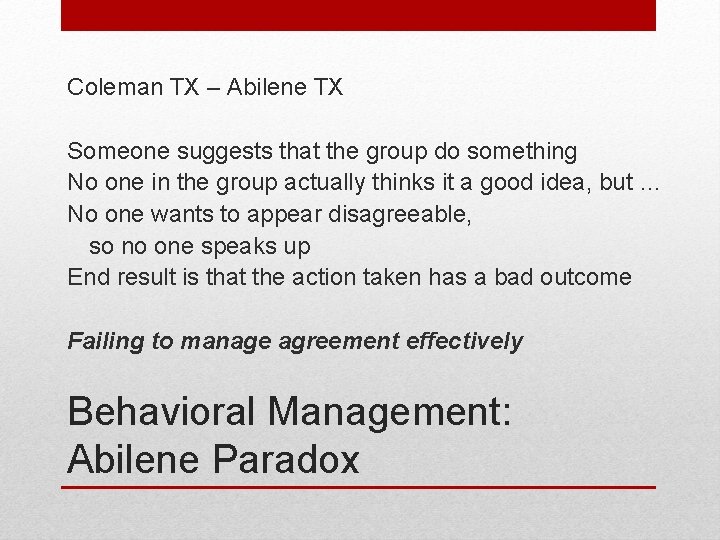
Coleman TX – Abilene TX Someone suggests that the group do something No one in the group actually thinks it a good idea, but … No one wants to appear disagreeable, so no one speaks up End result is that the action taken has a bad outcome Failing to manage agreement effectively Behavioral Management: Abilene Paradox
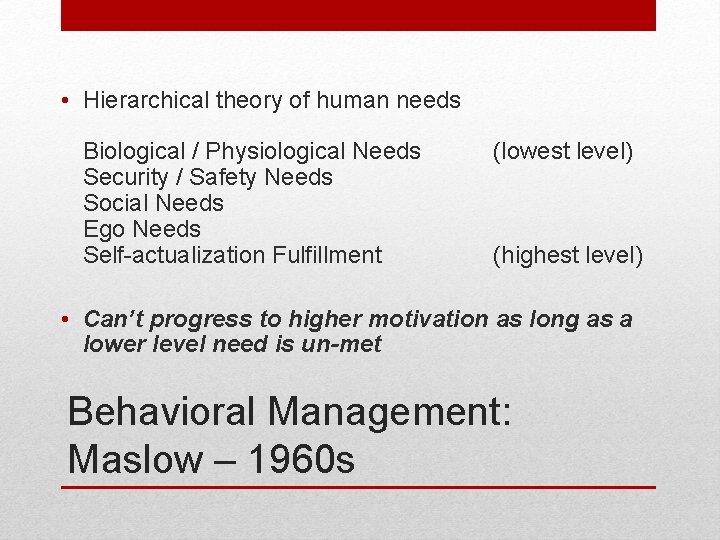
• Hierarchical theory of human needs Biological / Physiological Needs Security / Safety Needs Social Needs Ego Needs Self-actualization Fulfillment (lowest level) (highest level) • Can’t progress to higher motivation as long as a lower level need is un-met Behavioral Management: Maslow – 1960 s
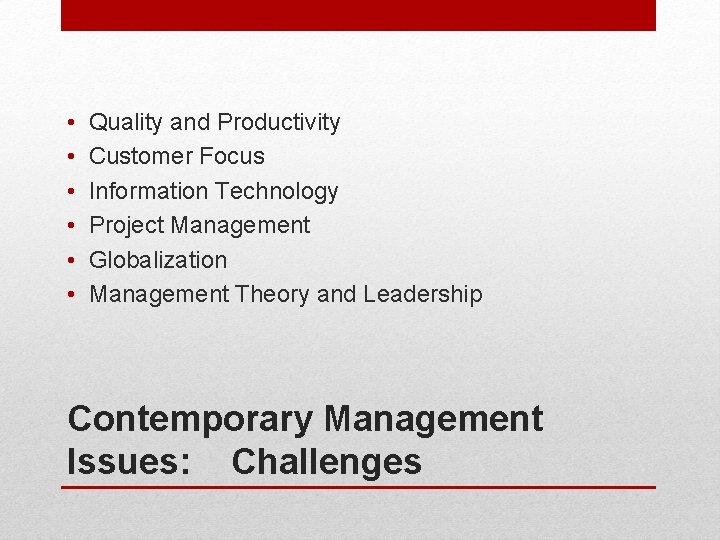
• • • Quality and Productivity Customer Focus Information Technology Project Management Globalization Management Theory and Leadership Contemporary Management Issues: Challenges
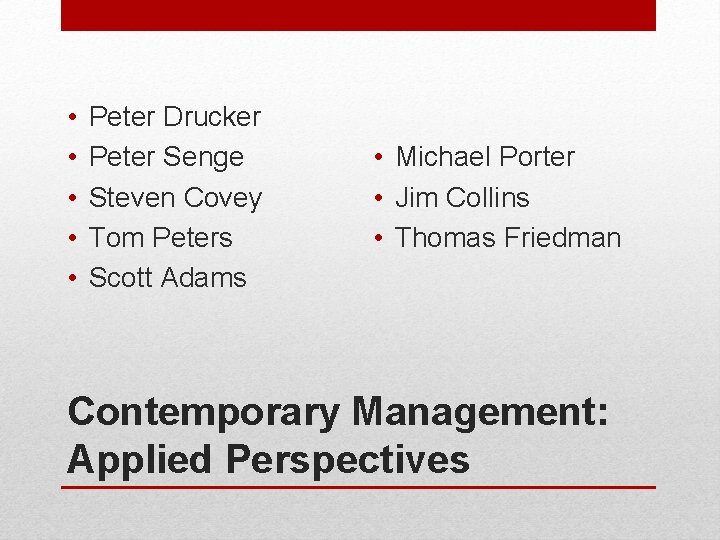
• • • Peter Drucker Peter Senge Steven Covey Tom Peters Scott Adams • Michael Porter • Jim Collins • Thomas Friedman Contemporary Management: Applied Perspectives