
Identifying the Substance of the Gene Learning Objectives
Identifying the Substance of the Gene
Learning Objectives § Identify the clues that bacterial transformation yielded about the gene. § Explain the role bacterial viruses played in identifying genetic material. § Describe the role of DNA in heredity.

Griffith’s Experiments Live S strain
Avery’s Experiments Scientists discovered that the nucleic acid DNA stores and transmits genetic information from one generation of bacteria to the next.
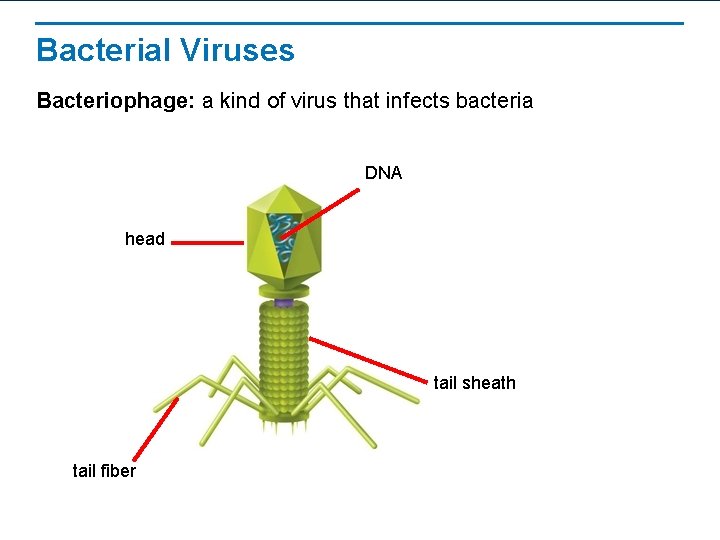
Bacterial Viruses Bacteriophage: a kind of virus that infects bacteria DNA head tail sheath tail fiber

Hershey-Chase Experiment Bacteriophage with phosphorus-32 in DNA Bacteriophage with sulfur-35 in protein coat Phage infects bacterium. Radioactivity inside bacterium Phage infects bacterium. No radioactivity inside bacterium
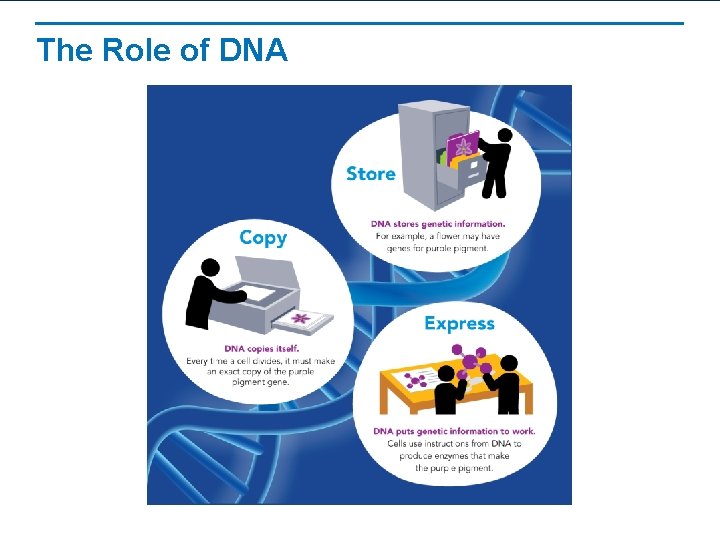
The Role of DNA
The Structure of DNA
Learning Objectives § Identify the chemical components of DNA. § Describe the clues that helped scientists determine the structure of DNA. § Explain what the double-helix model shows about DNA.
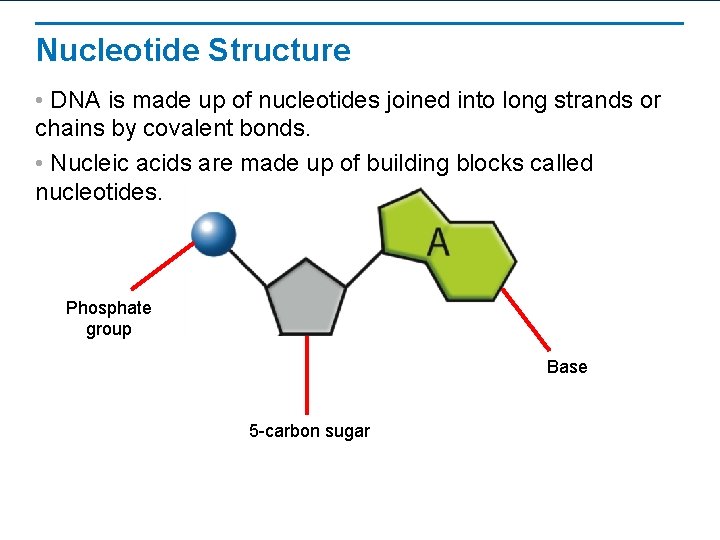
Nucleotide Structure • DNA is made up of nucleotides joined into long strands or chains by covalent bonds. • Nucleic acids are made up of building blocks called nucleotides. Phosphate group Base 5 -carbon sugar
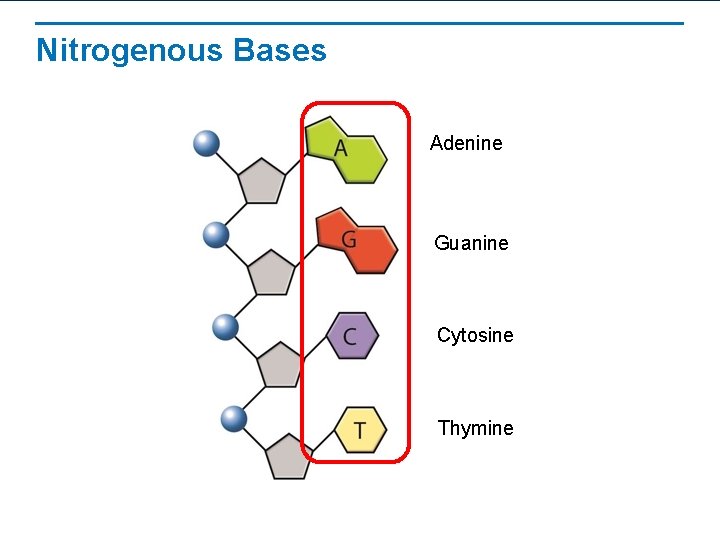
Nitrogenous Bases Adenine Guanine Cytosine Thymine
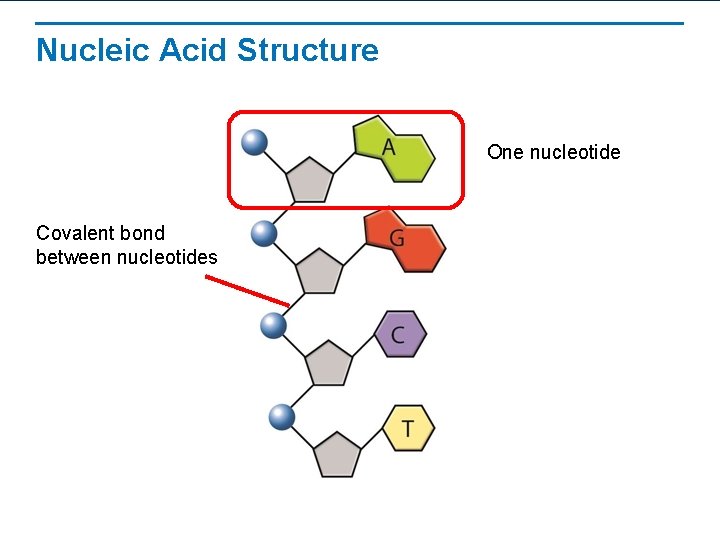
Nucleic Acid Structure One nucleotide Covalent bond between nucleotides
![Chargaff’s Rule [A] = [T] and [C] = [G]](http://slidetodoc.com/presentation_image_h2/f950191e6e98908652646aa4a265a26b/image-13.jpg "Chargaff’s Rule [A] = [T] and [C] = [G]")
Chargaff’s Rule [A] = [T] and [C] = [G]
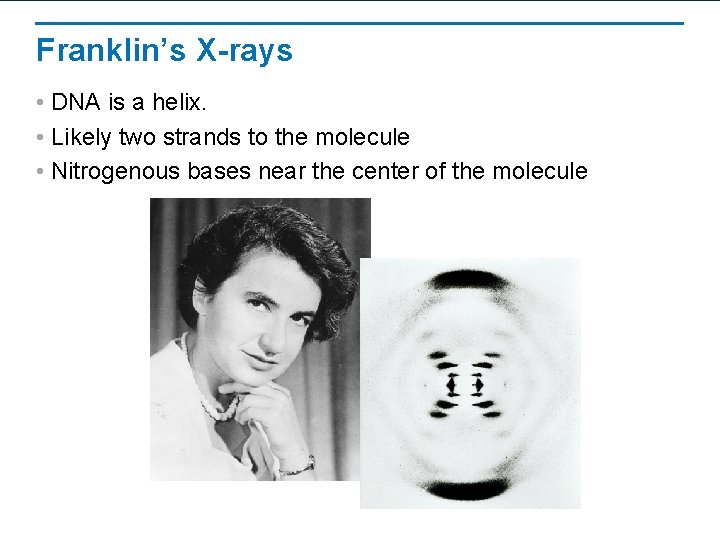
Franklin’s X-rays • DNA is a helix. • Likely two strands to the molecule • Nitrogenous bases near the center of the molecule
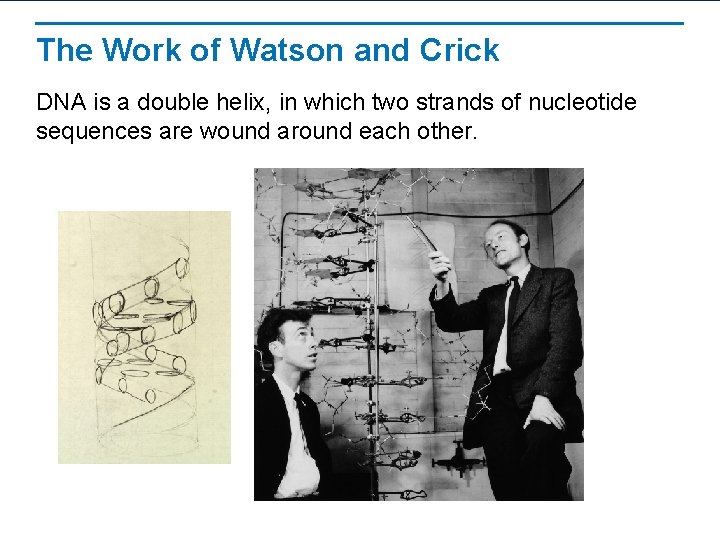
The Work of Watson and Crick DNA is a double helix, in which two strands of nucleotide sequences are wound around each other.
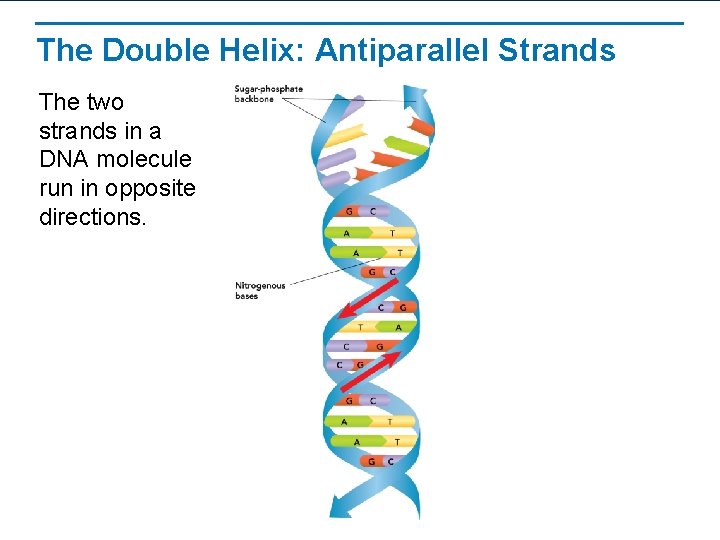
The Double Helix: Antiparallel Strands The two strands in a DNA molecule run in opposite directions.
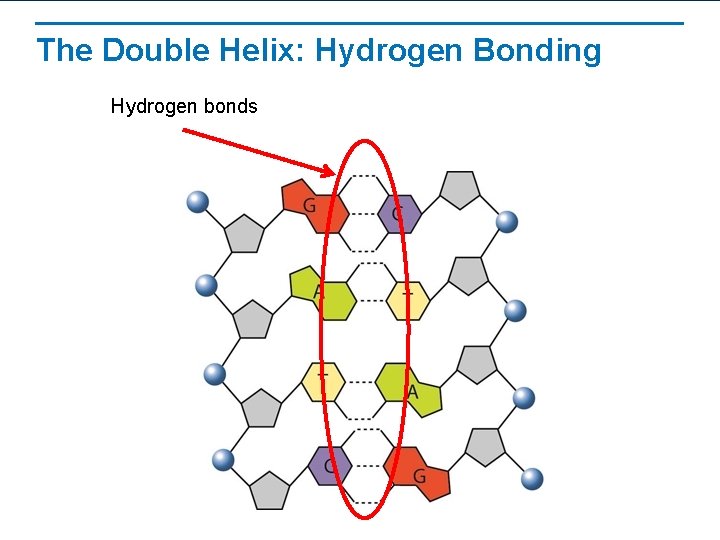
The Double Helix: Hydrogen Bonding Hydrogen bonds
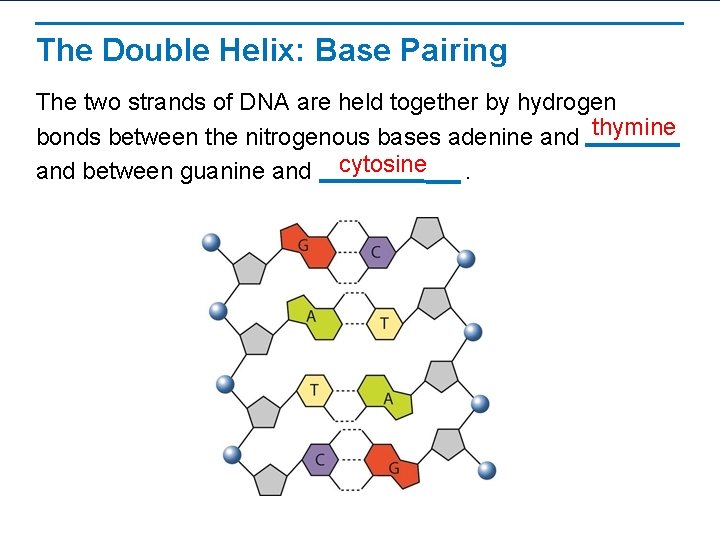
The Double Helix: Base Pairing The two strands of DNA are held together by hydrogen bonds between the nitrogenous bases adenine and thymine and between guanine and cytosine.
- Slides: 18