
Identification of animal images based on DNA Lior

Identification of animal images based on DNA Lior Wolf and Yoni Donner The School of Computer Science Tel-Aviv University
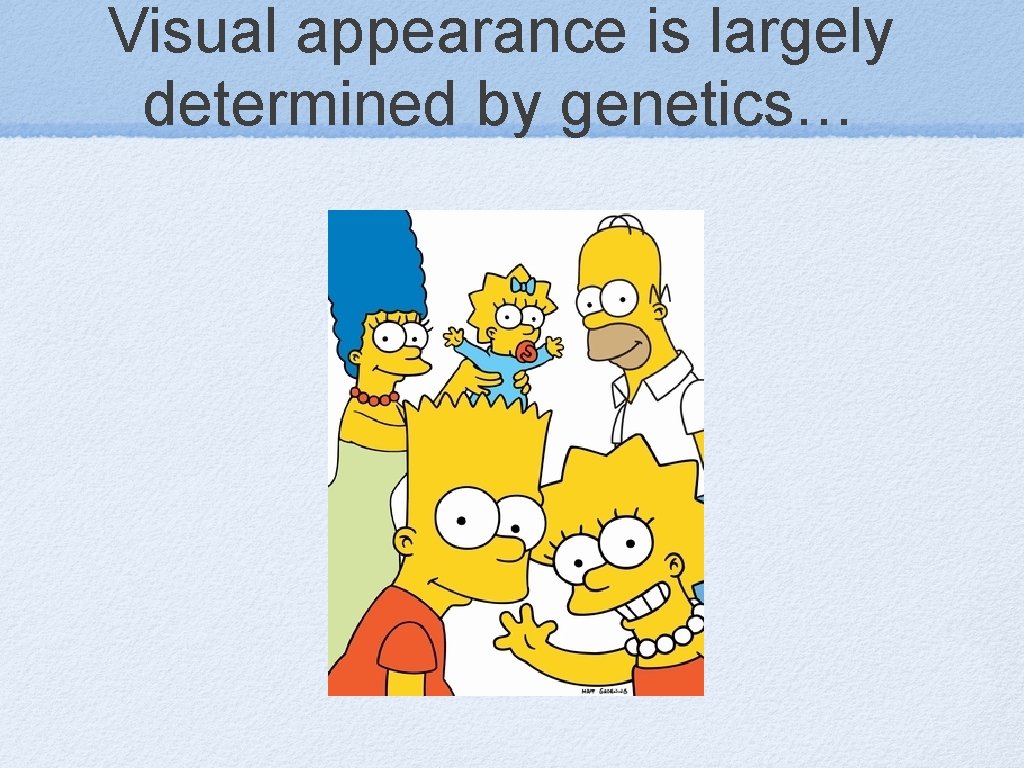
Visual appearance is largely determined by genetics…
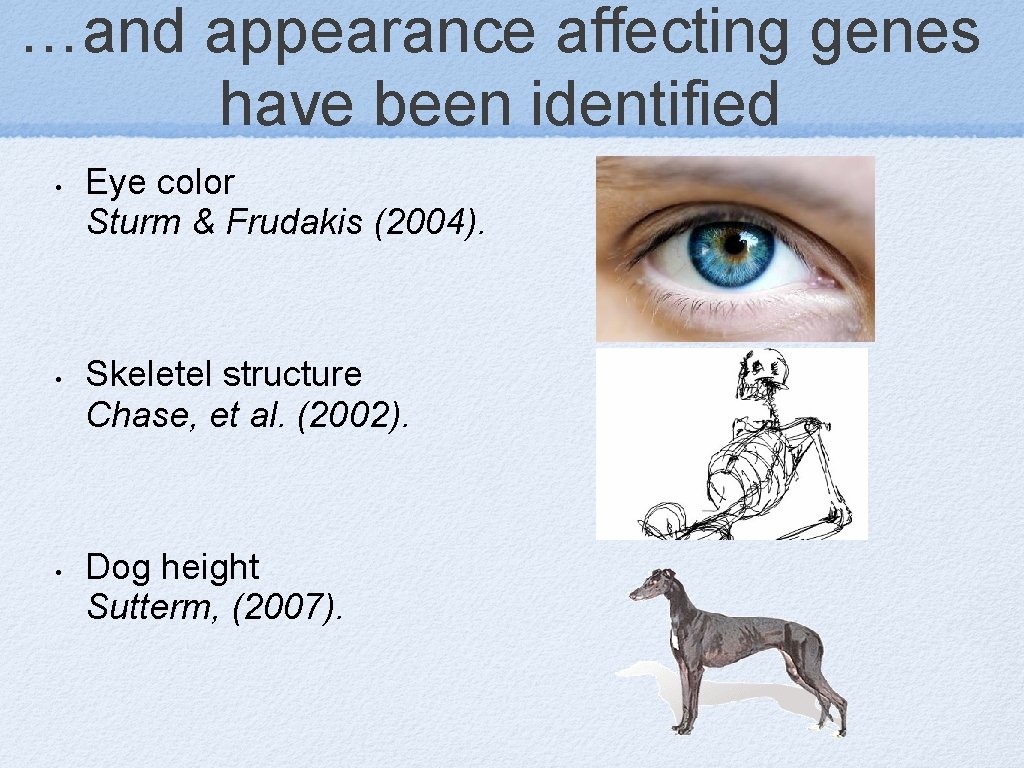
…and appearance affecting genes have been identified • • • Eye color Sturm & Frudakis (2004). Skeletel structure Chase, et al. (2002). Dog height Sutterm, (2007).
Our work is unique in the following ways: High Dimensional working directly with images Using very short 500 bp sequences Correlative links Not causal ones
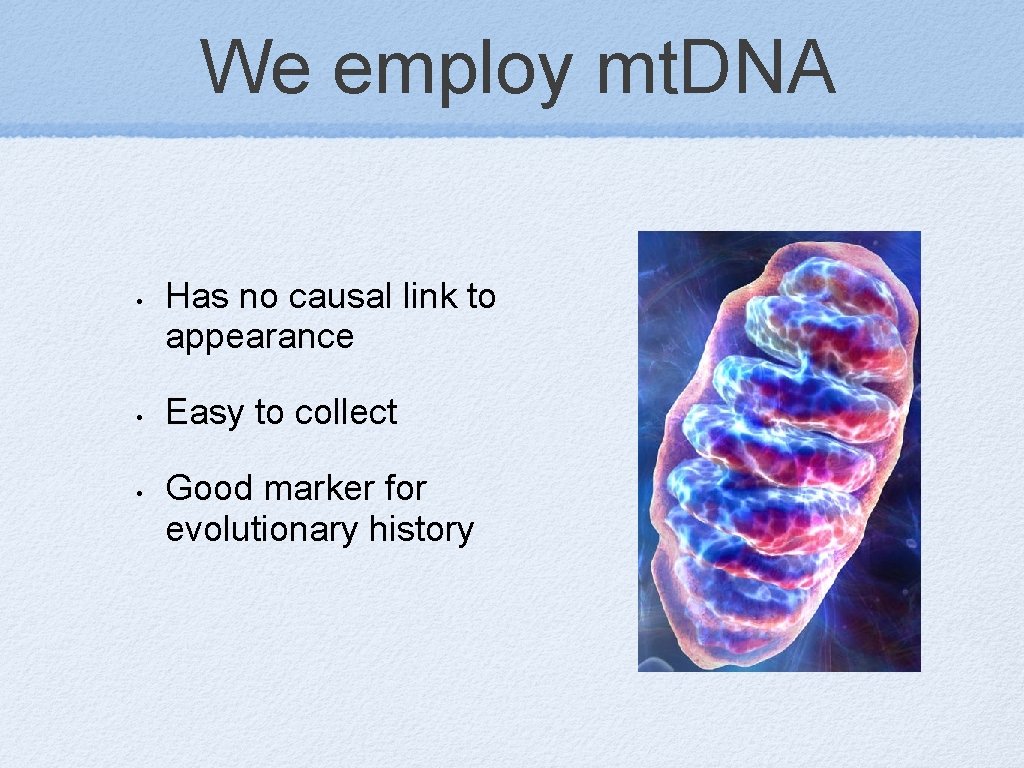
We employ mt. DNA • • • Has no causal link to appearance Easy to collect Good marker for evolutionary history
Tasks 1. Image synthesis given DNA (!) 2. Identification of the correct image given DNA
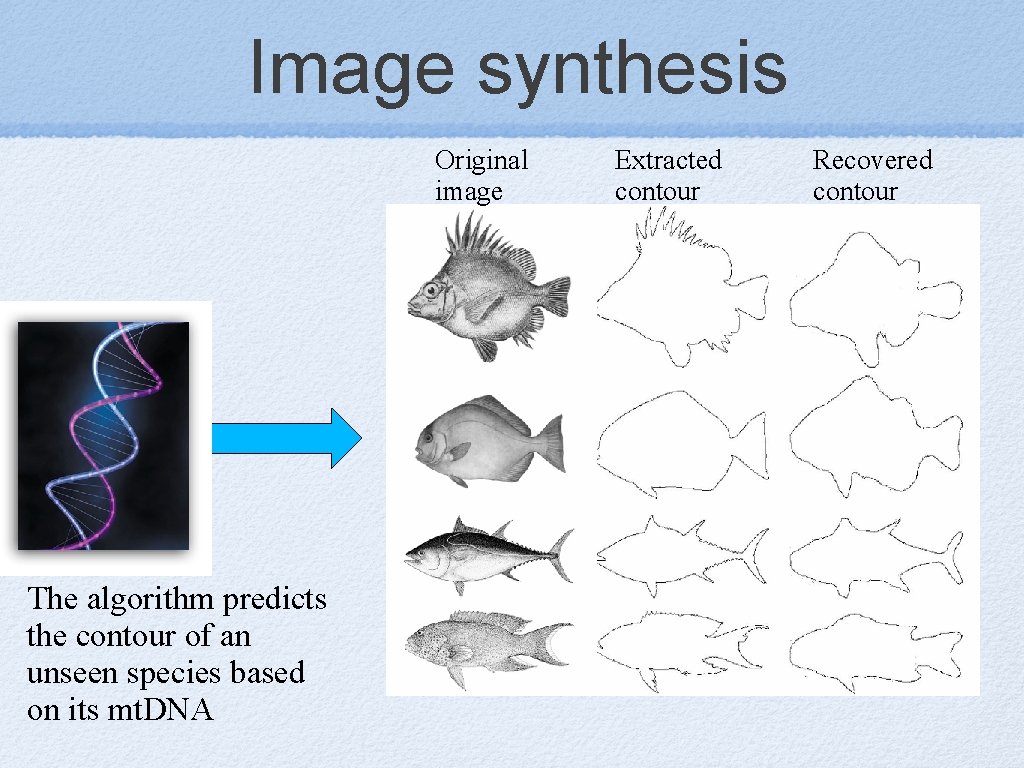
Image synthesis Original image The algorithm predicts the contour of an unseen species based on its mt. DNA Extracted contour Recovered contour
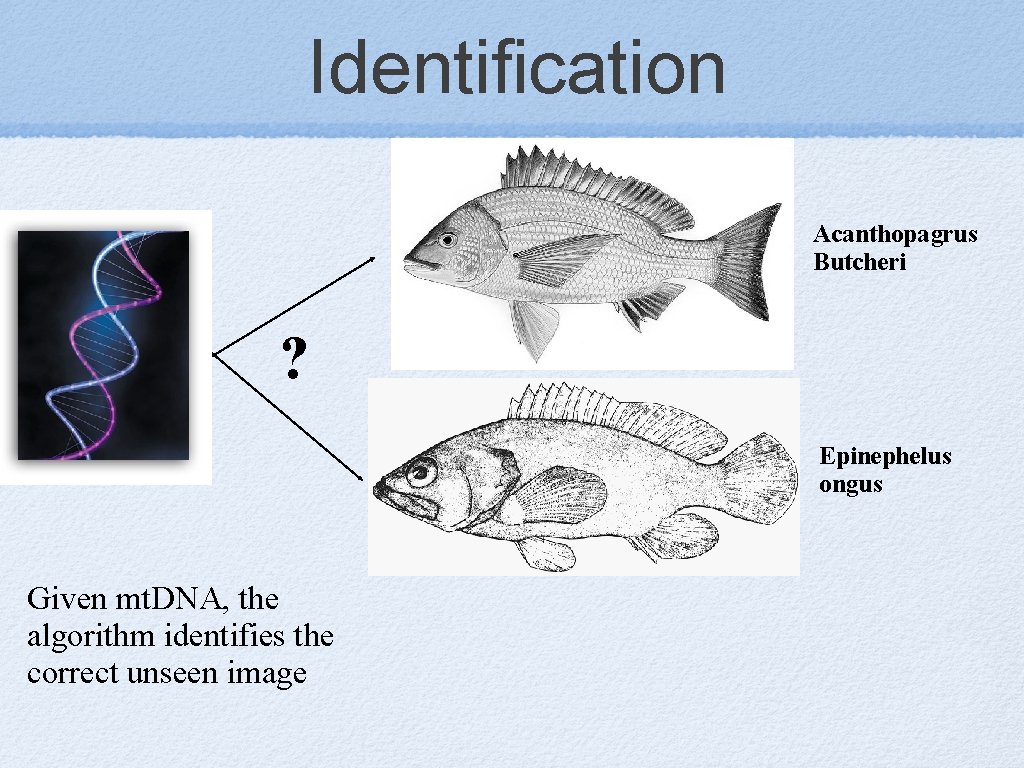
Identification Acanthopagrus Butcheri ? Epinephelus ongus Given mt. DNA, the algorithm identifies the correct unseen image
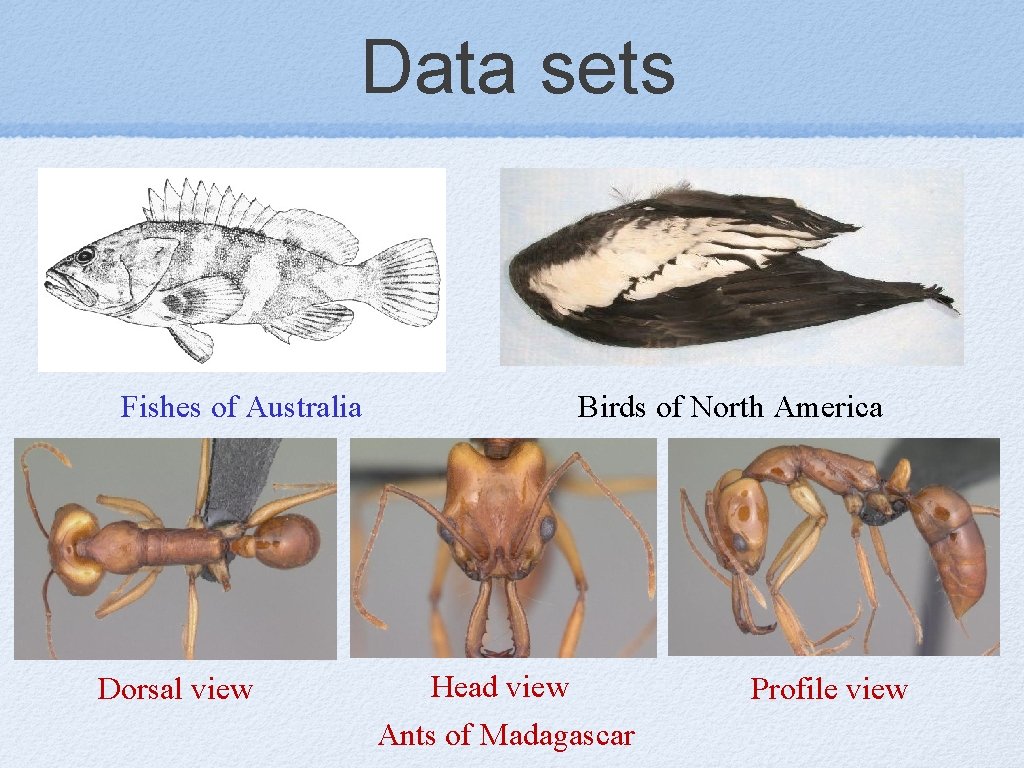
Data sets Fishes of Australia Dorsal view Birds of North America Head view Ants of Madagascar Profile view
Methods Three technical questions: 1. How do we represent the genetic sequences? Simple intuitive vector representation 2. How do we represent the images? Well known techniques: Bag of SIFT or C 1 3. How do we learn the connections? Regularized CCA
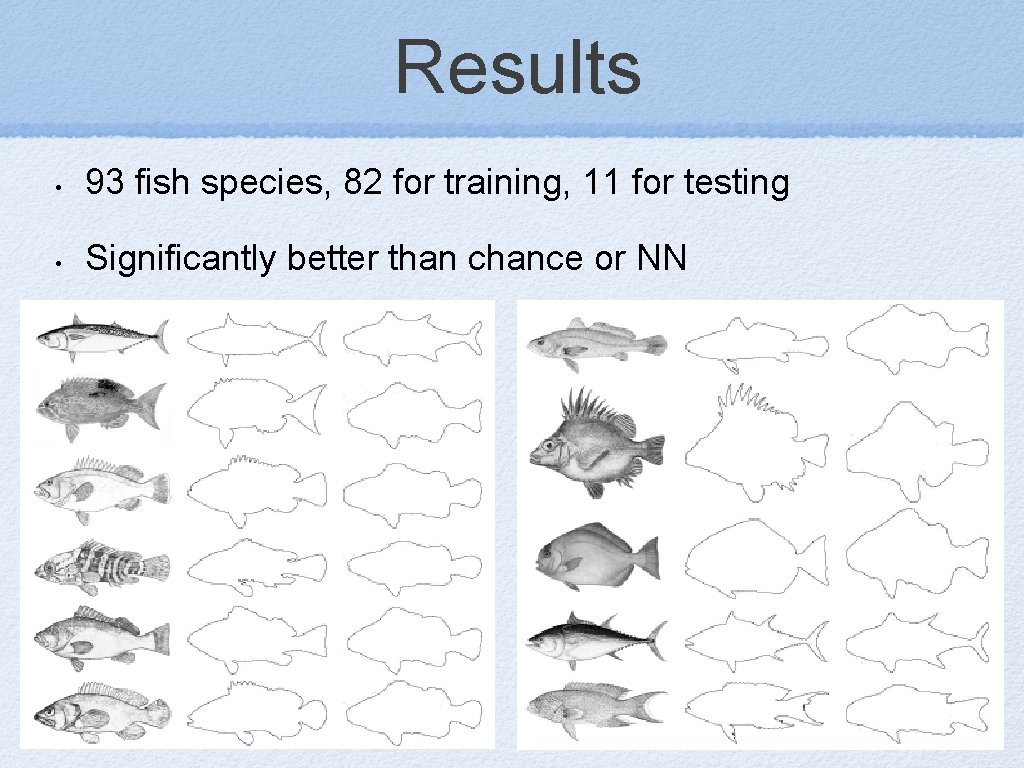
Results • 93 fish species, 82 for training, 11 for testing • Significantly better than chance or NN
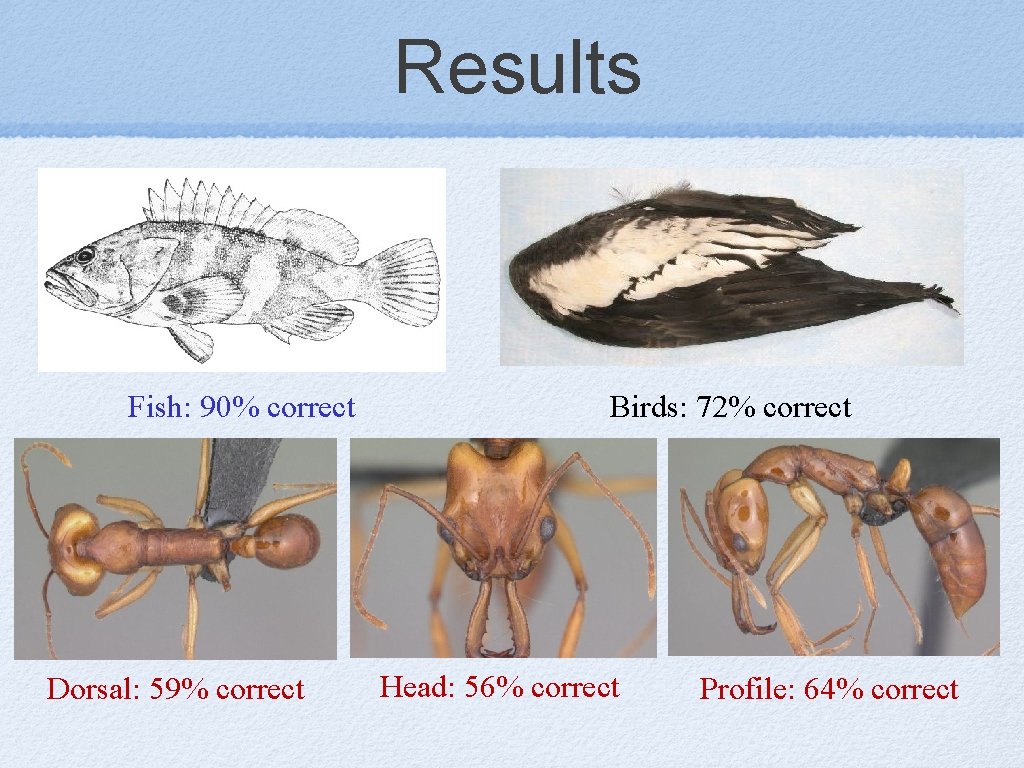
Results Fish: 90% correct Dorsal: 59% correct Birds: 72% correct Head: 56% correct Profile: 64% correct
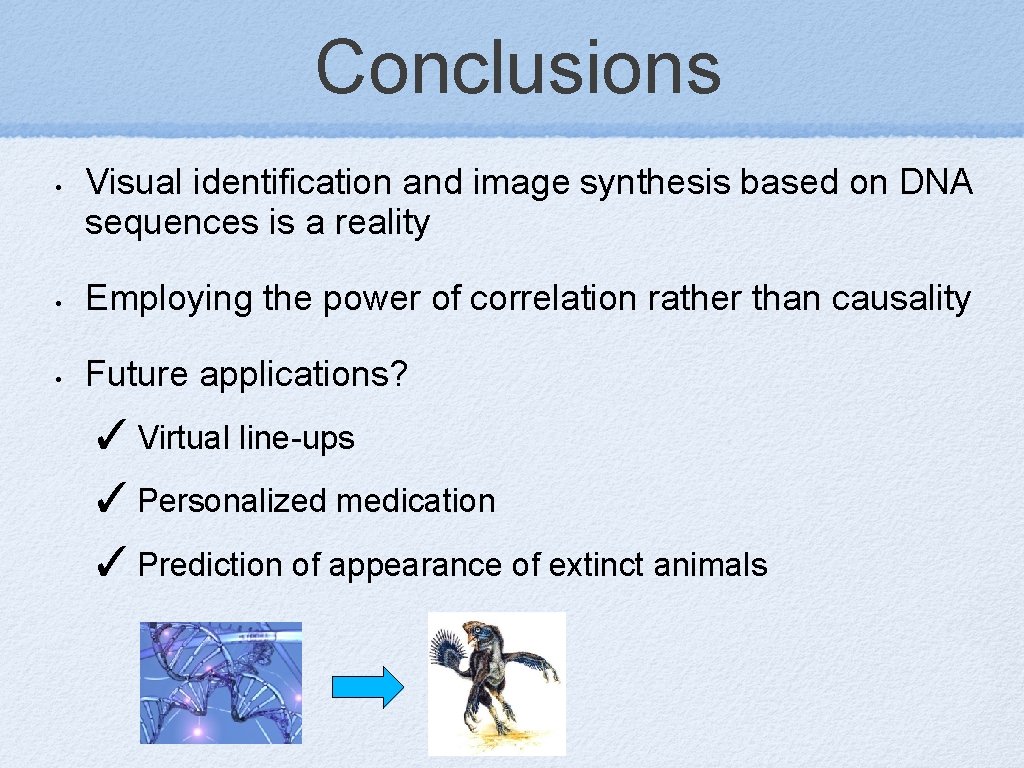
Conclusions • Visual identification and image synthesis based on DNA sequences is a reality • Employing the power of correlation rather than causality • Future applications? ✓ Virtual line-ups ✓ Personalized medication ✓ Prediction of appearance of extinct animals
- Slides: 13