
Ice cover during the Last Glacial Maximum LGM

- Slides: 8
Ice cover during the Last Glacial Maximum (LGM) Source: http: //www. ncdc. noaa. gov/paleo/slideset/11/11_178_slide. html
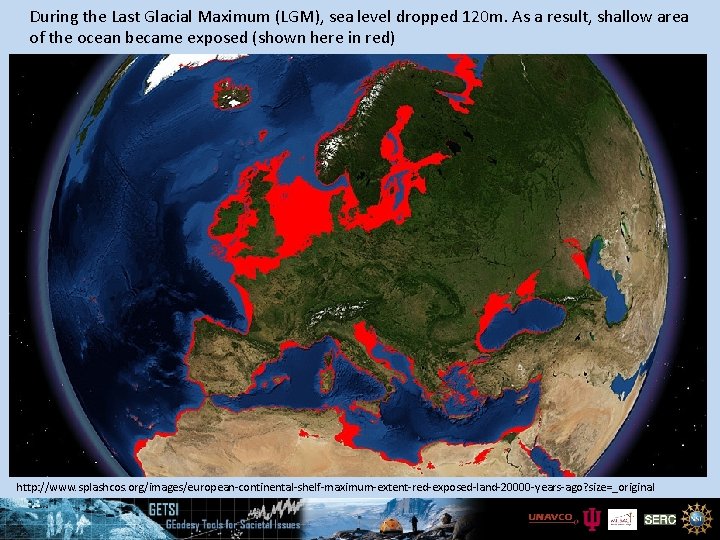
During the Last Glacial Maximum (LGM), sea level dropped 120 m. As a result, shallow area of the ocean became exposed (shown here in red) http: //www. splashcos. org/images/european-continental-shelf-maximum-extent-red-exposed-land-20000 -years-ago? size=_original
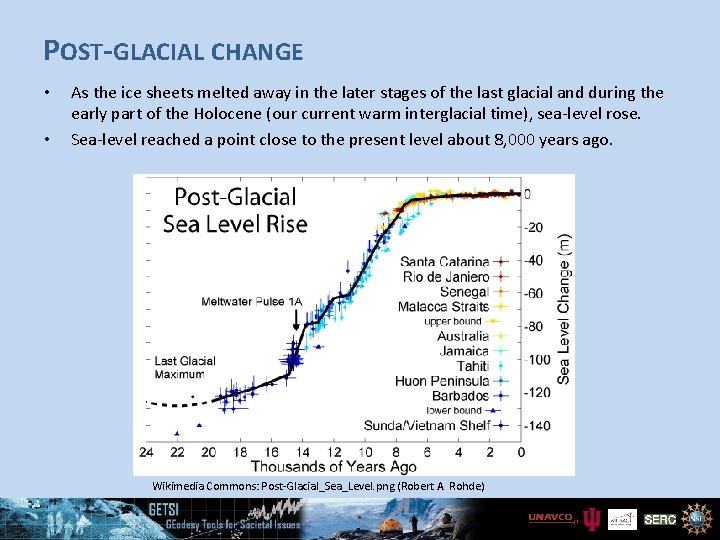
POST-GLACIAL CHANGE • • As the ice sheets melted away in the later stages of the last glacial and during the early part of the Holocene (our current warm interglacial time), sea-level rose. Sea-level reached a point close to the present level about 8, 000 years ago. Wikimedia Commons: Post-Glacial_Sea_Level. png (Robert A. Rohde)
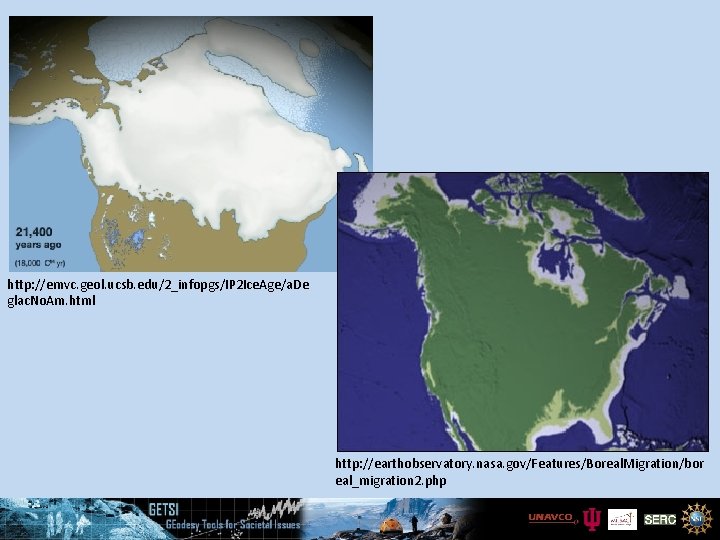
http: //emvc. geol. ucsb. edu/2_infopgs/IP 2 Ice. Age/a. De glac. No. Am. html http: //earthobservatory. nasa. gov/Features/Boreal. Migration/bor eal_migration 2. php
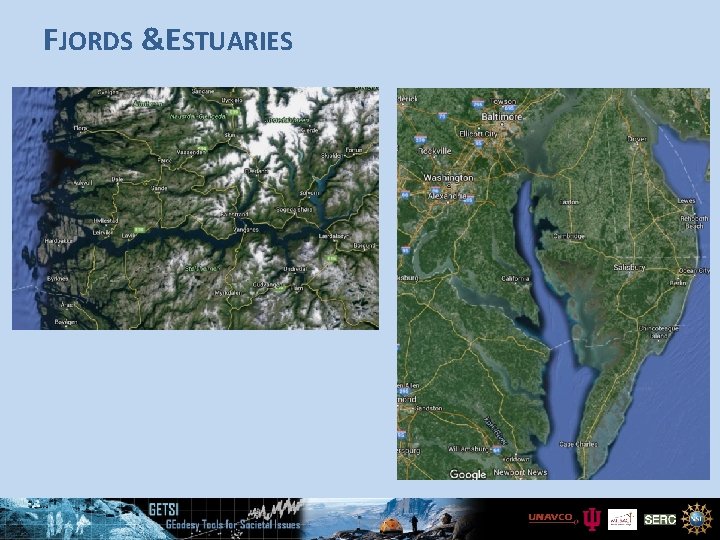
FJORDS &ESTUARIES
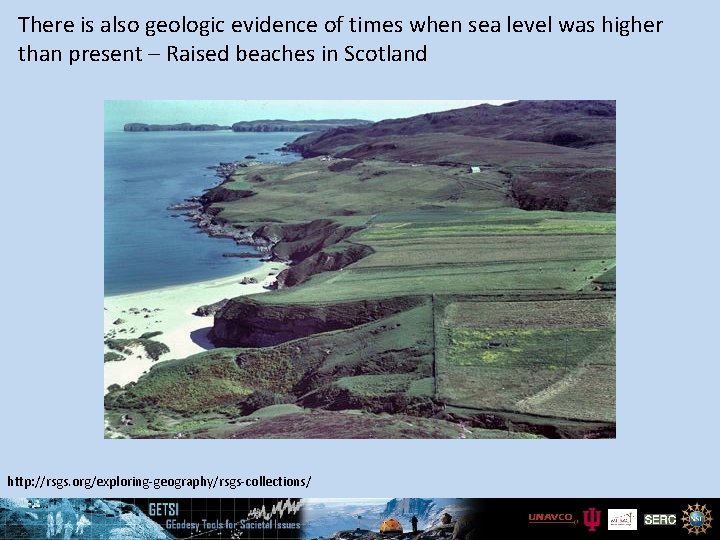
There is also geologic evidence of times when sea level was higher than present – Raised beaches in Scotland http: //rsgs. org/exploring-geography/rsgs-collections/
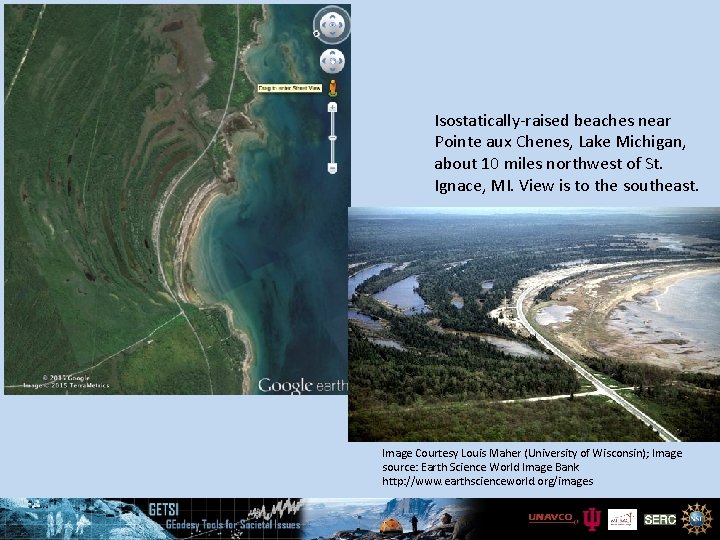
Isostatically-raised beaches near Pointe aux Chenes, Lake Michigan, about 10 miles northwest of St. Ignace, MI. View is to the southeast. Image Courtesy Louis Maher (University of Wisconsin); Image source: Earth Science World Image Bank http: //www. earthscienceworld. org/images
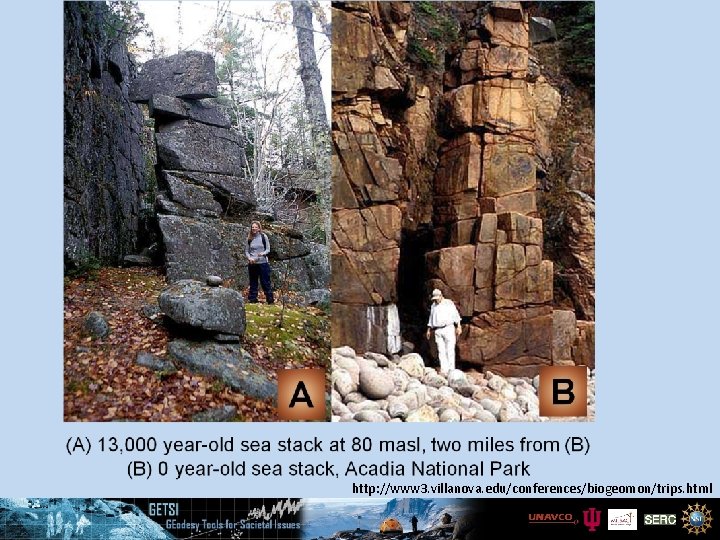
http: //www 3. villanova. edu/conferences/biogeomon/trips. html