
IBS Dr Matt W Johnson BSc MBBS MRCP
IBS Dr. Matt W. Johnson BSc MBBS MRCP MD 1
L&D 2
Graham Holland’s ‘the optimism and the frustration of living in a metropolis’ 3
IBS is a Diagnosis of Exclusion. . . or is it ? If in doubt go see your local Shamen……. . occasionally they come to see you 4

5
British Society of Gastroenterology Guidelines 2000 6
IBS • 9 -12% of adult population • 40 -60% of all Gastro OPA referrals • 1 M : 2. 5 F • Aetiology – – – – Psychological (Increased incidence of Psych Hx) Stress (ppt in 50%) Post infective (ppt in 10 -20%) Consulting behaviour / Abnormal illness behaviour Gut motility (no consistent evidence) Visceral hypersensitivity Diet (lactose + wheat intolerance) 7
IBS • Rome Criteria 3 • 3 m of Abdominal Pain / Discomfort • Associated with 2 of 3 – Altered frequency – Altered consistency – Improves with defaecation 8
IBS - Associated symptoms • • • Tiredness / lethargy Poor sleep Backpain Fybromyalgia Urinary urgency and frequency Dysguesia - Unpleasant taste in mouth 9
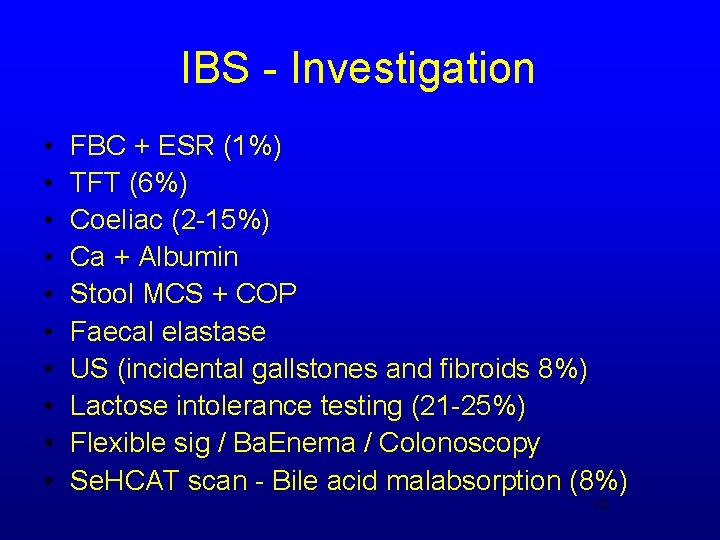
IBS - Investigation • • • FBC + ESR (1%) TFT (6%) Coeliac (2 -15%) Ca + Albumin Stool MCS + COP Faecal elastase US (incidental gallstones and fibroids 8%) Lactose intolerance testing (21 -25%) Flexible sig / Ba. Enema / Colonoscopy Se. HCAT scan - Bile acid malabsorption (8%) 10
Gastro Psychiatrist 11
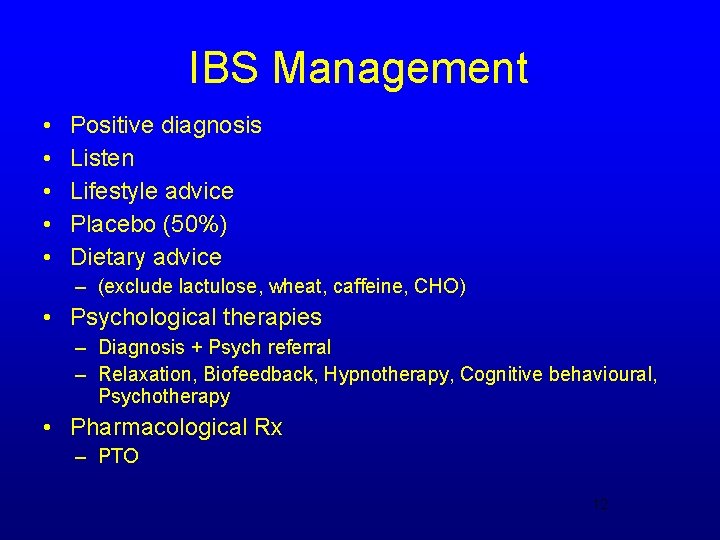
IBS Management • • • Positive diagnosis Listen Lifestyle advice Placebo (50%) Dietary advice – (exclude lactulose, wheat, caffeine, CHO) • Psychological therapies – Diagnosis + Psych referral – Relaxation, Biofeedback, Hypnotherapy, Cognitive behavioural, Psychotherapy • Pharmacological Rx – PTO 12
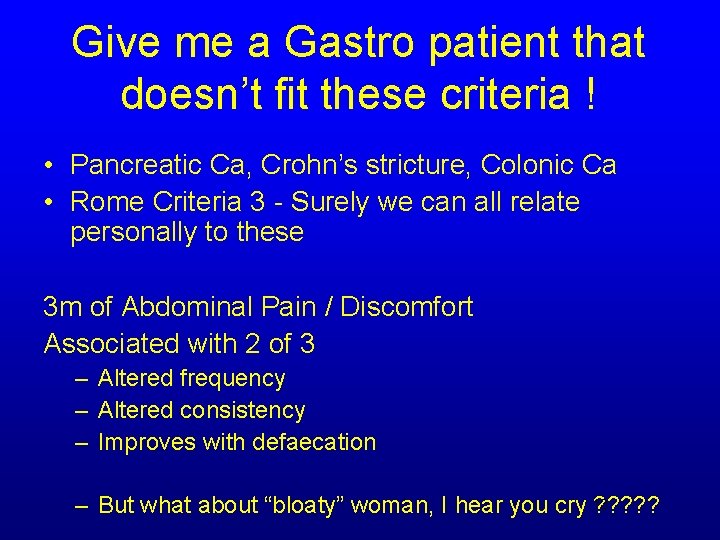
Give me a Gastro patient that doesn’t fit these criteria ! • Pancreatic Ca, Crohn’s stricture, Colonic Ca • Rome Criteria 3 - Surely we can all relate personally to these 3 m of Abdominal Pain / Discomfort Associated with 2 of 3 – Altered frequency – Altered consistency – Improves with defaecation – But what about “bloaty” woman, I hear you cry 13 ? ? ?
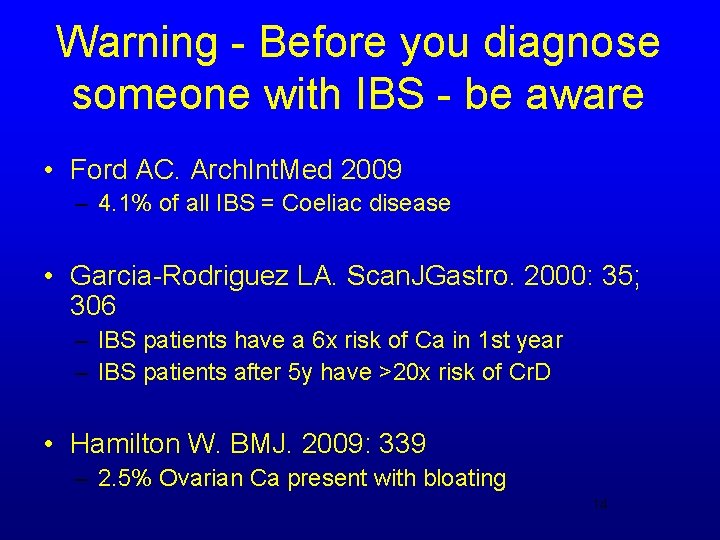
Warning - Before you diagnose someone with IBS - be aware • Ford AC. Arch. Int. Med 2009 – 4. 1% of all IBS = Coeliac disease • Garcia-Rodriguez LA. Scan. JGastro. 2000: 35; 306 – IBS patients have a 6 x risk of Ca in 1 st year – IBS patients after 5 y have >20 x risk of Cr. D • Hamilton W. BMJ. 2009: 339 – 2. 5% Ovarian Ca present with bloating 14
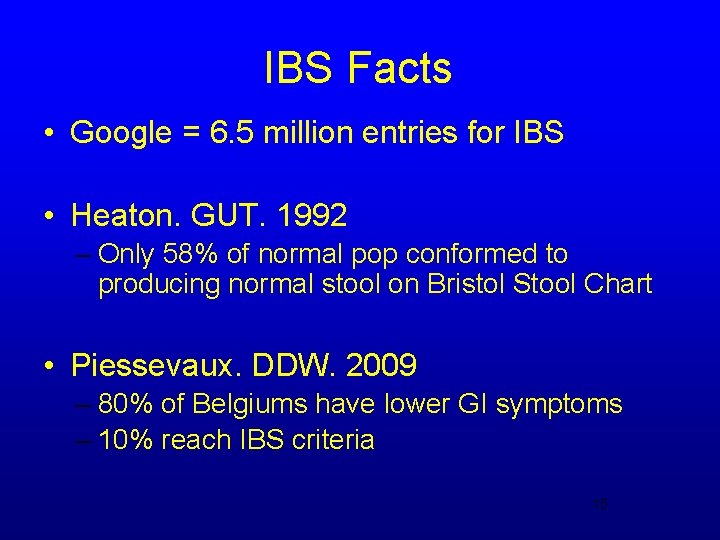
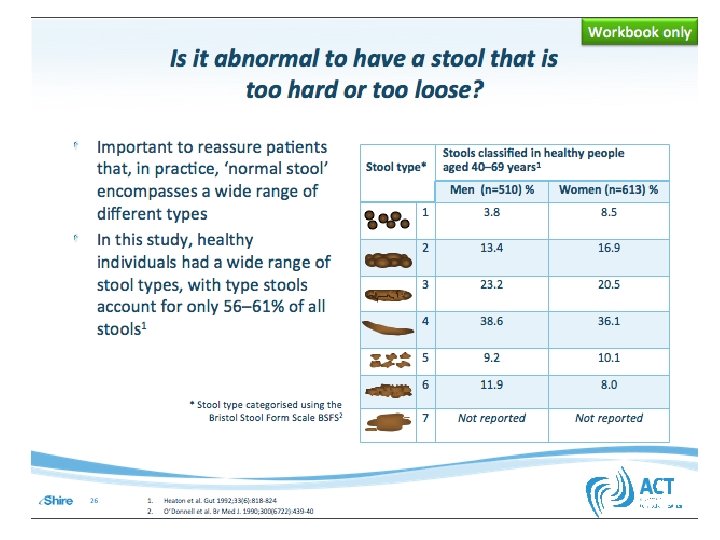
IBS Facts • Google = 6. 5 million entries for IBS • Heaton. GUT. 1992 – Only 58% of normal pop conformed to producing normal stool on Bristol Stool Chart • Piessevaux. DDW. 2009 – 80% of Belgiums have lower GI symptoms – 10% reach IBS criteria 15
New IBS referral What does it mean to me? • Could be anything gastroenterological, that hasn’t yet been given a label 16
IBS - Is there better terminology to explain what we mean? • Non-organic disorder or • Functional bowel symptoms (FBS) – My preference 17
The Secret of Treating IBS / Functional Bowel Syndrome “Don’t treat the symptoms - Treat the root cause” 18
Functional Bowel Syndrome What are the main symptoms • 1) Chronic Diarrhoea (rare) • 2) Classic Constipation • 3) Constipation Cycle Functional Bowel Syndrome (C-IBS) – Diverticulosis, Coeliac – Right sided faecal loading • 4) Pain – Faecal loading (Left Vs Right or Pan-colonic) – Bloating / Aerophagia • 5) Bloating 19
1) Chronic Diarrhoea 20
Probably not the healthiest curry house in town 21
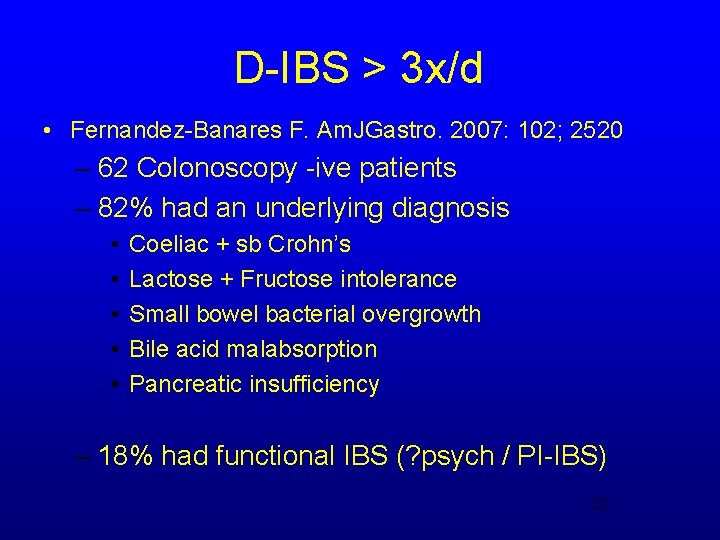
D-IBS > 3 x/d • Fernandez-Banares F. Am. JGastro. 2007: 102; 2520 – 62 Colonoscopy -ive patients – 82% had an underlying diagnosis • • • Coeliac + sb Crohn’s Lactose + Fructose intolerance Small bowel bacterial overgrowth Bile acid malabsorption Pancreatic insufficiency – 18% had functional IBS (? psych / PI-IBS) 22
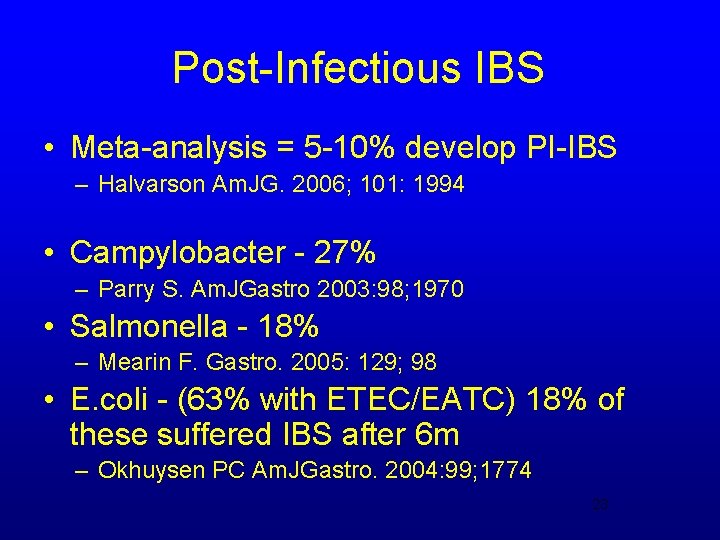
Post-Infectious IBS • Meta-analysis = 5 -10% develop PI-IBS – Halvarson Am. JG. 2006; 101: 1994 • Campylobacter - 27% – Parry S. Am. JGastro 2003: 98; 1970 • Salmonella - 18% – Mearin F. Gastro. 2005: 129; 98 • E. coli - (63% with ETEC/EATC) 18% of these suffered IBS after 6 m – Okhuysen PC Am. JGastro. 2004: 99; 1774 23
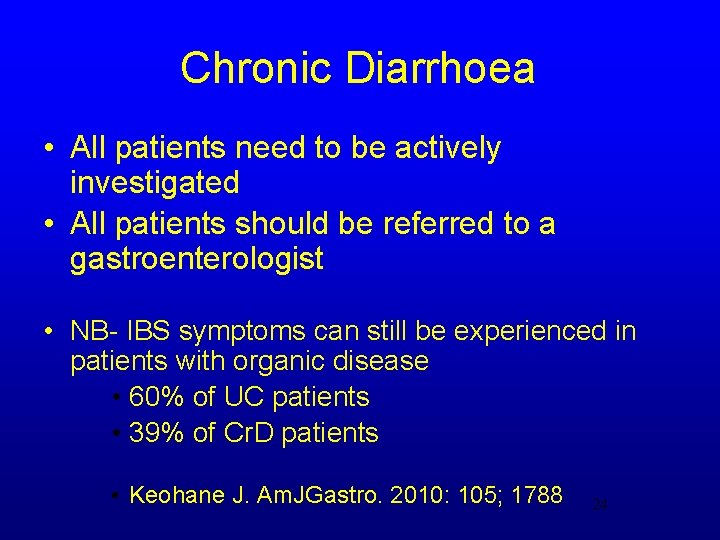
Chronic Diarrhoea • All patients need to be actively investigated • All patients should be referred to a gastroenterologist • NB- IBS symptoms can still be experienced in patients with organic disease • 60% of UC patients • 39% of Cr. D patients • Keohane J. Am. JGastro. 2010: 105; 1788 24
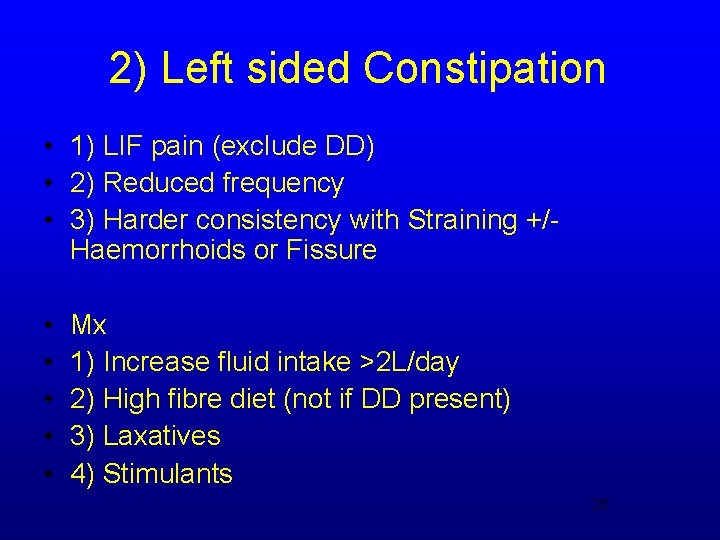
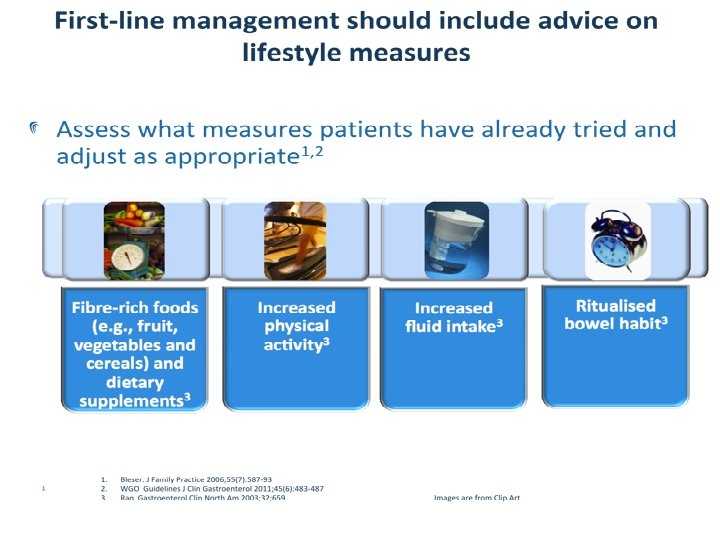
2) Left sided Constipation • 1) LIF pain (exclude DD) • 2) Reduced frequency • 3) Harder consistency with Straining +/Haemorrhoids or Fissure • • • Mx 1) Increase fluid intake >2 L/day 2) High fibre diet (not if DD present) 3) Laxatives 4) Stimulants 25
Some slides have be borrowed with kind regards to; Dr. Anton Emmanuel of and also to the SHIRE Team and the Advanced Constipation Training Course UK/BU/RES/11/0051 n 26 Date of preparation: September 2011
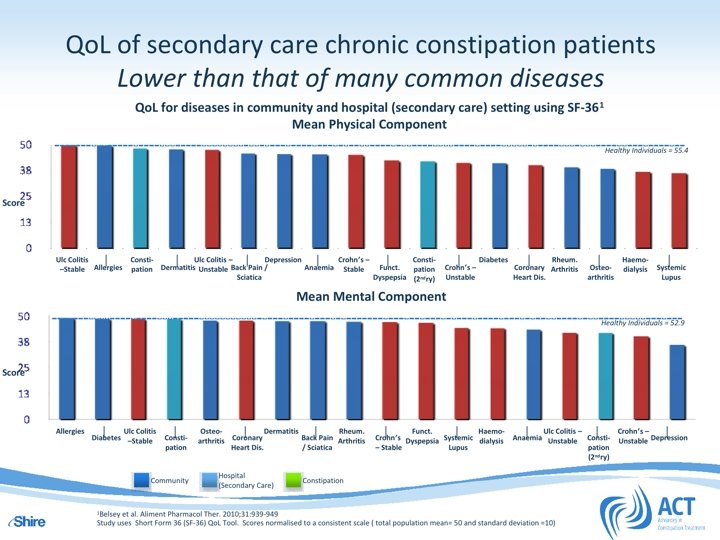
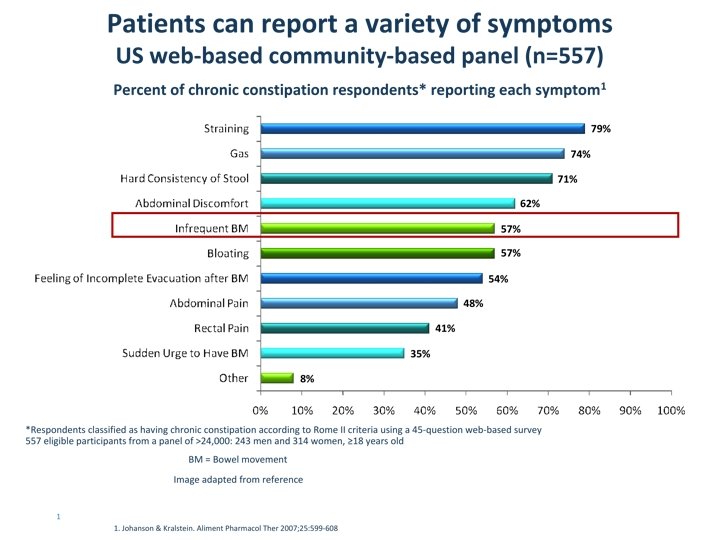
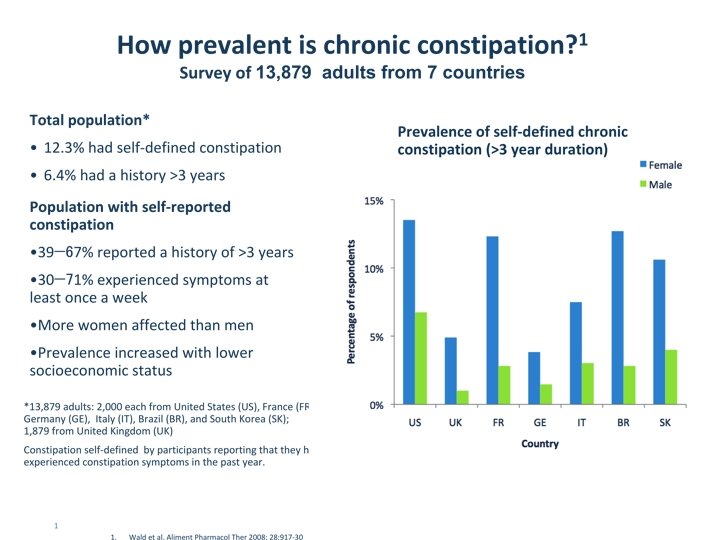
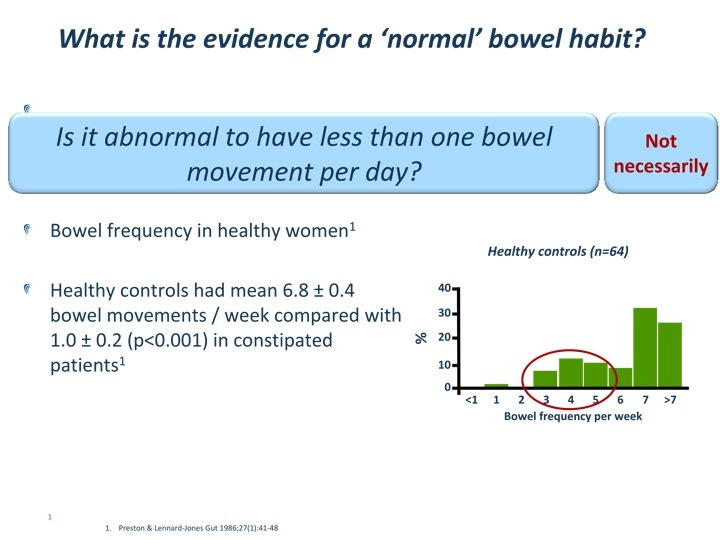
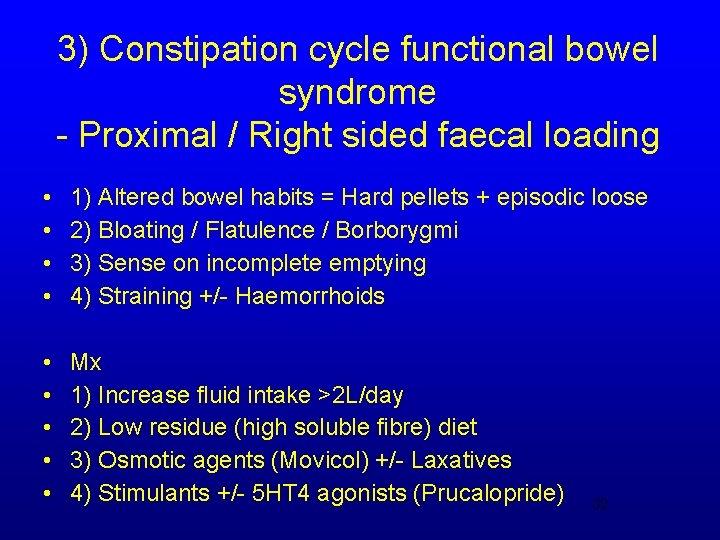
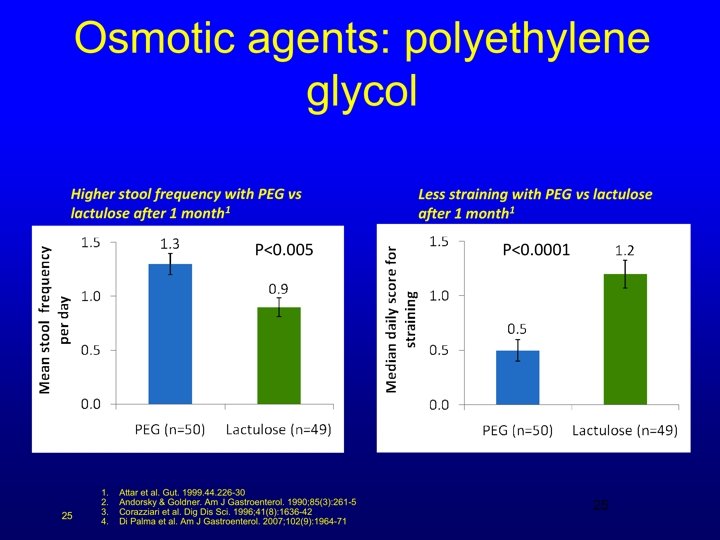
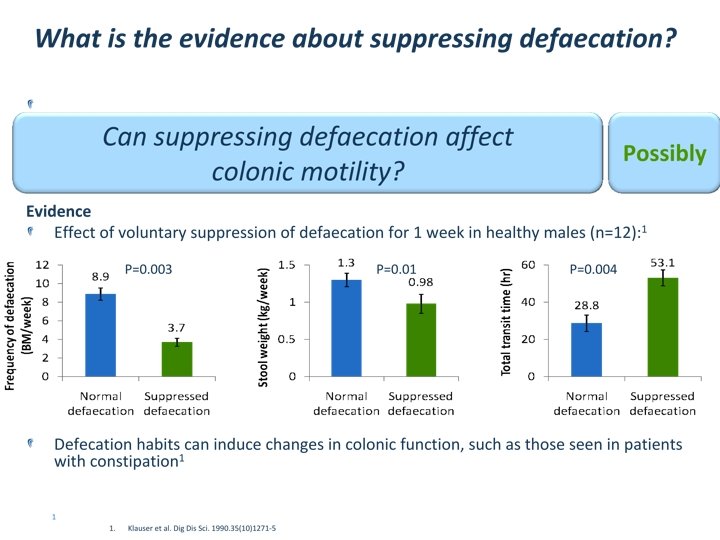
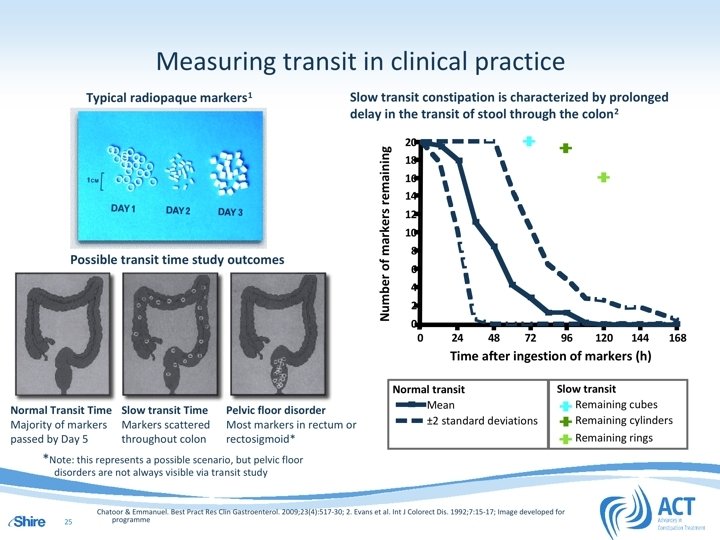
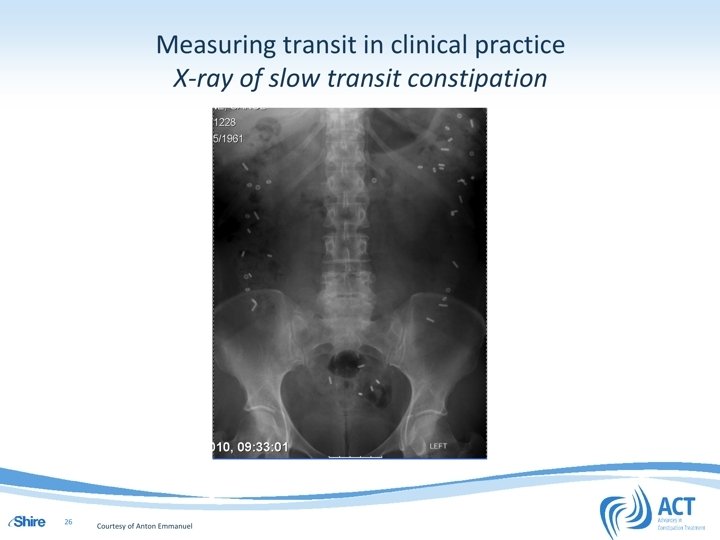
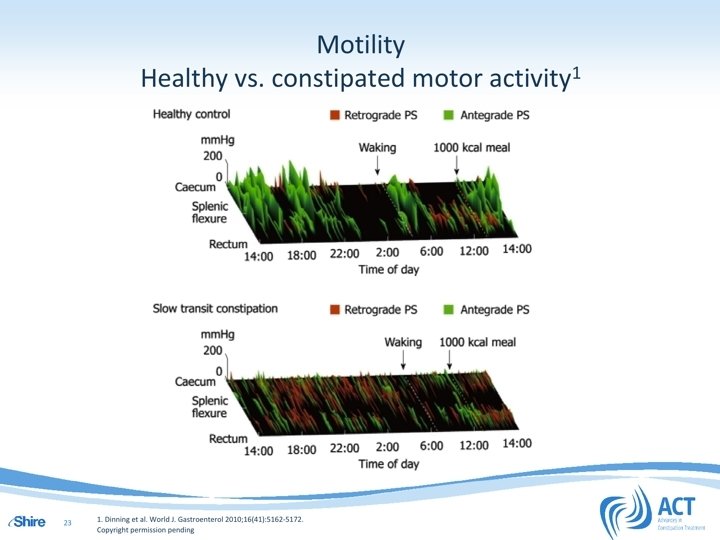
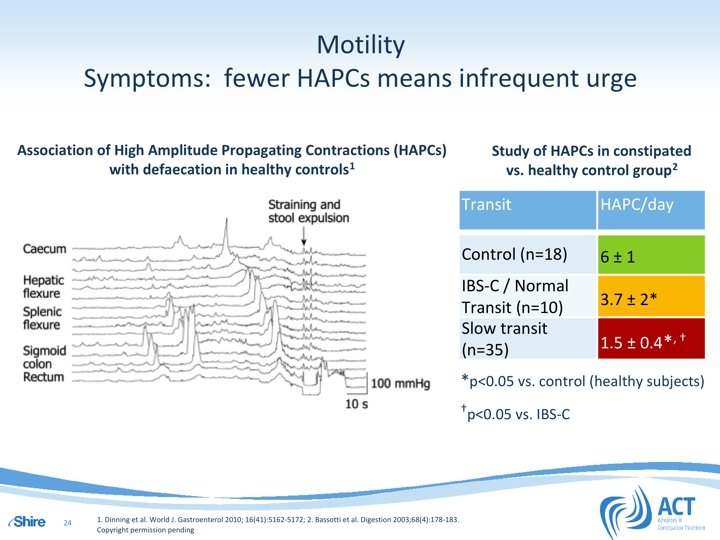
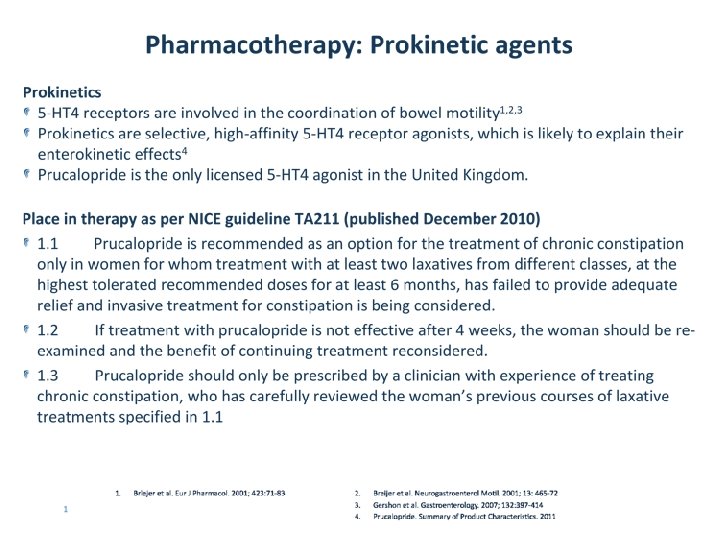
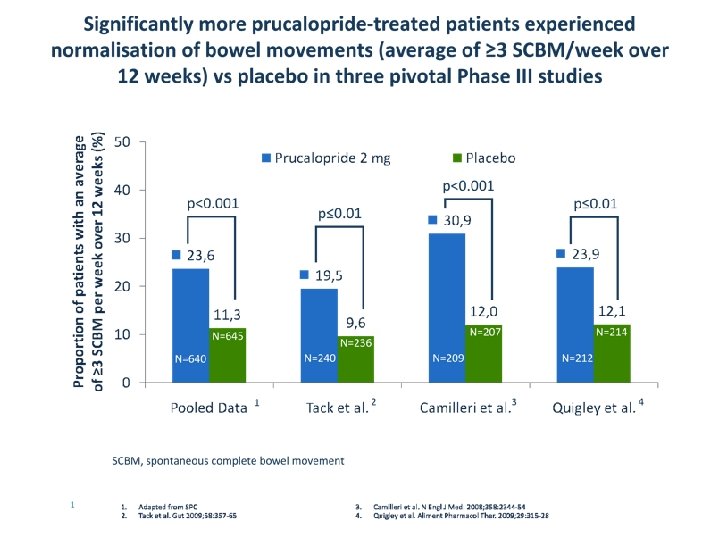
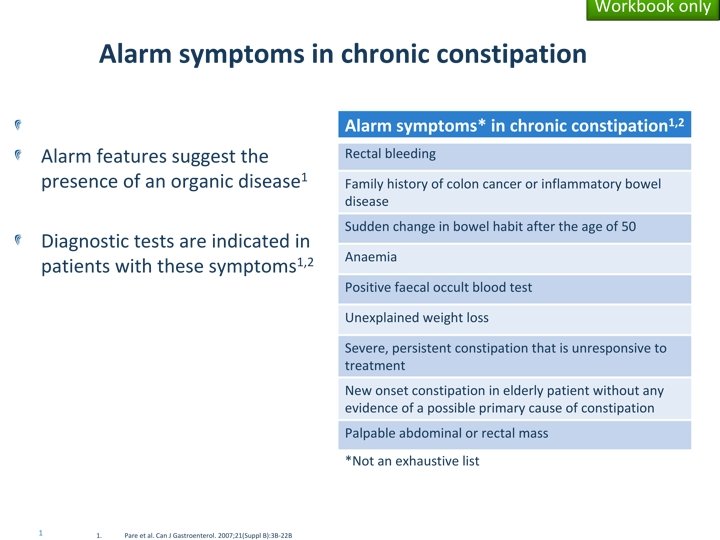
3) Constipation cycle functional bowel syndrome - Proximal / Right sided faecal loading • • 1) Altered bowel habits = Hard pellets + episodic loose 2) Bloating / Flatulence / Borborygmi 3) Sense on incomplete emptying 4) Straining +/- Haemorrhoids • • • Mx 1) Increase fluid intake >2 L/day 2) Low residue (high soluble fibre) diet 3) Osmotic agents (Movicol) +/- Laxatives 4) Stimulants +/- 5 HT 4 agonists (Prucalopride) 32
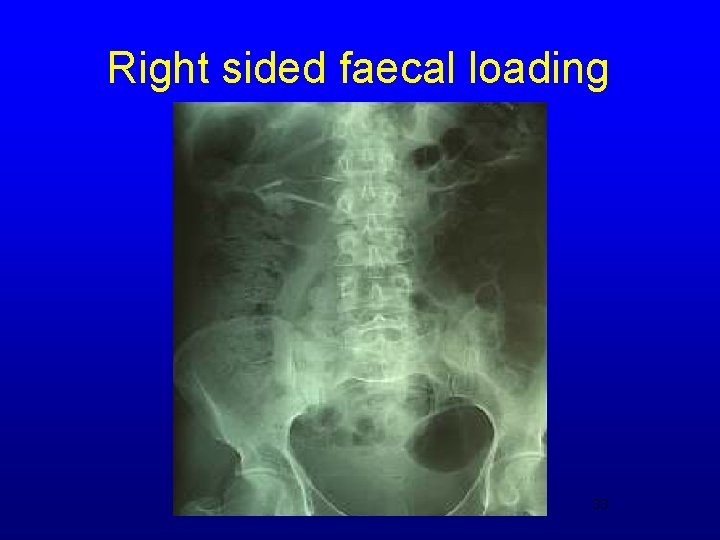
Right sided faecal loading 33
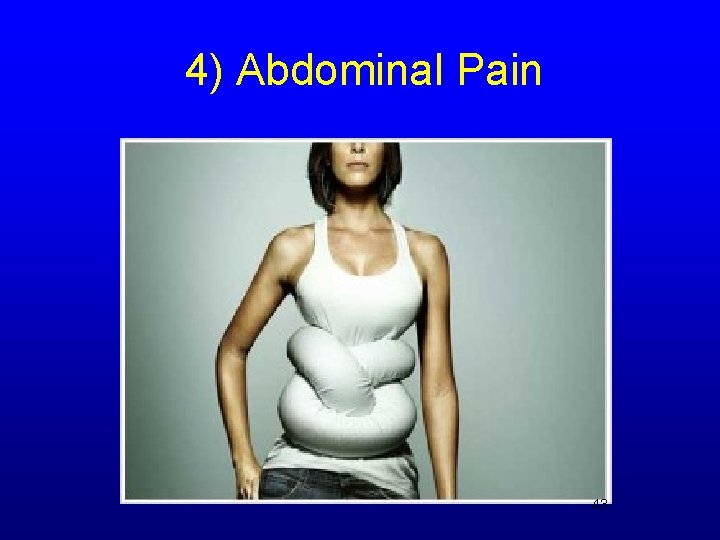
4) Abdominal Pain 43
Abdominal Pain • a) Faecal Loading – Left sided – Right sided – Pan-colonic • b) Diverticulosis • c) Bloating – Aerophagia 44
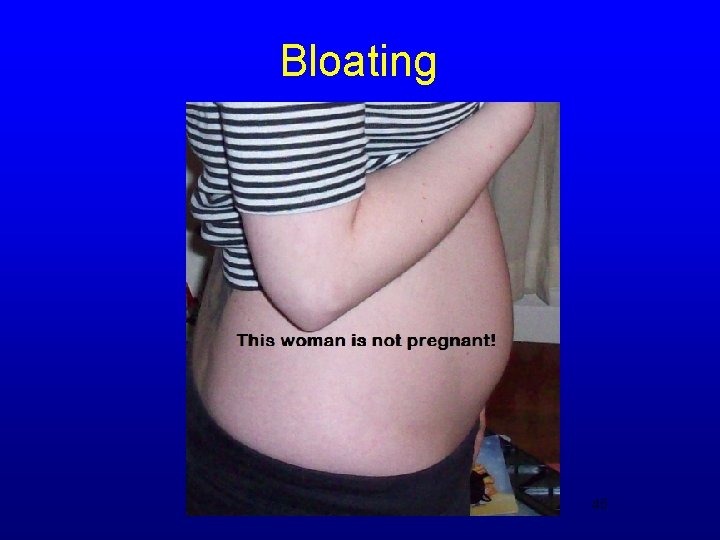
Bloating 45
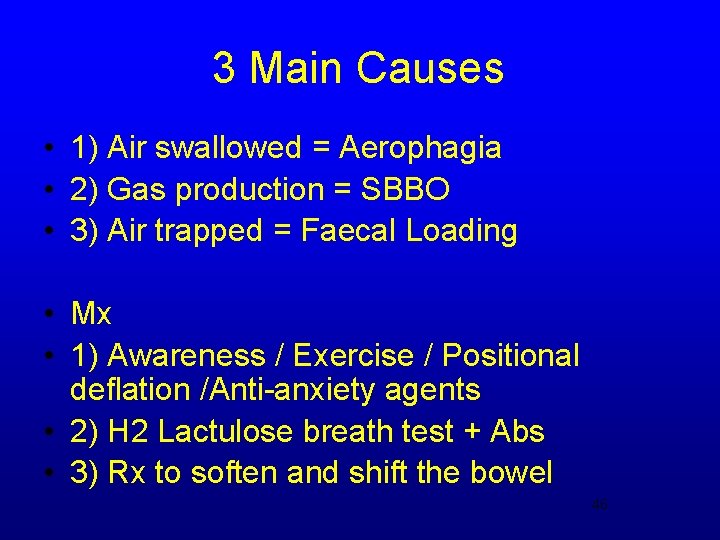
3 Main Causes • 1) Air swallowed = Aerophagia • 2) Gas production = SBBO • 3) Air trapped = Faecal Loading • Mx • 1) Awareness / Exercise / Positional deflation /Anti-anxiety agents • 2) H 2 Lactulose breath test + Abs • 3) Rx to soften and shift the bowel 46
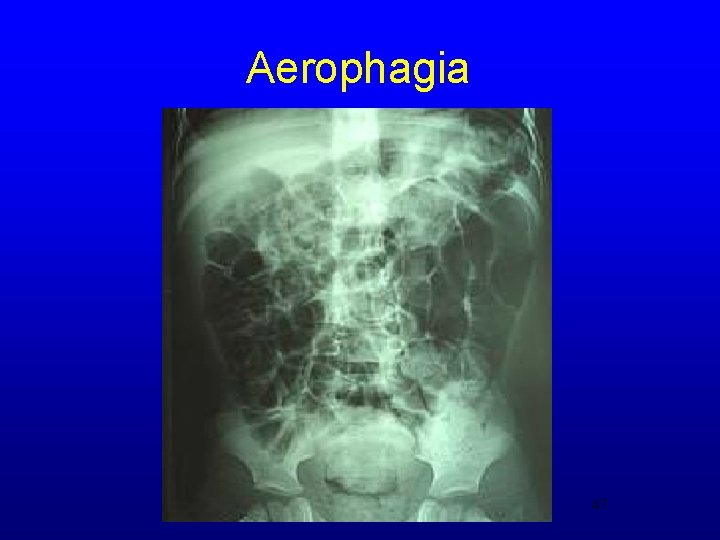
Aerophagia 47
One remedy 48
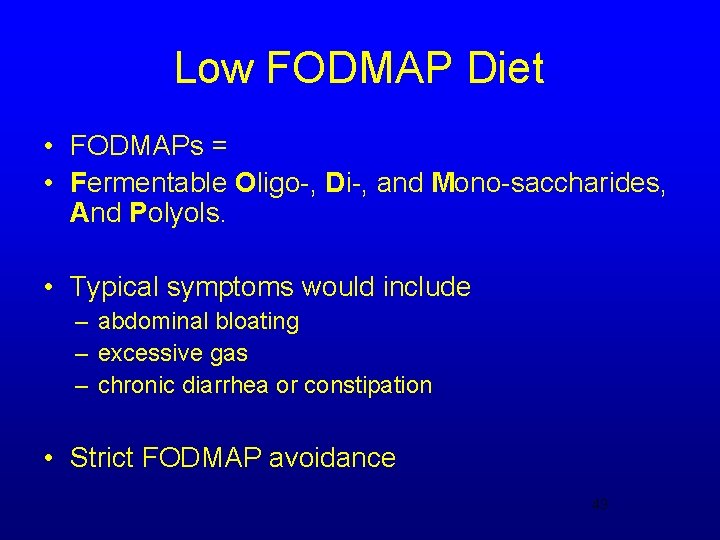
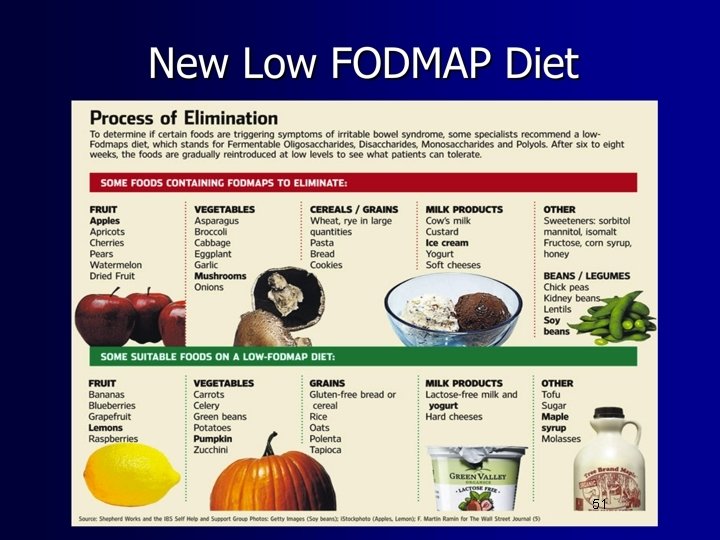
Low FODMAP Diet • FODMAPs = • Fermentable Oligo-, Di-, and Mono-saccharides, And Polyols. • Typical symptoms would include – abdominal bloating – excessive gas – chronic diarrhea or constipation • Strict FODMAP avoidance 49
Low FODMAP Diet 50
51
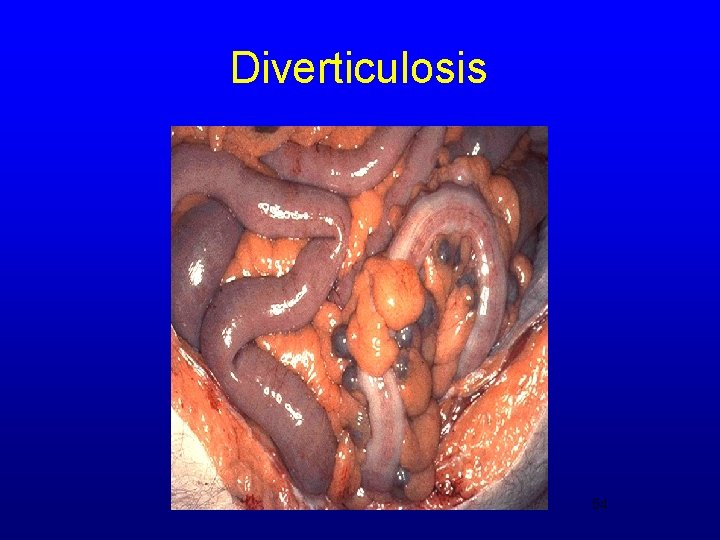
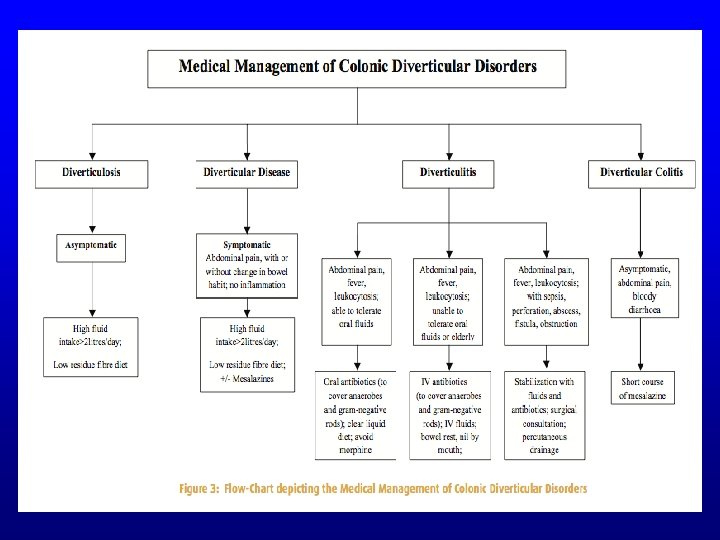
Diverticulosis 54
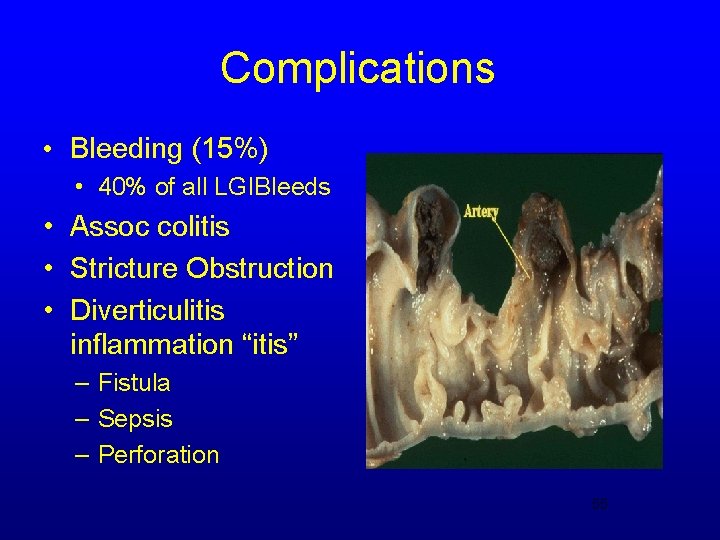
Complications • Bleeding (15%) • 40% of all LGIBleeds • Assoc colitis • Stricture Obstruction • Diverticulitis inflammation “itis” – Fistula – Sepsis – Perforation 55
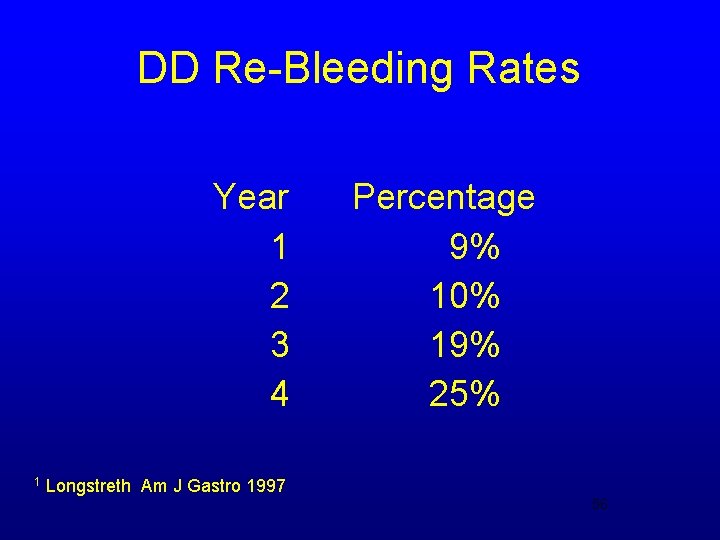
DD Re-Bleeding Rates Year 1 2 3 4 1 Percentage 9% 10% 19% 25% Longstreth Am J Gastro 1997 56
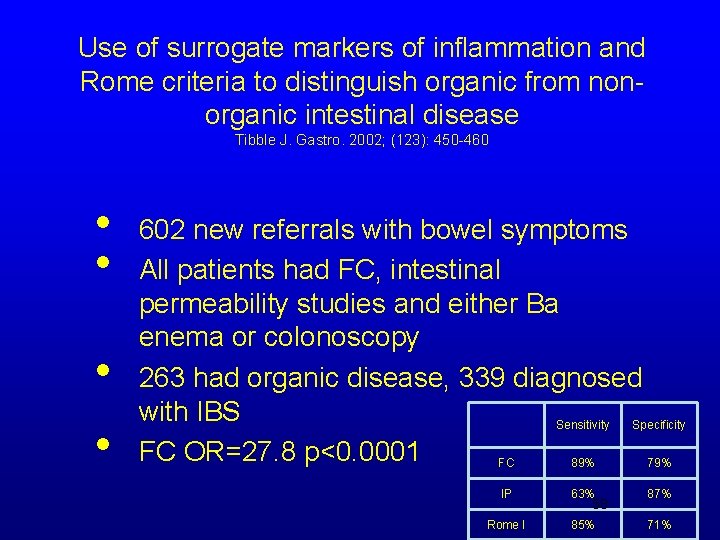
Use of surrogate markers of inflammation and Rome criteria to distinguish organic from nonorganic intestinal disease Tibble J. Gastro. 2002; (123): 450 -460 • • 602 new referrals with bowel symptoms All patients had FC, intestinal permeability studies and either Ba enema or colonoscopy 263 had organic disease, 339 diagnosed with IBS Sensitivity Specificity FC OR=27. 8 p<0. 0001 FC 89% 79% IP 63% 87% Rome I 85% 71% 58
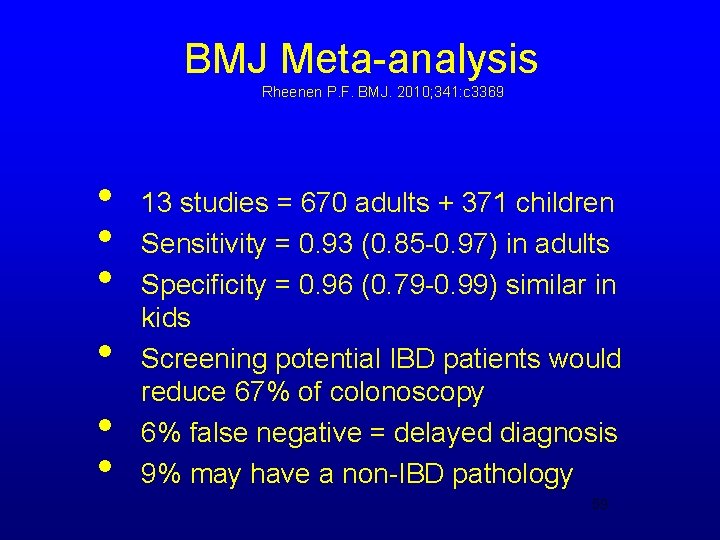
BMJ Meta-analysis Rheenen P. F. BMJ. 2010; 341: c 3369 • • • 13 studies = 670 adults + 371 children Sensitivity = 0. 93 (0. 85 -0. 97) in adults Specificity = 0. 96 (0. 79 -0. 99) similar in kids Screening potential IBD patients would reduce 67% of colonoscopy 6% false negative = delayed diagnosis 9% may have a non-IBD pathology 59
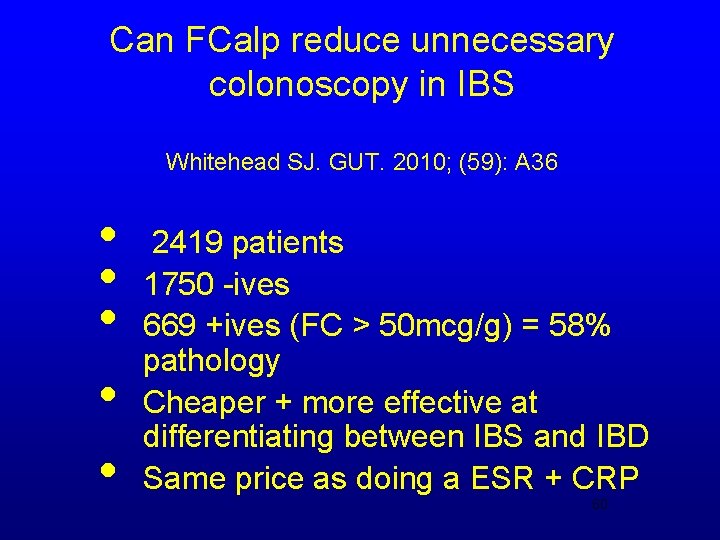
Can FCalp reduce unnecessary colonoscopy in IBS Whitehead SJ. GUT. 2010; (59): A 36 • • • 2419 patients 1750 -ives 669 +ives (FC > 50 mcg/g) = 58% pathology Cheaper + more effective at differentiating between IBS and IBD Same price as doing a ESR + CRP 60

Graham Holland’s Vision of Luton 61
Further Information • www. drmattwjohnson. com • • Oesophageal Laboratory Small bowel capsule enteroscopy Faecal calprotectin IBD-SSHAMP • Spire - 07889 219806 • L&D - 01582 497242
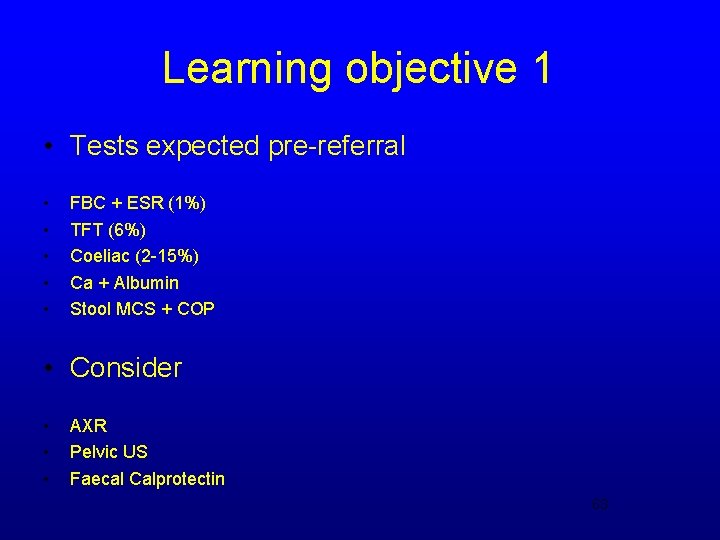
Learning objective 1 • Tests expected pre-referral • • • FBC + ESR (1%) TFT (6%) Coeliac (2 -15%) Ca + Albumin Stool MCS + COP • Consider • • • AXR Pelvic US Faecal Calprotectin 63
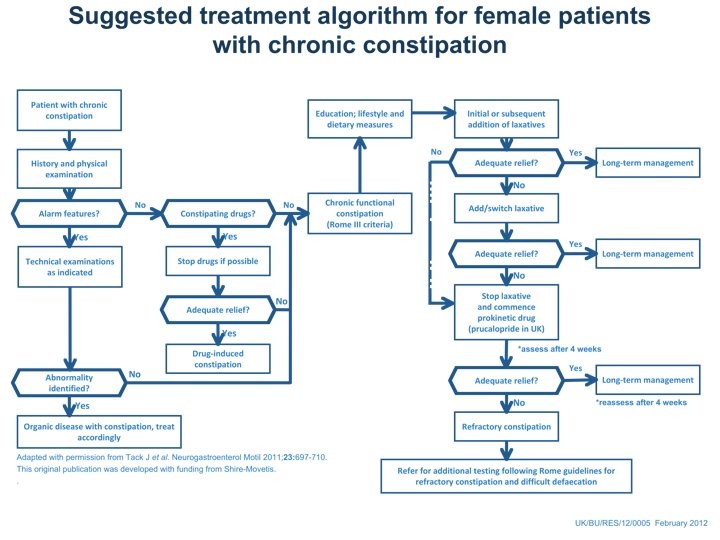
Learning objective 2 • European Constipation Treatment Algorithm 64
- Slides: 64