
I see I think I wonder Learning Aim


- Slides: 31
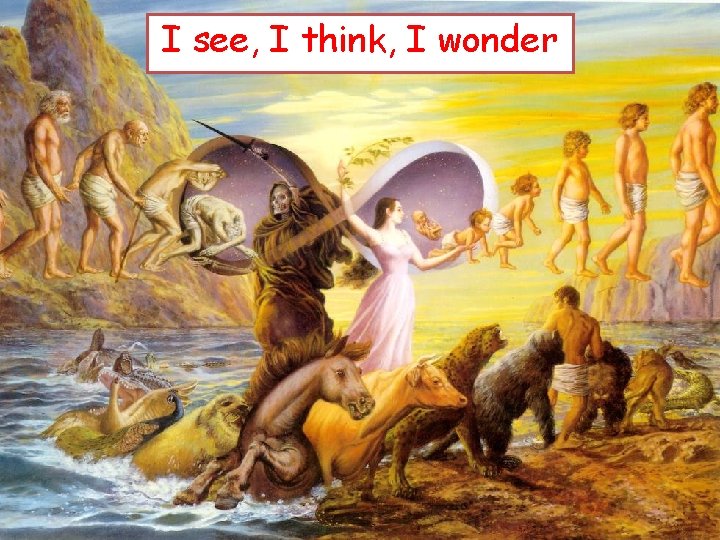
I see, I think, I wonder
Learning Aim: to learn about the Buddhist concept of rebirth. Success Criteria By the end of today’s lesson I will be able to… 1. Explain the Buddhist concept of rebirth and kamma. 2. List three advantages and three disadvantages about these beliefs. 3. Answer an exam question on kamma.
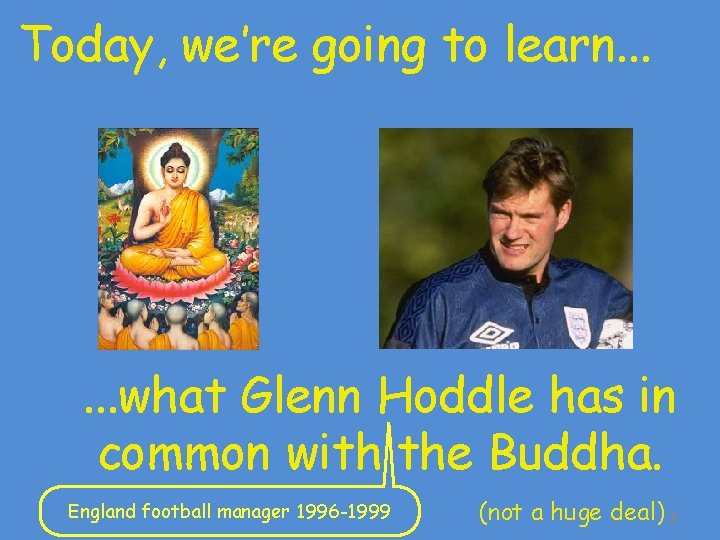
Today, we’re going to learn. . . what Glenn Hoddle has in common with the Buddha. England football manager 1996 -1999 (not a huge deal) 3
Follow these instructions… Point to your nose. Point to your knee. Point to your shoulder. Point to your heart. Point to you bum. Point to your brain. Point to your soul.
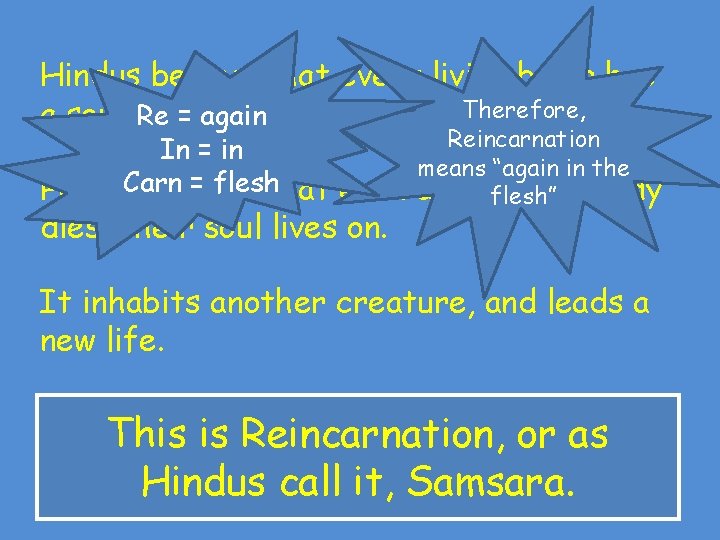
Hindus believe that every living being has Therefore, a soul. Re = again Reincarnation In = in means “again in the Carn = flesh Hindus believe that even afterflesh” their body dies, their soul lives on. It inhabits another creature, and leads a new life. This is Reincarnation, or as Hindus call it, Samsara.
Samsara literally means “wandering on” as the soul wanders along through lives. Why do you think Buddhists don’t believe the same as Hindus? Clue: think about one of the 3 Marks of Existence. Hindus believe that the soul of a person is what stays the same throughout their life and even after their body has died.
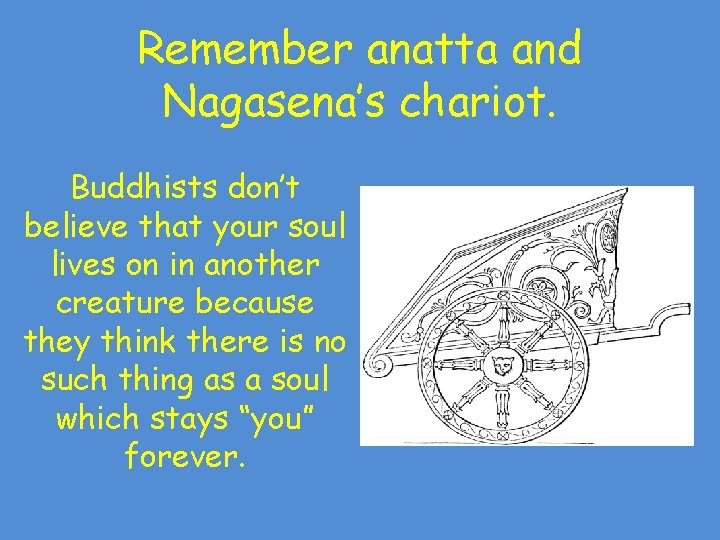
Remember anatta and Nagasena’s chariot. Buddhists don’t believe that your soul lives on in another creature because they think there is no such thing as a soul which stays “you” forever.
So, Buddhists do not believe in reincarnation, because they don’t believe that “you” are “again in the flesh” (reincarnation). Instead, they believe in rebirth.
Rebirth After you die, your soul does not live on in another being. But you are reborn. . . So what part of you does actually “live on”?
Something called karma…or kamma do you think You might have some. What idea that this means? “what goes around comes around”. This is more or less correct, but a better way of saying it is: Kamma is the law of cause and effect.
Cause and effect When you do things… …they always have consequences N. B. It is important to note that this is not a moral law, in which a God rewards or punishes you on how you act, but a natural law.
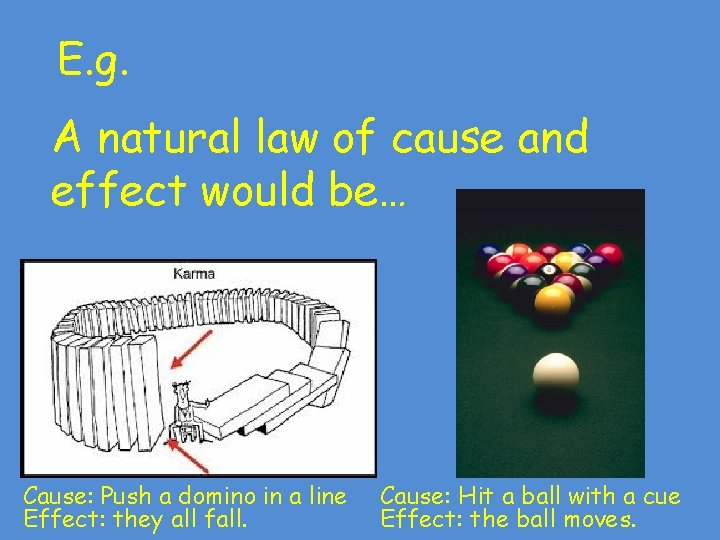
E. g. A natural law of cause and effect would be… Cause: Push a domino in a line Effect: they all fall. Cause: Hit a ball with a cue Effect: the ball moves.
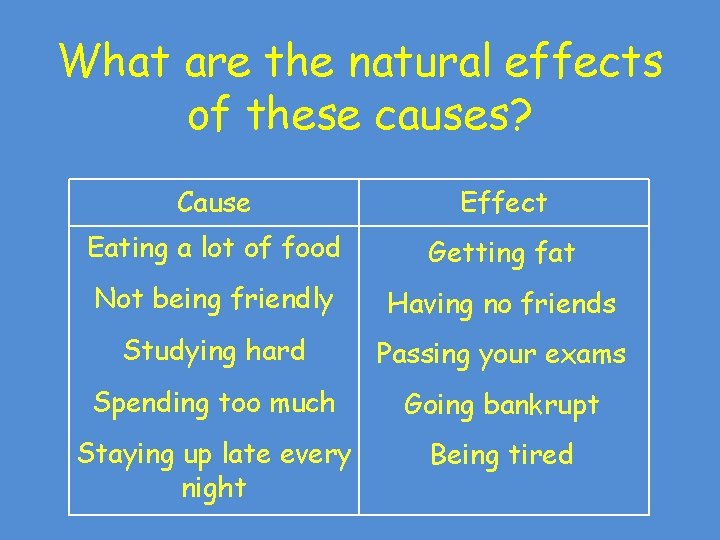
What are the natural effects of these causes? Cause Effect Eating a lot of food Getting fat Not being friendly Having no friends Studying hard Passing your exams Spending too much Going bankrupt Staying up late every night Being tired
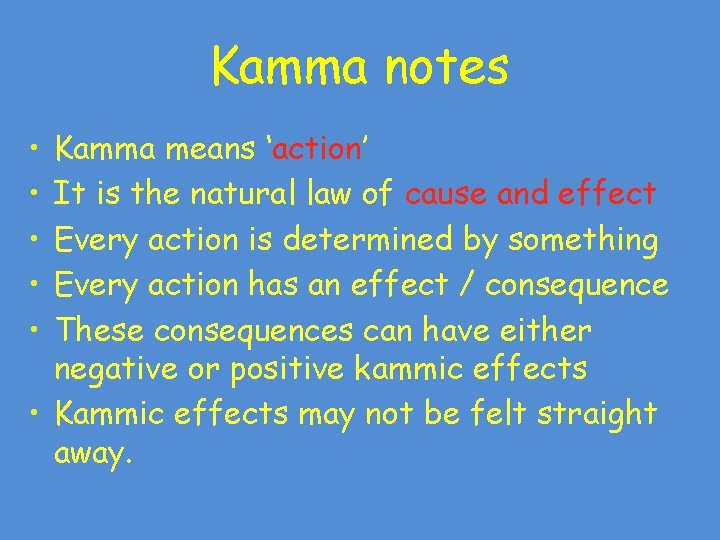
Kamma notes • • • Kamma means ‘action’ It is the natural law of cause and effect Every action is determined by something Every action has an effect / consequence These consequences can have either negative or positive kammic effects • Kammic effects may not be felt straight away.
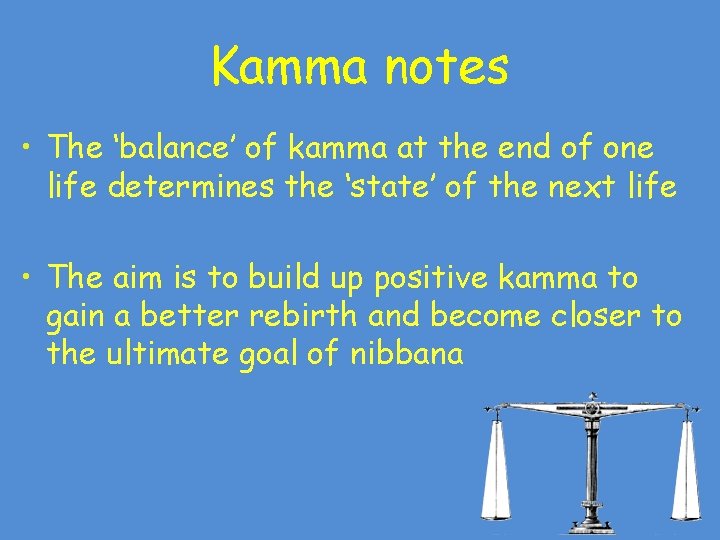
Kamma notes • The ‘balance’ of kamma at the end of one life determines the ‘state’ of the next life • The aim is to build up positive kamma to gain a better rebirth and become closer to the ultimate goal of nibbana
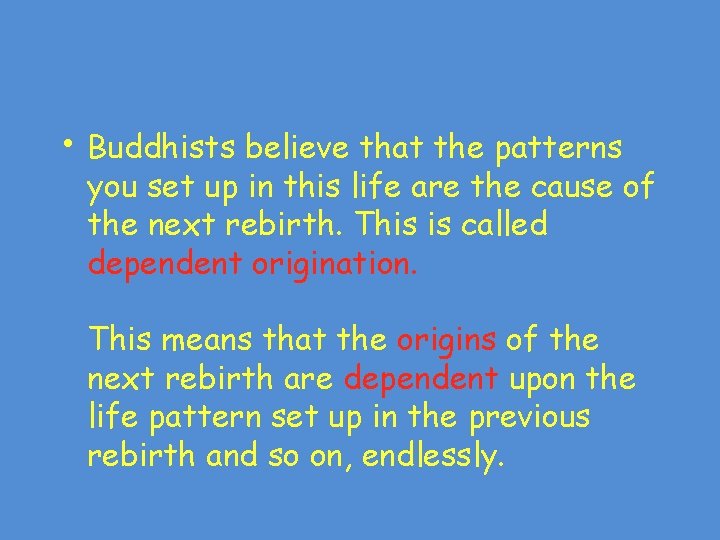
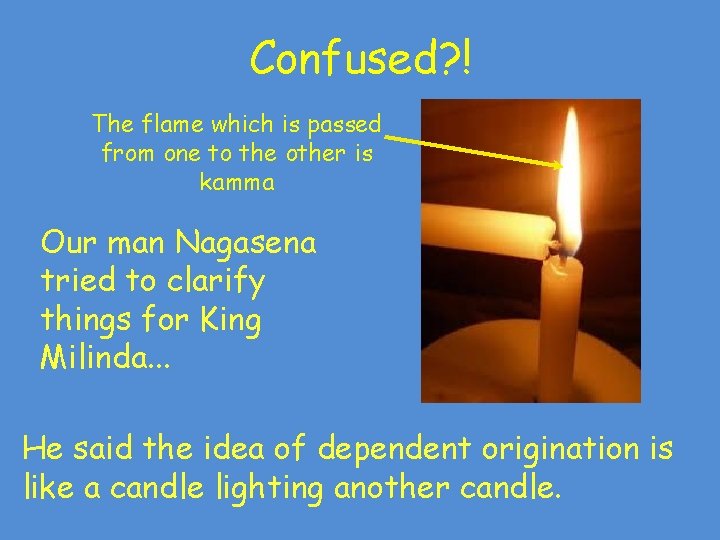
• Buddhists believe that the patterns you set up in this life are the cause of the next rebirth. This is called dependent origination. This means that the origins of the next rebirth are dependent upon the life pattern set up in the previous rebirth and so on, endlessly.
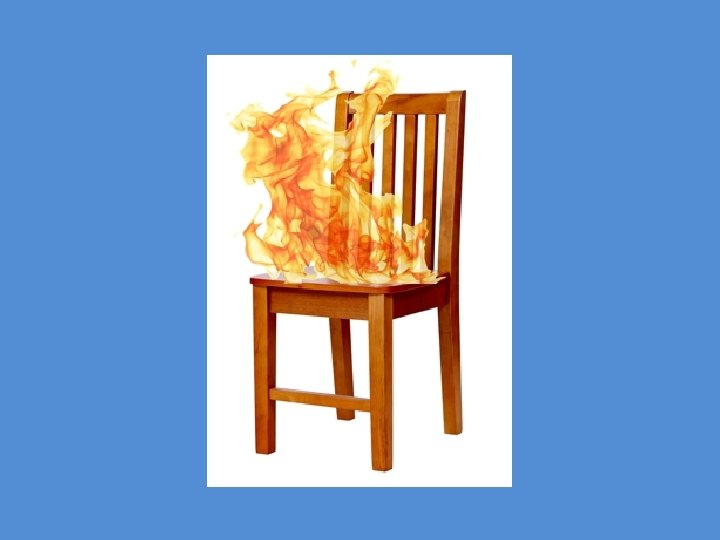
Confused? ! The flame which is passed from one to the other is kamma Our man Nagasena tried to clarify things for King Milinda. . . He said the idea of dependent origination is like a candle lighting another candle.
• At the end of your life, there is going to be some kammic ‘debt’ that hasn’t yet been paid off. • This karma survives to be worked out in future lives. That is what ‘survives’ the process of rebirth.
Questions 1: 09 4: 29 4: 30 4: 31 4: 32 4: 33 4: 34 4: 35 4: 36 4: 37 4: 38 4: 39 4: 40 4: 41 4: 42 4: 43 4: 44 4: 45 4: 46 4: 47 4: 48 4: 49 4: 50 4: 51 4: 52 4: 53 4: 54 4: 55 4: 56 4: 57 4: 58 4: 59 5: 00 4: 19 4: 20 4: 21 4: 22 4: 23 4: 24 4: 25 4: 26 4: 27 3: 58 3: 59 3: 56 3: 53 3: 47 3: 48 3: 41 3: 42 3: 43 3: 37 3: 38 3: 39 3: 33 3: 34 3: 35 3: 31 3: 27 3: 28 3: 25 3: 12 3: 13 3: 14 3: 09 3: 10 3: 06 3: 03 2: 59 3: 00 2: 54 2: 55 2: 56 2: 52 2: 43 2: 44 2: 45 2: 46 2: 47 2: 48 2: 49 2: 37 2: 38 2: 39 2: 40 2: 41 2: 35 1: 59 2: 00 2: 01 2: 02 2: 03 2: 04 2: 05 2: 06 2: 07 2: 08 2: 09 2: 10 2: 11 2: 12 2: 13 2: 14 2: 15 2: 16 2: 17 2: 18 2: 19 2: 20 2: 21 2: 22 2: 23 2: 24 2: 25 2: 26 2: 27 2: 28 2: 29 2: 30 2: 31 2: 32 2: 33 1: 48 1: 49 1: 50 1: 51 1: 52 1: 53 1: 54 1: 55 1: 56 1: 57 1: 40 1: 41 1: 42 1: 43 1: 44 1: 45 1: 46 1: 35 1: 36 1: 37 1: 38 1: 30 1: 31 1: 32 1: 33 1: 26 1: 27 1: 22 1: 23 1: 11 1: 12 1: 13 1: 14 1: 15 1: 16 1: 17 1: 18 1: 19 1: 20 1: 01 1: 02 1: 03 1: 04 1: 05 1: 06 1: 07 1: 08 4: 28 4: 00 4: 01 4: 02 4: 03 4: 04 4: 05 4: 06 4: 07 4: 08 4: 09 4: 10 4: 11 4: 12 4: 13 4: 14 4: 15 4: 16 4: 17 4: 18 3: 57 3: 54 3: 55 3: 49 3: 50 3: 51 3: 52 3: 44 3: 45 3: 46 3: 40 3: 36 3: 32 3: 29 3: 30 3: 26 3: 15 3: 16 3: 17 3: 18 3: 19 3: 20 3: 21 3: 22 3: 23 3: 24 3: 11 3: 07 3: 08 3: 04 3: 05 3: 01 3: 02 2: 57 2: 58 2: 53 2: 50 2: 51 2: 42 2: 36 2: 34 1: 58 1: 47 1: 39 1: 34 1: 28 1: 29 1: 24 1: 25 1: 21 1: 10 0: 38 0: 43 0: 44 0: 45 0: 46 0: 47 0: 48 0: 49 0: 50 0: 51 0: 52 0: 53 0: 54 0: 55 0: 56 0: 57 0: 58 0: 59 0: 30 0: 31 0: 22 0: 23 0: 20 0: 35 0: 36 0: 37 0: 39 0: 40 0: 41 0: 42 0: 34 0: 32 0: 24 0: 25 0: 26 0: 15 0: 16 0: 17 0: 18 0: 10 0: 11 0: 12 0: 13 0: 04 0: 05 0: 06 1: 00 0: 27 0: 21 0: 19 0: 14 0: 07 0: 08 0: 09 0: 00 0: 01 0: 02 0: 28 0: 29 0: 33 1. What is “dependent origination”? 2. What analogy did Nagasena use to show dependent origination? 3. Why do Buddhists not believe in reincarnation? 4. What is the Buddhist name for rebirth and what does it mean? 5. What do Buddhists believe survives from life to life? 6. What is kamma? 7. What is the ultimate goal of Buddhism?
Imagine the Buddhists were right. . . It was found that we really do live, die and are reborn, and our next life is dependent on the kamma we create in this life. How would this knowledge affect you? Would you be happy that this is what happens?
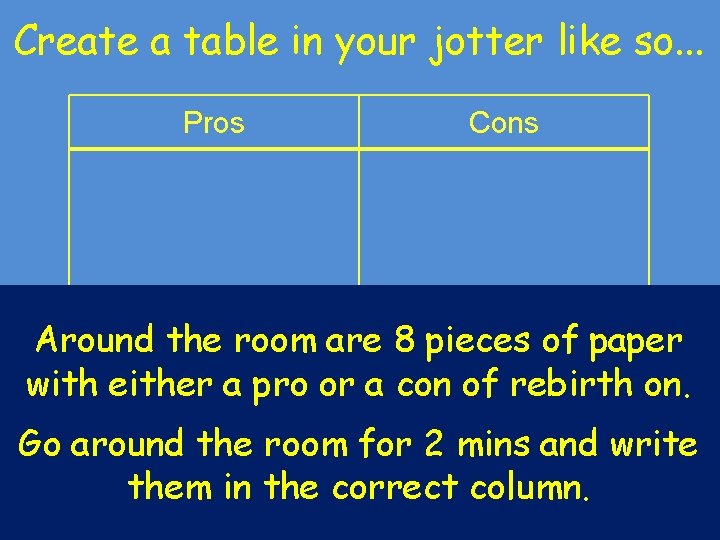
Create a table in your jotter like so. . . Pros Cons Around the room are 8 pieces of paper with either a pro or a con of rebirth on. Go around the room for 2 mins and write them in the correct column.
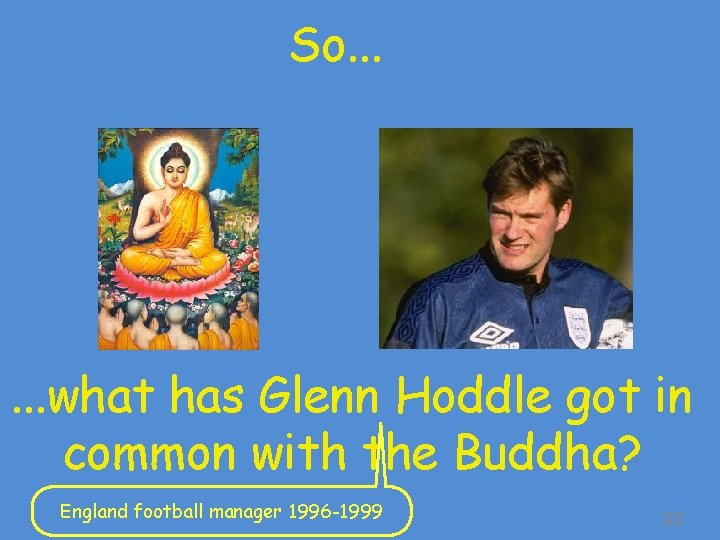
So. . . what has Glenn Hoddle got in common with the Buddha? England football manager 1996 -1999 22
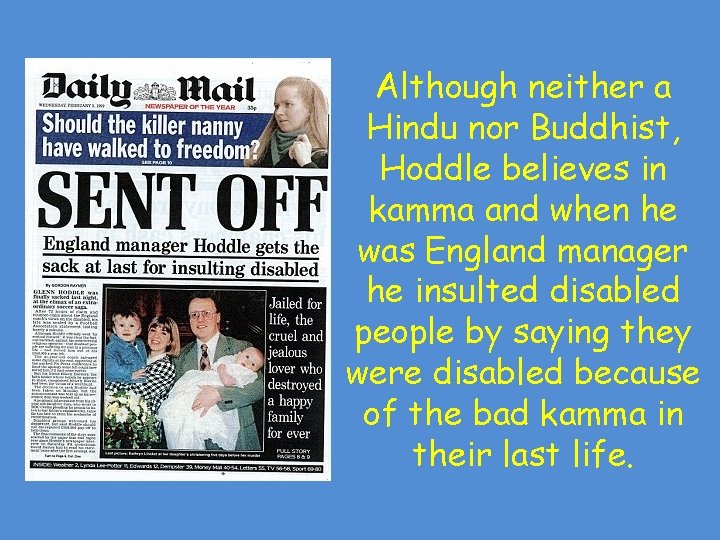
Although neither a Hindu nor Buddhist, Hoddle believes in kamma and when he was England manager he insulted disabled people by saying they were disabled because of the bad kamma in their last life.
Exam Question Describe the Buddhist understanding of kamma. (6 marks) Use PEE and aim to make at least six points.
Exam Question Describe the Buddhist understanding of Kamma. (6 marks) • Literally means action • Natural law of cause and effect • Not a moral law • All intentional actions have a kammic result • The results of kamma may not follow immediately after an action • Positive actions result in positive kammic effects and vice versa. • Kamma is what continues from one life into the next. • Kamma is often likened to a flame that passes from one candle to another. • Buddhists understand that the law of Kamma means we are responsible for our own destiny as we are in control of our own actions. • A Buddhist aims to be rid of Kamma and kammic consequences otherwise his or her Samsara will continue.
Learning Aim: to learn about the Buddhist concept of rebirth. Can I. . . ? By now I should be able to… 1. Explain the Buddhist concept of rebirth and kamma. 2. List three advantages and three disadvantages about these beliefs. 3. Answer an exam question on kamma.
Samsara questions 1 (c) What do Buddhists mean by Samsara? KU 2 marks · The cycle of life, death and rebirth · State of dependent origination · Cycle of continual suffering (dukkha) · The cycle they wish to escape by becoming enlightened (d) “Accepting Samsara is very important. ” Would all Buddhists agree? Give reasons for your answer. AE 6 marks Agree · If we do not accept the reality of samsara we will remain ignorant and unable to become enlightened · Understanding what causes samsara to continue (3 poisons) and in turn what causes dukkha is the only way of eliminating suffering from our lives · Accepting samsara helps us to understand kamma and aim for a better rebirth on the path to enlightenment Disagree · One can improve life in samsara (without understanding it) by following the Precepts and the eightfold path to achieve positive kamma · Other aspects of Buddhism are more important, for example without first mastering meditation you may never have the ability to understand complex concepts
Samsara questions cont. What is samsara? 2 KU 2 marks • Samsara is the cycle of rebirth. • It is when Kamma moves into a new existence – a state we are locked into. • It is the opposite of Nibbana – often likened to one bank of a river that must be crossed.