
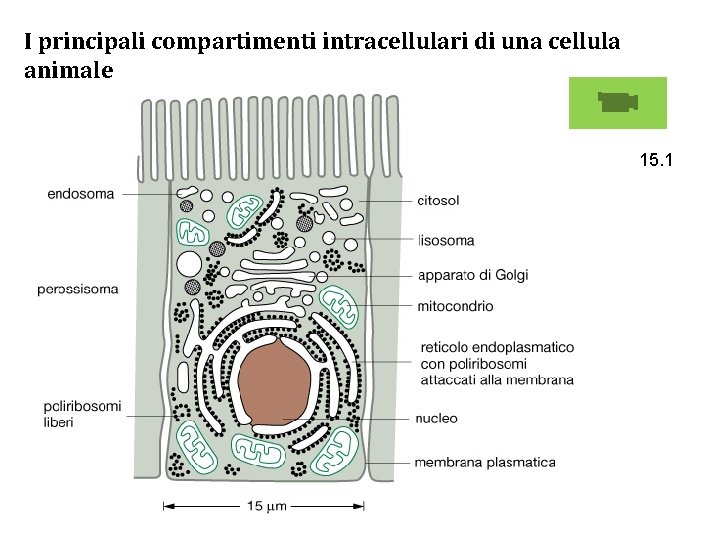
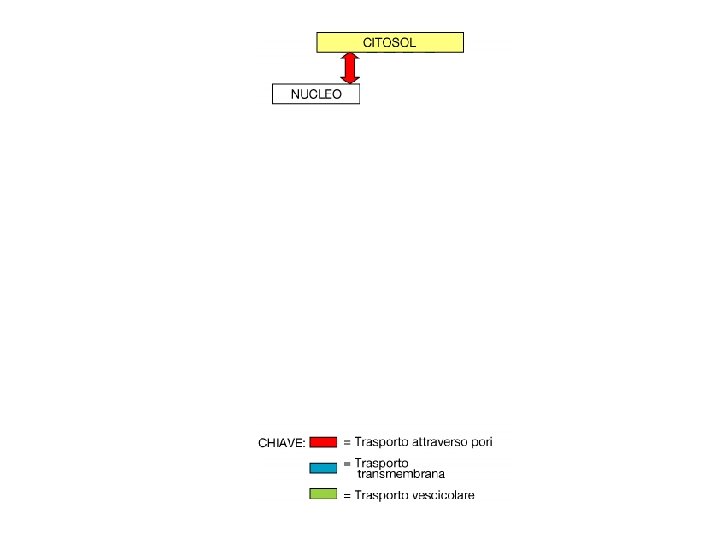
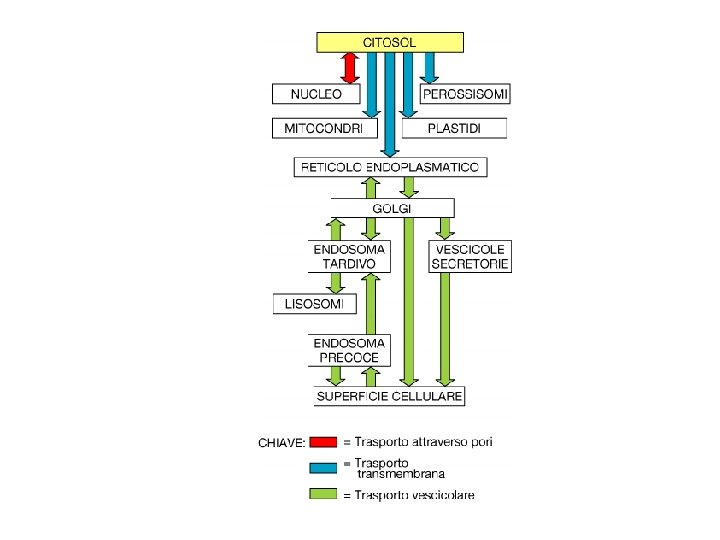
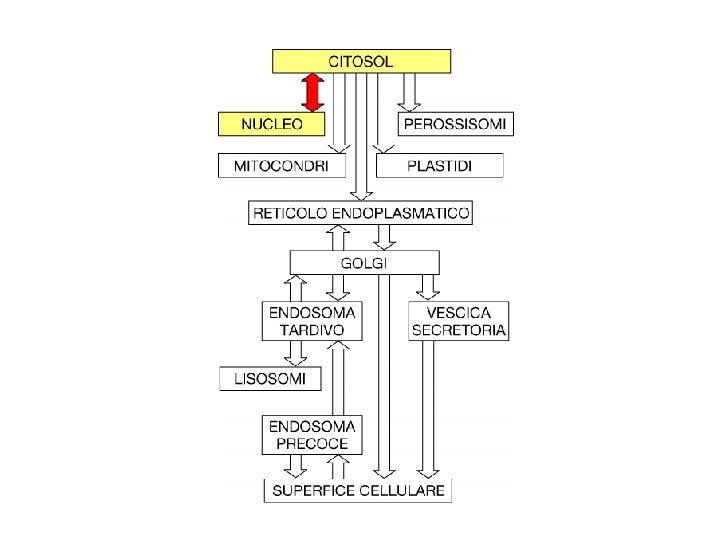
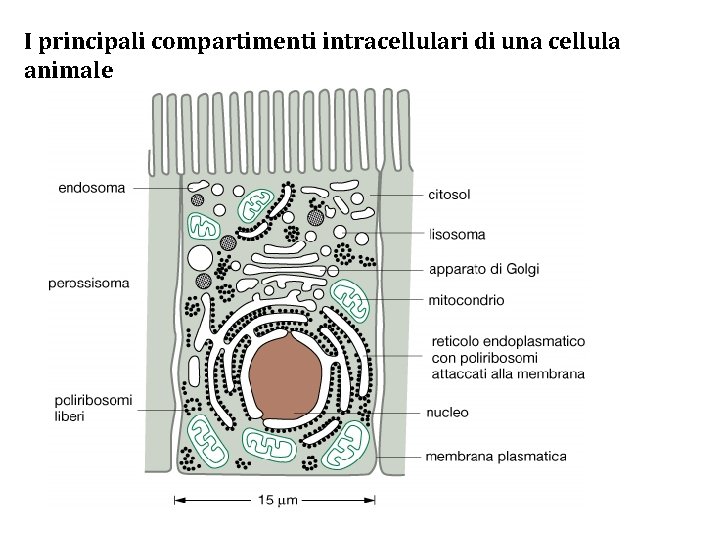
I principali compartimenti intracellulari di una cellula animale

- Slides: 41
I principali compartimenti intracellulari di una cellula animale 15. 1
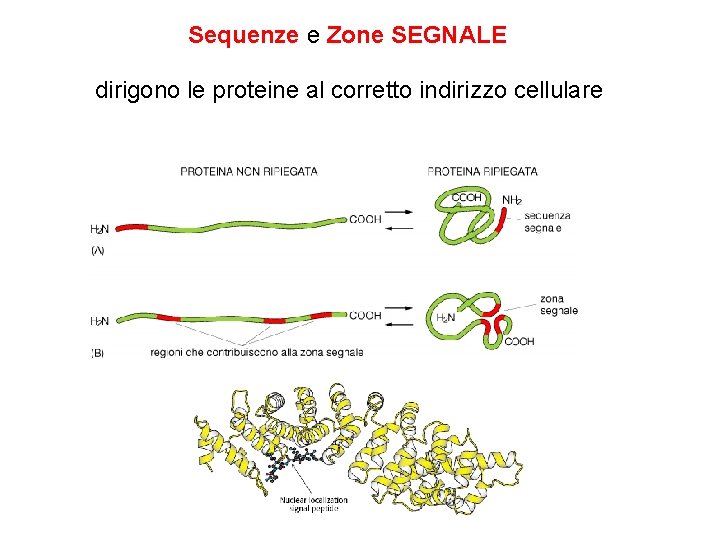
Sequenze e Zone SEGNALE dirigono le proteine al corretto indirizzo cellulare
MARTEDI 27 NOVEMBRE BIOLOGIA ore 9. 00 11. 00
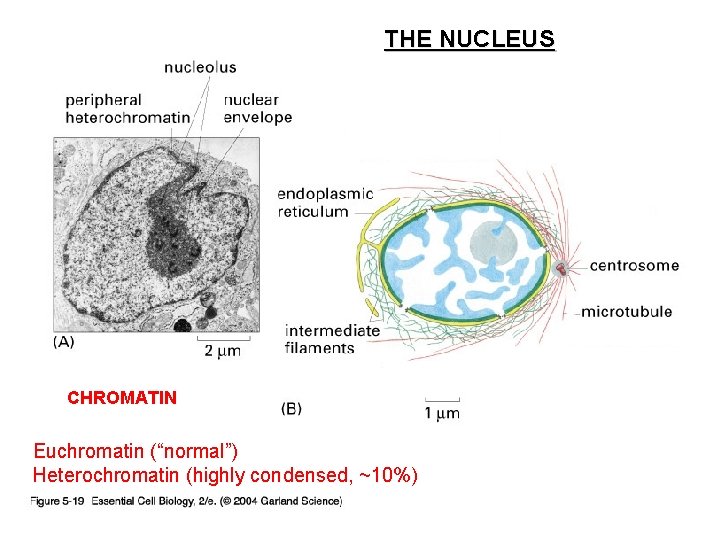
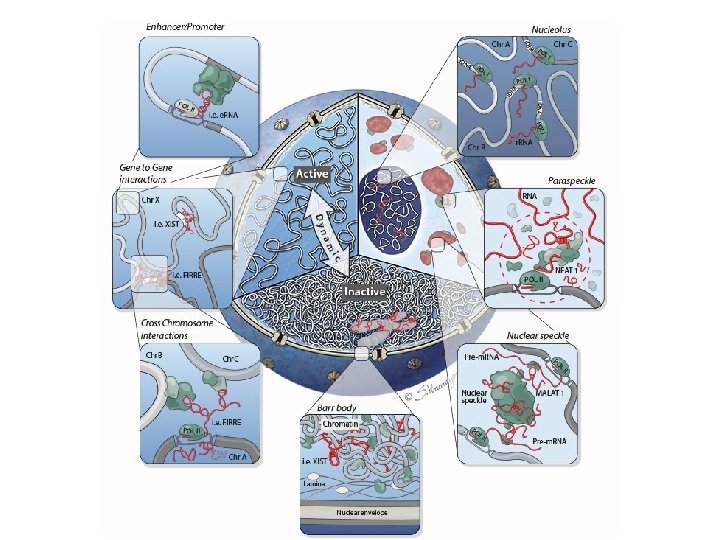
THE NUCLEUS CHROMATIN Euchromatin (“normal”) Heterochromatin (highly condensed, ~10%)
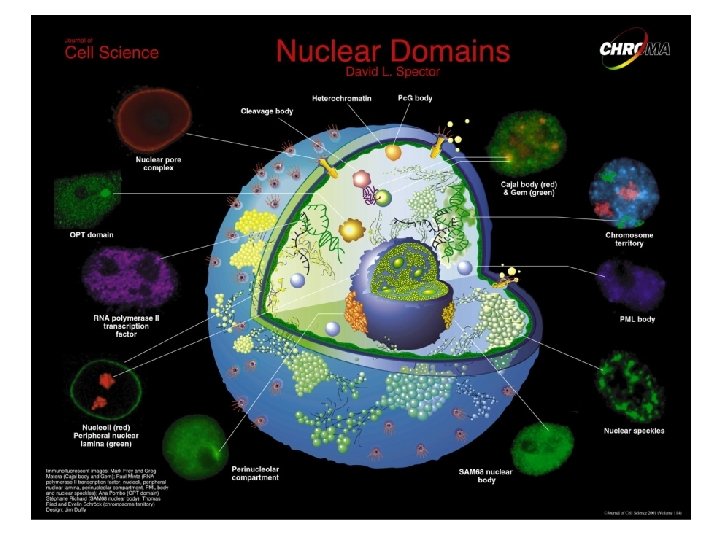
Nucleus Structure • About 10% of the cell volume • Contains DNA - condensed and organized with proteins as chromatin • Nuclear matrix – protein-containing fibrillar network • Nucleolus - (pl. nucleoli) –r. RNA synthesis, ribosome assembly • Surrounded by nuclear envelope
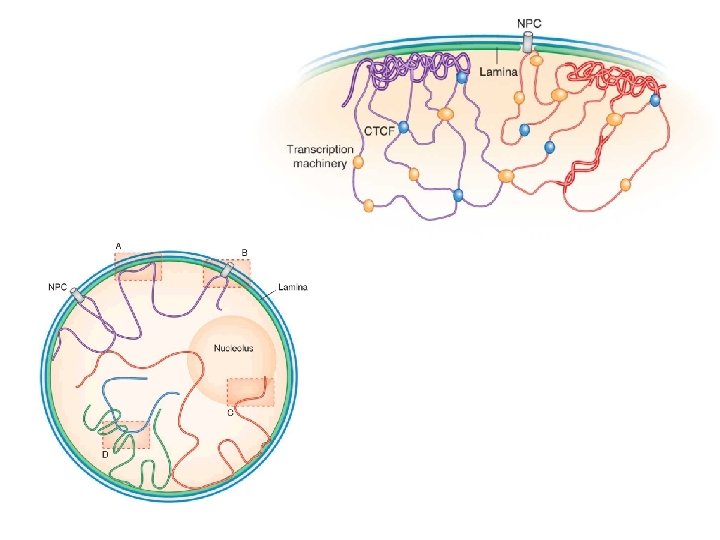
• Chromatin – Active chromatin = euchromatin appear lighter – Inactive chromatin = heterochromatin is darker and located near periphery of nucleus • Nucleolus • a granular region • site of ribosome assembly Interphase nucleus
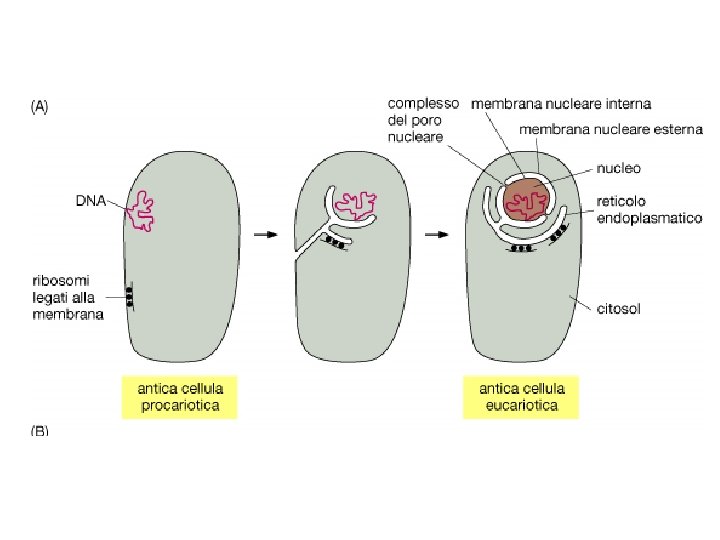
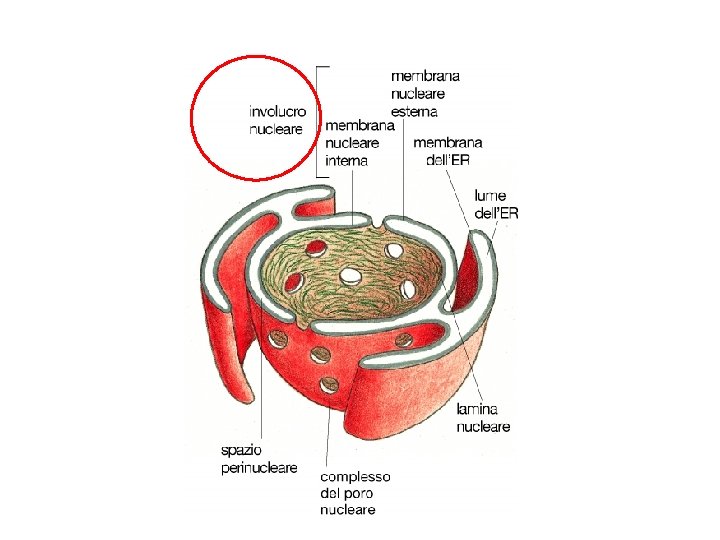
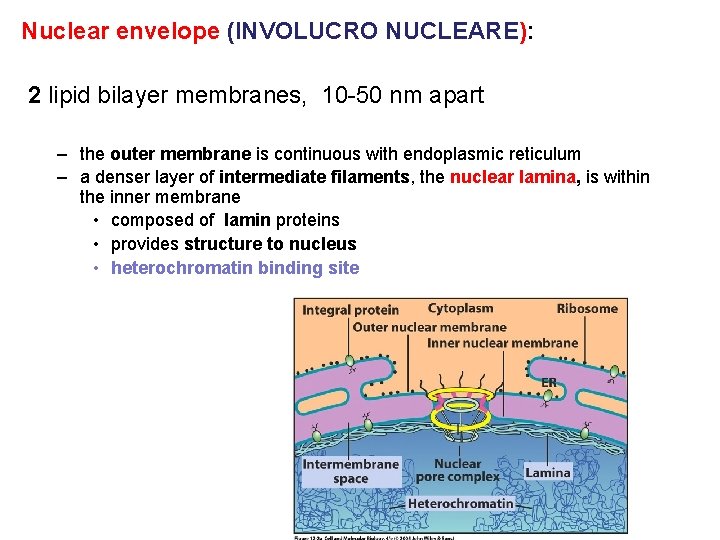
Nuclear envelope (INVOLUCRO NUCLEARE): 2 lipid bilayer membranes, 10 -50 nm apart – the outer membrane is continuous with endoplasmic reticulum – a denser layer of intermediate filaments, the nuclear lamina, is within the inner membrane • composed of lamin proteins • provides structure to nucleus • heterochromatin binding site
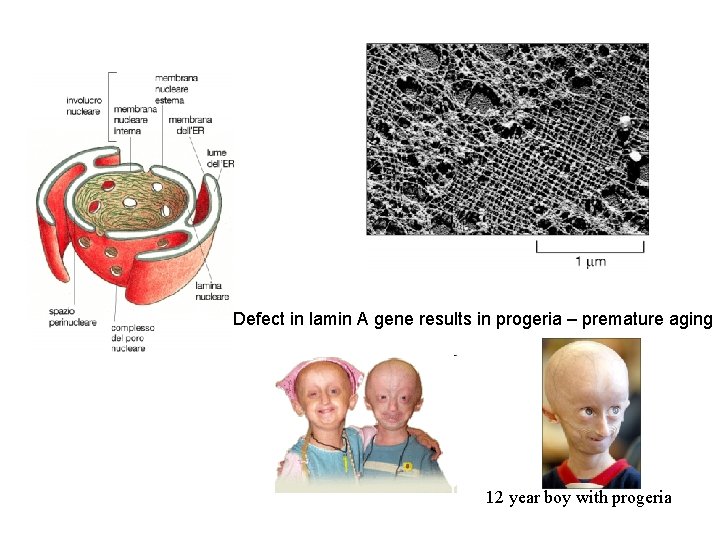
Defect in lamin A gene results in progeria – premature aging 12 year boy with progeria
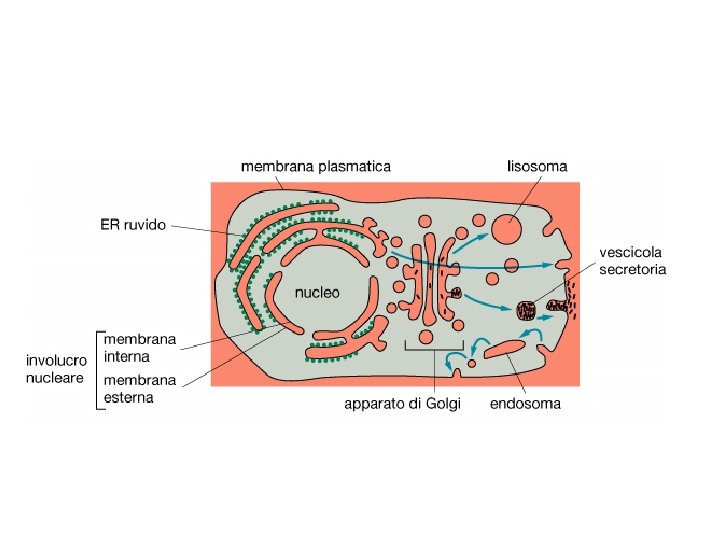
I principali compartimenti intracellulari di una cellula animale
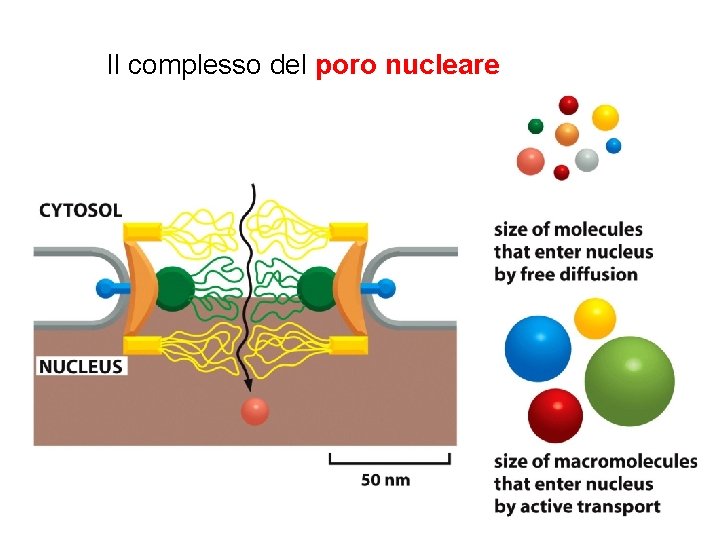
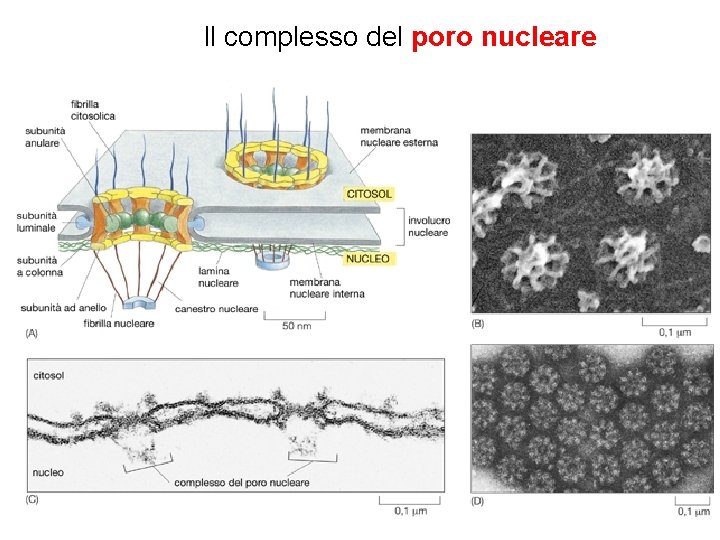
Il complesso del poro nucleare
Il complesso del poro nucleare
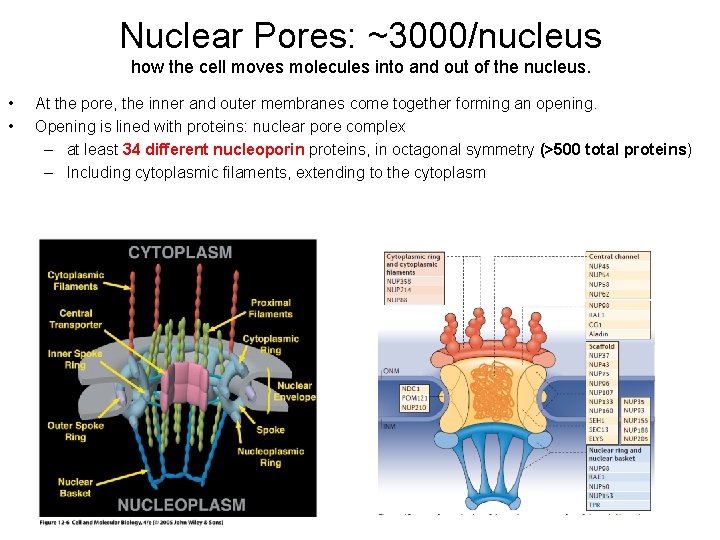
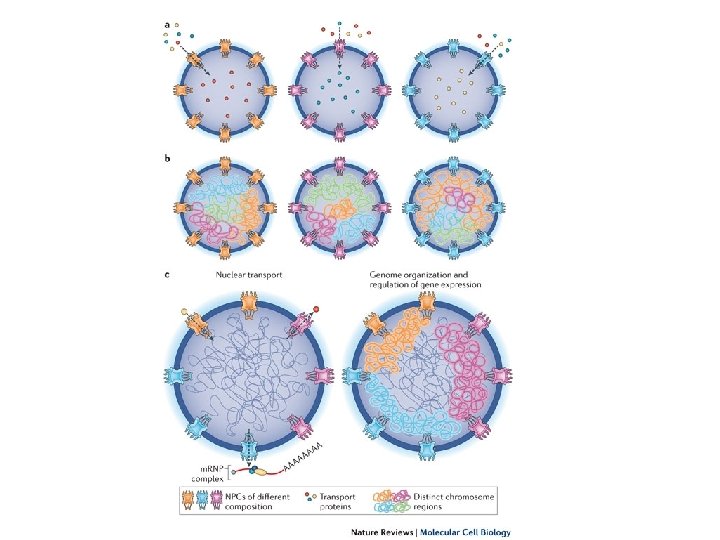
Nuclear Pores: ~3000/nucleus how the cell moves molecules into and out of the nucleus. • • At the pore, the inner and outer membranes come together forming an opening. Opening is lined with proteins: nuclear pore complex – at least 34 different nucleoporin proteins, in octagonal symmetry (>500 total proteins) – Including cytoplasmic filaments, extending to the cytoplasm
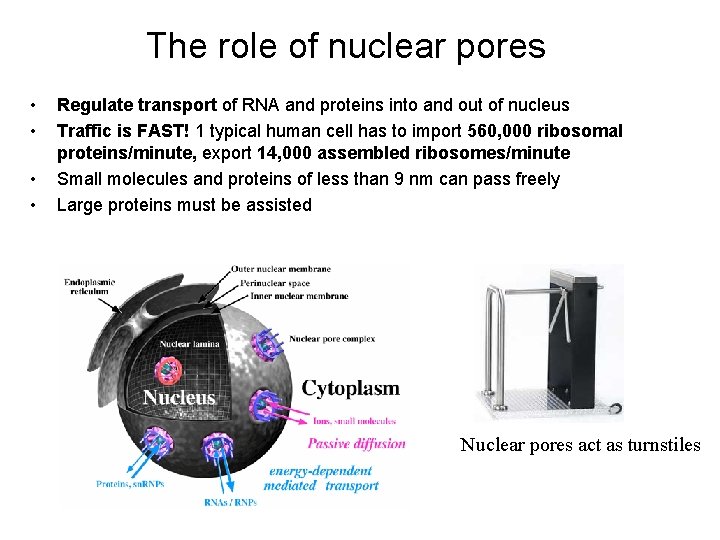
The role of nuclear pores • • Regulate transport of RNA and proteins into and out of nucleus Traffic is FAST! 1 typical human cell has to import 560, 000 ribosomal proteins/minute, export 14, 000 assembled ribosomes/minute Small molecules and proteins of less than 9 nm can pass freely Large proteins must be assisted Nuclear pores act as turnstiles
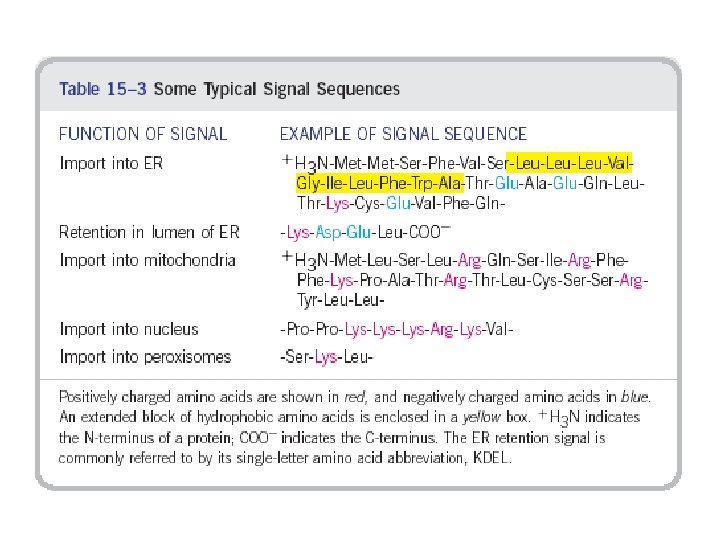
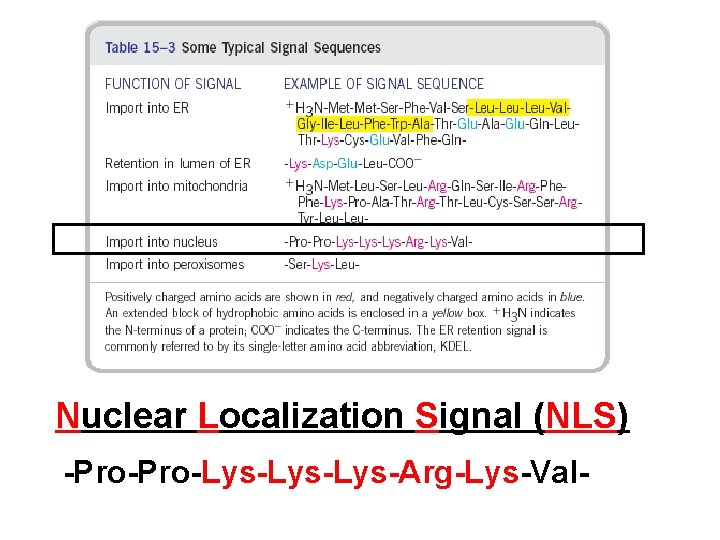
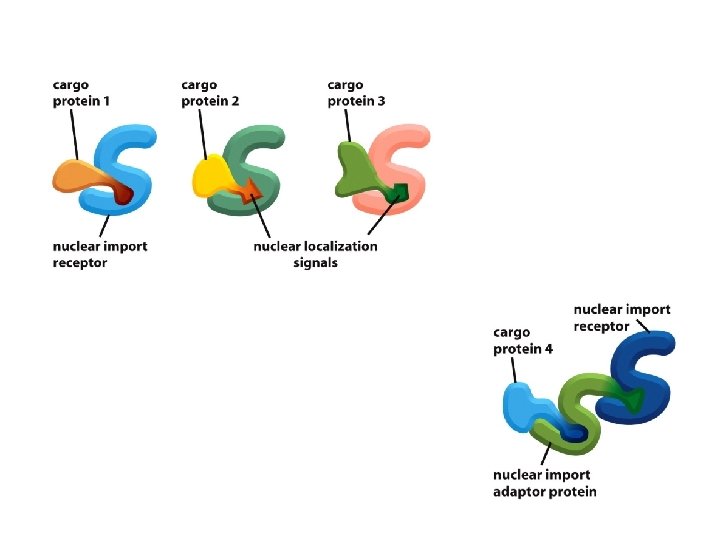
Nuclear Localization Signal (NLS) -Pro-Lys-Lys-Arg-Lys-Val-
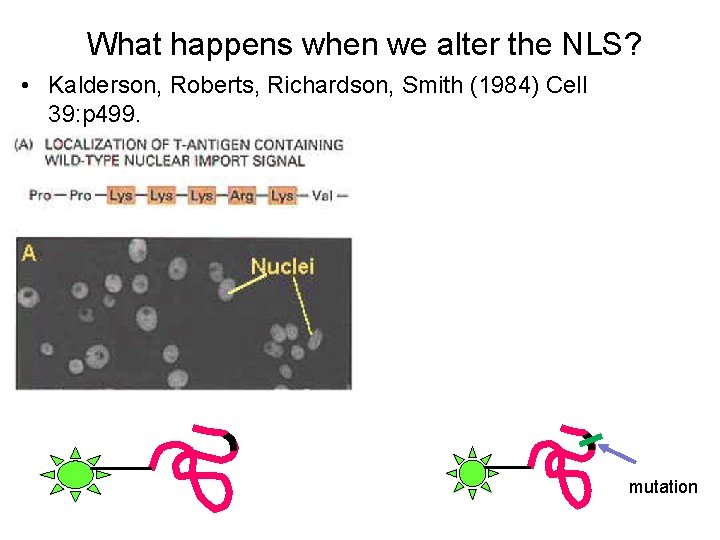
What happens when we alter the NLS? • Kalderson, Roberts, Richardson, Smith (1984) Cell 39: p 499. mutation
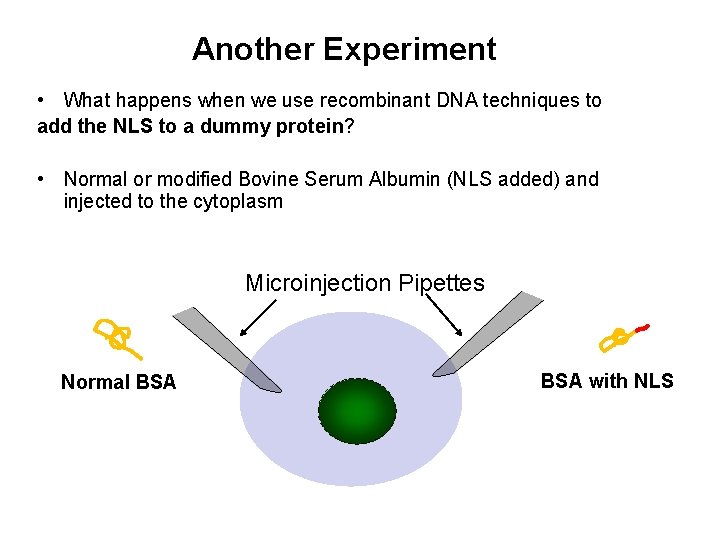
Another Experiment • What happens when we use recombinant DNA techniques to add the NLS to a dummy protein? • Normal or modified Bovine Serum Albumin (NLS added) and injected to the cytoplasm Microinjection Pipettes Normal BSA with NLS
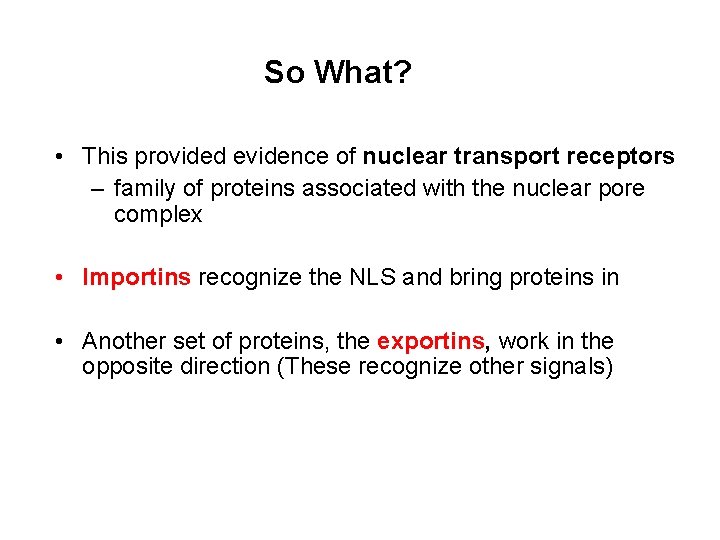
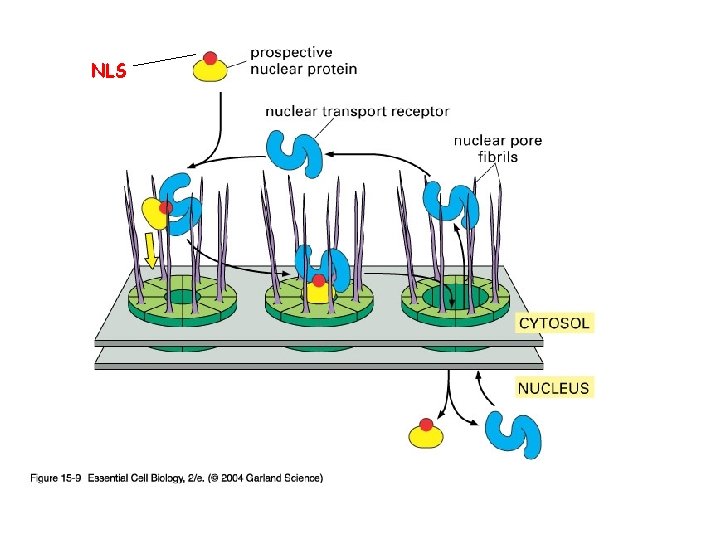
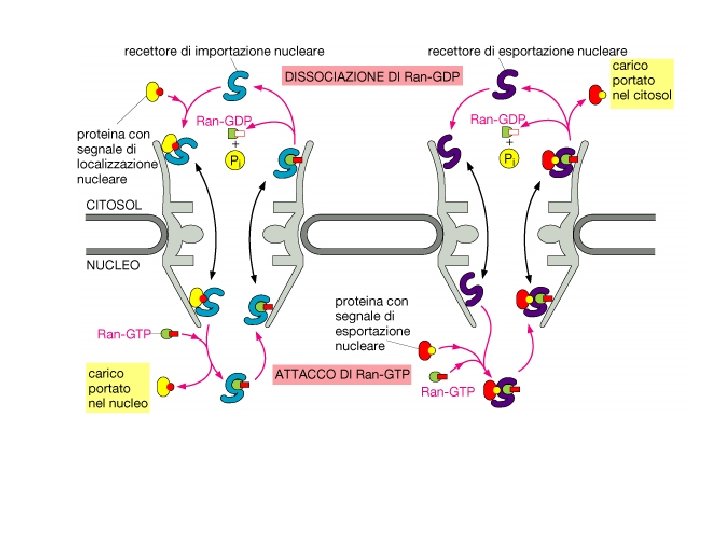
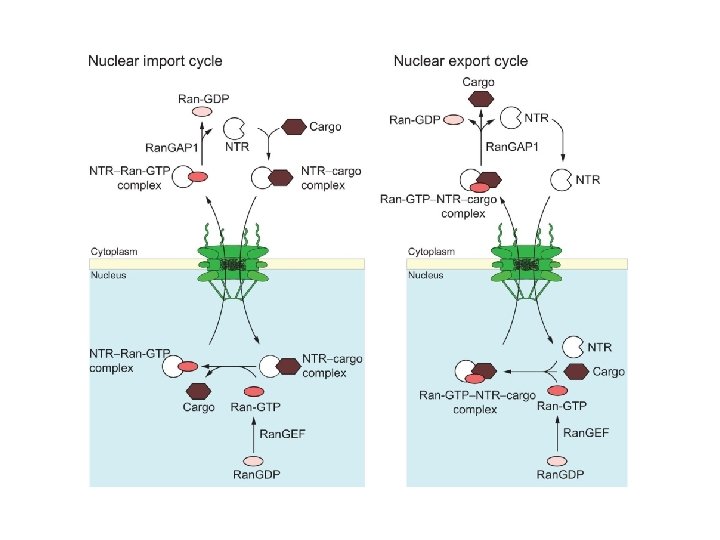
So What? • This provided evidence of nuclear transport receptors – family of proteins associated with the nuclear pore complex • Importins recognize the NLS and bring proteins in • Another set of proteins, the exportins, work in the opposite direction (These recognize other signals)
15_09_pore_transport. jpg NLS
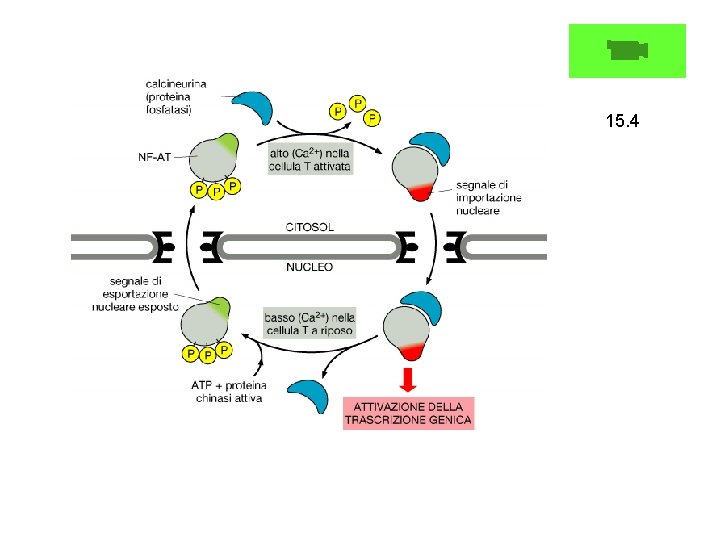
15. 4
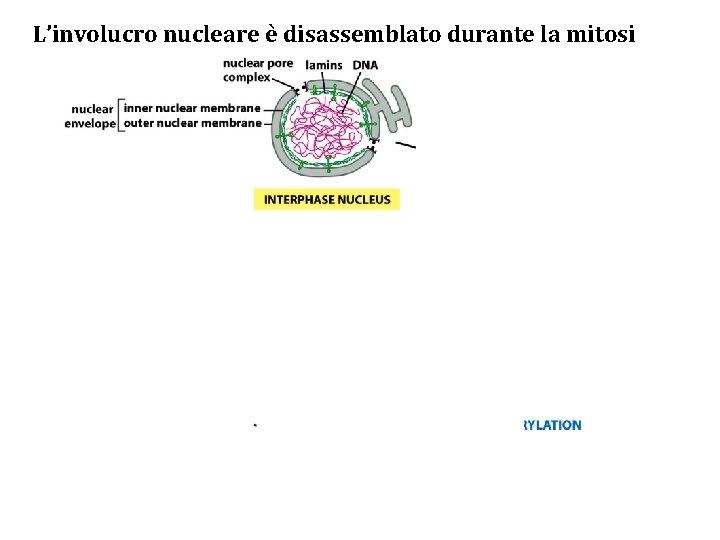
L’involucro nucleare è disassemblato durante la mitosi