
i HRIS Developing a DataSharing Agreement Name Event
- Slides: 11
i. HRIS: Developing a Data-Sharing Agreement Name Event Location - Date
Why Share HRIS Data? • • • Discourage duplication of effort Increase accountability and transparency Allow others to validate findings Encourage diverse thinking Combine with other data sources to compare across departments, ministries, and countries
What Is a Data-Sharing Agreement? • Formal contract created and signed by both data provider and data receiver
Why Is This Necessary? • Prevent against data misuse • Prevent miscommunication • Answer questions BEFORE data are shared
The need for strong health workforce information systems WHY IS HRIS IMPORTANT?
Key Aspects of the Data-Sharing Agreement • Period of agreement • Data confidentiality • Intended use of data • Data security • Constraints on use of data • Method of data sharing • Financial costs of data sharing
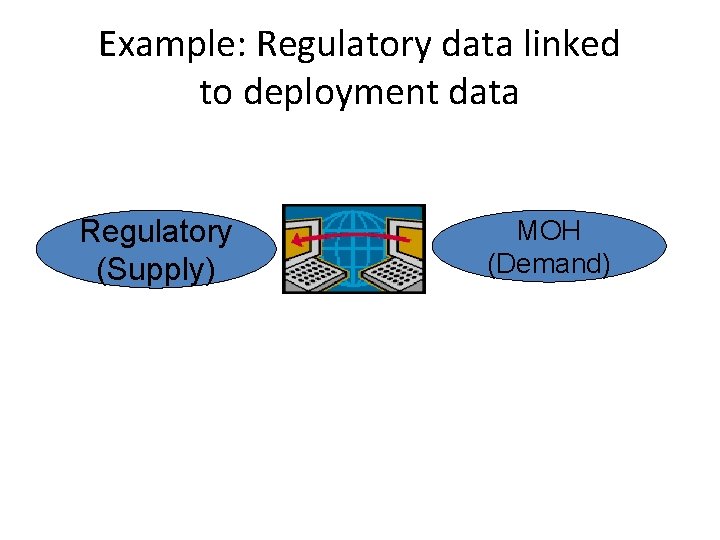
Example: Regulatory data linked to deployment data Regulatory (Supply) MOH (Demand)
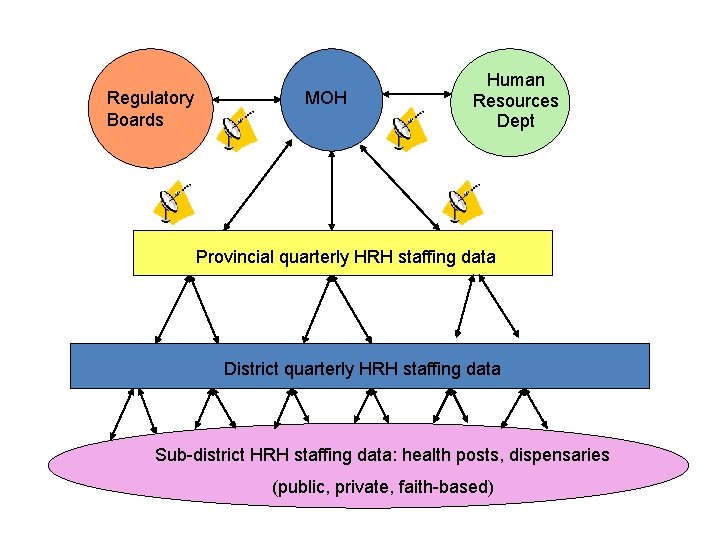
Regulatory Boards MOH Human Resources Dept Provincial quarterly HRH staffing data District quarterly HRH staffing data Sub-district HRH staffing data: health posts, dispensaries (public, private, faith-based)
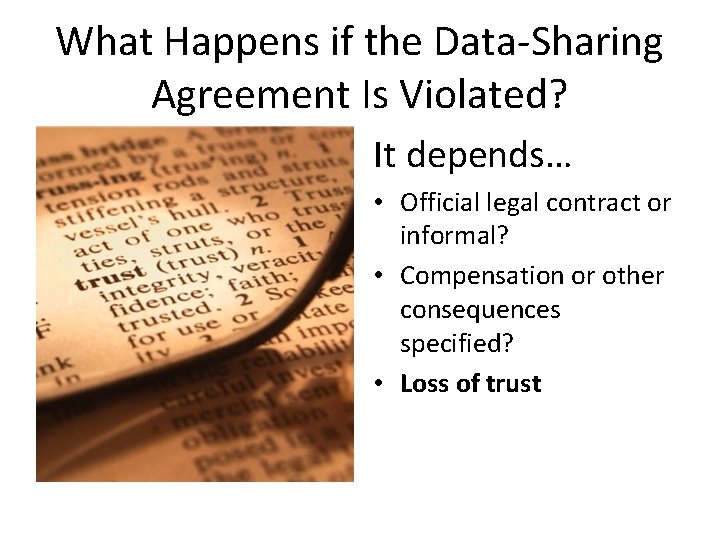
What Happens if the Data-Sharing Agreement Is Violated? It depends… • Official legal contract or informal? • Compensation or other consequences specified? • Loss of trust
Goal: Clear Communication • An informal agreement is better than no agreement • Mutual understanding about expectations and responsibilities – prevent problems and misunderstandings • Should talk on the phone or in person, but final agreement in writing
For more information join ihris@googlegroups. com or contact: hris@capacityplus. org THANK YOU VERY MUCH!