
I Cracking the AP World History Exam Multiple


- Slides: 53
I. “Cracking” the AP World History Exam: Multiple Choice & FRQ’s
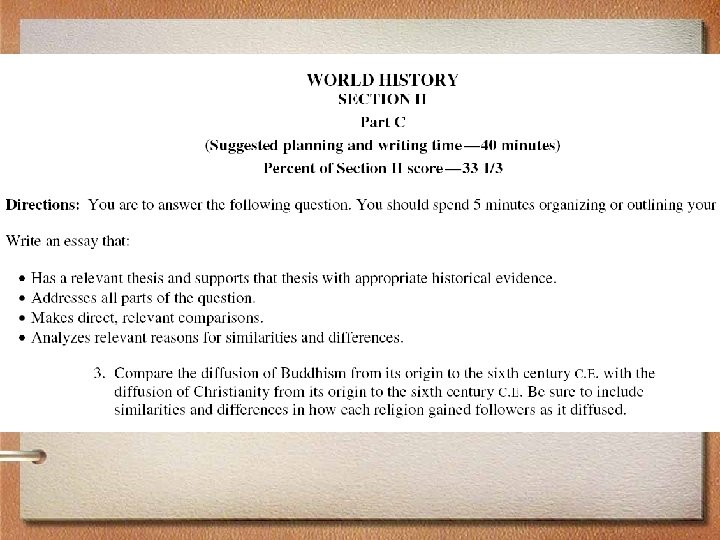
THE “WHAP” EXAM 1. 70 multiple-choice: 55 min. 2. 3 essays (9 pts ea. ): • 10 -min. “reading period” (review DBQ docs!) • 2 hours for FRQ essays: – DBQ – CCOT – Compare/Contrast
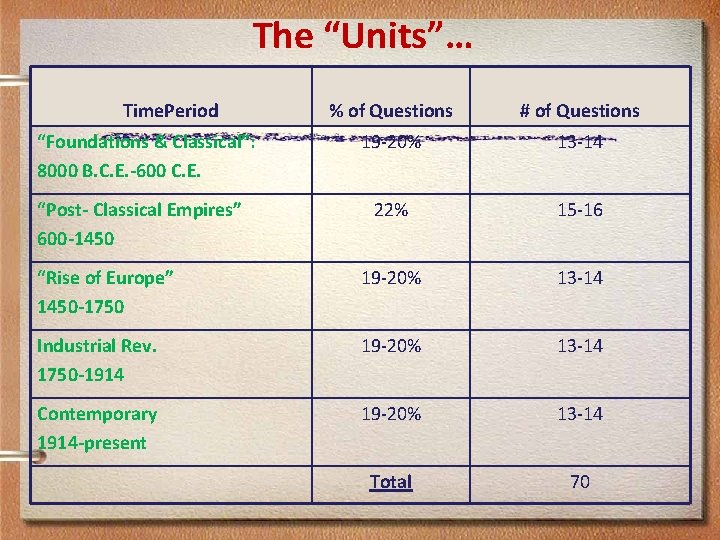
The “Units”… Time. Period % of Questions # of Questions 19 -20% 13 -14 22% 15 -16 “Rise of Europe” 1450 -1750 19 -20% 13 -14 Industrial Rev. 1750 -1914 19 -20% 13 -14 Contemporary 1914 -present 19 -20% 13 -14 Total 70 “Foundations & Classical”: 8000 B. C. E. -600 C. E. “Post- Classical Empires” 600 -1450
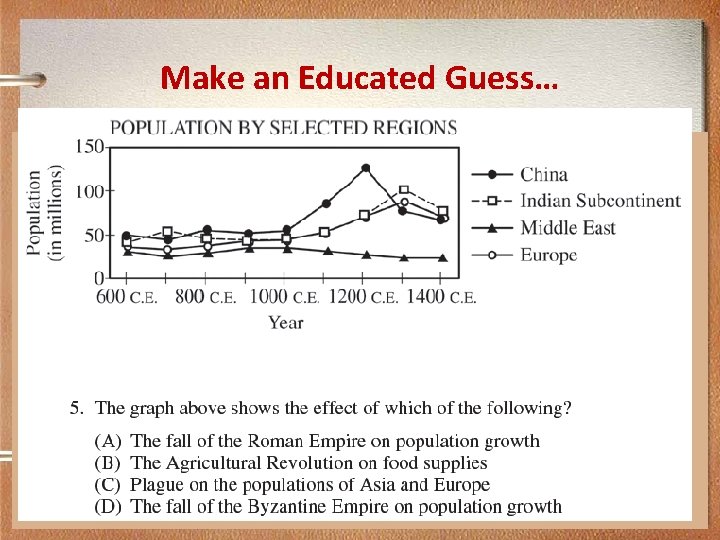
Make an Educated Guess… 1. When Europeans arrived in sub-Saharan Africa in the 1400 -1500‘s the African slave trade was (A) just beginning (B) an institution Europeans had to establish (C) well established and hundreds of years old (D) still under the control of Ottoman traders
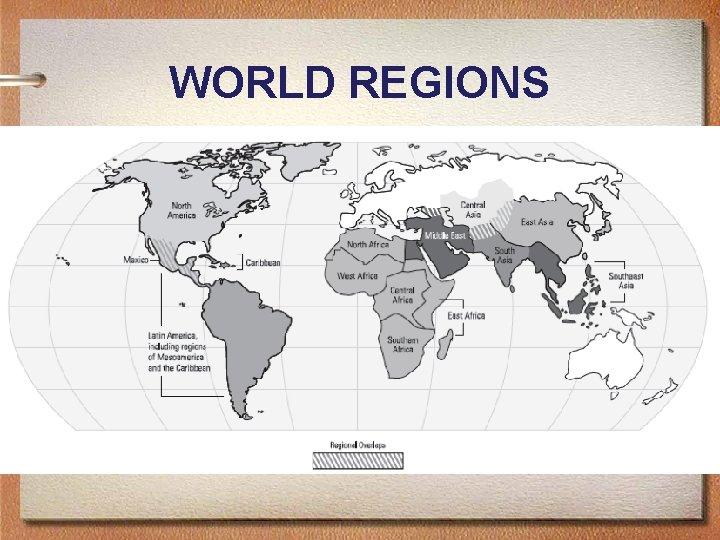
WORLD REGIONS
Unit 1: 8, 000 B. C. E. – 600 C. E.
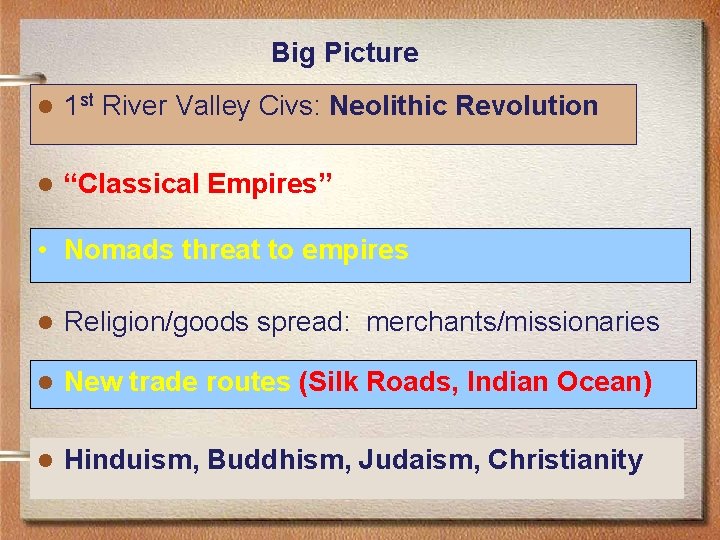
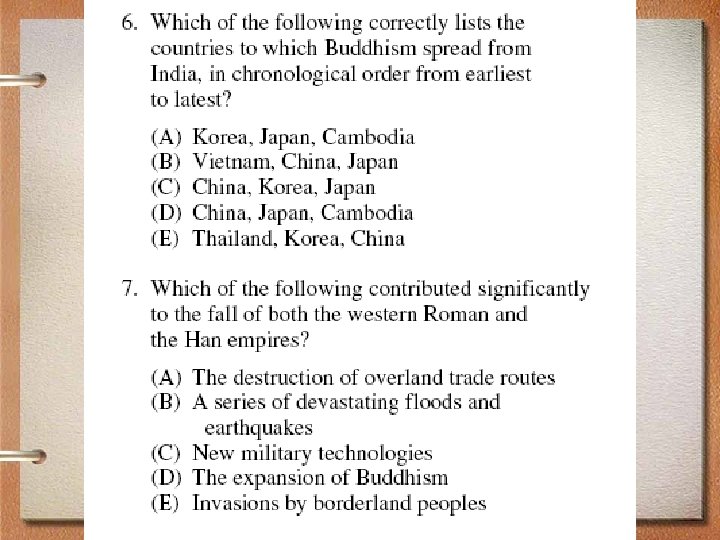
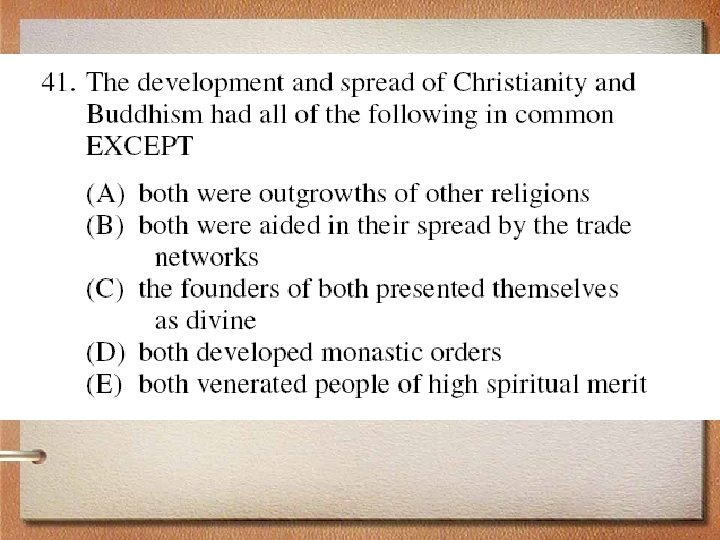
Big Picture l 1 st River Valley Civs: Neolithic Revolution l “Classical Empires” • Nomads threat to empires l Religion/goods spread: merchants/missionaries l New trade routes (Silk Roads, Indian Ocean) l Hinduism, Buddhism, Judaism, Christianity
Beginnings: 8, 000 B. C. E – 1, 000 B. C. E. • Hunters & gathers • Early humans spread from Africa • 8, 000 B. C. E. agriculture starts in MESOPOTAMIA
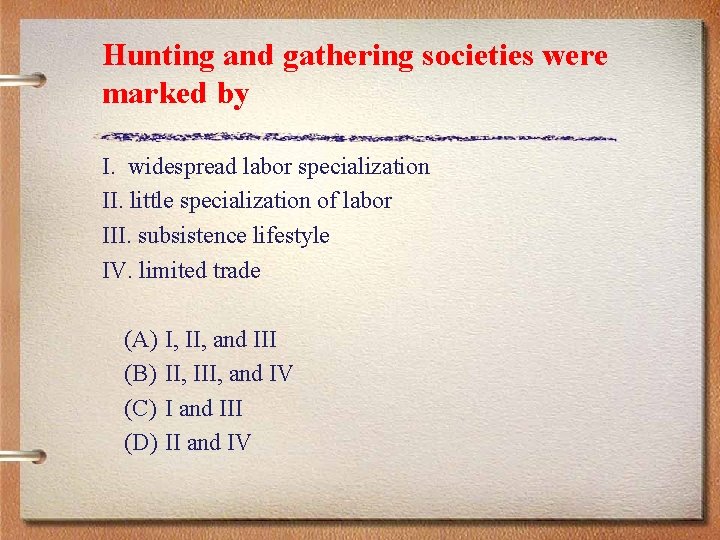
Hunting and gathering societies were marked by I. widespread labor specialization II. little specialization of labor III. subsistence lifestyle IV. limited trade (A) I, II, and III (B) II, III, and IV (C) I and III (D) II and IV
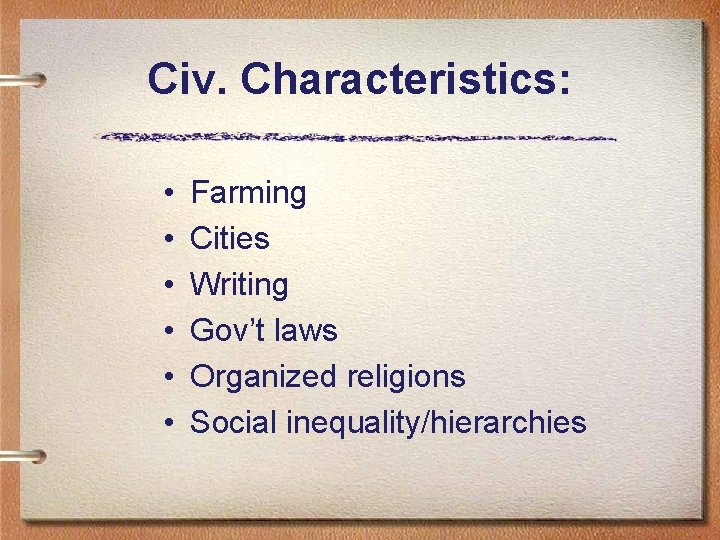
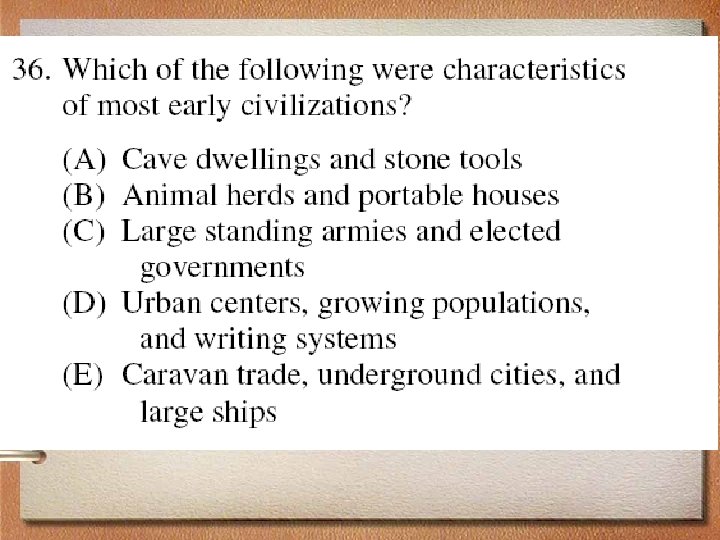
Civ. Characteristics: • • • Farming Cities Writing Gov’t laws Organized religions Social inequality/hierarchies
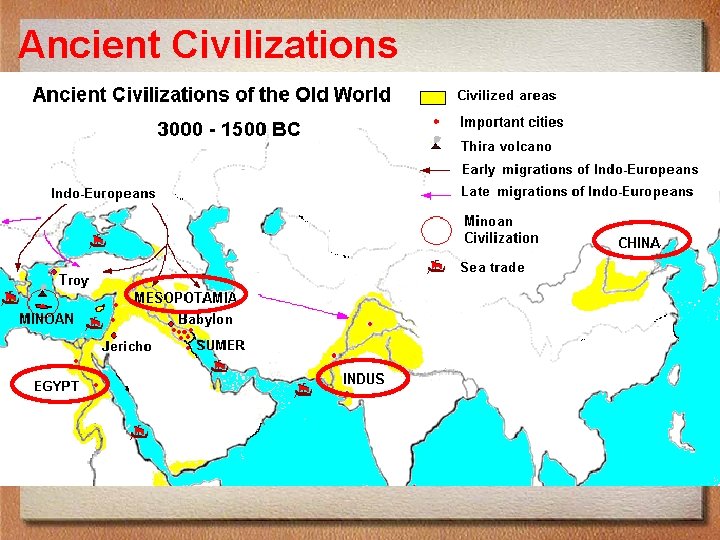
Ancient Civilizations
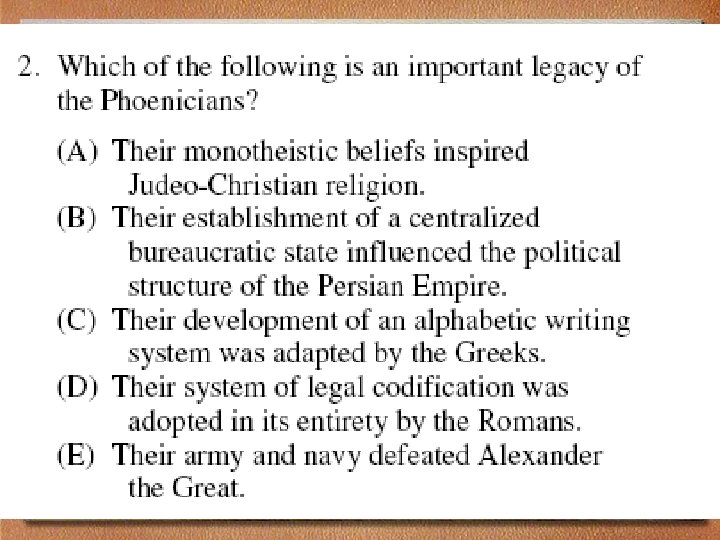
Decline of Early Civs. • By 1000 B. C. E. decline due to iron • Minoans/Mycenaeans: Minoans/Mycenaeans influenced Greeks • Phoenicians: Phoenicians trading empire (alphabet)
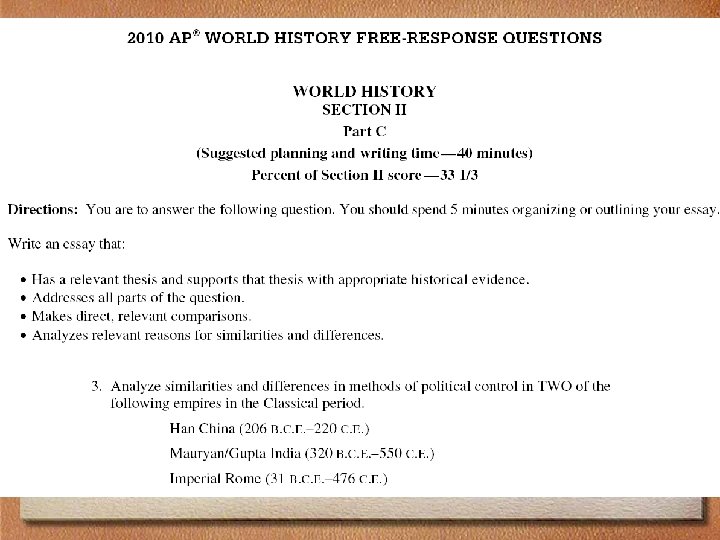
“Classical” Empires: Rome, Han, Gupta (1000 B. C. E. to 600 C. E. )
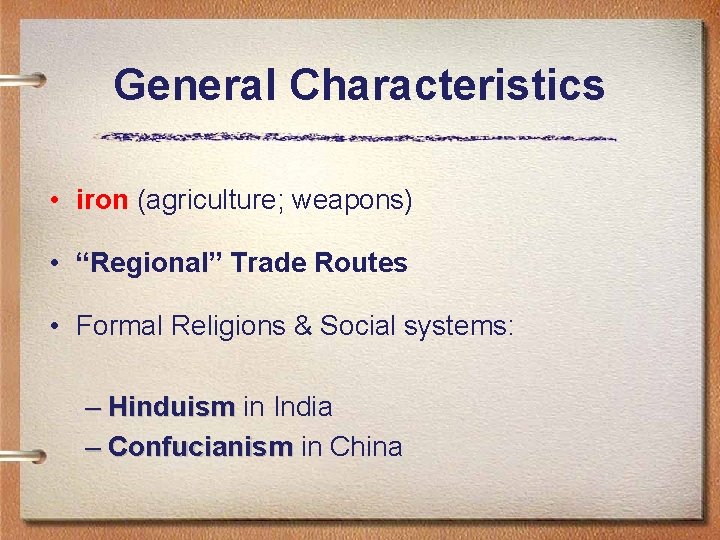
General Characteristics • iron (agriculture; weapons) • “Regional” Trade Routes • Formal Religions & Social systems: – Hinduism in India – Confucianism in China
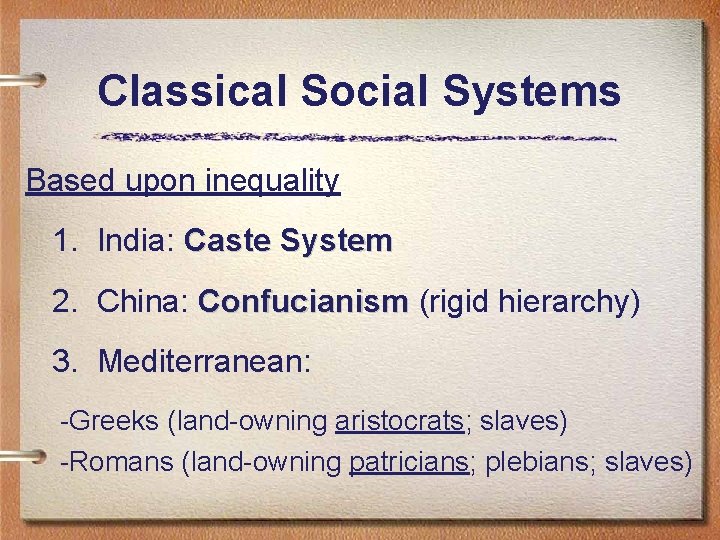
Classical Social Systems Based upon inequality 1. India: Caste System 2. China: Confucianism (rigid hierarchy) 3. Mediterranean: -Greeks (land-owning aristocrats; slaves) -Romans (land-owning patricians; plebians; slaves)
Chinese Dynasties Shang, Zhou, Qin, Han Sui, Tang, Song Yuan, Ming, Qing, Republic Mao & Deng
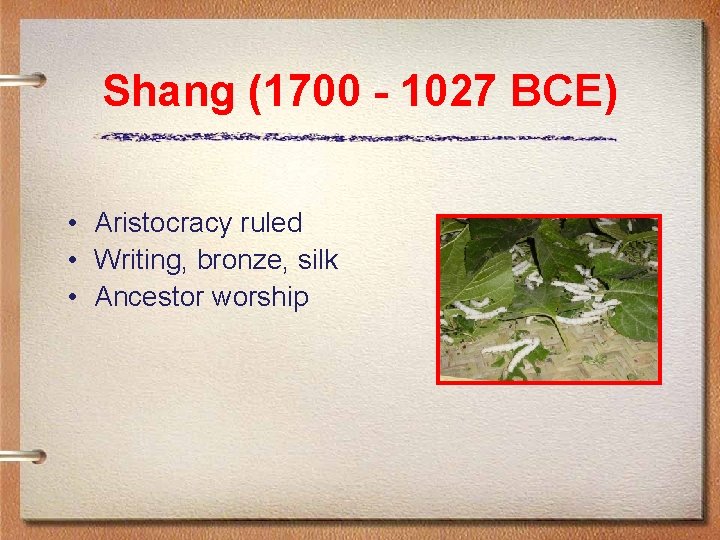
Shang (1700 - 1027 BCE) • Aristocracy ruled • Writing, bronze, silk • Ancestor worship
Zhou (1027 - 250 BCE) • • • Longest lasting Dynasty Beginning of Mandate of Heaven Taoism & Confucianism introduced Feudal Built roads, expanded trade Ended with: “Warring States Period” Period
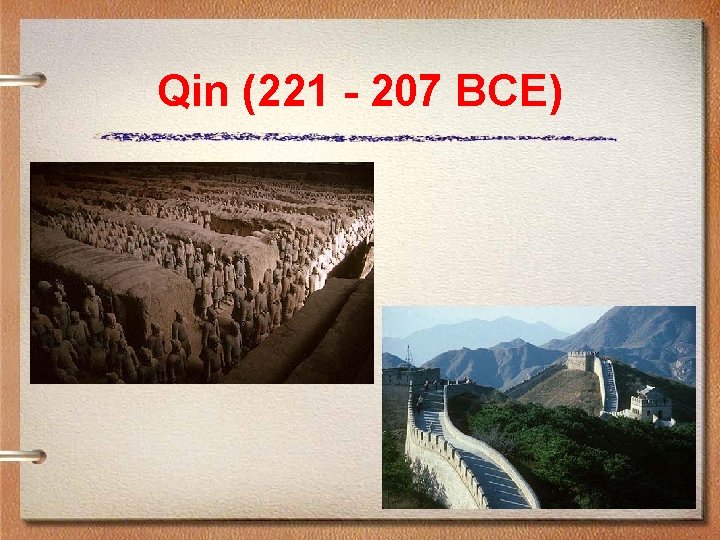
China: Qin & Han • Qin dynasty– Legalist (strict & severe) – Emperor Shi Huangdi (: Terra Cotta Warriors”) – Great Wall • Han dynasty– Confucianism: – Mandate of Heaven/highly centralized – “Meritocracy”: civil service exam & scholar-gentry – Eunuchs gained power – Silk Roads: paper, silk Decline: corruption, nomads, loss of mandate, crop failure, internal conflict
Qin (221 - 207 BCE)
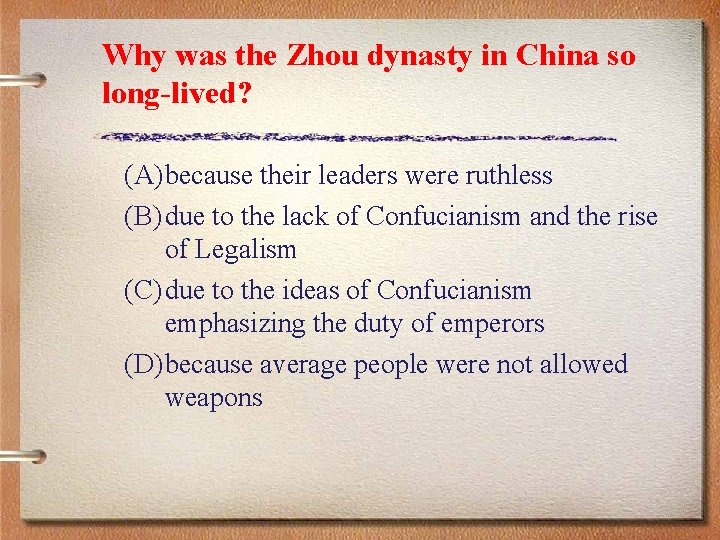
Why was the Zhou dynasty in China so long-lived? (A) because their leaders were ruthless (B) due to the lack of Confucianism and the rise of Legalism (C) due to the ideas of Confucianism emphasizing the duty of emperors (D) because average people were not allowed weapons
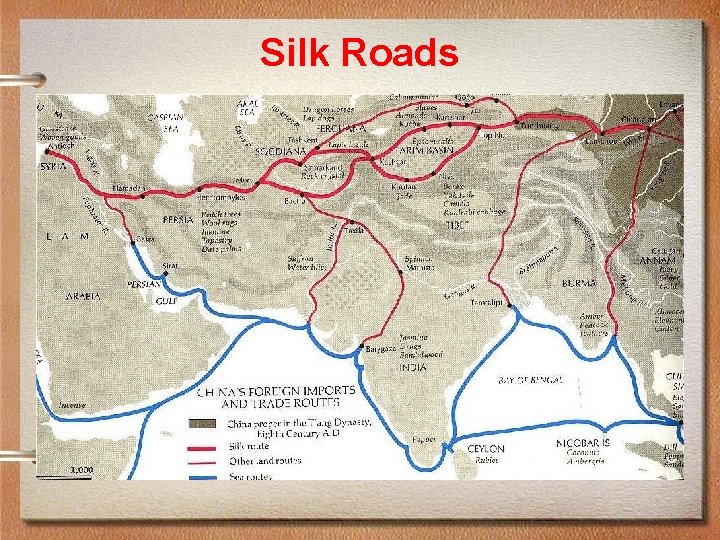
Silk Roads – brought Buddhism to China – Chinese silk to Europe
Silk Roads
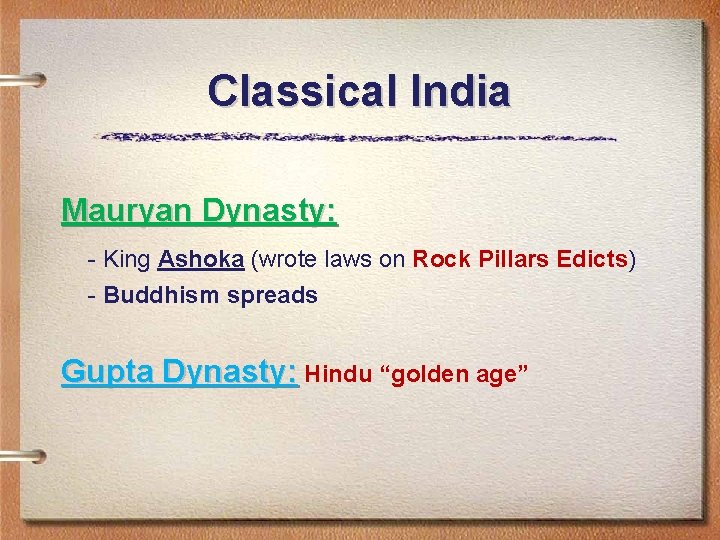
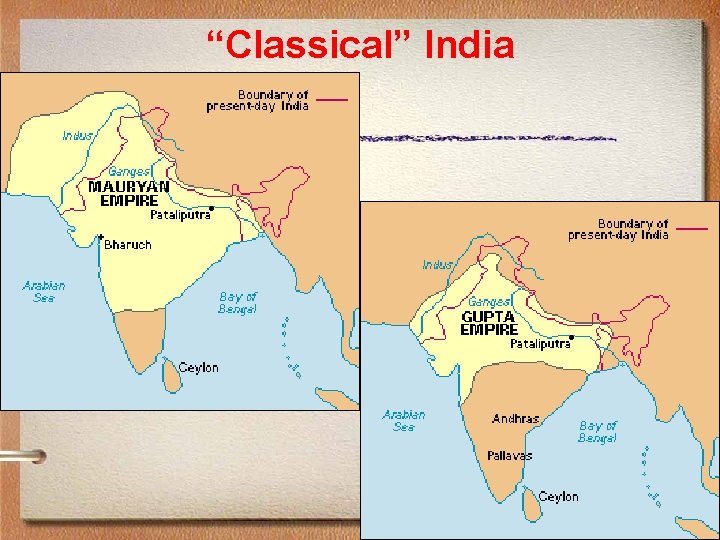
Classical India Mauryan Dynasty: - King Ashoka (wrote laws on Rock Pillars Edicts) - Buddhism spreads Gupta Dynasty: Hindu “golden age”
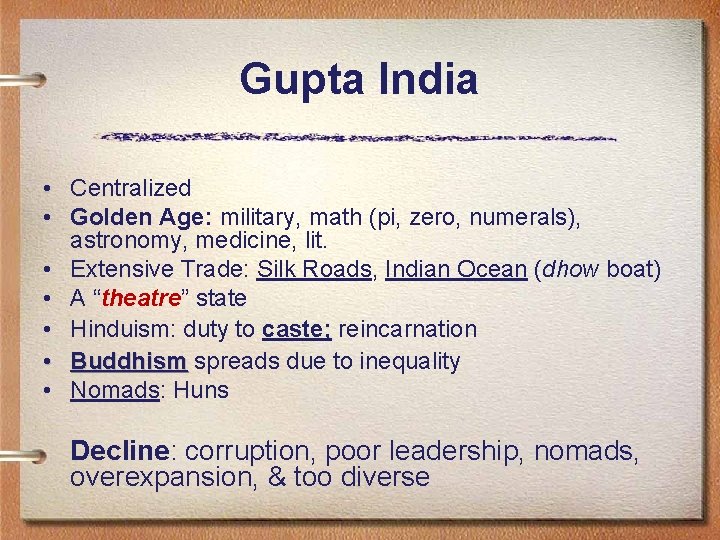
Gupta India • Centralized • Golden Age: military, math (pi, zero, numerals), astronomy, medicine, lit. • Extensive Trade: Silk Roads, Indian Ocean (dhow boat) • A “theatre” state • Hinduism: duty to caste; reincarnation • Buddhism spreads due to inequality • Nomads: Huns Decline: corruption, poor leadership, nomads, overexpansion, & too diverse
“Classical” India
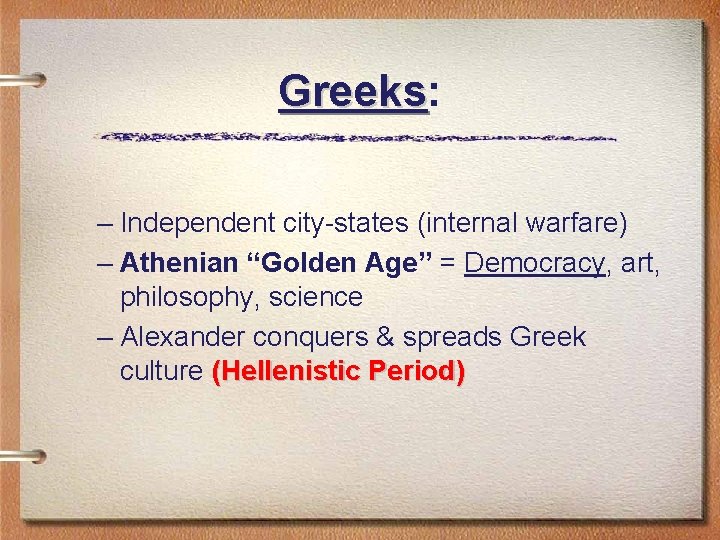
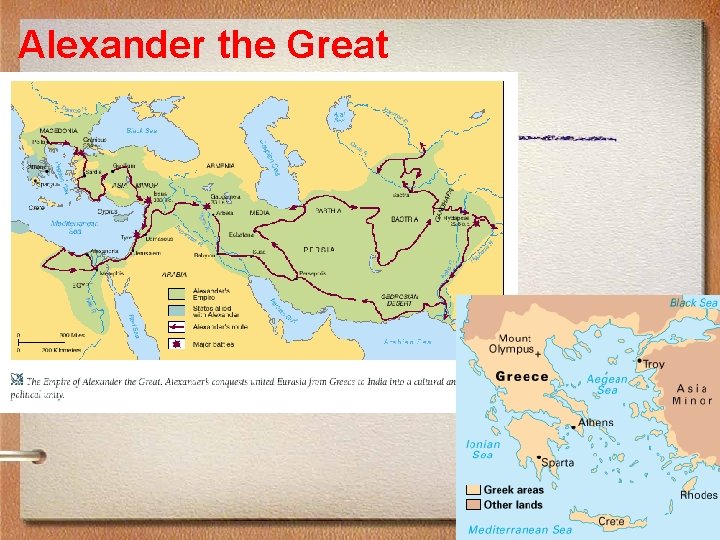
Greeks: Greeks – Independent city-states (internal warfare) – Athenian “Golden Age” = Democracy, art, philosophy, science – Alexander conquers & spreads Greek culture (Hellenistic Period)
Alexander the Great
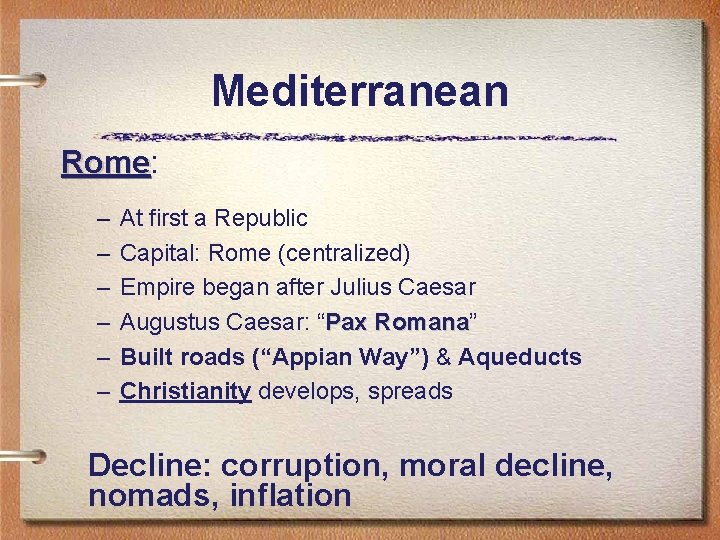
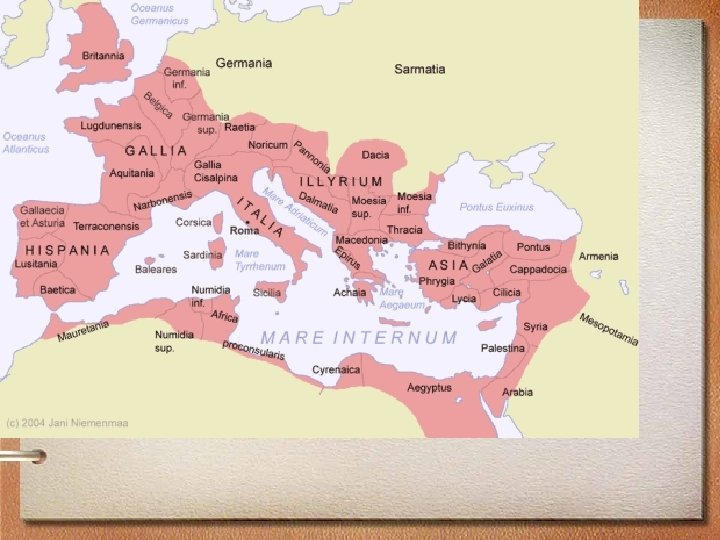
Mediterranean Rome: Rome – – – At first a Republic Capital: Rome (centralized) Empire began after Julius Caesar Augustus Caesar: “Pax Romana” Romana Built roads (“Appian Way”) & Aqueducts Christianity develops, spreads Decline: corruption, moral decline, nomads, inflation
Roman Empire
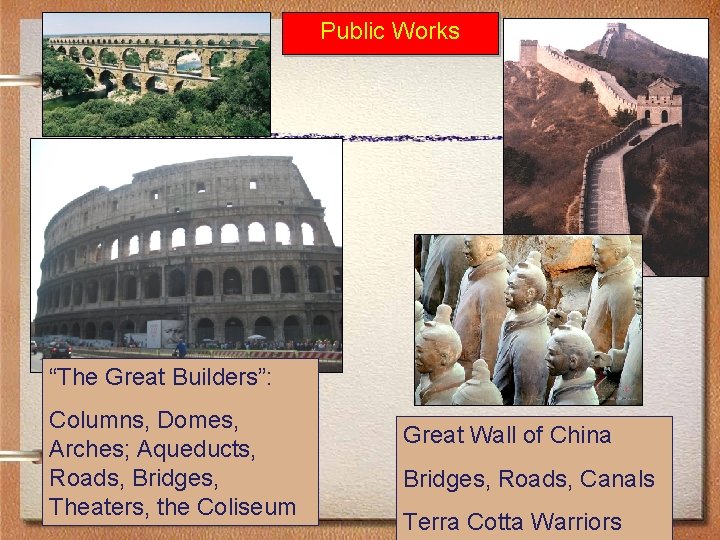
Public Works “The Great Builders”: Columns, Domes, Arches; Aqueducts, Roads, Bridges, Theaters, the Coliseum Great Wall of China Bridges, Roads, Canals Terra Cotta Warriors
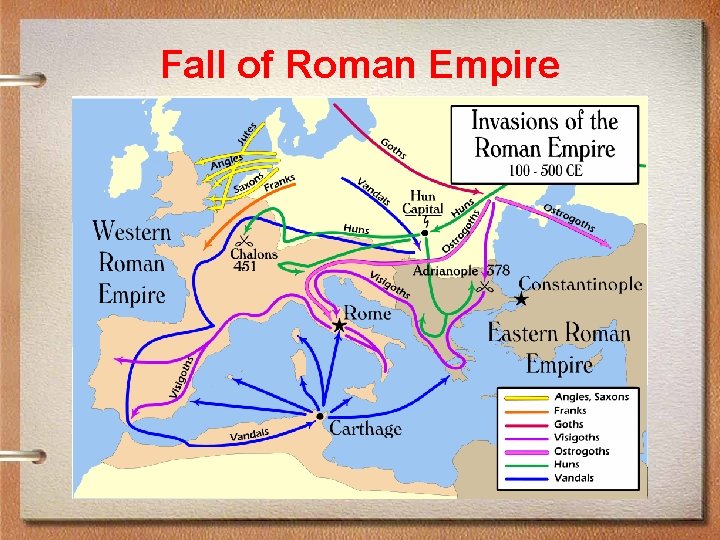
Fall of Roman Empire
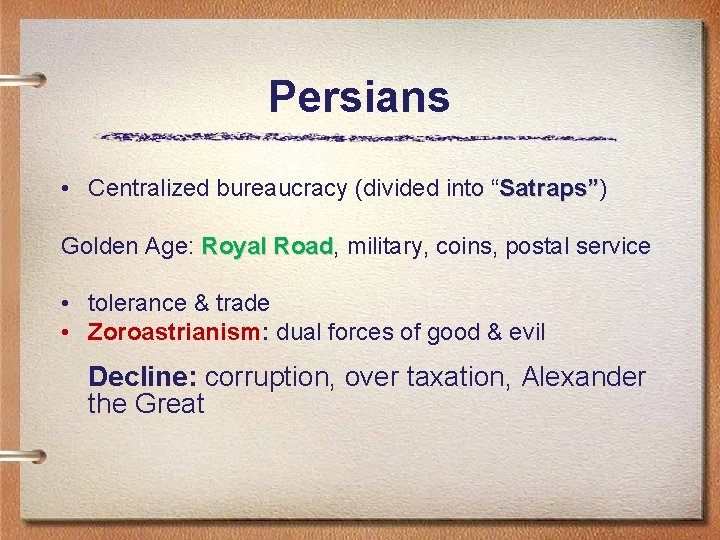
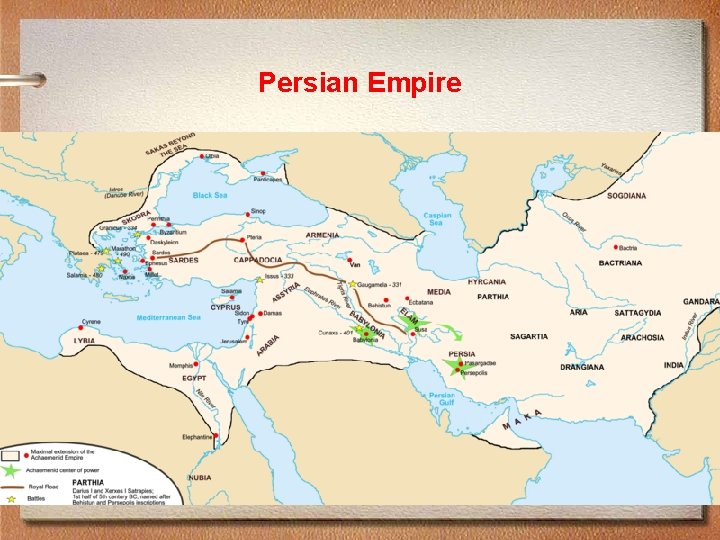
Persians • Centralized bureaucracy (divided into “Satraps”) Satraps” Golden Age: Royal Road, Road military, coins, postal service • tolerance & trade • Zoroastrianism: dual forces of good & evil Decline: corruption, over taxation, Alexander the Great
Persian Empire
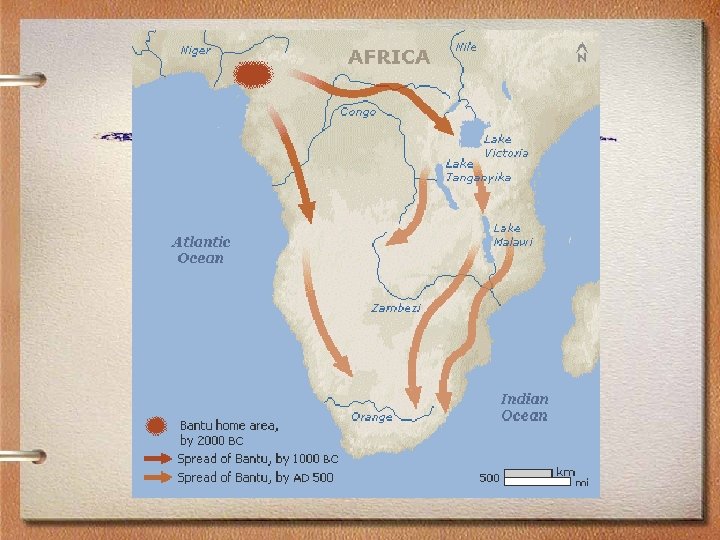
In Africa: • Bantu migrations: spread similar cultural traits through Sub-Saharan Africa
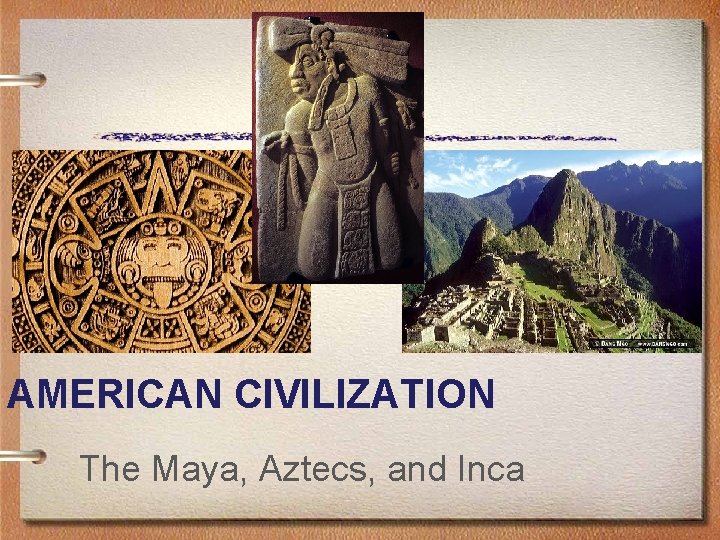
AMERICAN CIVILIZATION The Maya, Aztecs, and Inca
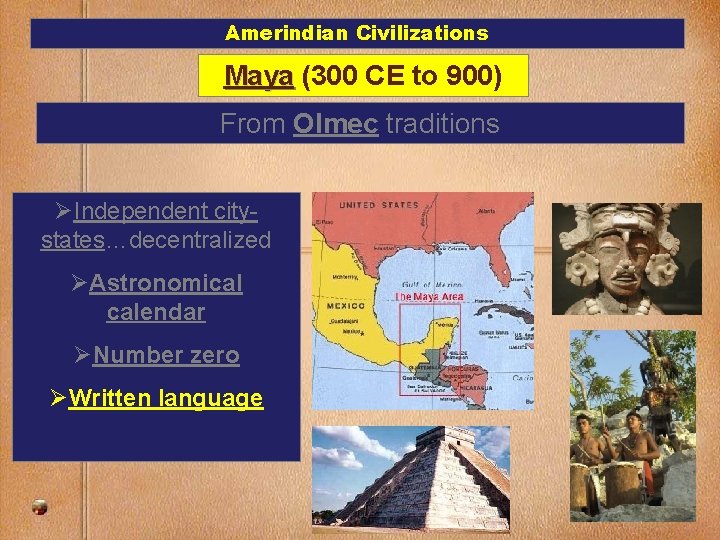
Amerindian Civilizations Maya (300 CE to 900) From Olmec traditions ØIndependent citystates…decentralized ØAstronomical calendar ØNumber zero ØWritten language
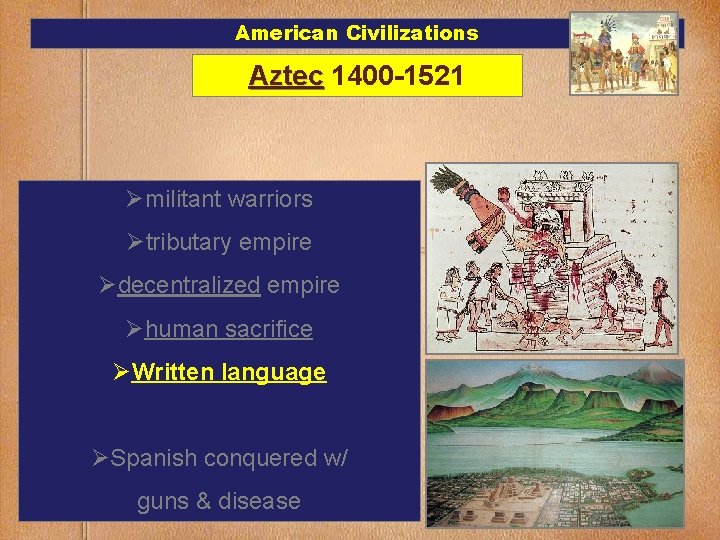
American Civilizations Aztec 1400 -1521 Ømilitant warriors Øtributary empire Ødecentralized empire Øhuman sacrifice ØWritten language ØSpanish conquered w/ guns & disease
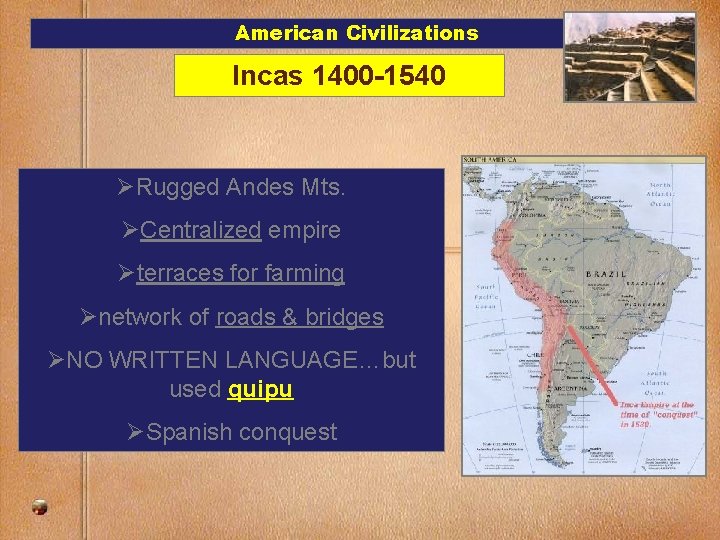
American Civilizations Incas 1400 -1540 ØRugged Andes Mts. ØCentralized empire Øterraces for farming Ønetwork of roads & bridges ØNO WRITTEN LANGUAGE…but used quipu ØSpanish conquest
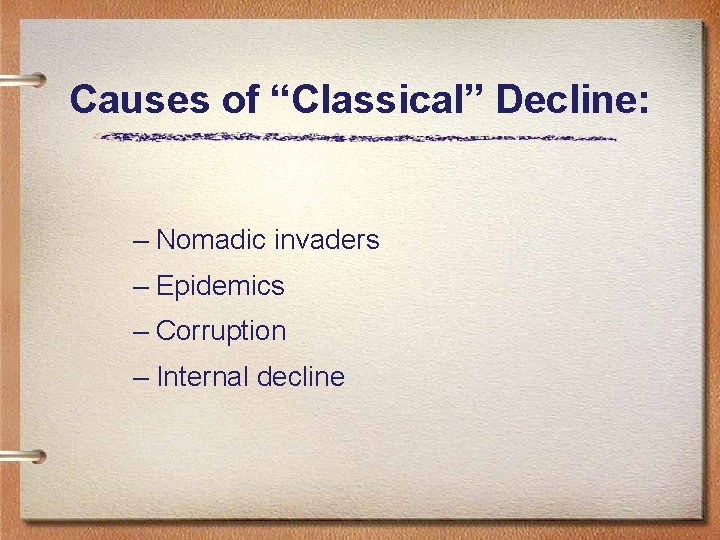
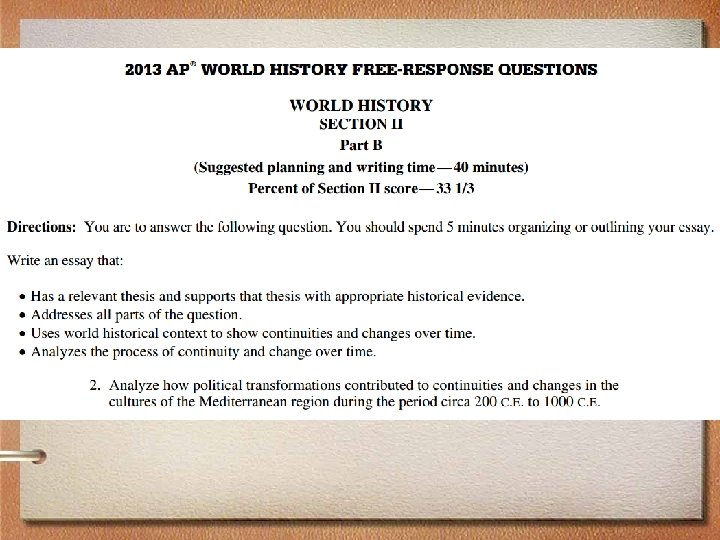
Causes of “Classical” Decline: – Nomadic invaders – Epidemics – Corruption – Internal decline
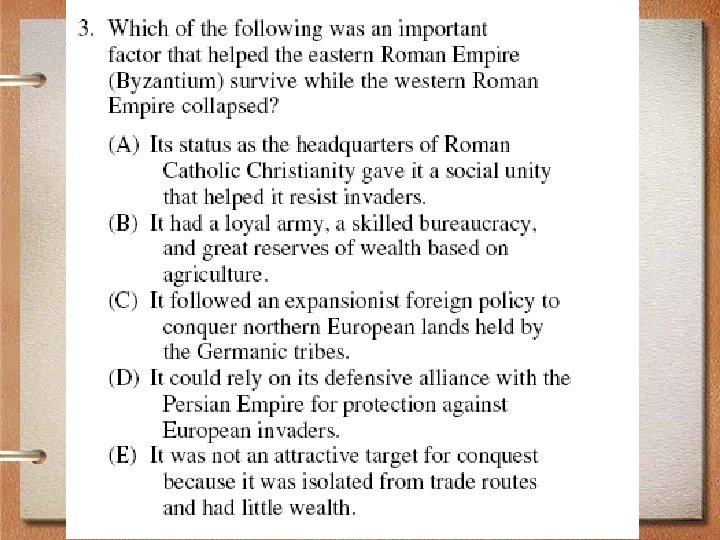
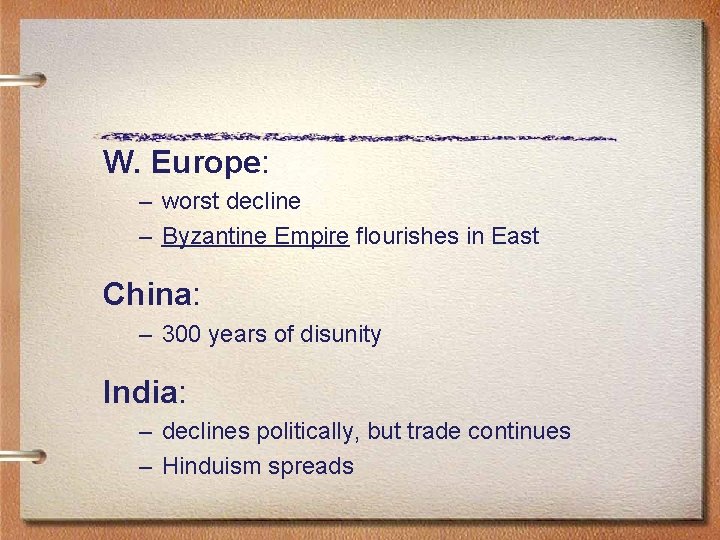
W. Europe: – worst decline – Byzantine Empire flourishes in East China: – 300 years of disunity India: – declines politically, but trade continues – Hinduism spreads