
I Cant Sleep Insomnia Case Discussions Anita Valanju


- Slides: 50
“I Can’t Sleep!” Insomnia Case Discussions Anita Valanju Shelgikar, MD October 20, 2016
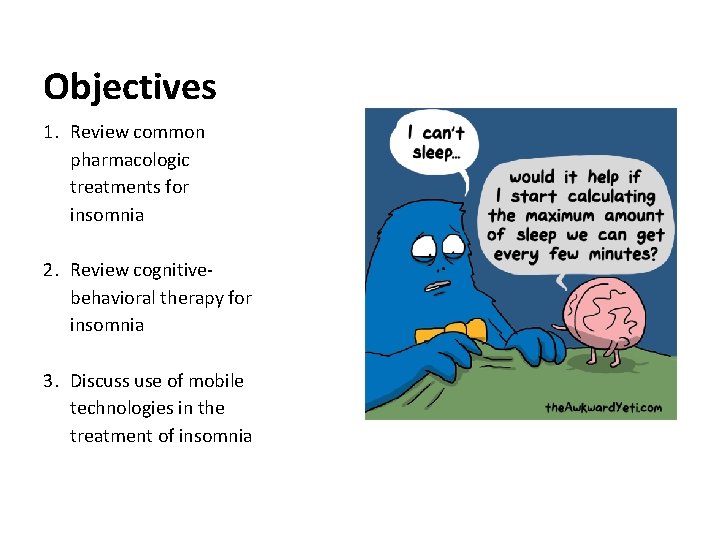
Objectives 1. Review common pharmacologic treatments for insomnia 2. Review cognitivebehavioral therapy for insomnia 3. Discuss use of mobile technologies in the treatment of insomnia
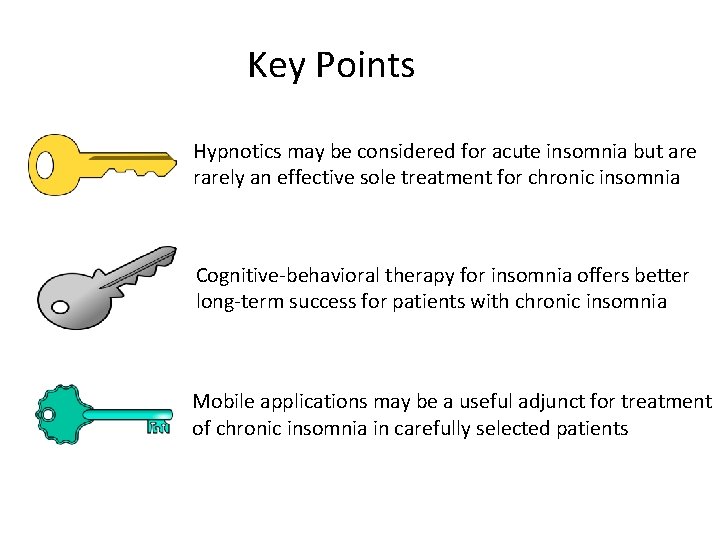
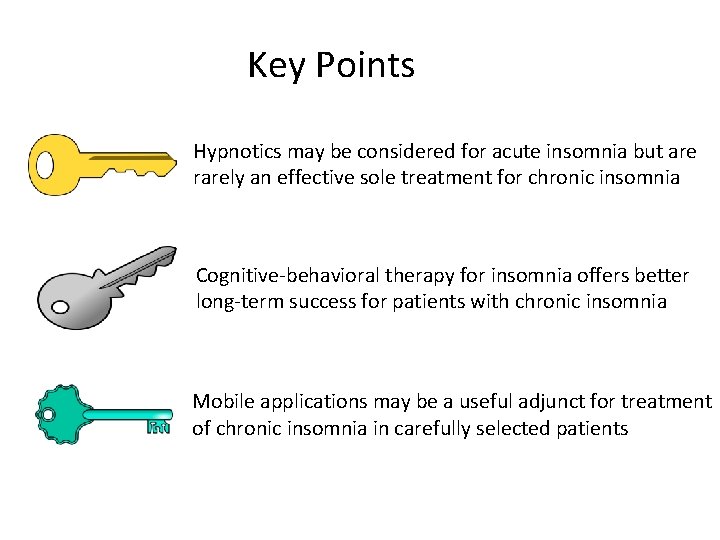
Key Points Hypnotics may be considered for acute insomnia but are rarely an effective sole treatment for chronic insomnia Cognitive-behavioral therapy for insomnia offers better long-term success for patients with chronic insomnia Mobile applications may be a useful adjunct for treatment of chronic insomnia in carefully selected patients
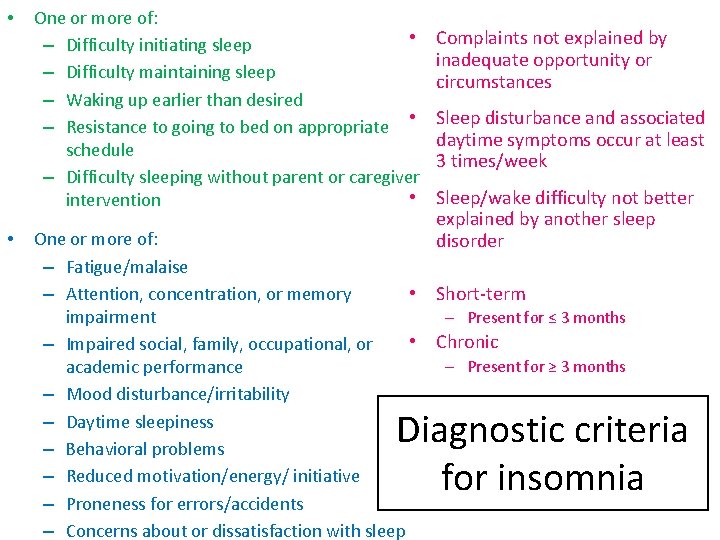
• • One or more of: • – Difficulty initiating sleep – Difficulty maintaining sleep – Waking up earlier than desired – Resistance to going to bed on appropriate • schedule – Difficulty sleeping without parent or caregiver • intervention One or more of: – Fatigue/malaise • – Attention, concentration, or memory impairment • – Impaired social, family, occupational, or academic performance – Mood disturbance/irritability – Daytime sleepiness – Behavioral problems – Reduced motivation/energy/ initiative – Proneness for errors/accidents – Concerns about or dissatisfaction with sleep Complaints not explained by inadequate opportunity or circumstances Sleep disturbance and associated daytime symptoms occur at least 3 times/week Sleep/wake difficulty not better explained by another sleep disorder Short-term – Present for ≤ 3 months Chronic – Present for ≥ 3 months Diagnostic criteria for insomnia
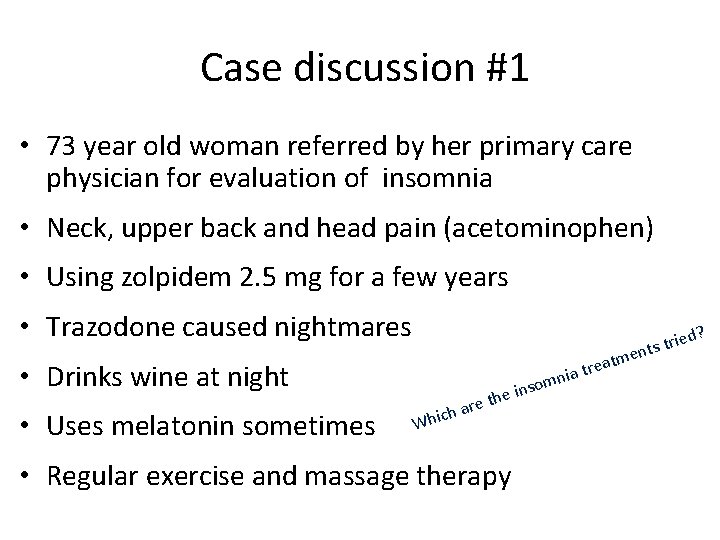
Case discussion #1 • 73 year old woman referred by her primary care physician for evaluation of insomnia • Neck, upper back and head pain (acetominophen) • Using zolpidem 2. 5 mg for a few years • Trazodone caused nightmares d? tre a i n m • Drinks wine at night • Uses melatonin sometimes atm so n i e th are ch Whi • Regular exercise and massage therapy trie s t n e
What categories of medications have you prescribed for insomnia?
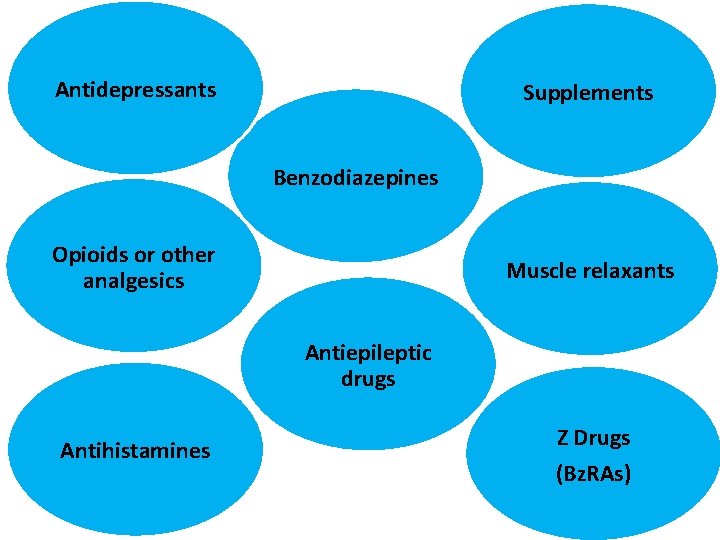
Antidepressants Supplements Benzodiazepines Opioids or other analgesics Muscle relaxants Antiepileptic drugs Antihistamines Z Drugs (Bz. RAs)
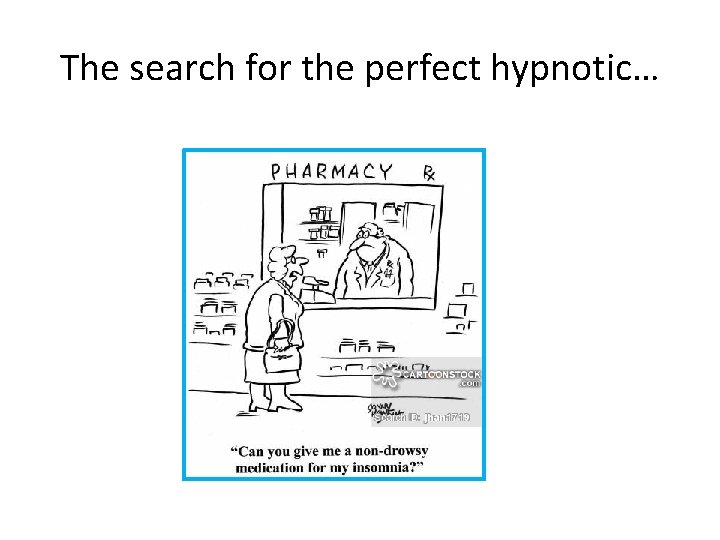
The search for the perfect hypnotic…
Do you proceed with medications have for insomnia in a certain sequence?
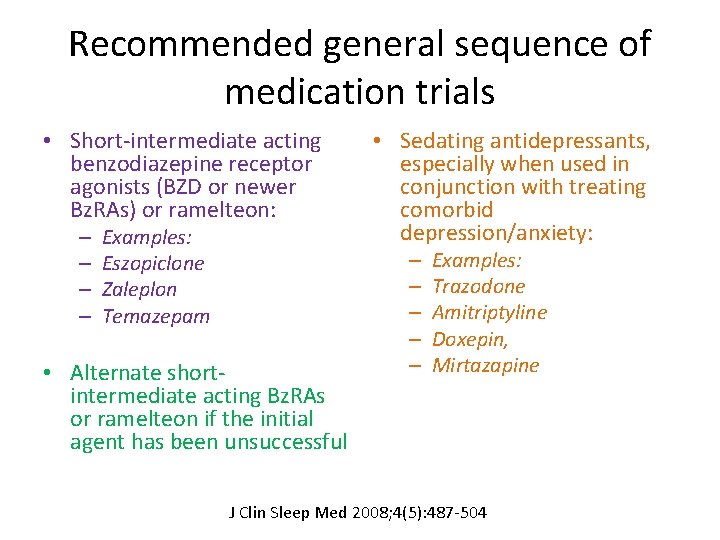
Recommended general sequence of medication trials • Short-intermediate acting benzodiazepine receptor agonists (BZD or newer Bz. RAs) or ramelteon: – – Examples: Eszopiclone Zaleplon Temazepam • Alternate shortintermediate acting Bz. RAs or ramelteon if the initial agent has been unsuccessful • Sedating antidepressants, especially when used in conjunction with treating comorbid depression/anxiety: – – – Examples: Trazodone Amitriptyline Doxepin, Mirtazapine J Clin Sleep Med 2008; 4(5): 487 -504
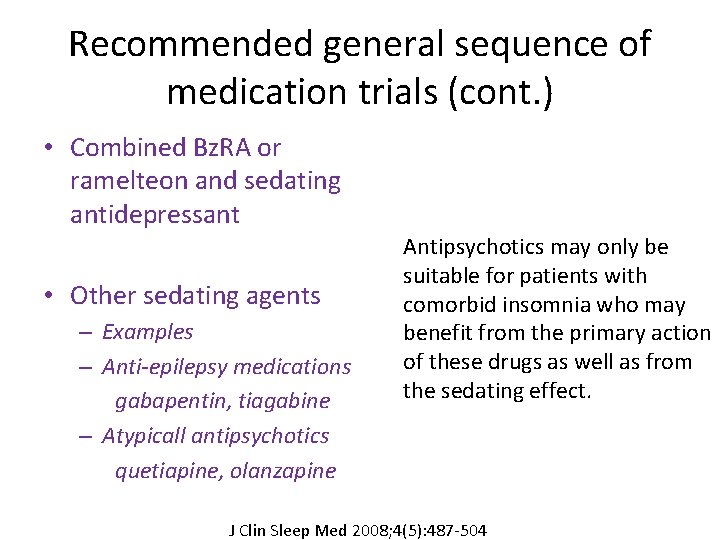
Recommended general sequence of medication trials (cont. ) • Combined Bz. RA or ramelteon and sedating antidepressant • Other sedating agents – Examples – Anti-epilepsy medications gabapentin, tiagabine – Atypicall antipsychotics quetiapine, olanzapine Antipsychotics may only be suitable for patients with comorbid insomnia who may benefit from the primary action of these drugs as well as from the sedating effect. J Clin Sleep Med 2008; 4(5): 487 -504
What categories of medications are not recommended for treatment of insomnia?
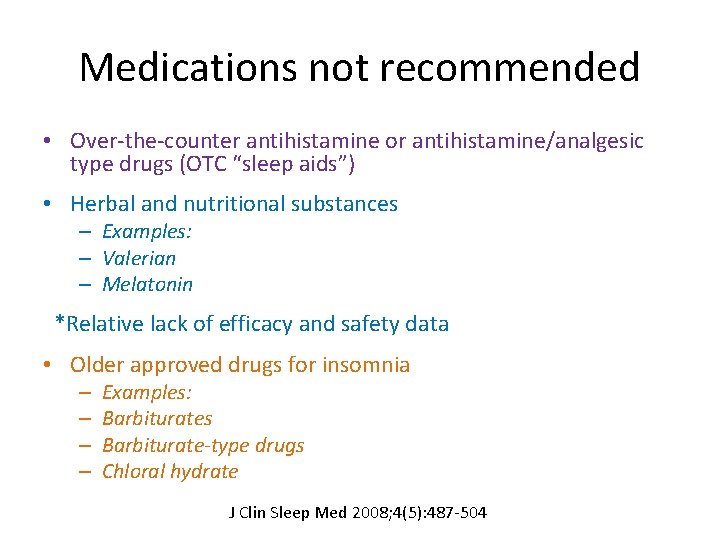
Medications not recommended • Over-the-counter antihistamine or antihistamine/analgesic type drugs (OTC “sleep aids”) • Herbal and nutritional substances – Examples: – Valerian – Melatonin *Relative lack of efficacy and safety data • Older approved drugs for insomnia – – Examples: Barbiturates Barbiturate-type drugs Chloral hydrate J Clin Sleep Med 2008; 4(5): 487 -504
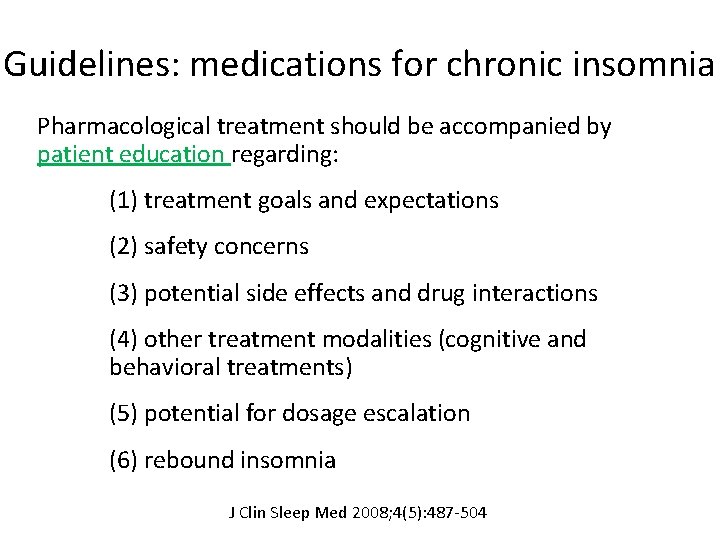
Guidelines: medications for chronic insomnia Pharmacological treatment should be accompanied by patient education regarding: (1) treatment goals and expectations (2) safety concerns (3) potential side effects and drug interactions (4) other treatment modalities (cognitive and behavioral treatments) (5) potential for dosage escalation (6) rebound insomnia J Clin Sleep Med 2008; 4(5): 487 -504
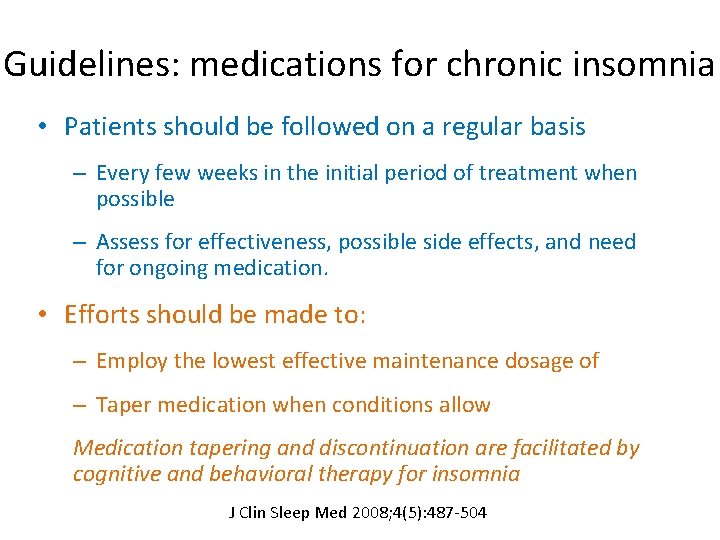
Guidelines: medications for chronic insomnia • Patients should be followed on a regular basis – Every few weeks in the initial period of treatment when possible – Assess for effectiveness, possible side effects, and need for ongoing medication. • Efforts should be made to: – Employ the lowest effective maintenance dosage of – Taper medication when conditions allow Medication tapering and discontinuation are facilitated by cognitive and behavioral therapy for insomnia J Clin Sleep Med 2008; 4(5): 487 -504
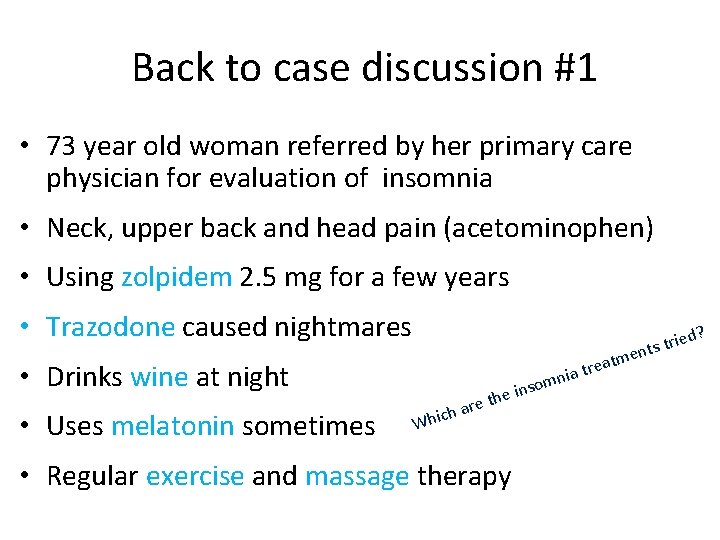
Back to case discussion #1 • 73 year old woman referred by her primary care physician for evaluation of insomnia • Neck, upper back and head pain (acetominophen) • Using zolpidem 2. 5 mg for a few years • Trazodone caused nightmares d? tre a i n m • Drinks wine at night • Uses melatonin sometimes atm so n i e th are ch Whi • Regular exercise and massage therapy trie s t n e
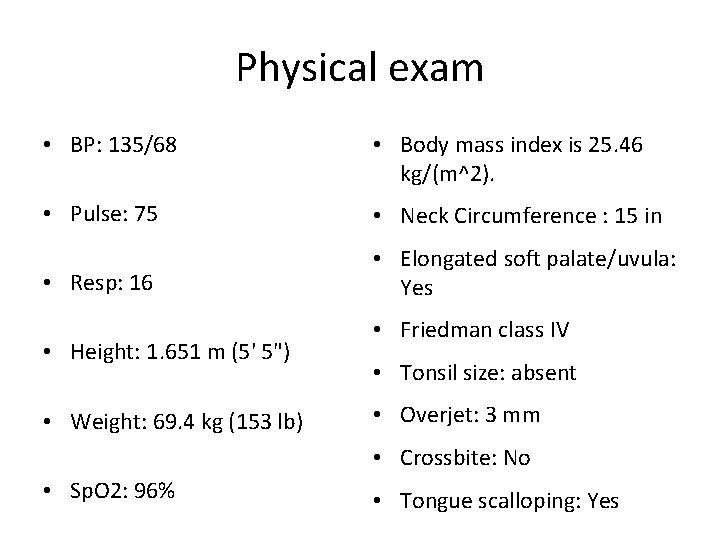
Physical exam • BP: 135/68 • Body mass index is 25. 46 kg/(m^2). • Pulse: 75 • Neck Circumference : 15 in • Resp: 16 • Elongated soft palate/uvula: Yes • Height: 1. 651 m (5' 5") • Weight: 69. 4 kg (153 lb) • Friedman class IV • Tonsil size: absent • Overjet: 3 mm • Crossbite: No • Sp. O 2: 96% • Tongue scalloping: Yes
HOW WOULD YOU PROCEED?
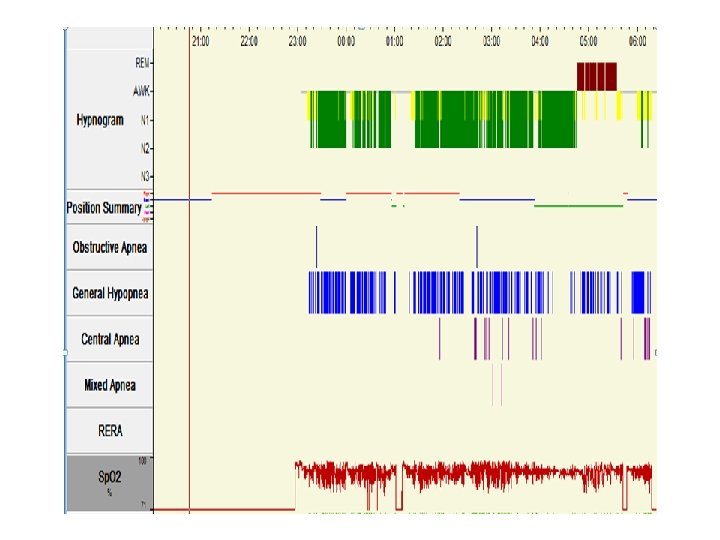
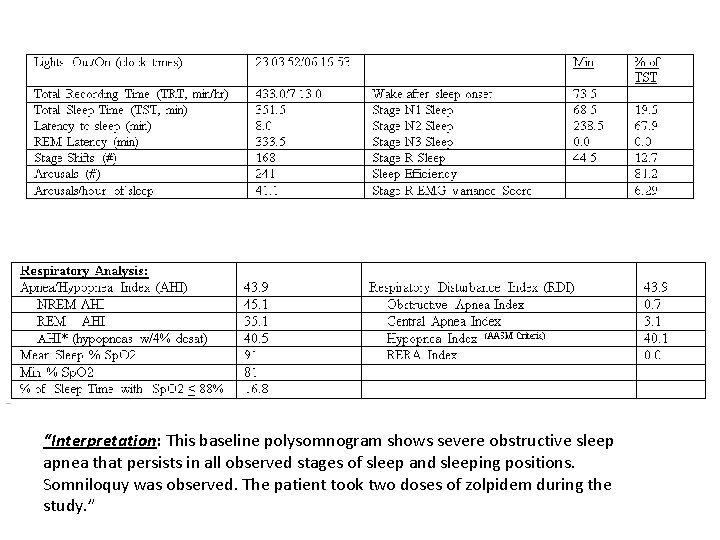
“Interpretation: This baseline polysomnogram shows severe obstructive sleep apnea that persists in all observed stages of sleep and sleeping positions. Somniloquy was observed. The patient took two doses of zolpidem during the study. ”
Case discussion #1: Take home points • Minimize hypnotic use when possible – Lowest possible dose – Monotherapy • Assess for hypnotic side effects, particularly those that may pose a safety risk • Explore other sleep-related symptoms – You may discover another (treatable) sleep disorder – Successful treatment of comorbid sleep disorders may allow hypnotic taper or discontinuation
Case discussion #2 • 65 year old woman presented to an outside facility may years ago with frequent nocturnal awakenings, snoring and witnessed apneas • Diagnosed with obstructive sleep apnea, currently treated with nightly use of bi-level positive airway pressure (PAP) • Says she sleeps well and “prefers to have a long sleep schedule because I like to have a shorter day”
Case discussion #2 (cont. ) • Sleeps from 10 or 11 pm, falls asleep within 10 to 90 minutes “depending on the day” • Has 1 nocturnal awakening to urinate then falls back asleep easily • Has used medications to help with sleep for “so many years I can’t remember what it’s like to sleep without them”
Case discussion #2: past medical history • • • COPD Obstructive sleep apnea Non-alcoholic cirrhosis Asthma Essential hypertension Diabetes type 2 CAD Chronic pain Chronic use of opiate drugs therapeutic purposes • • • Chronic insomnia Left carotid artery stenosis Iron deficiency anemia Hyperlipidemia Biliary cirrhosis Vitamin D deficiency Statin intolerance Ischemic cardiomyopathy Memory loss
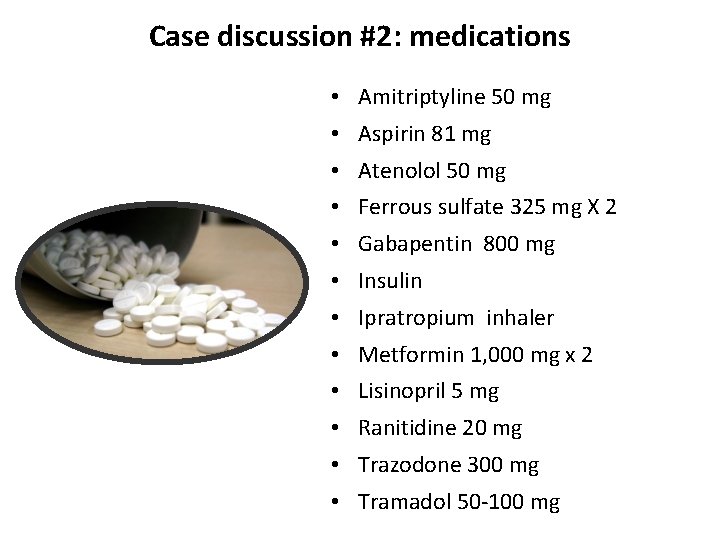
Case discussion #2: medications • Amitriptyline 50 mg • Aspirin 81 mg • Atenolol 50 mg • Ferrous sulfate 325 mg X 2 • Gabapentin 800 mg • Insulin • Ipratropium inhaler • Metformin 1, 000 mg x 2 • Lisinopril 5 mg • Ranitidine 20 mg • Trazodone 300 mg • Tramadol 50 -100 mg
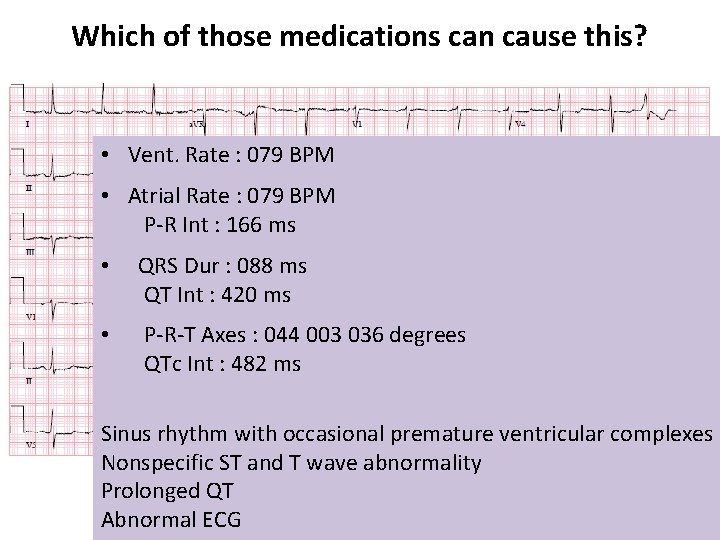
Which of those medications can cause this? • Vent. Rate : 079 BPM • Atrial Rate : 079 BPM P-R Int : 166 ms • QRS Dur : 088 ms QT Int : 420 ms • P-R-T Axes : 044 003 036 degrees QTc Int : 482 ms Sinus rhythm with occasional premature ventricular complexes Nonspecific ST and T wave abnormality Prolonged QT Abnormal ECG
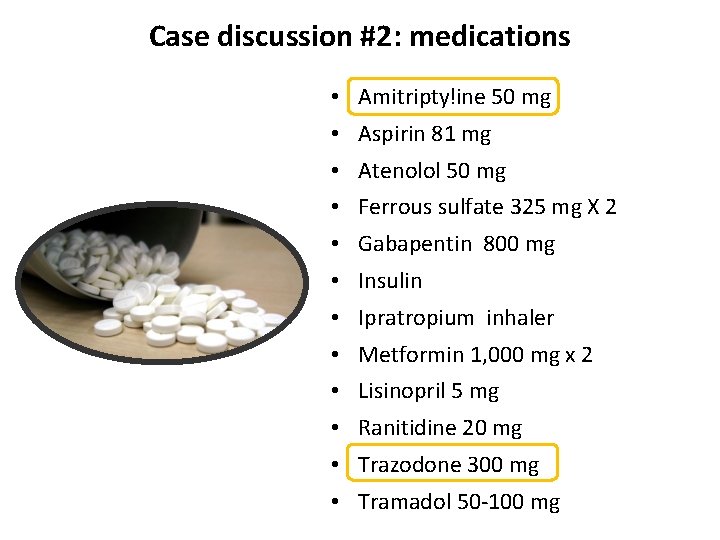
Case discussion #2: medications v • Amitriptyline 50 mg • Aspirin 81 mg • Atenolol 50 mg • Ferrous sulfate 325 mg X 2 • Gabapentin 800 mg • Insulin • Ipratropium inhaler • Metformin 1, 000 mg x 2 • Lisinopril 5 mg • Ranitidine 20 mg • Trazodone 300 mg • Tramadol 50 -100 mg
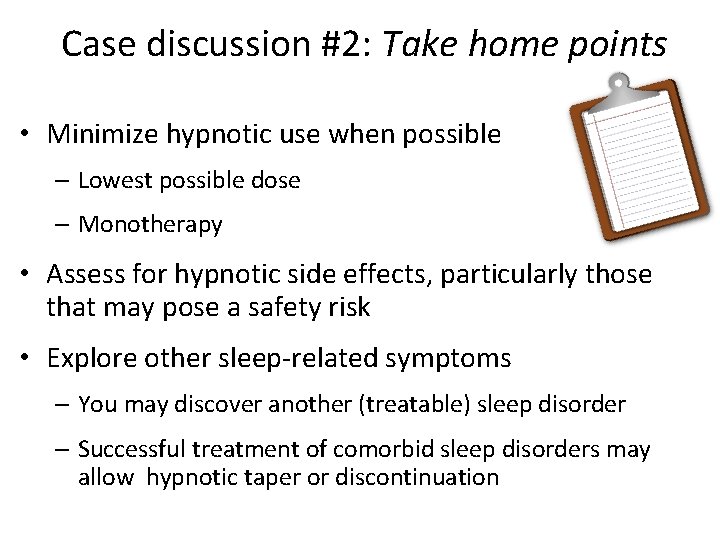
Case discussion #2: Take home points • Minimize hypnotic use when possible – Lowest possible dose – Monotherapy • Assess for hypnotic side effects, particularly those that may pose a safety risk • Explore other sleep-related symptoms – You may discover another (treatable) sleep disorder – Successful treatment of comorbid sleep disorders may allow hypnotic taper or discontinuation
Her comorbid sleep disorder is already treated. What other insomnia treatment option is there to facilitate medication taper or discontinuation?
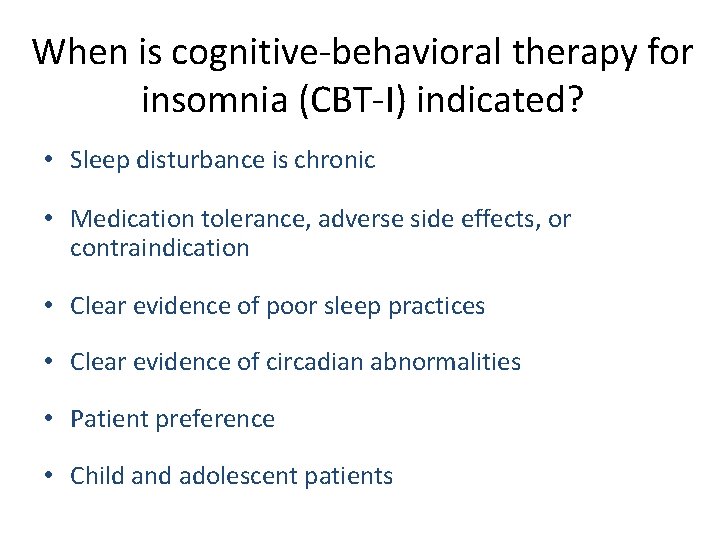
When is cognitive-behavioral therapy for insomnia (CBT-I) indicated? • Sleep disturbance is chronic • Medication tolerance, adverse side effects, or contraindication • Clear evidence of poor sleep practices • Clear evidence of circadian abnormalities • Patient preference • Child and adolescent patients
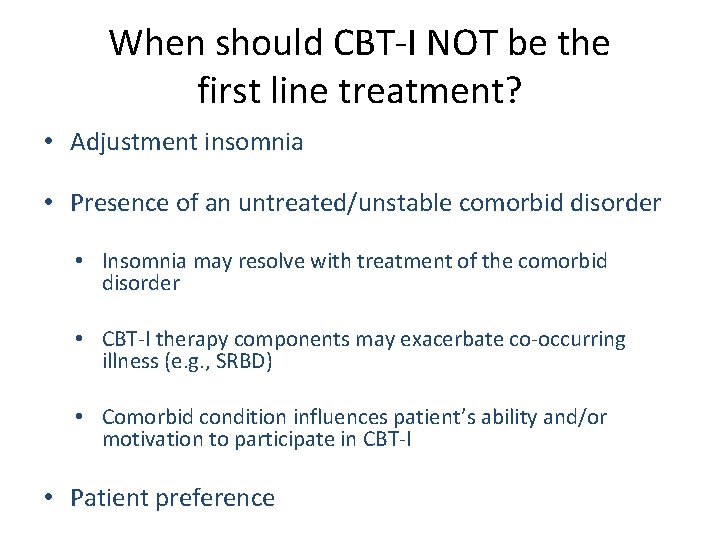
When should CBT-I NOT be the first line treatment? • Adjustment insomnia • Presence of an untreated/unstable comorbid disorder • Insomnia may resolve with treatment of the comorbid disorder • CBT-I therapy components may exacerbate co-occurring illness (e. g. , SRBD) • Comorbid condition influences patient’s ability and/or motivation to participate in CBT-I • Patient preference
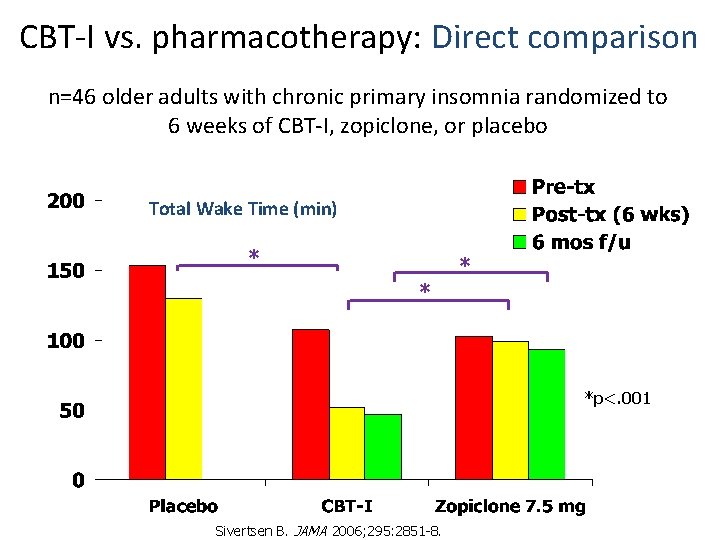
CBT-I vs. pharmacotherapy: Direct comparison n=46 older adults with chronic primary insomnia randomized to 6 weeks of CBT-I, zopiclone, or placebo Total Wake Time (min) * *p<. 001 Sivertsen B. JAMA 2006; 295: 2851 -8.
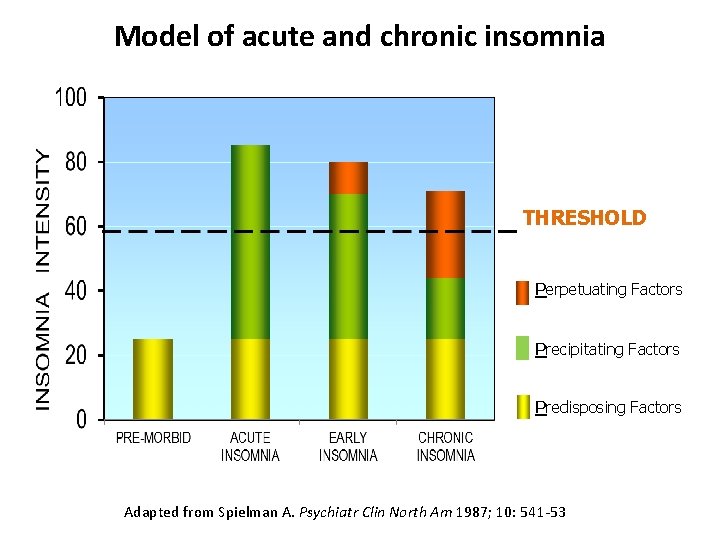
k r o w e m a r f l a u t p e c n o c e h t What is ? I T B C g n underlyi
Model of acute and chronic insomnia THRESHOLD Perpetuating Factors Precipitating Factors Predisposing Factors Adapted from Spielman A. Psychiatr Clin North Am 1987; 10: 541 -53
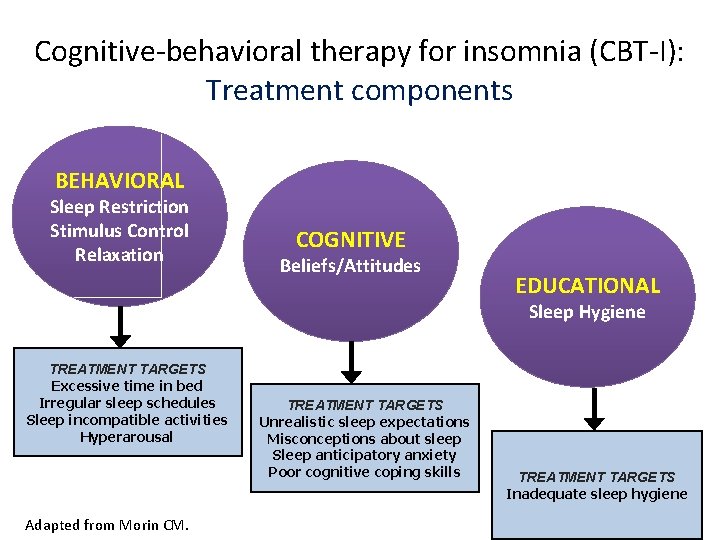
Cognitive-behavioral therapy for insomnia (CBT-I): Treatment components BEHAVIORAL Sleep Restriction Stimulus Control Relaxation COGNITIVE Beliefs/Attitudes EDUCATIONAL Sleep Hygiene TREATMENT TARGETS Excessive time in bed Irregular sleep schedules Sleep incompatible activities Hyperarousal Adapted from Morin CM. TREATMENT TARGETS Unrealistic sleep expectations Misconceptions about sleep Sleep anticipatory anxiety Poor cognitive coping skills TREATMENT TARGETS Inadequate sleep hygiene
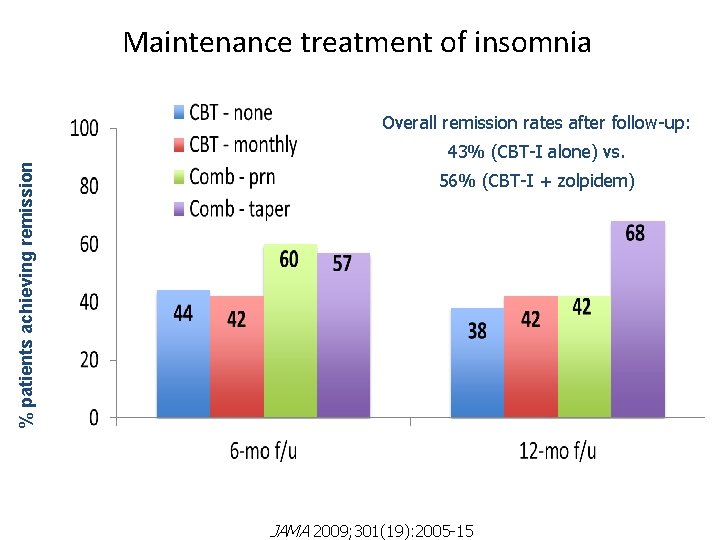
Maintenance treatment of insomnia % patients achieving remission Overall remission rates after follow-up: 43% (CBT-I alone) vs. 56% (CBT-I + zolpidem) JAMA 2009; 301(19): 2005 -15
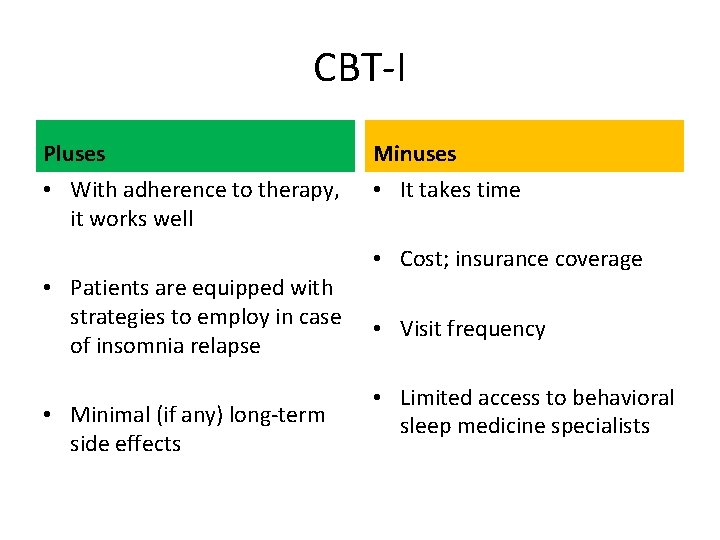
CBT-I Pluses Minuses • With adherence to therapy, it works well • It takes time • Patients are equipped with strategies to employ in case of insomnia relapse • Minimal (if any) long-term side effects • Cost; insurance coverage • Visit frequency • Limited access to behavioral sleep medicine specialists
MY PATIENT IS INTERESTED BUT CAN’T DO CBT-I…
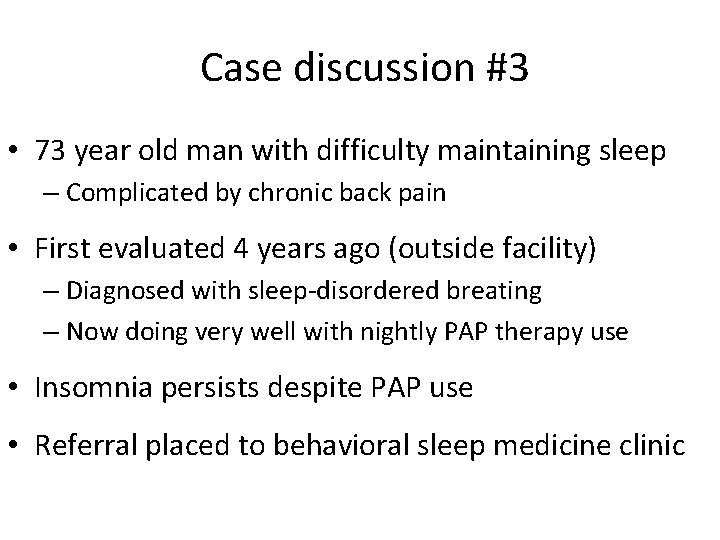
Case discussion #3 • 73 year old man with difficulty maintaining sleep – Complicated by chronic back pain • First evaluated 4 years ago (outside facility) – Diagnosed with sleep-disordered breating – Now doing very well with nightly PAP therapy use • Insomnia persists despite PAP use • Referral placed to behavioral sleep medicine clinic
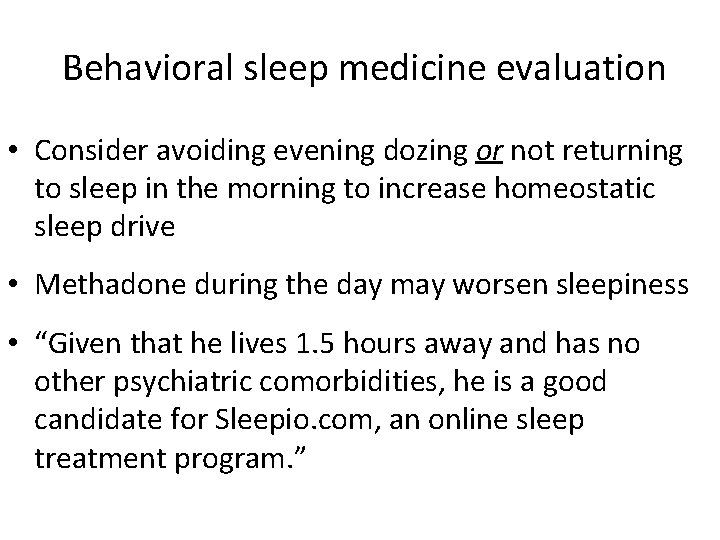
Behavioral sleep medicine evaluation • Consider avoiding evening dozing or not returning to sleep in the morning to increase homeostatic sleep drive • Methadone during the day may worsen sleepiness • “Given that he lives 1. 5 hours away and has no other psychiatric comorbidities, he is a good candidate for Sleepio. com, an online sleep treatment program. ”
Please note: This is not an endorsement, only an example.
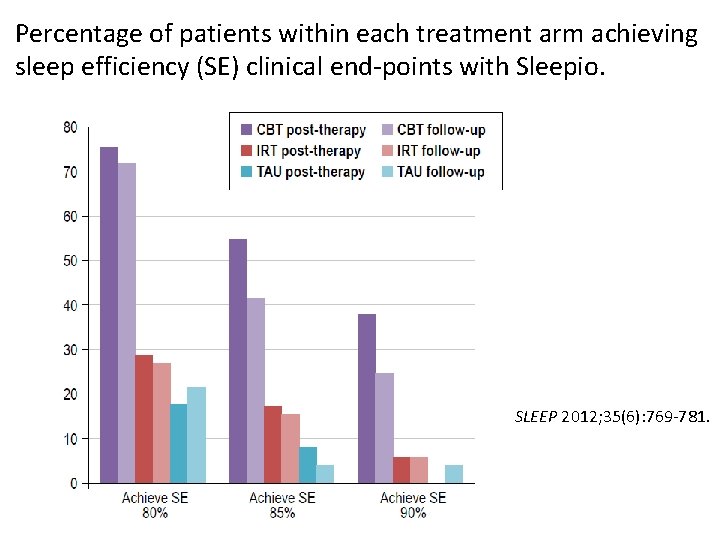
Percentage of patients within each treatment arm achieving sleep efficiency (SE) clinical end-points with Sleepio. SLEEP 2012; 35(6): 769 -781.
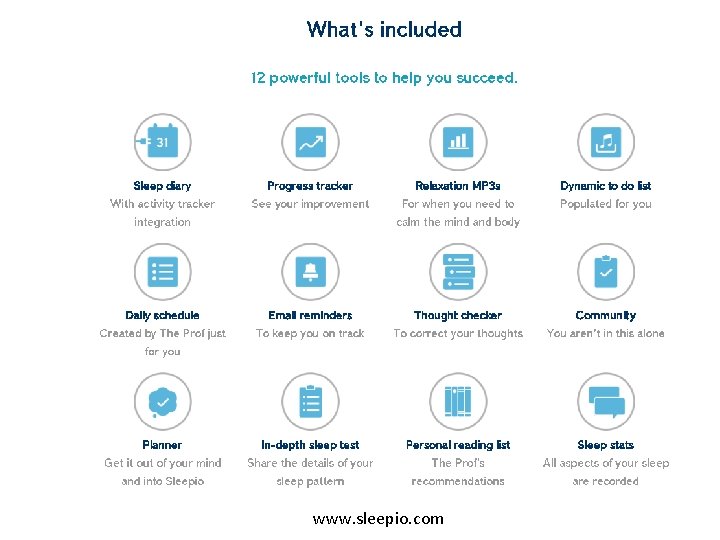
www. sleepio. com
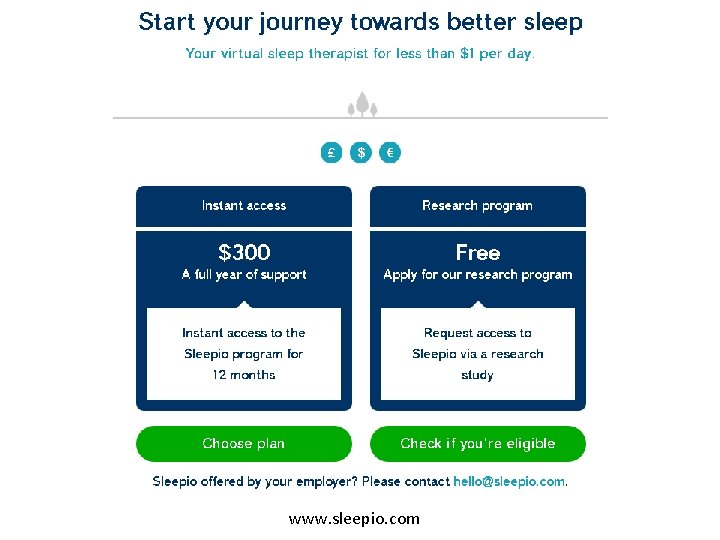
www. sleepio. com
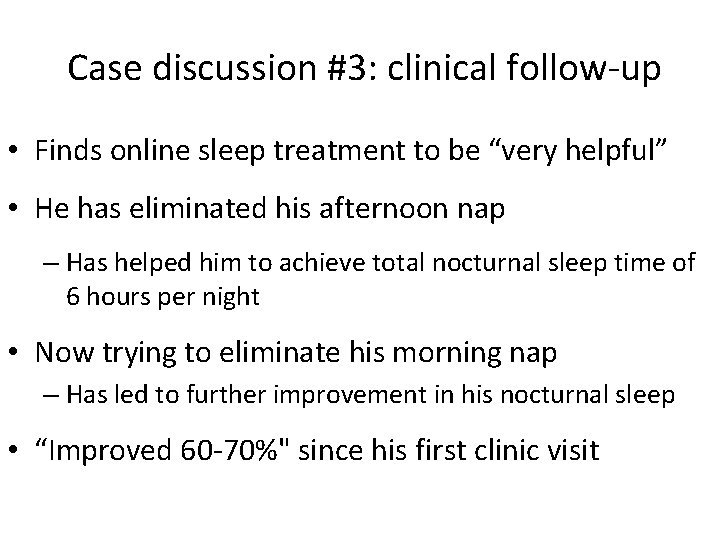
Case discussion #3: clinical follow-up • Finds online sleep treatment to be “very helpful” • He has eliminated his afternoon nap – Has helped him to achieve total nocturnal sleep time of 6 hours per night • Now trying to eliminate his morning nap – Has led to further improvement in his nocturnal sleep • “Improved 60 -70%" since his first clinic visit
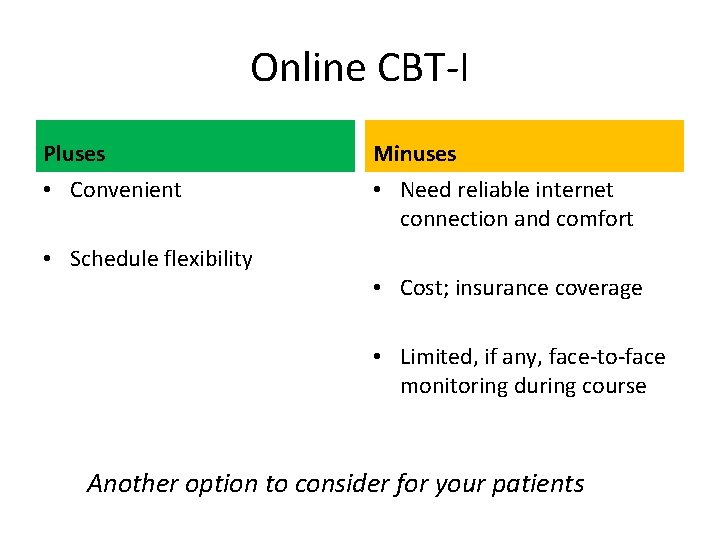
Online CBT-I Pluses Minuses • Convenient • Need reliable internet connection and comfort • Schedule flexibility • Cost; insurance coverage • Limited, if any, face-to-face monitoring during course Another option to consider for your patients
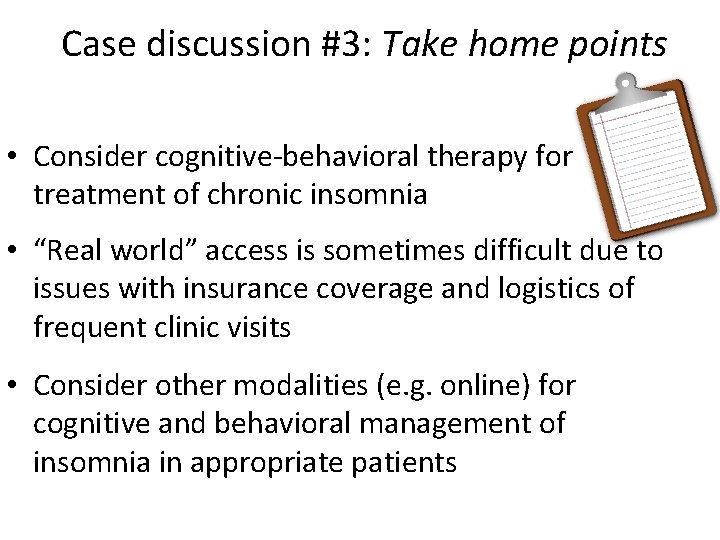
Case discussion #3: Take home points • Consider cognitive-behavioral therapy for treatment of chronic insomnia • “Real world” access is sometimes difficult due to issues with insurance coverage and logistics of frequent clinic visits • Consider other modalities (e. g. online) for cognitive and behavioral management of insomnia in appropriate patients
Key Points Hypnotics may be considered for acute insomnia but are rarely an effective sole treatment for chronic insomnia Cognitive-behavioral therapy for insomnia offers better long-term success for patients with chronic insomnia Mobile applications may be a useful adjunct for treatment of chronic insomnia in carefully selected patients