
Hypokalemic paralysis in Sjgrens syndrome associated with Distal






- Slides: 62
Hypokalemic paralysis in SjÖgren’s syndrome associated with Distal renal tubular acidosis Ji Eun Lee, Kang Ji Ko, Jin Ho Shin, Young Joo Kwon, Heui-Jung Pyo, Jin Kim* Department of Internal Medicine, College of Medicine, Korea University Department of Anatomy, Catholic University Medical College* Seoul, Korea
CASE 1 손 0 이
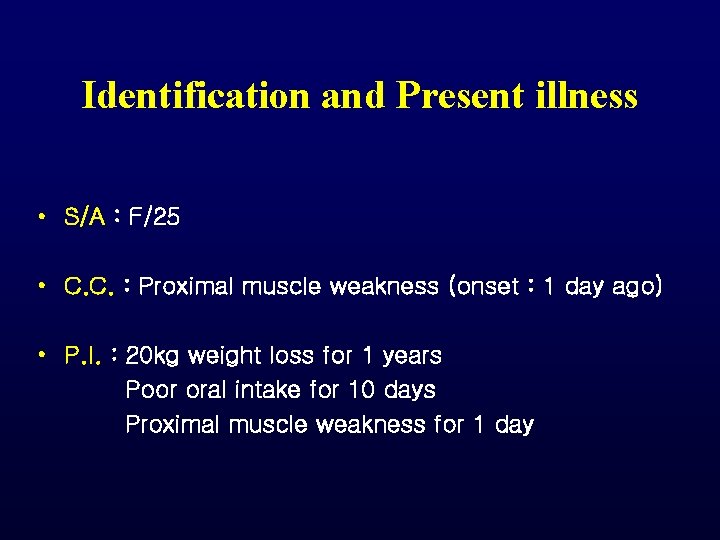
Identification and Present illness • S/A : F/25 • C. C. : Proximal muscle weakness (onset : 1 day ago) • P. I. : 20 kg weight loss for 1 years Poor oral intake for 10 days Proximal muscle weakness for 1 day
Past Hx & Systemic review • PHx : DM(-), HTN(-), Tbc(-), HBV carrier(+) Spontaneous abortion(-), Medication(-) • SHx : Alcohol(-) Smoking(-) • FHx : N-C • Systemic review general weakness(+), dry mouth(-), dry eye(-) arthralgia(-), Raynaud’s phenomenon(-) dysuria(-), frequency(-), residual urine sensation(-)
Physical examination • BT 36℃, PR 60/min, RR 20/min, BP 110/70 mm. Hg • Acute ill looking, alert mentality • Anemic conjunctiva, not icteric sclera • Dry tongue and oral mucosa • No specific findings on chest and abdominal exam • Symmetric motor weakness in U/L ext. (Gr IV) • No sensory change and No pathologic reflex
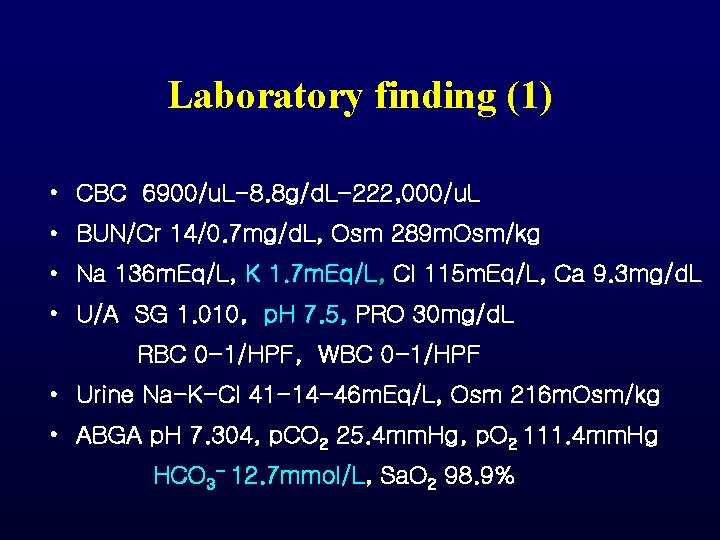
Laboratory finding (1) • CBC 6900/u. L-8. 8 g/d. L-222, 000/u. L • BUN/Cr 14/0. 7 mg/d. L, Osm 289 m. Osm/kg • Na 136 m. Eq/L, K 1. 7 m. Eq/L, Cl 115 m. Eq/L, Ca 9. 3 mg/d. L • U/A SG 1. 010, p. H 7. 5, PRO 30 mg/d. L RBC 0 -1/HPF, WBC 0 -1/HPF • Urine Na-K-Cl 41 -14 -46 m. Eq/L, Osm 216 m. Osm/kg • ABGA p. H 7. 304, p. CO 2 25. 4 mm. Hg, p. O 2 111. 4 mm. Hg HCO 3 - 12. 7 mmol/L, Sa. O 2 98. 9%
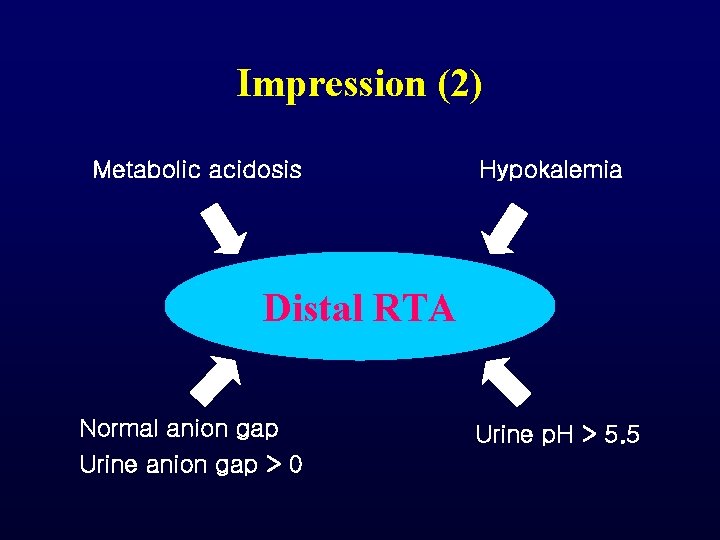
Laboratory finding (2) • Anion gap = [Na+]-[Cl-]-[HCO 3 -] = 8. 3 mmol/L (normal : 8 -16) • Urine anion gap = [Na+]+[K-]-[Cl-] = 9 mmol/L(>0) • TTKG 13. 2
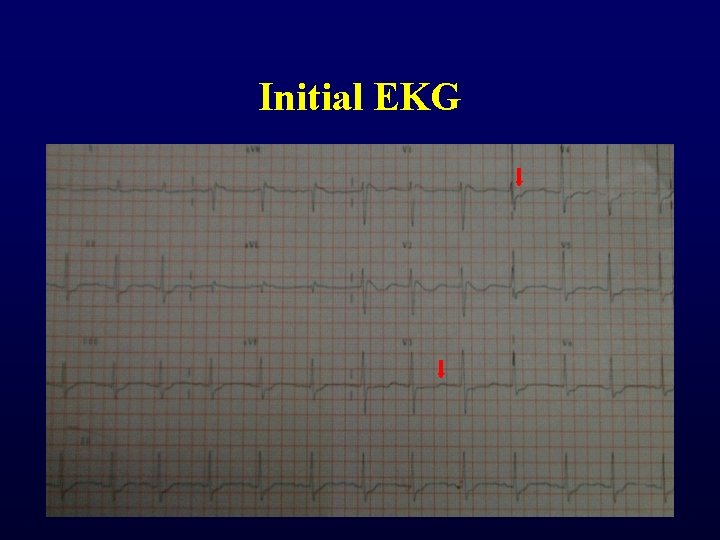
Initial EKG
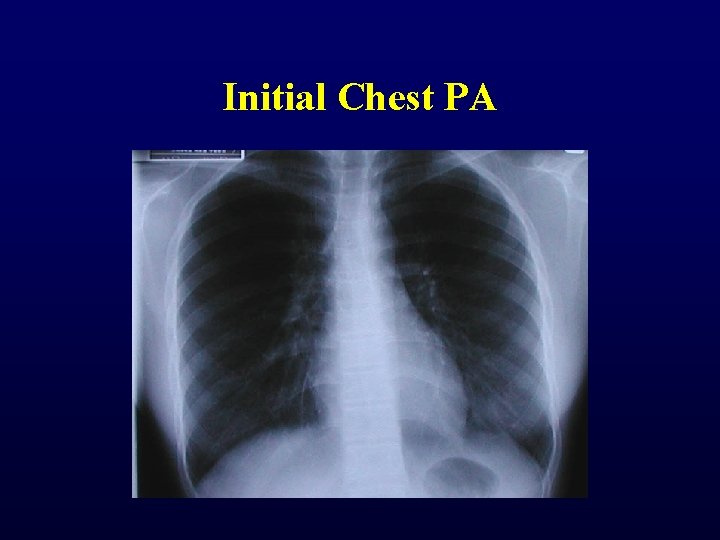
Initial Chest PA
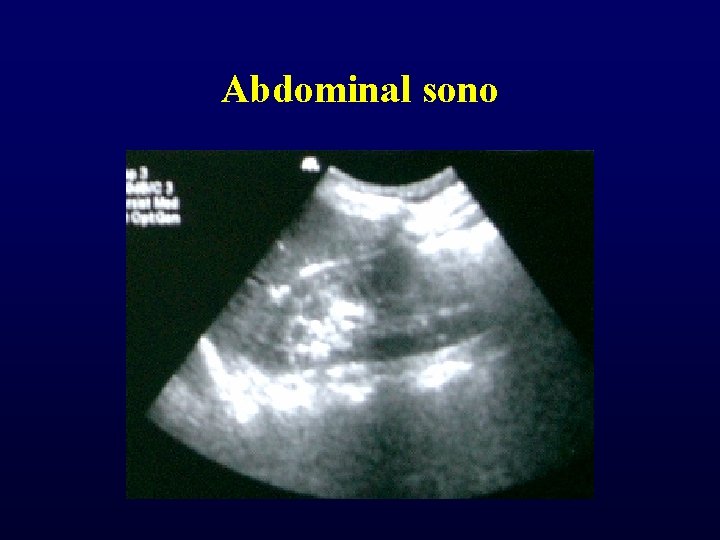
Abdominal sono
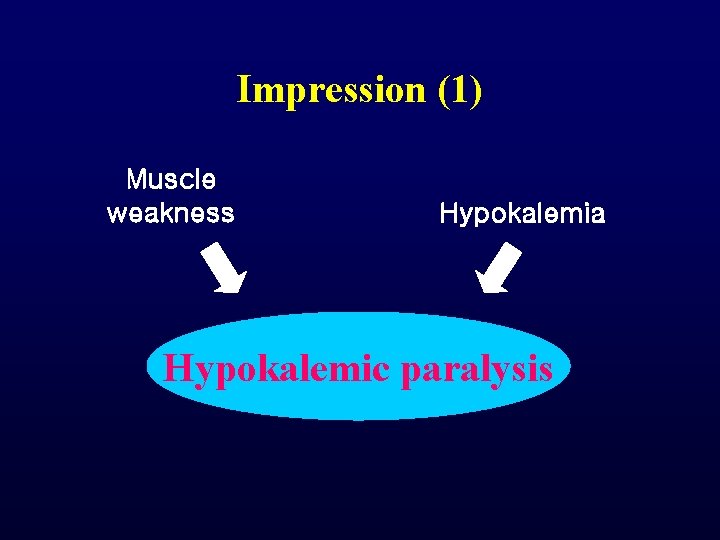
Impression (1) Muscle weakness Hypokalemia Hypokalemic paralysis
Impression (2) Metabolic acidosis Hypokalemia Distal RTA Normal anion gap Urine anion gap > 0 Urine p. H > 5. 5
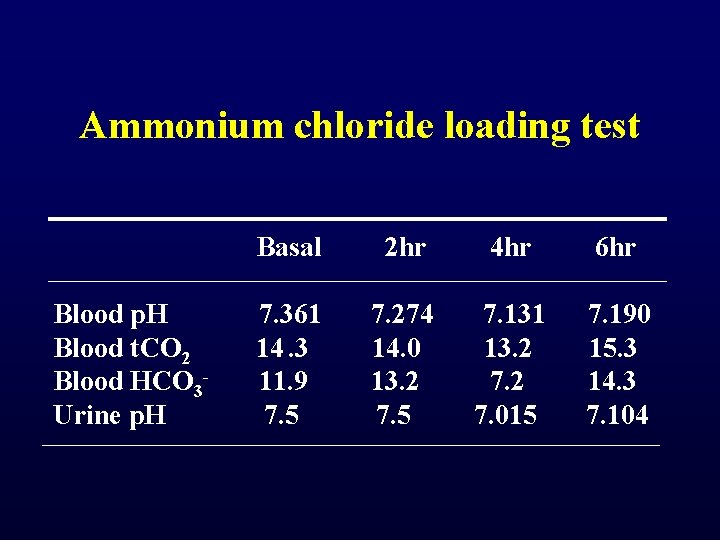
Ammonium chloride loading test Blood p. H Blood t. CO 2 Blood HCO 3 Urine p. H Basal 2 hr 4 hr 6 hr 7. 361 14. 3 11. 9 7. 5 7. 274 14. 0 13. 2 7. 5 7. 131 13. 2 7. 015 7. 190 15. 3 14. 3 7. 104
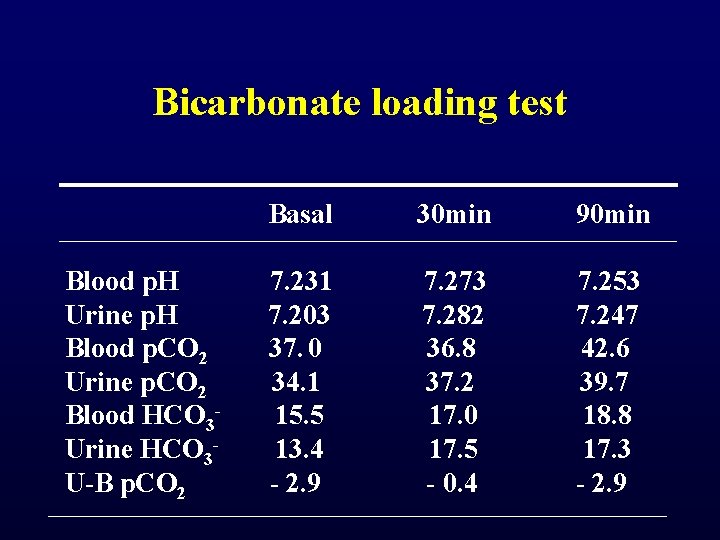
Bicarbonate loading test Blood p. H Urine p. H Blood p. CO 2 Urine p. CO 2 Blood HCO 3 Urine HCO 3 U-B p. CO 2 Basal 30 min 90 min 7. 231 7. 203 37. 0 34. 1 15. 5 13. 4 - 2. 9 7. 273 7. 282 36. 8 37. 2 17. 0 17. 5 - 0. 4 7. 253 7. 247 42. 6 39. 7 18. 8 17. 3 - 2. 9
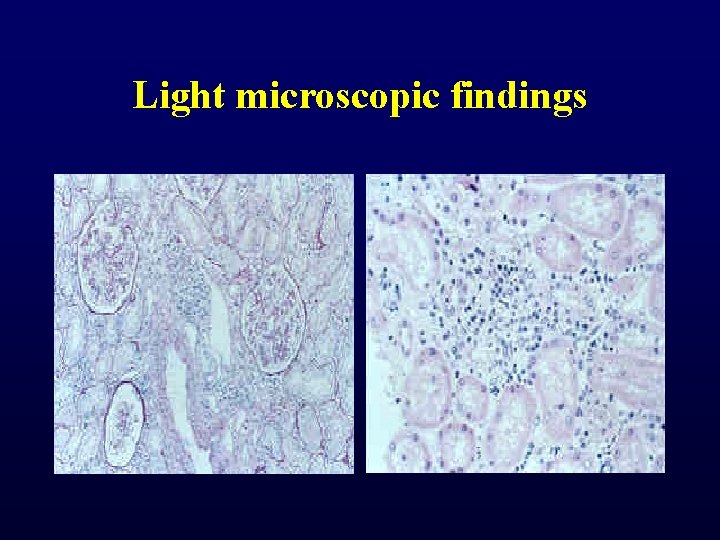
Light microscopic findings
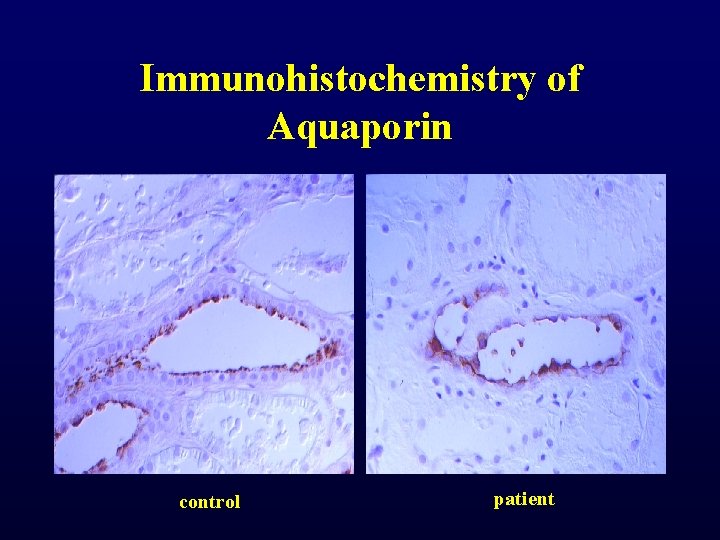
Immunohistochemistry of Aquaporin control patient
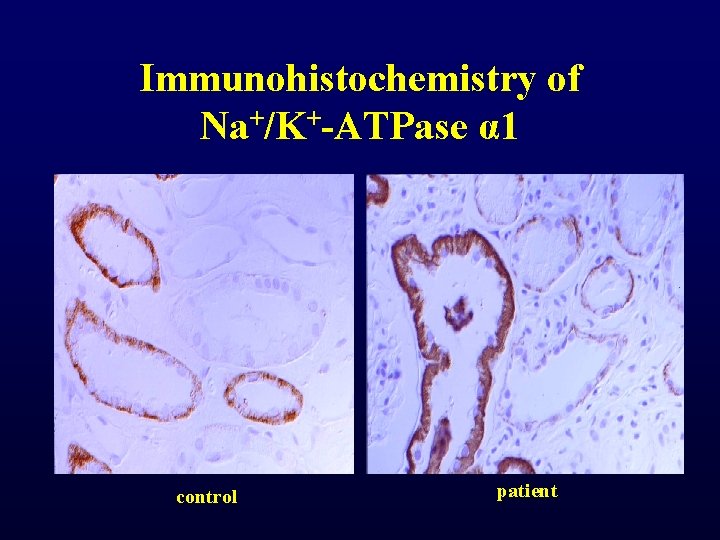
Immunohistochemistry of Na+/K+-ATPase α 1 control patient
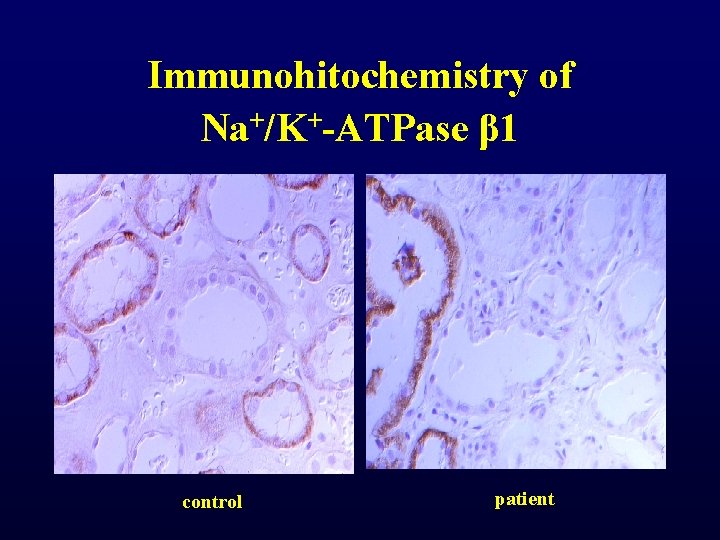
Immunohitochemistry of Na+/K+-ATPase β 1 control patient
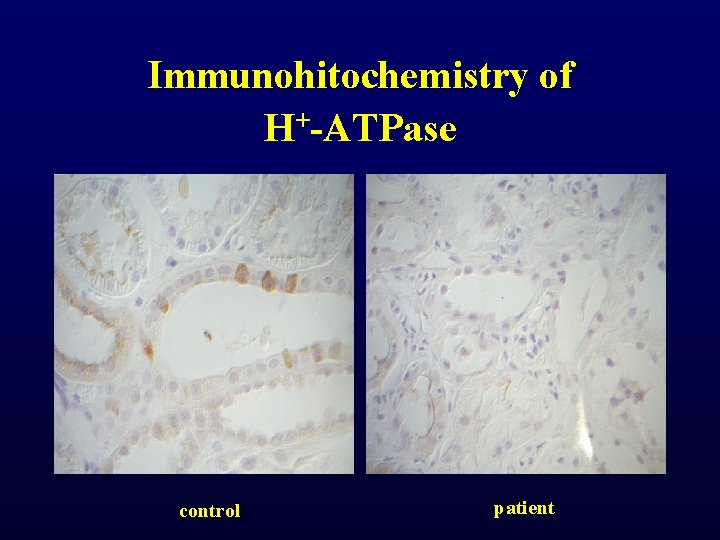
Immunohitochemistry of H+-ATPase control patient
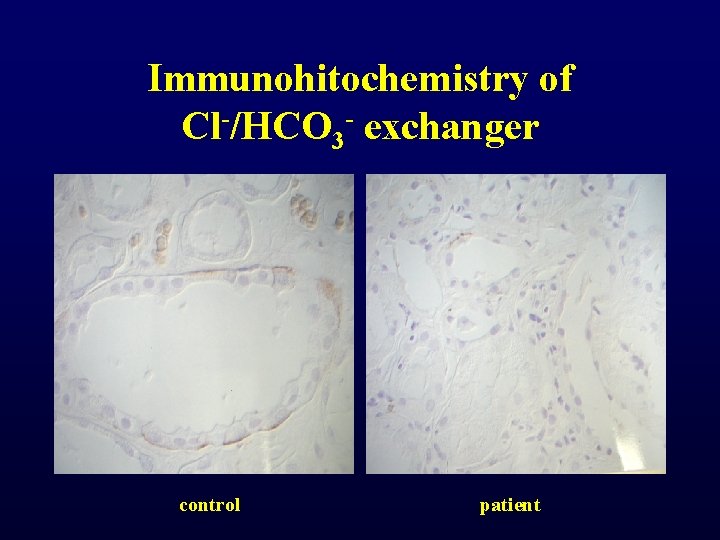
Immunohitochemistry of Cl-/HCO 3 - exchanger control patient
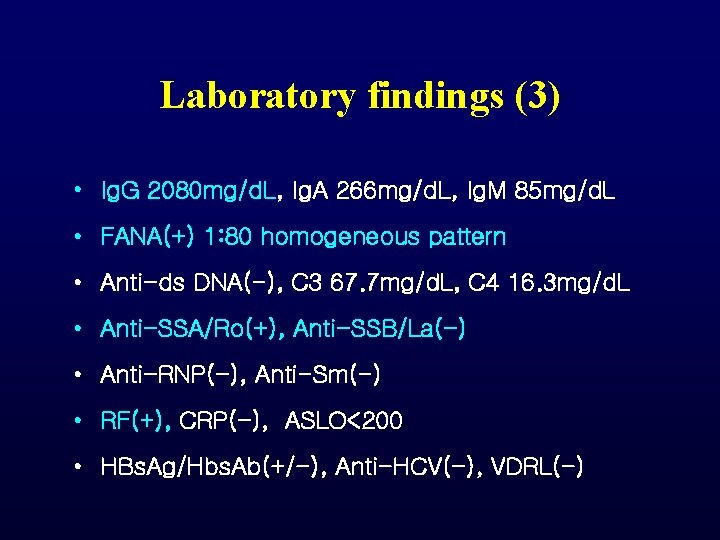
Laboratory findings (3) • Ig. G 2080 mg/d. L, Ig. A 266 mg/d. L, Ig. M 85 mg/d. L • FANA(+) 1: 80 homogeneous pattern • Anti-ds DNA(-), C 3 67. 7 mg/d. L, C 4 16. 3 mg/d. L • Anti-SSA/Ro(+), Anti-SSB/La(-) • Anti-RNP(-), Anti-Sm(-) • RF(+), CRP(-), ASLO<200 • HBs. Ag/Hbs. Ab(+/-), Anti-HCV(-), VDRL(-)
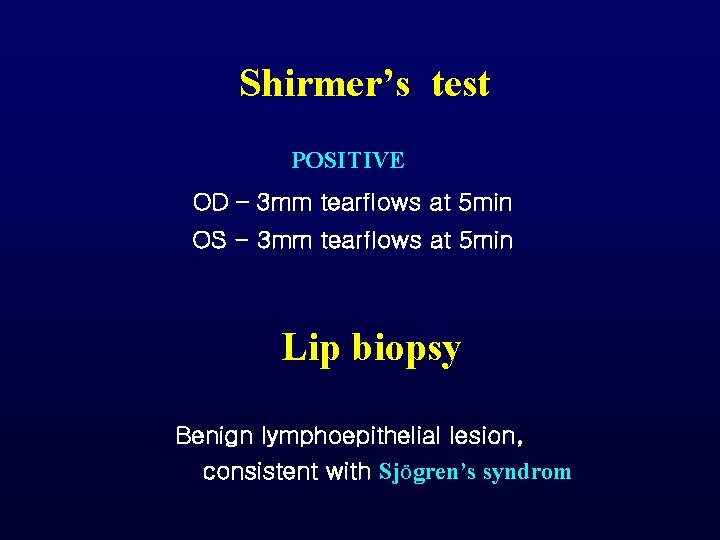
Shirmer’s test POSITIVE OD – 3 mm tearflows at 5 min OS - 3 mm tearflows at 5 min Lip biopsy Benign lymphoepithelial lesion, consistent with SjÖgren’s syndrom
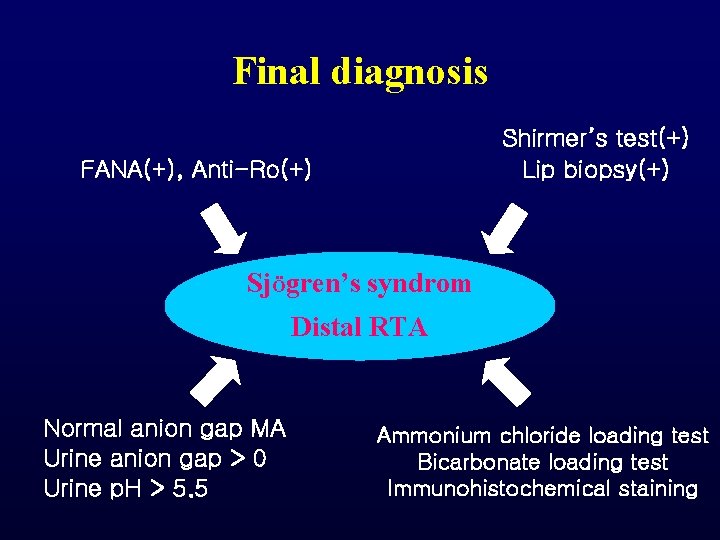
Final diagnosis Shirmer’s test(+) Lip biopsy(+) FANA(+), Anti-Ro(+) SjÖgren’s syndrom Distal RTA Normal anion gap MA Urine anion gap > 0 Urine p. H > 5. 5 Ammonium chloride loading test Bicarbonate loading test Immunohistochemical staining
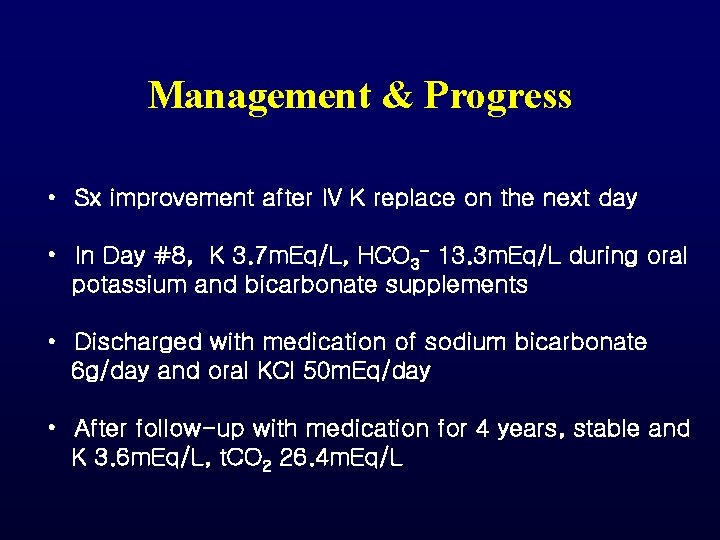
Management & Progress • Sx improvement after IV K replace on the next day • In Day #8, K 3. 7 m. Eq/L, HCO 3 - 13. 3 m. Eq/L during oral potassium and bicarbonate supplements • Discharged with medication of sodium bicarbonate 6 g/day and oral KCl 50 m. Eq/day • After follow-up with medication for 4 years, stable and K 3. 6 m. Eq/L, t. CO 2 26. 4 m. Eq/L
CASE 2 유 0 남
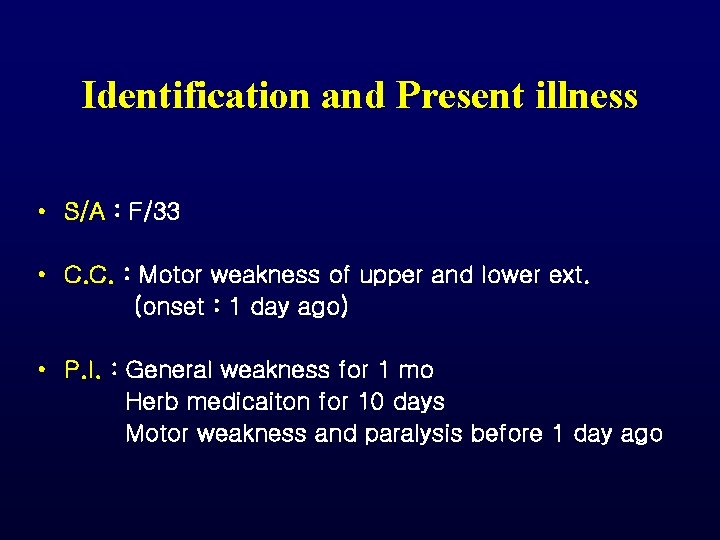
Identification and Present illness • S/A : F/33 • C. C. : Motor weakness of upper and lower ext. (onset : 1 day ago) • P. I. : General weakness for 1 mo Herb medicaiton for 10 days Motor weakness and paralysis before 1 day ago
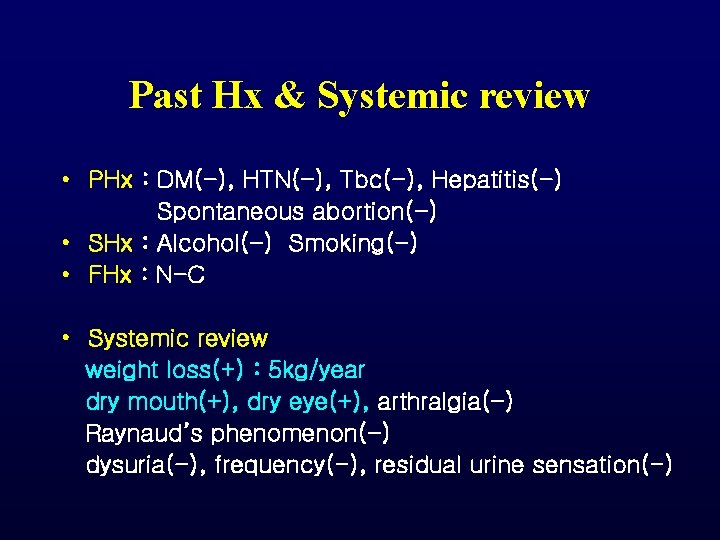
Past Hx & Systemic review • PHx : DM(-), HTN(-), Tbc(-), Hepatitis(-) Spontaneous abortion(-) • SHx : Alcohol(-) Smoking(-) • FHx : N-C • Systemic review weight loss(+) : 5 kg/year dry mouth(+), dry eye(+), arthralgia(-) Raynaud’s phenomenon(-) dysuria(-), frequency(-), residual urine sensation(-)
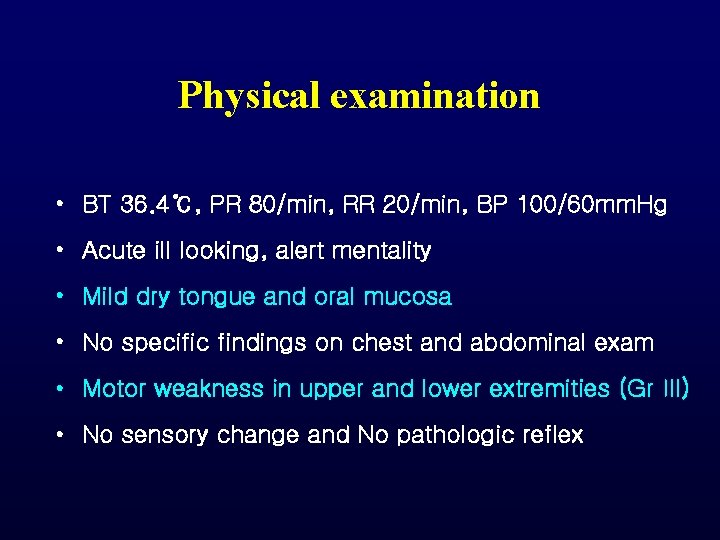
Physical examination • BT 36. 4℃, PR 80/min, RR 20/min, BP 100/60 mm. Hg • Acute ill looking, alert mentality • Mild dry tongue and oral mucosa • No specific findings on chest and abdominal exam • Motor weakness in upper and lower extremities (Gr III) • No sensory change and No pathologic reflex
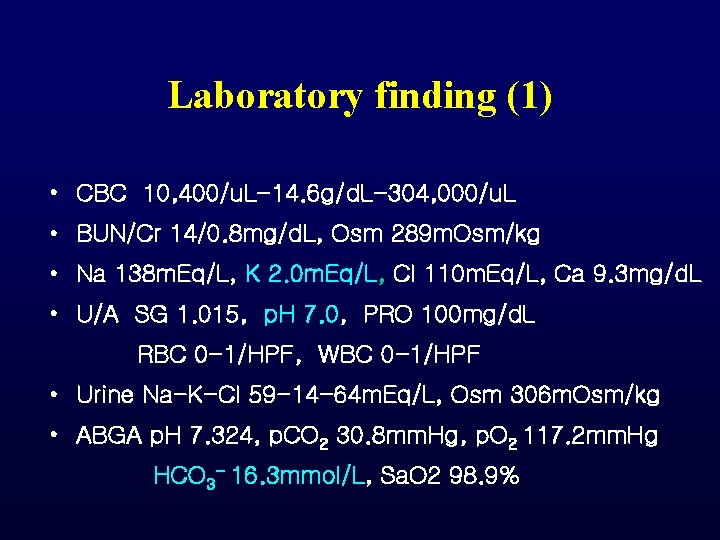
Laboratory finding (1) • CBC 10, 400/u. L-14. 6 g/d. L-304, 000/u. L • BUN/Cr 14/0. 8 mg/d. L, Osm 289 m. Osm/kg • Na 138 m. Eq/L, K 2. 0 m. Eq/L, Cl 110 m. Eq/L, Ca 9. 3 mg/d. L • U/A SG 1. 015, p. H 7. 0, PRO 100 mg/d. L RBC 0 -1/HPF, WBC 0 -1/HPF • Urine Na-K-Cl 59 -14 -64 m. Eq/L, Osm 306 m. Osm/kg • ABGA p. H 7. 324, p. CO 2 30. 8 mm. Hg, p. O 2 117. 2 mm. Hg HCO 3 - 16. 3 mmol/L, Sa. O 2 98. 9%
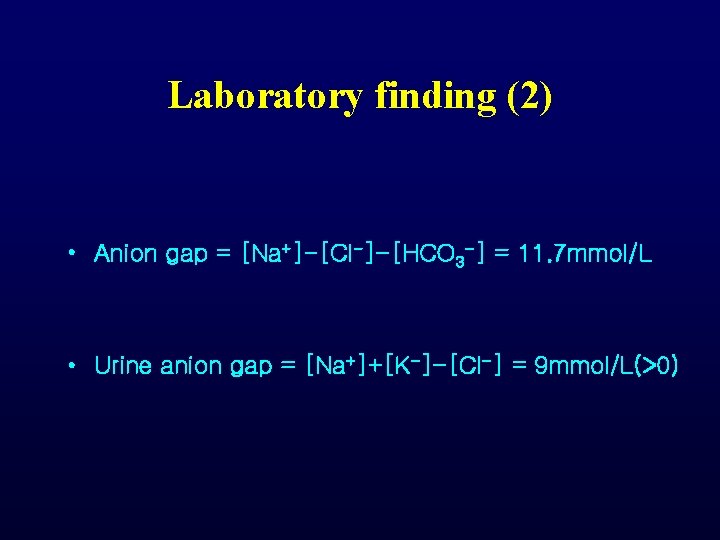
Laboratory finding (2) • Anion gap = [Na+]-[Cl-]-[HCO 3 -] = 11. 7 mmol/L • Urine anion gap = [Na+]+[K-]-[Cl-] = 9 mmol/L(>0)
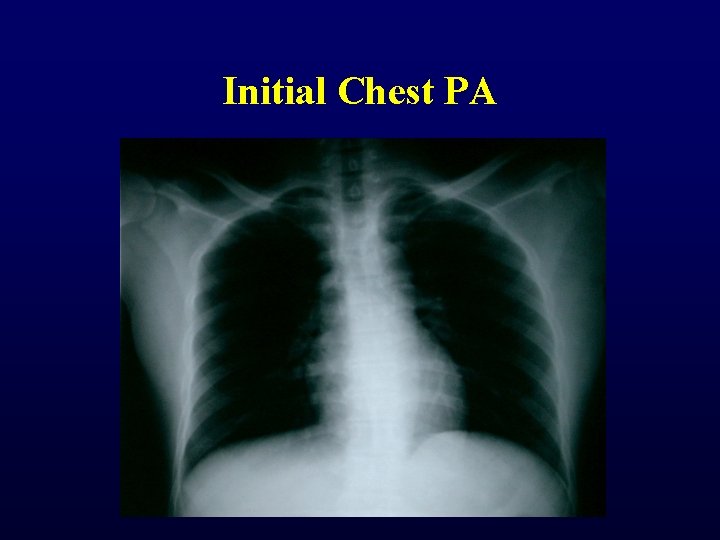
Initial Chest PA
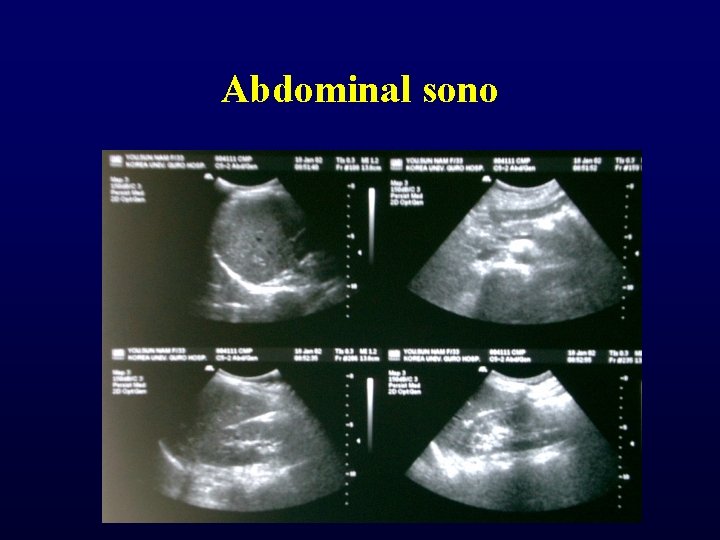
Abdominal sono
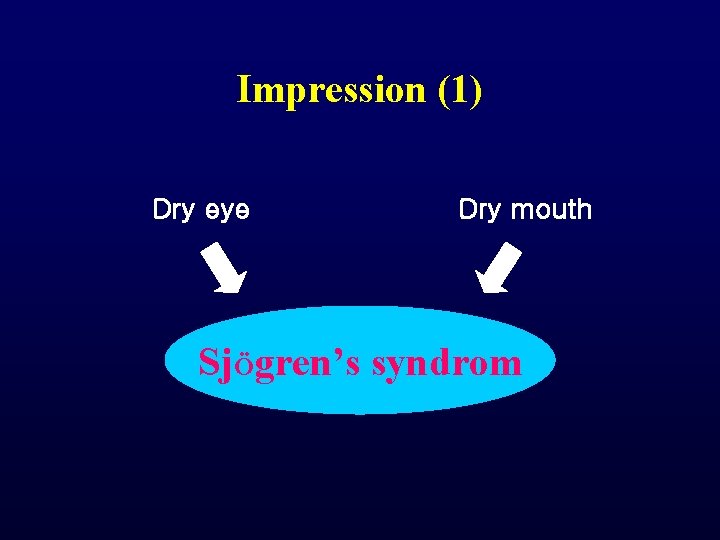
Impression (1) Dry eye Dry mouth SjÖgren’s syndrom
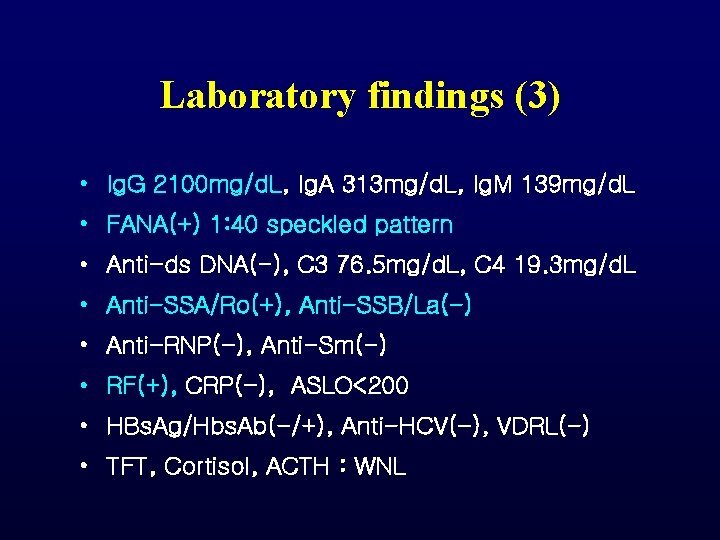
Laboratory findings (3) • Ig. G 2100 mg/d. L, Ig. A 313 mg/d. L, Ig. M 139 mg/d. L • FANA(+) 1: 40 speckled pattern • Anti-ds DNA(-), C 3 76. 5 mg/d. L, C 4 19. 3 mg/d. L • Anti-SSA/Ro(+), Anti-SSB/La(-) • Anti-RNP(-), Anti-Sm(-) • RF(+), CRP(-), ASLO<200 • HBs. Ag/Hbs. Ab(-/+), Anti-HCV(-), VDRL(-) • TFT, Cortisol, ACTH : WNL
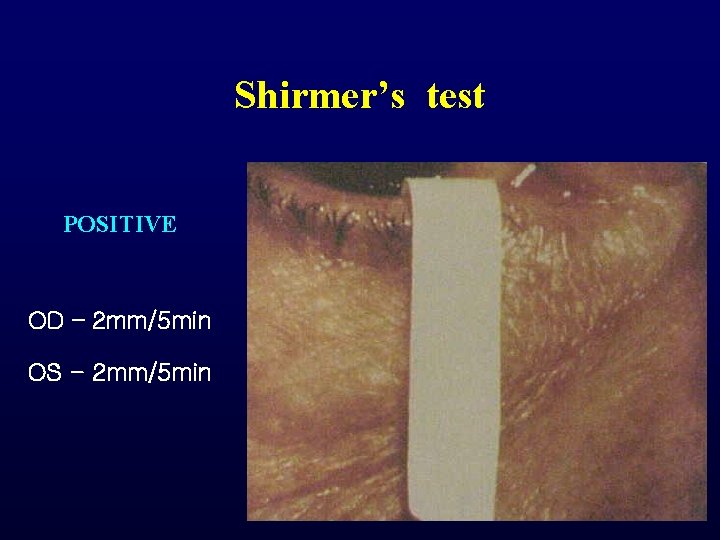
Shirmer’s test POSITIVE OD – 2 mm/5 min OS - 2 mm/5 min
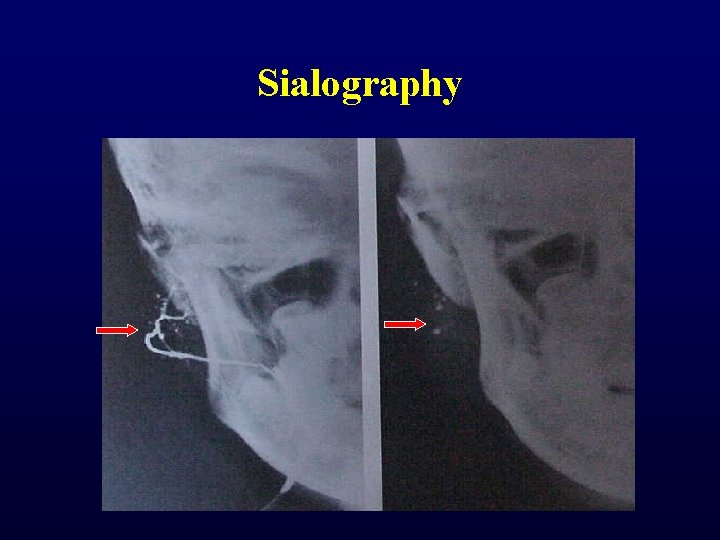
Sialography
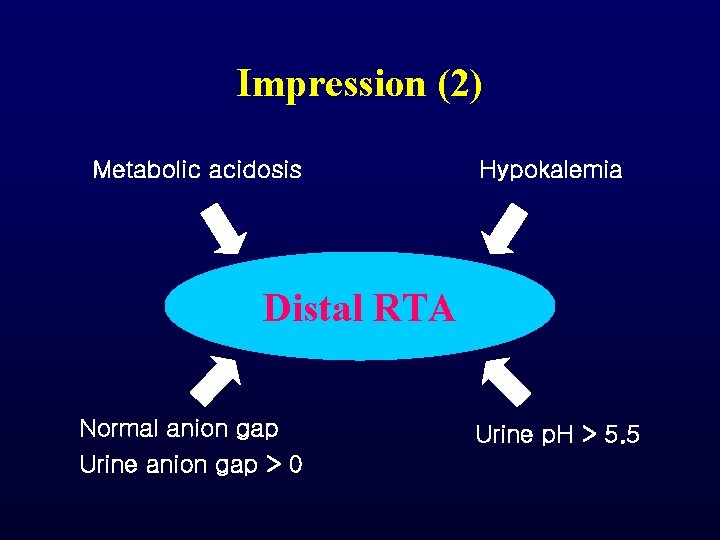
Impression (2) Metabolic acidosis Hypokalemia Distal RTA Normal anion gap Urine anion gap > 0 Urine p. H > 5. 5
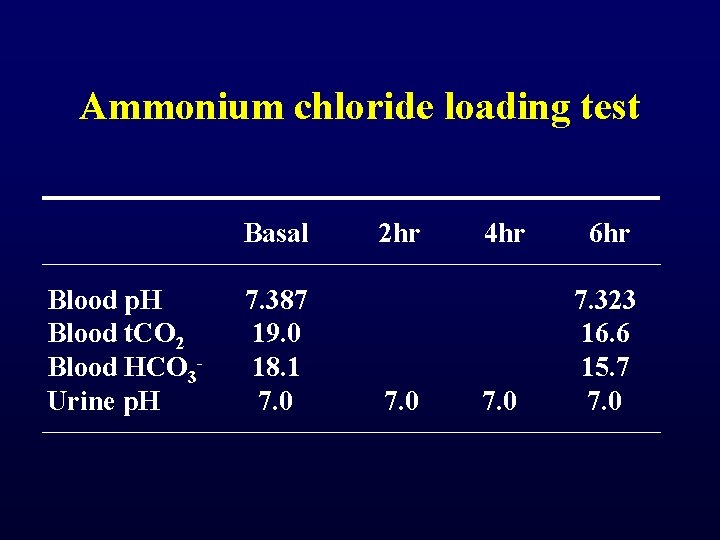
Ammonium chloride loading test Basal Blood p. H Blood t. CO 2 Blood HCO 3 Urine p. H 7. 387 19. 0 18. 1 7. 0 2 hr 7. 0 4 hr 6 hr 7. 0 7. 323 16. 6 15. 7 7. 0
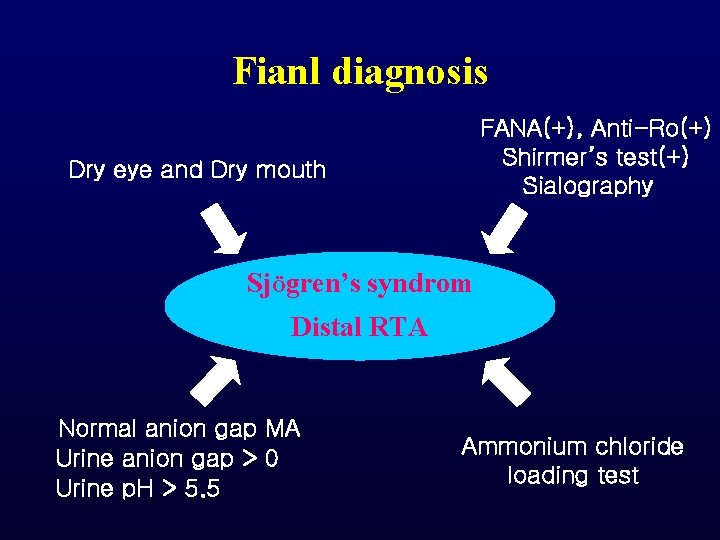
Fianl diagnosis FANA(+), Anti-Ro(+) Shirmer’s test(+) Sialography Dry eye and Dry mouth SjÖgren’s syndrom Distal RTA Normal anion gap MA Urine anion gap > 0 Urine p. H > 5. 5 Ammonium chloride loading test
Management & Progress • Sx improvement after K replace on the next day • HD#6, K 3. 5 m. Eq/L, t. CO 2 18. 8 m. Eq/L -> Discharged • Discharged with medication of oral KCl 16 m. Eq and Na. HCO 3 4 g/day and oxiklorin 200 mg/day • After 1 yr, K 3. 6 m. Eq/L, t. CO 2 24. 1 m. Eq/L
REVIEW
SjÖgren’s syndrome
Pathogenesis • Slowly progressive, autoimmune disease affecting exocrine glands • Lymphocyte infiltrate replace epithelium decreased exocrine secretions (exocrinopathy) • Autoantibodies : Ro(SS-A), La(SS-B)
Clinical feature • Mucosal dryness : sicca, xerostomia, xerotrachea, vaginal dryness • Major salivary gland enlargement • Nonerosive polyarthritis • Extraglandular invlove : lung, kidney, liver, and blood vessel • Increased risk of lymphoid malignancy
Diagnosis Ocular symptom Oral symptom dry eye > 3 mon dry mouth > 3 mon No SS Ocular signs Positive Shirmer test Rose Bengal score >4 Histopathology SS Autoantibody Ro(SS-A), La(SS-B) SS ANA, RF Subjective salivary gland test No SS SS
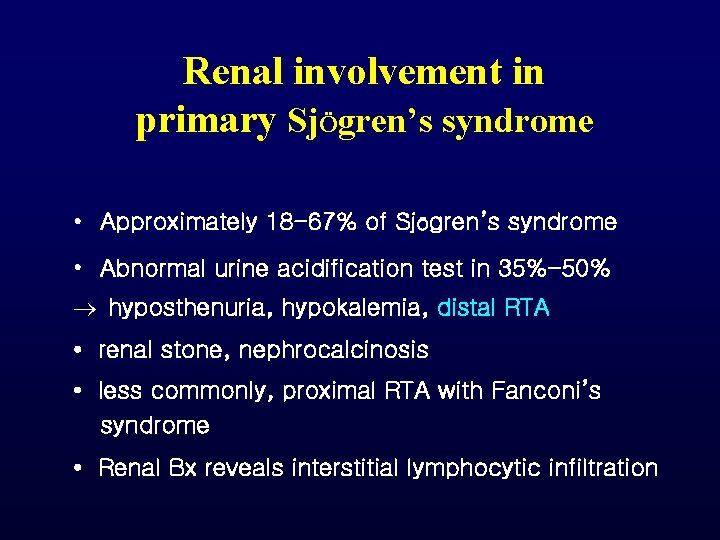
Renal involvement in primary SjÖgren’s syndrome • Approximately 18 -67% of SjÖgren’s syndrome • Abnormal urine acidification test in 35%-50% ® hyposthenuria, hypokalemia, distal RTA • renal stone, nephrocalcinosis • less commonly, proximal RTA with Fanconi’s syndrome • Renal Bx reveals interstitial lymphocytic infiltration
Type 1 (Distal) RTA
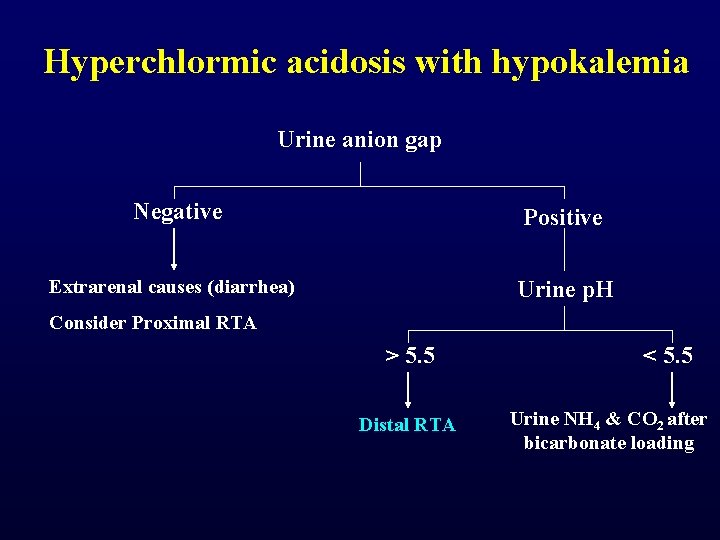
Hyperchlormic acidosis with hypokalemia Urine anion gap Negative Positive Extrarenal causes (diarrhea) Urine p. H Consider Proximal RTA > 5. 5 Distal RTA < 5. 5 Urine NH 4 & CO 2 after bicarbonate loading
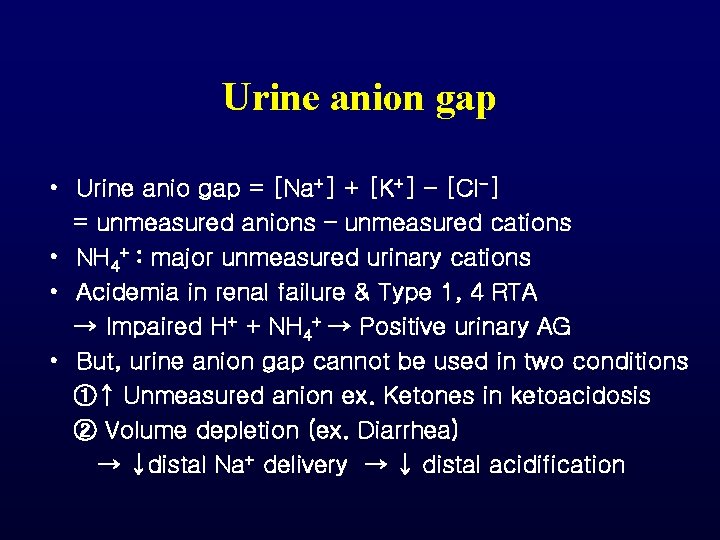
Urine anion gap • Urine anio gap = [Na+] + [K+] – [Cl-] = unmeasured anions – unmeasured cations • NH 4+ : major unmeasured urinary cations • Acidemia in renal failure & Type 1, 4 RTA → Impaired H+ + NH 4+ → Positive urinary AG • But, urine anion gap cannot be used in two conditions ①↑ Unmeasured anion ex. Ketones in ketoacidosis ② Volume depletion (ex. Diarrhea) → ↓distal Na+ delivery → ↓ distal acidification
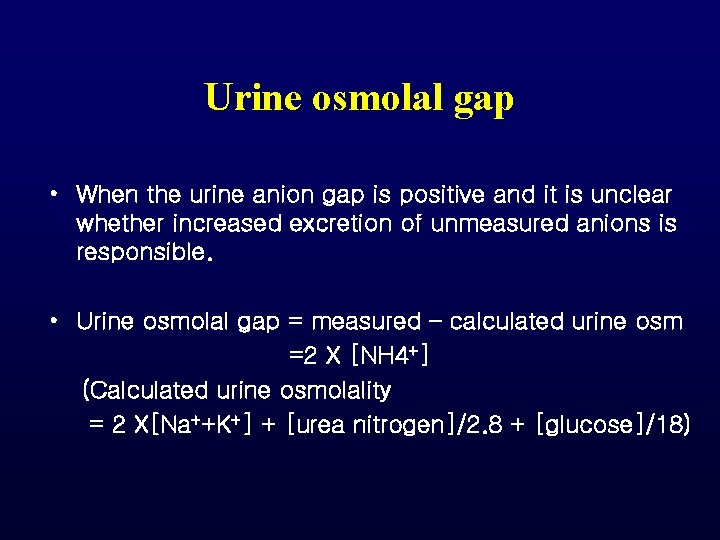
Urine osmolal gap • When the urine anion gap is positive and it is unclear whether increased excretion of unmeasured anions is responsible. • Urine osmolal gap = measured – calculated urine osm =2 X [NH 4+] (Calculated urine osmolality = 2 X[Na++K+] + [urea nitrogen]/2. 8 + [glucose]/18)
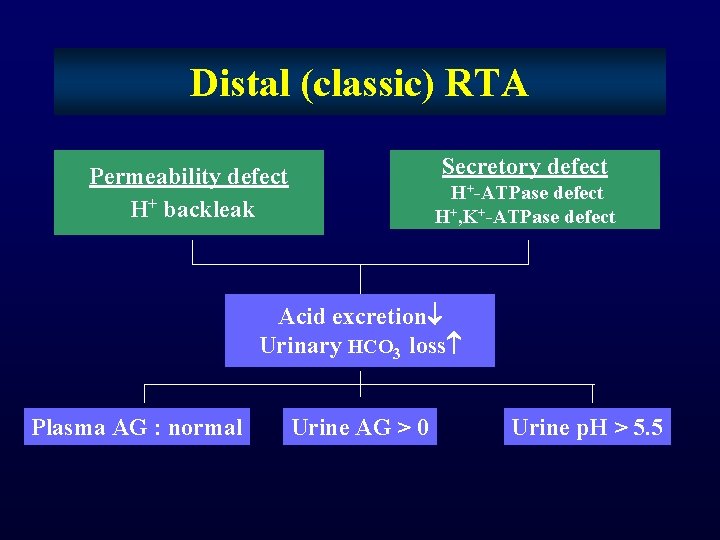
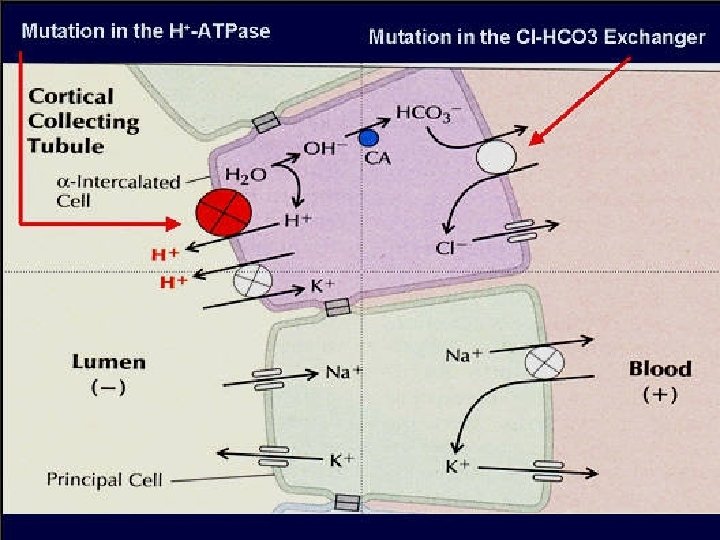
Distal (classic) RTA Secretory defect Permeability defect H+ backleak H+-ATPase defect H+, K+-ATPase defect Acid excretion Urinary HCO 3 loss Plasma AG : normal Urine AG > 0 Urine p. H > 5. 5
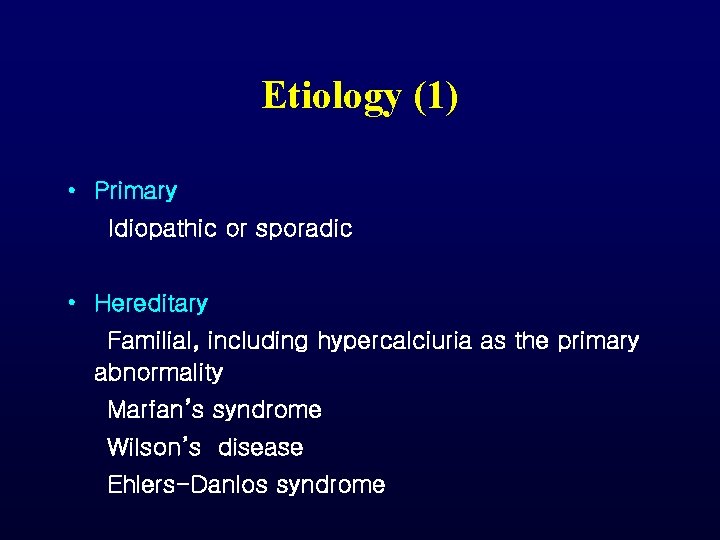
Etiology (1) • Primary Idiopathic or sporadic • Hereditary Familial, including hypercalciuria as the primary abnormality Marfan’s syndrome Wilson’s disease Ehlers-Danlos syndrome
Etiology (2) • Disorders of calcium metabolism and nephrocalcinosis Idiopathic or familial hypercalciuria Primary hyperparathyroidism Hypervitaminosis D, Medullary sponge kidney • Autoimmune disease SjÖgren’s syndrome, RA, SLE Chronic active hepatitis, PBC Hypergammaglobulinemia in cirrhosis Thyroiditis
Etiology (3) • Drugs and toxins Amphotericin B, Ifofamide, Lithium carbonate, Analgesic abuse, Light chains in multiple myeloma Toluene • Associated with hyperkalemia Urinary tract obstruction Sickle cell anemia Renal transplant rejection Systemic lupus erythematosus • Marked volume depletion of any cause
Clinical manifestation • Often asymptomatic • Related to stone disease • Related to severe acidemia (dyspnea, hyperpnea, ventricular arrhythmia decrease in ventricular function, lethargy to coma) • Related to hypokalemia (weakness, fatigue, polyuria, polydipsia) • Impaired growth in children
Diagnosis • Normal anion gap metabolic acidosis & urine p. H > 5. 3 in adults, or 5. 6 in children (in the absence of infection with a urea-splitting organism) • Response to raising the plasma HCO 3 concentration with Na. HCO 3 (infused at a rate of 0. 5 to 1. 0 meq/kg/h) → constant urine p. H & FE HCO 3 -
Ammonium chloride loading test • When acidosis is not severe & urine p. H is equivocal • 0. 1 g(1. 9 mmol) per Kg of body weight • Blood & urine p. H repeatedly over next 6 hr • Although systemic acidosis worsen, urine p. H does not fall below 5. 5 • UTI must not be present during test!
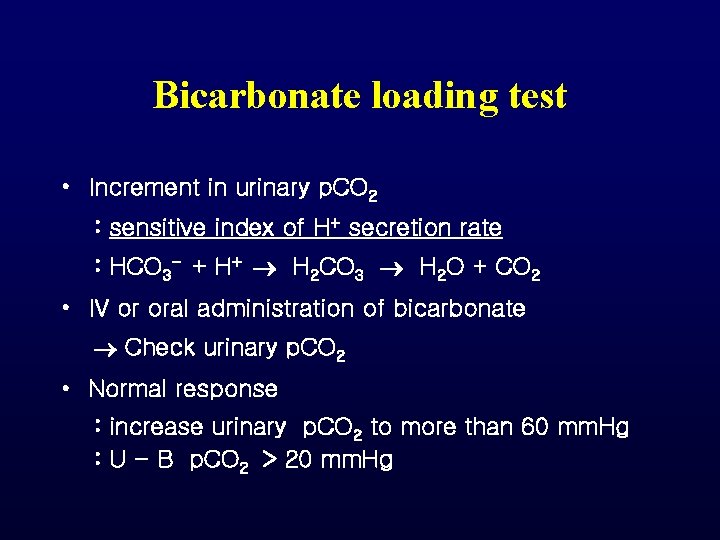
Bicarbonate loading test • Increment in urinary p. CO 2 : sensitive index of H+ secretion rate : HCO 3 - + H+ H 2 CO 3 H 2 O + CO 2 • IV or oral administration of bicarbonate Check urinary p. CO 2 • Normal response : increase urinary p. CO 2 to more than 60 mm. Hg : U - B p. CO 2 > 20 mm. Hg
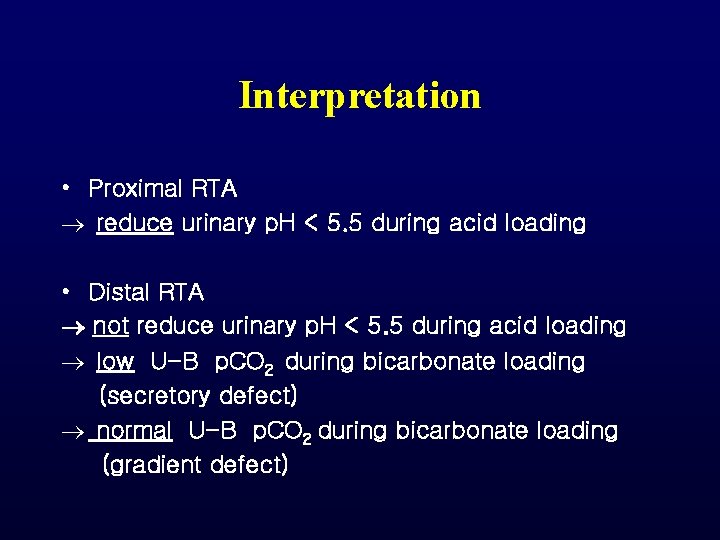
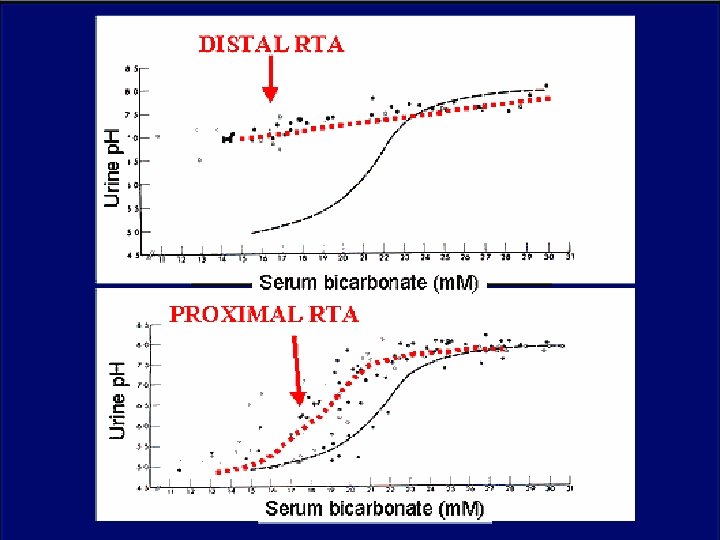
Interpretation • Proximal RTA ® reduce urinary p. H < 5. 5 during acid loading • Distal RTA not reduce urinary p. H < 5. 5 during acid loading ® low U-B p. CO 2 during bicarbonate loading (secretory defect) ® normal U-B p. CO 2 during bicarbonate loading (gradient defect)
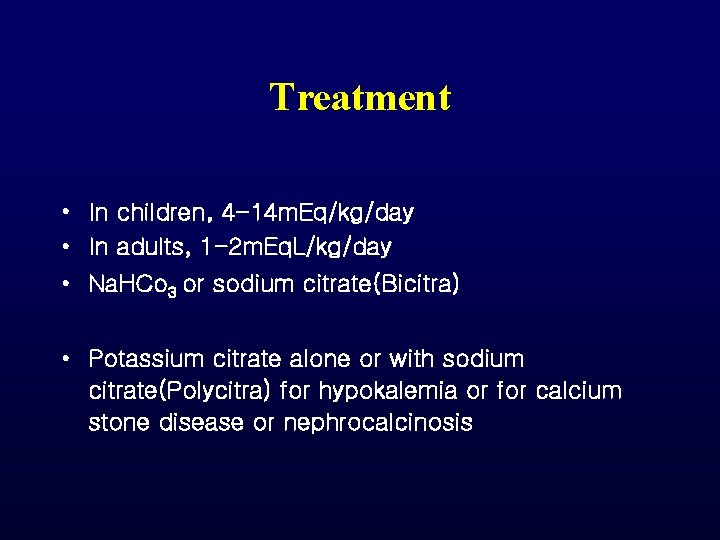
Treatment • In children, 4 -14 m. Eq/kg/day • In adults, 1 -2 m. Eq. L/kg/day • Na. HCo 3 or sodium citrate(Bicitra) • Potassium citrate alone or with sodium citrate(Polycitra) for hypokalemia or for calcium stone disease or nephrocalcinosis