
HYPERVOLEMIC VERSUS HYPOVOLEMIC HYPONATREMIA PORTAL VEIN AS THE

- Slides: 16
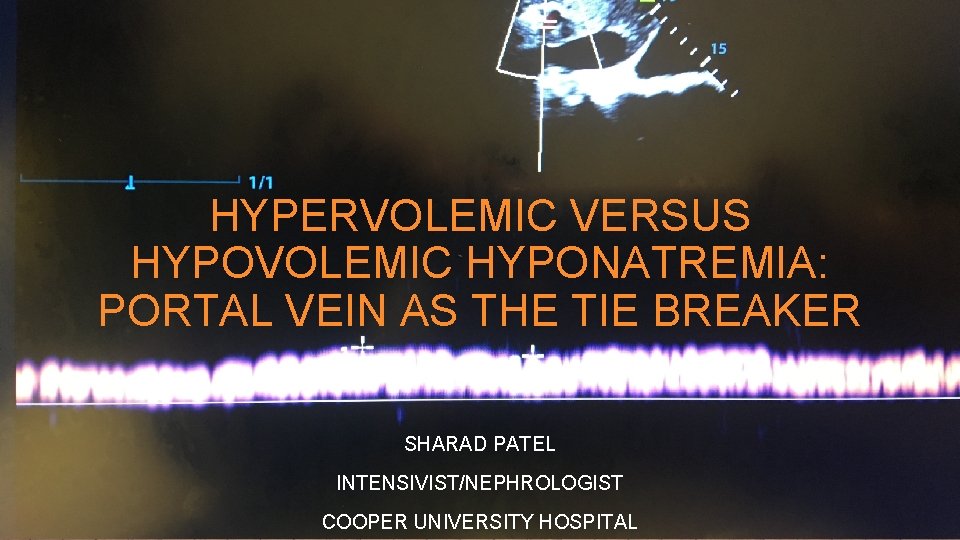
HYPERVOLEMIC VERSUS HYPOVOLEMIC HYPONATREMIA: PORTAL VEIN AS THE TIE BREAKER SHARAD PATEL INTENSIVIST/NEPHROLOGIST COOPER UNIVERSITY HOSPITAL
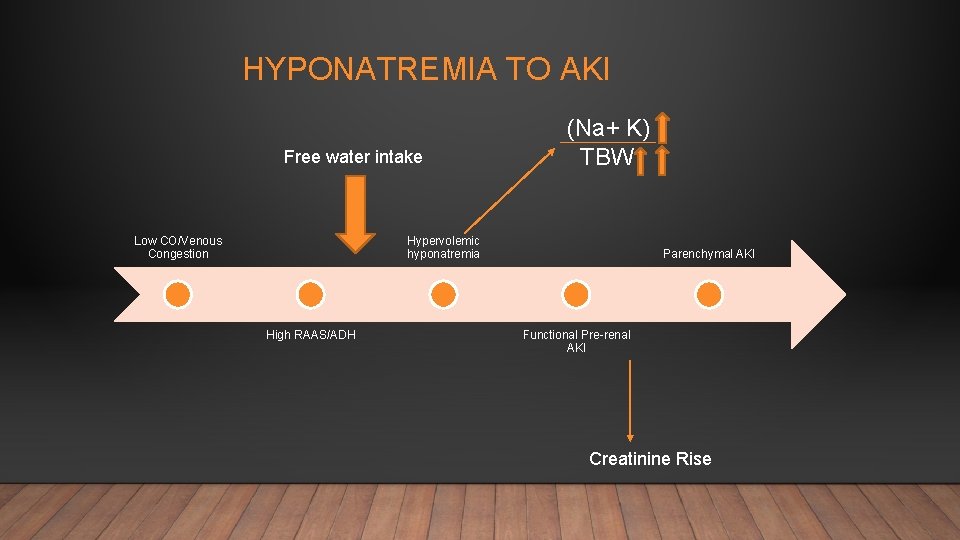
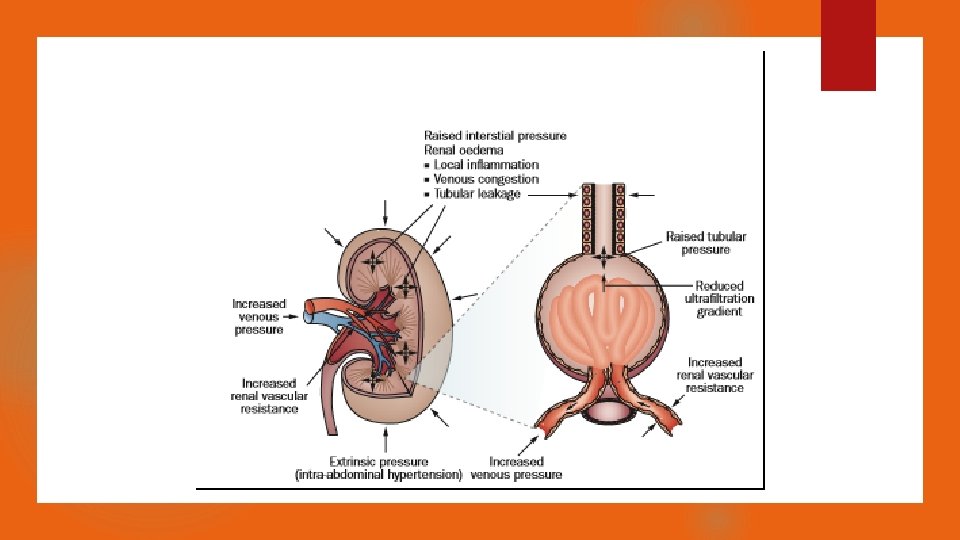
HYPONATREMIA TO AKI Free water intake Low CO/Venous Congestion (Na+ K) TBW Hypervolemic hyponatremia High RAAS/ADH Parenchymal AKI Functional Pre-renal AKI Creatinine Rise
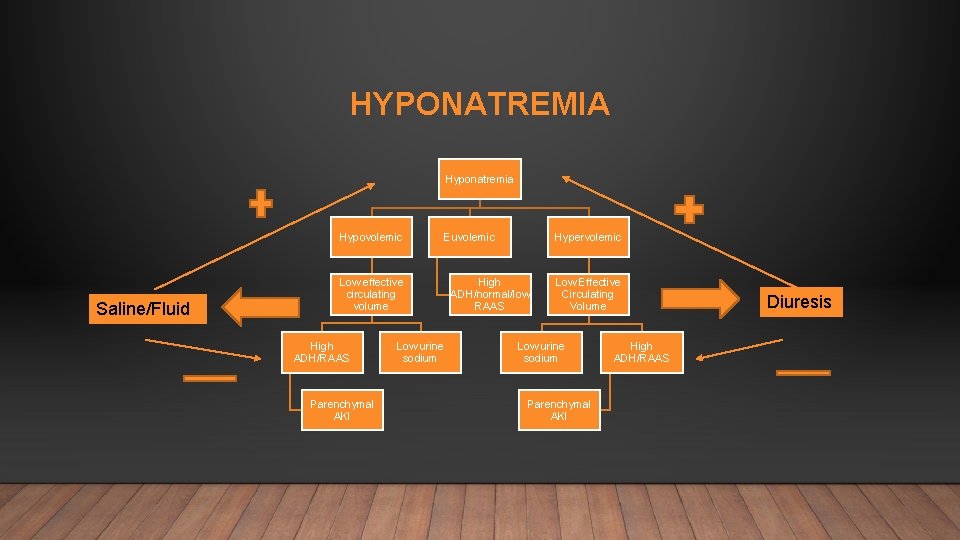
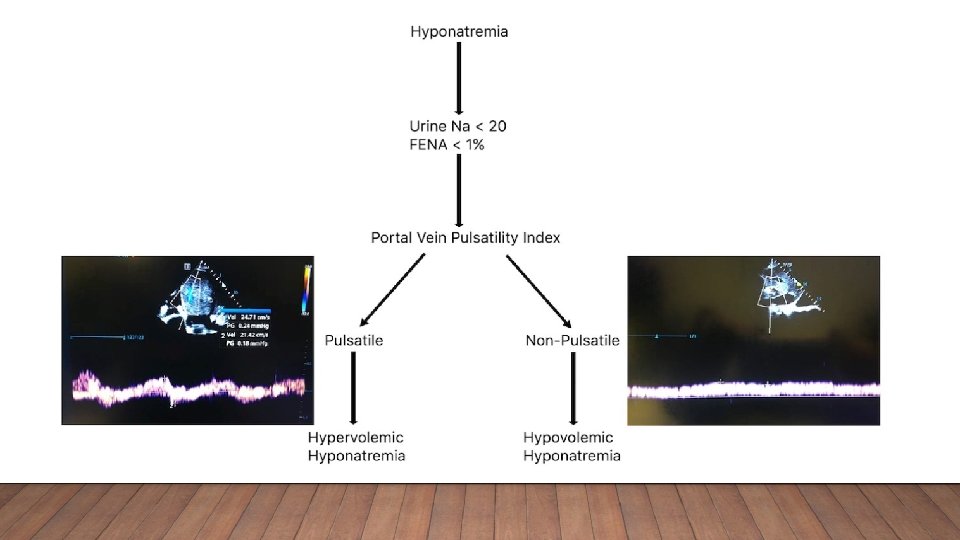
HYPONATREMIA Hyponatremia Hypovolemic Saline/Fluid Euvolemic Low effective circulating volume High ADH/RAAS Parenchymal AKI Low urine sodium Hypervolemic High ADH/normal/low RAAS Low Effective Circulating Volume Low urine sodium Parenchymal AKI High ADH/RAAS Diuresis
CASE • 54 y/o male presents to ER via EMS after noted to be PEA arrest, estimated downtime of 20 minutes before ROSC. • Sodium 115 meq/L (135 -145 meq/L) • Creatinine. 9 mg/dl (79. 5 umol/L) • Urine sodium < 5 meq/L
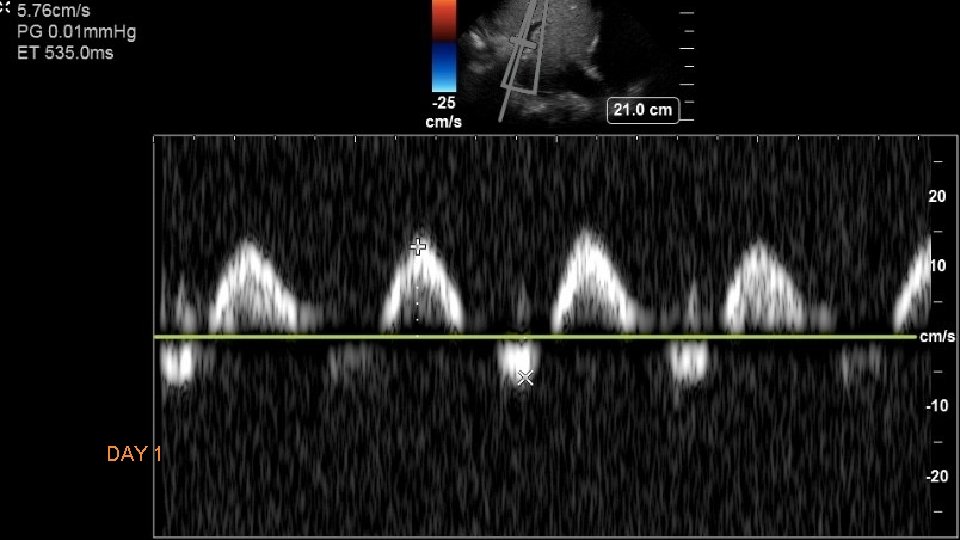
DAY 1
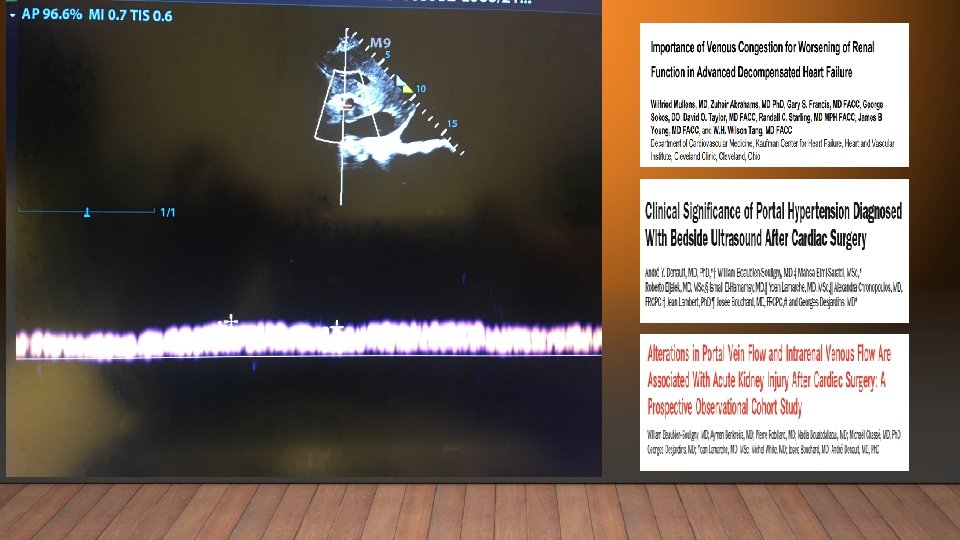
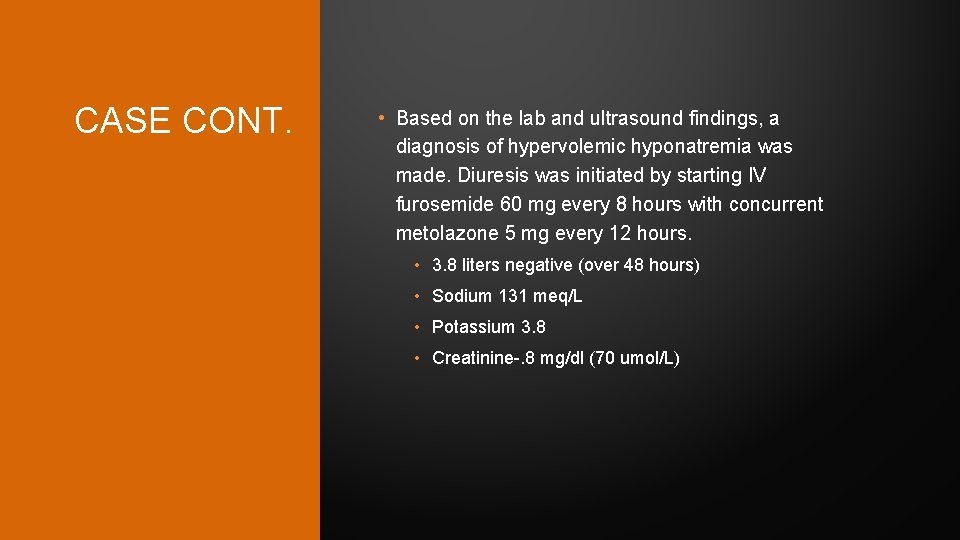
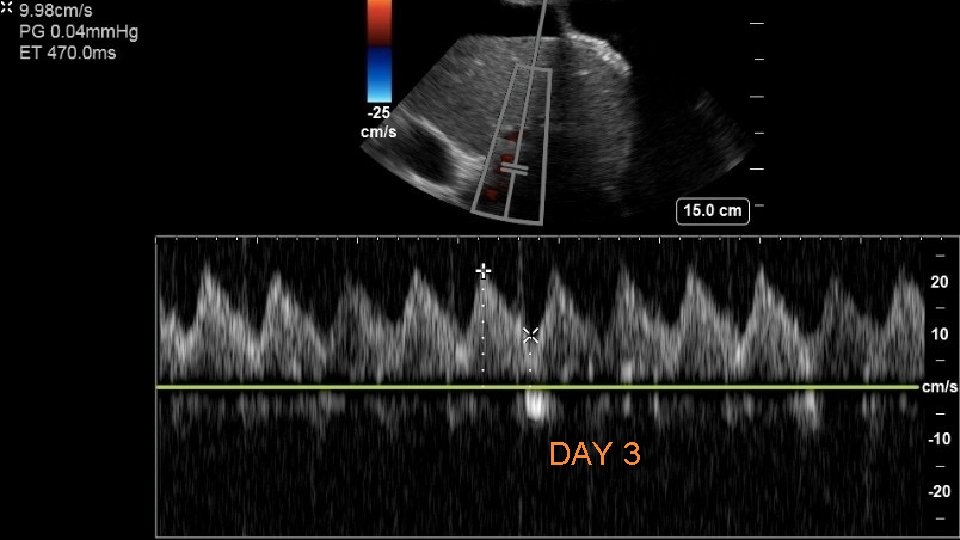
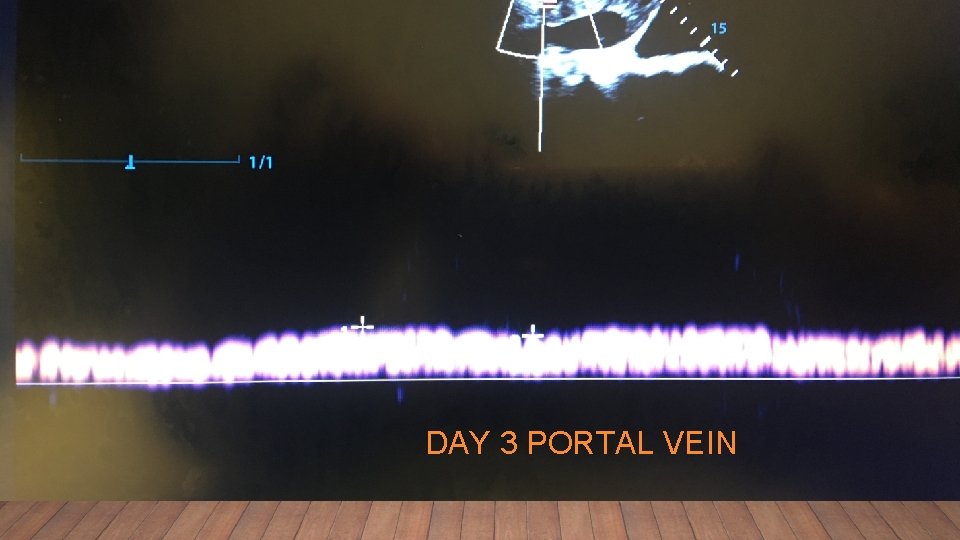
CASE CONT. • Based on the lab and ultrasound findings, a diagnosis of hypervolemic hyponatremia was made. Diuresis was initiated by starting IV furosemide 60 mg every 8 hours with concurrent metolazone 5 mg every 12 hours. • 3. 8 liters negative (over 48 hours) • Sodium 131 meq/L • Potassium 3. 8 • Creatinine-. 8 mg/dl (70 umol/L)
DAY 3
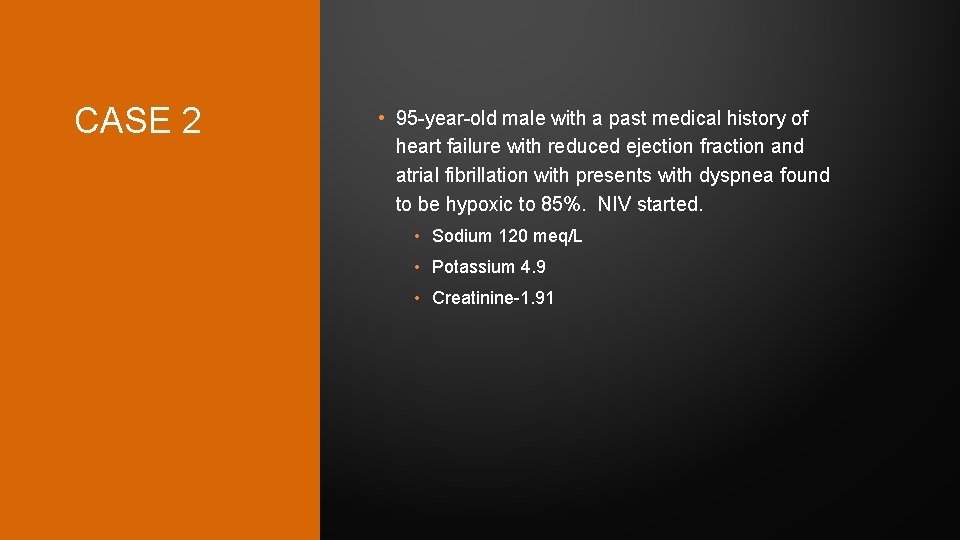
CASE 2 • 95 -year-old male with a past medical history of heart failure with reduced ejection fraction and atrial fibrillation with presents with dyspnea found to be hypoxic to 85%. NIV started. • Sodium 120 meq/L • Potassium 4. 9 • Creatinine-1. 91
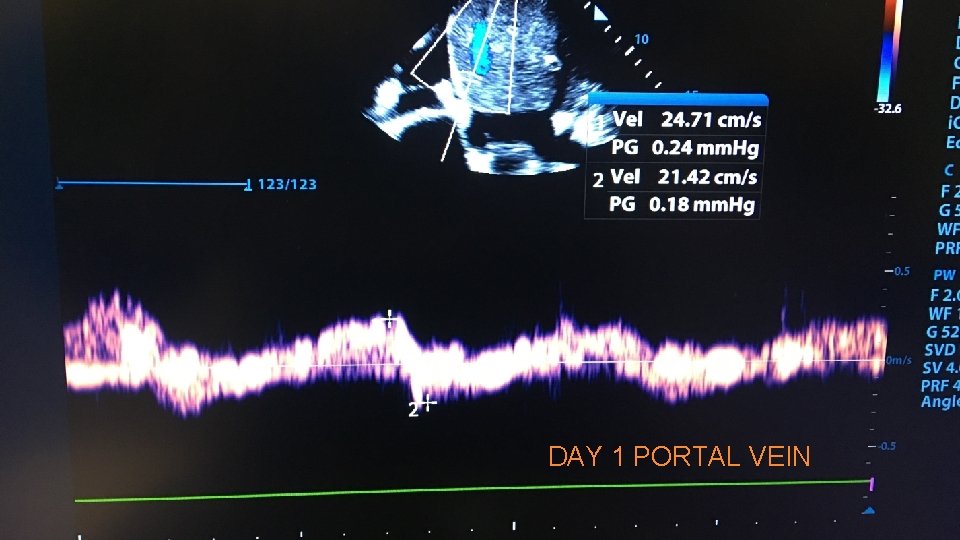
DAY 1 PORTAL VEIN
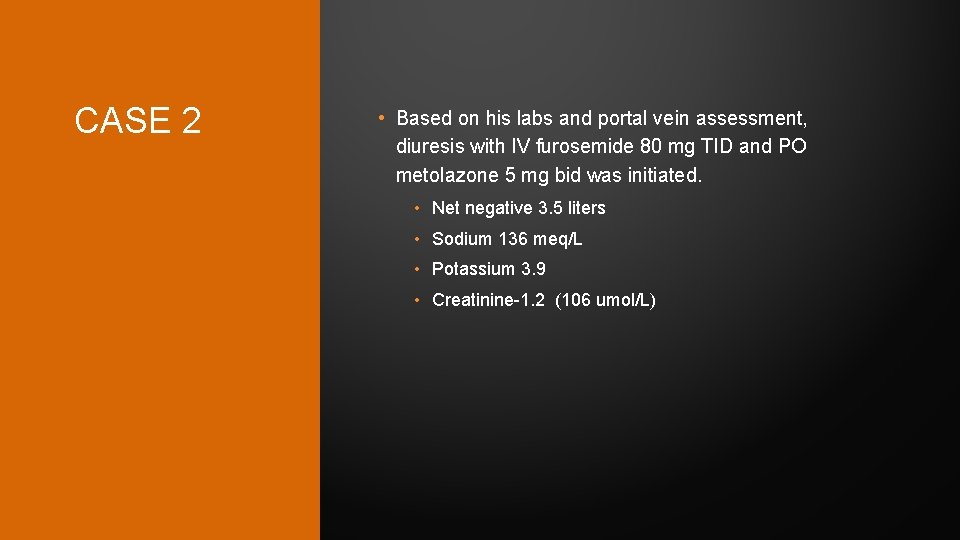
CASE 2 • Based on his labs and portal vein assessment, diuresis with IV furosemide 80 mg TID and PO metolazone 5 mg bid was initiated. • Net negative 3. 5 liters • Sodium 136 meq/L • Potassium 3. 9 • Creatinine-1. 2 (106 umol/L)
DAY 3 PORTAL VEIN
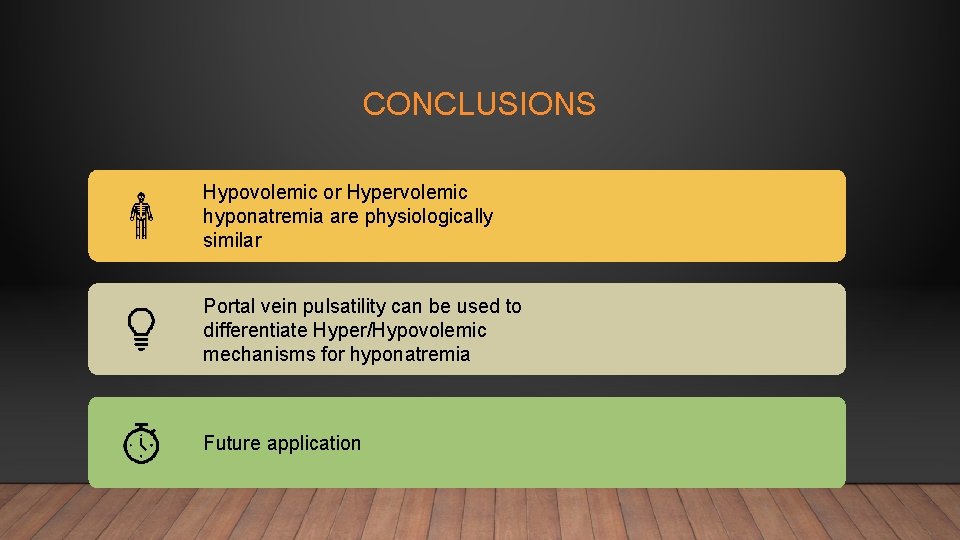
CONCLUSIONS Hypovolemic or Hypervolemic hyponatremia are physiologically similar Portal vein pulsatility can be used to differentiate Hyper/Hypovolemic mechanisms for hyponatremia Future application
PATELSHARAD@COOPERHEALTH. EDU