
HYPERTENSIVE DISORDERS OF PREGNANCY AProf Sandra Lowe What





- Slides: 66
HYPERTENSIVE DISORDERS OF PREGNANCY A/Prof Sandra Lowe
What’ s old What’ s new What does it mean to your practise?
What’s old?
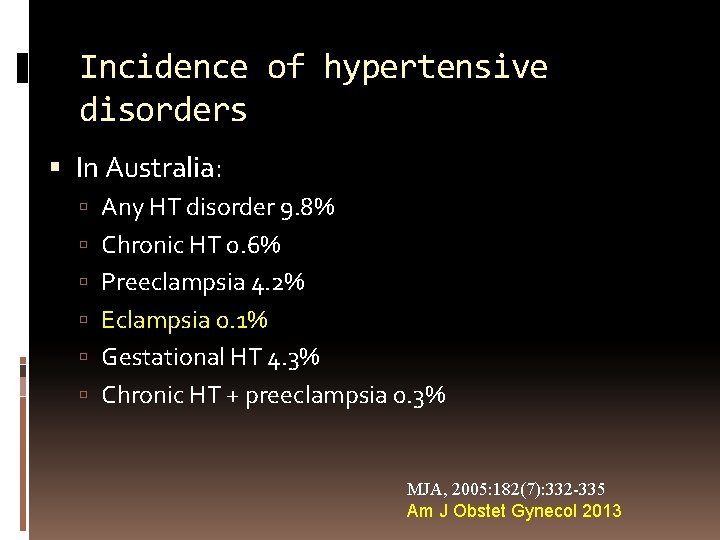
Incidence of hypertensive disorders In Australia: Any HT disorder 9. 8% Chronic HT 0. 6% Preeclampsia 4. 2% Eclampsia 0. 1% Gestational HT 4. 3% Chronic HT + preeclampsia 0. 3% MJA, 2005: 182(7): 332 -335 Am J Obstet Gynecol 2013
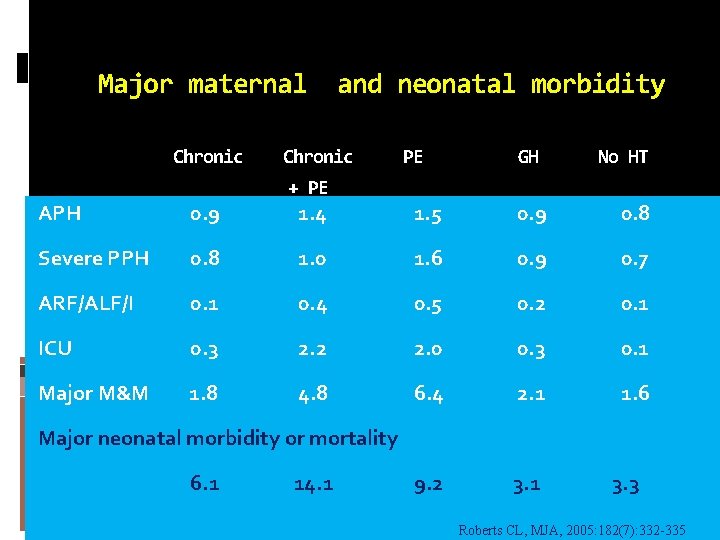
Major maternal and neonatal morbidity Chronic PE GH No HT + PE APH 0. 9 % 1. 4 Severe PPH 0. 8 % % 1. 0 ARF/ALF/I 0. 1 1. 5 % 0. 9 0. 8 % 1. 6 0. 9 0. 4 0. 5 0. 2 0. 1 0. 3 2. 2 2. 0 0. 3 0. 1 Major M&M 1. 8 4. 8 6. 4 2. 1 1. 6 9. 2 3. 1 3. 3 ICU 0. 7 Major neonatal morbidity or mortality 6. 1 14. 1 Roberts CL, MJA, 2005: 182(7): 332 -335
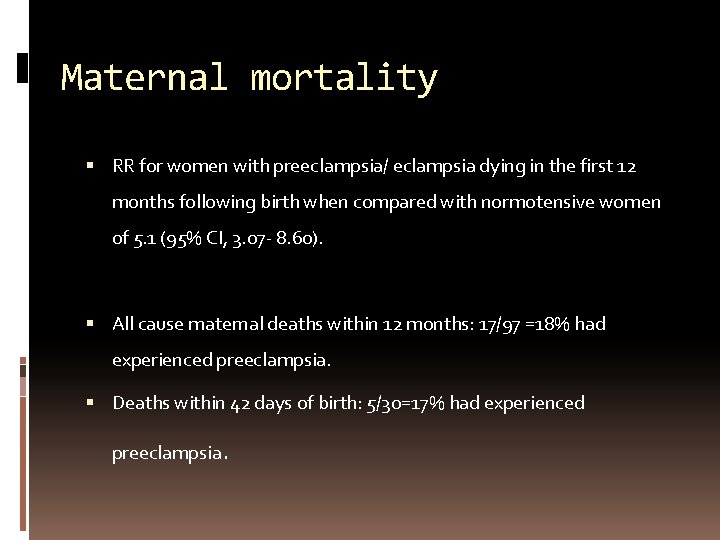
Maternal mortality RR for women with preeclampsia/ eclampsia dying in the first 12 months following birth when compared with normotensive women of 5. 1 (95% CI, 3. 07 - 8. 60). All cause maternal deaths within 12 months: 17/97 =18% had experienced preeclampsia. Deaths within 42 days of birth: 5/30=17% had experienced preeclampsia.
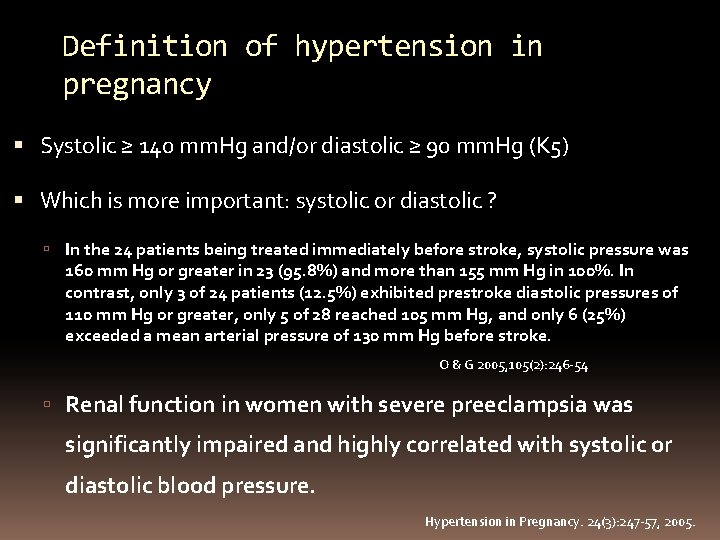
Definition of hypertension in pregnancy Systolic ≥ 140 mm. Hg and/or diastolic ≥ 90 mm. Hg (K 5) Which is more important: systolic or diastolic ? In the 24 patients being treated immediately before stroke, systolic pressure was 160 mm Hg or greater in 23 (95. 8%) and more than 155 mm Hg in 100%. In contrast, only 3 of 24 patients (12. 5%) exhibited prestroke diastolic pressures of 110 mm Hg or greater, only 5 of 28 reached 105 mm Hg, and only 6 (25%) exceeded a mean arterial pressure of 130 mm Hg before stroke. O & G 2005, 105(2): 246 -54 Renal function in women with severe preeclampsia was significantly impaired and highly correlated with systolic or diastolic blood pressure. Hypertension in Pregnancy. 24(3): 247 -57, 2005.
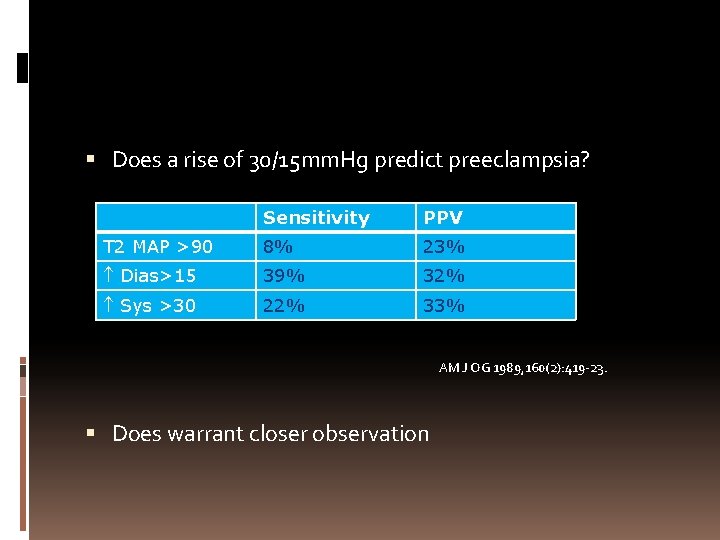
Does a rise of 30/15 mm. Hg predict preeclampsia? Sensitivity PPV T 2 MAP >90 8% 23% Dias>15 39% 32% Sys >30 22% 33% AM J OG 1989, 160(2): 419 -23. Does warrant closer observation
Severe hypertension requiring urgent treatment ≥ 170 or /110 mm. Hg level of blood pressure above which cerebral autoregulation is overcome in normotensive individuals. associated with a risk of cerebral haemorrhage and hypertensive encephalopathy HT. 2007 Jul; 50(1): 14 -24.
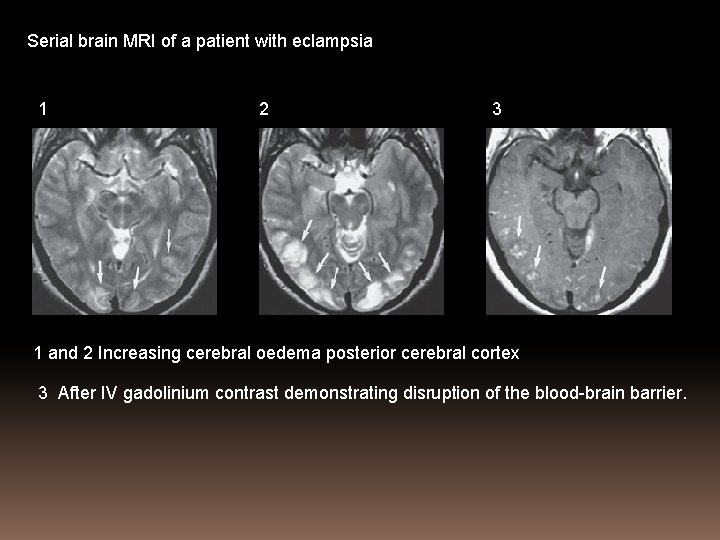
Serial brain MRI of a patient with eclampsia 1 2 3 1 and 2 Increasing cerebral oedema posterior cerebral cortex 3 After IV gadolinium contrast demonstrating disruption of the blood-brain barrier.
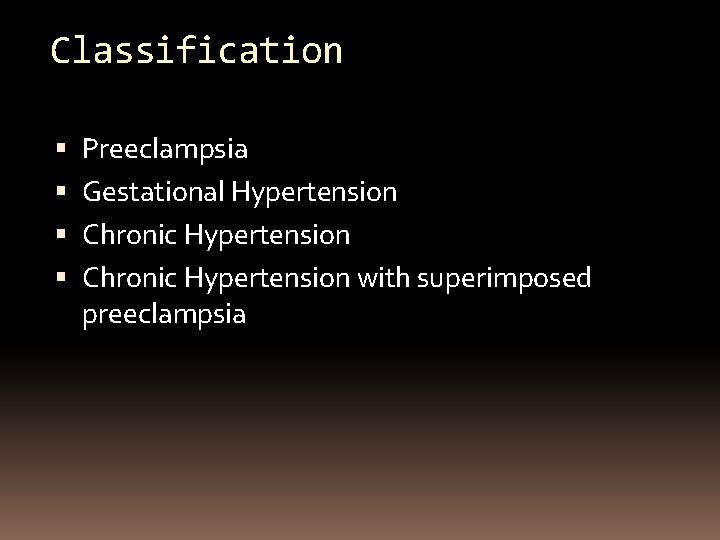
Classification Preeclampsia Gestational Hypertension Chronic Hypertension with superimposed preeclampsia
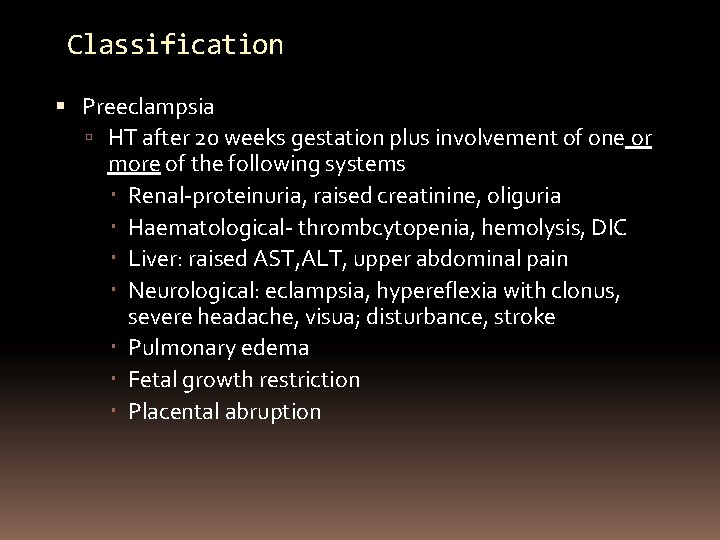
Classification Preeclampsia HT after 20 weeks gestation plus involvement of one or more of the following systems Renal-proteinuria, raised creatinine, oliguria Haematological- thrombcytopenia, hemolysis, DIC Liver: raised AST, ALT, upper abdominal pain Neurological: eclampsia, hypereflexia with clonus, severe headache, visua; disturbance, stroke Pulmonary edema Fetal growth restriction Placental abruption
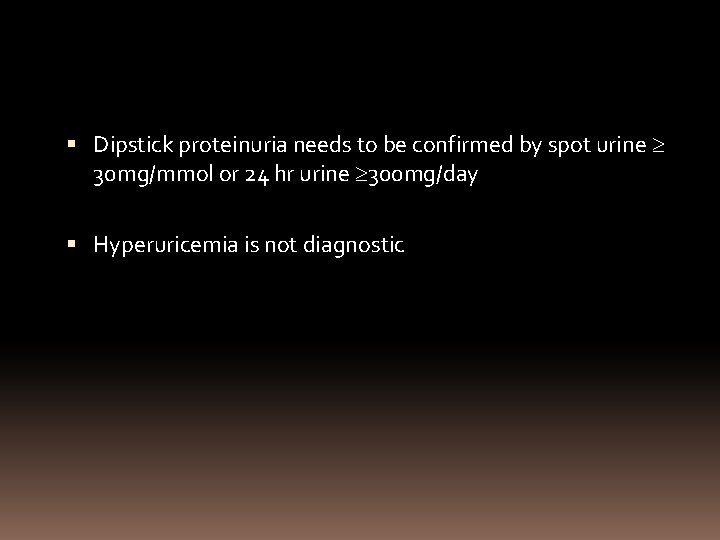
Dipstick proteinuria needs to be confirmed by spot urine 30 mg/mmol or 24 hr urine 300 mg/day Hyperuricemia is not diagnostic
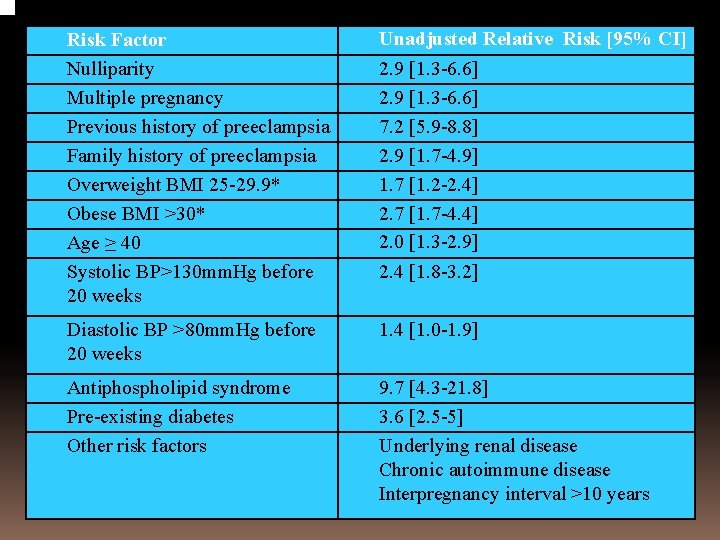
Risk Factor Nulliparity Multiple pregnancy Previous history of preeclampsia Family history of preeclampsia Overweight BMI 25 -29. 9* Obese BMI >30* Age ≥ 40 Systolic BP>130 mm. Hg before 20 weeks Unadjusted Relative Risk [95% CI] 2. 9 [1. 3 -6. 6] 7. 2 [5. 9 -8. 8] 2. 9 [1. 7 -4. 9] 1. 7 [1. 2 -2. 4] 2. 7 [1. 7 -4. 4] 2. 0 [1. 3 -2. 9] 2. 4 [1. 8 -3. 2] Diastolic BP >80 mm. Hg before 20 weeks 1. 4 [1. 0 -1. 9] Antiphospholipid syndrome Pre-existing diabetes Other risk factors 9. 7 [4. 3 -21. 8] 3. 6 [2. 5 -5] Underlying renal disease Chronic autoimmune disease Interpregnancy interval >10 years
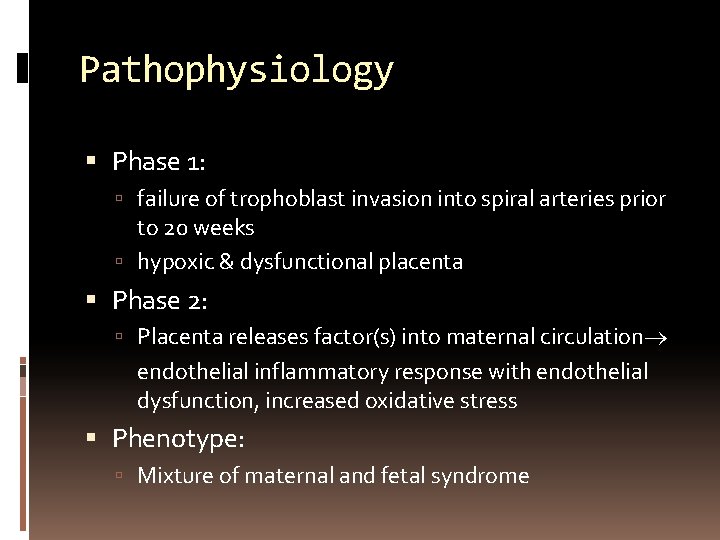
Pathophysiology Phase 1: failure of trophoblast invasion into spiral arteries prior to 20 weeks hypoxic & dysfunctional placenta Phase 2: Placenta releases factor(s) into maternal circulation endothelial inflammatory response with endothelial dysfunction, increased oxidative stress Phenotype: Mixture of maternal and fetal syndrome
Whats new?
Search for the preeclampsia circulating factor Current putative factors: Imbalance between angiogenic growth factors VEGF and Pl. GF and soluble placental derived anti -angiogenic factors such as s. Flt-1 and endoglin VEGF vascular endothelial growth factor Pl. GF placental growth factor s. Flt-1 soluble fms-like tyrosine kinase 1: VEGF and Pl. GF receptor Endoglin: TGF (transforming growth factor) b 1 and b 3 co-receptor
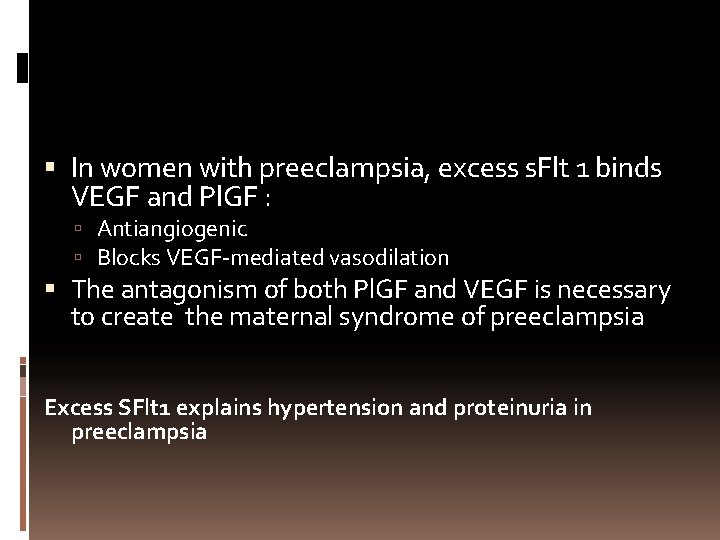
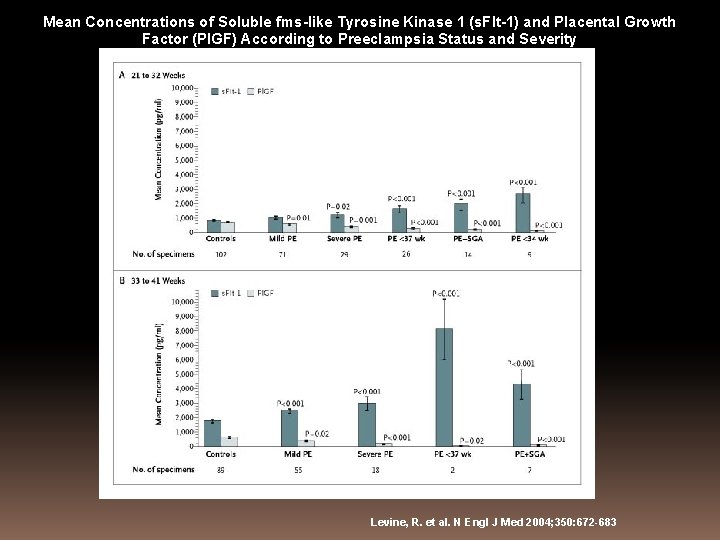
In women with preeclampsia, excess s. Flt 1 binds VEGF and Pl. GF : Antiangiogenic Blocks VEGF-mediated vasodilation The antagonism of both Pl. GF and VEGF is necessary to create the maternal syndrome of preeclampsia Excess SFlt 1 explains hypertension and proteinuria in preeclampsia
Mean Concentrations of Soluble fms-like Tyrosine Kinase 1 (s. Flt-1) and Placental Growth Factor (Pl. GF) According to Preeclampsia Status and Severity Levine, R. et al. N Engl J Med 2004; 350: 672 -683
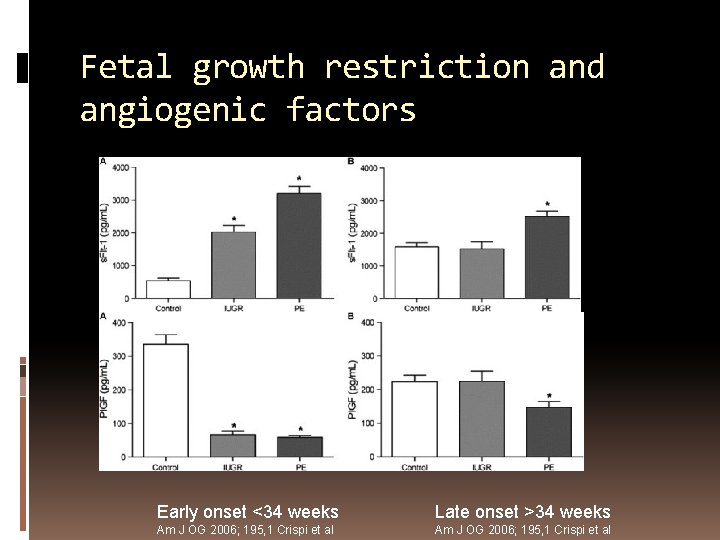
Fetal growth restriction and angiogenic factors Early onset <34 weeks Late onset >34 weeks Am J OG 2006; 195, 1 Crispi et al
“isolated IUGR with no maternal disease is also associated with changes in placental angiogenic factors and subclinical endothelial dysfunction. “ Stresses the importance of maternal predisposition for manifestation of maternal syndrome
Management of hypertensive disorders of pregnancy THE MANAGEMENT OF HYPERTENSIVE DISORDERS OF PREGNANCY 2014 Prev version : ANZJOG 2009; 49: 242– 246
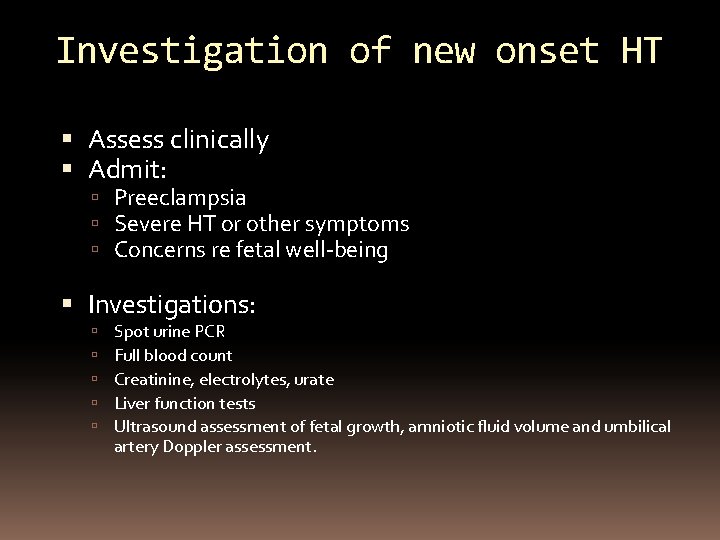
Investigation of new onset HT Assess clinically Admit: Preeclampsia Severe HT or other symptoms Concerns re fetal well-being Investigations: Spot urine PCR Full blood count Creatinine, electrolytes, urate Liver function tests Ultrasound assessment of fetal growth, amniotic fluid volume and umbilical artery Doppler assessment.
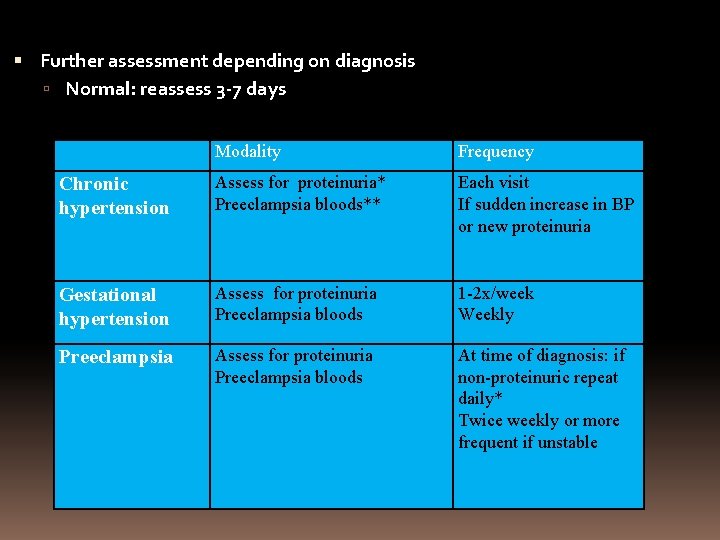
Further assessment depending on diagnosis Normal: reassess 3 -7 days Modality Frequency Chronic hypertension Assess for proteinuria* Preeclampsia bloods** Each visit If sudden increase in BP or new proteinuria Gestational hypertension Assess for proteinuria Preeclampsia bloods 1 -2 x/week Weekly Preeclampsia Assess for proteinuria Preeclampsia bloods At time of diagnosis: if non-proteinuric repeat daily* Twice weekly or more frequent if unstable
Clinical role of measuring angiogenic factors Potential role: Prediction-T 1 Diagnosis: Differentiating CKD, CHT, other conditions Management: Predicting the need for delivery
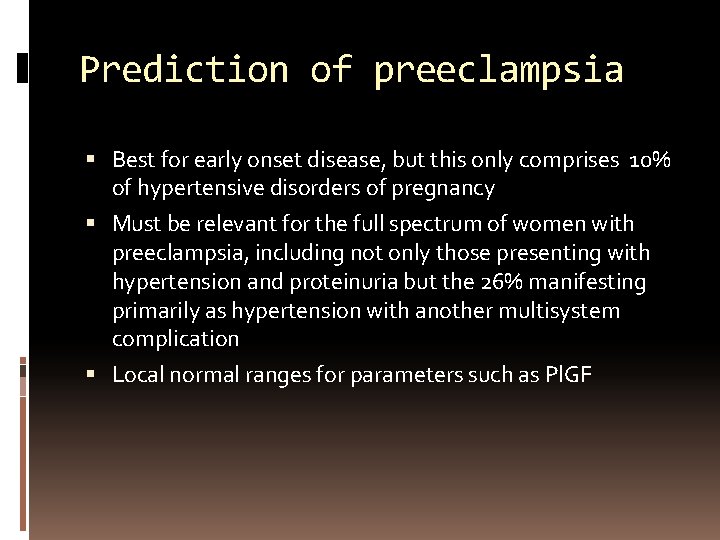
Prediction of preeclampsia Best for early onset disease, but this only comprises 10% of hypertensive disorders of pregnancy Must be relevant for the full spectrum of women with preeclampsia, including not only those presenting with hypertension and proteinuria but the 26% manifesting primarily as hypertension with another multisystem complication Local normal ranges for parameters such as Pl. GF
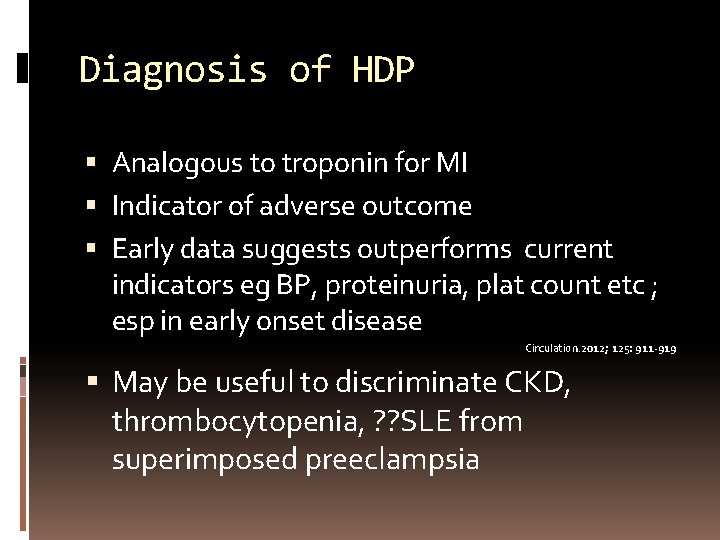
Diagnosis of HDP Analogous to troponin for MI Indicator of adverse outcome Early data suggests outperforms current indicators eg BP, proteinuria, plat count etc ; esp in early onset disease Circulation. 2012; 125: 911 -919 May be useful to discriminate CKD, thrombocytopenia, ? ? SLE from superimposed preeclampsia
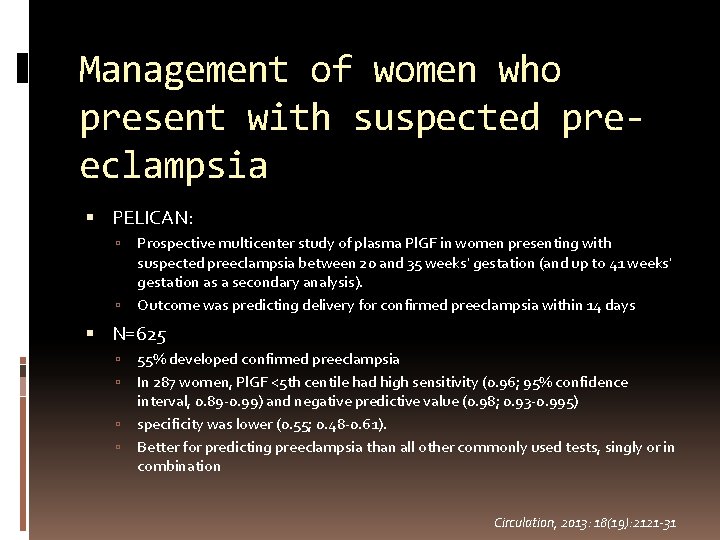
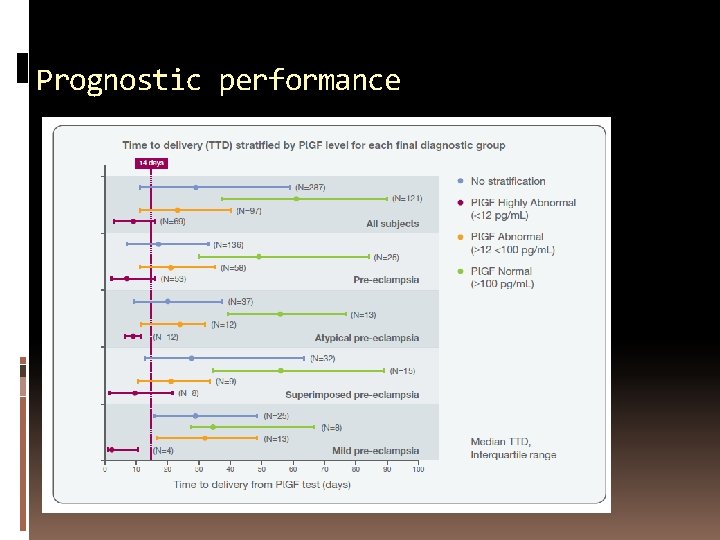
Management of women who present with suspected preeclampsia PELICAN: Prospective multicenter study of plasma Pl. GF in women presenting with suspected preeclampsia between 20 and 35 weeks' gestation (and up to 41 weeks' gestation as a secondary analysis). Outcome was predicting delivery for confirmed preeclampsia within 14 days N=625 55% developed confirmed preeclampsia In 287 women, Pl. GF <5 th centile had high sensitivity (0. 96; 95% confidence interval, 0. 89 -0. 99) and negative predictive value (0. 98; 0. 93 -0. 995) specificity was lower (0. 55; 0. 48 -0. 61). Better for predicting preeclampsia than all other commonly used tests, singly or in combination Circulation, 2013: 18(19): 2121 -31
Prognostic performance
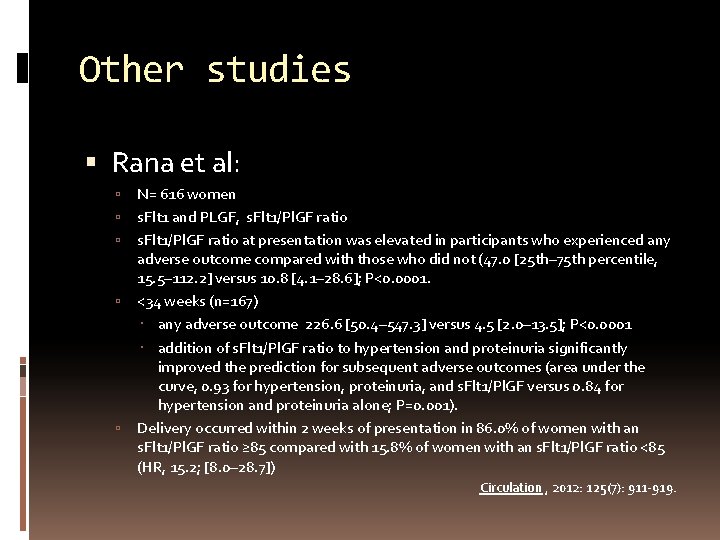
Other studies Rana et al: N= 616 women s. Flt 1 and PLGF, s. Flt 1/Pl. GF ratio at presentation was elevated in participants who experienced any adverse outcome compared with those who did not (47. 0 [25 th– 75 th percentile, 15. 5– 112. 2] versus 10. 8 [4. 1– 28. 6]; P<0. 0001. <34 weeks (n=167) any adverse outcome 226. 6 [50. 4– 547. 3] versus 4. 5 [2. 0– 13. 5]; P<0. 0001 addition of s. Flt 1/Pl. GF ratio to hypertension and proteinuria significantly improved the prediction for subsequent adverse outcomes (area under the curve, 0. 93 for hypertension, proteinuria, and s. Flt 1/Pl. GF versus 0. 84 for hypertension and proteinuria alone; P=0. 001). Delivery occurred within 2 weeks of presentation in 86. 0% of women with an s. Flt 1/Pl. GF ratio ≥ 85 compared with 15. 8% of women with an s. Flt 1/Pl. GF ratio <85 (HR, 15. 2; [8. 0– 28. 7]) Circulation , 2012: 125(7): 911 -919.
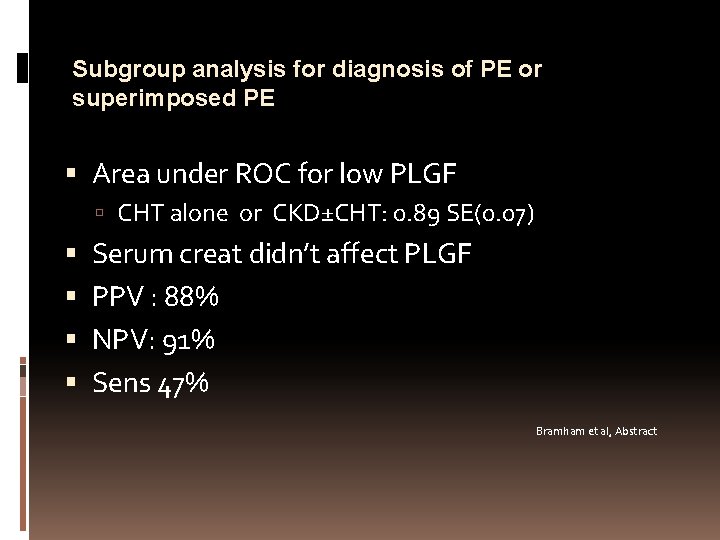
Subgroup analysis for diagnosis of PE or superimposed PE Area under ROC for low PLGF CHT alone or CKD±CHT: 0. 89 SE(0. 07) Serum creat didn’t affect PLGF PPV : 88% NPV: 91% Sens 47% Bramham et al, Abstract
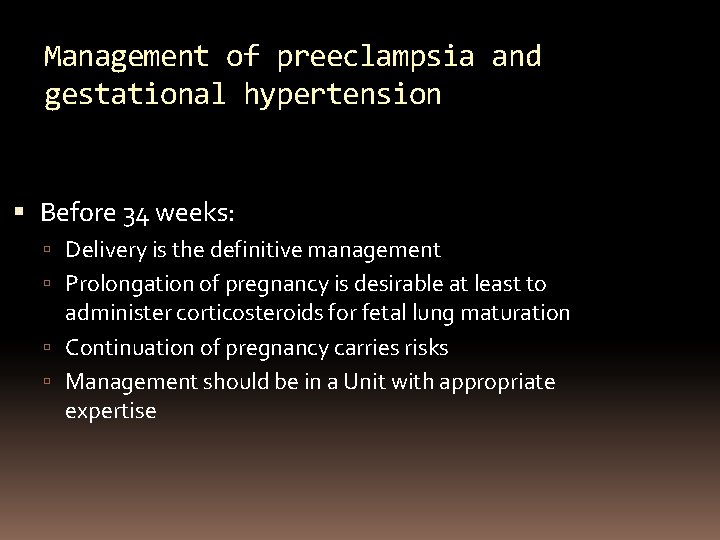
Management of preeclampsia and gestational hypertension Before 34 weeks: Delivery is the definitive management Prolongation of pregnancy is desirable at least to administer corticosteroids for fetal lung maturation Continuation of pregnancy carries risks Management should be in a Unit with appropriate expertise
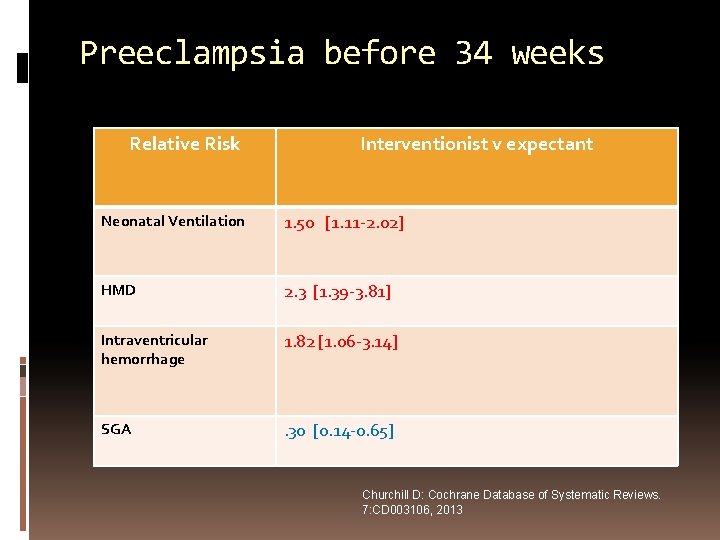
Preeclampsia before 34 weeks Relative Risk Interventionist v expectant Neonatal Ventilation 1. 50 [1. 11 -2. 02] HMD 2. 3 [1. 39 -3. 81] Intraventricular hemorrhage 1. 82 [1. 06 -3. 14] SGA . 30 [0. 14 -0. 65] Churchill D: Cochrane Database of Systematic Reviews. 7: CD 003106, 2013
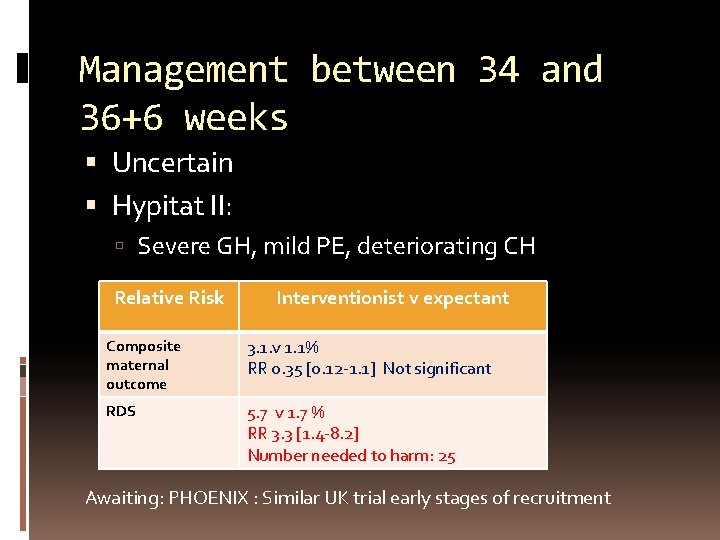
Management between 34 and 36+6 weeks Uncertain Hypitat II: Severe GH, mild PE, deteriorating CH Relative Risk Interventionist v expectant Composite maternal outcome 3. 1. v 1. 1% RR 0. 35 [0. 12 -1. 1] Not significant RDS 5. 7 v 1. 7 % RR 3. 3 [1. 4 -8. 2] Number needed to harm: 25 Awaiting: PHOENIX : Similar UK trial early stages of recruitment
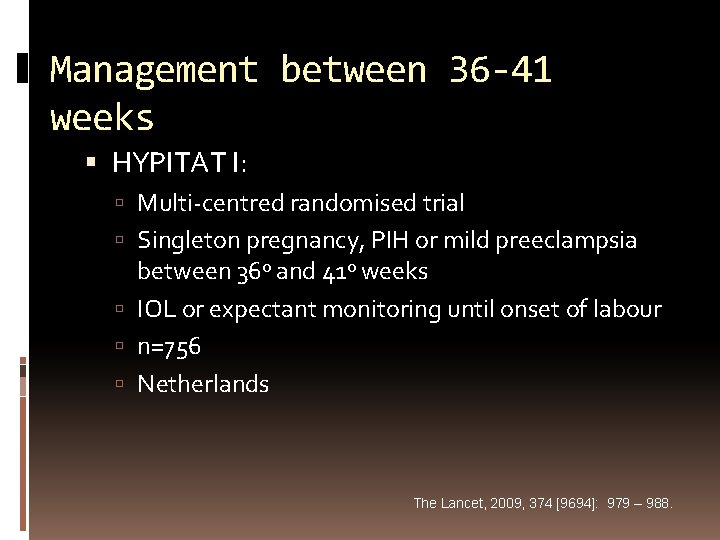
Management between 36 -41 weeks HYPITAT I: Multi-centred randomised trial Singleton pregnancy, PIH or mild preeclampsia between 360 and 410 weeks IOL or expectant monitoring until onset of labour n=756 Netherlands The Lancet, 2009, 374 [9694]: 979 – 988.
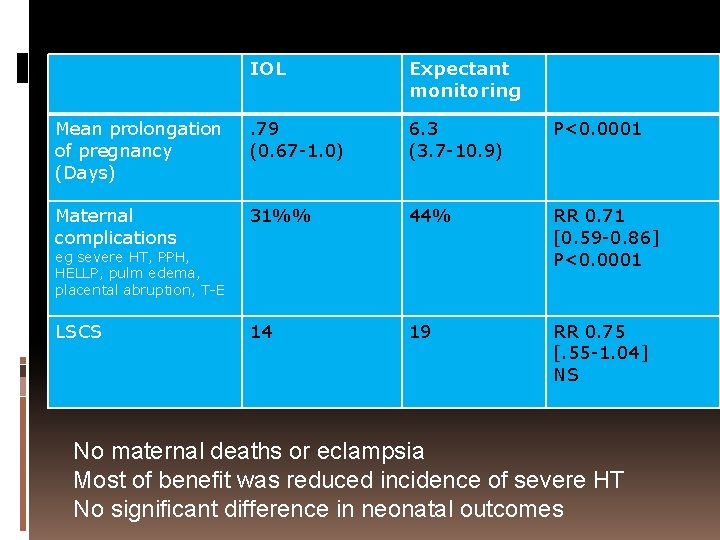
IOL Expectant monitoring Mean prolongation of pregnancy (Days) . 79 (0. 67 -1. 0) 6. 3 (3. 7 -10. 9) P<0. 0001 Maternal complications 31%% 44% RR 0. 71 [0. 59 -0. 86] P<0. 0001 LSCS 14 19 RR 0. 75 [. 55 -1. 04] NS eg severe HT, PPH, HELLP, pulm edema, placental abruption, T-E No maternal deaths or eclampsia Most of benefit was reduced incidence of severe HT No significant difference in neonatal outcomes
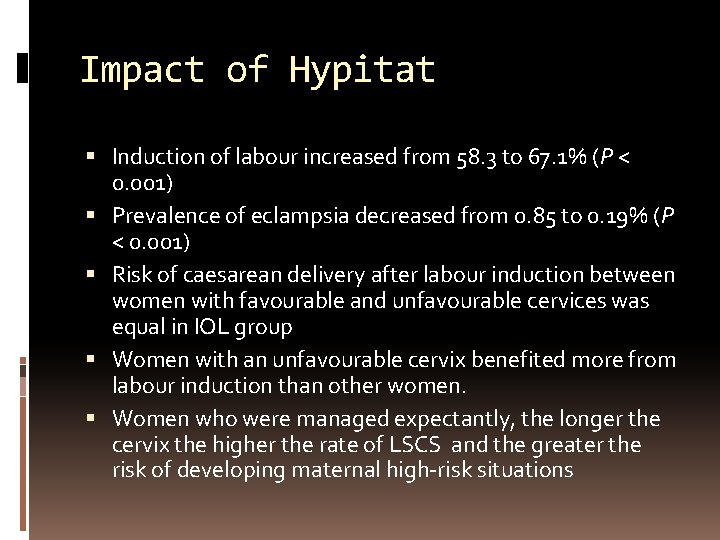
Impact of Hypitat Induction of labour increased from 58. 3 to 67. 1% (P < 0. 001) Prevalence of eclampsia decreased from 0. 85 to 0. 19% (P < 0. 001) Risk of caesarean delivery after labour induction between women with favourable and unfavourable cervices was equal in IOL group Women with an unfavourable cervix benefited more from labour induction than other women. Women who were managed expectantly, the longer the cervix the higher the rate of LSCS and the greater the risk of developing maternal high-risk situations
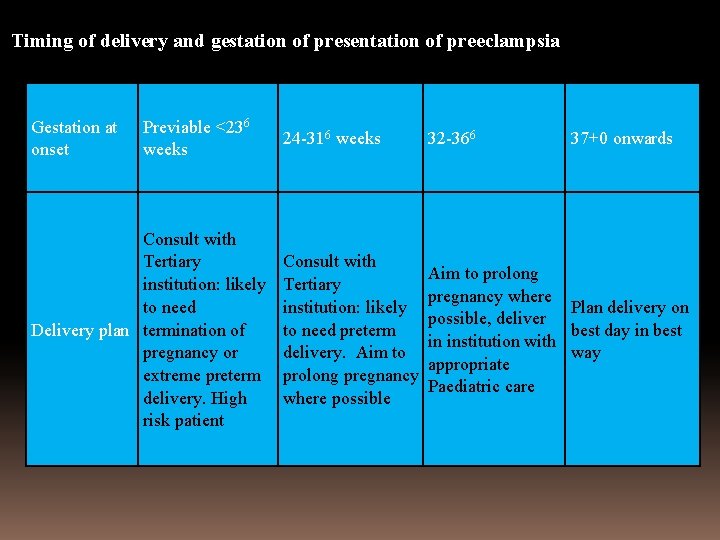
Timing of delivery and gestation of presentation of preeclampsia Gestation at onset Previable <236 weeks Consult with Tertiary institution: likely to need Delivery plan termination of pregnancy or extreme preterm delivery. High risk patient 24 -316 weeks 32 -366 37+0 onwards Consult with Tertiary institution: likely to need preterm delivery. Aim to prolong pregnancy where possible Aim to prolong pregnancy where Plan delivery on possible, deliver best day in best in institution with way appropriate Paediatric care
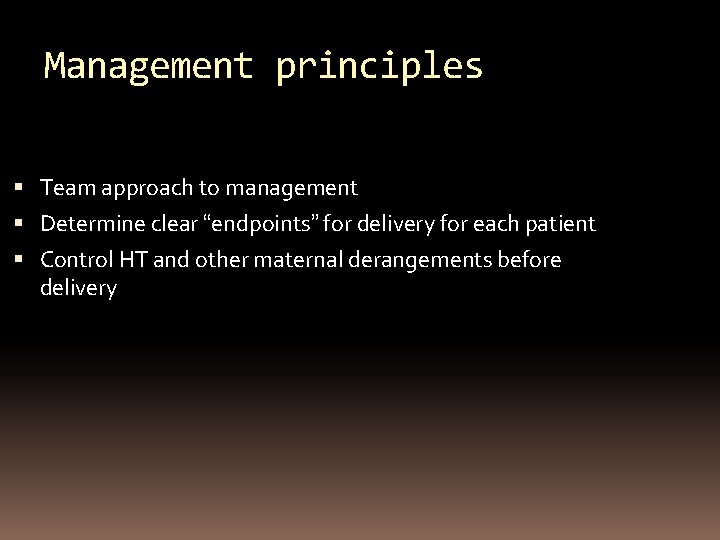
Management principles Team approach to management Determine clear “endpoints” for delivery for each patient Control HT and other maternal derangements before delivery
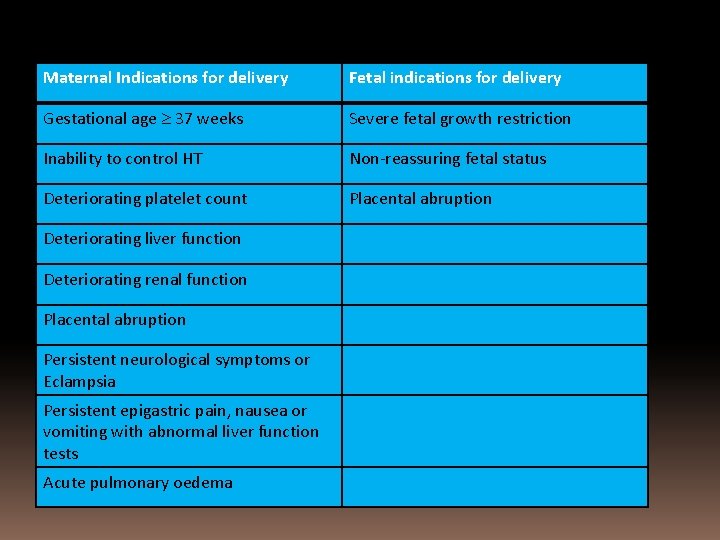
Maternal Indications for delivery Fetal indications for delivery Gestational age 37 weeks Severe fetal growth restriction Inability to control HT Non-reassuring fetal status Deteriorating platelet count Placental abruption Deteriorating liver function Deteriorating renal function Placental abruption Persistent neurological symptoms or Eclampsia Persistent epigastric pain, nausea or vomiting with abnormal liver function tests Acute pulmonary oedema
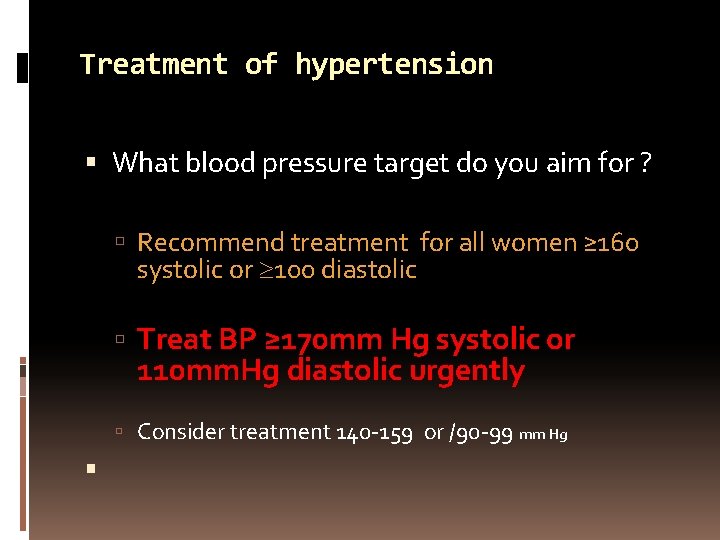
Treatment of hypertension What blood pressure target do you aim for ? Recommend treatment for all women ≥ 160 systolic or 100 diastolic Treat BP ≥ 170 mm Hg systolic or 110 mm. Hg diastolic urgently Consider treatment 140 -159 or /90 -99 mm Hg
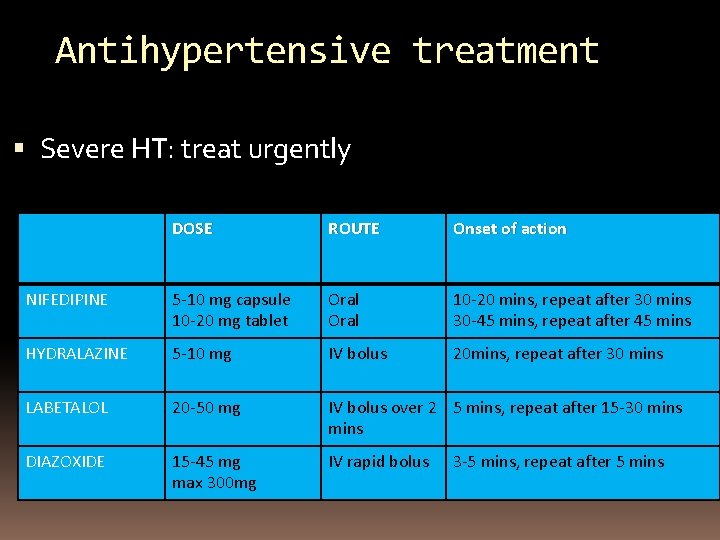
Antihypertensive treatment Severe HT: treat urgently DOSE ROUTE Onset of action NIFEDIPINE 5 -10 mg capsule 10 -20 mg tablet Oral 10 -20 mins, repeat after 30 mins 30 -45 mins, repeat after 45 mins HYDRALAZINE 5 -10 mg IV bolus 20 mins, repeat after 30 mins LABETALOL 20 -50 mg IV bolus over 2 5 mins, repeat after 15 -30 mins DIAZOXIDE 15 -45 mg max 300 mg IV rapid bolus 3 -5 mins, repeat after 5 mins
Give long acting agents concurrently All Units should have protocols for management of severe hypertension
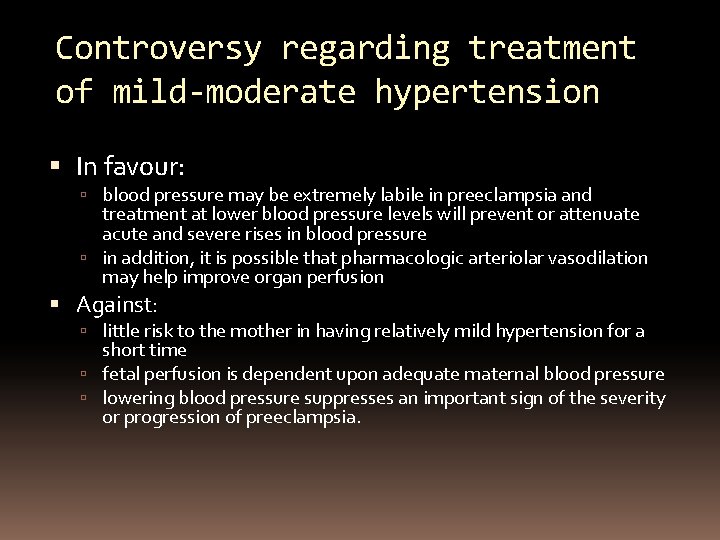
Controversy regarding treatment of mild-moderate hypertension In favour: blood pressure may be extremely labile in preeclampsia and treatment at lower blood pressure levels will prevent or attenuate acute and severe rises in blood pressure in addition, it is possible that pharmacologic arteriolar vasodilation may help improve organ perfusion Against: little risk to the mother in having relatively mild hypertension for a short time fetal perfusion is dependent upon adequate maternal blood pressure lowering blood pressure suppresses an important sign of the severity or progression of preeclampsia.
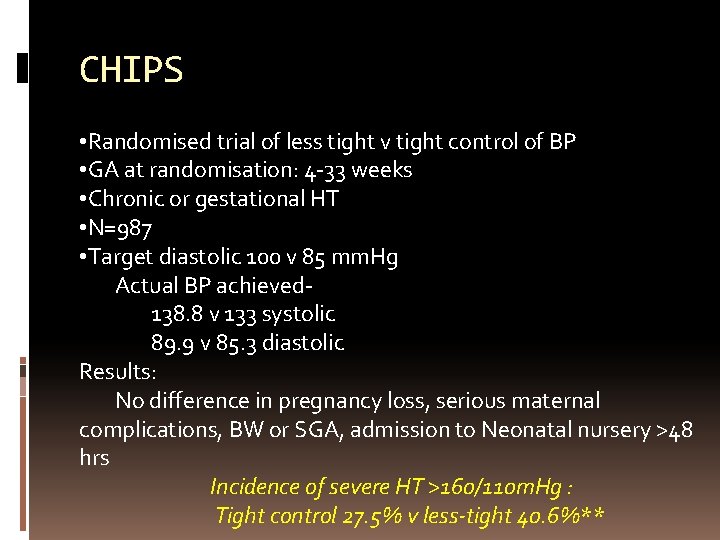
CHIPS • Randomised trial of less tight v tight control of BP • GA at randomisation: 4 -33 weeks • Chronic or gestational HT • N=987 • Target diastolic 100 v 85 mm. Hg Actual BP achieved 138. 8 v 133 systolic 89. 9 v 85. 3 diastolic Results: No difference in pregnancy loss, serious maternal complications, BW or SGA, admission to Neonatal nursery >48 hrs Incidence of severe HT >160/110 m. Hg : Tight control 27. 5% v less-tight 40. 6%**
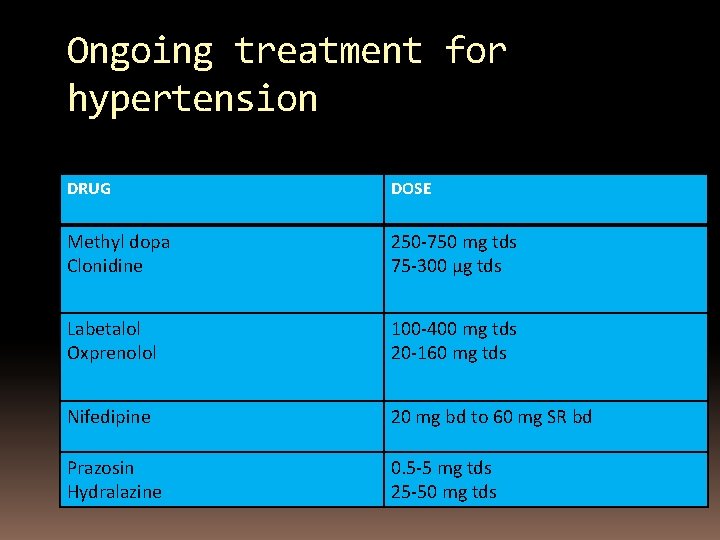
Ongoing treatment for hypertension DRUG DOSE Methyl dopa Clonidine 250 -750 mg tds 75 -300 μg tds Labetalol Oxprenolol 100 -400 mg tds 20 -160 mg tds Nifedipine 20 mg bd to 60 mg SR bd Prazosin Hydralazine 0. 5 -5 mg tds 25 -50 mg tds
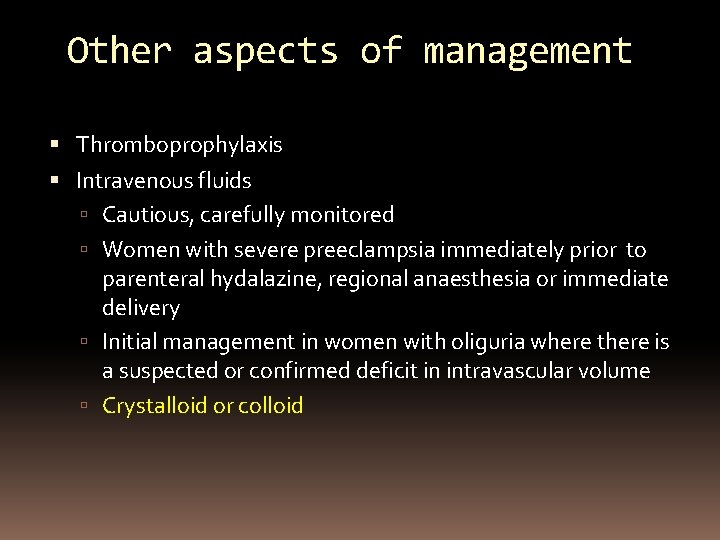
Other aspects of management Thromboprophylaxis Intravenous fluids Cautious, carefully monitored Women with severe preeclampsia immediately prior to parenteral hydalazine, regional anaesthesia or immediate delivery Initial management in women with oliguria where there is a suspected or confirmed deficit in intravascular volume Crystalloid or colloid
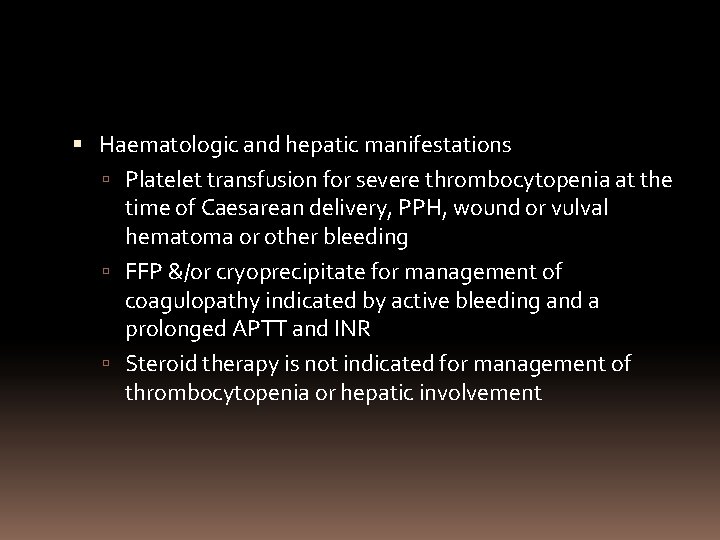
Haematologic and hepatic manifestations Platelet transfusion for severe thrombocytopenia at the time of Caesarean delivery, PPH, wound or vulval hematoma or other bleeding FFP &/or cryoprecipitate for management of coagulopathy indicated by active bleeding and a prolonged APTT and INR Steroid therapy is not indicated for management of thrombocytopenia or hepatic involvement
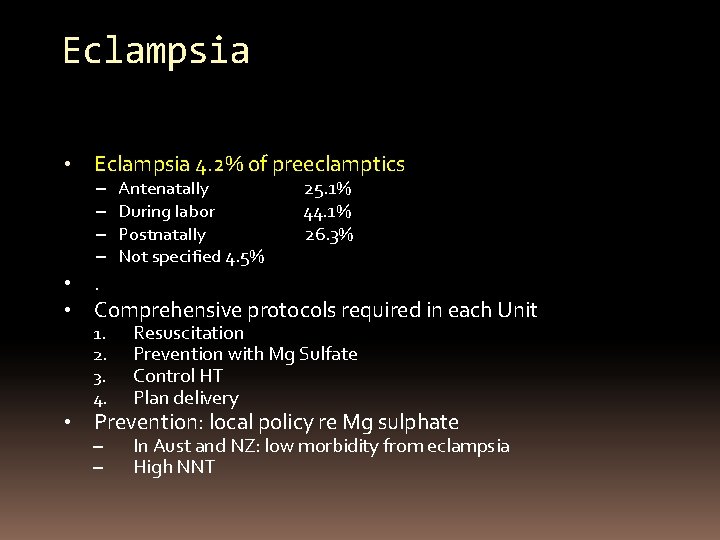
Eclampsia • Eclampsia 4. 2% of preeclamptics – – • • • Antenatally 25. 1% During labor 44. 1% Postnatally 26. 3% Not specified 4. 5% . Comprehensive protocols required in each Unit 1. 2. 3. 4. Resuscitation Prevention with Mg Sulfate Control HT Plan delivery – – In Aust and NZ: low morbidity from eclampsia High NNT Prevention: local policy re Mg sulphate
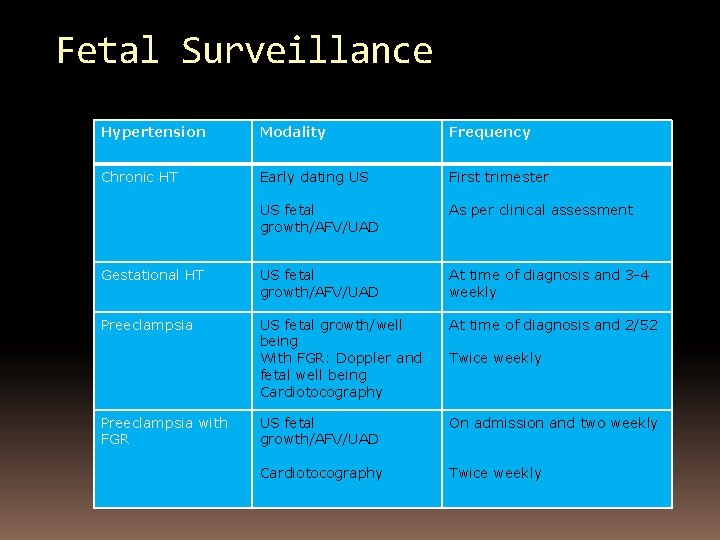
Fetal Surveillance Hypertension Modality Frequency Chronic HT Early dating US First trimester US fetal growth/AFV/UAD As per clinical assessment Gestational HT US fetal growth/AFV/UAD At time of diagnosis and 3 -4 weekly Preeclampsia US fetal growth/well being With FGR: Doppler and fetal well being Cardiotocography At time of diagnosis and 2/52 US fetal growth/AFV/UAD On admission and two weekly Cardiotocography Twice weekly Preeclampsia with FGR Twice weekly
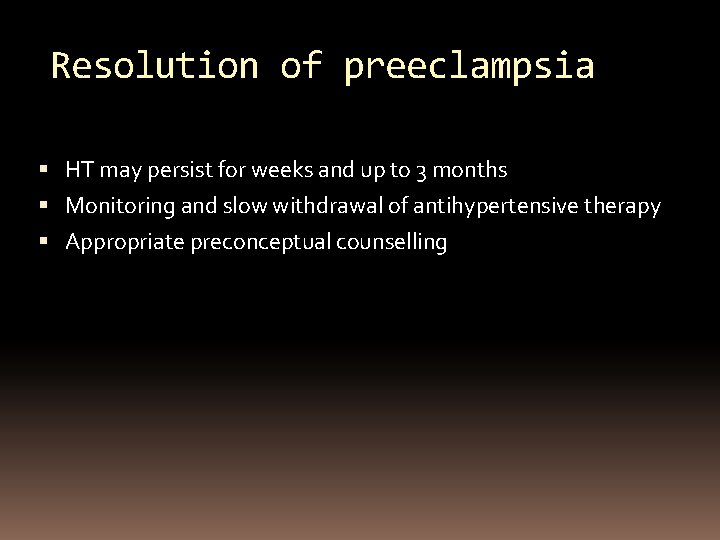
Resolution of preeclampsia HT may persist for weeks and up to 3 months Monitoring and slow withdrawal of antihypertensive therapy Appropriate preconceptual counselling
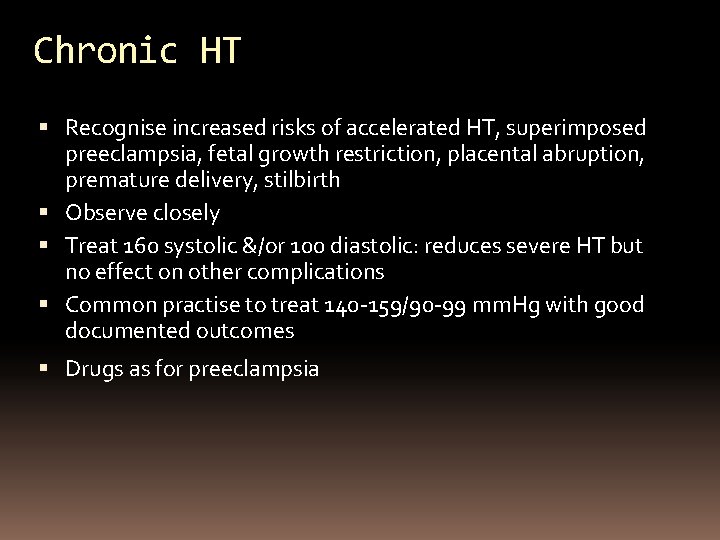
Chronic HT Recognise increased risks of accelerated HT, superimposed preeclampsia, fetal growth restriction, placental abruption, premature delivery, stilbirth Observe closely Treat 160 systolic &/or 100 diastolic: reduces severe HT but no effect on other complications Common practise to treat 140 -159/90 -99 mm. Hg with good documented outcomes Drugs as for preeclampsia
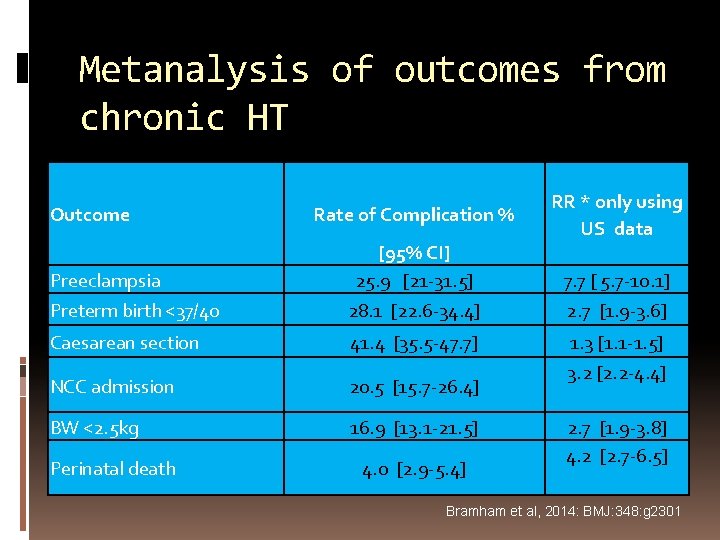
Metanalysis of outcomes from chronic HT Outcome Rate of Complication % Preeclampsia Preterm birth <37/40 [95% CI] 25. 9 [21 -31. 5] 28. 1 [22. 6 -34. 4] Caesarean section 41. 4 [35. 5 -47. 7] NCC admission 20. 5 [15. 7 -26. 4] BW <2. 5 kg 16. 9 [13. 1 -21. 5] Perinatal death 4. 0 [2. 9 -5. 4] RR * only using US data 7. 7 [ 5. 7 -10. 1] 2. 7 [1. 9 -3. 6] 1. 3 [1. 1 -1. 5] 3. 2 [2. 2 -4. 4] 2. 7 [1. 9 -3. 8] 4. 2 [2. 7 -6. 5] Bramham et al, 2014: BMJ: 348: g 2301
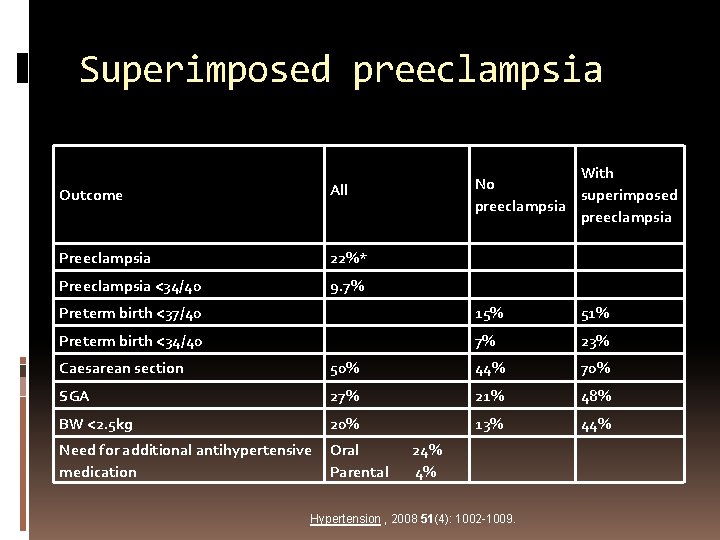
Superimposed preeclampsia Outcome All Preeclampsia 22%* Preeclampsia <34/40 9. 7% With No superimposed preeclampsia Preterm birth <37/40 15% 51% Preterm birth <34/40 7% 23% Caesarean section 50% 44% 70% SGA 27% 21% 48% BW <2. 5 kg 20% 13% 44% Need for additional antihypertensive Oral 24% medication Parental 4% Hypertension , 2008 51(4): 1002 -1009.
Other aspects of hypertension in pregnancy
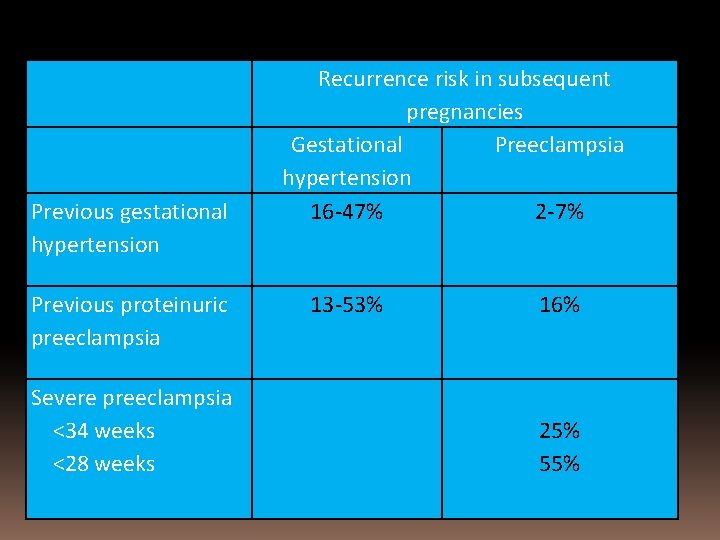
Previous gestational hypertension Previous proteinuric preeclampsia Severe preeclampsia <34 weeks <28 weeks Recurrence risk in subsequent pregnancies Gestational Preeclampsia hypertension 16 -47% 2 -7% 13 -53% 16% 25% 55%
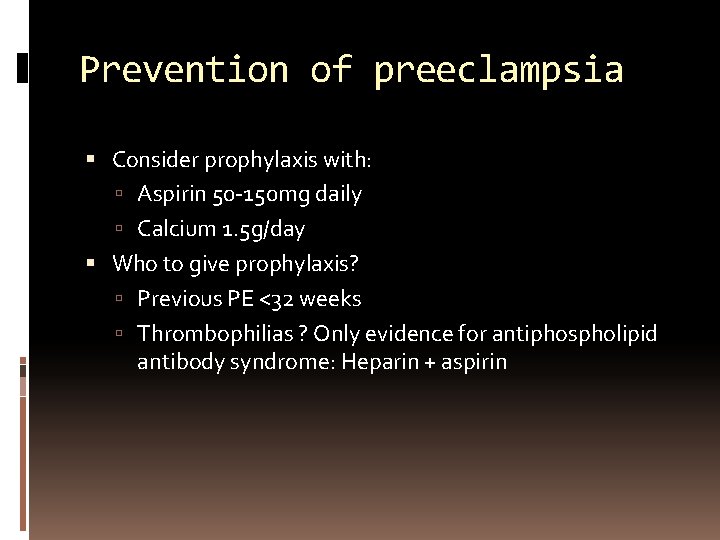
Prevention of preeclampsia Consider prophylaxis with: Aspirin 50 -150 mg daily Calcium 1. 5 g/day Who to give prophylaxis? Previous PE <32 weeks Thrombophilias ? Only evidence for antiphospholipid antibody syndrome: Heparin + aspirin
FRUIT study The FRactionated heparin in pregnant women with a history of Utero-placental Insufficiency and Thrombophilia Randomized, multicentre trial examining the addition of LMWH to aspirin at less than 12 weeks gestation on recurrence of hypertensive diseases (HD) in women with documented thrombophilia (excluding antiphospholipid syndrome). Hypertensive disease included early-onset (delivery prior to 34 weeks) pre-eclampsia, HELLP syndrome, eclampsia and/or delivery of an SGA (<10 th centile) baby. All the women were selected on the basis of heritable thrombophilia (protein C deficiency, protein S deficiency, activated protein C resistance, factor V Leiden heterozygosity and/or prothrombin gene G 20210 A mutation heterozygosity. De Vries et al, 2012, J Throm Haem, 10(1): 64.
N=139 Primary outcomes were recurrent HD onset: < 34 weeks gestation irrespective of gestational age. The secondary outcomes: recurrent SGA baby preterm birth maternal/neonatal hospitalization spontaneous miscarriage Analysis was by intention-to-treat.
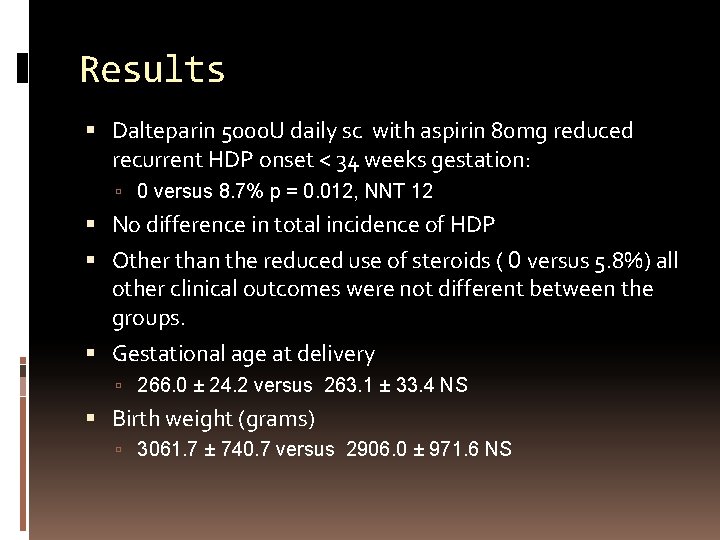
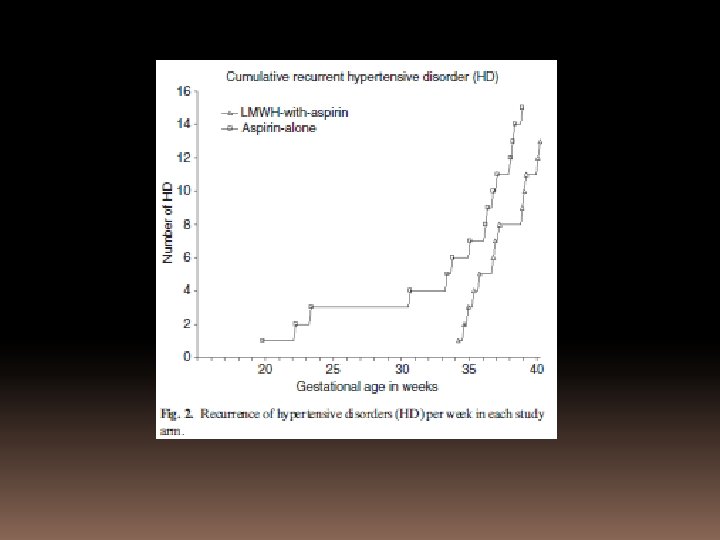
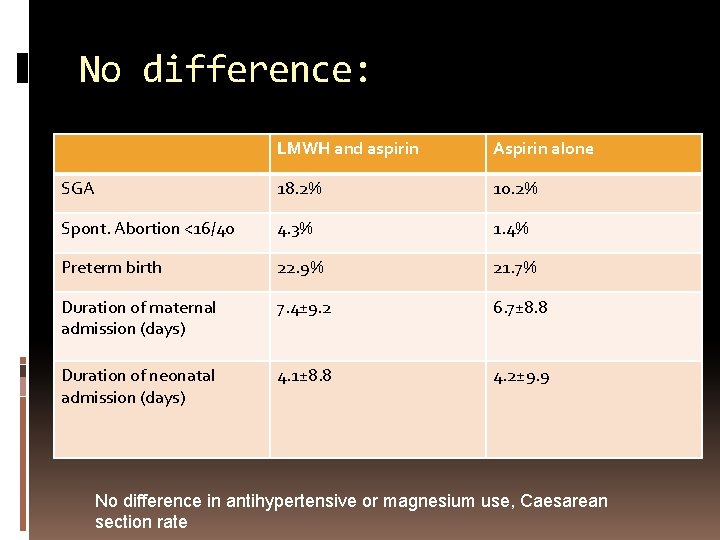
Results Dalteparin 5000 U daily sc with aspirin 80 mg reduced recurrent HDP onset < 34 weeks gestation: 0 versus 8. 7% p = 0. 012, NNT 12 No difference in total incidence of HDP Other than the reduced use of steroids ( 0 versus 5. 8%) all other clinical outcomes were not different between the groups. Gestational age at delivery 266. 0 ± 24. 2 versus 263. 1 ± 33. 4 NS Birth weight (grams) 3061. 7 ± 740. 7 versus 2906. 0 ± 971. 6 NS
No difference: LMWH and aspirin Aspirin alone SGA 18. 2% 10. 2% Spont. Abortion <16/40 4. 3% 1. 4% Preterm birth 22. 9% 21. 7% lampsia Duration of maternal admission (days) 7. 4± 9. 2 6. 7± 8. 8 4. 1± 8. 8 4. 2± 9. 9 Duration of neonatal admission (days) No difference in antihypertensive or magnesium use, Caesarean section rate
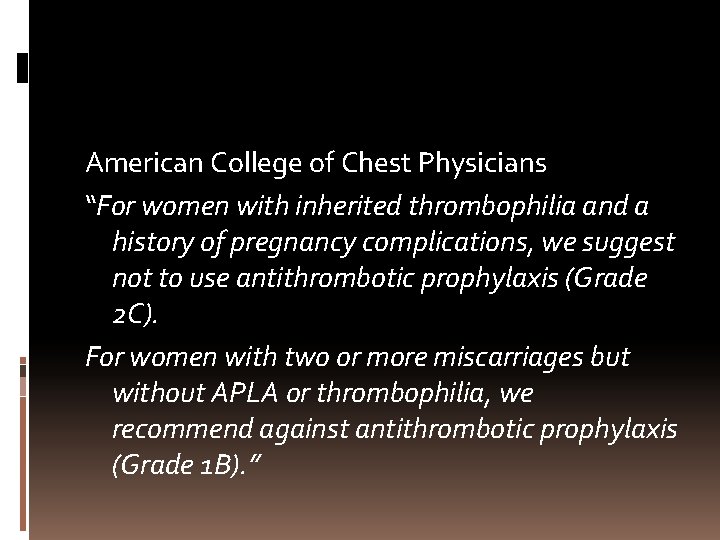
American College of Chest Physicians “For women with inherited thrombophilia and a history of pregnancy complications, we suggest not to use antithrombotic prophylaxis (Grade 2 C). For women with two or more miscarriages but without APLA or thrombophilia, we recommend against antithrombotic prophylaxis (Grade 1 B). ”
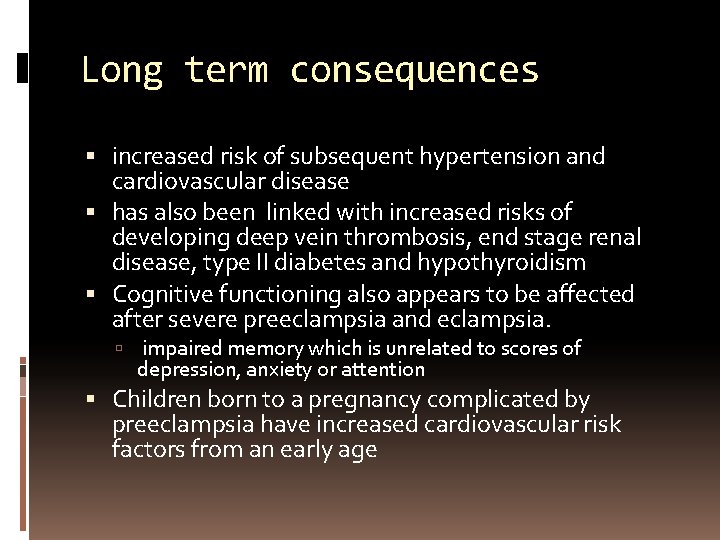
Long term consequences increased risk of subsequent hypertension and cardiovascular disease has also been linked with increased risks of developing deep vein thrombosis, end stage renal disease, type II diabetes and hypothyroidism Cognitive functioning also appears to be affected after severe preeclampsia and eclampsia. impaired memory which is unrelated to scores of depression, anxiety or attention Children born to a pregnancy complicated by preeclampsia have increased cardiovascular risk factors from an early age
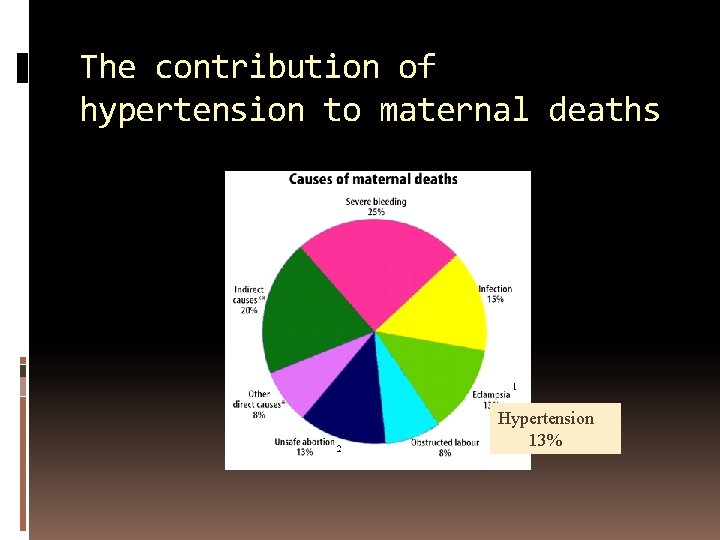
The contribution of hypertension to maternal deaths Hypertension 13%
Conclusion Accurate diagnosis guides management and predicts outcome Increasing understanding of pathophysiology will ead to improved prediction, diagnostic accuracy and management Always treat severe HT Consider prophylaxis for high risk groups Counsel re longterm CVS risks after preeclampsia