
Hypertension in a nutshell Sohil Rangwala MDCM CCFP
- Slides: 32
Hypertension in a nutshell Sohil Rangwala MDCM, CCFP 2020 Update by J. Le. Messurier PGY 4 PHPM/FM
Disclosures Relationships with commercial interests: Grants/Research Support: None Honoraria: None Consulting Fees: None
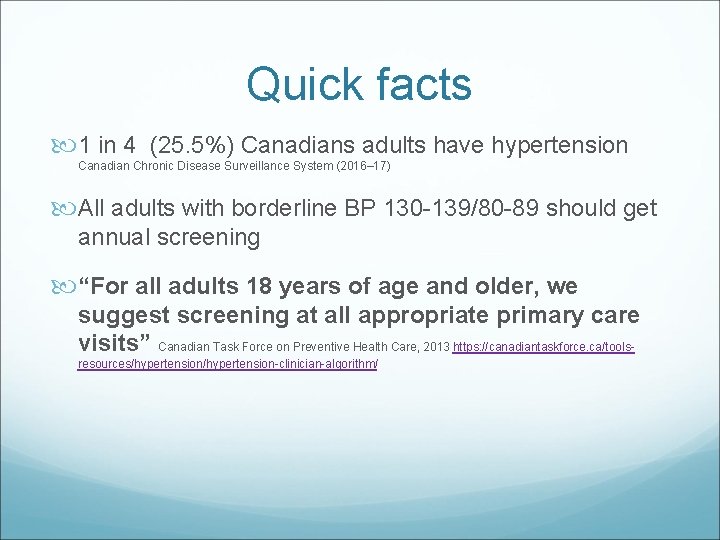
Quick facts 1 in 4 (25. 5%) Canadians adults have hypertension Canadian Chronic Disease Surveillance System (2016– 17) All adults with borderline BP 130 -139/80 -89 should get annual screening “For all adults 18 years of age and older, we suggest screening at all appropriate primary care visits” Canadian Task Force on Preventive Health Care, 2013 https: //canadiantaskforce. ca/toolsresources/hypertension-clinician-algorithm/
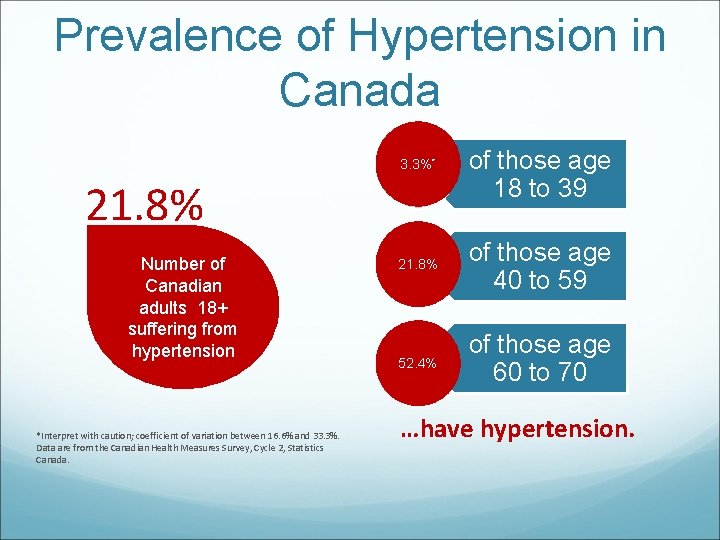
Prevalence of Hypertension in Canada 3. 3%* 21. 8% Number of Canadian adults 18+ suffering from hypertension *Interpret with caution; coefficient of variation between 16. 6% and 33. 3%. Data are from the Canadian Health Measures Survey, Cycle 2, Statistics Canada. of those age 18 to 39 21. 8% of those age 40 to 59 52. 4% of those age 60 to 70 …have hypertension.
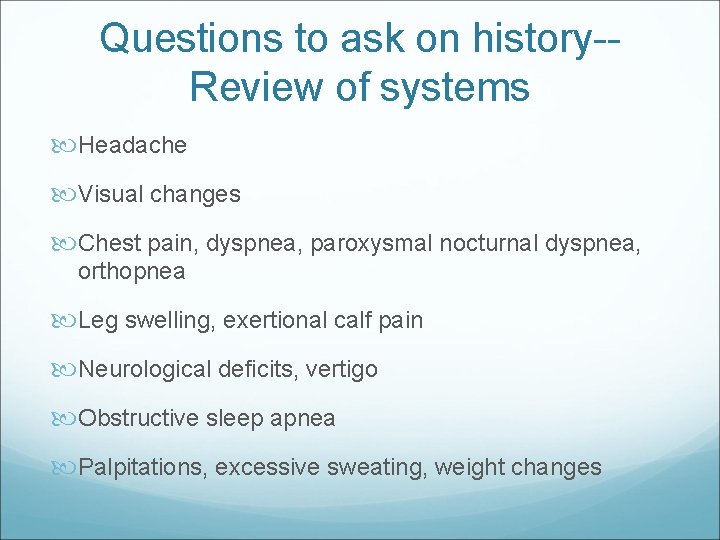
Questions to ask on history-Review of systems Headache Visual changes Chest pain, dyspnea, paroxysmal nocturnal dyspnea, orthopnea Leg swelling, exertional calf pain Neurological deficits, vertigo Obstructive sleep apnea Palpitations, excessive sweating, weight changes
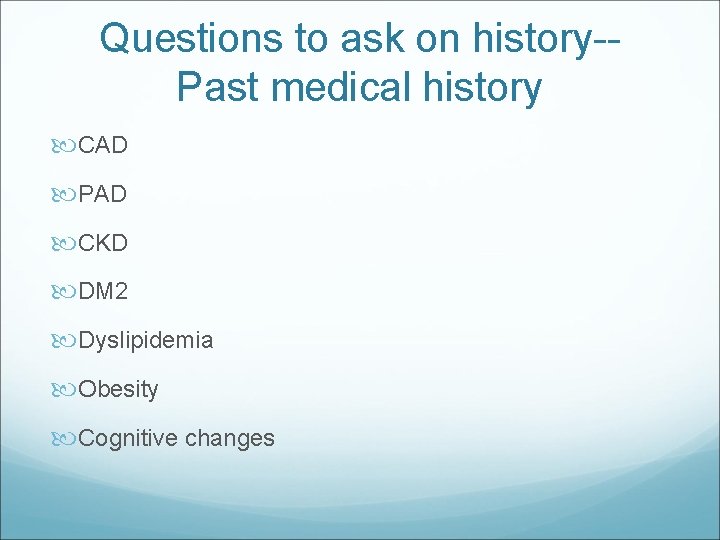
Questions to ask on history-Past medical history CAD PAD CKD DM 2 Dyslipidemia Obesity Cognitive changes
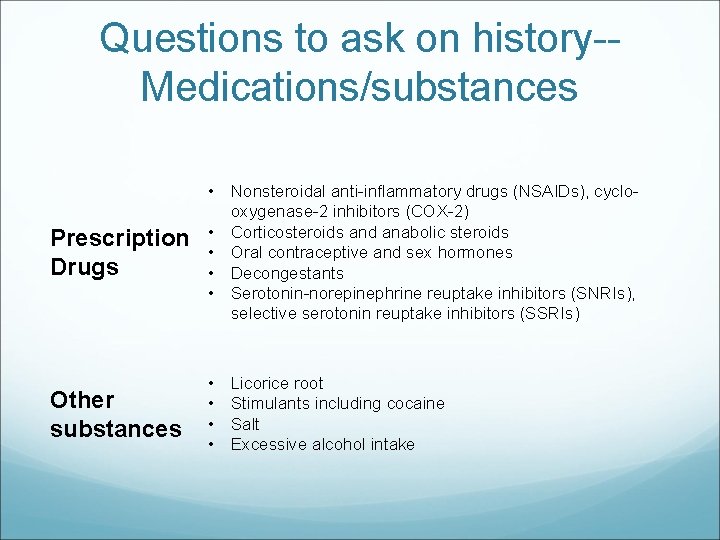
Questions to ask on history-Medications/substances Prescription Drugs • Nonsteroidal anti-inflammatory drugs (NSAIDs), cyclooxygenase-2 inhibitors (COX-2) • Corticosteroids and anabolic steroids • Oral contraceptive and sex hormones • Decongestants • Serotonin-norepinephrine reuptake inhibitors (SNRIs), selective serotonin reuptake inhibitors (SSRIs) Other substances • • Licorice root Stimulants including cocaine Salt Excessive alcohol intake
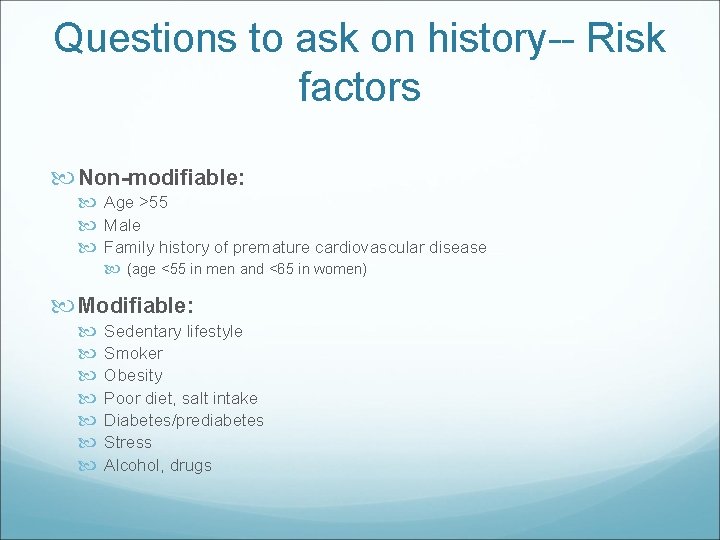
Questions to ask on history-- Risk factors Non-modifiable: Age >55 Male Family history of premature cardiovascular disease (age <55 in men and <65 in women) Modifiable: Sedentary lifestyle Smoker Obesity Poor diet, salt intake Diabetes/prediabetes Stress Alcohol, drugs
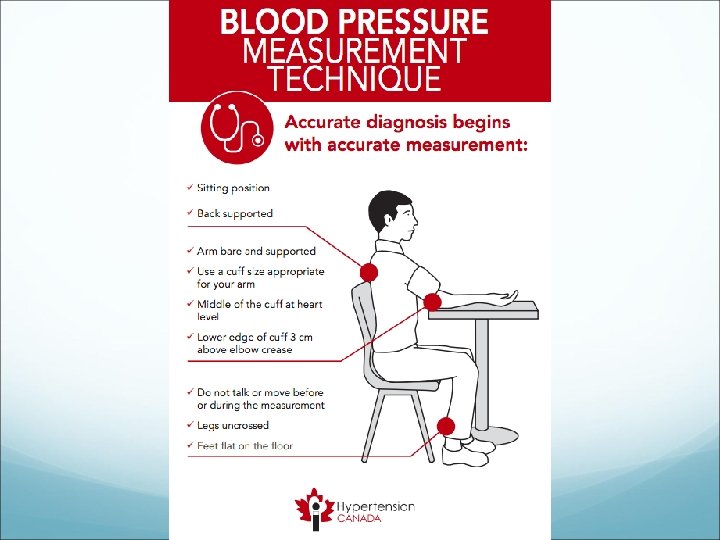
Hypertension 2020: Diagnosis The diagnosis of hypertension should be based on out-of-office measurements; in the office, use automated office BP monitoring (AOBP) Slide adapted from: https: //guidelines. hypertension. ca/chep-resources/
Physical exam Neurological: Check for abnormal cranial nerve exam, papilledema, cotton wool spots, retinal hemorrhages Cardiovascular: Heart murmurs, renovascular bruits, carotid bruits, decreased or absent peripheral pulses, extremity swelling
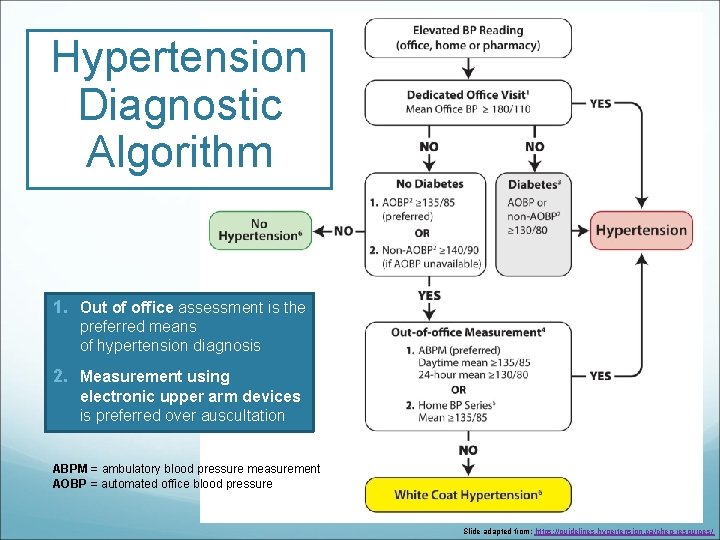
Hypertension Diagnostic Algorithm 1. Out of office assessment is the preferred means of hypertension diagnosis 2. Measurement using electronic upper arm devices is preferred over auscultation ABPM = ambulatory blood pressure measurement AOBP = automated office blood pressure Slide adapted from: https: //guidelines. hypertension. ca/chep-resources/
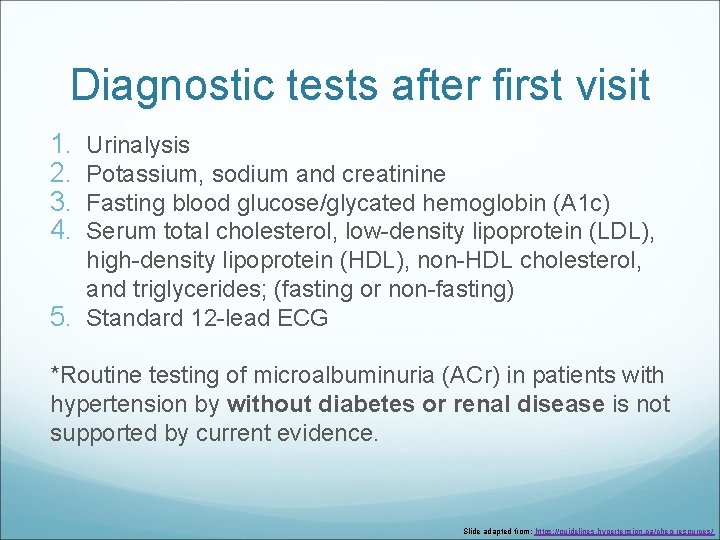
Diagnostic tests after first visit 1. 2. 3. 4. Urinalysis Potassium, sodium and creatinine Fasting blood glucose/glycated hemoglobin (A 1 c) Serum total cholesterol, low-density lipoprotein (LDL), high-density lipoprotein (HDL), non-HDL cholesterol, and triglycerides; (fasting or non-fasting) 5. Standard 12 -lead ECG *Routine testing of microalbuminuria (ACr) in patients with hypertension by without diabetes or renal disease is not supported by current evidence. Slide adapted from: https: //guidelines. hypertension. ca/chep-resources/
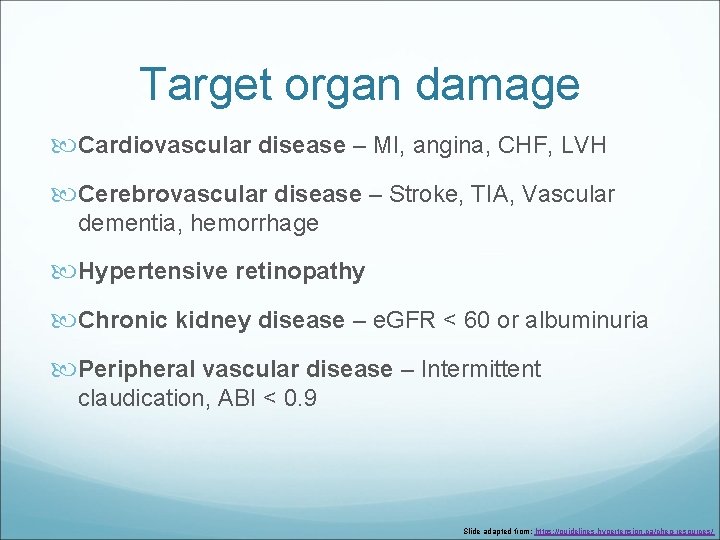
Target organ damage Cardiovascular disease – MI, angina, CHF, LVH Cerebrovascular disease – Stroke, TIA, Vascular dementia, hemorrhage Hypertensive retinopathy Chronic kidney disease – e. GFR < 60 or albuminuria Peripheral vascular disease – Intermittent claudication, ABI < 0. 9 Slide adapted from: https: //guidelines. hypertension. ca/chep-resources/
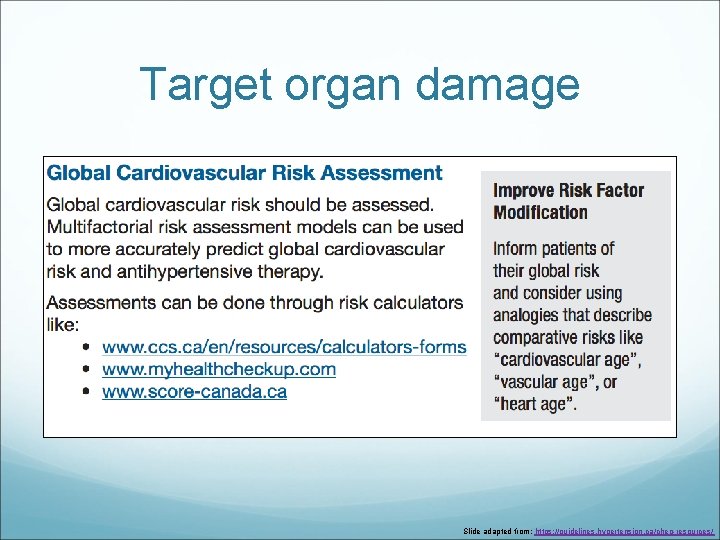
Target organ damage Slide adapted from: https: //guidelines. hypertension. ca/chep-resources/
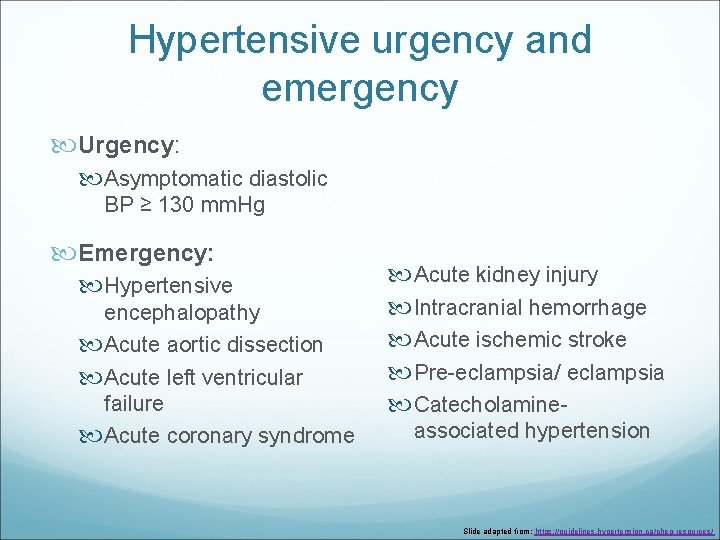
Hypertensive urgency and emergency Urgency: Asymptomatic diastolic BP ≥ 130 mm. Hg Emergency: Hypertensive encephalopathy Acute aortic dissection Acute left ventricular failure Acute coronary syndrome Acute kidney injury Intracranial hemorrhage Acute ischemic stroke Pre-eclampsia/ eclampsia Catecholamineassociated hypertension Slide adapted from: https: //guidelines. hypertension. ca/chep-resources/
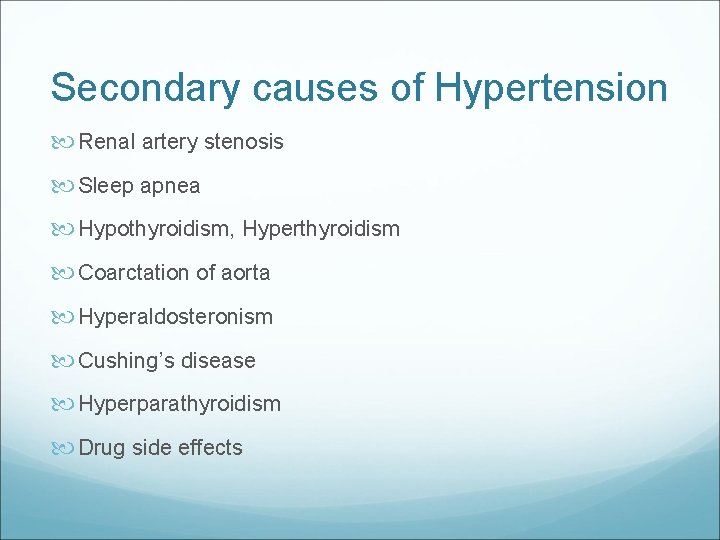
Secondary causes of Hypertension Renal artery stenosis Sleep apnea Hypothyroidism, Hyperthyroidism Coarctation of aorta Hyperaldosteronism Cushing’s disease Hyperparathyroidism Drug side effects
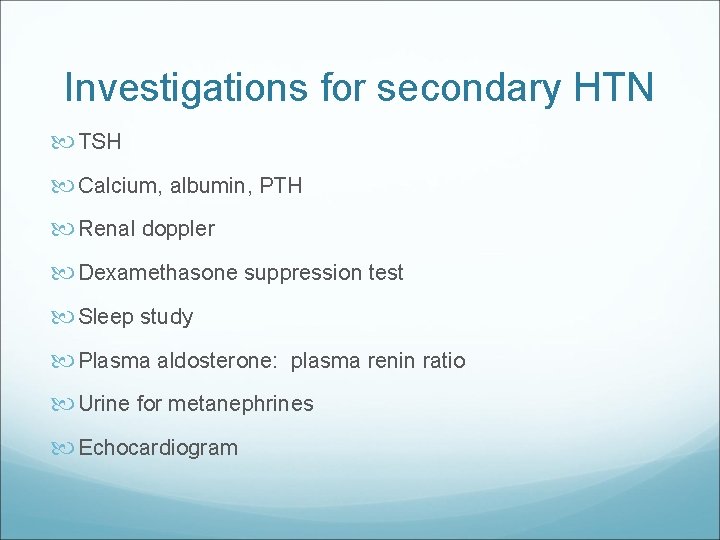
Investigations for secondary HTN TSH Calcium, albumin, PTH Renal doppler Dexamethasone suppression test Sleep study Plasma aldosterone: plasma renin ratio Urine for metanephrines Echocardiogram
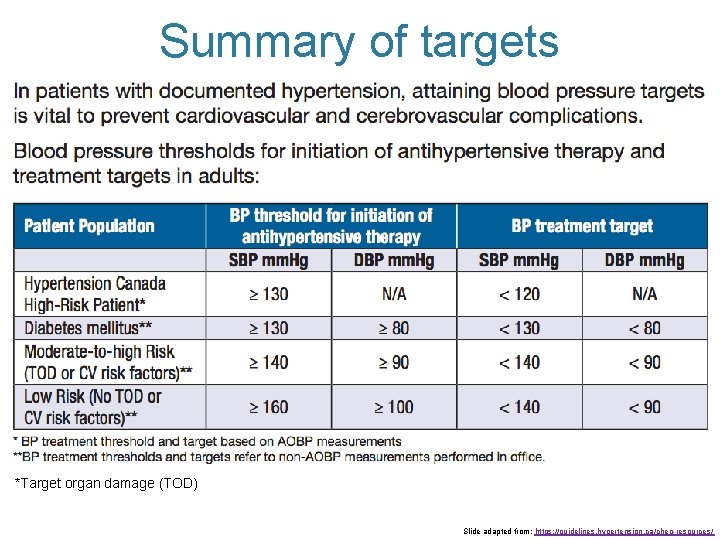
Treatment thresholds and targets
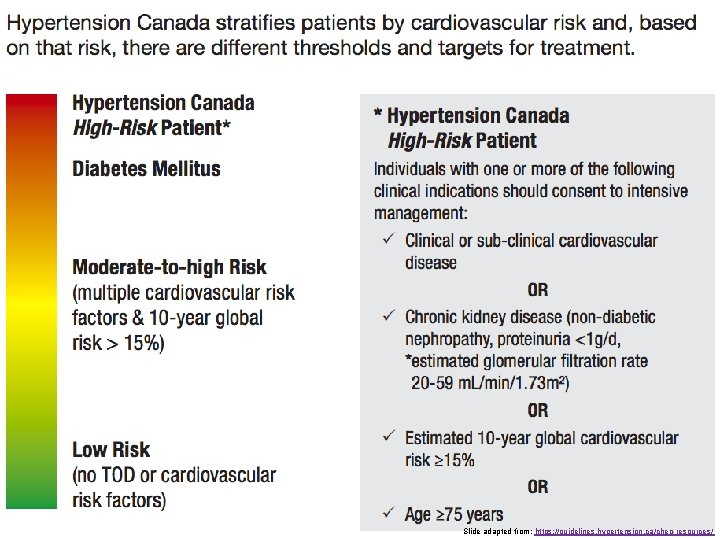
Slide adapted from: https: //guidelines. hypertension. ca/chep-resources/
Summary of targets *Target organ damage (TOD) Slide adapted from: https: //guidelines. hypertension. ca/chep-resources/
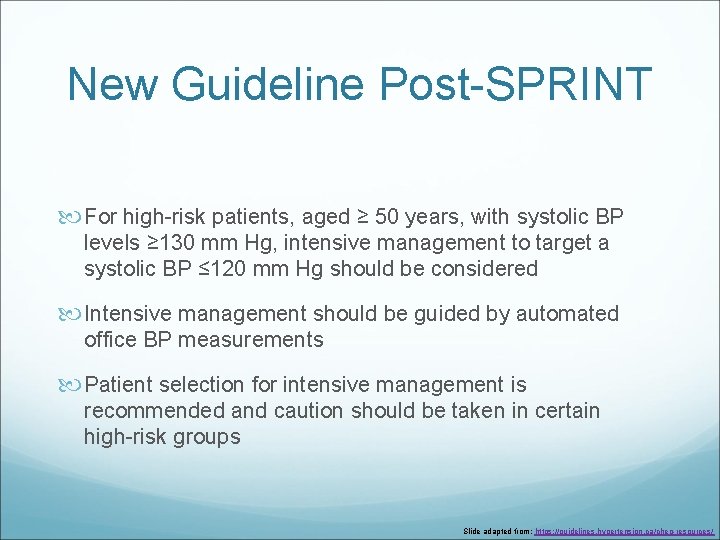
New Guideline Post-SPRINT For high-risk patients, aged ≥ 50 years, with systolic BP levels ≥ 130 mm Hg, intensive management to target a systolic BP ≤ 120 mm Hg should be considered Intensive management should be guided by automated office BP measurements Patient selection for intensive management is recommended and caution should be taken in certain high-risk groups Slide adapted from: https: //guidelines. hypertension. ca/chep-resources/
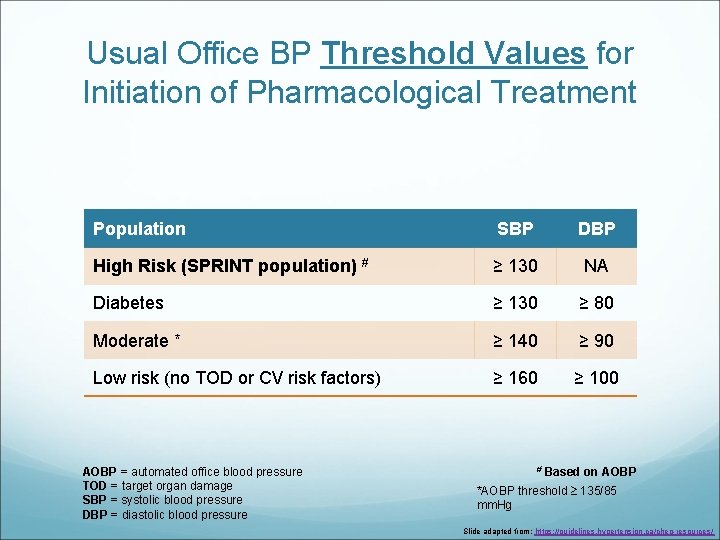
Usual Office BP Threshold Values for Initiation of Pharmacological Treatment Population SBP DBP High Risk (SPRINT population) # ≥ 130 NA Diabetes ≥ 130 ≥ 80 Moderate * ≥ 140 ≥ 90 Low risk (no TOD or CV risk factors) ≥ 160 ≥ 100 AOBP = automated office blood pressure TOD = target organ damage SBP = systolic blood pressure DBP = diastolic blood pressure # Based on AOBP *AOBP threshold 135/85 mm. Hg Slide adapted from: https: //guidelines. hypertension. ca/chep-resources/
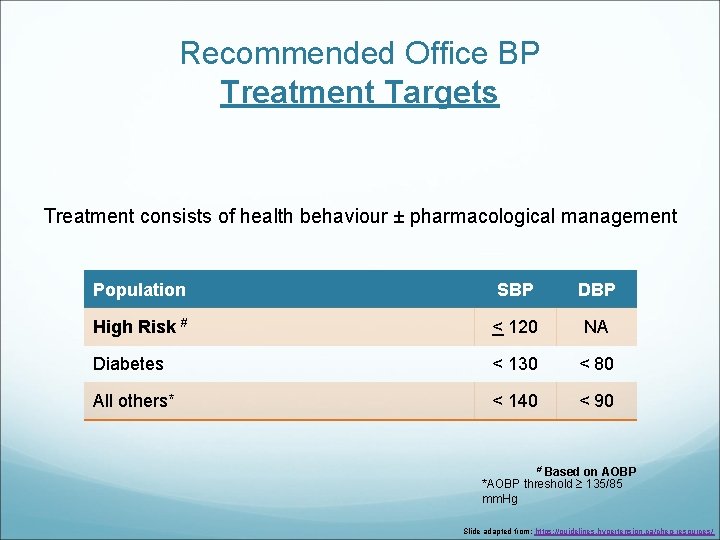
Recommended Office BP Treatment Targets Treatment consists of health behaviour ± pharmacological management Population SBP DBP High Risk # < 120 NA Diabetes < 130 < 80 All others* < 140 < 90 Based on AOBP *AOBP threshold 135/85 mm. Hg # Slide adapted from: https: //guidelines. hypertension. ca/chep-resources/
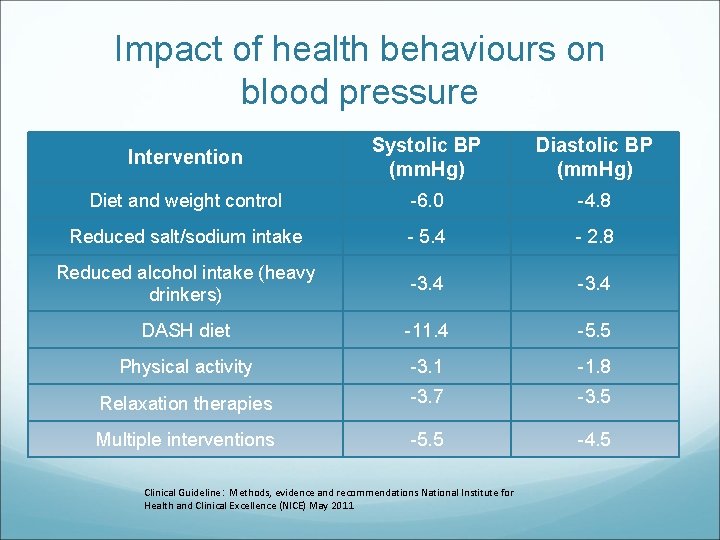
Impact of health behaviours on blood pressure Intervention Systolic BP (mm. Hg) Diastolic BP (mm. Hg) Diet and weight control -6. 0 -4. 8 Reduced salt/sodium intake - 5. 4 - 2. 8 Reduced alcohol intake (heavy drinkers) -3. 4 DASH diet -11. 4 -5. 5 Physical activity -3. 1 -1. 8 Relaxation therapies -3. 7 -3. 5 Multiple interventions -5. 5 -4. 5 Clinical Guideline : Methods, evidence and recommendations National Institute for Health and Clinical Excellence (NICE) May 2011
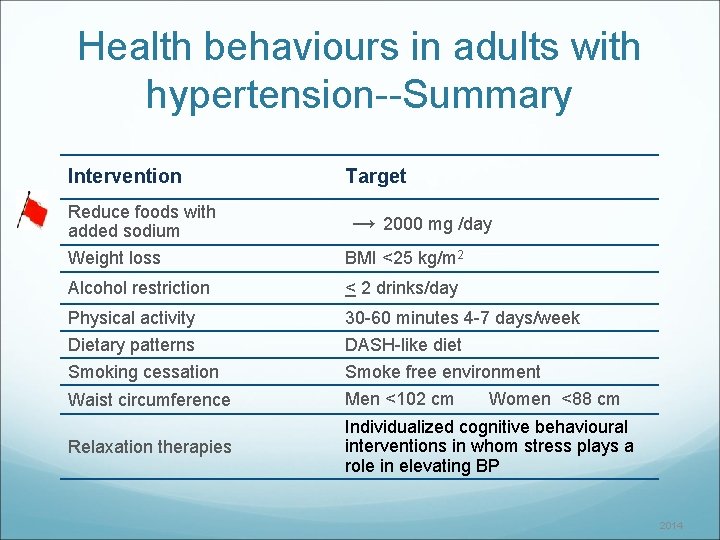
Health behaviours in adults with hypertension--Summary Intervention Target Reduce foods with added sodium Weight loss BMI <25 kg/m 2 Alcohol restriction < 2 drinks/day Physical activity Dietary patterns Smoking cessation 30 -60 minutes 4 -7 days/week DASH-like diet Smoke free environment Waist circumference Men <102 cm Relaxation therapies Individualized cognitive behavioural interventions in whom stress plays a role in elevating BP → 2000 mg /day Women <88 cm 2014
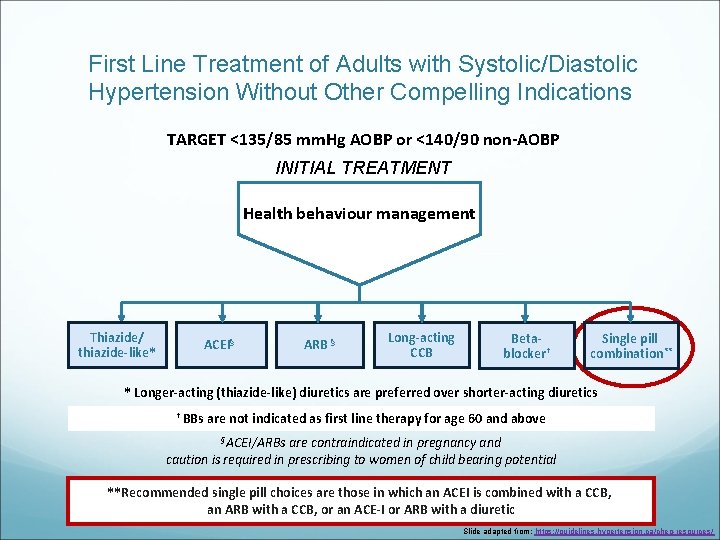
First Line Treatment of Adults with Systolic/Diastolic Hypertension Without Other Compelling Indications TARGET <135/85 mm. Hg AOBP or <140/90 non-AOBP INITIAL TREATMENT Health behaviour management Thiazide/ thiazide-like* ACEI§ ARB § Long-acting CCB Betablocker† Single pill combination** * Longer-acting (thiazide-like) diuretics are preferred over shorter-acting diuretics † BBs are not indicated as first line therapy for age 60 and above §ACEI/ARBs are contraindicated in pregnancy and caution is required in prescribing to women of child bearing potential **Recommended single pill choices are those in which an ACEI is combined with a CCB, an ARB with a CCB, or an ACE-I or ARB with a diuretic Slide adapted from: https: //guidelines. hypertension. ca/chep-resources/
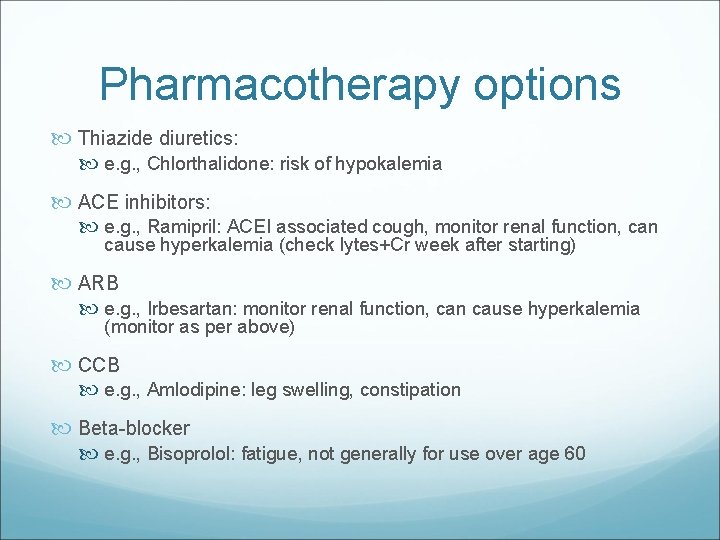
Pharmacotherapy options Thiazide diuretics: e. g. , Chlorthalidone: risk of hypokalemia ACE inhibitors: e. g. , Ramipril: ACEI associated cough, monitor renal function, can cause hyperkalemia (check lytes+Cr week after starting) ARB e. g. , Irbesartan: monitor renal function, can cause hyperkalemia (monitor as per above) CCB e. g. , Amlodipine: leg swelling, constipation Beta-blocker e. g. , Bisoprolol: fatigue, not generally for use over age 60
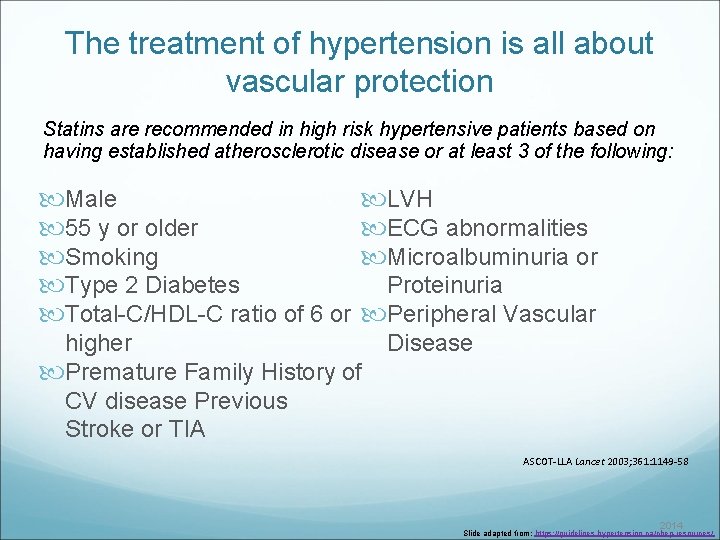
The treatment of hypertension is all about vascular protection Statins are recommended in high risk hypertensive patients based on having established atherosclerotic disease or at least 3 of the following: Male 55 y or older Smoking Type 2 Diabetes Total-C/HDL-C ratio of 6 or LVH ECG abnormalities Microalbuminuria or Proteinuria Peripheral Vascular higher Disease Premature Family History of CV disease Previous Stroke or TIA ASCOT-LLA Lancet 2003; 361: 1149 -58 2014 Slide adapted from: https: //guidelines. hypertension. ca/chep-resources/
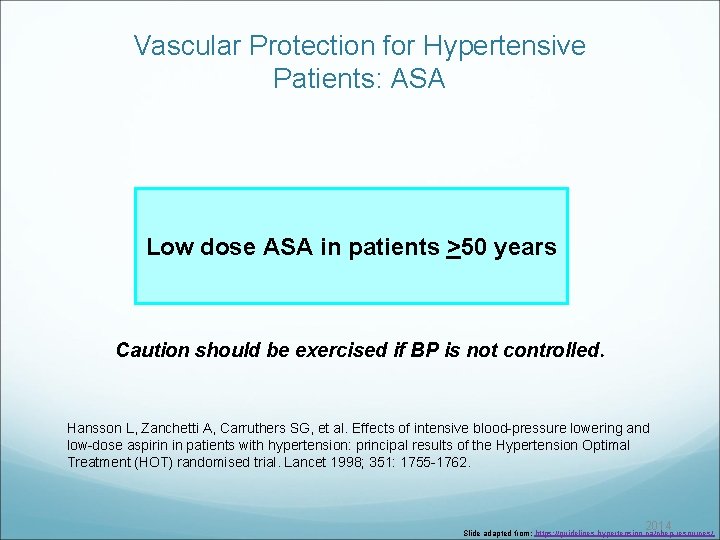
Vascular Protection for Hypertensive Patients: ASA Low dose ASA in patients >50 years Caution should be exercised if BP is not controlled. Hansson L, Zanchetti A, Carruthers SG, et al. Effects of intensive blood-pressure lowering and low-dose aspirin in patients with hypertension: principal results of the Hypertension Optimal Treatment (HOT) randomised trial. Lancet 1998; 351: 1755 -1762. 2014 Slide adapted from: https: //guidelines. hypertension. ca/chep-resources/
Conclusion High prevalence, with significant mortality and morbidity Routine screening and monitoring is important Lifestyle and pharmacological therapies available!
Guidelines/references www. hypertension. ca for Hypertension 2020 Guidelines and resources https: //canadiantaskforce. ca/toolsresources/hypertension-clinicianalgorithm/ for Canadian Task Force 2013 Guidelines and resources