
Hydraulic Fracturing in the Barnett Shale Samantha Fuchs
Hydraulic Fracturing in the Barnett Shale Samantha Fuchs GIS Water Resources November 17 th, 2015
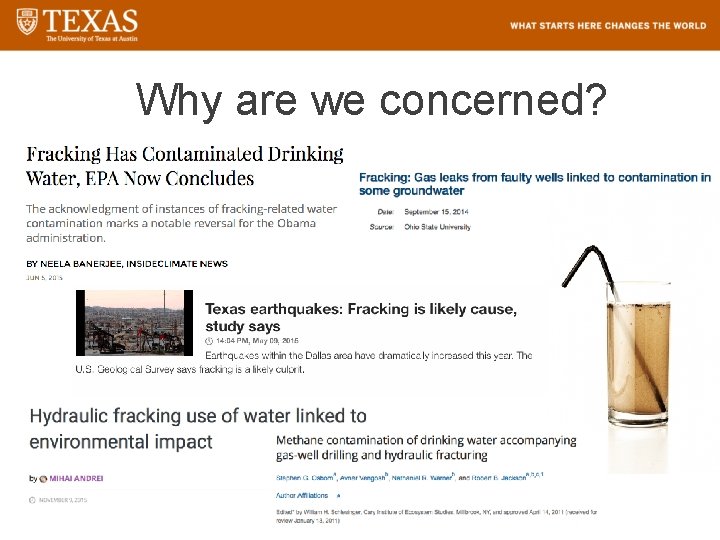
Why are we concerned?

Hydraulic Fracturing: “Fracking” Chemical Mix: • Surfactants • Biocides • Friction Reducers • Corrosion Inhibitors • Buffers • Proppants Water risk: • Water consumption • Aquifer contamination • Incomplete treatment and byproducts Image courtesy of EPA: www. epa. gov/hfstudy/hydraulic-fracturing-water-cycle
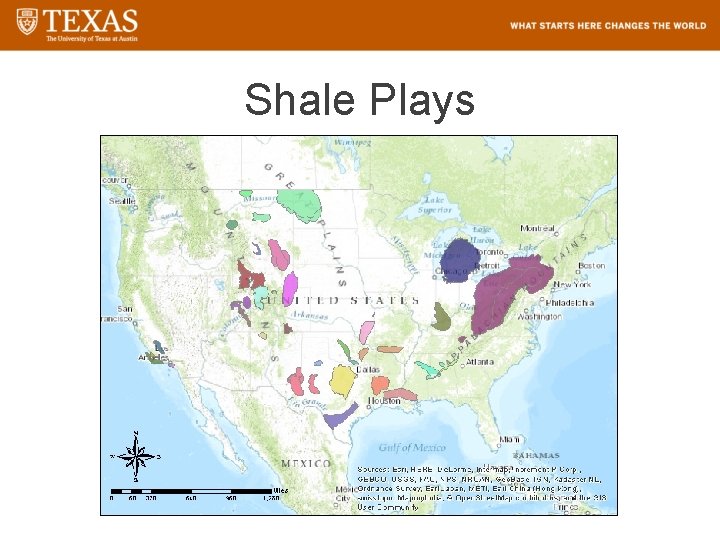
Shale Plays
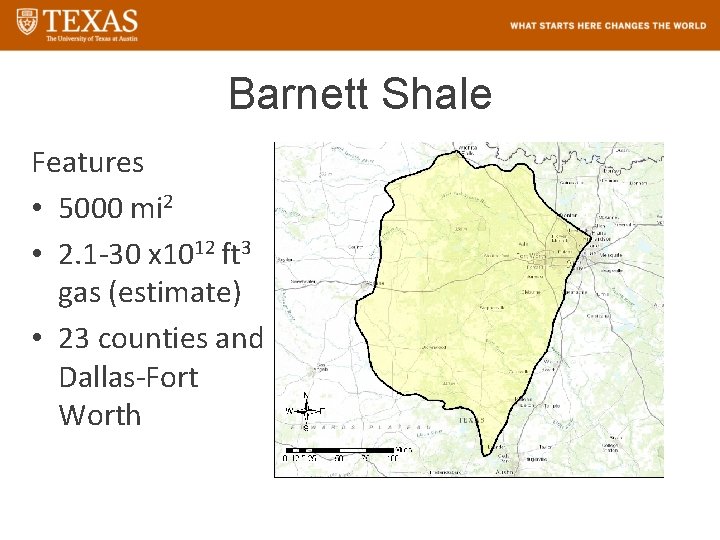
Barnett Shale Features • 5000 mi 2 • 2. 1 -30 x 1012 ft 3 gas (estimate) • 23 counties and Dallas-Fort Worth
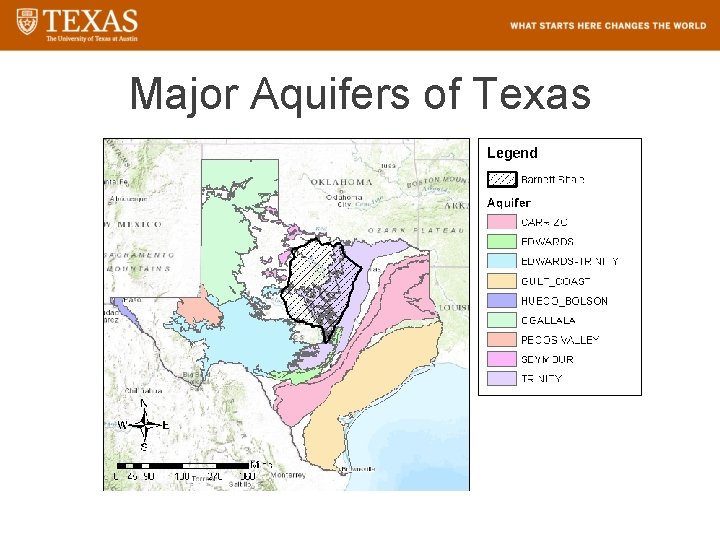
Major Aquifers of Texas
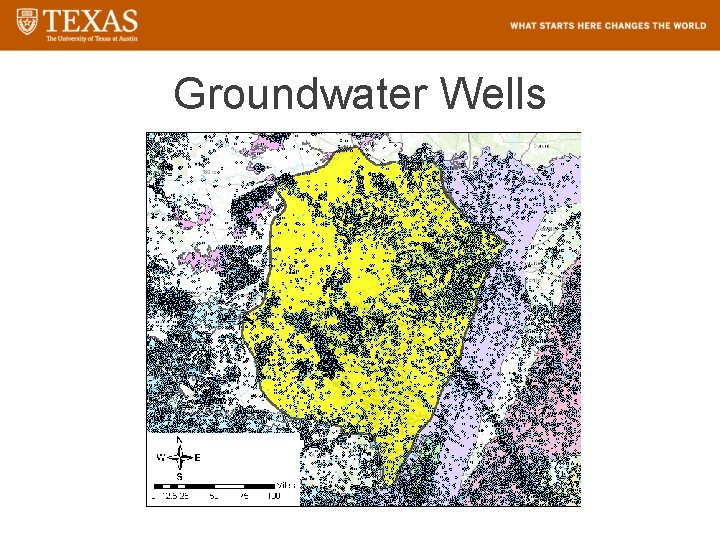
Groundwater Wells
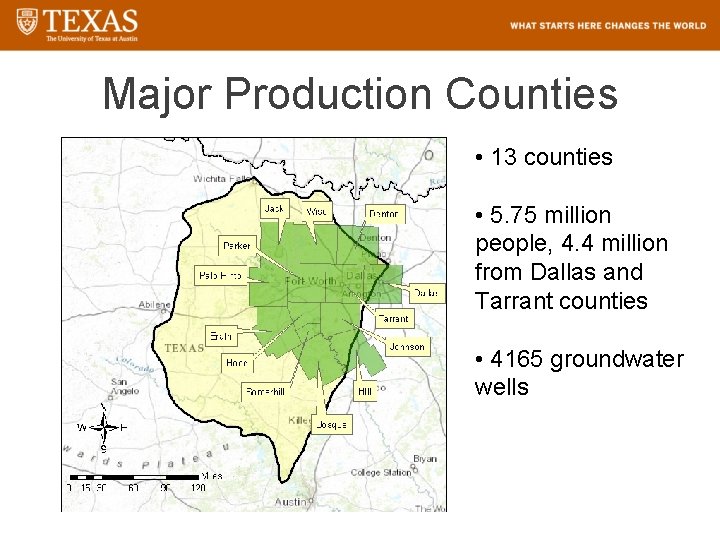
Major Production Counties • 13 counties • 5. 75 million people, 4. 4 million from Dallas and Tarrant counties • 4165 groundwater wells
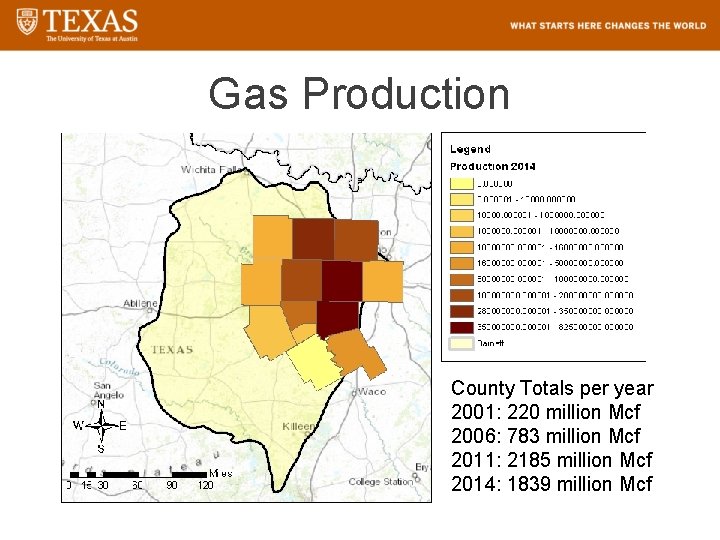
Gas Production County Totals per year 2001: 220 million Mcf 2006: 783 million Mcf 2011: 2185 million Mcf 2014: 1839 million Mcf
Future Work • Population Risk – Analyze urban growth and water demand over time – Determine number of households in the major counties
Conclusions • Fracking in the Barnett Shale may cause contamination to groundwater • Over 1. 8 billion ft 3 of natural gas was produced in Texas in 2014 • 5. 75 million people live in these counties and get their drinking water mostly from the Trinity Aquifer Thank you! Questions?
- Slides: 11