
Humans in the Biosphere How have human activities
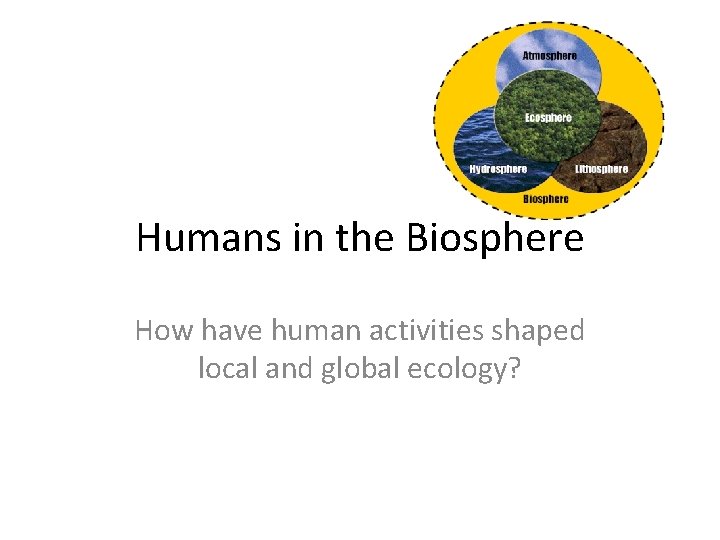
Humans in the Biosphere How have human activities shaped local and global ecology?
The Effect of Human Activity 1. Agriculture – Benefit: food production – Environmental cost: impact on fresh water and fertile soil

The Effect of Human Activity 2. Development – Benefit: higher standard of living – Environmental cost: production of lots of wastes
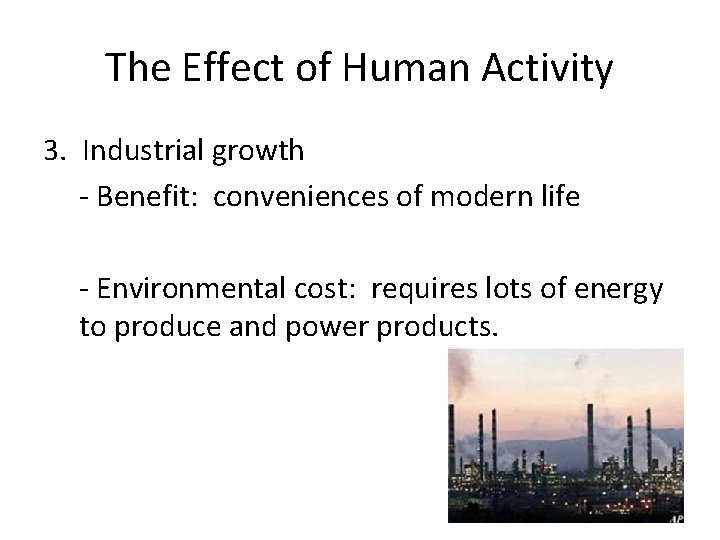
The Effect of Human Activity 3. Industrial growth - Benefit: conveniences of modern life - Environmental cost: requires lots of energy to produce and power products.
Question: • How might more productive agricultural practices affect a developing nation’s population? • Its environmental health?
Sustainable Development • Renewable resources: resources that can be produced or replaced by a healthy ecosystem – Ex. Plants, trees, sun… • Nonrenewable resources: resources that can not be replaced within a reasonable amount of time. – Ex: fossil fuels( coal, oil, natural gas), water
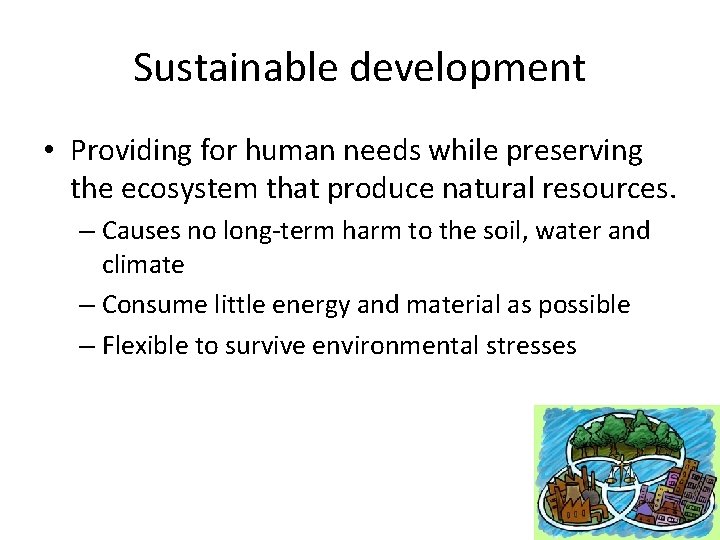
Sustainable development • Providing for human needs while preserving the ecosystem that produce natural resources. – Causes no long-term harm to the soil, water and climate – Consume little energy and material as possible – Flexible to survive environmental stresses
Using Resources Wisely • 3 major environmental concerns: – Soil erosion – Water pollution – Air pollution
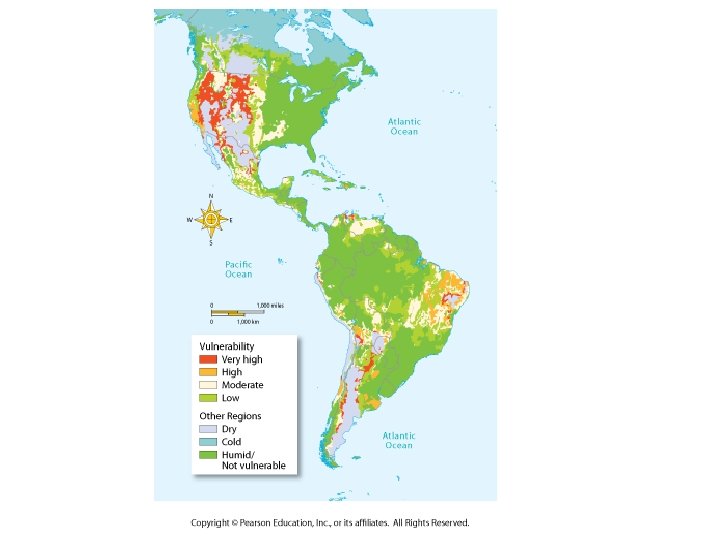
Soil • Healthy soil supports both agriculture and forestry • Topsoil – contains nutrients and minerals essential to growth • Can be a renewable resource if managed properly • Soil erosion – removal of soil by water and wind (over farming, over grazing…)
Soil erosion • Desertification – turning farmland into dessert by over farming, over grazing, seasonal drought and climate change • Deforestation – loss of forests, trees hold soil in place
Soil Use and Sustainability • Leave stems and roots in ground • Crop rotation • Altering the shape of the land- contour farming
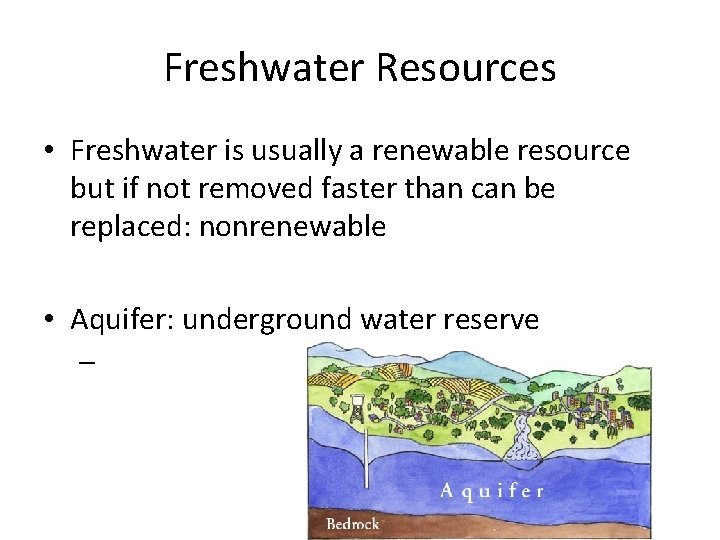
Freshwater Resources • Freshwater is usually a renewable resource but if not removed faster than can be replaced: nonrenewable • Aquifer: underground water reserve –
Water pollution • Harmful materials that enter the biosphere and water source – Point source pollution: from single source like an oil spill – Nonpoint sources – pollution from smaller sources, such as oil and grease off streets • Primary pollution sources – Agricultural chemicals, residential sewage and nonpoint sources
Water quality and sustainability • Watershed conservation – clean up pollution • Sewage treatment • IPM – integrated pest management, instead of pesticides (ladybugs) • Conserving water – drip irrigation
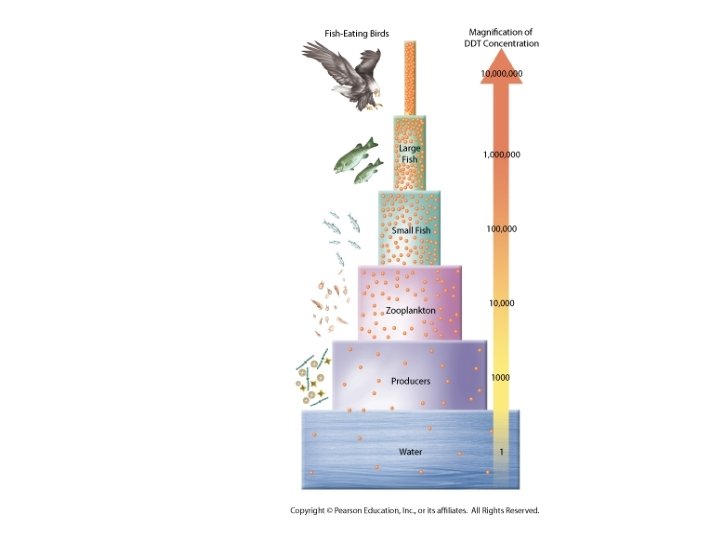
Biological Magnification • Pollutant is picked up by an organism and not broken down but collects in body tissues. • As food eats food, the pollutant concentration increases ten fold. • At highest trophic levels, concentrations may reach 10 million times their concentration. – Ex. DDT, bold eagles, mercury, pregnant women
Acid Rain • Steps: – Coal –burning power plants put smoke high into the atmosphere • The smoke contains high levels of sulfur • The smokestacks were to dissipate the smoke, backfired • Smoke combines with water vapor =sulfuric acid • Acidified precipitation = ACID RAIN
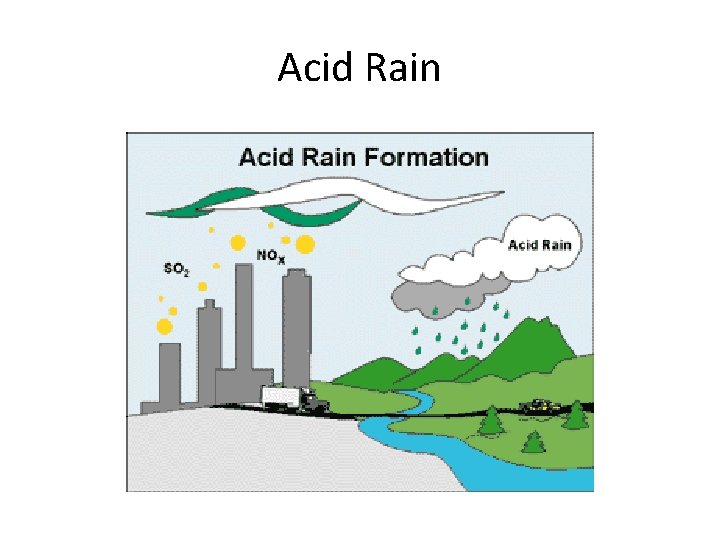
Acid Rain
Effects of Acid Rain • Most prominent in the Northeastern United States and Southeastern Canada – Why… • p. H scale, below 7 = Acid – Under 5, results in damage to organisms, statues…
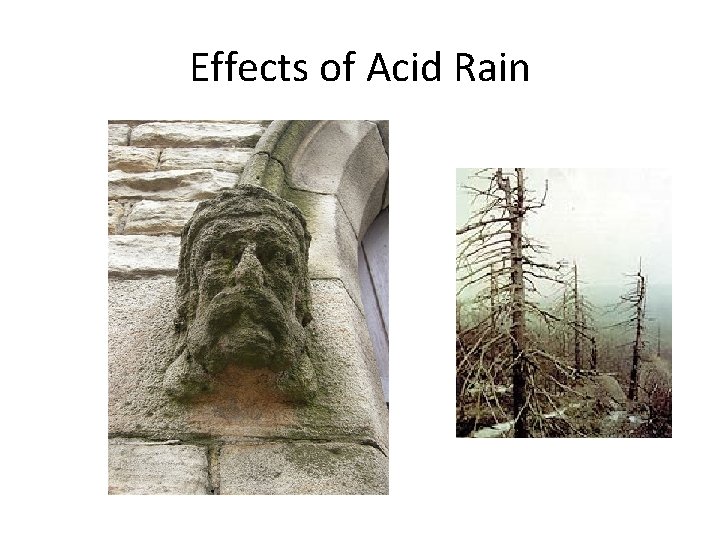
Effects of Acid Rain
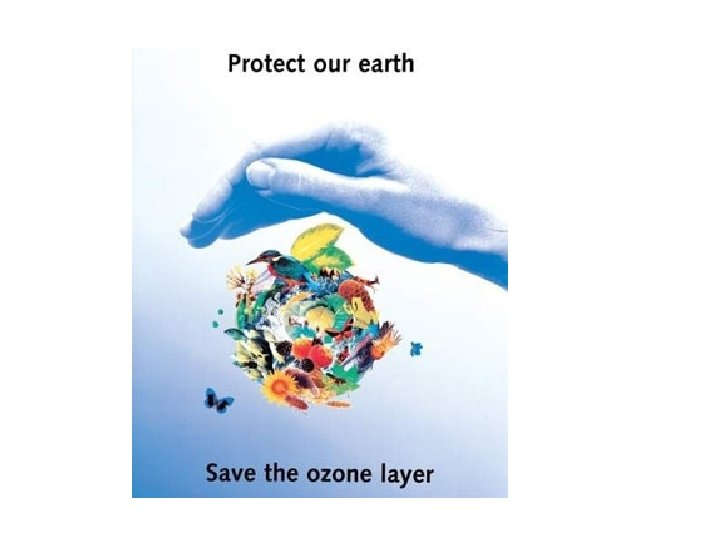
Ozone Layer • O 3, protective shield in upper atmosphere • Layer is thinning and disappearing • Allows more UV rays into environment – Why is this an issue?
Destruction of Ozone • CFC’s – Chlorofluorocarbons – Heat exchanger, refrigerator coolant, aerosol propellant, foaming agents • UV rays are strong enough to break the bonds in CFC’s, releasing chlorine atoms, which in turn react with ozone, destroying it • Limit or ban use of CFC’s – US – limit CFC’s in aerosol’s
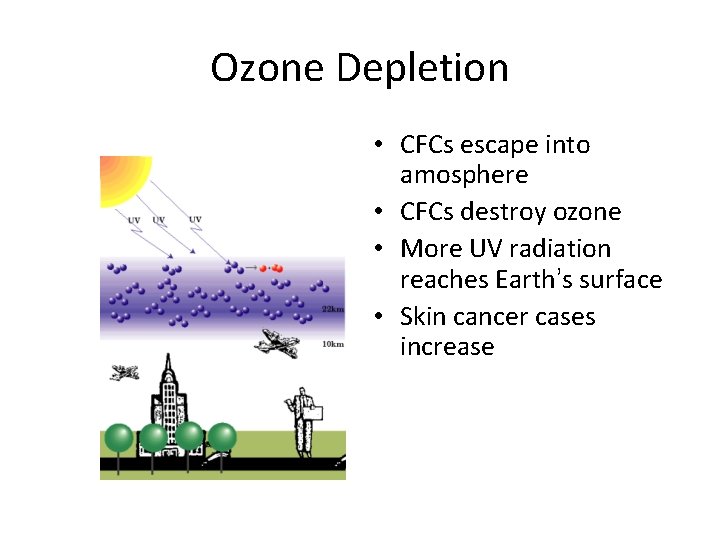
Ozone Depletion • CFCs escape into amosphere • CFCs destroy ozone • More UV radiation reaches Earth’s surface • Skin cancer cases increase
Good and Bad Ozone • Good – Protective layer, absorbs UV rays – Between 11 – 16 miles above sea level • Bad (forms when sun and emissions react) – Corrosive, reactive gas – Pollutant at surface levels – Irritates and damages lungs and eyes, suppresses immune system
- Slides: 26