
Humans are unique because they have the capacity
“Humans are unique because they have the capacity to choose what they do. ” • Richard Leakey

A BRIEF HISTORY OF THE WORLD OR: THE MOST IMPORTANT THINGS YOU SHOULD KNOW PRIOR TO 1750
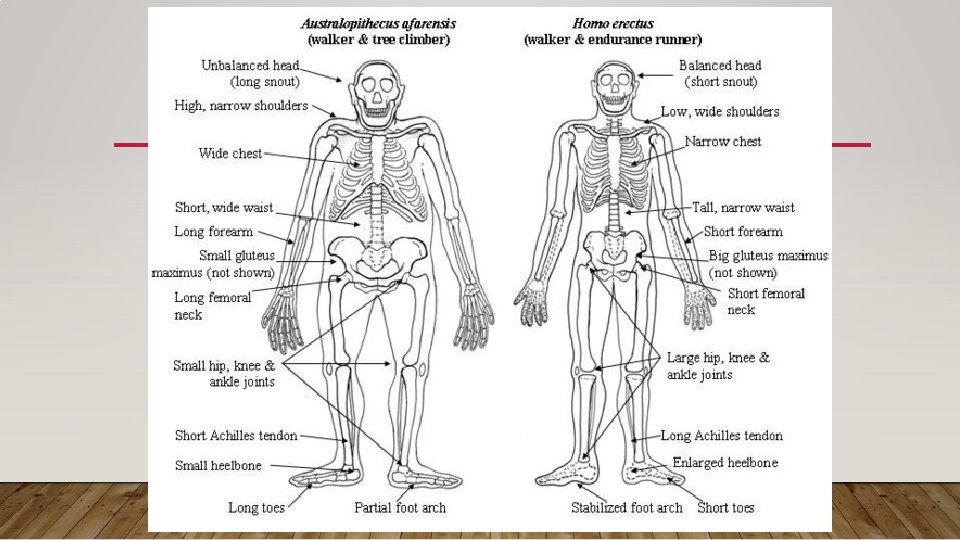
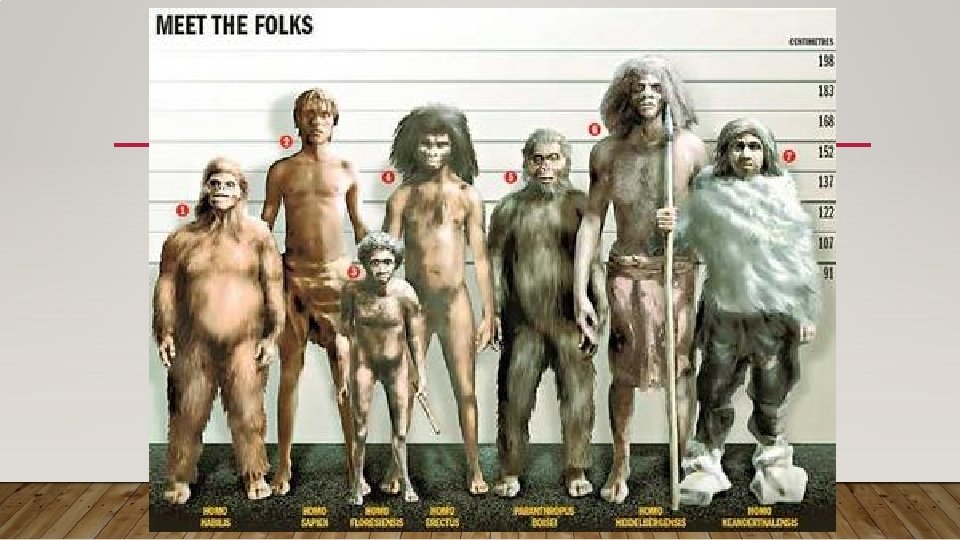
MAN AND PREHISTORY • Prehistory – history prior to the invention of writing – 5, 000 ya • Scientific evidence suggests that modern humans spread from Africa to other lands and gradually developed ways to adapt to their environment. • Hominid: Humanlike being that walked upright. There were/are 4 main types, we are called Homo Sapiens (wise man); 200, 000 – 350, 000 ya.
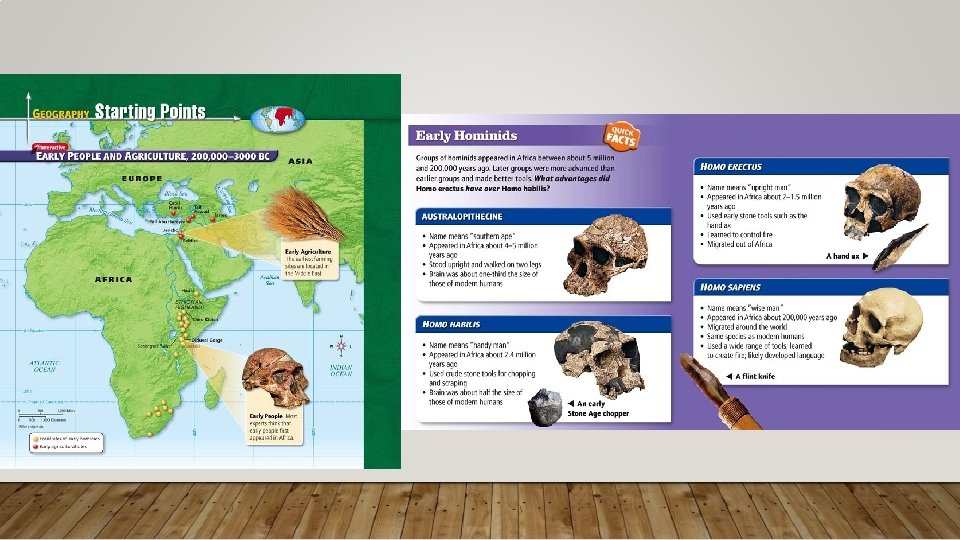
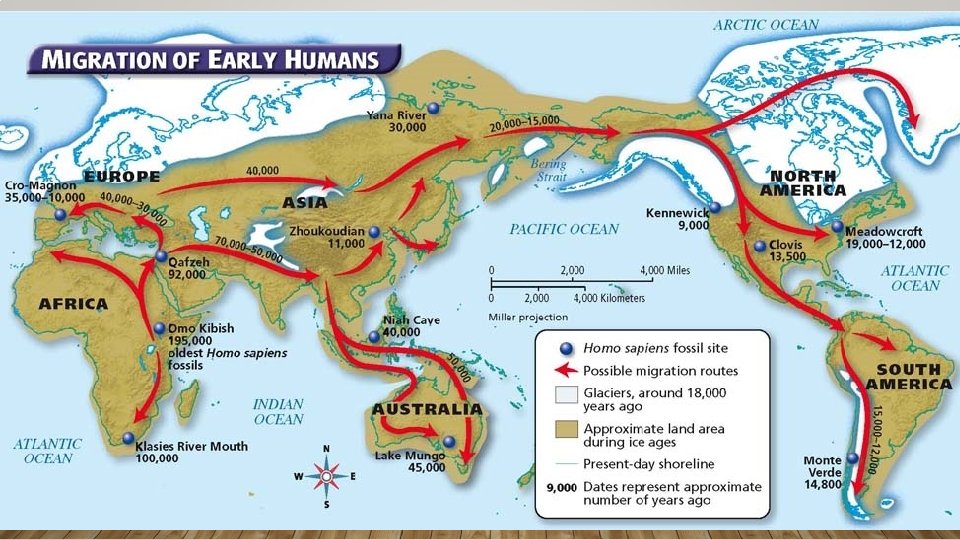
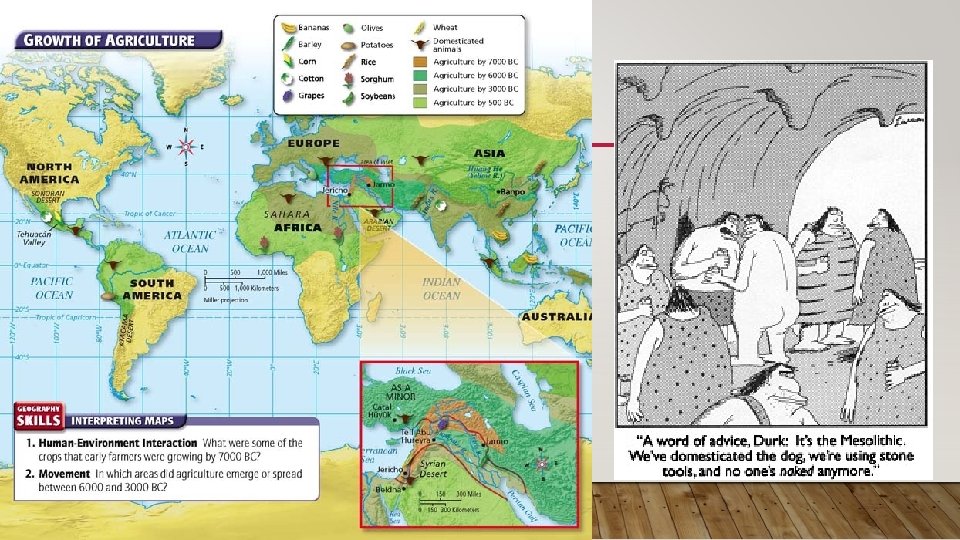
MAN AND PREHISTORY • Climate change (among other reasons) will lead to migration out of Africa and creates the environment necessary to discover/create agriculture. • Neolithic Revolution (10, 000 ya) – agriculture completely changes the way we live. Hunter-gatherers to farmers – this creates the first permanent human settlements and leads to the creation of cities where civilization will be established. • Every time there is an advancement in farming technology, there will be an advancement in civilization
MAN AND PREHISTORY TERMS • Cultural Diffusion - the spread of cultural beliefs and social activities from one group of people to another • Ethnocentrism - judging another culture solely by the values and standards of one's own culture. • Cultural Relativism – the belief that no culture is better than any other, just different. • All humans have the same basic needs. How they fill those needs is their culture.
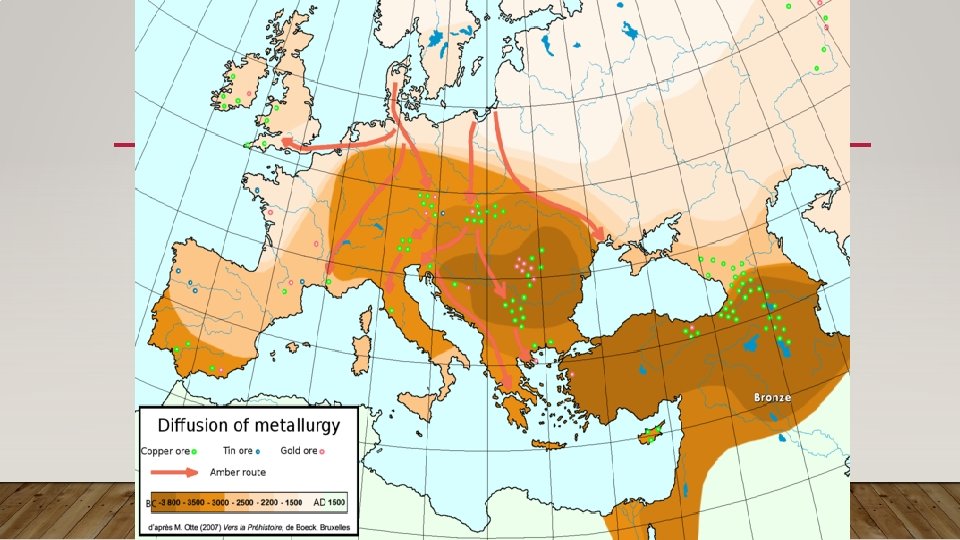
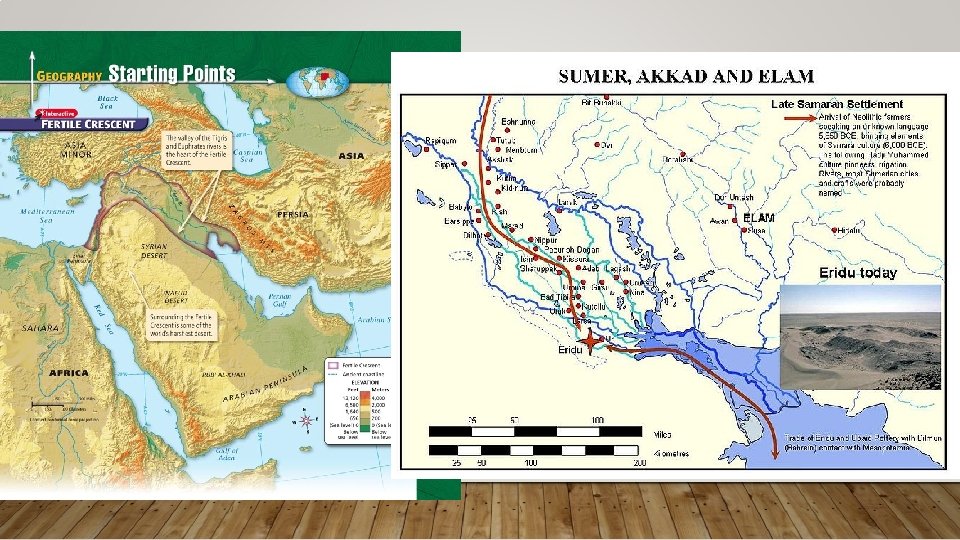
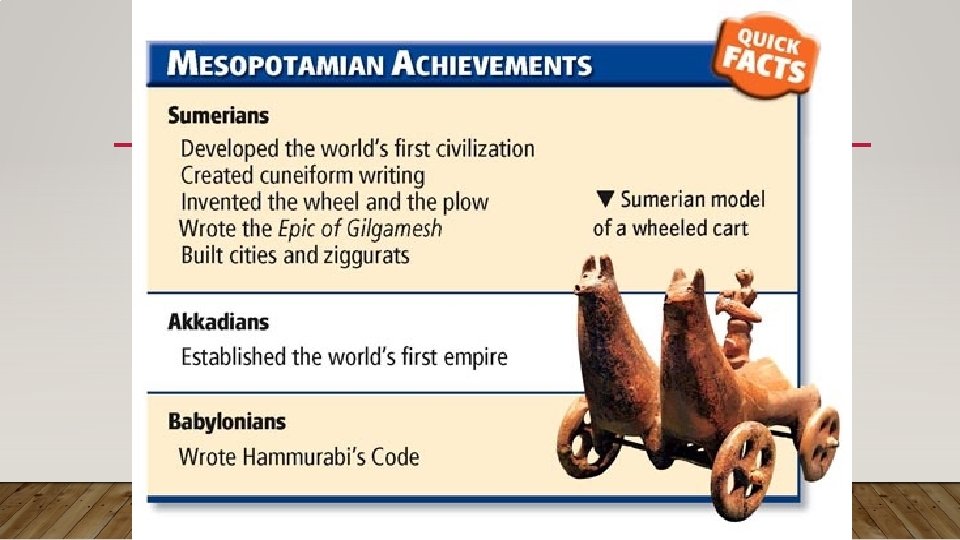
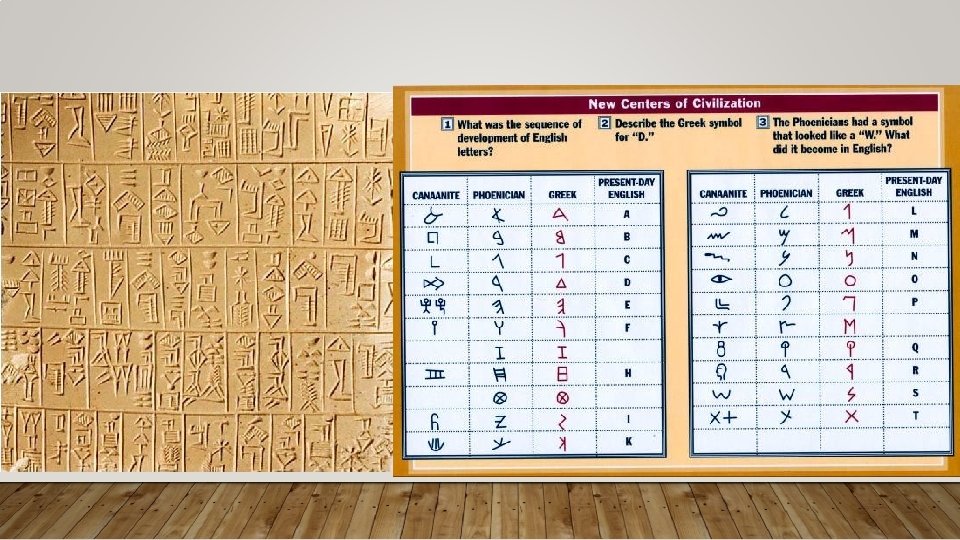
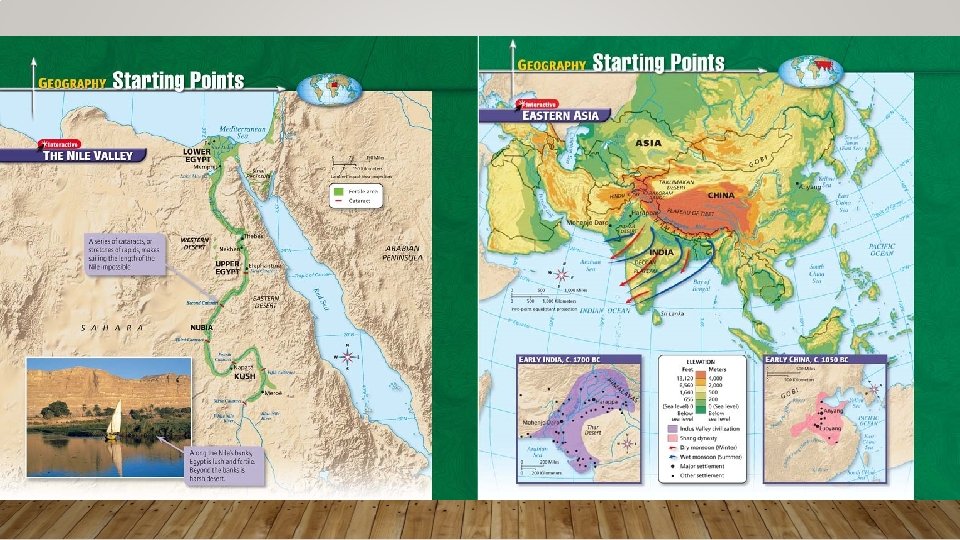
EARLY CIVILIZATION • Early civilization can be divided into 3 ages – Stone, Bronze, and Iron • Civilization will begin in the fertile river valley of Mesopotamia. Early civilizations will also be created and flourish in Egypt, India, and China as well. • All of the civilizations will share the following: writing, social classes, trade, religion, government, agriculture, and be located in a fertile river valley.
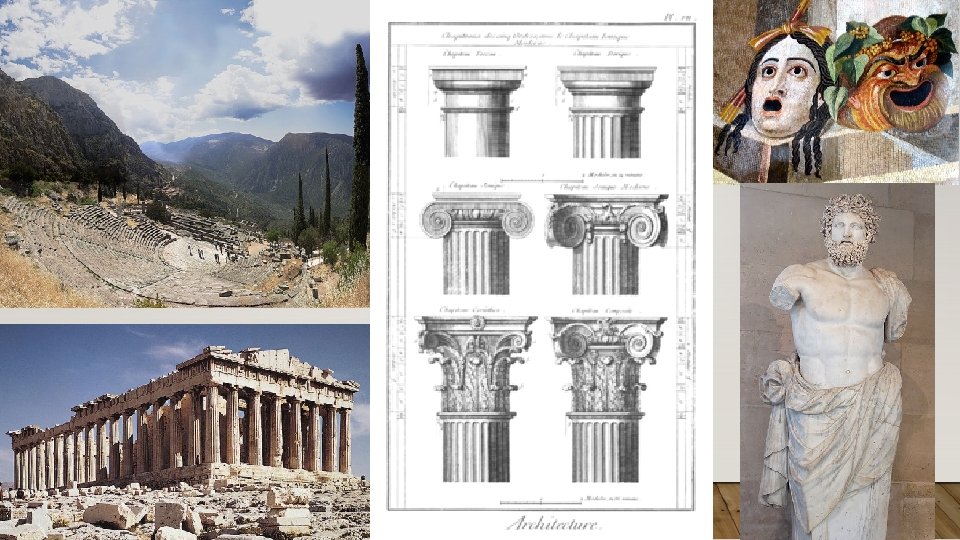
LATER EARLY CIVILIZATION: GREECE • Classical Greece was founded in 800 B. C. • The society was centered on the polis, or city-state. Each polis developed independently (geography), with its own form of government, laws and customs. • The city-state of Athens was the birthplace of democracy – a form of government run by the people. • Greeks are responsible for contributing to many advancements in science, mathematics, engineering, politics, philosophy, literature, architecture, art, and the Olympics.
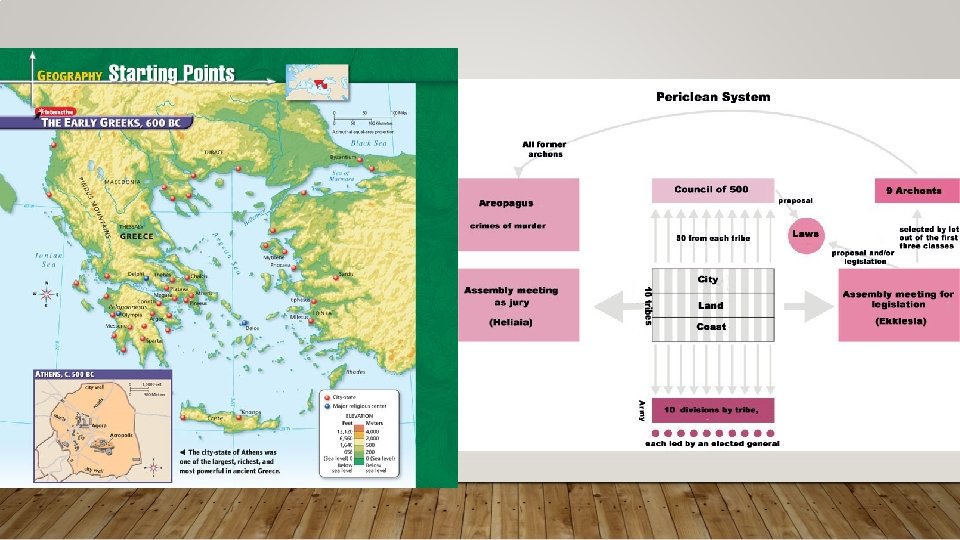
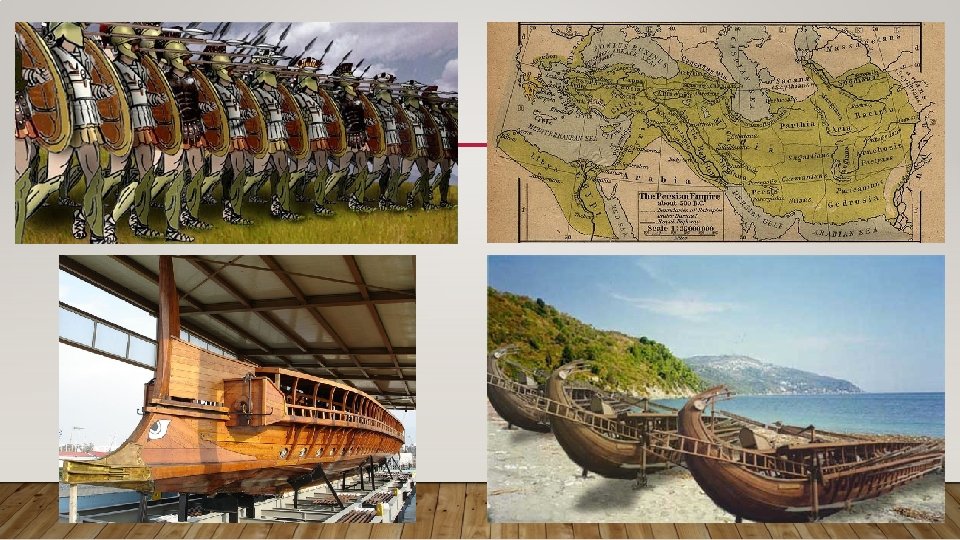
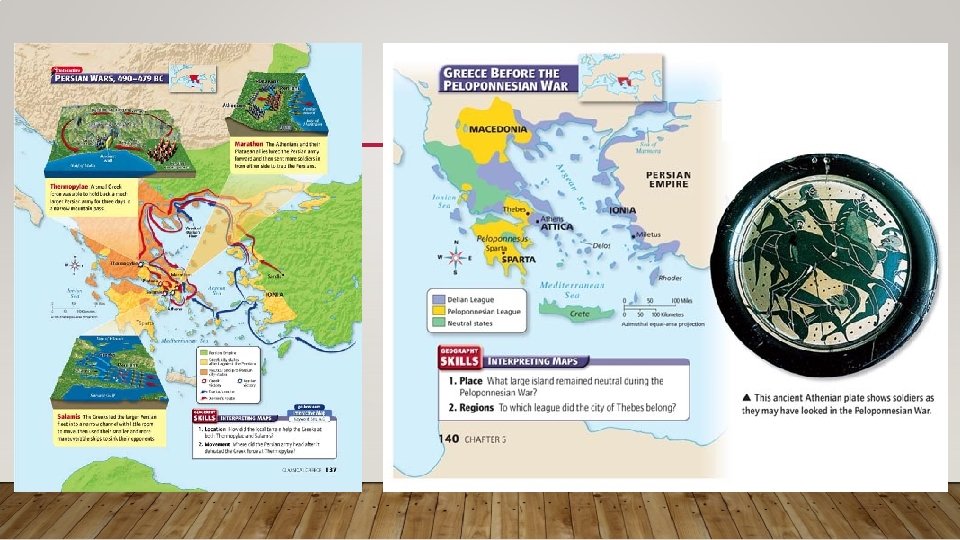
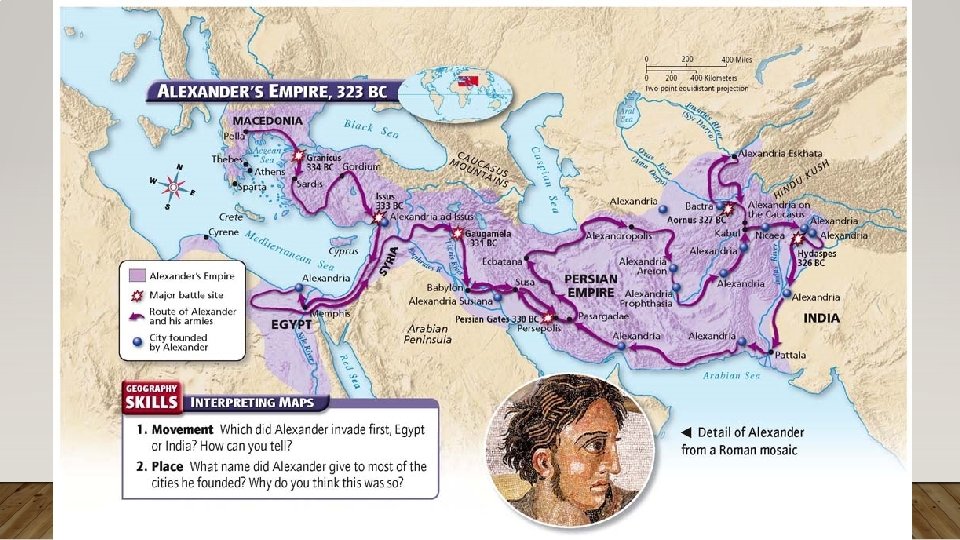
LATER EARLY CIVILIZATION: GREECE • The Greeks will come into conflict with the powerful Persian Empire. Despite the temporary unity among the city-states during and after the conflict, problems arose between Sparta and Athens which sparked a massive “civil war. ” • The Greeks will be weakened after this conflict which will allow for the Macedonians to take over – the start of Alexander the Great’s Empire. • Alexander will spread Greek culture throughout the lands he conquered, ensuring Greek influence for years to come.
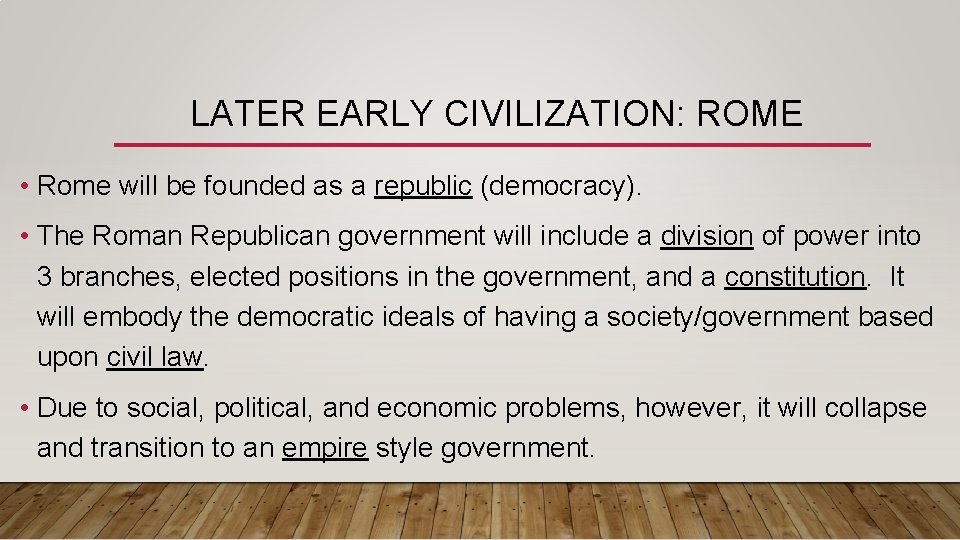
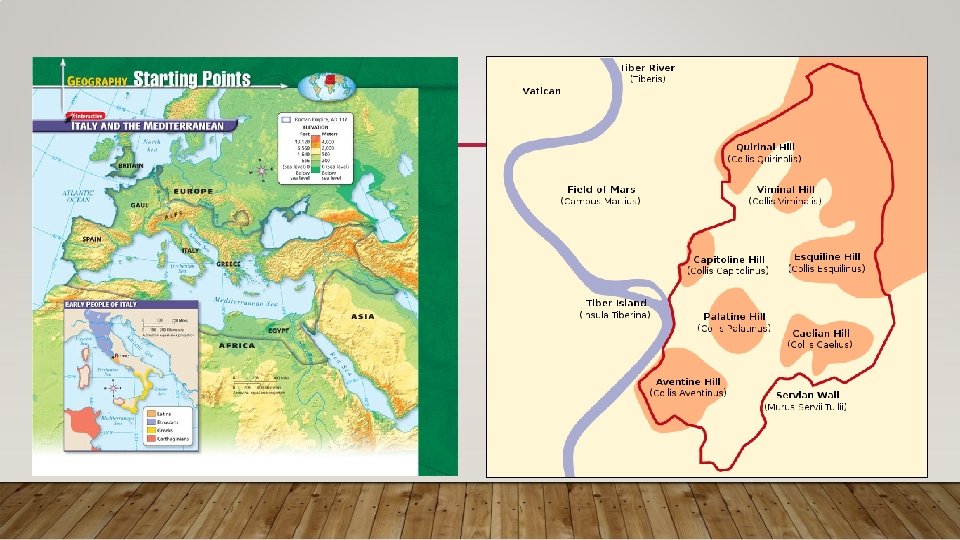
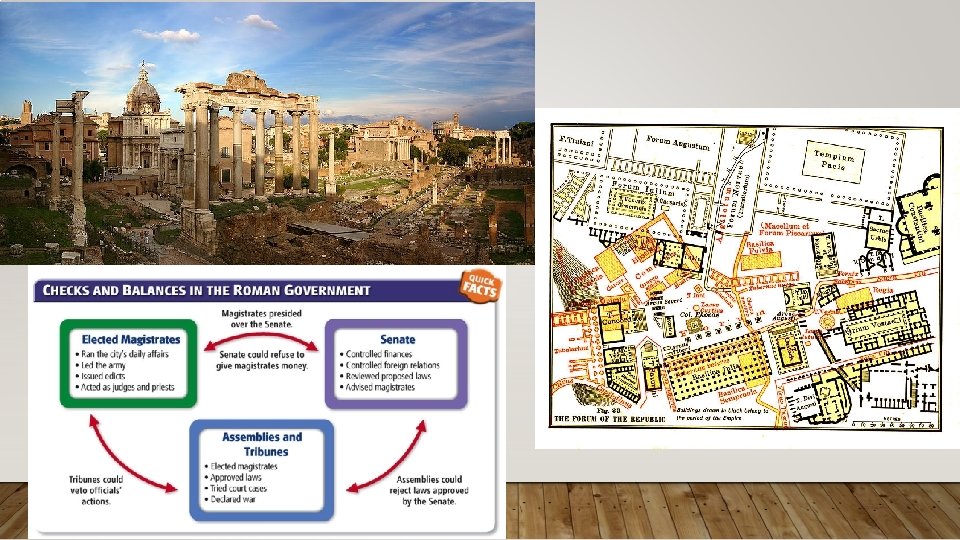
LATER EARLY CIVILIZATION: ROME • Rome will be founded as a republic (democracy). • The Roman Republican government will include a division of power into 3 branches, elected positions in the government, and a constitution. It will embody the democratic ideals of having a society/government based upon civil law. • Due to social, political, and economic problems, however, it will collapse and transition to an empire style government.
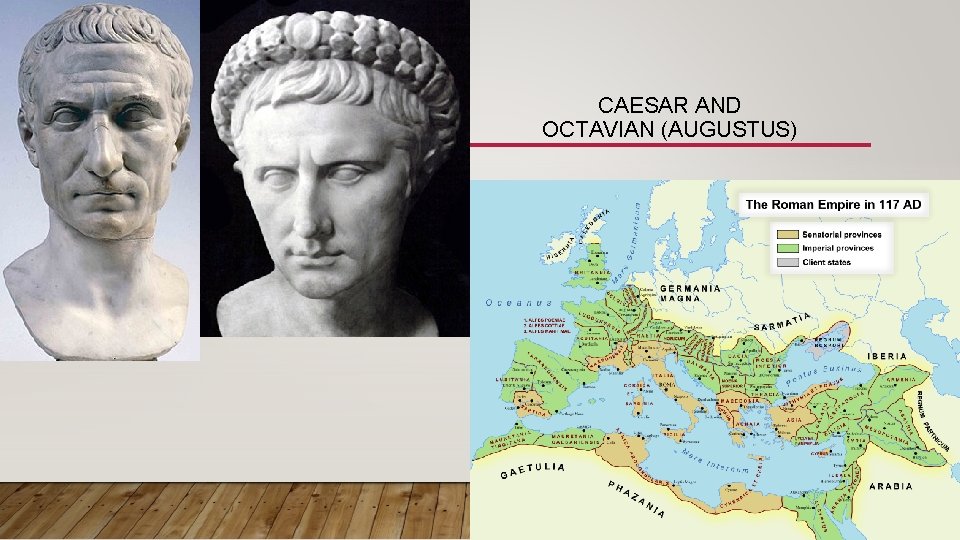
CAESAR AND OCTAVIAN (AUGUSTUS)
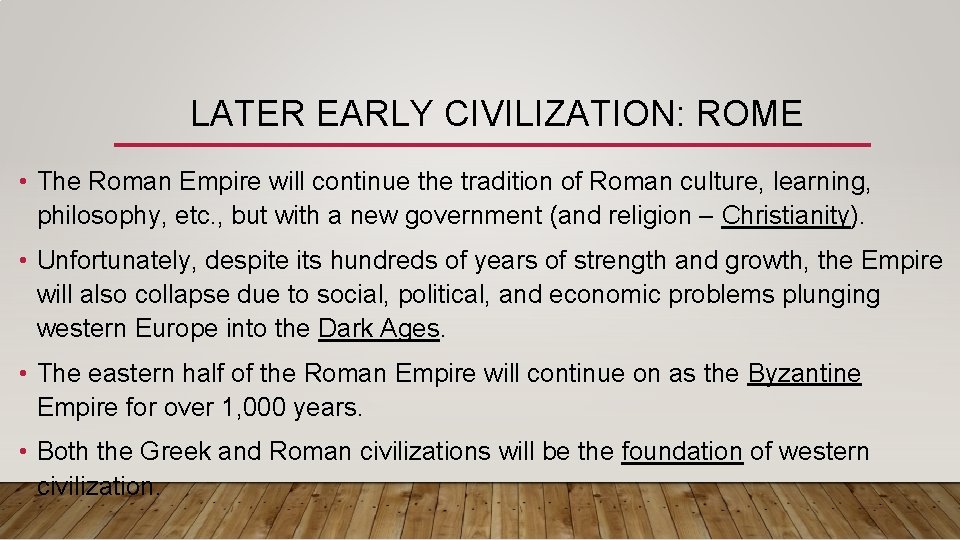
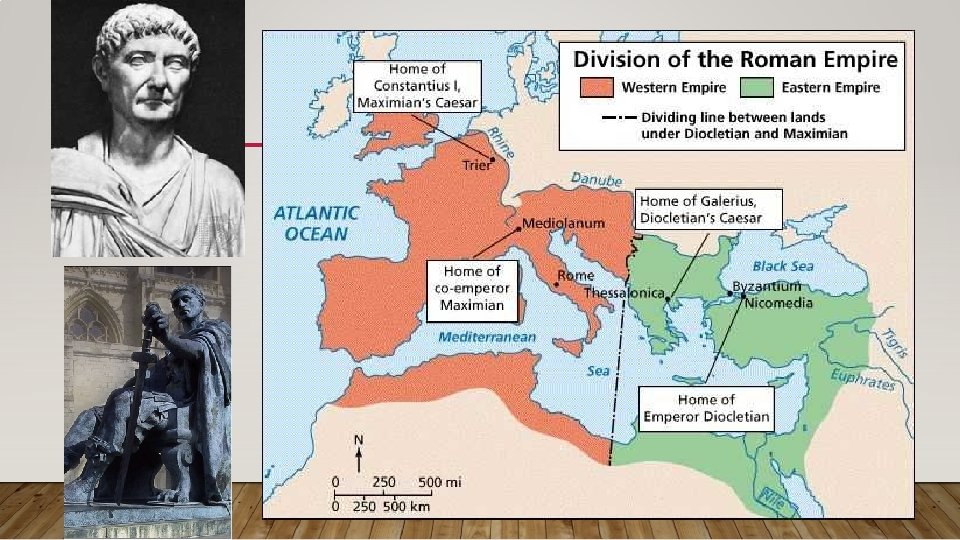
LATER EARLY CIVILIZATION: ROME • The Roman Empire will continue the tradition of Roman culture, learning, philosophy, etc. , but with a new government (and religion – Christianity). • Unfortunately, despite its hundreds of years of strength and growth, the Empire will also collapse due to social, political, and economic problems plunging western Europe into the Dark Ages. • The eastern half of the Roman Empire will continue on as the Byzantine Empire for over 1, 000 years. • Both the Greek and Roman civilizations will be the foundation of western civilization.
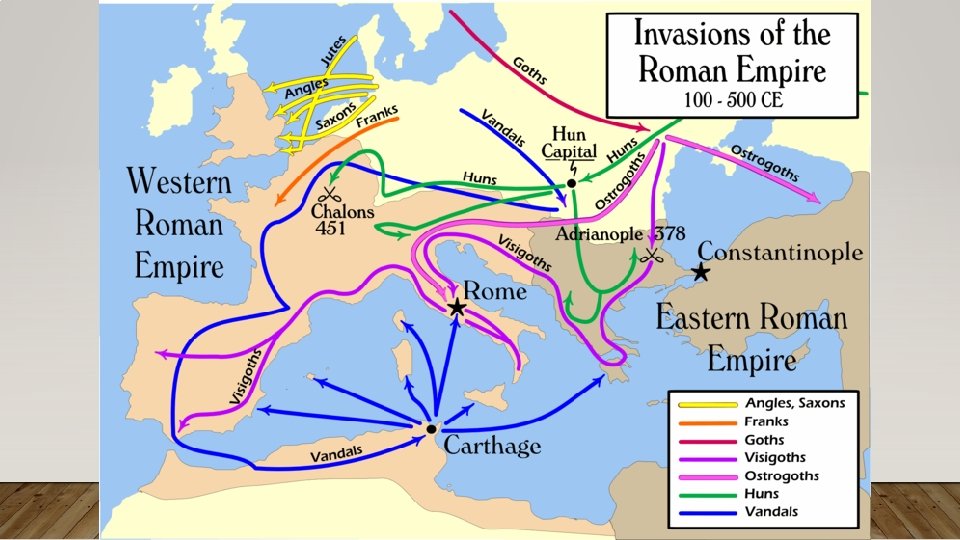
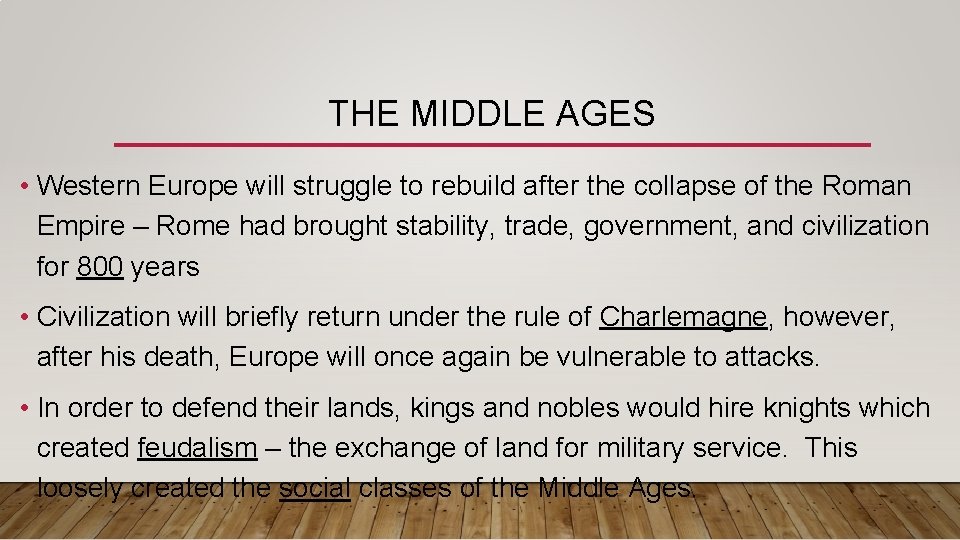
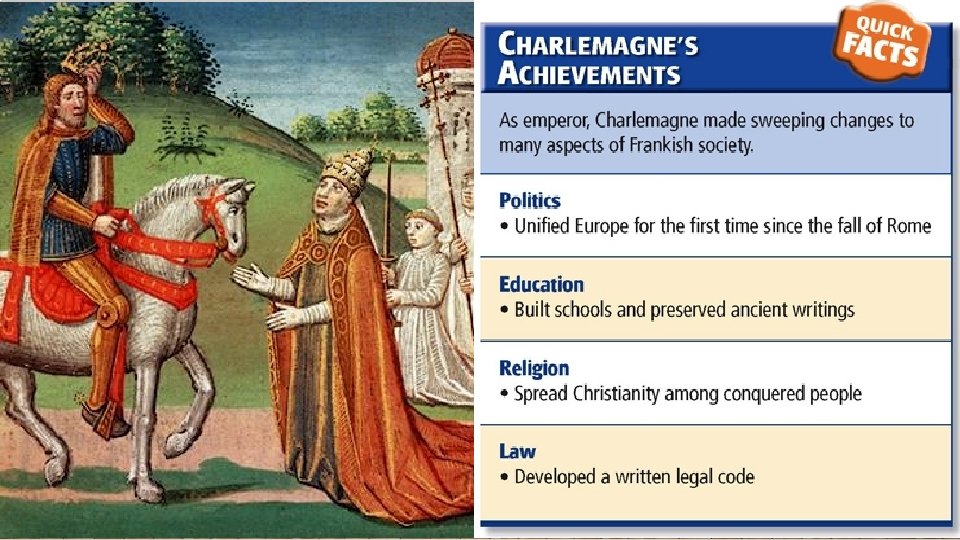
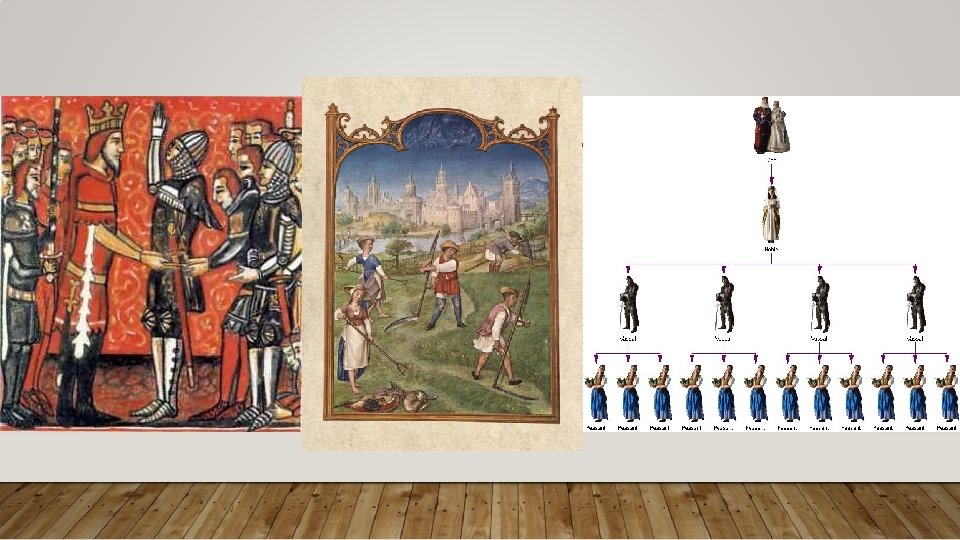
THE MIDDLE AGES • Western Europe will struggle to rebuild after the collapse of the Roman Empire – Rome had brought stability, trade, government, and civilization for 800 years • Civilization will briefly return under the rule of Charlemagne, however, after his death, Europe will once again be vulnerable to attacks. • In order to defend their lands, kings and nobles would hire knights which created feudalism – the exchange of land for military service. This loosely created the social classes of the Middle Ages.
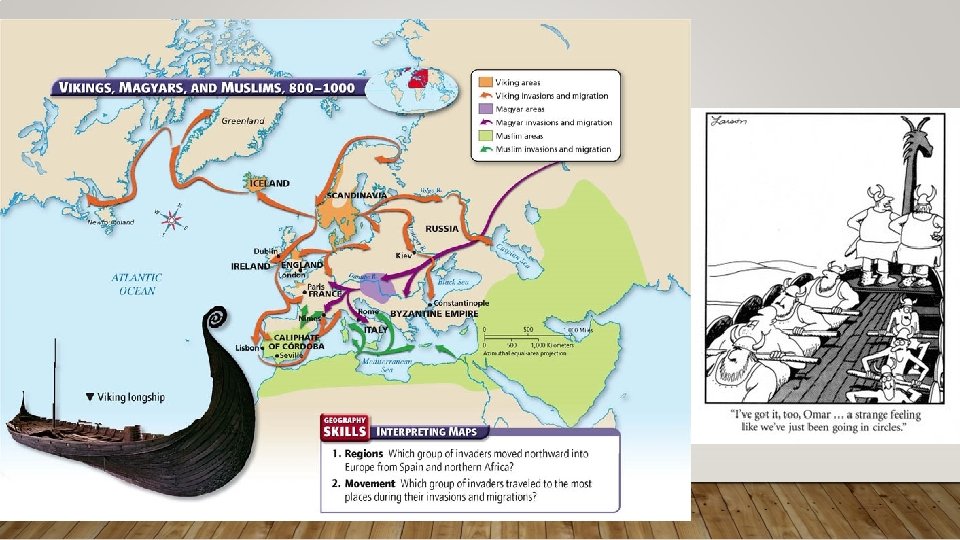
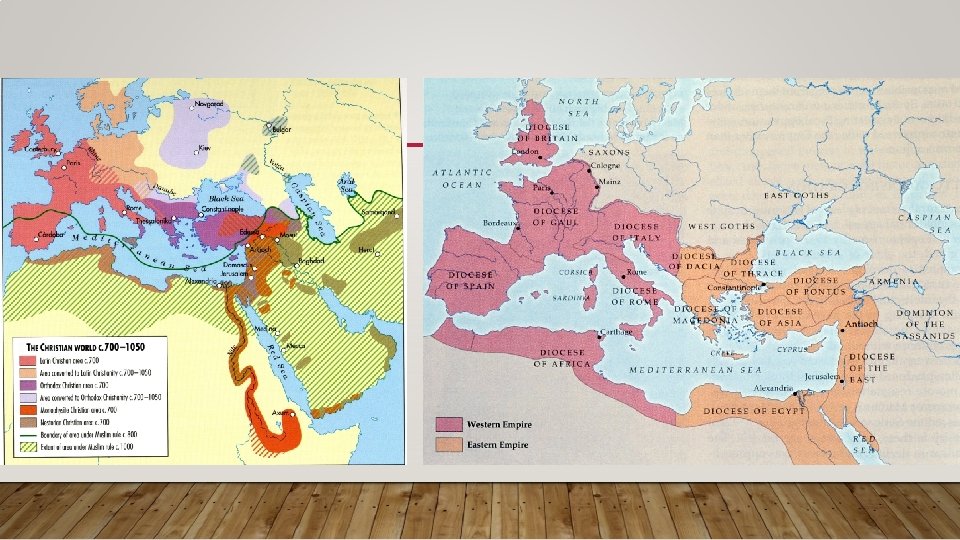
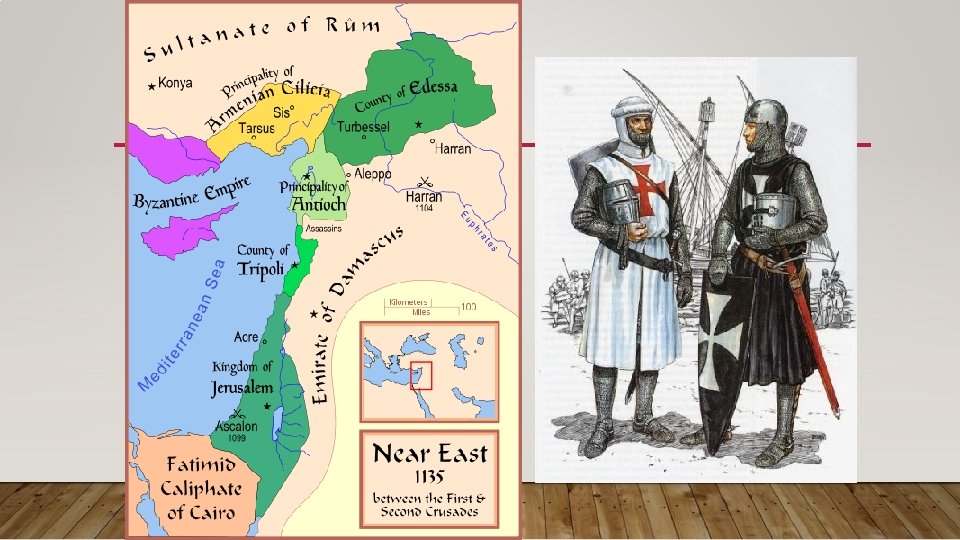
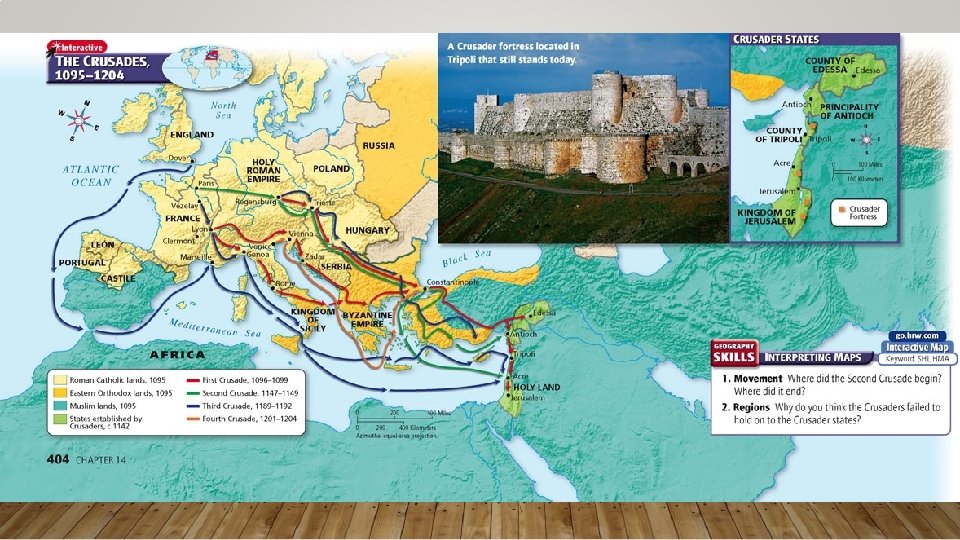
THE MIDDLE AGES • The economic system was manorialism, and the government was monarchy. • The most powerful institution of the Middle Ages was the Roman Catholic church. It will eventually use its power to help launch the Crusades – an attempt (9) by the Christian Europeans to reclaim the Holy Land from Muslim control. • After the Crusades, western Europe will experience a resurgence of civilization, economic growth, and stability. Unfortunately, a combination of the 100 Years War, papal disputes/issues with heresy, and the Black Death will bring an end to the Middle Ages.
THE RENAISSANCE • European civilization will return during the Renaissance (rebirth). It will start in and spread from Italy. • Those that could read turned to the works of ancient Greek and Roman scholars for guidance in wake of the collapse of Medieval society. • As the economy and society changed, new ideas began to appear. The most important idea would be Humanism. • Humanism: the belief in humanity's capacity to create and achieve. This idea will literally change the course of history in that it will be the foundation for the creation of new religions (Protestant Reformation), the Age of Exploration, scientific discoveries (Scientific Revolution), and government/society (Enlightenment). • http: //www. vatican. va/various/cappelle/index_sistina_en. htm
- Slides: 39